
17 min 44 sec
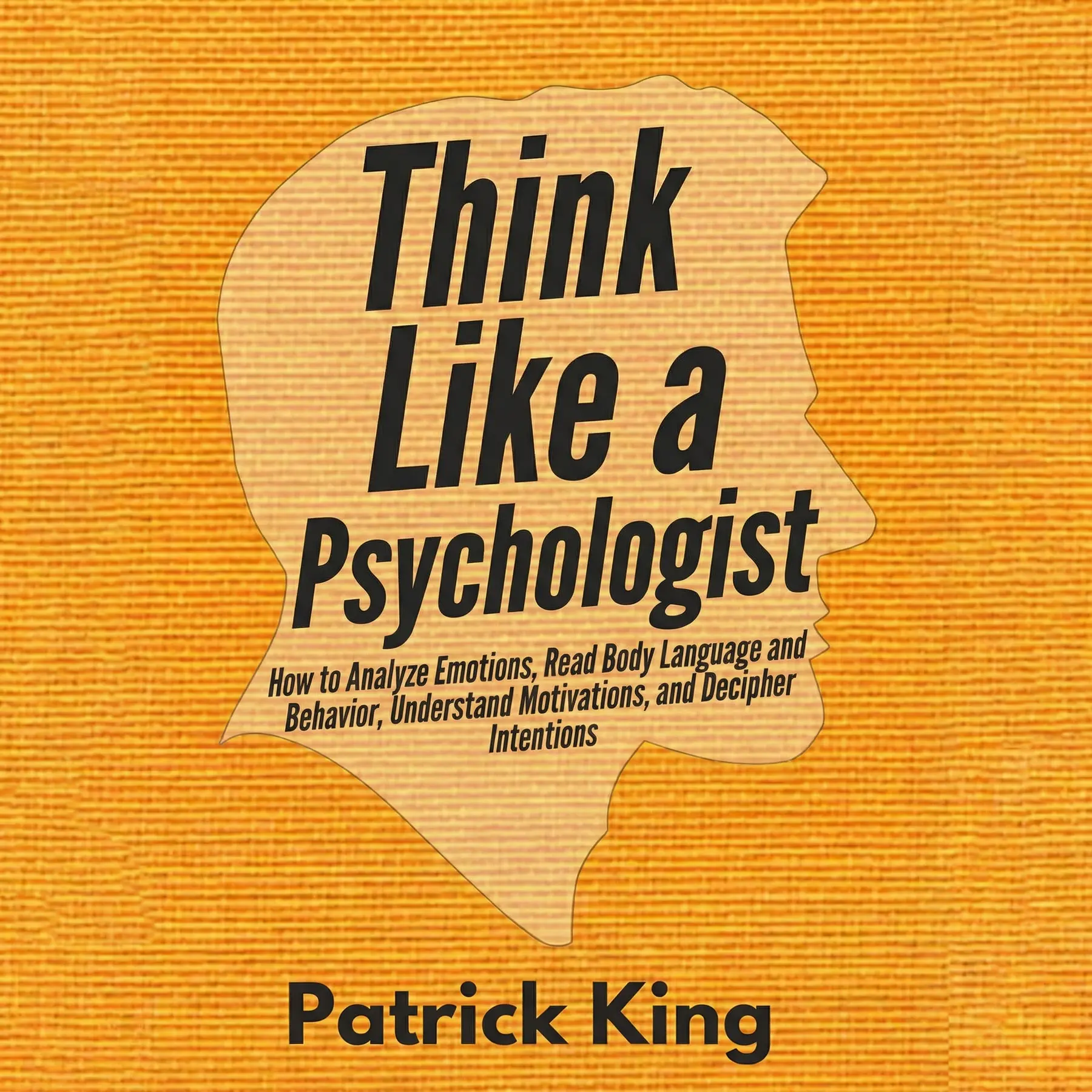
Think Like a Psychologist: How to Analyze Emotions, Read Body Language and Behavior, Understand Motivations, and Decipher Intentions
By Patrick King
Think Like a Psychologist explores the hidden drivers of human behavior. Learn to decode nonverbal signals, master emotional intelligence, and understand the deep-seated motivations and childhood patterns that shape every interaction.
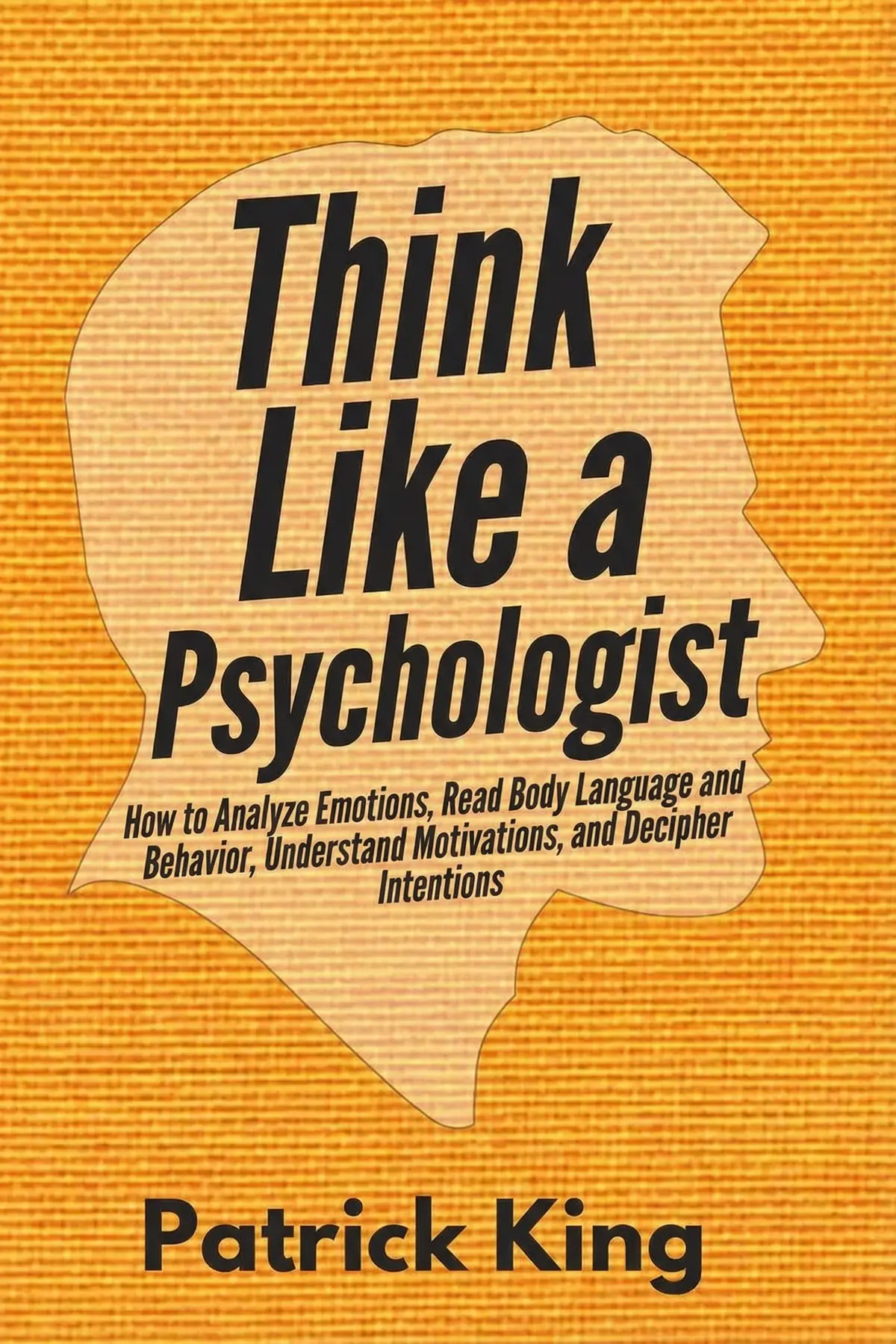
Table of Content
1. Introduction
1 min 45 sec
We live in a world of constant noise, yet some of the most important messages are never actually spoken. Think about a time you were in a meeting or a dinner party where the atmosphere felt tense despite everyone smiling and making polite small talk. You could feel the friction, even if you couldn’t quite put your finger on why. This is because human communication is a multi-layered experience. While we focus heavily on the words people choose, there is an entire hidden dialogue happening through gestures, facial shifts, and subconscious motivations.
Learning to navigate this hidden world is the core of what it means to think like a psychologist. It isn’t about manipulation or clinical diagnosis; rather, it’s about developing a heightened sense of awareness that allows you to see people as they truly are, rather than just as they present themselves. By understanding the mechanics of the human mind, you can bridge the gap between what is said and what is actually meant.
Throughout this exploration, we will look at the various tools available to help you decipher the complexities of human nature. We will start with the physical—the body language and facial expressions that act as windows into the soul. From there, we will move into the internal world of emotions and the importance of emotional intelligence. We’ll also discover how the right kind of questions can bypass a person’s social filters and reveal their core values. Finally, we will examine the biological and developmental forces, such as primal motivations and childhood attachment styles, that drive our adult behavior. By the end of this journey, you will have a new lens through which to view every interaction in your life, leading to clearer communication and deeper, more resilient relationships.
2. The Silent Language of Physical Cues
3 min 03 sec
Discover how fleeting facial expressions and physical posture reveal a person’s internal state, often contradicting the words they speak and providing a deeper level of honesty.
3. The Power of Emotional Intelligence
2 min 50 sec
Explore how identifying your own emotional triggers and observing the subtle subtext in others can transform your social awareness and lead to more effective communication.
4. Uncovering Character Through Indirect Questions
2 min 33 sec
Learn how to use creative and non-threatening inquiries to bypass social masks and gain a deeper understanding of a person’s core values and self-image.
5. The Primal Drivers of Motivation
2 min 42 sec
Analyze the fundamental forces of pleasure and pain, alongside hierarchies of human needs, to understand why people make the choices they do and how they protect their egos.
6. The Blueprint of Childhood Attachment
2 min 53 sec
Investigate how early experiences with caregivers create lasting attachment styles that influence adult intimacy, self-esteem, and social behavior throughout our lives.
7. Conclusion
1 min 58 sec
In this exploration of Patrick King’s insights, we have traveled from the visible surface of body language to the deep, often hidden currents of our early childhood memories. The overarching theme is that human behavior is not a series of random events, but a logical outcome of our biology, our emotions, and our history. By learning to think like a psychologist, you gain the ability to look past the superficial and see the structural reality of the people around you.
You have learned that the body often speaks a more honest language than the tongue, and that by observing the subtle shifts in posture and expression, you can tap into a person’s real-time emotional state. You’ve seen how emotional intelligence allows you to manage your own internal world while navigating the complexities of others with grace and subtextual awareness. We’ve discussed how indirect questions can be the key to unlocking a person’s true values, and how the primal forces of pleasure, pain, and ego protection drive almost everything we do. Finally, we looked at the lasting impact of our earliest relationships and how they set the stage for our adult lives.
The goal of these tools is not to judge or categorize people into neat little boxes. Instead, the goal is to cultivate a mindset of curious empathy. When you understand the ‘why’ behind a person’s actions, your frustration often turns into understanding. You can communicate more effectively because you are speaking to the person’s actual needs and motivations, rather than just their outward persona. As you move forward, try to keep this observer’s mindset active. Be curious about the ‘tells’ you see in a conversation, look for the needs behind a complaint, and remember that everyone you meet is operating from their own unique psychological blueprint. By doing so, you will find that your world becomes richer, your conversations more meaningful, and your connections more profound. Thank you for listening to this BookBits summary of Think Like a Psychologist.
About this book
What is this book about?
Have you ever walked away from a conversation feeling like you missed something crucial? Think Like a Psychologist provides a roadmap for navigating the complexities of human interaction by peering beneath the surface of everyday behavior. The book promises to equip readers with the tools needed to analyze emotions, read body language, and decipher the true intentions of those around them. By drawing on established psychological frameworks, the text explores how our brains process social information and how our past experiences influence our present reactions. You will discover how to identify fleeting micro-expressions, use indirect questioning to uncover a person's values, and recognize the primal drives for pleasure and safety that dictate most decisions. Ultimately, this summary shows how shifting your perspective to that of an observer can lead to more authentic connections, improved communication, and a deeper sense of empathy for the people in your life.
Book Information
About the Author
Patrick King
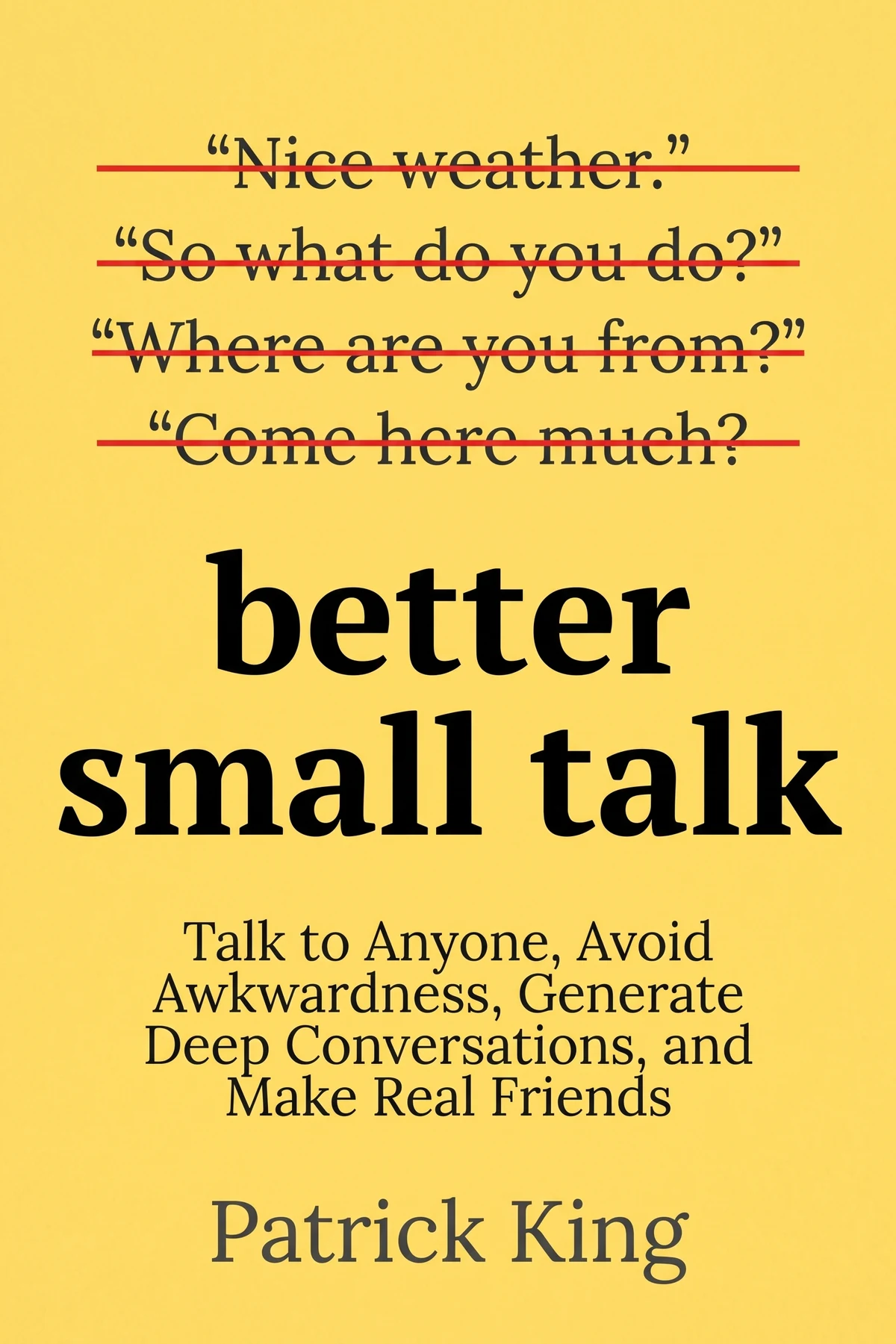
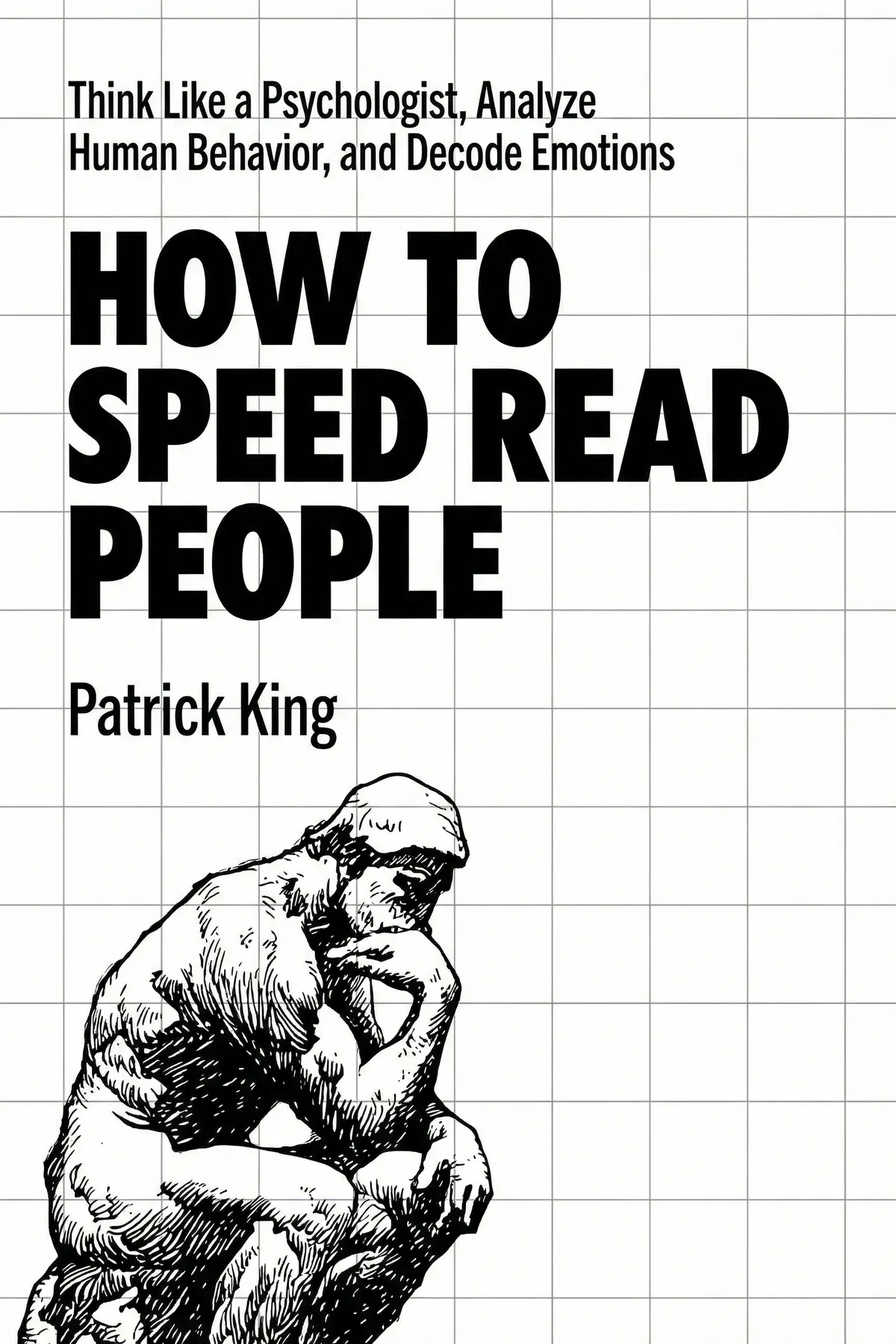
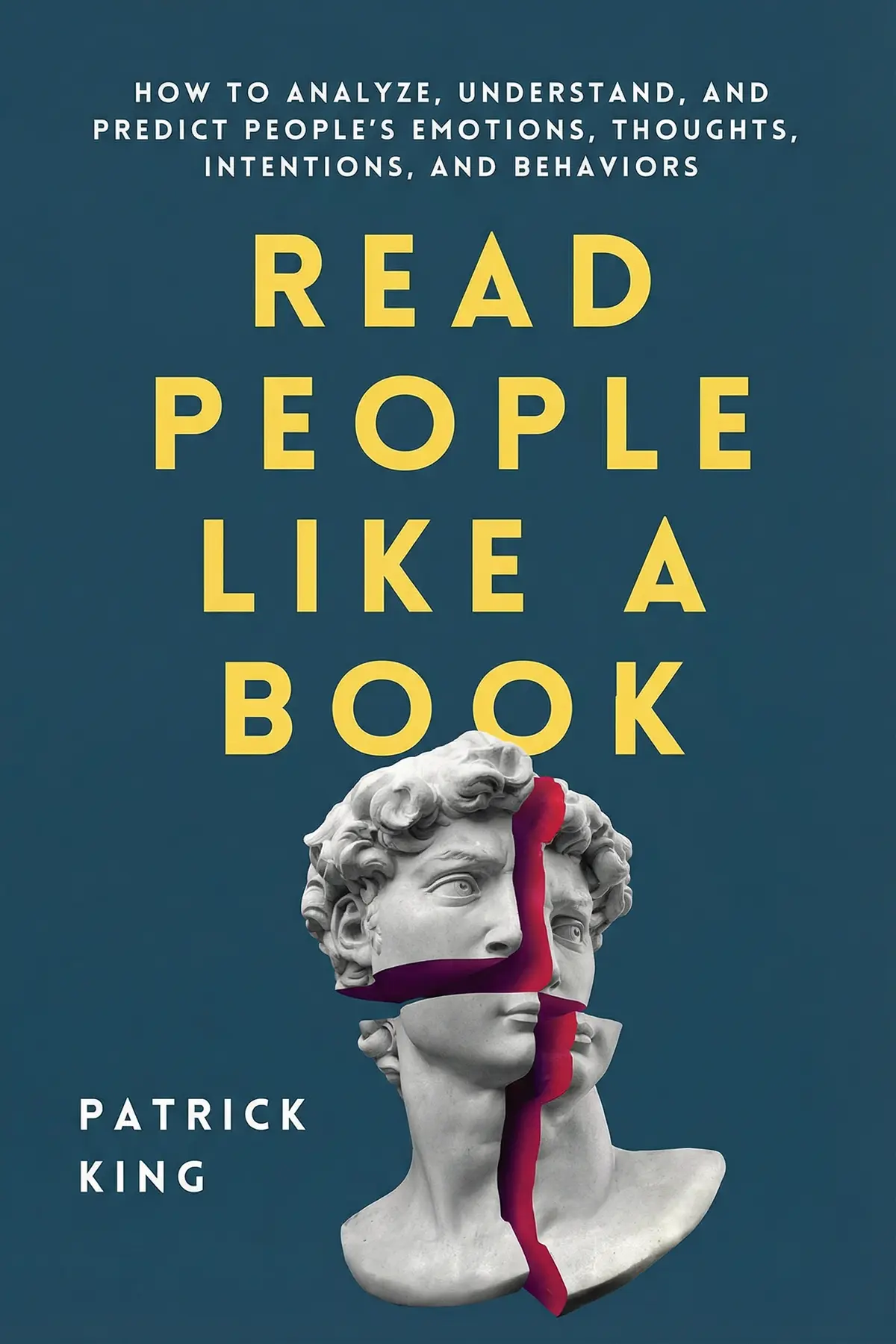
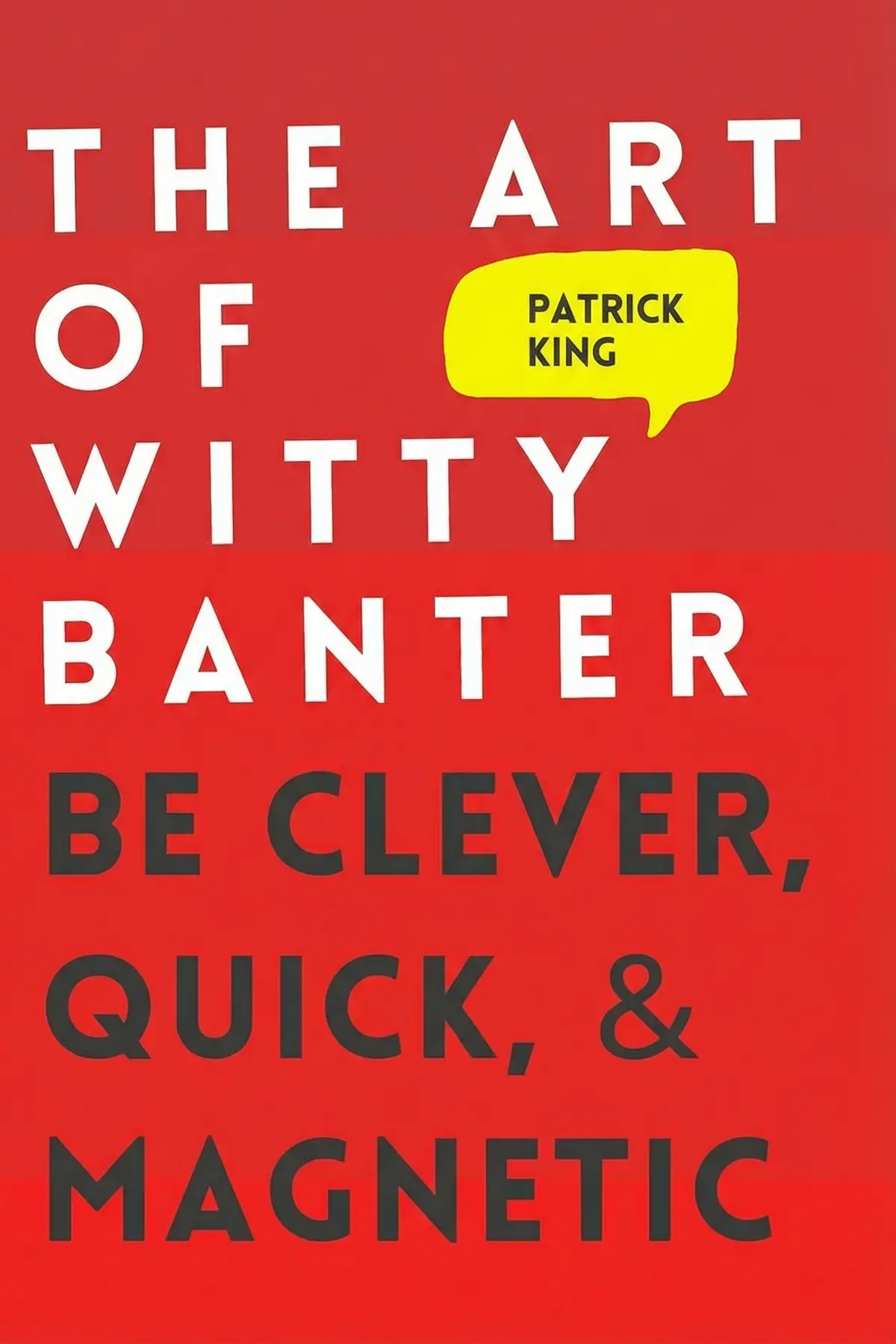
Patrick King is a prominent author and social skills coach who specializes in the fields of social psychology and human behavior. His professional life is dedicated to teaching individuals how to refine their communication skills, increase their self-confidence, and gain more profound insights into human interactions. King has authored several popular titles, including Read People Like a Book, Better Small Talk, and The Art of Witty Banter. His expertise has been recognized and featured in major media outlets such as Business Insider, Forbes, and Men’s Fitness.
Ratings & Reviews
Ratings at a glance
What people think
Listeners find the material to be thorough, accessible, and straightforward to follow. They value the high-quality writing and view the work as a helpful psychological resource. However, there are varying opinions regarding how engaging or entertaining the content is.
Top reviews
Woravit
Finally got around to finishing this today and I must say it’s a very informative and well-written psychological handbook. The way King tackles complex topics in such an organized and clear way is truly impressive for this genre. I’ve already begun implementing the strategies for analyzing subconscious signals that people are constantly broadcasting without even knowing it. This book isn't about manipulating people; rather, it's about gaining a deeper knowledge of human motivations and behaviors to improve relationships. The writing is incredibly clear, and the chapter summaries are the best I've seen in any self-help book recently. It feels like a personalized talk with a mentor rather than a dry, academic lecture on social science. I highly recommend downloading this if you want to understand why we behave the way we do in social settings. It definitely exceeded my expectations for a casual read!
Show moreSupachai
The chapter on reading body language and micro-expressions was actually quite useful for my day-to-day interactions at the office. I started putting some of the gestures and signals into practice during meetings and noticed a difference in how I read my coworkers. This book is exceptionally well-structured, moving through topics in an incisive way that never feels overwhelming for the reader. King's voice strikes a nice balance between being informative and maintaining a fun, casual tone throughout the entire text. While some might say the content isn't revolutionary, the way it’s distilled makes it a valuable handbook for anyone interested in human behavior. I especially appreciated the repeated summaries because they act as a great learning aid for those of us who tend to skim. It isn't a deep dive into clinical theory, but it provides a good groundwork for fine-tuning your perception of others.
Show moreSven
Ever wonder why you react to certain people the way you do? This book offers some great insight into understanding both yourself and the various personalities you encounter every day. It is a fast and easy read that manages to present complex information casually without losing the core message. I found the sections on 'tells' and deceit particularly interesting, though the author is careful to mention these aren't foolproof formulas. It’s important to remember that human behavior is evolving and not always easy to categorize into simple boxes. After reading this, I feel like I'm in a better position to analyze the subconscious signals I observe in my social circles. The structure is very clear and the writing is incisive enough to keep you engaged from the first page. It's a well-structured guide that serves as a solid foundation for further study in the field of psychology.
Show moreErn
Wow, this was a surprisingly practical guide that really helped me look at my own social habits from a new perspective. I’m an introvert by nature, so gaining tools to better engage with others is always something I’m looking for in my reading. The book is well-written and focuses on how people view you, which was quite an eye-opening section for me personally. Even though some of the concepts are basic, the way they are presented makes them very easy to apply to real-life scenarios. It doesn’t feel like a lecture; it feels like a conversation that gives you a better grasp of those around you. The chapter summaries are repeated at the end, which I found to be a very useful learning aid for long-term retention. While it might not be revolutionary for a psychology major, it’s a solid book for the average person seeking clarity. I would definitely consider reading more from this author in the future.
Show moreCooper
Picked this up because I wanted a quick overview of psychological principles without slogging through a dense textbook. The writing style is definitely more of a 'talk' than an academic lecture, which makes it very accessible for a casual afternoon read. However, to be fair, it often feels like a curated list of information you could find on your own if you spent enough time browsing Google. Patrick King does a solid job organizing these complex ideas into digestible chapters with helpful summaries at the end. It functions well as a basic reference tool but lacks the profoundness I was hoping for in a deeper analysis. If you are already familiar with basic behavioral science, you might find the examples a bit too generic and lacking real-world grit. It is a decent starting point for an introvert or a quiet observer trying to gain insight into how others perceive them.
Show moreJob
As someone who enjoys learning about covert language and social dynamics, I found this to be an easy, practical read. It succeeds in distilling the massive amount of information found in thick textbooks into something you can finish in a single sitting. King’s casual writing style is refreshing and makes the subject matter feel much less intimidating than a typical classroom lecture. However, looking back at the content, it's a little lacking in profoundness and doesn't offer anything particularly revolutionary for the seasoned reader. It’s a solid choice if you're an introvert looking for tools to engage better with others or understand your own motivations. The layout is great, especially the way the author organizes the key takeaways at the end of each section. It’s more of a fun read than a serious academic resource, so keep your expectations in check before buying.
Show moreSoontorn
After hearing several people mention Patrick King’s work, I decided to give this title a try to improve my social perception. The voice of the book strikes a nice balance between a textbook and a fun read, making it very accessible. However, I’ve read similar material in the past, and this didn't necessarily bring anything new to the table for me personally. The writing is casual and easy to understand, which is a major plus if you hate dense, academic prose. On the downside, some of the sections felt like a collage of other people's research without much added value from King. It's a good book for a quick refresher, but don't expect it to change your entire worldview on human interaction. I’d recommend it as a basic tool for someone who wants the highlights without doing the heavy research themselves. It’s a decent, middle-of-the-road entry in the self-improvement category.
Show moreBun
To be fair, King has a talent for taking complex matters and making them very easy to understand for the layperson. This book is a fast-paced journey through various psychological theories, and it works well as a basic psychological handbook for beginners. My main gripe is that many of the examples provided are too generic to be truly helpful in complex, realistic situations. It often feels like the author is just listing information he gathered elsewhere rather than providing his own unique contributions to the field. Still, the book is well-organized, and the summaries at the end of the chapters are excellent for reinforcing what you've just learned. It's a so-so read if you've already explored this topic, but it serves its purpose as a quick, distilled version of a thick textbook. I’d say it’s a 'good, not great' addition to any bookshelf focused on human behavior.
Show morePop
Not what I expected given the high praise I had seen in some circles online recently. Truth is, the book reads more like a student's collage paper rather than a professional psychological guide with original insights. The author doesn't seem to contribute much of his own thought to the theories, instead choosing to list facts gathered from other researchers. I found the examples to be incredibly generic and even unrealistic at points, particularly when discussing blame and personal failures. Many of us have dealt with incompetent managers or mean-spirited people, yet the scenarios presented felt far too simplified. If you have never read a psychology book in your life, you might find some value here. For anyone else, it is just a fast-paced regurgitation of concepts that are better explained in more comprehensive, authoritative texts. It felt a bit like a so-so blog post stretched out into a full-length book format.
Show moreNan
Frankly, the lack of original contribution from the author makes this a hard one for me to recommend to serious students. It’s essentially a list of psychological concepts that anyone could find with a few quick searches on Google or Wikipedia. While it is well-paced and flows well, the content just doesn't offer anything revolutionary or deeply insightful for the price. The examples provided, like the one about the 'blame game,' felt incredibly flat and didn't resonate with my actual experiences in the workforce. I’ve worked for some truly incompetent supervisors, and the advice here felt far too generic to be useful in those situations. It’s a very basic reference tool at best, perhaps suitable for a high school student or a total beginner. If you want a deep dive into the psyche, you should probably look for a more thick and academic text instead. It was just a so-so experience overall.
Show moreReaders also enjoyed
A Liberated Mind: How to Pivot Toward What Matters
Steven C. Hayes
Acting with Power: Why We Are More Powerful Than We Believe
Deborah Gruenfeld
Age of Propaganda: The Everyday Use and Abuse of Persuasion
Anthony Pratkanis
AUDIO SUMMARY AVAILABLE
Listen to Think Like a Psychologist in 15 minutes
Get the key ideas from Think Like a Psychologist by Patrick King, plus 5,000+ more titles in English and Thai.
- 5,000+ titles
- Listen as much as you want
- 7-day free trial
- Cancel anytime







