
Livewired: The Inside Story of the Ever-Changing Brain
David Eagleman
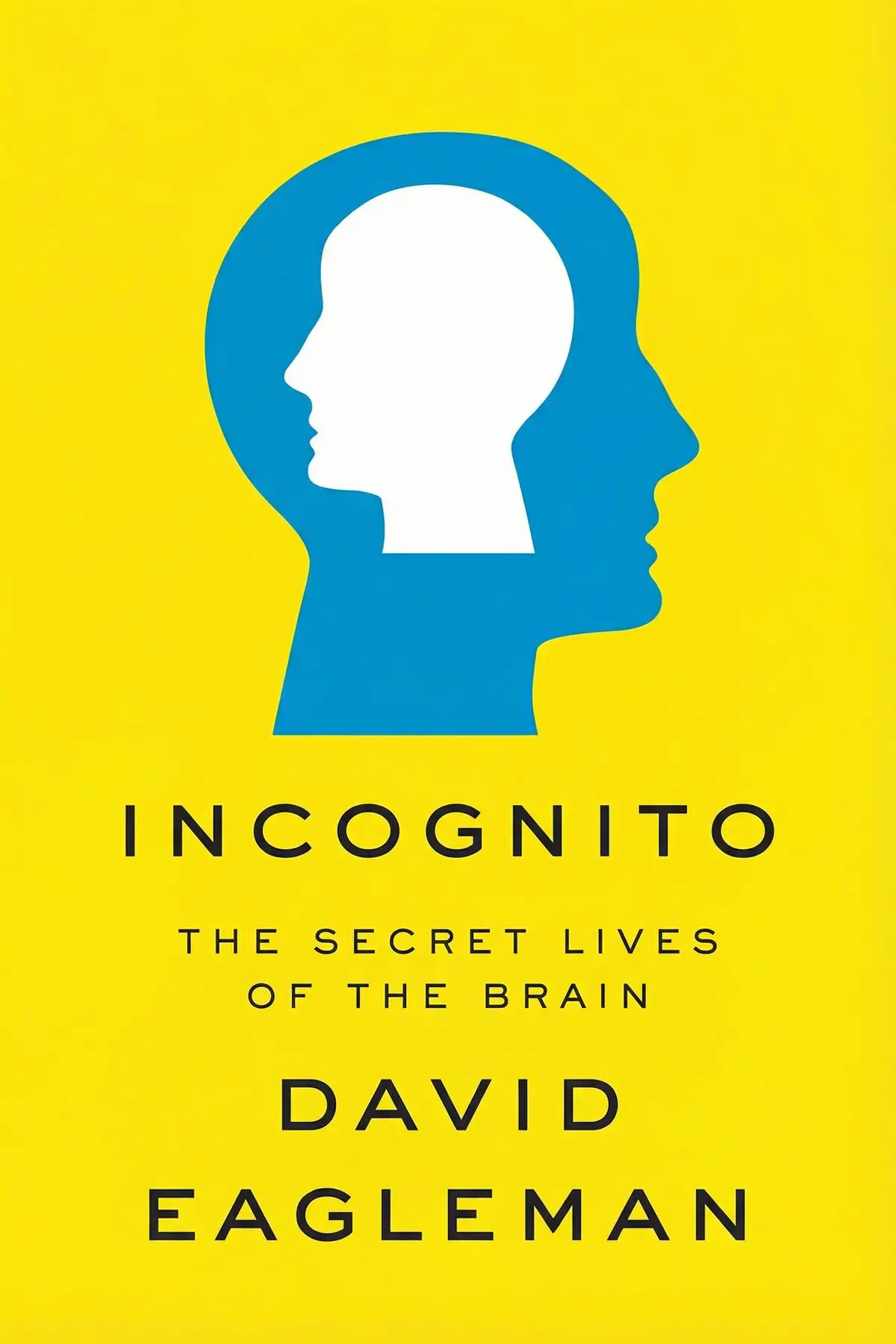
Incognito peels back the layers of the human brain to reveal that our conscious minds are only a tiny part of our identity, driven by hidden, powerful subconscious forces.
1 min 54 sec
Think back to a moment when you felt truly proud of yourself. Maybe you successfully navigated a high-stakes meeting, solved a complex puzzle, or reacted with lightning-fast reflexes to catch a falling glass before it shattered on the floor. In those moments, it feels natural to take full credit. We tell ourselves that ‘we’—the conscious ‘I’ that lives behind our eyes—were the ones in charge. But what if that feeling of control is largely an illusion? What if the vast majority of the work was actually done by an army of subconscious processes that you didn’t even know were active?
This is the central revelation of Incognito. It suggests that our conscious minds are like a tiny stowaway on a massive transatlantic steamship, taking credit for the journey without acknowledging the massive engines, the hard-working crew, and the complex machinery churning away deep below the deck. Most of what your brain does happens in the dark, and you are only invited to see the final results of its labor. When you have a sudden insight or a change in mood, you’re experiencing the output of a system that has been working behind the scenes for hours, days, or even years.
By looking at the latest findings in neuroscience, we can begin to see how little of our behavior is truly up to us. From the way our brains construct our reality to the biological glitches that can completely alter our personalities, we are about to discover that the ‘secret life’ of the brain is far more influential than we ever dared to imagine. As we move through these ideas, keep an eye out for how this perspective changes everything from how you view your own habits to how we, as a society, handle justice and punishment. It is a journey into the hidden depths of the mind, where the ‘you’ that you think you know is only the beginning of the story.
2 min 45 sec
Discover why your conscious mind is often the last to know what your brain is doing and how biological shifts can transform who we are.
2 min 18 sec
What you see is not always what is there. Learn how the brain interprets signals to create a version of reality that is more about survival than truth.
2 min 10 sec
Inside every brain, different factions are constantly fighting for control. Explore why we argue with ourselves and how this inner conflict is essential.
2 min 08 sec
Our preferences, from the food we crave to the people we find attractive, are the results of an ancient evolutionary blueprint.
2 min 06 sec
If our actions are driven by biology we don’t control, how should we punish crime? Explore the shift from retribution to rehabilitation.
2 min 14 sec
While neuroscience explains much, it may not explain everything. Discover why we might still be more than just the sum of our neurons.
1 min 21 sec
The overarching lesson of Incognito is one of humility. We like to think of ourselves as the masters of our domain, the conscious architects of our lives. But in reality, we are the beneficiaries of a vast, complex, and hidden biological heritage. The conscious ‘you’ is just the tip of the iceberg, floating on a massive sea of subconscious processes that do the heavy lifting of living.
By understanding that our brains are a ‘team of rivals’ and that our perceptions are constructions, we can gain a better understanding of why we do the things we do. We can learn to be more patient with our internal conflicts and more compassionate toward the ‘biological glitches’ we see in others. This shift in perspective invites us to move away from judgment and toward a more evidence-based approach to human behavior.
As you move forward from this summary, try to notice the moments when your ‘autopilot’ takes over. Recognize that your first impulse, your favorite flavor, or even your sudden bursts of anger are the results of deep-seated neural machinery. By acknowledging the secret life of your brain, you don’t lose your identity; rather, you gain a far more profound and accurate picture of what it truly means to be human. The world within your skull is a vast frontier, and we are only just beginning to map its depths.
This exploration into the machinery of the mind challenges the idea that we are the masters of our own thoughts. By examining the vast, unconscious processes that operate beneath the surface of our awareness, David Eagleman demonstrates that much of what we do, feel, and believe is the result of biological programming and neurological subsystems we cannot access. The book promises a shift in perspective, moving from a view of ourselves as unified, conscious actors to a more complex understanding of the brain as a 'team of rivals.' It covers everything from how we perceive reality and why we struggle with self-control to the evolutionary reasons behind our tastes and the potential for a more compassionate legal system based on neuroscience.
David Eagleman is a neuroscientist and junior professor at Baylor College of Medicine who has written several popular science books, including Wednesday is Indigo Blue.
David Eagleman
David Eagleman
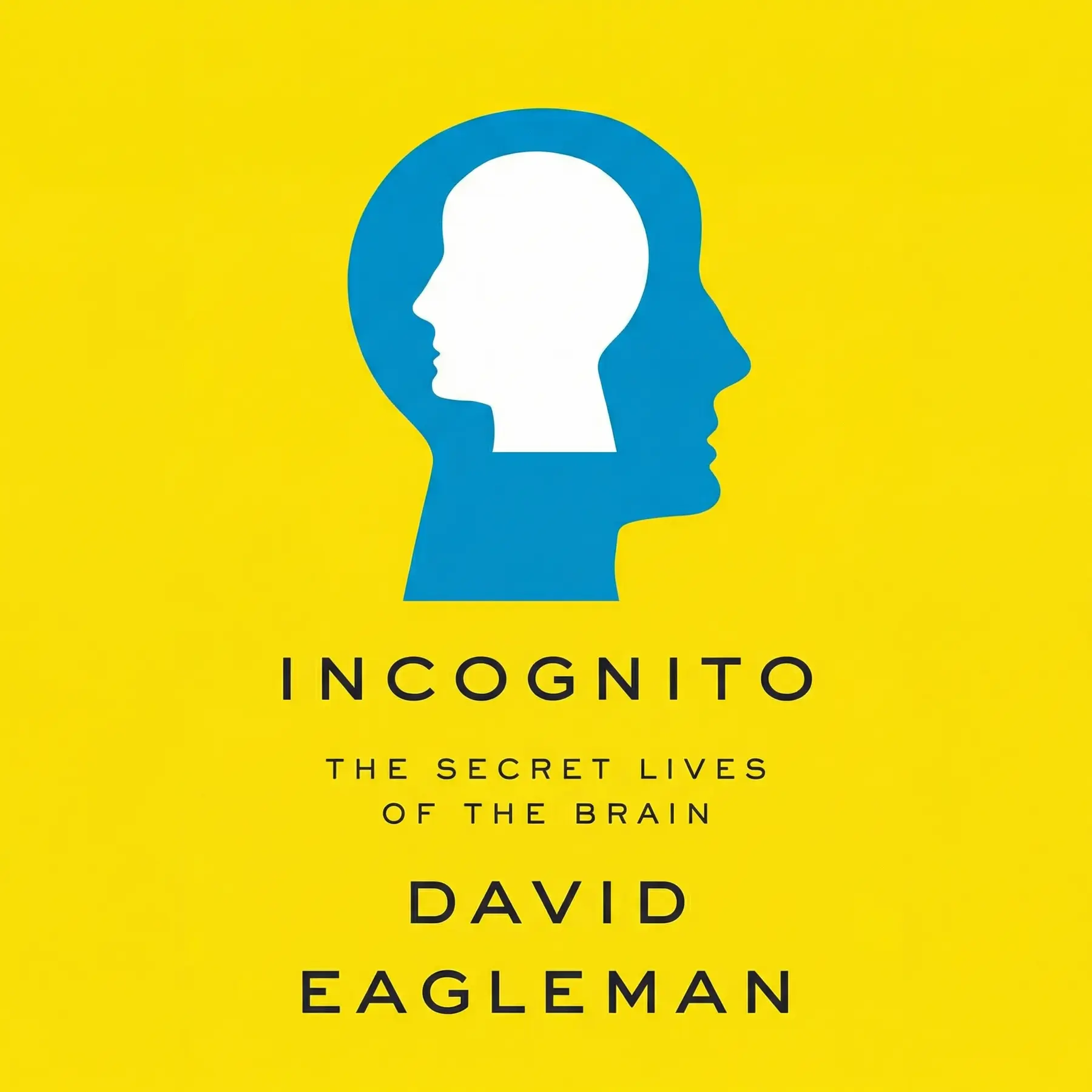
Listeners find the material captivating and simple to digest, featuring high-quality writing that is understandable for those without a scientific background. Furthermore, the work offers valuable perspectives on how the brain operates, with one listener mentioning that it reads like a series of short stories. They also value the stimulating subject matter, especially the way it exposes the inner workings of the subconscious mind and clarifies intricate subjects.
Ever wonder why you can drive home without remembering a single turn? Eagleman dives deep into the "zombie systems" that run our lives while our conscious mind is busy thinking about dinner. It’s a fast-paced, accessible exploration of how the subconscious mind handles the heavy lifting of our daily existence. Truth is, we are often the last to know what our brains are actually up to. I loved the section on how our brains "see" things—it's not just a camera recording reality, but an active construction based on internal models. The writing is snappy, though I wish there were more diagrams to visualize some of the more complex biological pathways. Still, it’s a brilliant introduction for anyone curious about why we do the things we do without realizing it.
Show moreWow, this book completely dismantled my sense of self in the best way possible. From the Pink Floyd-inspired opening—"There's someone in my head, but it's not me"—I was hooked on the idea that consciousness is just a tiny CEO of a massive corporation. The examples of synesthesia and the "illusion-of-truth" effect were eye-opening; it’s terrifying to realize how much we believe simply because we’ve heard it before. Eagleman manages to make high-level concepts like neuroplasticity and the "two-party system" of the brain feel entirely intuitive. It’s a rare science book that manages to be both academically rigorous and genuinely entertaining. I finished it in two sittings and immediately started telling everyone about the prairie vole experiments.
Show moreAs someone who usually avoids science books, I found Eagleman’s writing style remarkably inviting and devoid of gatekeeping. He uses "Radio Theory" to explain that we shouldn't be too reductionist about the brain, which was a very helpful perspective. The book feels like a series of short stories about the most complex object in the universe, and it’s consistently engaging. My only real gripe is that some of the case studies, like the homicidal sleepwalker, felt a bit sensationalized for the sake of the narrative. Regardless, the way he explains that "the whole is greater than the sum of its parts" is masterfully done. It’s a thought-provoking journey into the subconscious that never feels dry or overly academic.
Show moreTruth is, I'll never look at a chocolate bar or a coin toss the same way again. Eagleman’s trick for making decisions—flipping a coin just to see how your "gut" reacts to the result—is honestly life-changing. He explains that our subconscious has often worked out the "right" answer long before our conscious mind catches up. The book is filled with these little practical applications of neuroscience that make it feel relevant to everyday life. It's a perplexing, wonderful masterpiece that celebrates the brain as the most wondrous thing in the universe. If you want to understand the "vast, hidden machinery" that makes you you, this is the perfect place to start.
Show moreEagleman has a knack for making incredibly dense neurobiology feel like a casual conversation at a bar. He describes the brain as a "team of rivals," where different neural circuits compete for control over our actions, much like a messy representative democracy. Personally, I found the "Radio Theory" metaphor particularly striking; it’s a great way to understand that observing a system’s failure doesn't mean you've mastered its origin. The book does feel a bit like a collection of essays rather than one long, cohesive argument, which makes it easy to dip in and out of. However, that fragmented structure occasionally leaves you wanting more depth on the specific studies mentioned. It’s definitely a page-turner that challenges your intuition about free will and "the self."
Show morePicked this up on a whim and ended up highlighting half the pages. The discussion on the "democracy of the mind" really changed how I view internal conflict, especially that tug-of-war between our rational and emotional halves. Why can’t we just decide to be healthy or happy? Eagleman explains the biology behind that struggle without making it feel like a lecture. I found the section on how we process faces and social cues in infancy to be particularly fascinating. Not gonna lie, some of the stuff about how little control we have over our own desires is a bit haunting. It's a quick, punchy read that packs a lot of "wow" moments into a relatively short page count.
Show moreThe chapter on the biology of the criminal mind is where this book shifts from interesting to truly controversial. Eagleman argues that our legal system is built on a myth of human equality that doesn't account for varying degrees of impulse control. While his points about the prefrontal cortex and the "organ of socialization" are scientifically sound, his suggestions for "rehabilitating" offenders are a bit much for me. To be honest, it’s a lot to wrap your head around, and I’m still not sure where I stand on his policy recommendations. However, the book is incredibly well-written and serves its purpose by making you question things you've always taken for granted. Definitely worth a read for the debate alone.
Show moreLook, the reality is that we are just passengers in a machine we don't fully control. This book does an amazing job of showing how our genes and environments interact in "perfect storms" to create our personalities. The explanation of the vasopressin receptor gene and its link to monogamy was absolutely mind-blowing. It really makes you wonder how much of our "moral character" is actually just chemistry. Eagleman writes with a contagious enthusiasm that makes you feel like you’re discovering secrets about your own head. Occasionally, he repeats himself to drive home a point, but the overall impact of the book is profound. It’s a must-read for anyone interested in why humans act the way they do.
Show moreTo be fair, I expected a more cohesive narrative rather than what felt like a loosely connected series of magazine articles. The early chapters are brilliant, especially the parts about how we become "wired" for routine actions like driving or playing an instrument. But as the book progressed into the legal and social implications of neuroscience, the pacing felt rushed. It’s a good primer for non-scientists, but if you’ve read much about the brain before, many of these anecdotes will feel like recycled material from other popular science books. I also found his "CEO" metaphor a bit oversimplified at times. It’s a solid 3-star read—decent for a flight, but not the life-changing experience some of the blurbs suggest.
Show moreWhile the science bits are undeniably cool, the underlying agenda regarding the legal system felt sneaky and deeply problematic. Eagleman uses fascinating tidbits about split-brain patients and chemistry to lure you in, but then he pivots to a disturbing argument about "treating" or "warehousing" criminals based on brain function. Frankly, the way he dismisses civil rights in favor of a biologically determined justice system sent a chill up my spine. He paints a picture of enlightenment, yet ignores the massive ethical counterarguments regarding bodily autonomy and government-forced medical treatment. It’s a deceptive piece of writing that masks a dangerous social philosophy with shiny neuroscience. If you read it, do so with a very critical eye toward his conclusions on social engineering.
Show more
J. Craig Venter
Richard Wiseman
Carl Zimmer
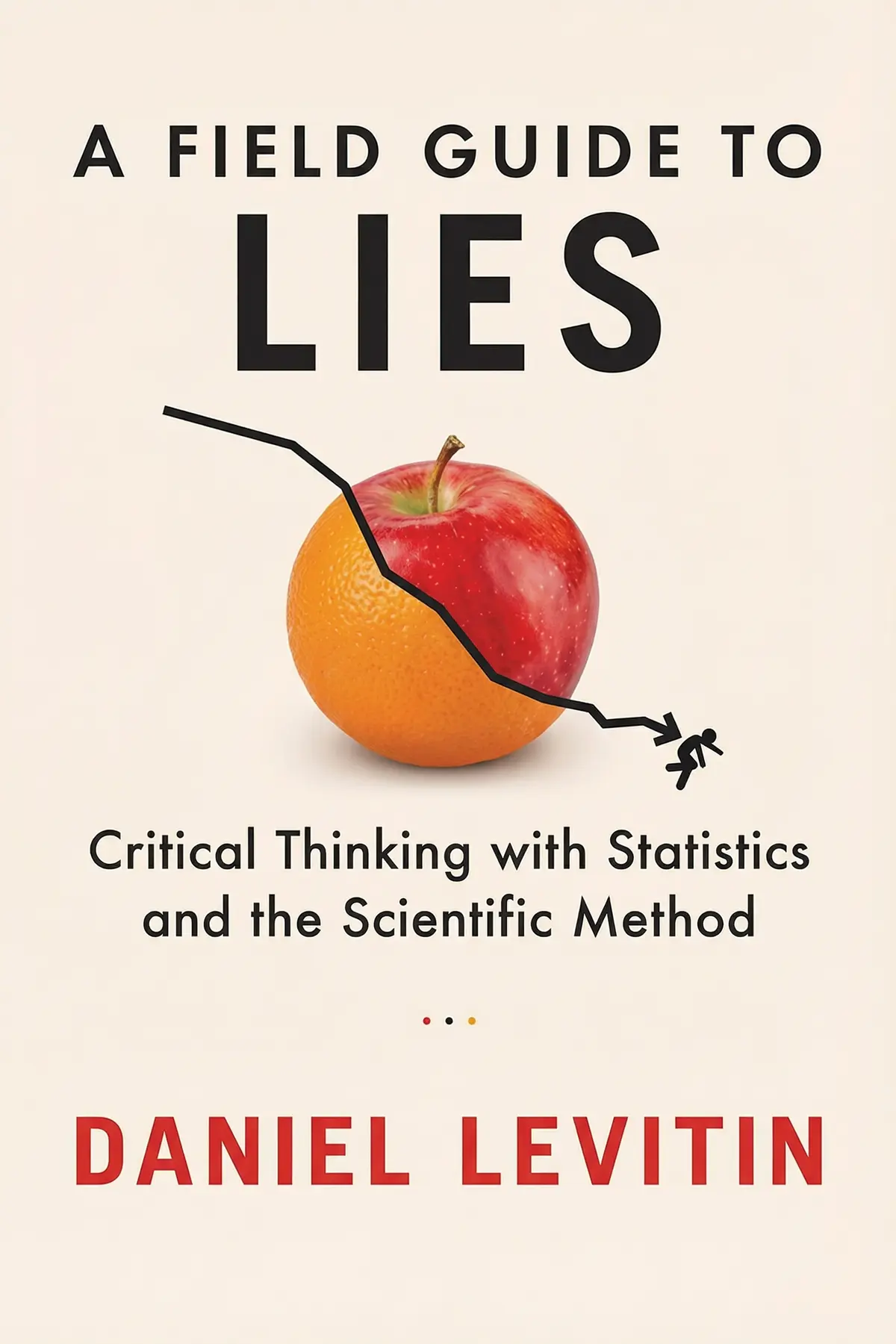
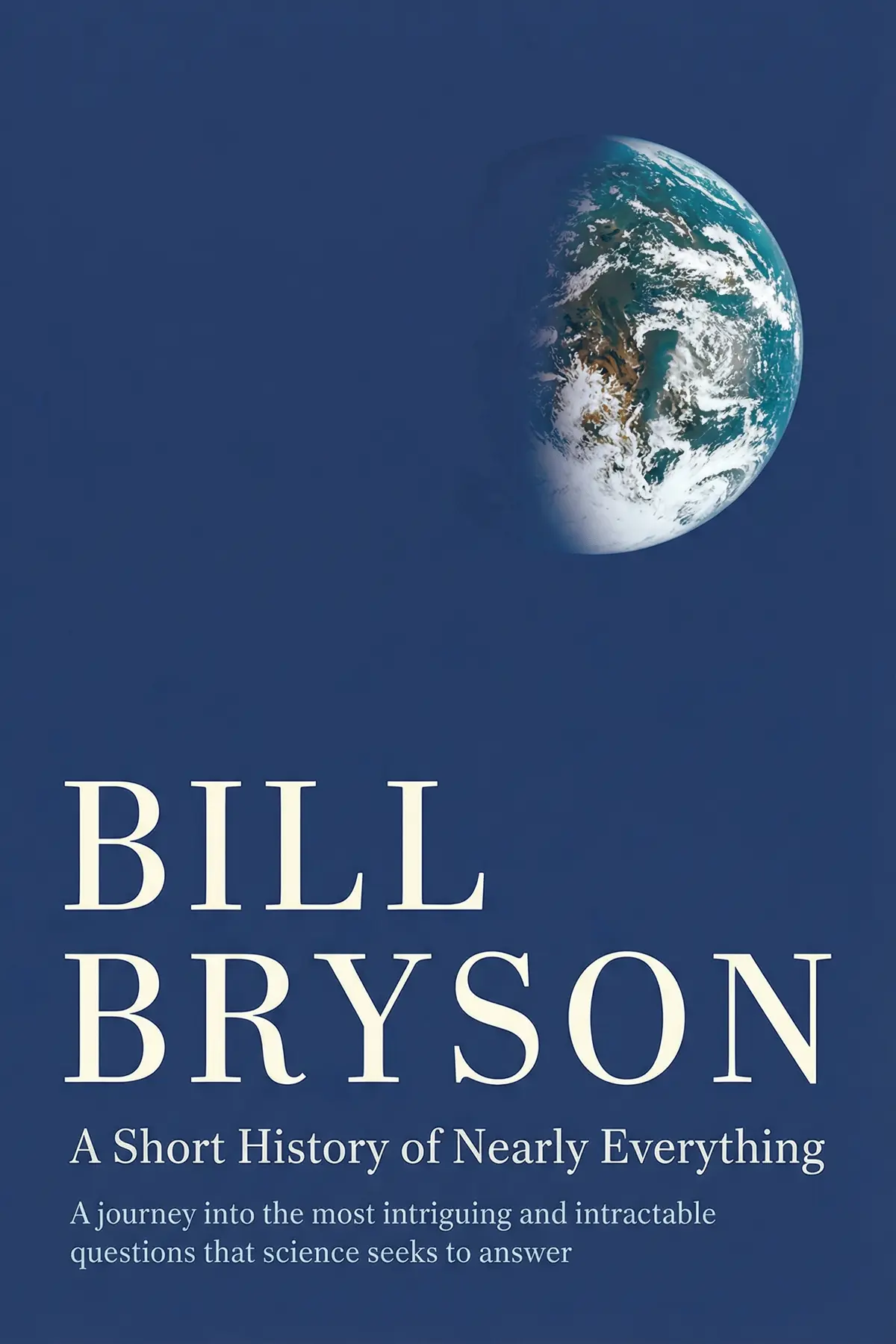
Bill Bryson
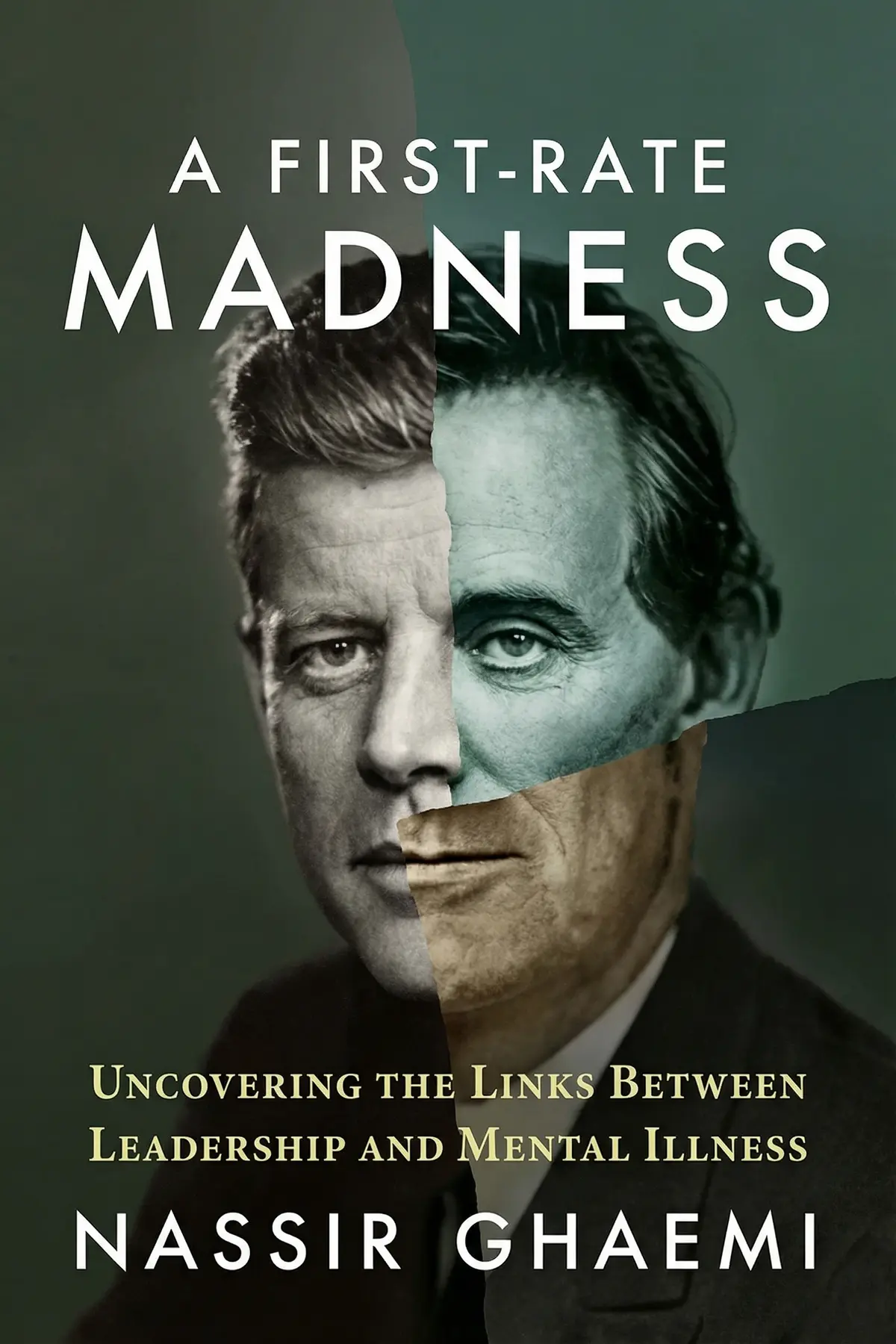
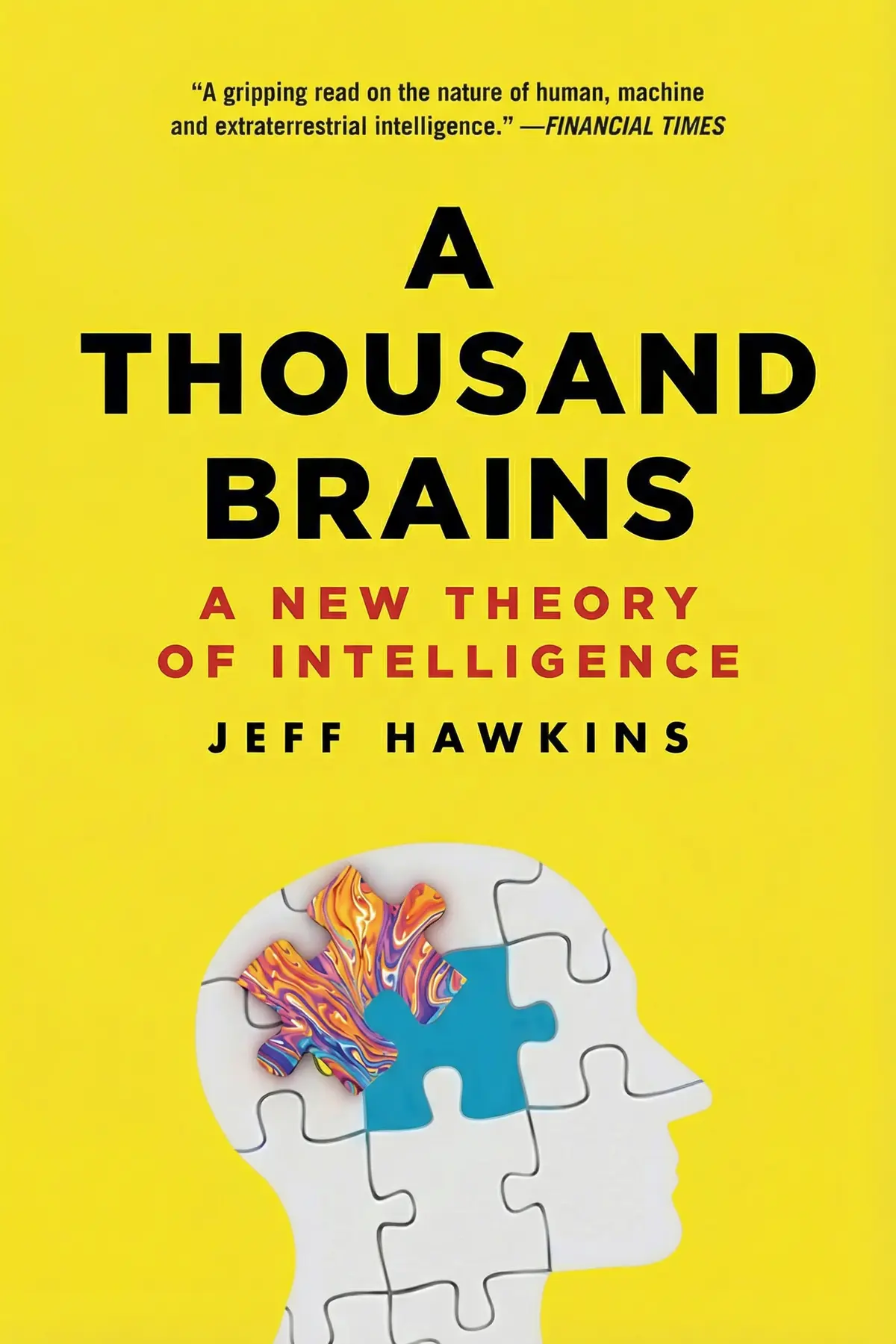
Jeff Hawkins
Steven C. Hayes
AUDIO SUMMARY AVAILABLE
Get the key ideas from Incognito by David Eagleman, plus 5,000+ more titles in English and Thai.







