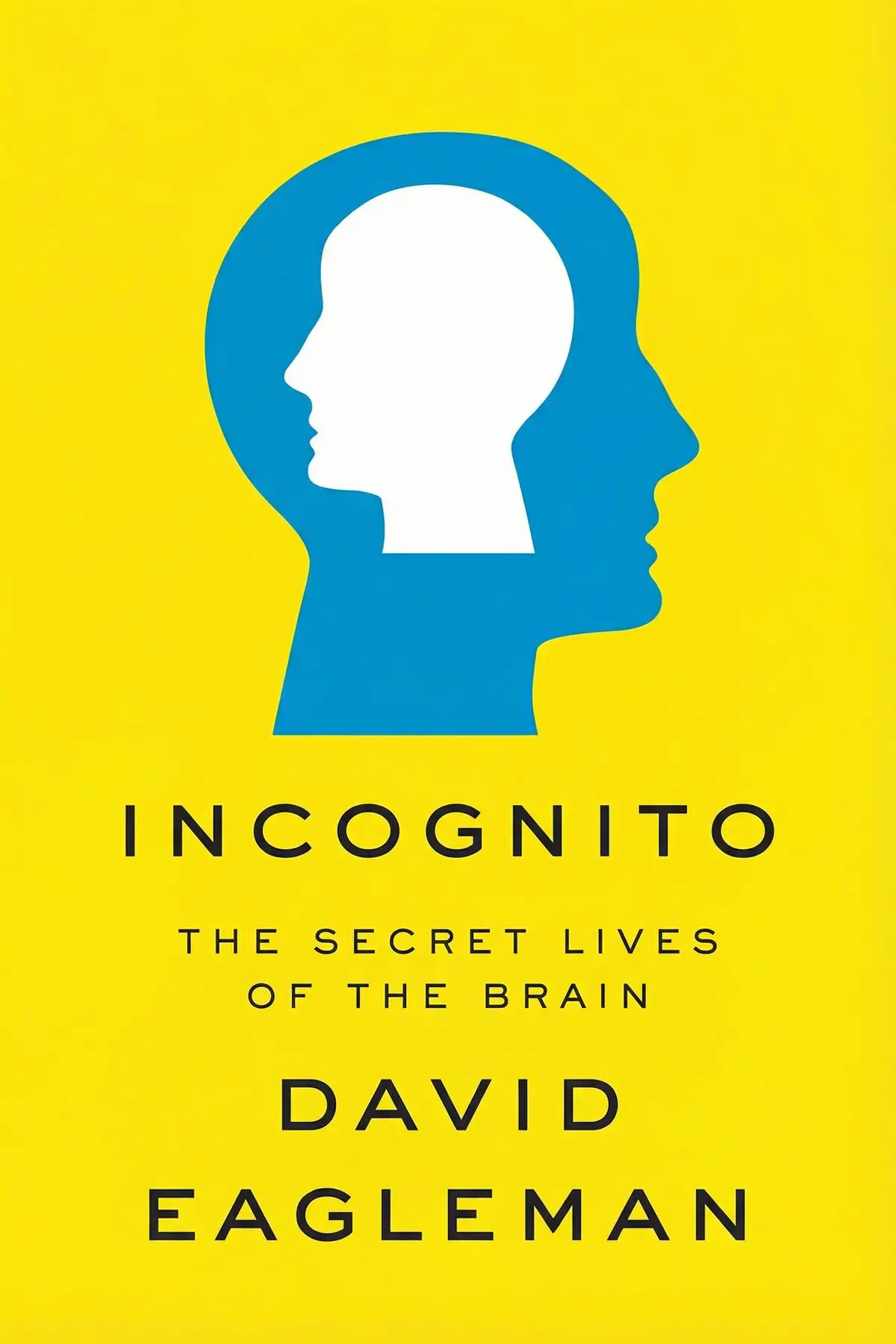
Incognito: The Secret Lives of the Brain
David Eagleman
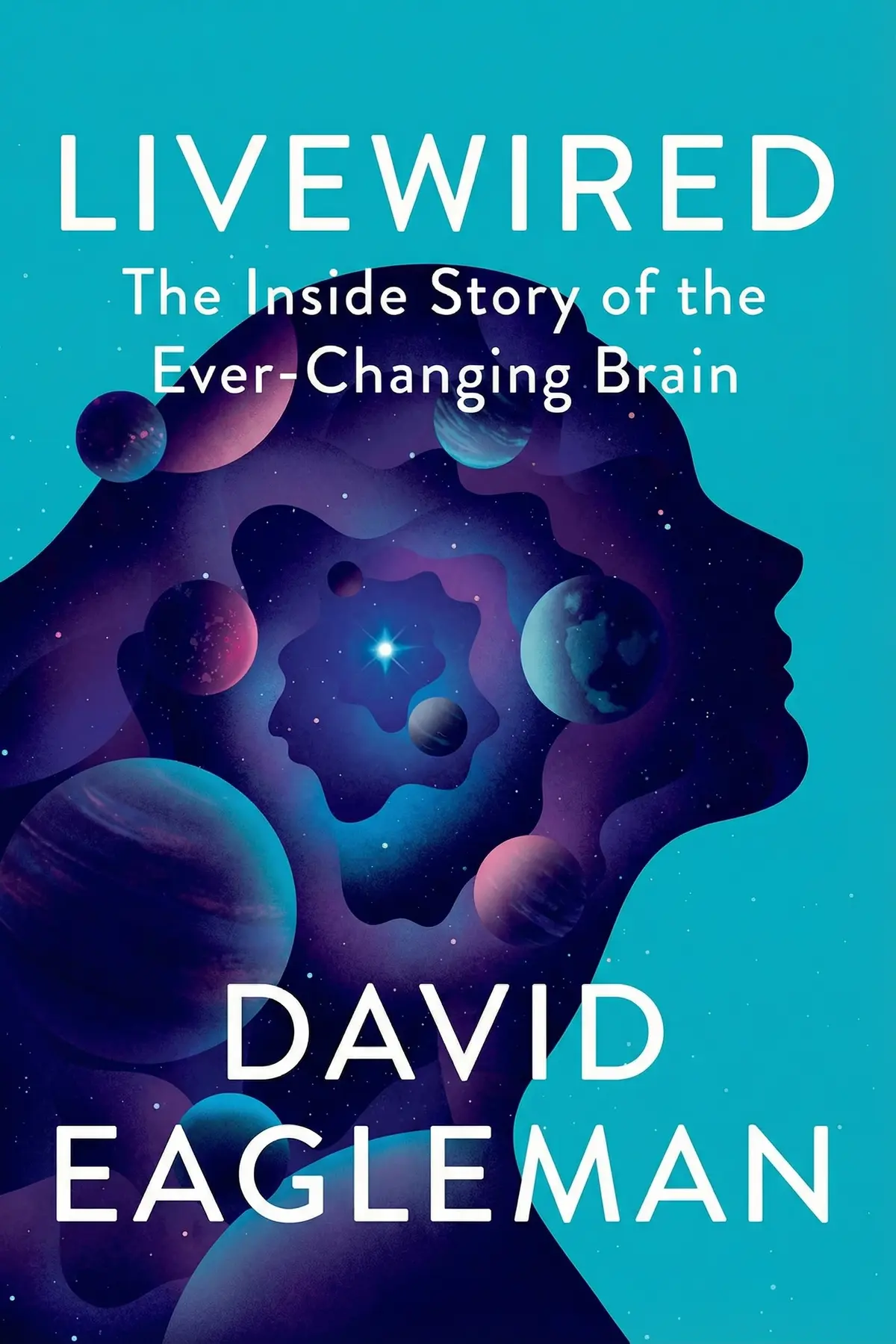
Explore how the human brain functions not as a fixed machine, but as a dynamic, self-configuring system that constantly rewires its connections in response to new experiences, sensory inputs, and physical changes.
2 min 05 sec
When we think about the pinnacle of technology, our minds often jump to the most advanced feats of engineering—the massive engines of a spacecraft, the intricate circuits of a supercomputer, or the sophisticated algorithms of artificial intelligence. Yet, there is a piece of technology far more elegant and adaptable than anything humans have ever manufactured, and we each carry it around with us every day. This three-pound organ, often described as a nondescript, grayish lump, is the human brain. But as neuroscientist David Eagleman explains, the true wonder of the brain isn’t in its physical appearance; it’s in its extraordinary ability to change itself from the inside out.
Most of the machines we build are ‘hardwired.’ Once a smartphone or a car leaves the factory, its hardware is fixed. If you want it to do something fundamentally different, you usually have to replace it or perform a physical upgrade. The human brain, however, functions on a completely different principle. It is what Eagleman calls ‘livewired.’ It is a dynamic, self-configuring system that is constantly shifting its internal connections based on the information it receives and the challenges it faces. It doesn’t just store information; it physically reorganizes its structure to better suit the environment it inhabits.
In this exploration, we are going to look at the mechanisms behind this constant reconfiguration. We will see how the brain can adapt to the most extreme circumstances—even the loss of an entire hemisphere—and how it can be trained to process information from sensors we weren’t born with. This journey will take us through the competitive landscape of the mind, where different regions battle for space, and show us how our experiences, our passions, and even our age dictate the way our neural networks evolve. By understanding the livewired nature of the brain, we can begin to see the incredible potential for human development and the future of technology. We are not static beings; we are a work in progress, constantly being reshaped by the world around us.
2 min 50 sec
Imagine a world where your brain can lose half its mass and still function normally. Discover how our neural landscape is a competitive environment that adapts to any situation.
2 min 58 sec
Could you learn to see with your skin or feel the pull of a magnetic field? Explore how the brain processes data regardless of the source.
2 min 29 sec
From a dog walking on two legs to a monkey controlling a robot across the globe, discover how the brain masters movement through trial and error.
2 min 41 sec
Why do some skills take a lifetime to master while others are forgotten? Learn how the brain decides which changes are worth making.
2 min 59 sec
Discover why you don’t see the blood vessels in your own eyes and why a stationary world is invisible to some. Understand how your brain handles stability.
2 min 55 sec
Is it ever too late to learn? Explore the differences between the flexible brain of a child and the efficient brain of an adult, and how to stay sharp.
3 min 01 sec
Why do we revert to our first language on our deathbed? Explore the deep roots of memory and how they could inspire the next generation of technology.
1 min 52 sec
In the end, the story of the human brain is not one of a finished masterpiece, but of a continuous, living process. We have seen how our neural architecture is in a constant state of flux, reshaping itself to compensate for injury, to incorporate new sensory data, and to master the physical demands of our lives. The brain is an organ defined by its refusal to be static. It is a competitive landscape where relevance and motivation dictate which connections flourish and which fade away. It is an engine that prioritizes the new and the exceptional, while quietly filtering out the predictable background noise of our existence.
While the explosive plasticity of our youth eventually gives way to the more efficient stability of adulthood, the ‘livewired’ nature of the mind never truly disappears. The lesson of the Nun Study and the experiences of individuals like Matt Stutzman and Todd Huffman is that we have a significant role to play in the development of our own minds. By seeking out new challenges, staying socially connected, and pushing the boundaries of our senses, we can continue to reshape our brains throughout our entire lives.
As we look to the future, the principles of neuroplasticity offer a blueprint for a new generation of technology—machines that can learn and adapt with the same grace as a biological organism. But perhaps the most important takeaway is a personal one. You are not the same person you were yesterday, and you will not be the same person tomorrow. Every conversation you have, every book you read, and every new skill you attempt to learn is physically changing the structure of your mind. Your brain is a livewired wonder, and it is ready to adapt to whatever future you choose to create.
Livewired presents a revolutionary view of the brain as a highly adaptable organ that undergoes constant structural changes throughout our lives. Rather than being a hardwired computer with fixed circuits, the brain is better described as a livewired system that reallocates its resources based on what is most useful and important to the individual. Through fascinating case studies and scientific breakthroughs, this summary explores how the brain can interpret unconventional sensory data, adapt to physical loss, and even learn to control external robotic systems. It challenges the traditional idea that our neural maps are static, revealing instead a competitive and fluid environment where different regions fight for territory and influence. The promise of this book is a deeper understanding of human potential, from how children learn language to how we might one day expand our senses through technology.
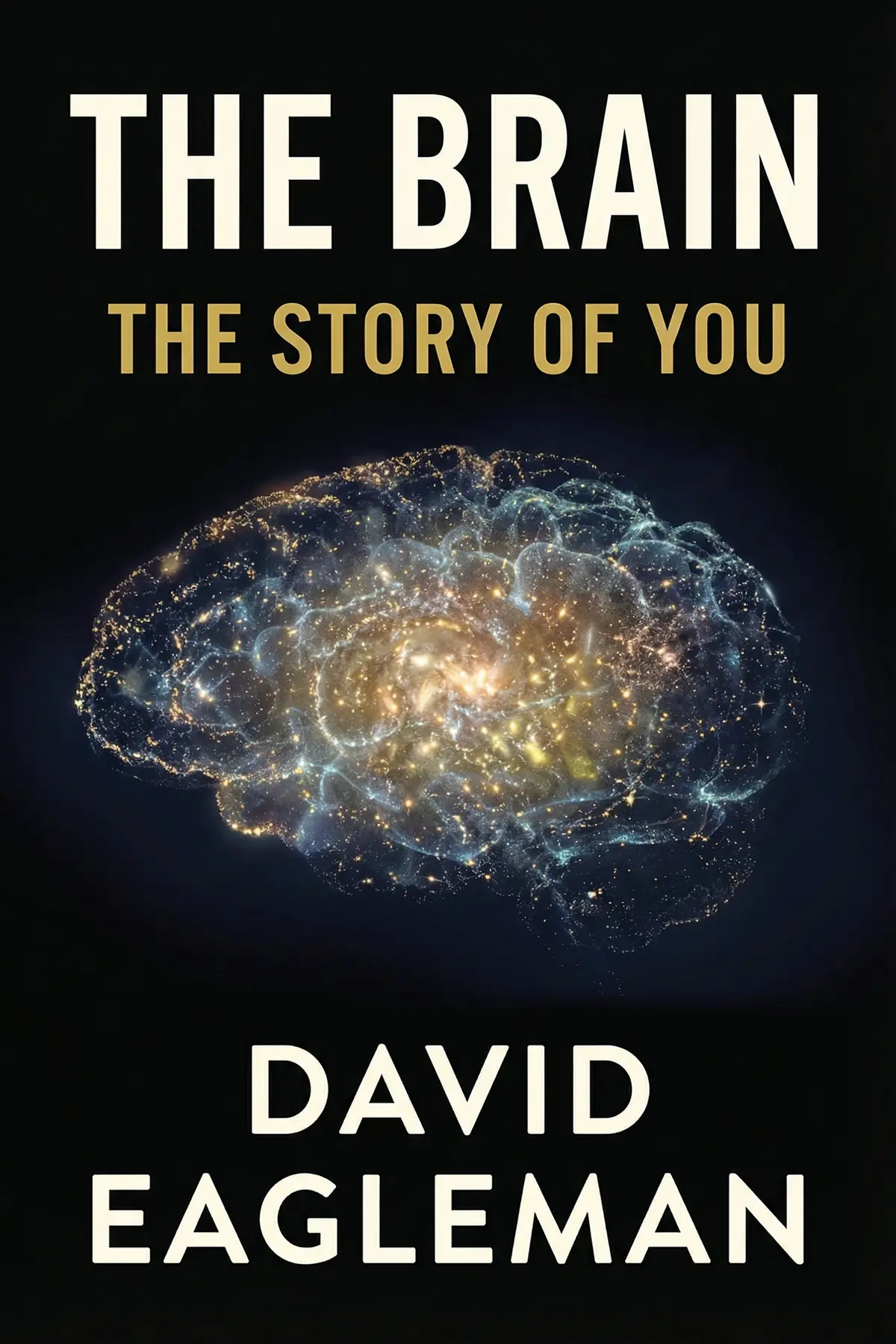
Dr. David Eagleman is a prominent neuroscientist and an internationally recognized author of several best-selling books, including The Brain and Incognito: The Secret Lives of the Brain. In addition to his writing, he is the creator and host of a television series on the brain that earned an Emmy nomination. He also leads NeoSensory, a company dedicated to developing neuroscience-based hardware.
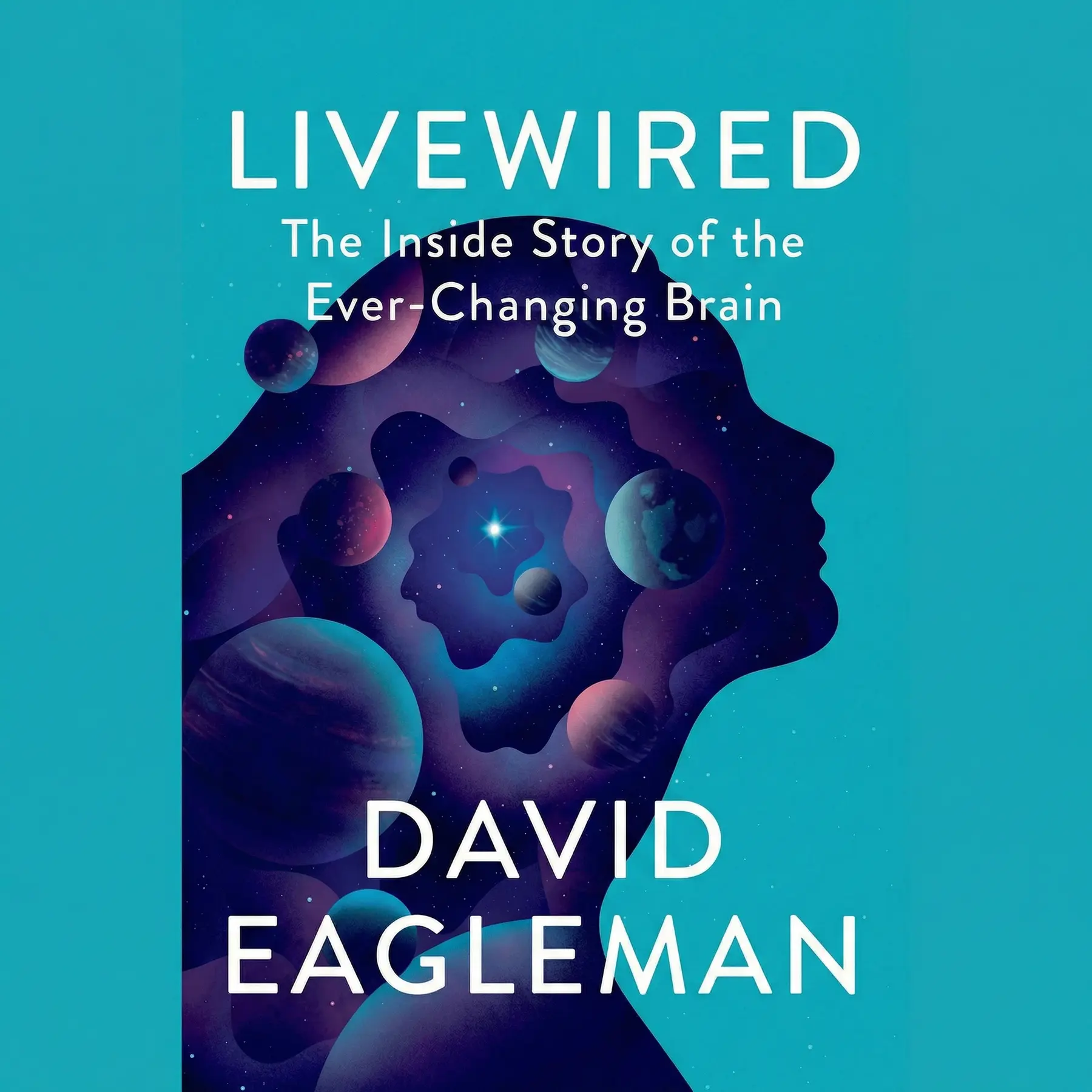
Listeners find the work very approachable, particularly for non-scientists, and appreciate the educational depth, with one listener highlighting how it clarifies intricate topics. Additionally, the writing style earns positive marks, and listeners are intrigued by the discoveries regarding neural development and adaptation. Conversely, the comedic elements receive a varied reaction from listeners.
Ever wonder how a child can function normally after losing half their brain to surgery? Eagleman explores the story of Matthew, a young boy who underwent a hemispherectomy, to illustrate the mind-blowing adaptability of our neural circuitry. The concept of "livewiring" replaces the old-fashioned "hardwired" metaphor with something much more fluid and exciting, showing that our brains are more like a shifting, living community than a static computer. I was particularly fascinated by the NeoSensory vests that allow the blind to "feel" sound or "see" through vibrations on the skin. It feels like we are living on the cusp of a transhumanist revolution where our senses are no longer fixed, but instead can be expanded to include things like lidar or infrared data. The prose is exceptionally clear for a popular science book. Frankly, it’s one of the most hopeful things I’ve read because it suggests we aren’t stuck with the brains we were born with.
Show moreThis book changed the way I look at human potential, specifically regarding how we handle trauma and disability. The narrative follows various "miracles" of biology, such as the armless archery champion who uses his feet with the same precision most people use their hands. Eagleman explains that the brain doesn't care where the data comes from; it just wants to map it and make it useful. I was moved by the discussion on how the brain protects its visual territory at night, which leads to the phenomenon of dreaming. The writing is punchy and energetic, moving at a pace that keeps you engaged without feeling overwhelmed by jargon. Not gonna lie, I shed a tear reading about the resilience of the human spirit through the lens of synapses. Truly a masterpiece for the curious mind that wants to understand our internal machinery better.
Show moreAfter hearing David Eagleman on a podcast, I knew I had to dive into his latest work. This isn't just a book about biology; it’s a manual for understanding the human experience and how we interface with the world. The transition from "hardwired" to "livewired" is a brilliant conceptual shift that helps explain everything from phantom limbs to the necessity of sleep. I appreciated how he wove his own work with NeoSensory into the narrative, providing a firsthand look at the future of sensory technology. The chapters are well-structured, building a layered understanding of how our internal "microscopic cosmos" functions. It’s rare to find a scientist who can write with such fluidity and grace. If you enjoyed his previous book, "The Brain," you will find this to be a worthy and insightful successor.
Show moreIf you want a book that will make you rethink your entire existence, this is the one to get. The idea that our brains are constantly competing for "real estate" within the skull is both terrifying and beautiful. I loved learning about how the brain manages to retain old memories even while it is constantly overwriting itself with new data. The anecdotes, like the one about the dogs that learned to walk on two legs, are perfectly chosen to illustrate the brain's "infotropism." It’s an accessible read that doesn't sacrifice depth for the sake of being "popular." Personally, I think this should be required reading for anyone interested in psychology or artificial intelligence. It provides a much-needed bridge between biological reality and the future of human-machine interfaces.
Show moreEagleman has a knack for translating dense biological concepts into metaphors that actually stick. Instead of a fixed circuit board, he describes the brain as a shifting global landscape that constantly reclaims territory based on environmental input. I loved the theory of infotropism because it makes intuitive sense for a layman. This theory posits that our neurons are essentially data-hungry plants reaching toward information, which is a brilliant way to visualize how we adapt to new tools. However, the author’s attempt at humor felt a little forced in several chapters, occasionally distracting from the weight of the research. The truth is, some of the historical analogies, like the one about the English and French colonists, went on a bit too long for my taste. Still, the core message about the brain’s ability to rewire itself is deeply compelling and worth the time.
Show morePicked this up on a whim after seeing a glowing review in the paper, and I’m mostly glad I did. The central premise—that our brains are "livewired" to the environment—is a refreshing departure from the rigid models I learned in high school biology. Eagleman’s descriptions of sensory substitution are the highlight here, especially the part about using a tongue sensor to help a blind man hit a baseball. It’s almost like science fiction, yet it’s happening right now in research labs across the world. My only real gripe is that the tone can occasionally veer into "euphoric utopianism" that ignores the harsh realities of neurological decline. To be fair, though, his optimism is infectious and makes for a very pleasant reading experience. It’s a great choice for a weekend read that will leave you feeling significantly smarter.
Show moreAs someone who lacks a formal science background, I usually find books about the brain to be incredibly intimidating. Eagleman manages to avoid the "textbook" trap by using vivid imagery, comparing the brain to a 3D organic textile that adjusts itself for maximum efficiency. I finally understand why it’s so much harder to learn a language as an adult compared to a child whose brain is still in a state of flux. The book covers everything from synesthesia to bipedal dogs, making it a treasure trove of "did you know?" facts. Truth is, I did find some of the analogies about Admiral Nelson’s statue a bit bizarre and unnecessary. Nevertheless, the overarching themes are so well-explained that those minor quirks didn't ruin the experience for me. It’s a solid addition to the library of any curious layperson.
Show moreThe chapter on the future of bionics and thought-controlled robotic suits absolutely blew my mind. We are talking about a world where paralyzed individuals can dance again, and Eagleman explains the mechanics of this with incredible clarity. He describes the brain as a "general computing machine" that can adapt to almost any input, which opens up endless possibilities for human enhancement. I found the section on how the brain "locks in" certain skills during childhood to be particularly insightful for my own life as a parent. The writing style is brisk and engaging, never getting bogged down in the boring minutiae of lab reports. It’s an exhilarating look at what makes us human and what we might become as we learn to harness our own plasticity. I recommend it to anyone interested in the future of tech.
Show moreWhile I found the majority of this book to be an engaging primer on neuroplasticity, I struggled with some of the technical details provided. A few eagle-eyed readers pointed out a significant error regarding cataract surgery and corneas, and once I verified it, I found myself questioning the rigor of other facts. It’s frustrating because the writing is so accessible and the case studies are genuinely moving to read. David Eagleman is clearly a gifted communicator, but the glibness of certain scientific statements makes it feel more like "pop" and less like "science." Personally, I think the book overreaches when it tries to apply these neurological concepts to political and social spheres. It is a decent introduction if you take the specific details with a grain of salt, but expert readers might find it a bit shallow for their needs.
Show moreTo be fair, I expected a lot more from a neuroscientist of Eagleman's caliber than what was delivered in these pages. The book is bloated with repetitive analogies that often feel like they are talking down to the reader rather than informing them. One particularly jarring section mentions a statue of Admiral Nelson having a somatosensory cortex, which is just a weird, confusing way to make a simple point. Furthermore, the factual inaccuracies regarding eye anatomy that others have noted are deeply concerning for a book positioned as an authoritative source. Look, if you want a very basic, "gee-whiz" style of popular science, you might enjoy this. However, for anyone looking for deep, accurate scientific inquiry, this feels more like a long-form marketing brochure for the author's tech company than a serious book.
Show more

Lisa Kaltenegger

J. Craig Venter
Carl Zimmer
AUDIO SUMMARY AVAILABLE
Get the key ideas from Livewired by David Eagleman, plus 5,000+ more titles in English and Thai.