
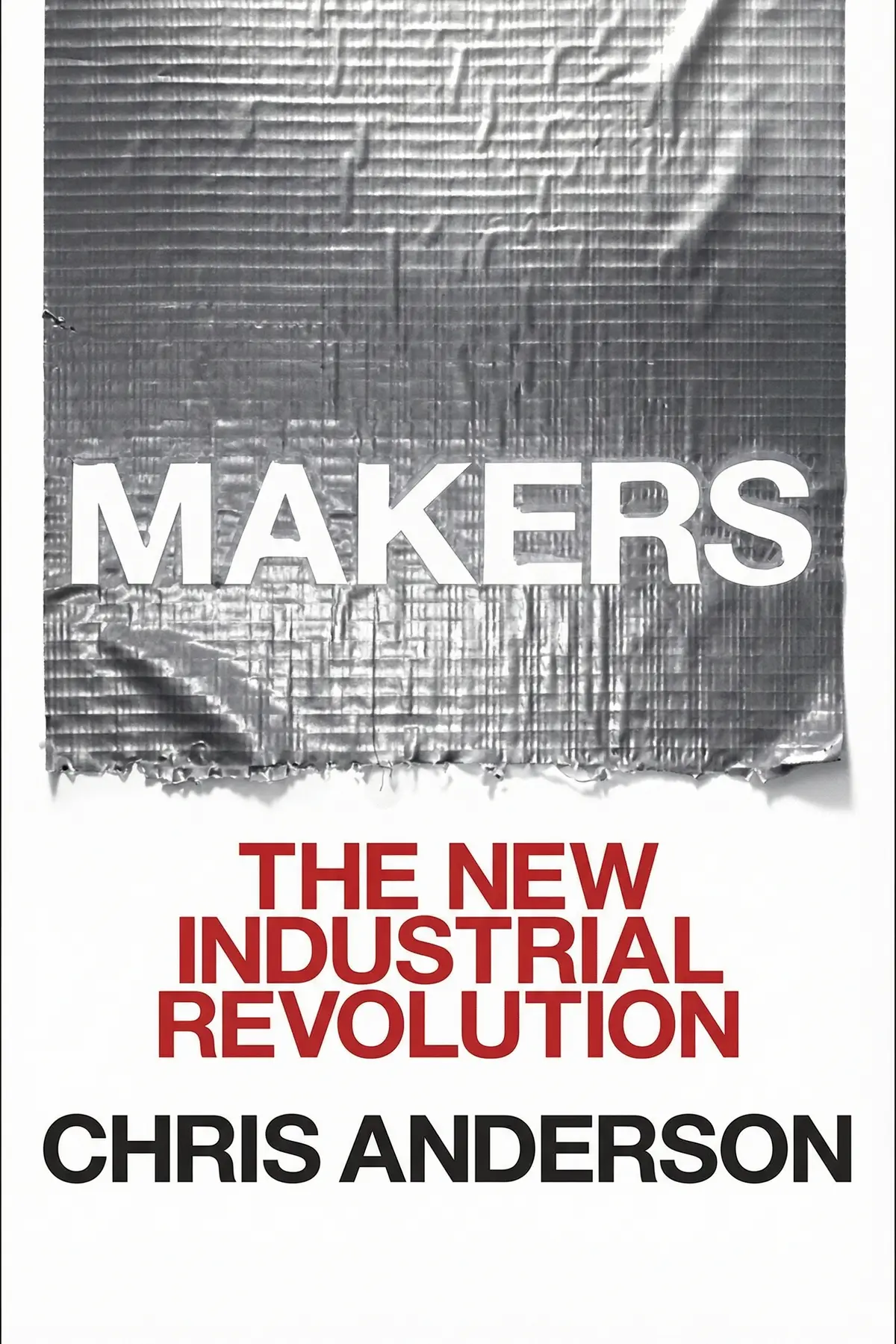
Makers: The New Industrial Revolution
Chris Anderson
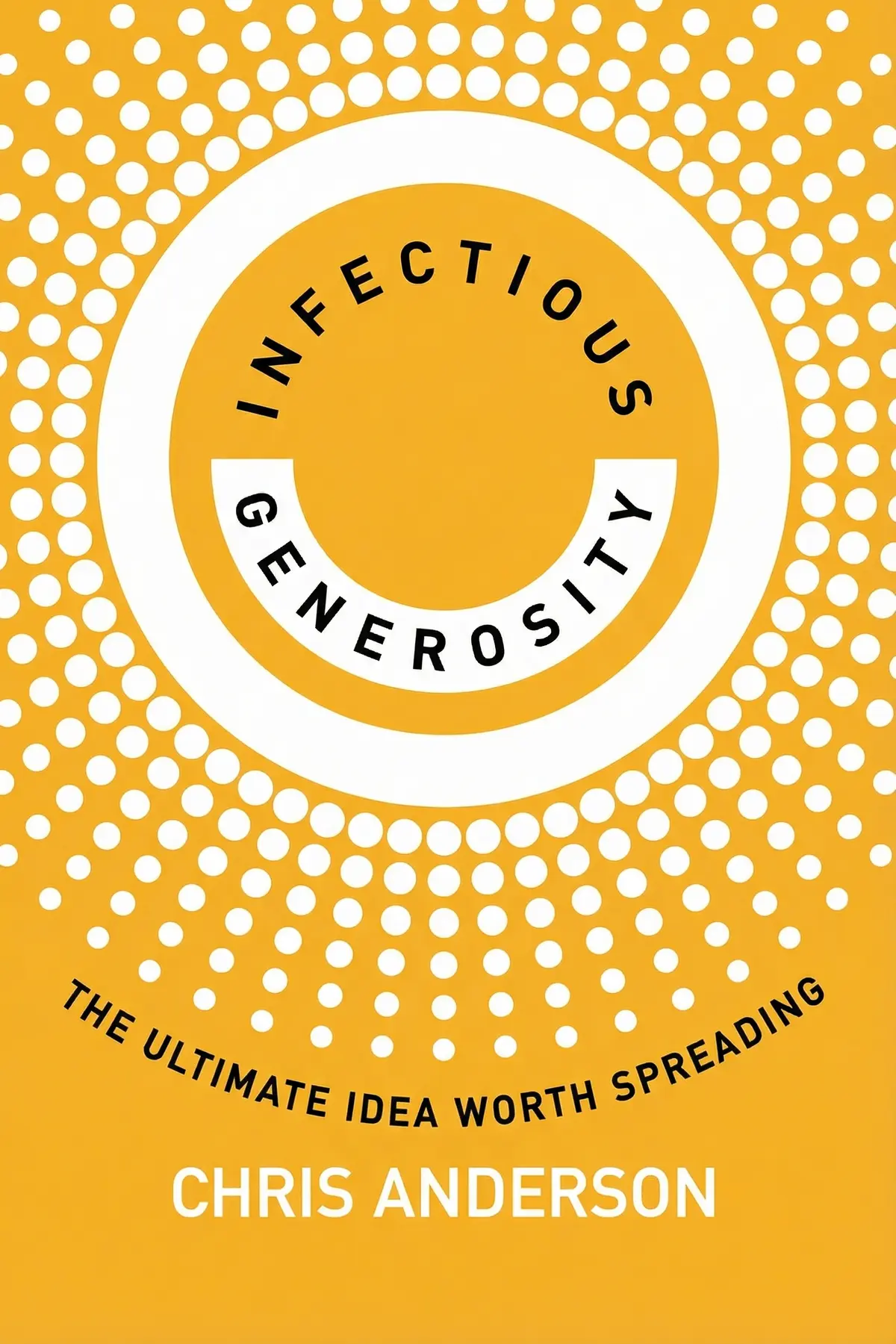
Infectious Generosity explores how radical kindness and giving can revolutionize company cultures and personal lives. Chris Anderson demonstrates that generosity is a powerful, self-sustaining force for driving global success and trust.
1 min 49 sec
Consider for a moment the subtle energy of a workspace where things are going right. It often starts with something small—perhaps a colleague notices you’re overwhelmed and brings you a coffee without being asked, or someone takes five minutes to help an intern navigate a complex software glitch. These aren’t just isolated moments of politeness; they are the seeds of something much larger. When we experience kindness, our natural instinct is to pass it on. This creates a chain reaction, a pulse of goodwill that can move through an entire organization, altering the way people communicate, collaborate, and commit to their goals.
This phenomenon is what we call infectious generosity. In a business world that frequently prioritizes cold metrics and bottom-line efficiency, the idea that giving could be a primary driver of success might seem counterintuitive. However, as we look closer, we see that the most thriving cultures and the most resilient brands are those that have mastered the art of spreading kindness. It’s a shift from a mindset of scarcity—where we guard our resources—to a mindset of abundance, where we recognize that the more we give, the more the entire ecosystem flourishes.
Throughout this exploration, we will dive into why this dynamic is more critical now than ever before. We live in an era of digital exhaustion and high-pressure environments, where the human touch can be the deciding factor in whether a company survives or thrives. We will look at how major corporations and small local shops alike are using generosity to build trust, attract top-tier talent, and create a reputation that stands the test of time. More importantly, we’ll see why focusing on the actual results of our giving is the key to making sure our kindness truly changes the world. By the end, you’ll see that generosity isn’t just a moral choice; it’s the ultimate idea worth spreading for a sustainable future.
1 min 51 sec
Explore how small, selfless acts in the workplace trigger a powerful chain reaction that boosts morale and transforms company performance.
1 min 59 sec
Learn why the impact of your generosity matters more than your intentions, and how to ensure your contributions create real change.
1 min 48 sec
Uncover the biological reasons why humans are hardwired to feel joy through giving and how this affects professional well-being.
1 min 56 sec
Discover practical strategies for leaders to nurture a shared mindset of giving that permeates every level of an organization.
1 min 51 sec
Learn how the psychological principle of social proof can be used to amplify generous behaviors across entire communities.
1 min 49 sec
See how a commitment to honesty and sustainability can redefine a brand’s relationship with its customers and its bottom line.
1 min 51 sec
Explore how both multinational corporations and small businesses use strategic giving to solve complex problems and build trust.
1 min 36 sec
As we have seen, the concept of infectious generosity is far more than a feel-good sentiment. It is a strategic approach to living and working that recognizes our deep interconnectedness. By shifting our focus from what we can get to what we can contribute, we unlock a level of potential that remains hidden in a competitive, scarcity-based mindset. We’ve explored how this works through the biological rewards in our brains, the cultural shifts within organizations, and the massive ripple effects that can change an entire industry’s standard of behavior.
The key takeaway is that generosity must be practiced with both heart and mind. It’s not enough to just have good intentions; we must strive for real, measurable impact. When businesses and individuals hold themselves accountable for the results of their giving, they ensure that their kindness is a tool for genuine progress. This creates a cycle of trust and goodwill that benefits the bottom line, the company culture, and the community at large. It proves that being a ‘giver’ is not a sign of weakness, but a sign of profound leadership and vision.
As you move forward, think about the small stones you can drop into your own pond. What is one act of generosity you can perform today that might start a ripple? Perhaps it’s offering a word of genuine encouragement to a peer, or rethinking how your company could use its resources to help a local cause. Remember that every act of kindness, no matter how small, has the potential to become infectious. By choosing to lead with generosity, you aren’t just improving your own life or your own business—you are helping to build a world where kindness is the standard, and success is shared by all.
This book investigates the transformative potential of a giving mindset in a world often defined by scarcity and competition. It moves beyond simple philanthropy to show how acts of kindness can reshape everything from corporate balance sheets to global health outcomes. By examining the ripple effects of generosity, the narrative explains why the tangible impact of an act matters far more than the hidden intention behind it. Readers are invited to explore how to foster environments where contribution is the norm, leading to higher employee retention, deeper customer trust, and a more resilient reputation. Through various real-world examples, from tech giants to small local businesses, the promise is a clear roadmap for turning small, thoughtful gestures into massive, positive waves of change that benefit everyone involved.
Chris Anderson became the curator of the TED Conference in 2001 and has developed it into a global platform for identifying and disseminating ideas worth spreading. His TED mantra – "Ideas worth spreading" – continues to blossom internationally, with over one billion TED Talks viewed per year.
Chris Anderson
Chris Anderson
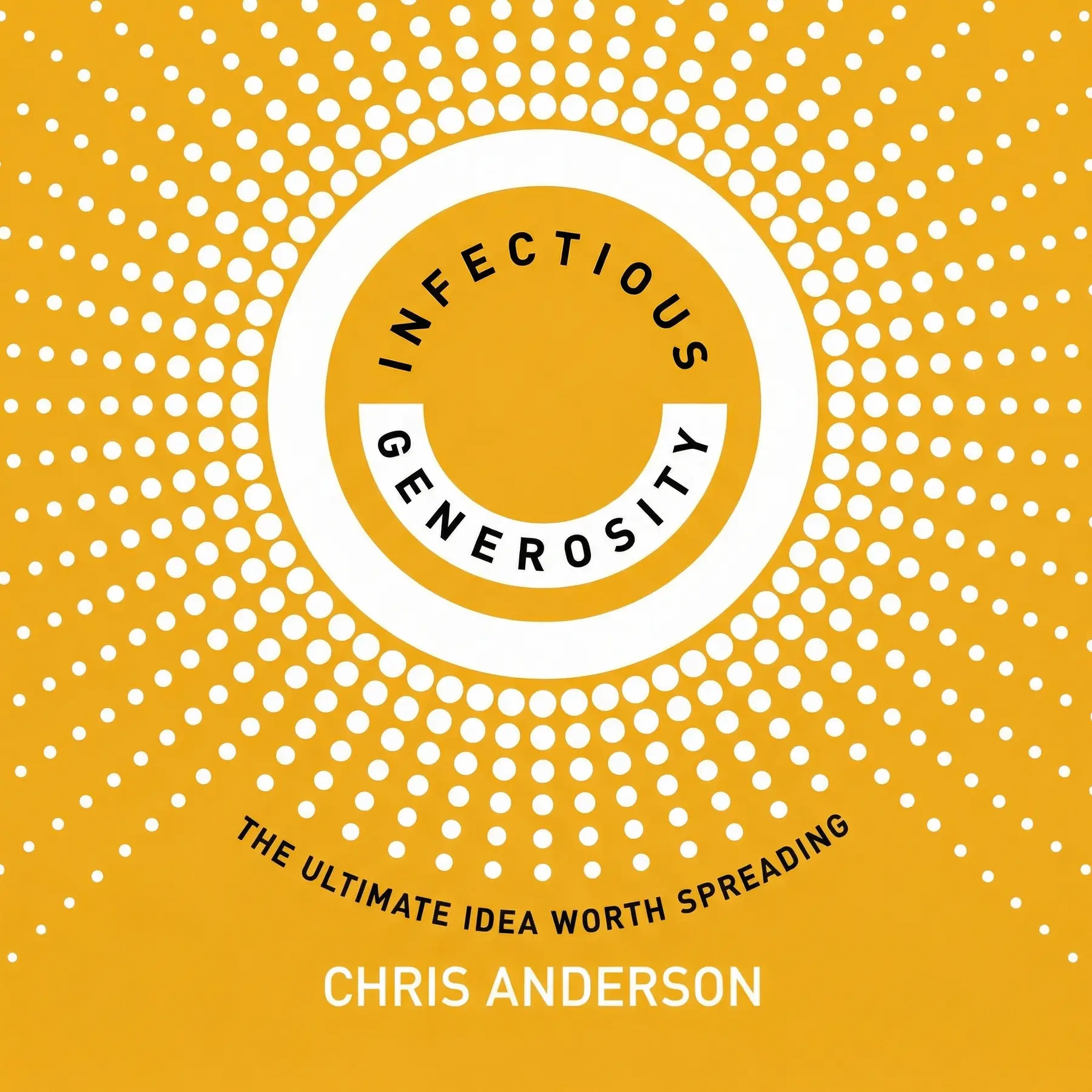
Listeners find this book motivating, as it examines the potential of giving and provides actionable guidance. They appreciate its accessibility, with one listener noting it is a fast listen and another emphasizing how deliberate efforts can lead to enduring change. Listeners value the way the book increases optimism and joy, with one remarking on how it gets their thoughts and energy moving.
Picked this up during a personal slump and it really shifted my perspective on what it means to live an impactful life. Chris Anderson manages to take the grand, often intimidating concept of global change and distill it into something manageable through small, intentional acts of kindness. I found the "annual checkup" at the end incredibly useful for auditing my own habits of giving, whether that’s money or just my time. Truth is, we often forget that being a "net giver" doesn't require a massive bank account, just a shift in our daily attention. The writing is accessible and flows quickly, making it a perfect weekend read for anyone needing a boost of optimism. It’s a call to action that feels both urgent and achievable in our increasingly self-centered world. If you need a reminder that humanity isn't all bad, this is it.
Show moreEver wonder if the internet can actually be a force for good despite the constant barrage of doom-scrolling and influencer narcissism? Anderson argues that it can, presenting a hopeful framework for how digital platforms can amplify generosity instead of just outrage. I appreciated the "why, how, and what if" structure because it gave me concrete ideas for how to show up differently in online spaces. Some parts felt a bit "bright-sided" for my cynical heart, but the data and case studies are hard to argue with. It’s a refreshing contrast to books that tell us to just unplug; instead, it asks us to engage with more intention and grace. I finished it feeling energized to look for those tiny opportunities to be a net giver in my own community. It is definitely worth a look for the digitally exhausted.
Show moreWow. I didn't expect a book about generosity to get my energy levels going quite this much, but Anderson’s enthusiasm is genuinely contagious. He provides a wealth of real-life examples that show how a single gesture can ripple out to affect thousands of people. Not gonna lie, some of the stories felt a bit repetitive after a while, but the overall message is exactly what our culture needs right now. The focus isn’t just on financial wealth; it’s about sharing your talents, your time, and even your listening skills with those around you. It’s a practical manual for anyone tired of the "self-care" obsession that often turns into simple self-centeredness. This is the kind of book you buy in bulk to give to friends who are feeling burnt out by the state of the world.
Show moreAfter hearing so much about the "TED way" of thinking, it was fascinating to see Chris Anderson apply those principles to the concept of radical giving. This book is a masterclass in how to take a dry, academic concept and turn it into a hopeful, actionable reality. I loved the story of the artist Mundano; it really drove home the point that creativity and generosity are two sides of the same coin. The author’s "what if" approach pushed me to think much bigger about my own potential impact on the world. It’s rare to find a book that is both deeply inspiring and provides a clear roadmap for change. While I think it could have been shorter, the anecdotes are powerful enough to keep you turning the pages. I’ve already started implementing some of the strategies in my daily life.
Show moreTo be fair, I went into this expecting a lot of corporate fluff, but I was pleasantly surprised by how practical the advice actually is. Anderson doesn't just tell you to be "nice"; he explains the mechanics of how generosity spreads through social networks and psychological triggers. I particularly liked the distinction between being a net giver and a net taker, which is a question I’ve been asking myself every morning since finishing the book. There are some minor criticisms to be made about the tone being a bit too optimistic given the current state of the world. Even so, the readability is top-notch and it successfully gets your thoughts moving in a more constructive direction. It’s a solid read that offers a much-needed dose of humanity without being overly preachy.
Show moreLook, I really wanted to like this more because the mission of "ideas worth spreading" is so vital, but the book itself felt a little padded. It’s basically a collection of anecdotes about people being nice to each other, which is fine, but it sometimes lacks real substance. I agree with other reviewers who mentioned that it feels like a meeting that could have been an email—or in this case, a 10-minute video. In my experience, if you’ve watched more than five TED talks, you’ve already grasped the core philosophy being preached here. However, the practical tips in the final chapters are actually quite useful for those wanting to make a change. It’s a good 2024 starter book if you want to shift your focus away from yourself and onto others.
Show moreAs someone who closely follows social justice movements, I found myself frequently disagreeing with the underlying philosophy presented in these pages. Anderson advocates for individual charity as a primary world-shaper, but donating the crumbs from wealthy tables often just preserves a broken status quo. Look, it’s a beautifully written book with plenty of heartwarming stories that will make you feel good about humanity for a moment. However, it largely ignores the systemic injustices that necessitate such charity in the first place, which feels like a major oversight. If you want a quick read that maximizes hope and provides simple tips for being kinder, you’ll likely enjoy it. Just don’t expect a deep dive into the structural changes needed to actually fix the disparity in our world. It's a nice sentiment, but perhaps a bit naive.
Show moreFinally got around to finishing this, and I’d say it’s a decent guide for someone looking to jumpstart their year with a more positive mindset. It reads almost like the polar opposite of Cal Newport’s Digital Minimalism because it encourages us to use our connectivity as a tool for spreading "infectious" goodwill. Personally, I found the historical notes on the TED movement to be the most engaging parts of the book, as they felt more grounded. The rest of the content was a bit bland at times, leaning heavily on the idea that "giving feels good," which isn't exactly a new revelation. It’s a pleasant enough experience, but it lacks the intellectual bite I was hoping for from a thinker of Anderson's caliber. Still, it’s an easy, accessible read for a rainy afternoon if you want something light.
Show moreTruth is, this could have been an email or a long-form article rather than a 200-plus page book. I had high hopes based on the concept of "infectious generosity," but the execution felt a bit like a highlight reel of TED’s greatest hits. To be fair, the writing style is very conversational and easy to digest, which makes it a good entry point for people who don't read much non-fiction. I did appreciate the specific bullet points on how to model generous behavior in a professional setting. However, I kept waiting for a deeper analysis that never really arrived, leaving the whole experience feeling somewhat superficial. It’s a "nice" book, but maybe not an "essential" one if you’re already a fairly giving person who understands the basics of altruism.
Show moreThis book honestly felt like a classic case of an 18-minute TED talk being stretched far too thin to justify a hardcover price point. While I respect Anderson's mission, the narrative frequently devolves into a curated list of his favorite viral videos rather than offering deep, original insights. I also couldn't help but notice how much heavy lifting research assistant Kate Honey seemed to do, based on the glowing acknowledgments and her frequent interview citations. Frankly, it makes me wonder how much of the "infectious" part was actually his own creative spark versus a collaborative team effort. By the halfway mark, I was skimming through repetitive anecdotes that didn't add much to the core thesis. It’s not a bad message, but it certainly isn't the revolutionary manifesto I was expecting from the head of TED.
Show more
Richard Wiseman
William B. Irvine
Andrew D. Thompson
Deepak Chopra
AUDIO SUMMARY AVAILABLE
Get the key ideas from Infectious Generosity by Chris Anderson, plus 5,000+ more titles in English and Thai.







