
Infectious Generosity: The Ultimate Idea Worth Spreading
Chris Anderson
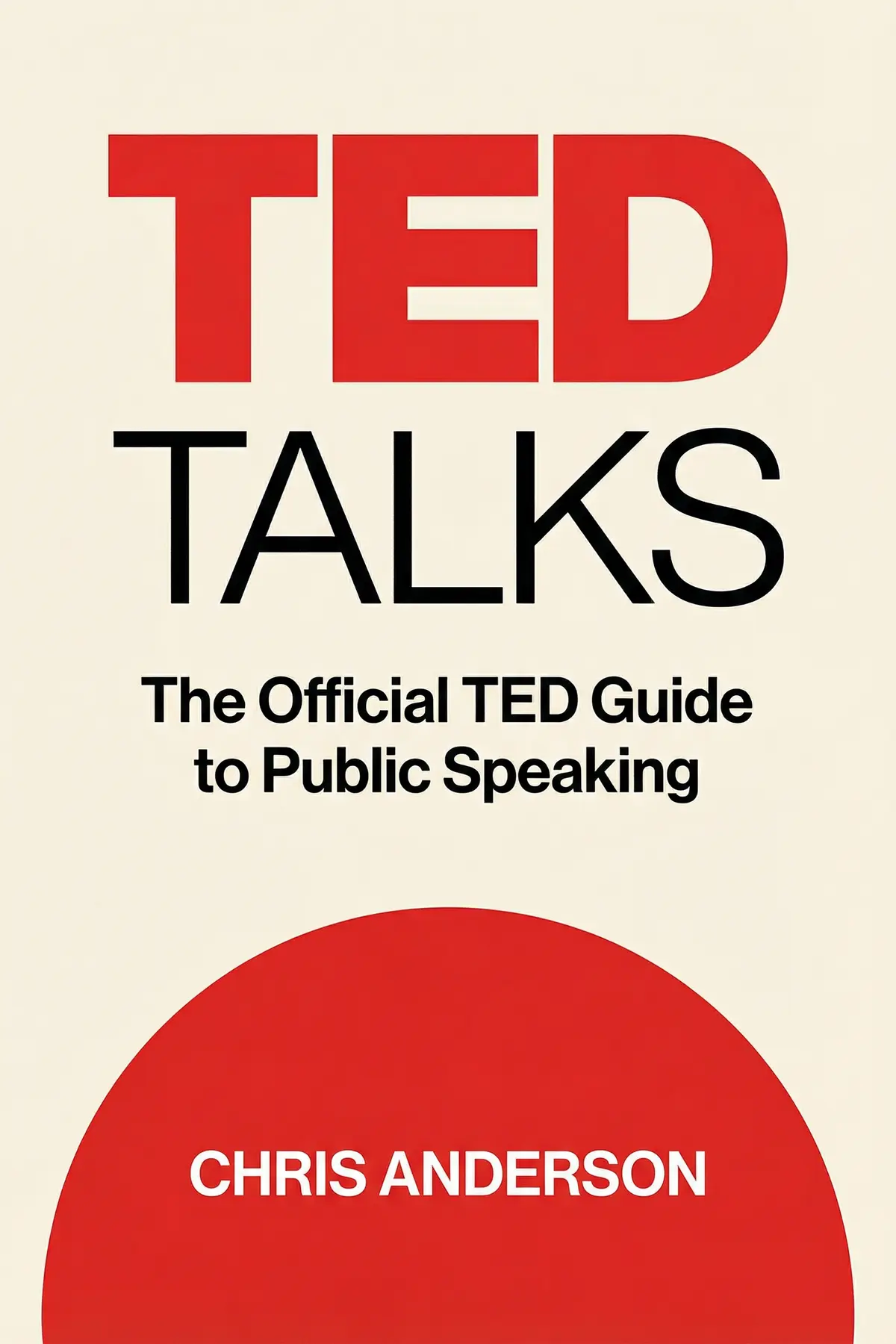
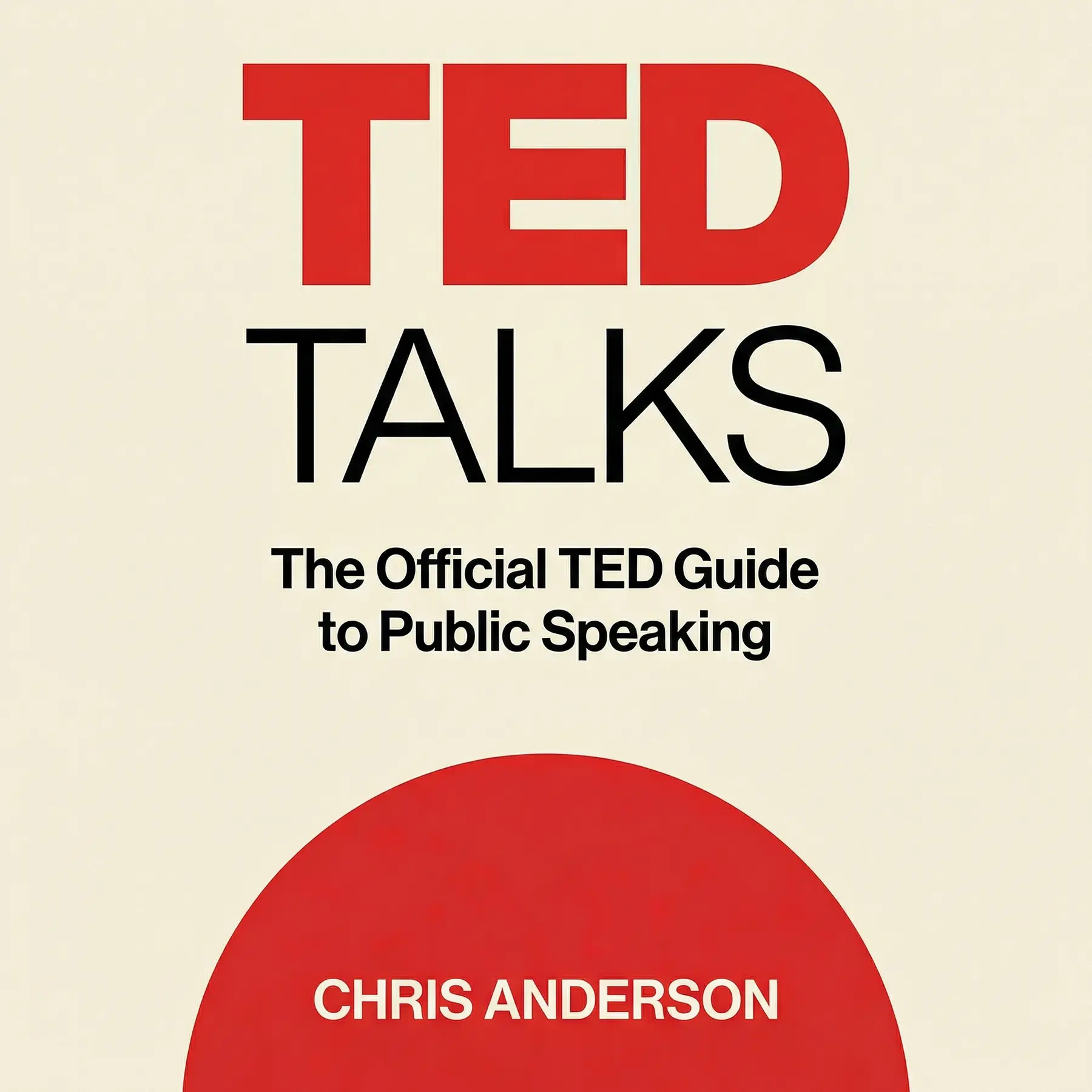
TED Talks offers a masterclass in modern public speaking, revealing how to transform nervousness into persuasive energy and structure complex ideas into narratives that resonate deeply with any audience.
1 min 44 sec
Think about the things that truly terrify people. If you look at global surveys, you might expect to see heights, spiders, or even the prospect of death at the top of the list. But time and again, one fear consistently outranks them all: the prospect of standing in front of a room full of people and speaking. This widespread anxiety is more than just a personal hurdle; it is a tragedy for the world of ideas. Think about how many brilliant concepts, innovative solutions, and moving stories remain trapped in the minds of people who are simply too frightened to pick up a microphone.
But here is the exciting truth: public speaking is not a genetic gift reserved for a lucky few. It is a craft, a set of tools that can be learned, practiced, and mastered. Even some of the most celebrated speakers in the world once suffered from debilitating stage fright. They weren’t invited to the stage because they were natural-born orators; they were invited because they had something important to say.
In this exploration of the insights gathered from decades of world-class presentations, we are going to look at the strategies that transform a nervous amateur into a compelling communicator. We will move beyond the surface-level advice and look at the psychology of connection, the architecture of a great explanation, and the physical ways you can manage your own internal chemistry. By the end of this journey, you will see that the goal isn’t to be a perfect performer, but to be an authentic messenger for an idea that matters. We will uncover why showing your own vulnerability can be your greatest strength, how to build a mental map for your audience to follow, and even how to dress for the unique demands of the camera. Whether you are preparing for a keynote or a small team meeting, the path to finding your voice starts here.
2 min 00 sec
Discover why the most impactful speakers aren’t born experts and how a simple idea can transcend language barriers and social anxiety.
1 min 57 sec
Explore the deep-seated evolutionary reasons behind our fear of the podium and why risking your reputation is essential for spreading innovation.
1 min 57 sec
Learn the subtle art of “disarming” your listeners through eye contact and vulnerability, creating a safe space for your ideas to take root.
2 min 04 sec
Master a specific five-stage journey to turn intricate, technical concepts into accessible stories that captivate a general audience.
1 min 51 sec
Understand when your message needs a visual companion and how to ensure your slides enhance rather than detract from your human connection.
1 min 53 sec
Navigate the debate between meticulously scripted speeches and spontaneous delivery to find the authentic voice that makes you feel most confident.
1 min 51 sec
Pick the right attire for the stage and the screen, balancing professional expectations with the ultimate need for personal comfort.
1 min 55 sec
Turn your stage fright into a source of energy by utilizing physiological techniques that calm the body and focus the mind.
1 min 36 sec
As we bring these ideas together, remember that there is no single “TED style” that you are required to mimic. The most powerful throughline in all great public speaking is authenticity. The people who change the world with their words are the ones who are willing to be themselves on stage, who prioritize the clarity of their message over the perfection of their performance, and who view their talk as a gift to the audience.
We have explored how to bridge the gap of mistrust through eye contact and vulnerability, how to architect a clear explanation using metaphors and curiosity, and how to manage the physical surge of adrenaline that comes with the territory. These are not just professional tips; they are tools for human connection. The goal of a great talk is to take a beautiful, complex idea from your mind and plant it in the minds of your listeners.
As a final piece of actionable advice, pay close attention to your voice. Just as a monotonous lecturer can put a room to sleep, a speaker who varies their tone, volume, and pace can keep an audience on the edge of their seats. Practice using silence for emphasis and changing your speed to match the emotion of your story. Your voice is an instrument; learn to play it with range.
The world is waiting for your ideas. Don’t let fear keep them locked away. With preparation, empathy, and a focus on your central message, you can step onto any stage and deliver a talk that truly matters. Your voice has the power to inspire, to educate, and to create change—all you have to do is start.
This guide breaks down the essential components of a powerful presentation, from the initial spark of an idea to the final moment on stage. It argues that the most effective speakers aren't necessarily the most polished performers but those who prioritize the message and the connection with their listeners. By exploring techniques for building trust, simplifying technical concepts, and managing the physical symptoms of anxiety, the book promises to help anyone—regardless of their natural temperament—become a captivating communicator. The core philosophy is that public speaking is not an innate talent but a learnable skill used to share ideas that have the power to change the world.
Chris Anderson is a journalist and entrepreneur who has served as the curator of TED conferences since 2001. Born the son of missionaries in Pakistan, he later studied at Oxford University. Over his career, he has founded more than 100 successful magazines and websites, using his deep understanding of communication and media to grow the TED platform into a global phenomenon for sharing innovative thinking.
Chris Anderson
Chris Anderson
Listeners find this book to be a fulfilling experience that provides useful guidance on public speaking, using pertinent examples to demonstrate its techniques. Furthermore, the content is comprehensive and precise, assisting people in crafting their presentations successfully. They value the motivating material, with one listener highlighting how it inspires individuals from every background, while another mentions that it helped them consider the idea of being a servant.
After hearing so much about the TED 'formula,' I finally decided to go straight to the source and see what Chris Anderson had to say. To be fair, I expected a dry manual, but what I found was an inspiring philosophy on communication as a whole. The book emphasizes the 'servant' mindset, suggesting that a great speaker is someone there to give a gift to the audience rather than someone looking for applause. It completely changed how I view my weekly staff meetings and internal presentations. Truth is, the advice about focusing on one main idea instead of a laundry list of points is something every professional needs to hear. While some might say it’s common sense, the way Anderson weaves in specific examples from famous talks makes the lessons stick. This isn’t just for people heading to a conference stage; it’s for anyone who wants their words to actually mean something to another person.
Show moreWow, I didn't expect a guide on public speaking to hit me on such an emotional level, but here we are. This book goes far beyond just telling you where to put your hands or how to design a slide deck. It delves into the idea of connecting with an audience through genuine vulnerability and passion for your subject. Frankly, the advice about treating your talk as a 'gift' shifted my entire perspective on what it means to lead a room. I’ve always had a terrible aversion to the spotlight, but Anderson’s approach makes the stage feel like a place for sharing rather than judging. The thoroughness of the preparation steps is incredible, helping you build a talk from the ground up with purpose. If you want to move people and make them care about your message, this is easily one of the best books you’ll ever read on the subject.
Show moreHonestly, this should be required reading for anyone who has to communicate an idea, not just those hitting the big conference stage. It shows you exactly how you 'should' communicate if you want to be effective, focusing on the audience’s experience rather than your own ego. I’ve read a lot of self-help books, and while this has elements of that, it is far more grounded in practical, real-world instruction. The concept of being a servant to the idea you are presenting is a powerful one that helps eliminate the fear of being judged. Anderson’s writing style is engaging and he clearly practices what he preaches regarding keeping the reader’s interest. Whether you are a student, a CEO, or a teacher, the lessons on building a bridge to your listeners are invaluable. Strongly recommended for anyone who wants to make an impact with their words and connect on a deeper level.
Show moreEver wonder why some presentations feel like a chore while others keep you on the edge of your seat for eighteen minutes? Chris Anderson breaks down the mechanics of that engagement without making it feel like a cold science experiment. I borrowed this from a colleague for a high school project and was surprised by how conversational and accessible the tone was. It doesn't just tell you to be confident; it gives you the tools to normalize the anxiety that comes with vulnerability. Not gonna lie, I used to just wing my presentations and hope for the best, but this book taught me the importance of a through-line. The examples of speakers who shared their failures really resonated with me. I think this should be mandatory reading for students and teachers alike who are working on their oral communication skills. It’s practical, detailed, and actually quite encouraging for the nervous among us.
Show morePicked this up on a whim after a colleague suggested it for our department library, and I’m glad I took the time. The book adopts a very conversational tone that makes the daunting task of public speaking feel achievable even for an introvert. Chris Anderson focuses heavily on the idea that substance matters more than style, which is a refreshing take in an era of flashy PowerPoint decks. He provides a lot of insight into how different speakers prepare, which helps you find a method that fits your own personal strengths. I particularly appreciated the sections on what NOT to do, as those are often the most common mistakes people make in professional settings. While some of the advice feels intuitive, applying it is the hard part, and this book provides the necessary nudge to actually try. It’s a very satisfying read for anyone looking to sharpen their day-to-day communication skills.
Show morePersonally, I’ve always been the type to freeze up the second a microphone is pointed my way, so I found the 'normalizing' aspect of this book very helpful. Anderson explains that even the most famous speakers get nervous and that a little bit of anxiety can actually be a good thing if channeled correctly. The book is detailed and thorough, offering a step-by-step approach to preparing a presentation that actually lands with an audience. I loved the emphasis on creating a connection through vulnerability; it reminded me of a time I messed up a song in a choir and the audience sang along to help me. That kind of human connection is what this book is all about. My only gripe is that I wish there were direct QR codes or links to the talks being discussed so I didn't have to keep pausing to Google them. Other than that, it’s a solid resource for anyone wanting to improve.
Show moreLook, there are a million books on how to talk to a crowd, but Anderson actually provides the examples and the 'why' to back his theories up. It’s not just a list of tips; it’s an exploration of how ideas are transferred from one brain to another. I found the advice on how to structure a narrative particularly useful for my own work in post-secondary education. The book highlights the importance of loving what you are talking about, because if you aren't invested, the audience won't be either. There is a lot of practical stuff here regarding outfit choices, slide design, and stage movement that I hadn't considered before. It’s a bit long in some places where it could have been punchier, but the overall message is strong. This is a great tool for anyone who needs to give a talk and wants to ensure they are actually being heard.
Show moreFinally got around to reading this and I was pleasantly surprised by how much of it applies to everyday life and not just formal speeches. The book is very thorough in its approach to preparation, helping you think through every aspect of a talk from the initial idea to the final delivery. I especially liked the focus on finding a through-line, which keeps a presentation from becoming a boring list of facts. In my experience, the best talks are the ones that feel like a journey, and Anderson gives you the map to build that. Some of the advice is a little basic, like the bits about being comfortable and engaging the audience, but it's still worth hearing. It’s an inspirational read that encourages you to share your unique perspective with the world. While it can be a bit repetitive, the core message about the power of a well-told story is something I'll definitely take with me.
Show moreThis book is a decent collection of public speaking pointers, but it falls into some of the very traps it warns its readers against. For a book that emphasizes substance over style, it sometimes feels like it’s selling a lot of sizzle without much steak. To be fair, the tips on 'being yourself' are reasonable, yet they feel a bit recycled if you’ve ever read any other communication guide. I found the structure a bit disappointing because it occasionally reads like a repetitive list of names and anecdotes rather than a tight narrative. Truth is, many of the 'rules' broken in the text itself—like burying the lead or mentioning too many colleagues—make the reading experience a bit of a slog. It’s an okay resource for a beginner who has never thought about their stage presence, but for seasoned speakers, you might find more value in a survival guide for the rest of us.
Show moreThe chapter on 'Style and Substance' promised a lot, but I found the actual content to be mostly an advertisement for TED rather than a useful guide. It felt like I was reading a long trailer for a movie where all the good scenes were already shown in the commercials. Many of the specific models mentioned are just great ads for other books, which makes the whole thing feel a bit commercialized. Look, I wanted a deep dive into the psychology of persuasion, but what I got was a lot of 'be yourself' and 'keep it short.' For a book about effective communication, it felt surprisingly cluttered with mentions of Anderson’s own circle and background. It breaks its own rules about not delivering a laundry list of information. Honestly, if you want real, actionable advice that isn't wrapped in a brand, you might want to look elsewhere for a speaking survival guide.
Show more
AUDIO SUMMARY AVAILABLE
Get the key ideas from TED Talks by Chris Anderson, plus 5,000+ more titles in English and Thai.







