
23 min 24 sec
Invisible Women: Exposing Data Bias in a World Designed for Men
Invisible Women explores the pervasive gender data gap, revealing how a male-by-default world disadvantages women in healthcare, design, and policy, while offering a roadmap to a more inclusive, data-driven future.
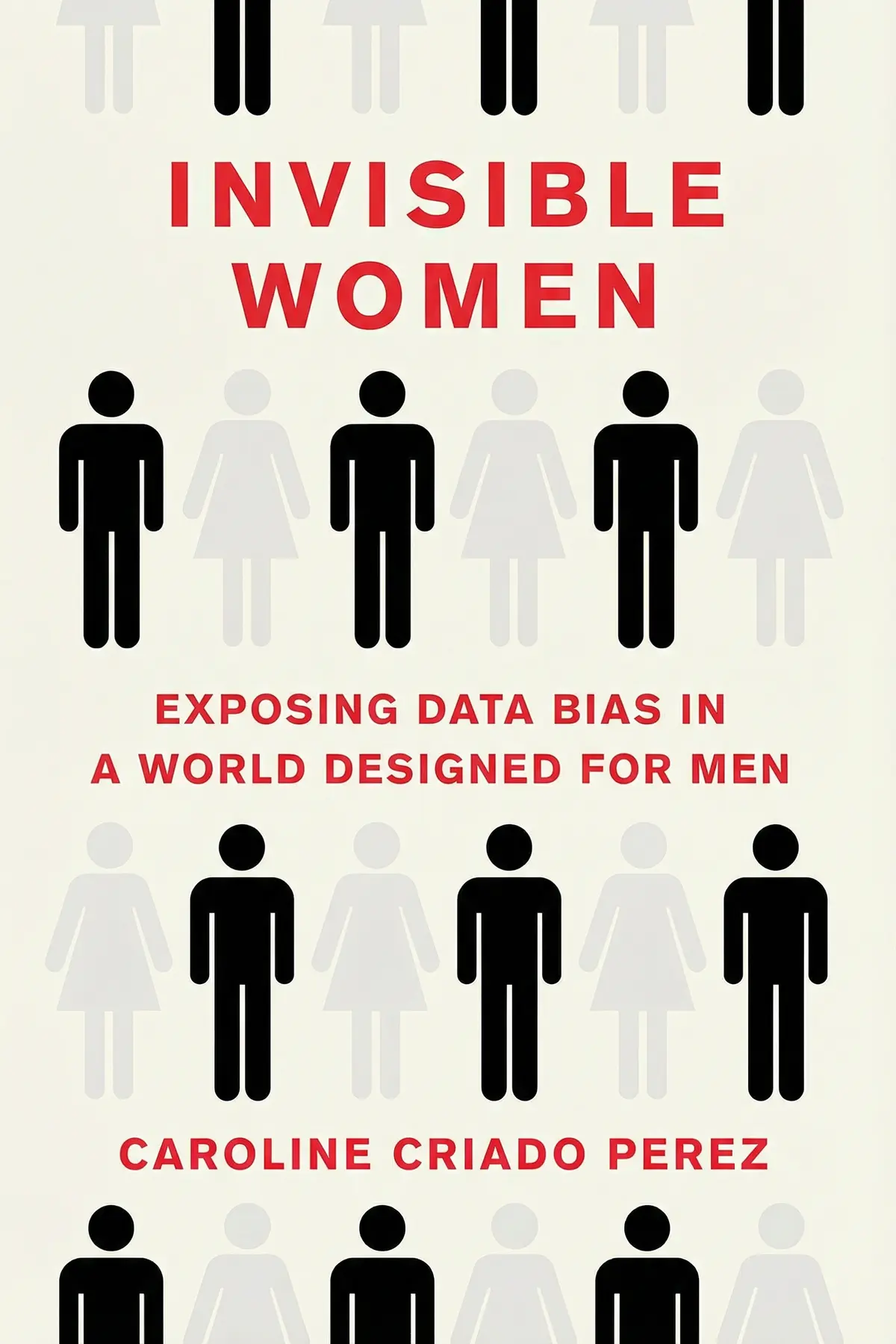
Table of Content
1. Introduction
2 min 19 sec
Have you ever wondered why you have to wait in a seemingly endless line for the women’s restroom while the men’s entrance remains clear? Or perhaps you’ve noticed that your smartphone feels just a little too large to use comfortably with one hand. These might seem like minor, unrelated frustrations of modern life, but they are actually symptoms of a much deeper and more systemic issue. This issue is what researcher Caroline Criado Perez calls the gender data gap. It is the result of a world that has been designed, measured, and built with one specific archetype in mind: the male.
When we talk about ‘humanity,’ we often use the male experience as the default setting. This isn’t necessarily a conscious act of malice by designers or policymakers, but it is a pervasive bias that shapes almost every aspect of our existence. From the way our cities are plowed after a snowstorm to the clinical trials that determine if a life-saving drug is safe, women are frequently absent from the data. When women are invisible in the numbers, they become invisible in the final product, the law, or the medical treatment.
Throughout this exploration, we are going to look at the hard evidence of how this gap silences and disadvantages women. We will see how ‘standard’ measurements are rarely standard for everyone and how treating the male body as the universal human body leads to dangerous outcomes in safety and health. But this isn’t just a story of disadvantage; it’s also an economic and social wake-up call. We will uncover how the global economy is missing out on trillions of dollars because we fail to account for the unpaid labor women perform every day.
By the end of this journey, the throughline will be clear: a world designed for only half its population is a world that is fundamentally broken. To fix it, we must first face the data. We need to understand who is being left out and why. This summary will provide the context and the facts necessary to recognize this bias and understand why closing the gender data gap is one of the most urgent challenges of our time. It’s time to stop treating women as a niche interest or an ‘aberration’ from the norm and start seeing the world as it truly is.
2. The Default Male in Culture and History
2 min 50 sec
Explore how the male experience became the ‘standard’ for humanity, from ancient philosophy to the modern icons and emojis we use to communicate every single day.
3. Urban Planning and the Invisible Commuter
2 min 54 sec
Discover how something as simple as clearing snow or scheduling a bus route can unintentionally disadvantage women when designers ignore gender-specific travel patterns.
4. The Physical World and the Hand of Man
2 min 31 sec
From the reach of a piano keyboard to the size of the smartphone in your pocket, explore how everyday products are tailored to male proportions.
5. Safety Standards and the Reference Man
2 min 37 sec
Learn why women are significantly more likely to be injured in car crashes and why office temperatures are often set too low for the female metabolism.
6. The Gender Gap in Medicine and Health
2 min 43 sec
Explore the dangerous consequences of excluding women from medical research and why ‘standard’ treatments for heart failure might not work for female patients.
7. The Economic Invisibility of Unpaid Labor
2 min 38 sec
Uncover the trillions of dollars missing from global GDP because we fail to value the domestic and care work performed primarily by women.
8. Power, Politics, and the Data of Representation
2 min 40 sec
Examine why the lack of women in political leadership perpetuates the gender data gap and how increasing female representation leads to better policy for everyone.
9. Conclusion
2 min 12 sec
We have seen that the gender data gap is not just a collection of isolated inconveniences; it is a fundamental flaw in the way our world is constructed. From the ancient philosophical roots that cast women as an ‘aberration’ to the modern crash test dummies that fail to protect female drivers, the evidence is overwhelming. We live in a world that consistently treats the male experience as the default and the female experience as a niche exception. This bias is woven into our architecture, our technology, our medicine, and our economic systems.
But as we’ve explored, this is not a permanent state of affairs. The first step toward change is awareness. Now that you are equipped with the knowledge of how this gap manifests—whether it’s in the lack of statues of women or the trillions of dollars in uncounted domestic labor—you can begin to spot it in your own life. The throughline is simple: when we include women in the data, we create a world that is safer, more efficient, and more prosperous for everyone. The Swedish town that changed its snow-clearing policy didn’t just help women; they saved money and improved safety for the entire community.
The takeaway here is actionable and clear. If you are in a position of influence—whether you’re a designer, a manager, a researcher, or a voter—ask the question: ‘Where is the data on women?’ Actively seek out the perspectives that are missing from the room. If you are a woman, understand that your frustrations with a too-large phone or a freezing office are not personal failings; they are systemic design flaws. Speaking up about these experiences is a powerful act of data collection in itself.
Closing the gender data gap is about more than just numbers; it’s about making the invisible visible. It’s about building a future where ‘standard’ actually means ‘everyone.’ As we move forward, let us commit to a world where data is used to empower the whole of humanity, ensuring that no one is left out of the blueprint for our shared future. By demanding better data and better representation, we can finally begin to design a world that truly fits us all.
About this book
What is this book about?
This summary dives into the systemic ways our world is built around the male experience, often treating women as an afterthought or a variation of the norm. From the size of our smartphones and the height of office thermostats to the way we test car safety and measure the global economy, the book exposes a massive 'gender data gap.' This gap isn't just an inconvenience; it has life-altering consequences for women’s health, safety, and financial independence. Readers will discover how the failure to collect and analyze sex-disaggregated data leads to biased outcomes in medicine, urban planning, and the workplace. By making the invisible visible, the book promises a clear understanding of why data equity is essential for a functioning society. It highlights the trillions of dollars lost in unpaid labor and the vital importance of female representation in positions of power to ensure that the needs of half the population are no longer ignored.
Book Information
About the Author
Caroline Criado Perez
Caroline Criado Perez is a prominent writer and feminist activist based in the United Kingdom. Her impactful work includes successful campaigns for female representation, such as ensuring a woman’s image remained on British banknotes and advocating for the first statue of a woman in London’s Parliament Square. For her dedication to promoting equality and diversity within the media, she has been recognized with an OBE.
Ratings & Reviews
Ratings at a glance
What people think
Listeners consider this work a mandatory read that is thoroughly documented and written well, though one listener remarks that it feels like a research paper. The book is immersive and stimulating, with one listener describing it as eye-opening. Opinions on data quality are divided; some value the evidence-heavy style while others find it overwhelming. The focus on gender bias also sees mixed feedback, as some listeners identify it as a crucial subject while others disagree.
Top reviews
Thawee
This book is a harrowing, data-driven look at how a world built for 'mankind' literally fails women on a daily basis. Perez masterfully exposes how the male-as-default mindset leads to everything from car crash dummies being designed for men to doctors misdiagnosing heart attacks in female patients. It is a rage-inducing read, yet so incredibly necessary for understanding the systemic gaps that render half the population invisible. Truth is, I found myself pausing after every chapter just to process the sheer scale of the data presented here. While the writing occasionally feels like a dense research paper, the insights are far too important to ignore. Every person involved in policy or design needs this on their shelf immediately. It is an eye-opening journey that will permanently change how you view your surroundings.
Show moreTippawan
Ever wonder why you're always freezing in the office or why the line for the ladies' room is always ten times longer? This book provides the scientific backing for all those 'minor' inconveniences we’ve been told to just accept. Perez shows that these aren't just accidents; they are the result of a massive failure to collect data on anyone who isn't a cisgender man. The section on medical trials was especially terrifying, revealing how often drugs are tested almost exclusively on male subjects. It’s a lot of statistics to take in, but the author’s clear prose makes the information accessible. Frankly, it is a staggering achievement in investigative non-fiction that demands a response from our institutions. You won't look at a city bus or a piano keyboard the same way again.
Show moreBun
Wow. I didn't expect to feel this much pure adrenaline and anger while reading a book full of spreadsheets and study results. The revelation that Viagra could potentially treat menstrual cramps but isn't being funded because of 'profit risks' made my blood boil. Perez connects the dots between urban planning, snow clearing, and the unpaid labor of caretaking in a way that feels revolutionary. It’s not just a book about feminism; it’s a book about the fundamental flaws in our global infrastructure. Some might find the barrage of data overwhelming, but that’s exactly the point—the gap is massive. Look, this is mandatory reading for anyone who thinks we've already achieved equality. It is a brilliant, necessary, and deeply disturbing piece of work.
Show moreBoy
Finally got around to finishing this, and I’m convinced it should be required reading for every policy maker on the planet. The way Perez explains the 'invisible' nature of women's lives—from the way snow is plowed to the way heart attacks are studied—is nothing short of genius. It’s a heavy book, not in weight, but in the psychological toll of realizing how little the world considers your existence. Gotta say, I've never highlighted a non-fiction book so much in my entire life. It’s a call to action disguised as a research paper, and it is incredibly effective. Even if you think you know about gender bias, this book will prove you’ve only seen the tip of the iceberg. Read it, get angry, and then give it to a man.
Show moreWoravit
To be fair, I thought I was already aware of the challenges women face, but the evidence here is absolutely staggering. This isn't just about 'mean men' holding women back; it's about a systematic, unconscious failure to see women as a distinct group with unique needs. The book is brilliantly researched, pulling from hundreds of studies to show that 'human' is almost always synonymous with 'male' in data sets. It’s a dense read, but Perez’s passion keeps the pages turning even when the numbers get heavy. Personally, I think the section on the 'unpaid care work' was the most eye-opening part of the entire narrative. It’s a monumental task to document this much silence. This book is a masterpiece of sociological investigation.
Show moreFon
Picked this up after seeing it recommended everywhere, and it really shifts your perspective on the most mundane objects. The facts regarding smartphone sizes and office temperatures were particularly relatable, proving that our 'neutral' world is actually tailored to men. However, I found the book's structure a bit repetitive as it hammers home the same point through different sectors for hundreds of pages. Not gonna lie, the lack of intersectionality was a bit disappointing, as it rarely touches on the specific struggles of trans women or women of color. Still, the core message about the 'gender data gap' is vital for anyone who cares about social equity. It’s an exhaustive piece of work that manages to be both enlightening and deeply frustrating at the same time.
Show morePia
As someone who works in tech, I found the chapters on algorithms and voice recognition software to be incredibly timely and accurate. We often assume technology is objective, but Perez illustrates how biased data inputs lead to biased, often dangerous, real-world outputs for women. The book is dense and requires focus, reading much like a thesis, which might put off casual readers. I did notice some of the language arguments felt a bit dated, and the erasure of non-binary identities was a glaring oversight for a 2019 publication. Despite these flaws, the sheer volume of evidence regarding the 'default male' is undeniable. It’s an essential critique of how we collect information. This is a solid, thought-provoking read that will spark endless discussions.
Show moreNoi
After hearing so much praise, I finally sat down with this, and it’s definitely a wake-up call for designers. The author exposes how 'gender-neutral' usually just means 'male,' leading to designs that are at best annoying and at worst fatal for women. I appreciated the global scope, though it often felt like it centered on a very specific Western, white experience. The prose is sharp, though the sheer number of statistics can make the middle sections feel like a bit of a slog. In my experience, the most impactful parts were the discussions on public transit and 'trip-chaining.' It’s a compelling argument for why we need more women in rooms where decisions are made. A very strong four stars for the research alone.
Show moreAva
Caroline Criado Perez has compiled a mountain of evidence that is both enlightening and exhausting to process. The core premise—that we lack data on women and therefore build a world that hurts them—is proven ten times over in every chapter. However, the book does suffer from a repetitive tone that makes it feel longer than it actually is. I also found the interchangeability of 'sex' and 'gender' to be a bit confusing and occasionally problematic in its exclusion of trans identities. Despite those issues, the value of the information provided regarding medical research and workplace safety cannot be overstated. It is a significant contribution to feminist literature that highlights a very specific, very dangerous type of ignorance. A necessary, if slightly flawed, investigation into the status quo.
Show moreNarut
The chapter on public restrooms was the breaking point for me because it perfectly highlighted the book's biggest flaw: the total erasure of trans and non-binary people. In a book dedicated to exposing 'invisibility,' it’s remarkably ironic that Criado Perez ignores the most marginalized voices in the gender conversation. She treats 'women' as a monolithic group, rarely acknowledging how race or disability status compounds the data bias. Furthermore, the structure is a mess, with specific chapter titles that don't always align with the sprawling information contained within them. While the statistics about crash test dummies are important, they’ve been covered better elsewhere without the accompanying cissexism. I really wanted to love this given the hype, but the narrow perspective made it hard to take the analysis seriously. It feels like a missed opportunity for true inclusivity.
Show moreReaders also enjoyed

All About Love: New Visions
bell hooks

A Biography of Loneliness: The History of an Emotion
Fay Bound Alberti

A Force for Good: The Dalai Lama's Vision for Our World
Daniel Goleman


A Room of One’s Own
Virginia Woolf

Abolish Rent: How Tenants Can End the Housing Crisis
Tracy Rosenthal
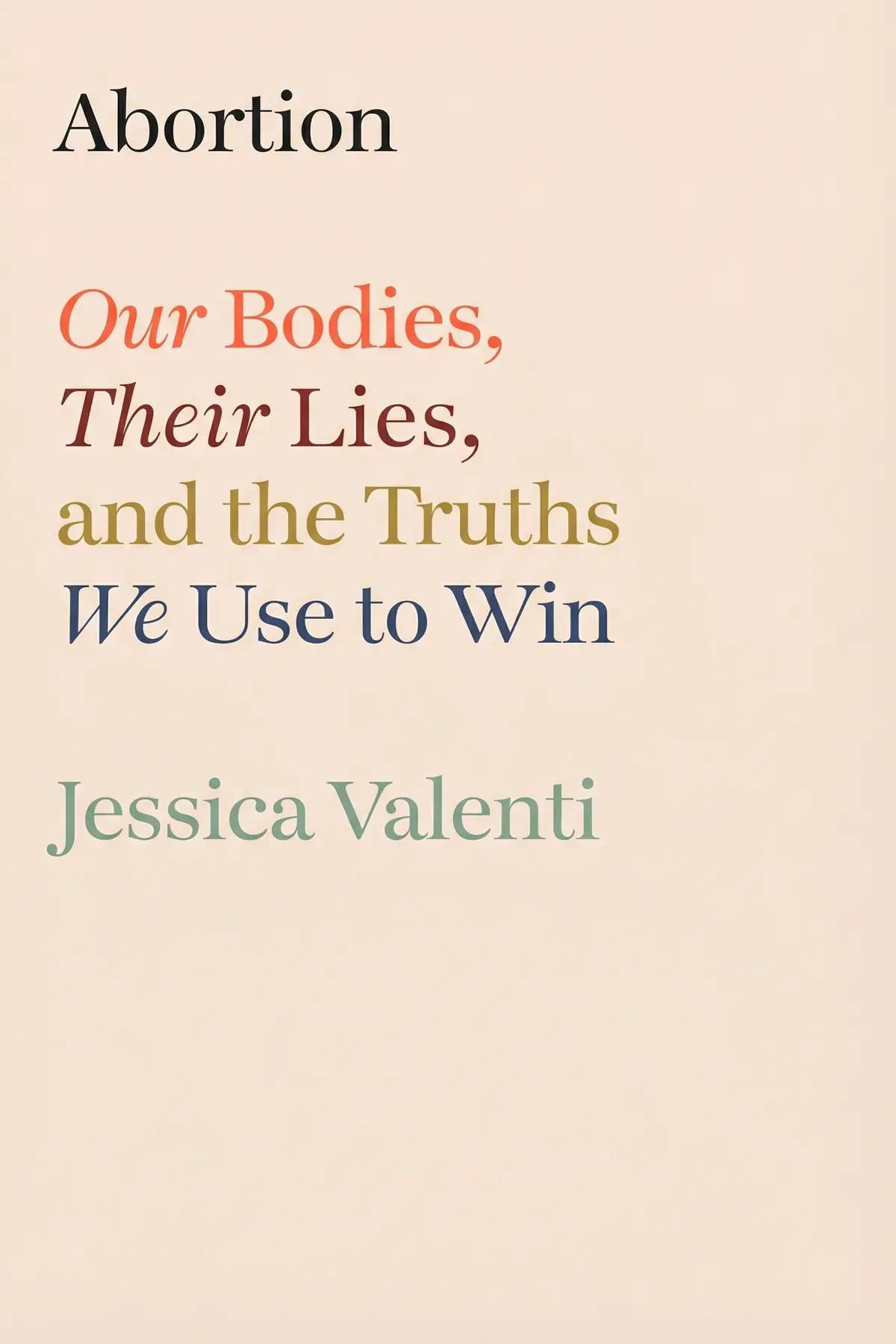
Abortion: Our Bodies, Their Lies, and the Truths We Use to
Jessica Valenti
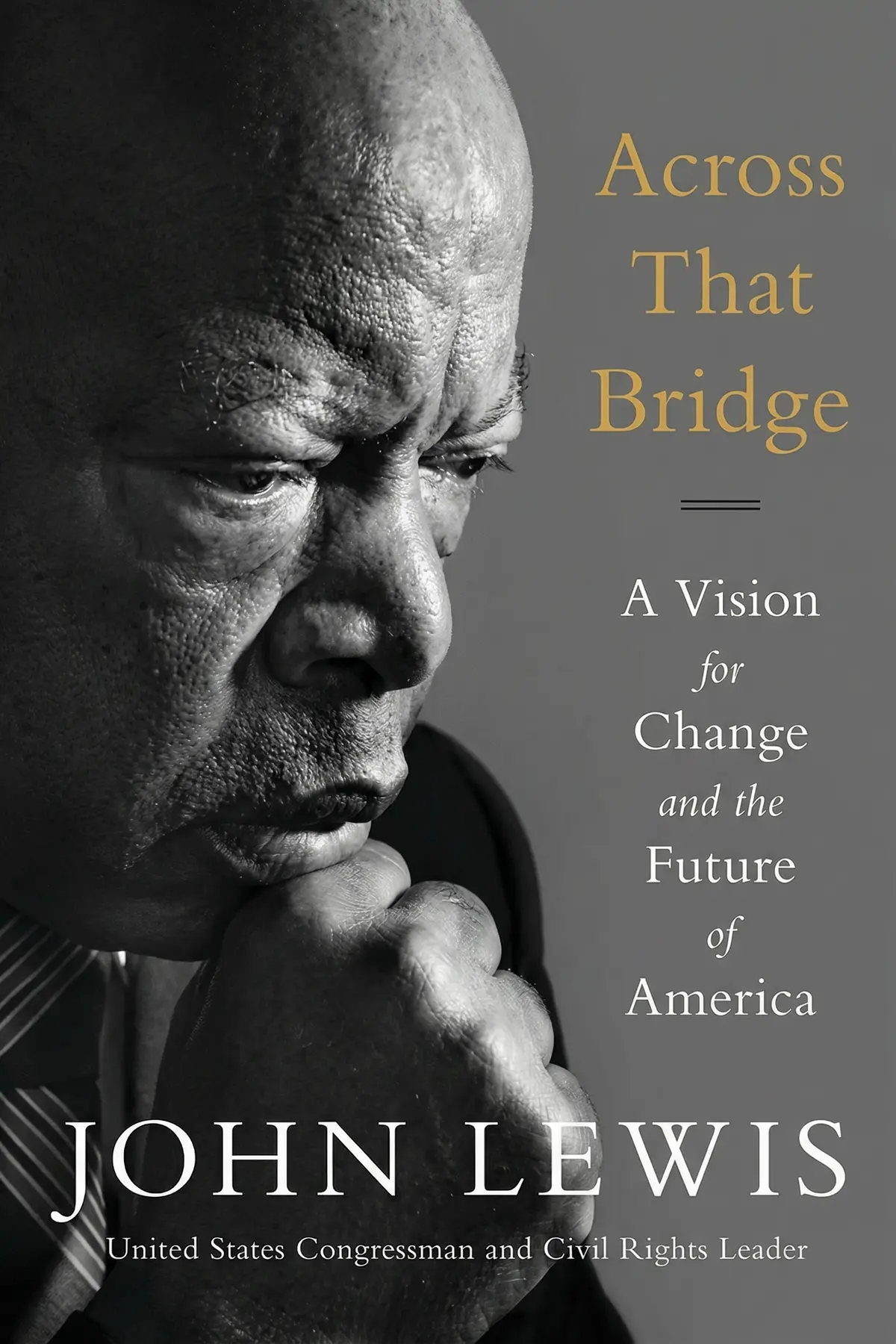
AUDIO SUMMARY AVAILABLE
Listen to Invisible Women in 15 minutes
Get the key ideas from Invisible Women by Caroline Criado Perez, plus 5,000+ more titles in English and Thai.
- 5,000+ titles
- Listen as much as you want
- 7-day free trial
- Cancel anytime







