
25 min 09 sec
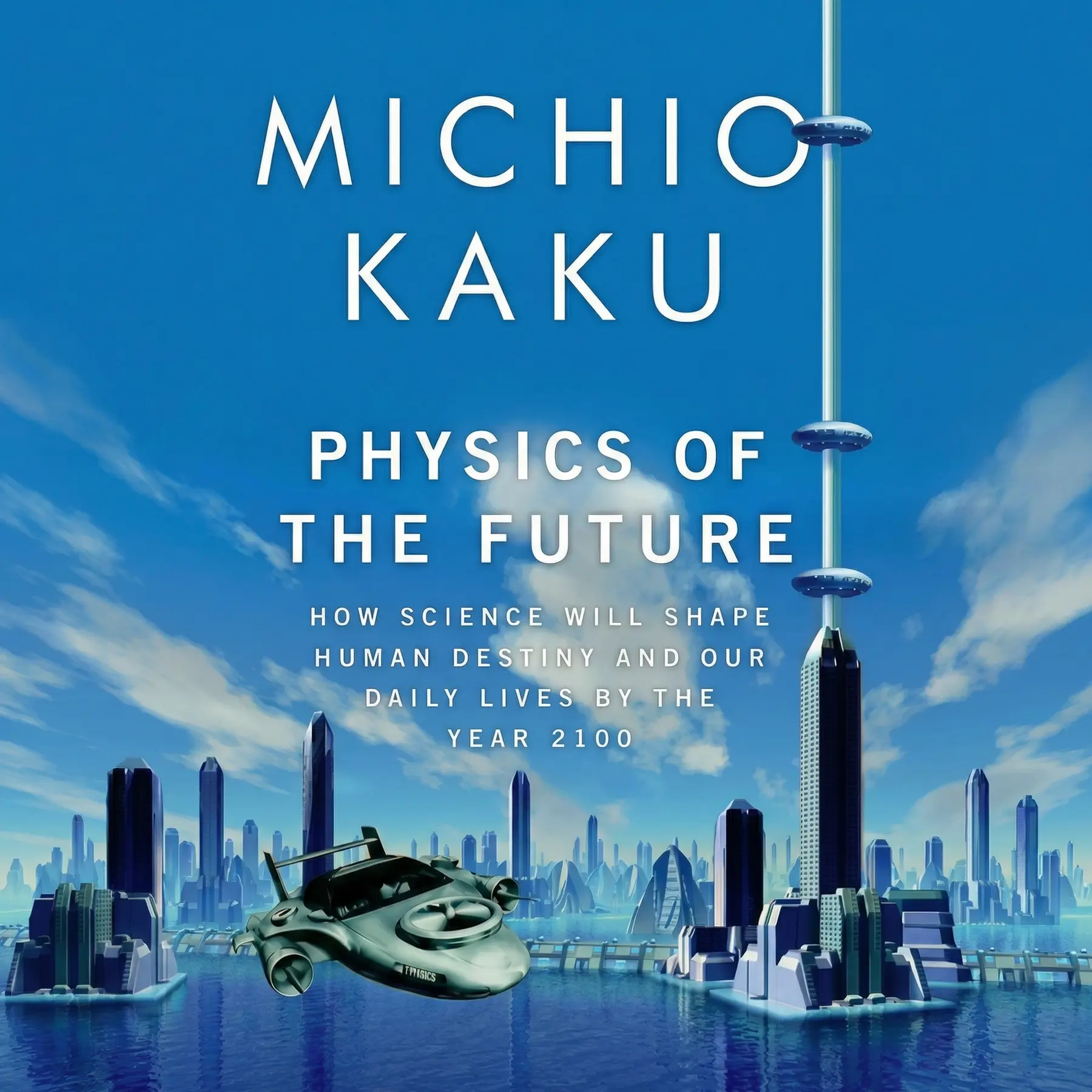
Physics of the Future: How Science Will Shape Human Destiny and Our Daily Lives by the Year 2100
By Michio Kaku
Explore the next century of scientific breakthroughs as a world-renowned physicist maps our journey through the evolution of artificial intelligence, revolutionary medicine, and the eventual mastery of space and time.
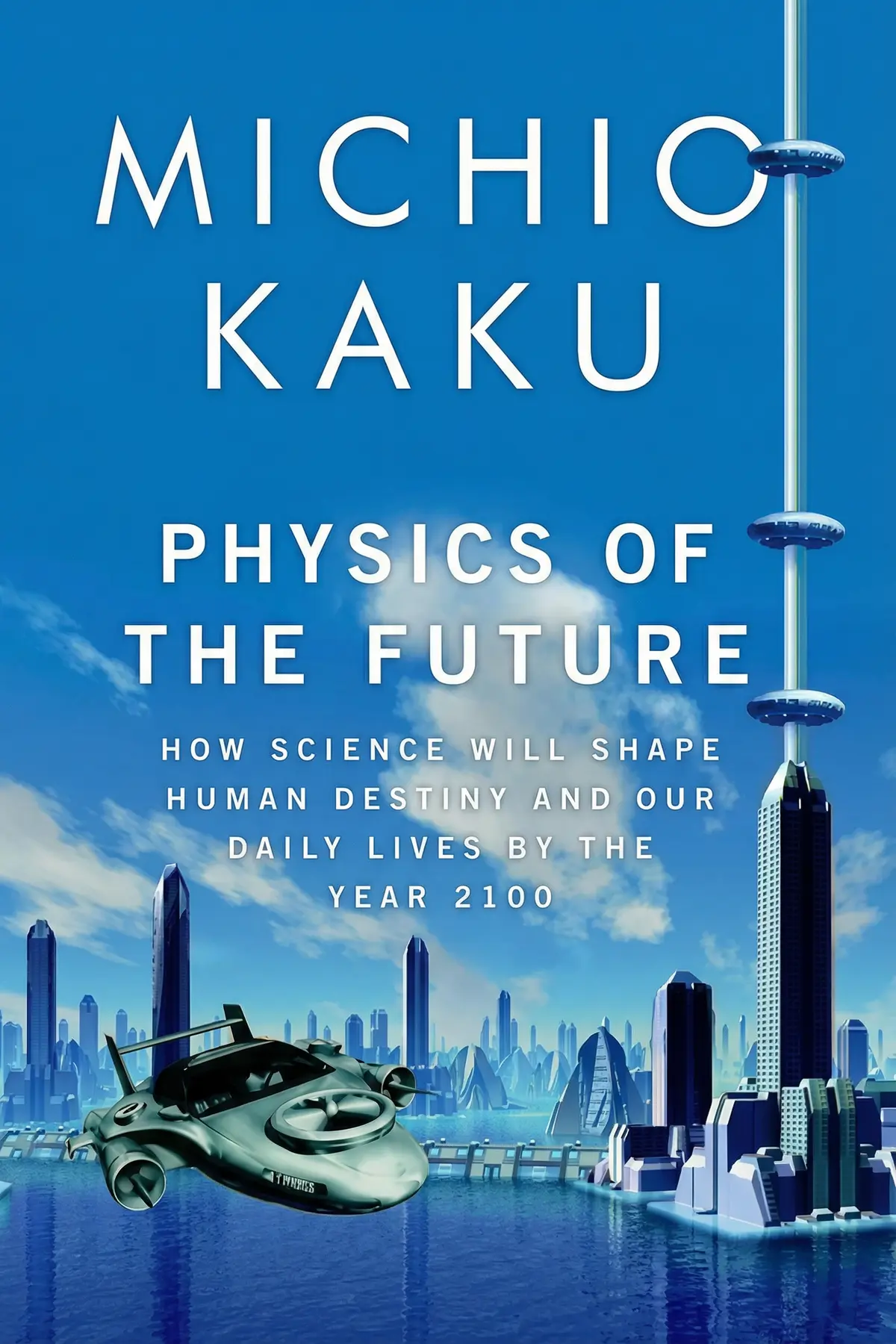
Table of Content
1. Introduction
1 min 52 sec
Imagine for a moment that you could step into a time machine and emerge in the year 2100. What would you see? Would you find a world of flying cars and starships, or something more subtle, where the very fabric of reality has been woven through with invisible intelligence? Predicting the future often feels like a fool’s errand, yet for a physicist, the future isn’t a complete mystery. It is governed by laws that we already understand today. By looking at the trajectory of current scientific research, we can begin to sketch the blueprints of the coming century.
In this journey, we aren’t looking at wild fantasies or magic tricks. Instead, we are looking at the logical conclusions of our current technological momentum. We will explore how the computers of tomorrow will become as common and as cheap as electricity or water, vanishing into the walls and even into our contact lenses. We will see how medicine is shifting from a game of guesswork to a precise engineering discipline, where we can target individual molecules to erase disease. We will also confront the hard truths about our environment and the energy crisis, searching for the breakthroughs in physics that might save our civilization from its own consumption.
Throughout this summary, we will maintain a throughline: the idea that human progress is an accelerating curve. What once took centuries now takes decades, and what took decades now happens in years. This acceleration is driven by our deepening mastery over the three pillars of modern science—computers, biotechnology, and the quantum world. By understanding these pillars, we can look past the horizon and see the destiny of our species. The world of 2100 will be as different from our own as our world is from the time of the pharaohs, and it is the laws of physics that will act as our guide through this transformation.
2. Predicting the Future Through Technological Trends
1 min 54 sec
Discover how the fundamental laws of physics allow us to forecast the next century of breakthroughs with surprising accuracy by observing today’s growth patterns.
3. The Persistence of the Cave Man Principle
1 min 45 sec
Uncover why our ancient biological instincts still dictate which high-tech gadgets succeed and which ones fail in the modern marketplace.
4. The Era of Ubiquitous and Invisible Computing
1 min 39 sec
Explore a future where computers are no longer devices we carry, but invisible forces embedded in our walls, clothes, and even our contact lenses.
5. Augmented Reality and the Rise of Perfect Capitalism
1 min 48 sec
Imagine a world where every product and person carries a digital rating, forever changing the way we shop and interact with society.
6. A Revolution in Molecular Medicine
1 min 48 sec
See how nanobots and gene therapy will transform healthcare, turning deadly diseases like cancer into manageable conditions or erasing them entirely.
7. The Science of Radical Longevity
1 min 50 sec
Learn how stem cells and genetic engineering could slow down the aging process, potentially allowing humans to live far beyond a hundred years.
8. Navigating the Environmental and Resource Crisis
1 min 44 sec
Understand the daunting challenges of population growth and resource depletion that humanity must solve to survive into the next century.
9. The End of the Oil Era and the Rise of Magnetism
1 min 53 sec
Explore how superconductors and magnetic levitation could replace fossil fuels, creating a frictionless and energy-efficient transportation network.
10. Unlocking the Secrets of the Brain for Better AI
1 min 55 sec
Learn why current computers struggle with simple human tasks and how mimicking the brain’s structure will lead to a new generation of smart robots.
11. Telekinesis: Moving the World with Your Mind
1 min 45 sec
See how brain-machine interfaces are making the science-fiction dream of telekinesis a reality, allowing us to control devices through thought alone.
12. Coexisting with Conscious Machines
1 min 45 sec
Address the ethical and safety questions of a world populated by sentient AI, and how we might ensure a peaceful future for both humans and robots.
13. Merging with the Digital World and Beyond
1 min 42 sec
Explore the ultimate frontier of the 21st century: the merging of human consciousness with technology to achieve a new stage of evolution.
14. Conclusion
1 min 49 sec
As we look back at the journey we’ve just taken, from the invisible chips in our wallpaper to the possibility of digital immortality, a clear picture emerges. The future is not a destination that simply happens to us; it is a landscape that we are building brick by brick with every scientific discovery. The technologies of 2100—once the stuff of mythology and magic—are actually the inevitable results of the laws of physics that we study in our labs today.
We have seen that while our technology will advance at a staggering pace, our human nature will remain a constant anchor. The Cave Man Principle reminds us that we will always seek connection, status, and meaning, even in a world of robots and augmented reality. This means that the real challenge of the next century isn’t just a technical one; it is a social and ethical one. We must ensure that our incredible power to manipulate matter and energy is guided by a wisdom that protects our planet and enhances the human experience.
To prepare for this future, there are a few things you can do today. First, stay curious and keep learning. The rate of change is so fast that if you stop paying attention, the world will quickly become unrecognizable. Second, consider the legacy we are leaving behind. Our ability to reach the year 2100 depends on how we handle the environmental and resource crises of the present. Finally, embrace the change. The future offers us the chance to solve the oldest problems of humanity—disease, poverty, and even the limitations of our own bodies. By understanding the physics of the future, we can move forward not with fear, but with the excitement of a species that is finally beginning to master its own destiny. The journey is just beginning, and the most incredible chapters of the human story are yet to be written.
About this book
What is this book about?
This exploration serves as a rigorous yet accessible roadmap for the next hundred years of human civilization. It moves beyond mere speculation by grounding every prediction in the fundamental laws of physics and the current trajectories of research laboratories around the globe. The narrative investigates how our daily lives will be reshaped by computers that vanish into the fabric of our environment, medicine that repairs our genetic code at a molecular level, and transportation systems that defy gravity through the power of magnetism. Beyond the hardware, the book promises a deep dive into the psychological and social implications of these shifts. It addresses the friction between our primitive biological instincts and our high-tech future, offering a vision of how we might manage planetary crises, achieve radical longevity, and eventually merge our consciousness with the digital realm. Ultimately, it provides a sense of agency, suggesting that while the laws of physics are fixed, the destiny of our species is something we can actively design through the choices we make today.
Book Information
About the Author
Michio Kaku
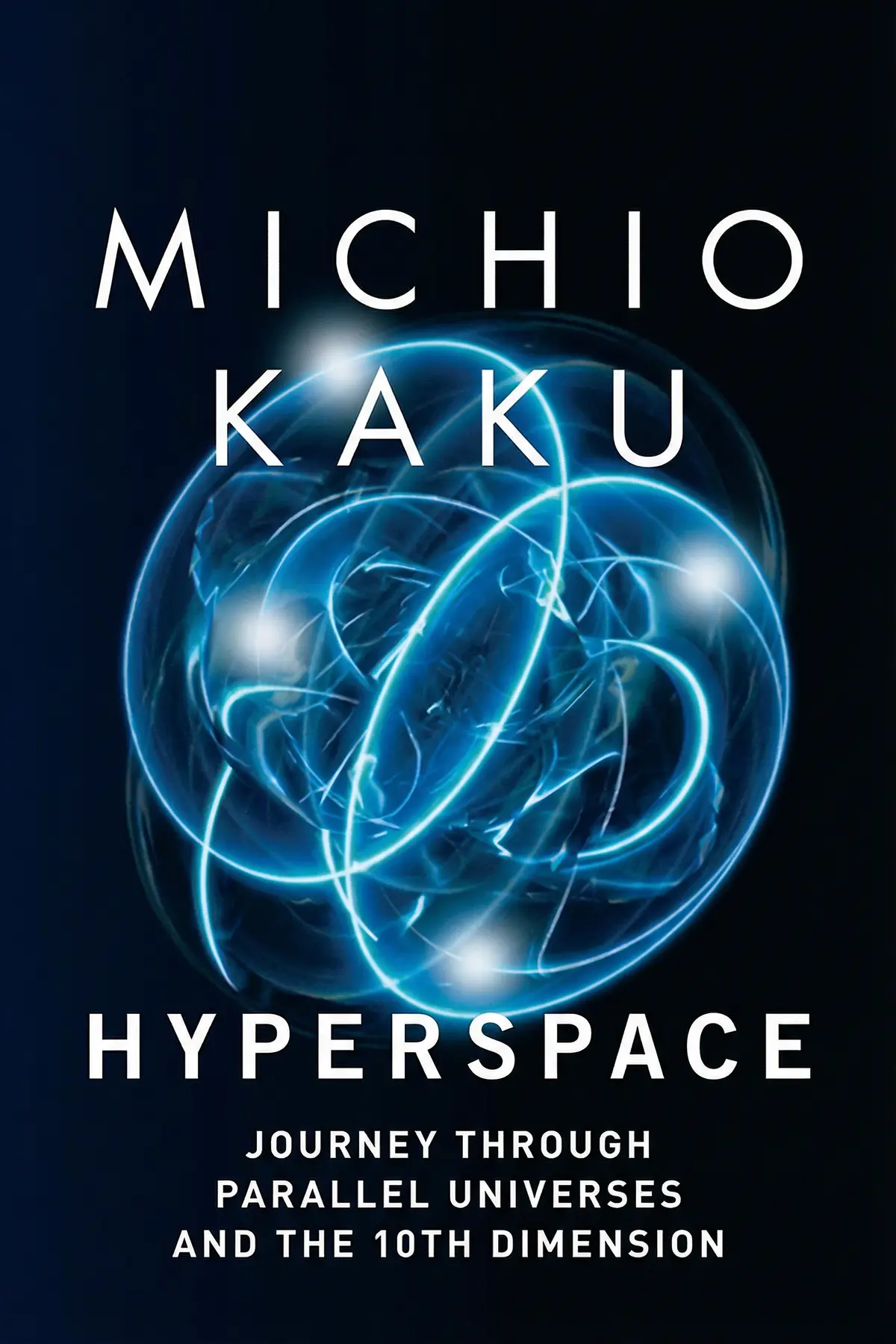
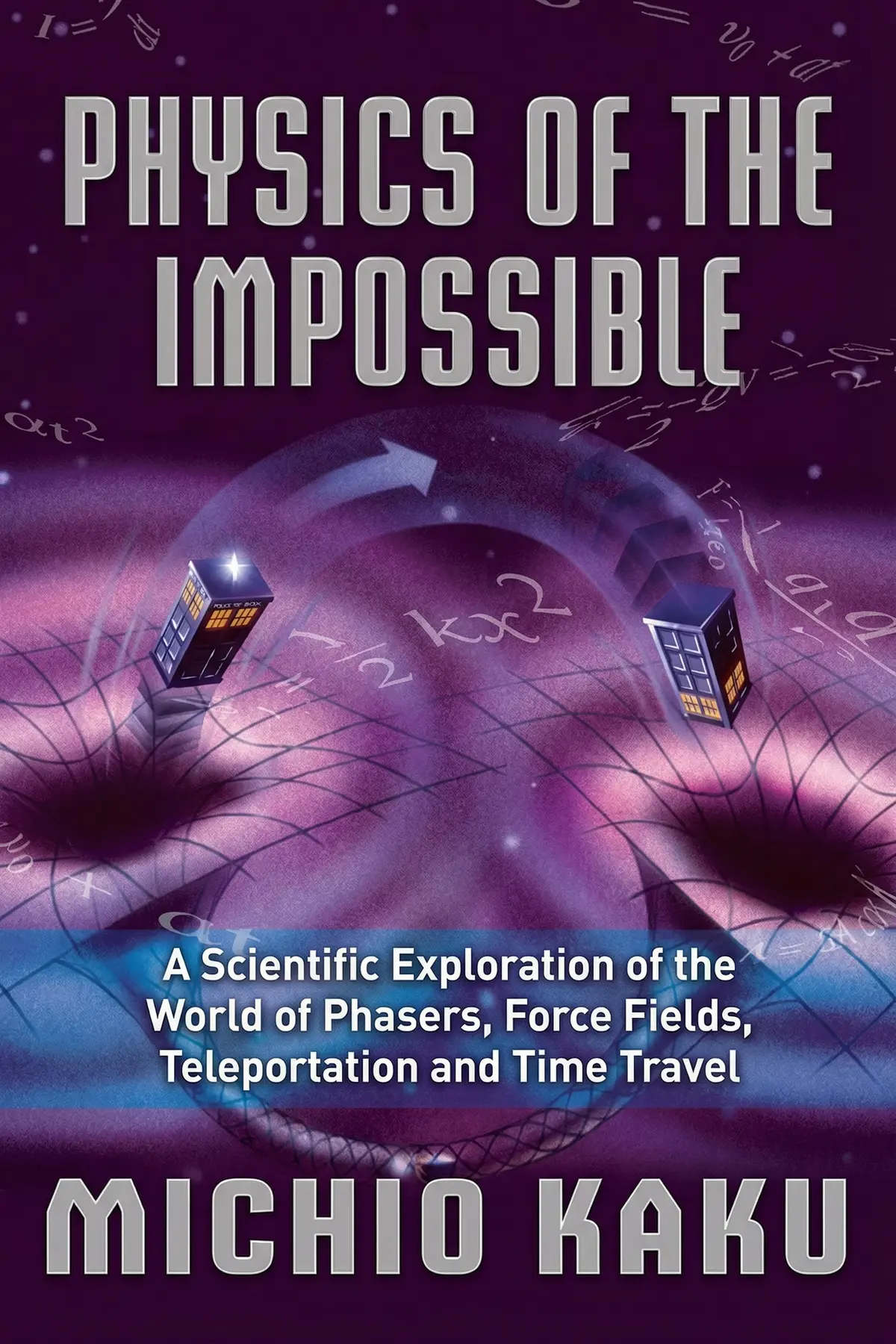
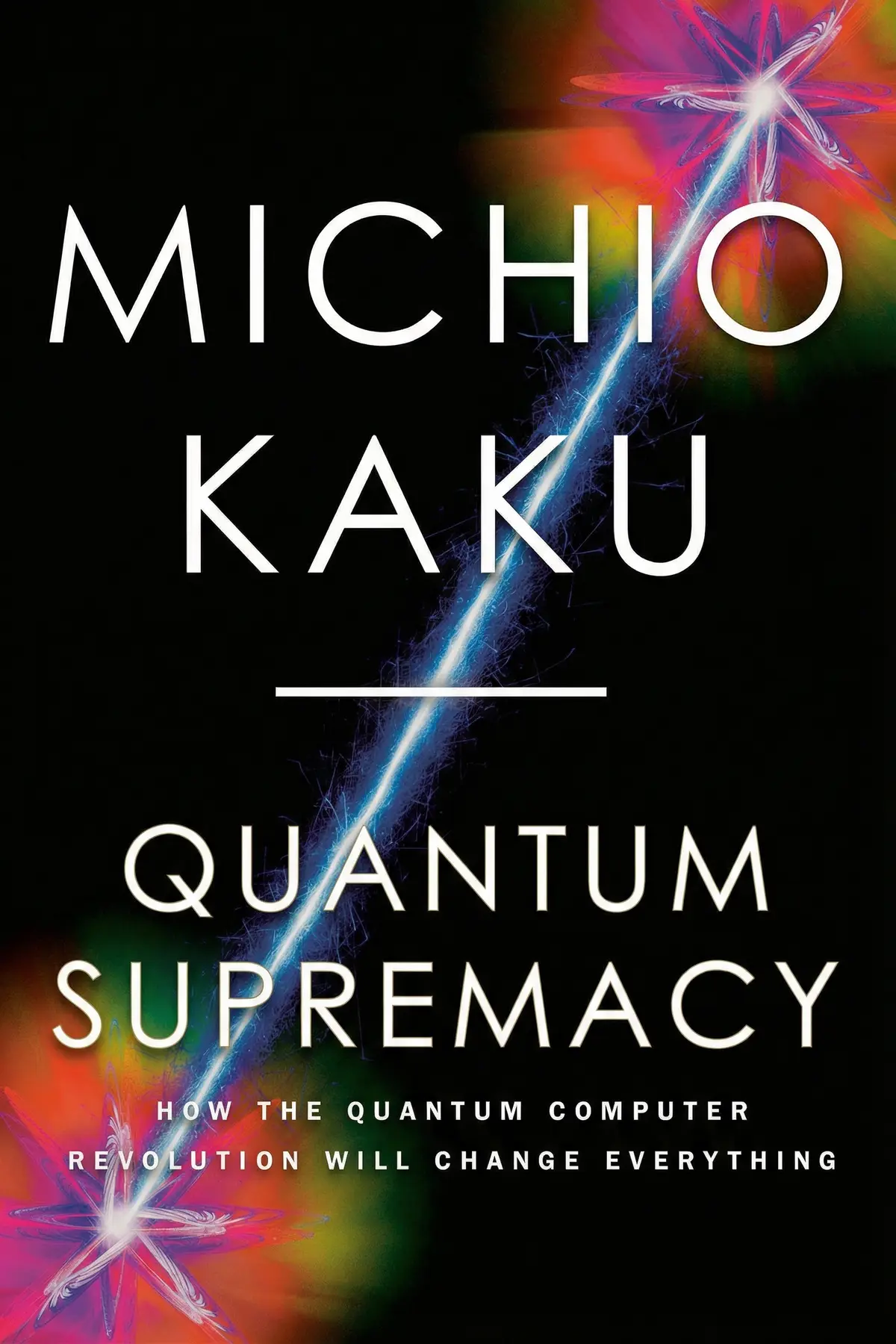
Michio Kaku is a highly respected figure in the world of science, serving as a professor of theoretical physics at the City University of New York. He is widely recognized as a co-founder of string field theory, a major branch of theoretical physics. Beyond his academic contributions, Kaku is a prolific author of best-selling works such as Hyperspace and Physics of the Impossible. He is also a prominent media personality, hosting the Science Channel’s program Sci Fi Science: Physics of the Impossible. Additionally, he reaches a global audience through his two radio programs, Explorations in Science and Science Fantastic, where he discusses the latest breakthroughs and the future of technology.
Ratings & Reviews
Ratings at a glance
What people think
Listeners find the work captivating and expertly crafted, offering lucid descriptions of scientific advancements and an intriguing perspective on upcoming eras across three distinct periods. Its approachable tone makes the material ideal for both dedicated science fans and general audiences, highlighting potential innovations in IT and nanotechnology. Feedback on the forecasts is varied; some view them as plausible, while others see them as mere conjecture. Perspectives on the depth of information also differ, as some appreciate the insights while others feel the coverage lacks granular detail.
Top reviews
Tang
Kaku has this incredible ability to take intimidating concepts and turn them into something you'd discuss over coffee. The way he breaks down the next hundred years into three distinct periods provides a structural roadmap that most popular science books lack. While he leans heavily on technology rather than pure theoretical physics, the vision of internet-connected contact lenses and magnetic cars is undeniably captivating. You can tell he spent significant time interviewing hundreds of leading experts to ground these theories in reality. It’s an optimistic look at a planetary civilization that manages to be both educational and deeply entertaining. Even if some claims feel like a reach, the sheer scope of the book is worth the read. It made me feel like the future is already here.
Show moreLeila
Wow, this book totally changed how I look at my kids' future and the tools they will eventually use. Imagine living in a world where your contact lenses give you a heads-up display of the entire internet or where cars float on magnetic fields. Kaku makes these 'magic' concepts feel like inevitable steps in our evolution rather than just science fiction pipe dreams. I especially loved the part about the space elevator and how nanotechnology might finally make it a reality. Some people might find his tone too 'pop-sci,' but for a general audience, this is exactly how you spark interest in the sciences. It’s a beautiful, visionary work that leaves you feeling hopeful about the next hundred years. Five stars for the inspiration alone!
Show moreBam
To be fair, predicting a hundred years out is a fool’s errand, yet Kaku manages it with infectious enthusiasm and style. This isn't just a book about gadgets; it's about the shift toward a Type I civilization and what that means for our species. The way he explores antimatter drives and interstellar exploration by tiny, self-replicating nanobots is nothing short of breathtaking. I found the final message about our generation being the most important one ever to be quite moving, even if it borders on grandiosity. It’s a significant achievement in non-fiction that manages to be both informative and incredibly fun. If you want to see where we are going, this is the map you need. A must-read for any science enthusiast!
Show moreAnawin
The sections regarding biotechnology and augmented reality were easily the highlight of this entire journey for me. Kaku describes a world where we can grow new organs and monitor our health through nanobots in our bloodstream with vivid, accessible prose. It’s fascinating to see how he weaves together the potential of nanotechnology with the practical limitations of current silicon design. Some of the predictions, particularly regarding mind-machine interfaces, feel like they are pulled straight out of a Star Trek episode. Look, he’s definitely an optimist, and he tends to gloss over the darker potential uses of this technology, but the 'what if' factor is handled brilliantly. It’s a perfect introductory text for anyone curious about where we’re headed without needing a PhD to follow along.
Show moreNatalie
After hearing about Kaku’s work for years, I finally dove into this projection of our planetary civilization's trajectory. The book is essentially a catalog of the 21st century's potential milestones, from the transition to fusion power to the eventual colonization of space. I appreciated the distinction between what is theoretically possible and what is merely an engineering challenge, though Kaku is undeniably a techno-optimist. He paints a picture of a world where poverty and disease are solved by innovation, which feels a bit naive given our current global political climate. Nevertheless, his discussion on the economic impact of these technologies was a surprising and welcome addition. It’s a visionary milestone that reminds us why science remains the most powerful engine of human progress. A solid read for any futurism fan.
Show moreNitaya
Dividing the next century into three distinct phases makes the daunting task of futurism feel surprisingly manageable and grounded. Kaku avoids the trap of just making random guesses by anchoring his predictions in interviews with scientists currently working in these niche fields. Truth is, some chapters are stronger than others; the medicine and computer science sections felt very well-researched, while the history and culture parts felt a bit shallow. His enthusiasm is infectious, but I found myself wishing he’d spend more time on the 'how' rather than just the 'what.' Still, the book serves as a great compendium of future possibilities. It’s the kind of non-fiction that feels as fast-paced as a novel. Definitely worth picking up if you like big-picture thinking.
Show morePat
As someone who hasn't stepped into a lab since high school, I found the explanations here remarkably lucid and clear. Kaku has a gift for making 'making something from nothing' through molecular assembly sound like a tangible goal rather than just wizardry. The book identifies a lot of promising breakthroughs in IT and energy that I hadn't heard of before reading this. I’ll admit that some of his claims about telepathy and 'power of the gods' are a bit hyperbolic, but they help illustrate the magnitude of the changes coming. It's a fun, light read that encourages you to think about the big picture of humanity. My only real gripe is the occasionally repetitive structure of the chapters. Still, it's a fascinating look at what's coming.
Show moreRapee
Is it entertaining? Yes. Is it rigorous science? That’s debatable. Kaku relies far too heavily on adverb-laden hyperbole and metaphors about 'gods of mythology' to describe what are essentially just advanced sensors and interfaces. If you spend any time reading tech blogs or keeping up with Moore’s Law, much of the computer science chapter will feel like a redundant recap of things we’ve known for years. The tone is frequently over-confident, almost as if he’s trying to sell you a product rather than explain a phenomenon. To be fair, the section on energy and fusion was enlightening, but the constant repetition of 'in the future' started to grate on my nerves by the halfway point. It’s a fun ride if you don’t think too hard about the details.
Show morePacharapol
Kaku's take on the 'Singularity' and artificial intelligence feels a bit like a double-edged sword depending on your background. For a layperson, the idea of robots gaining consciousness is handled with enough excitement to keep the pages turning. However, if you have any expertise in silicon design or AI, his projections can feel somewhat unimaginative or even outdated. He mentions Ray Kurzweil quite a bit, which will either delight you or make you roll your eyes at the 'tinfoil hat' vibes. There are also several references to ancient mythology that feel out of place in a book supposedly about hard science. While it’s a competent tour of the future, it lacks the rigor I was hoping for from a world-renowned physicist. It’s okay, but not his best work.
Show moreSatit
Frankly, I was expecting a book about physics, but what I got was a collection of tech blog clichés and wild speculation. Kaku makes some embarrassing errors, like attributing human aging primarily to the second law of thermodynamics before contradicting himself with a mention of telomeres. The 'Caveman Principle' he proposes feels like a pseudo-scientific oversimplification of complex evolutionary psychology. Also, suggesting that we will soon have our genomes on CD-ROMs makes him sound incredibly out of touch with modern data storage trends. His writing style often feels like a Discovery Channel script—full of 'wow' factor but lacking any real intellectual honesty or depth for serious readers. It was a frustrating experience that prioritizes entertainment over accuracy. I wanted more substance and less showmanship.
Show moreReaders also enjoyed
A Life Decoded: My Genome: My Life
J. Craig Venter
21 Lessons for the 21st Century
Yuval Noah Harari
A Planet of Viruses
Carl Zimmer
AUDIO SUMMARY AVAILABLE
Listen to Physics of the Future in 15 minutes
Get the key ideas from Physics of the Future by Michio Kaku, plus 5,000+ more titles in English and Thai.
- 5,000+ titles
- Listen as much as you want
- 7-day free trial
- Cancel anytime







