
21 min 41 sec
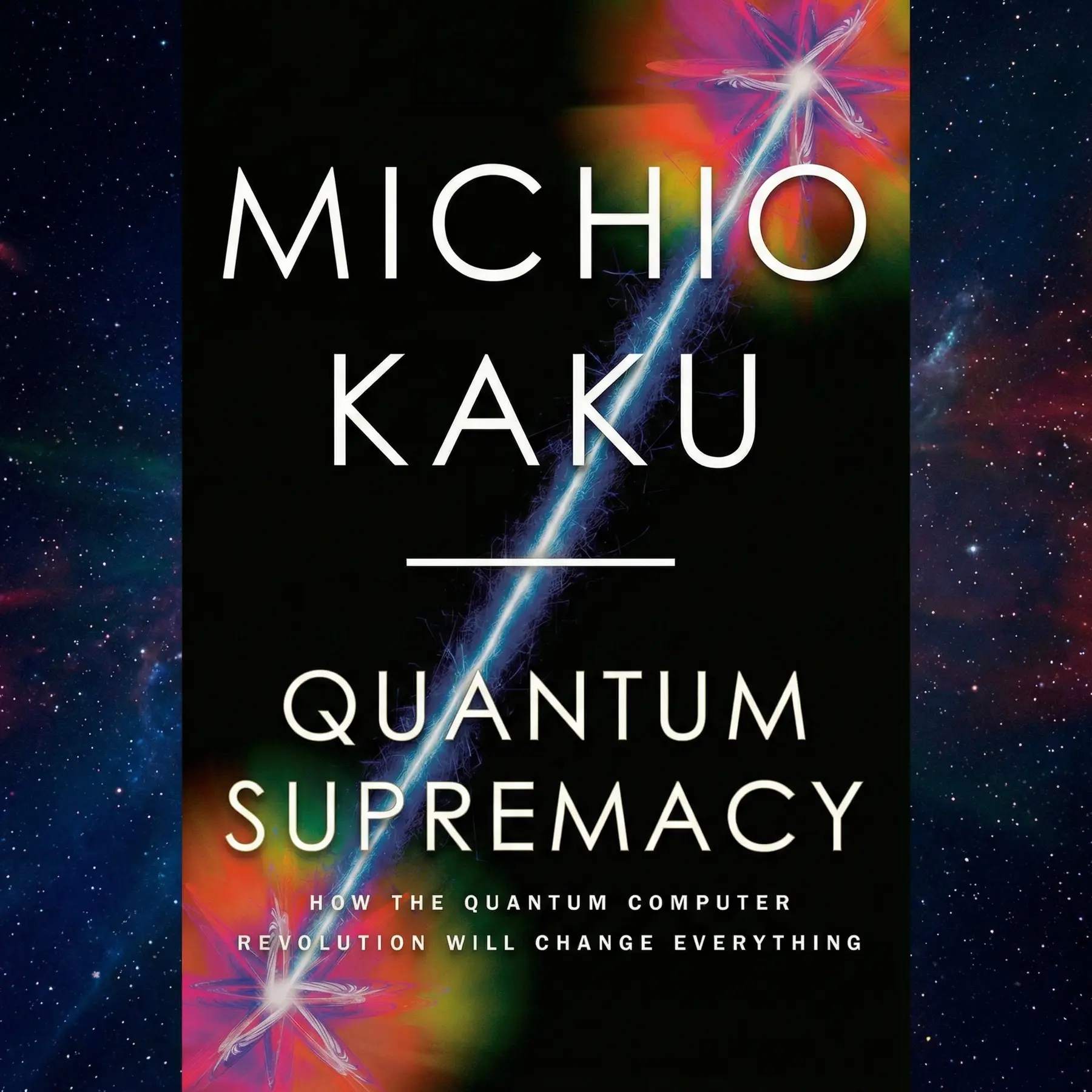
Quantum Supremacy: How the Quantum Computer Revolution Will Change Everything
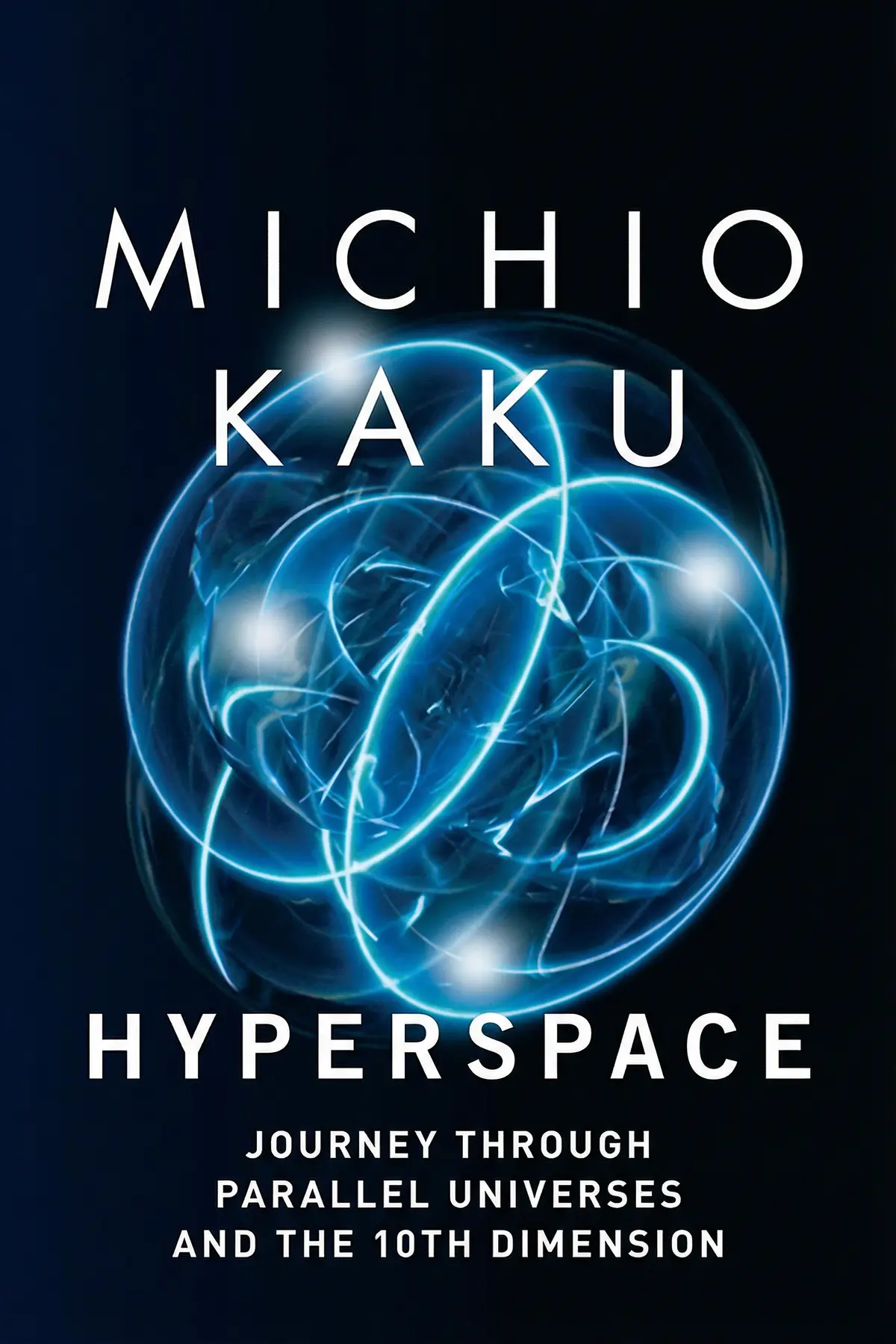
By Michio Kaku
Quantum Supremacy explores the transition from digital to quantum computing, highlighting how these powerful machines will revolutionize medicine, solve climate crises, and unlock the fundamental secrets of our universe and biology.
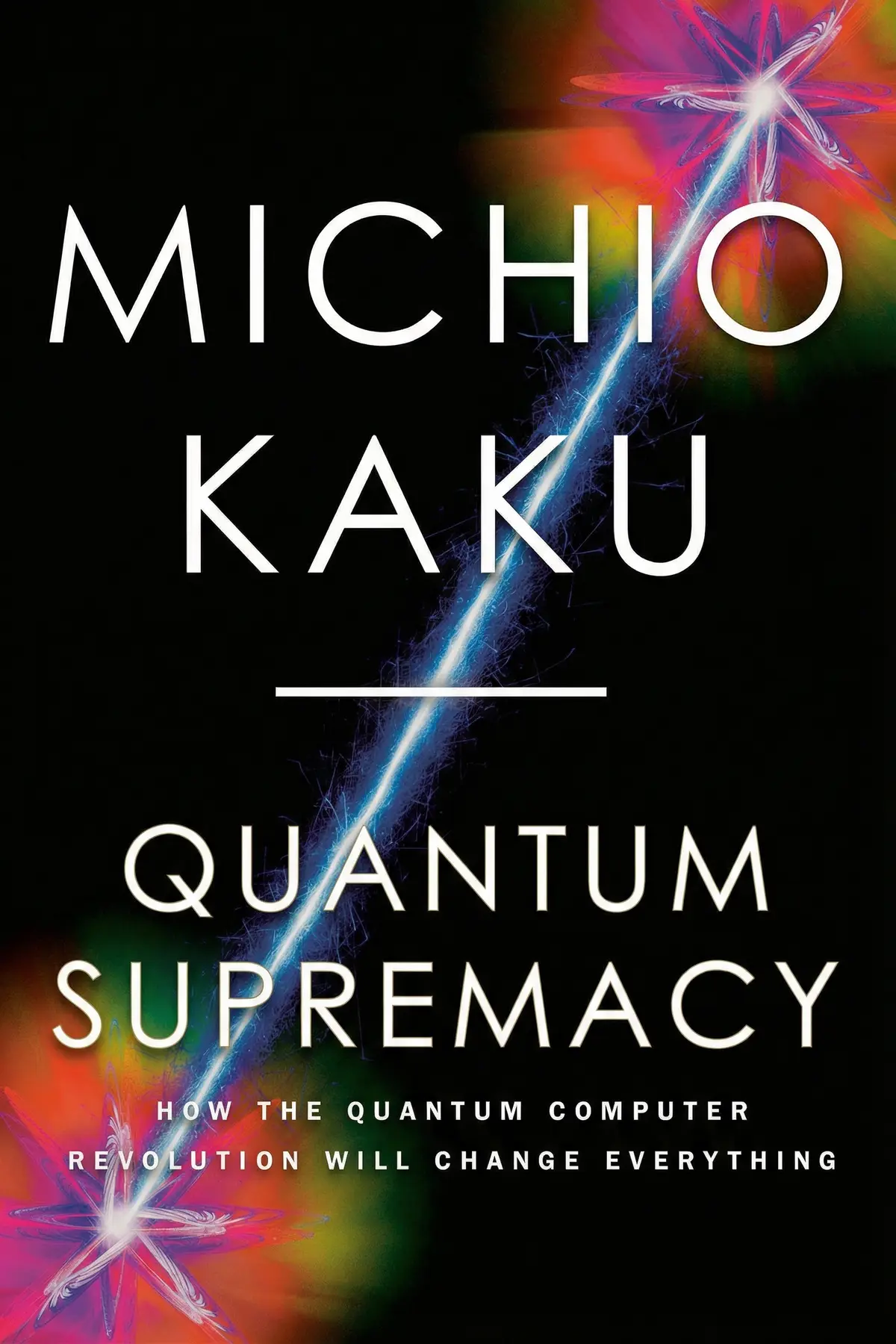
Table of Content
1. Introduction
1 min 49 sec
For the last several decades, the pulse of human progress has been measured in the shrinking size of silicon chips. We have lived through the digital revolution, an era where computers transformed from room-sized calculators into sleek devices that fit in our pockets. But as we look toward the horizon, we are discovering that the silicon era is approaching its natural conclusion. There is only so much we can do with bits and transistors before we hit the hard walls of physics. This is where a new, almost magical technology enters the frame: the quantum computer.
In this exploration of the next great leap in human history, we are looking at the transition from digital to quantum. Many people hear the word ‘quantum’ and assume it is a subject reserved for high-level physicists or science fiction novels. They might recall hearing about parallel dimensions or cats that are both alive and dead, but they often feel these concepts are too abstract to matter to their daily lives. However, understanding this shift is becoming increasingly essential. Quantum computing isn’t just a faster way to browse the internet; it is a key that unlocks the ability to solve the most daunting challenges humanity faces, from terminal illness to the climate crisis.
We are currently witnessing a global race to achieve what is known as quantum supremacy—the moment a quantum machine can outperform the best digital supercomputer on Earth. This throughline connects our ancient past, where we first tried to simulate the stars with bronze gears, to a future where we can simulate the very molecules of life. As we navigate this transformation, we will see how the quantum realm will redefine our medicine, our energy, and our place in the cosmos. It is a story of how humanity is finally learning to compute at the speed of nature.
2. The Dawn of Quantum Advantage
2 min 08 sec
Digital computers are reaching their physical limits, but a new breed of machines is already performing calculations that would take millennia to finish.
3. The Strange Logic of the Subatomic World
2 min 23 sec
Quantum computers derive their nearly infinite power from two bizarre phenomena that allow them to explore every possible solution at once.
4. A Legacy of Simulation
2 min 20 sec
Humanity’s quest to simulate the universe began with ancient mechanical devices and led to the birth of modern programming.
5. The Path of Least Action
2 min 20 sec
A breakthrough in how we view particles led to a new way of solving the world’s most complex motion and energy problems.
6. A New Green Revolution
2 min 12 sec
Quantum computing could replace our most polluting chemical processes with clean, nature-inspired alternatives to feed the world.
7. Winning the War on Disease
2 min 18 sec
Medicine has largely been a game of trial and error, but quantum simulation offers a way to decode the errors that lead to cancer and Alzheimer’s.
8. Weather, Climate, and the Limits of Digital Prediction
2 min 11 sec
The Earth’s climate is too complex for today’s machines, but quantum computers could provide the accuracy needed to survive a changing world.
9. The Interplanetary Future and Fusion
2 min 15 sec
By mastering the power of the stars on Earth, quantum technology could propel humanity to become a multi-planet species.
10. Conclusion
1 min 45 sec
The journey from the first mechanical gears found in a Greek shipwreck to the massive quantum processors in today’s labs is a testament to the human drive to understand reality. As we have seen, the digital age has been a monumental era, but it is merely a stepping stone. Quantum computers are not just faster versions of the machines we already have; they are a completely new way of interacting with the universe. By harnessing the strange but powerful laws of superposition and entanglement, we are finally gaining the ability to speak the same language as nature itself.
This shift brings with it an incredible promise. We are on the verge of a second green revolution that could feed the world without destroying the environment. We are looking at a future where cancer and Alzheimer’s are no longer death sentences, but problems that can be solved through precise molecular simulation. We are finding the tools to manage our changing climate and to protect our civilization from the unpredictable power of the sun. Even the dream of clean, limitless fusion energy is within our reach, provided we have the computational power to unlock it.
As you consider the implications of this new era, remember that we are living through one of the most significant transitions in history. The move to quantum supremacy is more than a technical achievement; it is a gateway to solving the most persistent challenges of the human condition. It invites us to rethink what is possible and to prepare for a world where the boundaries between science and what once seemed like magic continue to blur. The quantum future is no longer a distant dream—it is being built right now, qubit by qubit, and it will redefine every aspect of our lives.
About this book
What is this book about?
Quantum Supremacy details the dawn of a new era in human technology. For decades, the world has relied on silicon-based digital computers, but we are reaching the physical limits of that technology. Michio Kaku introduces us to the quantum computer, a device that operates on the laws of subatomic physics rather than simple binary logic. This shift represents more than just a faster processor; it is a fundamental change in how we simulate reality. The book promises to show how these machines can solve problems that would take today’s most powerful supercomputers thousands of years to calculate. By mastering the quantum realm, humanity gains the tools to cure complex diseases like cancer, create a second green revolution to feed billions, and harness clean fusion energy. It is a journey from the ancient past of mechanical computation to a future where we can finally speak the language of nature itself.
Book Information
About the Author
Michio Kaku
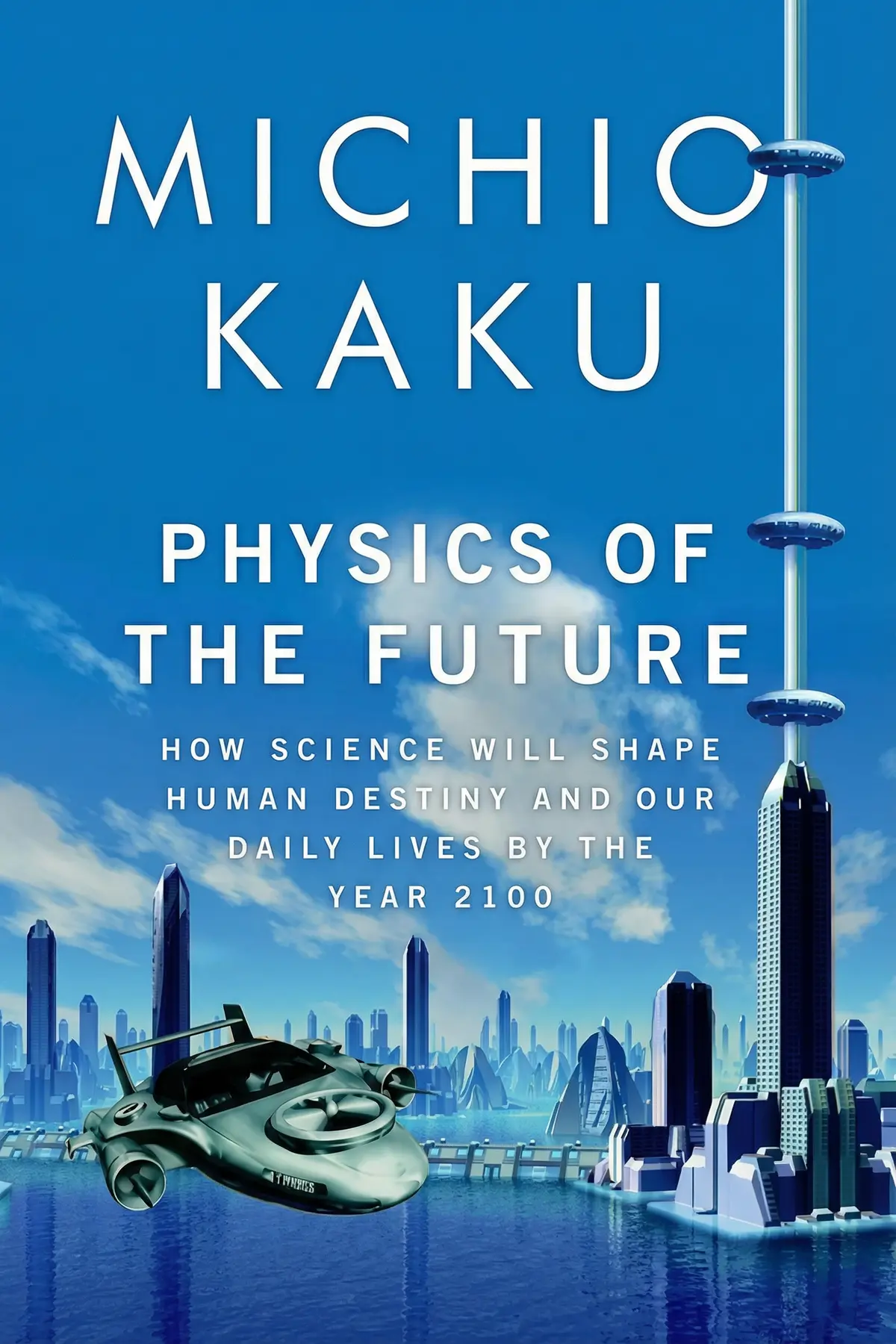
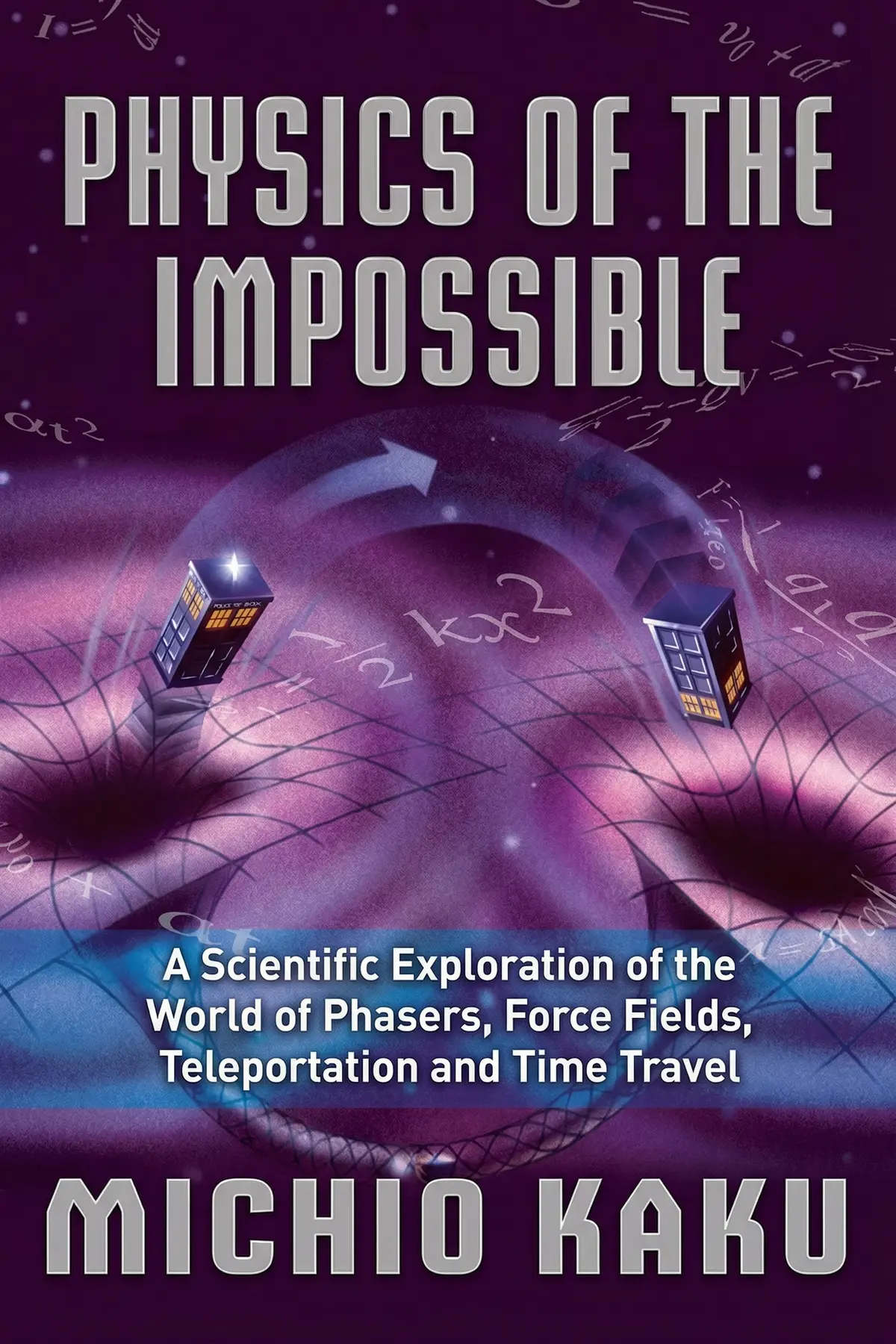
Dr. Michio Kaku is a world-class physicist and a cocreator of string field theory. His passion for science began early when he built a particle accelerator in his parents’ garage for a high school project. Today, he is a professor of theoretical physics at the City University of New York and an international best-selling author, known for influential works such as Hyperspace, Visions, and Beyond Einstein.
Ratings & Reviews
Ratings at a glance
What people think
Listeners find this work highly educational and a pleasure to consume, featuring clear prose that remains accessible to non-experts. They value the stimulating perspectives shared, with one listener mentioning that it provides real-world benefits of quantum computing. The text earns praise for its level of discourse, with one review emphasizing its depthy subject matter.
Top reviews
Pear
Michio Kaku has a rare gift for making the most intimidating subjects feel like a neighborhood chat. He takes the dense world of subatomic particles and translates it into a narrative about human progress. I was particularly moved by his mention of Stephen Hawking, suggesting that quantum computers might one day return the favor by curing the very diseases that plague us. To be fair, some parts felt a bit like science fiction, but that’s exactly why it’s so thought-provoking for a casual reader. It’s not just a book about hardware; it’s a blueprint for a future that feels within our grasp. If you’re looking for a heavy technical manual, you might be disappointed, but for everyone else, it’s a must-read.
Show moreSamira
Picked this up after hearing Kaku on a podcast, and I was immediately hooked by his vision for the future. He has this way of explaining how quantum computers and AI will eventually work in tandem to revolutionize everything from batteries to medicine. Personally, I found the section on the 'death of the digital age' to be the most compelling part of the entire narrative. It’s not just about speed; it’s about a fundamental shift in how we process the universe's most complex data. Some of the later chapters felt like they were retreading the same ground, but the core message is incredibly powerful. For anyone who thinks quantum physics is just for academics, this book proves it’s actually for everyone.
Show moreFrida
As someone who struggles with standard physics textbooks, this was a breath of fresh air. Kaku’s writing style is remarkably accessible, making it easy for a casual reader like me to follow along with such a heavy subject. He uses creative analogies to explain why a quantum computer can analyze multiple paths simultaneously instead of one by one. I particularly enjoyed the insights into the history of the transistor and how we are finally hitting a physical wall with silicon. My only real gripe is that it feels very focused on American research, almost ignoring the global nature of these scientific breakthroughs. Still, it’s a very informative book that left me feeling much more knowledgeable about the next big tech revolution.
Show morePakinee
Kaku’s infectious enthusiasm is the driving force here, turning a complex topic into a total page-turner. He manages to make the move from binary bits to the bizarre world of qubits feel like a natural evolution rather than a scary leap into the unknown. I was especially impressed by the depth of his research into how these machines will impact the search for dark matter, dark energy, and the very origins of our universe. It’s rare to find a physicist who can write with such emotional weight about things like fusion energy and genetic medicine without losing the reader in the math. While the book is certainly speculative, it grounded those possibilities in real-world benefits that felt both tangible and profoundly exciting. Honestly, this is easily one of the most informative and enjoyable science books I've picked up this year.
Show moreSumalee
Ever wonder how we're actually going to solve climate change or cure Alzheimer’s? Kaku argues that we are currently using the equivalent of an abacus to try and solve problems that require the power of nature itself. The truth is, our current digital computers are simply too slow to model the complex folding of proteins or the behavior of atoms. This book provides a deeply thought-provoking look at how quantum supremacy could provide the answers we’ve been searching for. I appreciated the way he broke down the transition from bits to qubits without getting bogged down in too many equations. It’s an optimistic read, perhaps overly so, but it definitely sparks a sense of wonder about the coming decades.
Show moreKek
Finally got around to finishing this, and the chapter on protein folding alone was worth the price of admission. It’s fascinating to see how Kaku connects the dots between raw computing power and the literal survival of our species. He makes a strong case that we are entering a new era where we can finally speak the language of nature on its own terms. Some of the criticisms regarding his 'magic' terminology are fair, but I think people are missing the point of popular science writing. He’s trying to build excitement for a field that is usually buried in jargon. The book is easy to understand and provides a clear roadmap of what to expect from the next generation of supercomputers.
Show moreChai
While I admire the ambition, this felt more like a laundry list of global problems than a deep dive into physics. Kaku spends an enormous amount of time explaining why we need solutions for things like Parkinson's and global warming. We already know these are problems, but the book often relies on the word 'might' to bridge the gap between today and a quantum future. It gets a bit repetitive after the fourth or fifth chapter when the formula becomes predictable. I found the history of classical computing at the start to be well-written, though it covered very familiar ground. It's a decent overview for beginners, but I left wanting more logic and less 'magic'.
Show moreClaire
The first half of the book provides a solid history of computing that most tech fans will already know. In my experience, Kaku is great at the 'big picture' stuff, but he tends to gloss over the messy technical details that make quantum computing so difficult to achieve. He talks about 'quantum magic' as if the engineering hurdles are already solved, which can feel a bit misleading if you're following the actual industry news. The chapters become quite repetitive toward the end, as every single human problem is suddenly 'solvable' by this new technology. It’s definitely a fun and imaginative read, but you have to take the constant optimism with a grain of salt. It’s better as an inspirational piece than a technical guide.
Show moreTun
Look, I wanted to understand qubits, but instead I got 300 pages of 'quantum magic' and hand-waving. Kaku is undeniably a brilliant communicator, yet he seems to have traded scientific rigor for pure speculation in this latest outing. Every time I thought he was about to explain the actual mechanics of entanglement, he veered off into how we might reverse aging. It’s frustrating for a reader who wants to peek under the hood of the technology rather than just hear about its potential PR benefits. The book feels slightly dangerous because it overpromises solutions to complex issues through a purely technological lens. I can't help but agree with the skeptics who find this level of optimism a bit misleading and repetitive.
Show moreKaen
Frankly, the title is a bit misleading if you're looking for a technical manual on how these machines are built. Kaku focuses almost entirely on the 'what' and the 'why' rather than the 'how,' which might leave some science geeks feeling unsatisfied. He uses a lot of 'mays' and 'mights' when discussing the future, making the whole thing feel more like a collection of essays on hope than a rigorous scientific text. It was also a bit off-putting how America-centric the narrative was. Ultimately, it lacks the depth needed to truly explain the 'supremacy' part of the title.
Show moreReaders also enjoyed
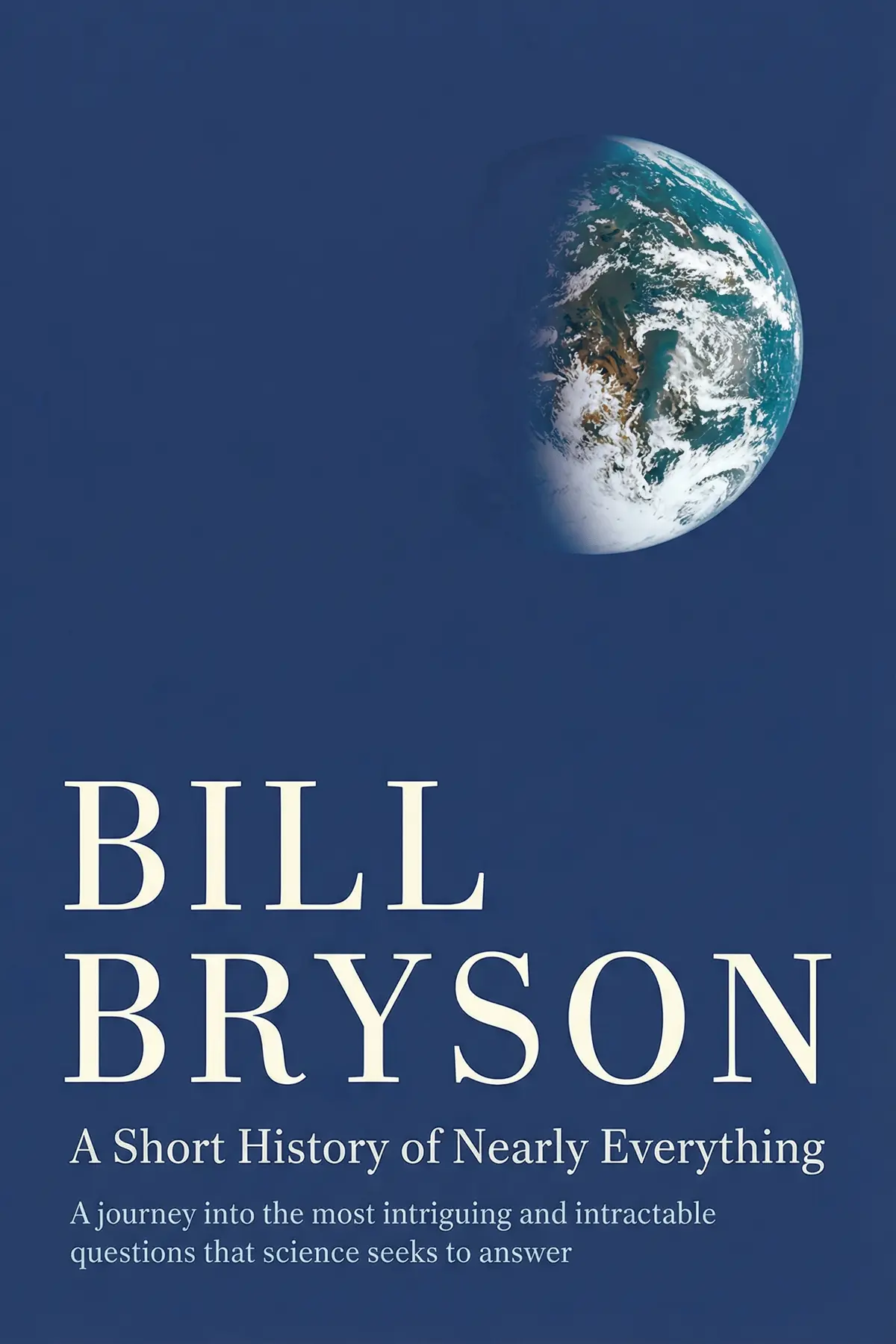
A Short History of Nearly Everything
Bill Bryson
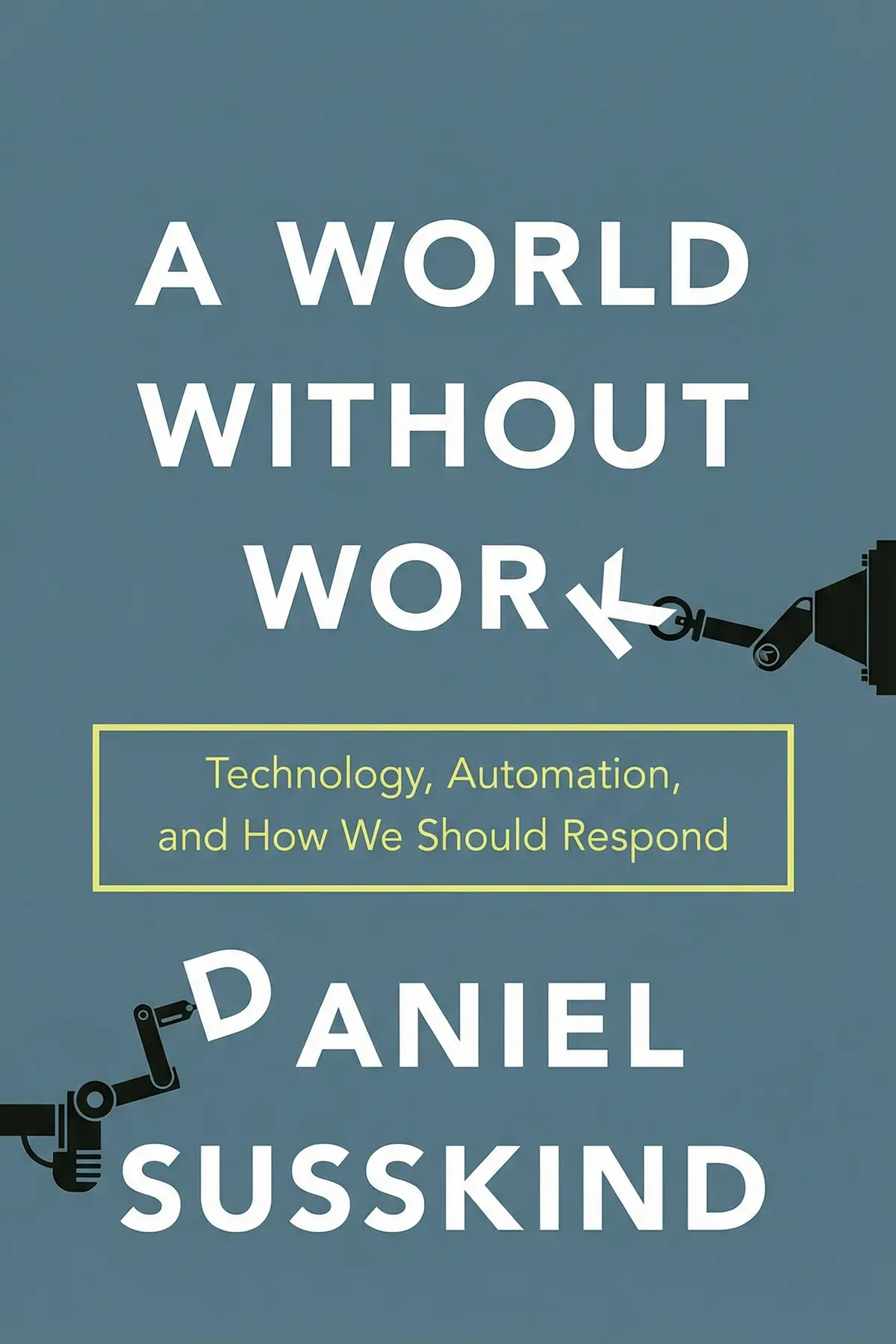
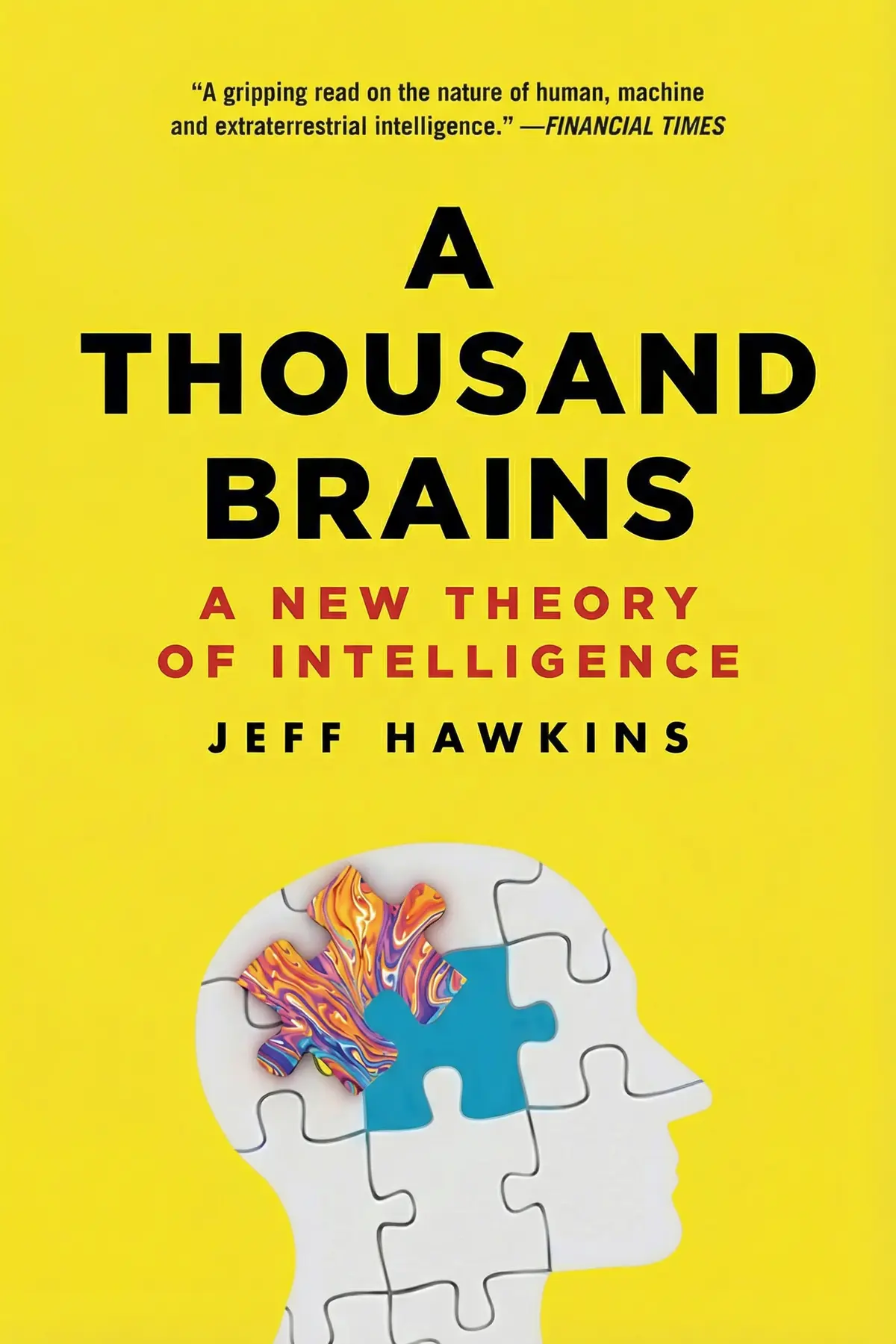
A Thousand Brains: A New Theory of Intelligence
Jeff Hawkins
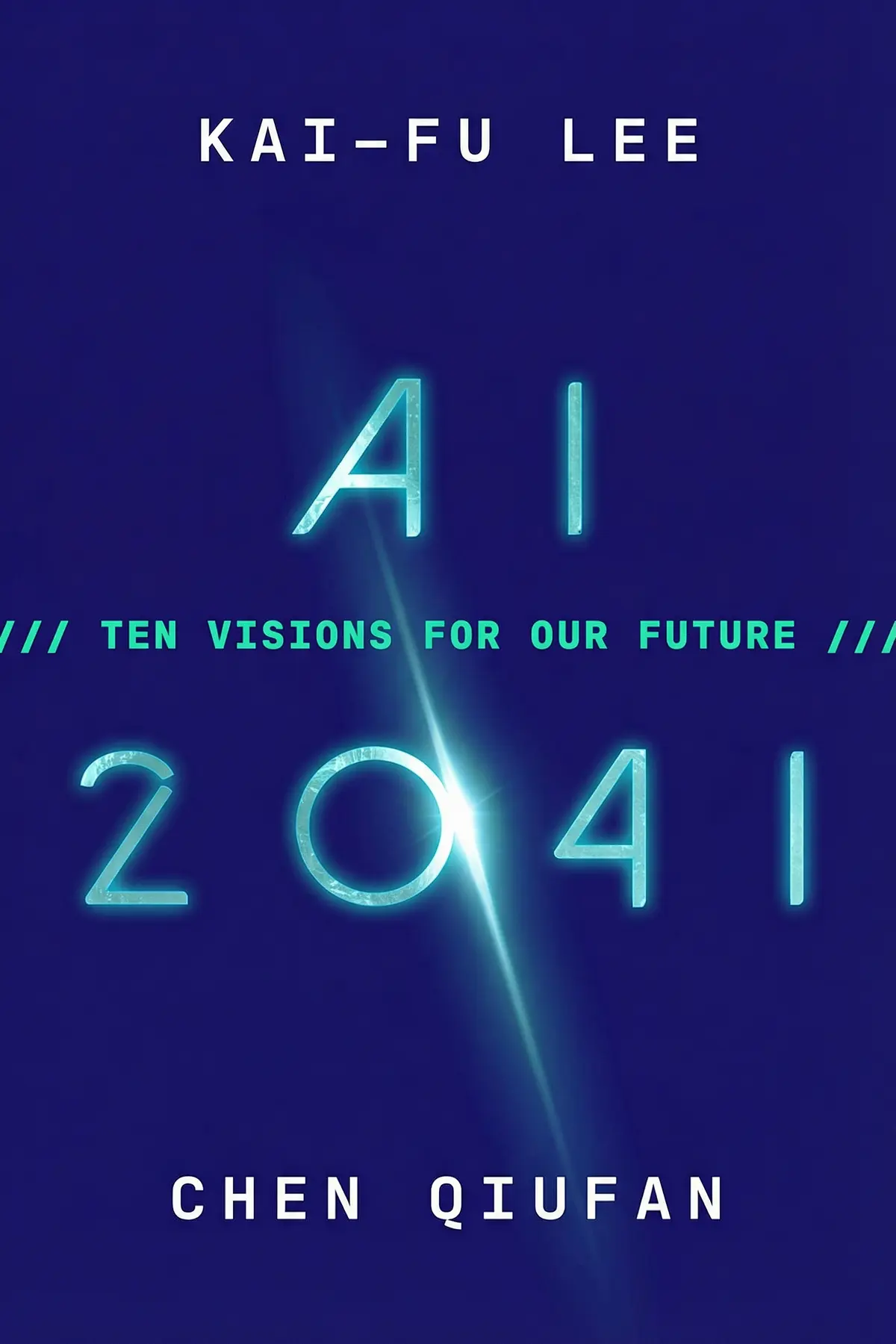
AI 2041: Ten Visions for Our Future
Kai-Fu Lee
AUDIO SUMMARY AVAILABLE
Listen to Quantum Supremacy in 15 minutes
Get the key ideas from Quantum Supremacy by Michio Kaku, plus 5,000+ more titles in English and Thai.
- 5,000+ titles
- Listen as much as you want
- 7-day free trial
- Cancel anytime







