
18 min 46 sec
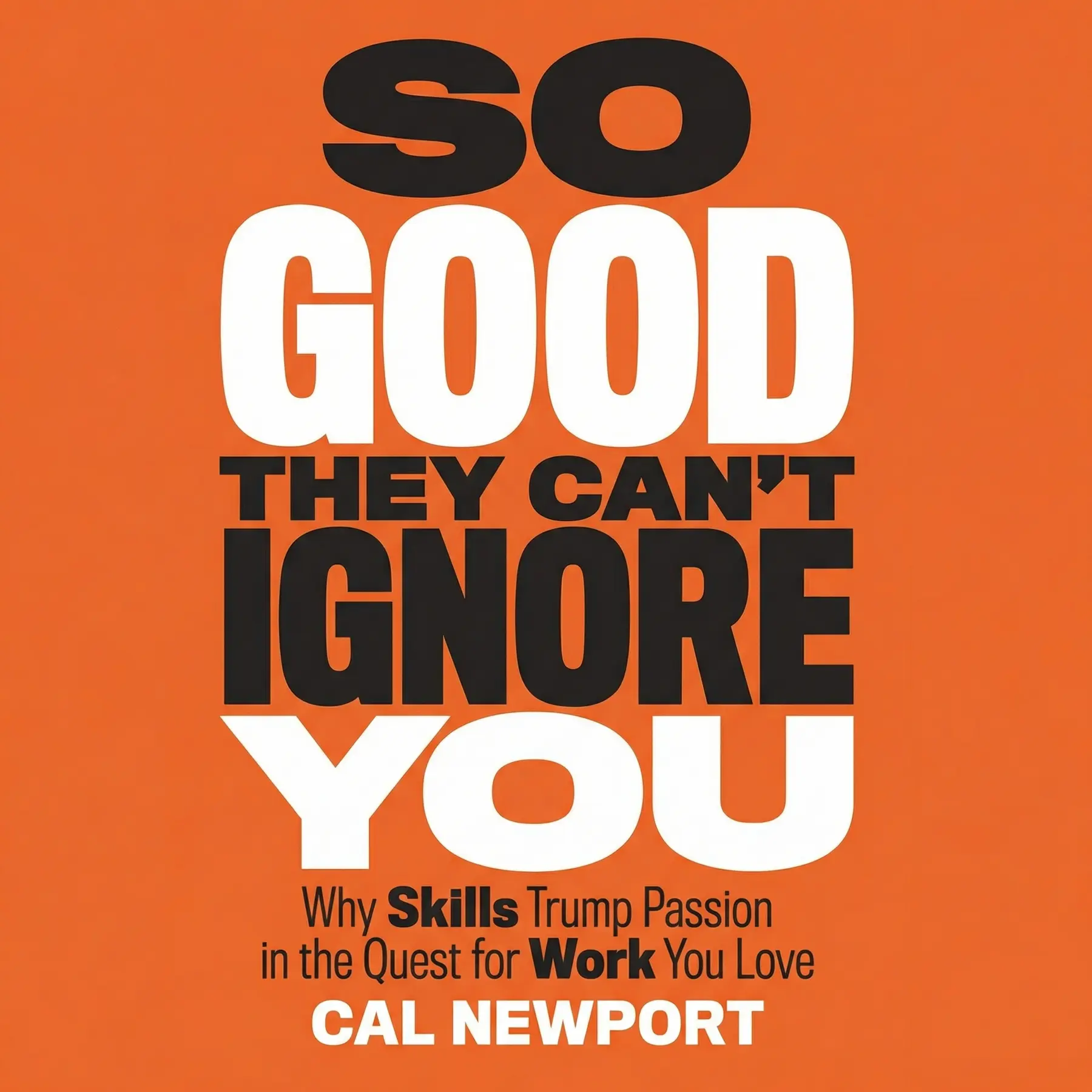
So Good They Can’t Ignore You: Why Skills Trump Passion in the Quest for Work You Love
By Cal Newport
Cal Newport debunks the popular "follow your passion" mantra, arguing that true professional fulfillment comes from developing rare skills, building career capital, and adopting a craftsman's mindset to master your field.
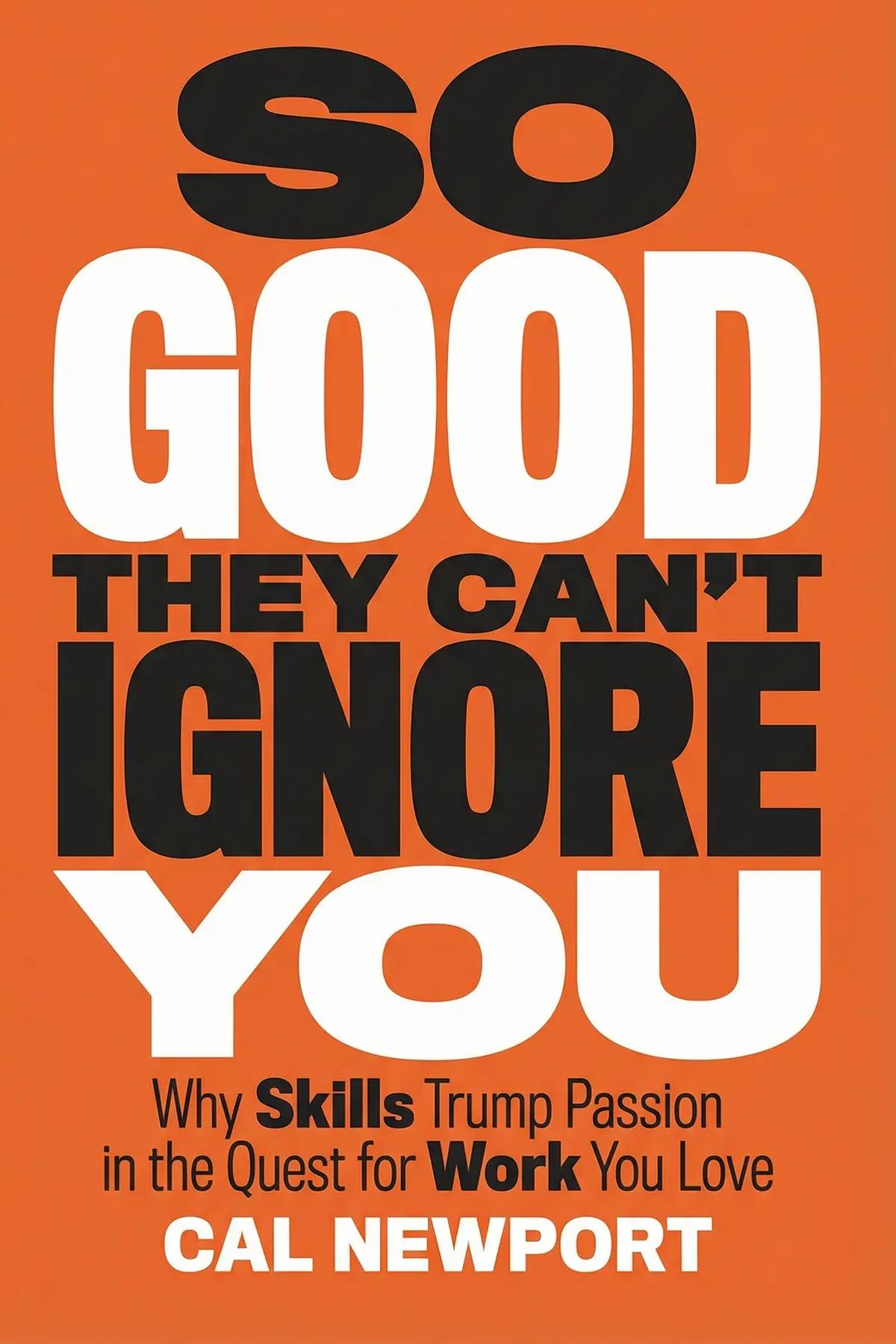
Table of Content
1. Introduction
1 min 28 sec
Have you ever been told that the only way to find true happiness in your career is to follow your passion? It is a piece of advice that is echoed by countless life coaches, graduation speakers, and self-help authors. The idea is simple: look deep inside yourself, identify what you love most, and then find a way to get paid for it. It sounds like a dream. But what if this well-meaning advice is actually a trap? What if chasing a pre-existing passion is exactly what keeps people feeling restless, unfulfilled, and constantly searching for a ‘perfect’ job that doesn’t actually exist?
In this exploration of Cal Newport’s philosophy, we are going to deconstruct the ‘passion hypothesis’ and replace it with something much more practical and sustainable. We will look at why figures like Steve Jobs became massively successful not by following a Zen-like calling, but by building something rare and valuable. This journey isn’t about finding the right work; it’s about working right.
Over the course of this summary, we will establish a new throughline for professional success. We’ll shift the focus away from what the world can offer you and toward what you can offer the world. We will learn how to develop ‘career capital’ through intense, deliberate practice and how to trade that capital for the freedom and impact we all crave. By the end, you’ll see why the most satisfied people aren’t the ones who followed their hearts to a destination, but the ones who became so good they couldn’t be ignored. Let’s dive into the mechanics of building a career you truly love.
2. The Danger of the Passion Hypothesis
2 min 15 sec
Could the advice to follow your heart be leading you toward a professional dead end? Discover why the conventional wisdom of chasing passion is often a recipe for dissatisfaction.
3. The Ingredients of Job Satisfaction
1 min 59 sec
Ever wonder why some people love their mundane jobs while others feel empty in high-status roles? The secret lies in three fundamental psychological needs.
4. Shifting to the Craftsman Mindset
1 min 55 sec
What if you stopped asking what your job can do for you and started asking what you can do for the world? This mental shift is the foundation of success.
5. The Power of Deliberate Practice
1 min 48 sec
Mastery doesn’t happen by accident, and it certainly doesn’t happen just by showing up. Learn the rigorous method used by top performers to accelerate their growth.
6. Building and Using Career Capital
1 min 59 sec
High-quality jobs aren’t found; they are earned. Explore the concept of professional currency and how to use it to buy your freedom.
7. Avoiding the Control Traps
2 min 03 sec
Having total control over your schedule sounds like a dream, but pursuing it too early can be a nightmare. Learn how to avoid the pitfalls of premature autonomy.
8. The Quest for a Career Mission
1 min 51 sec
Finding a grand purpose in your work feels impossible from the bottom of the ladder. See why a mission only reveals itself when you reach the edge.
9. Executing Your Mission with Small Bets
1 min 57 sec
Big dreams require more than just grand visions; they require a series of smart, manageable risks. Learn the strategy of the “small bet” for success.
10. Conclusion
1 min 31 sec
As we wrap up this look at Cal Newport’s philosophy, the throughline becomes clear: the path to a career you love isn’t about looking inward for a spark of passion, but looking outward at the value you can create. We’ve seen that the ‘passion hypothesis’ is a fragile foundation that often leads to unhappiness. True professional satisfaction is built on the sturdy pillars of autonomy, competence, and relatedness—traits that can only be earned through mastery.
The core of this journey is the craftsman mindset. By focusing on being ‘so good they can’t ignore you,’ you begin to accumulate the career capital that serves as your professional currency. This capital is what allows you to bypass the control traps and buy the freedom you desire. And finally, by pushing yourself to the very edge of your field, you earn the right to pursue a grand mission, executing it one small, remarkable bet at a time.
Here is your actionable closing: Start today by identifying the market you are in. Are you in a field where one skill rules them all, or one where a mix of talents is required? Once you know, commit to an hour of deliberate practice every single day. Stop asking if this job is your ‘calling’ and start asking how you can make your work better. As you build your skills, you will find that passion isn’t something you follow—it’s something that follows you. By the time you’ve mastered your craft, you won’t need to search for work you love; you’ll have already built it.
About this book
What is this book about?
This summary explores why the conventional wisdom of chasing your passion is often a recipe for career frustration and frequent job-hopping. Instead of searching for a pre-existing calling, the book proposes that passion is a byproduct of mastery and hard work. Cal Newport introduces the framework of "career capital"—the specialized, valuable skills you acquire through deliberate practice—and explains how this capital can be used as leverage to secure the traits that make a job truly great, such as autonomy, creativity, and impact. Through various case studies, from television writers to biologists, the book illustrates how to move from a standard job to a mission-driven career by reaching the "adjacent possible" of your field. You will learn how to avoid common traps when seeking control and why making small, strategic bets is the most effective way to launch a remarkable project. Ultimately, the book promises a roadmap for becoming so good at what you do that the world simply cannot ignore you.
Book Information
About the Author
Cal Newport
Cal Newport is an author and academic who earned his PhD in computer science in 2009. He served as a post-doctoral associate at MIT and was on the path to becoming a professor when he experienced firsthand how challenging and frustrating the search for an academic position could be. Desiring to remain in the United States for family reasons, he realized he might have to start his professional journey from scratch. This personal crossroads led him to research and answer the fundamental question: how do you actually end up loving what you do for a living?
Ratings & Reviews
Ratings at a glance
What people think
Listeners find the writing articulate and thought-provoking, offering actionable insights for developing expertise and achieving career advancement. Moreover, the book provides high-quality guidance and is considered the best source of information on the subject. Listeners also value the way the material inspires them to reconsider their professional trajectories and pursue a more engaging life. Nevertheless, opinions on the storytelling quality are divided, as some find the anecdotes compelling while others find the underlying logic to be lacking.
Top reviews
Witthaya
Cal Newport has managed to articulate something I’ve felt for years but couldn't quite name. The 'craftsman mindset' is a complete game-changer for anyone feeling stuck in a dead-end pursuit of a vague passion. Instead of asking what the world can offer you, he forces you to look at what value you actually bring to the table. Truth is, the concept of career capital—building rare and valuable skills—makes so much more sense than just hoping a dream job falls into your lap. I found the sections on deliberate practice especially motivating, even if the writing gets a bit repetitive in the middle. It’s a well-written manifesto that challenges the toxic 'follow your passion' narrative that plagues our culture. If you’re willing to put in the grueling work of getting better, this book provides the roadmap you need to achieve a truly interesting life.
Show moreSuphan
What a refreshing perspective on the modern workplace! Newport’s writing is clear, concise, and remarkably devoid of the usual rah-rah self-help fluff. I loved the distinction between the craftsman mindset and the passion mindset. The idea that you have to earn your way into a great job through the accumulation of rare skills is liberating. It takes the pressure off 'finding' the right thing and puts the focus back on 'doing' the work. Personally, the concept of Rule #3—taking control of your career path once you have the leverage—was exactly what I needed to hear right now. This isn't just a book about working hard; it's a book about working smart to build a life of meaning and impact. It’s motivated me to rethink my entire trajectory for the next five years and stop chasing ghosts.
Show moreVimolwan
The 'passion hypothesis' is dead, and Cal Newport is the one who buried it. This book is essential reading for anyone who feels ambivalent about their current job or direction. Instead of the usual platitudes, you get a rigorous framework based on career capital and deliberate practice. The truth is, most of us won't love our jobs on day one, and that's okay! By focusing on Rule #2—becoming so good they can't ignore you—you eventually earn the autonomy and mission that make work fulfilling. I found the case study about the TV scriptwriter particularly enlightening because it showed the grit required to actually succeed. This book changed how I view my daily tasks; I’m no longer just working, I’m building a portfolio of skills. Highly recommended for recent graduates and veterans alike who want a more interesting life.
Show moreWit
Forget everything you thought you knew about job satisfaction and read this book instead. Cal Newport has written the definitive guide to building a career that you actually love. I was one of those people constantly searching for my 'true calling' and getting frustrated when I didn't find it. This book taught me that passion is a side effect of mastery, not a prerequisite for starting. The transition from a passion mindset to a craftsman mindset has already reduced my work-related anxiety significantly. Not gonna lie, the deliberate practice he describes is hard, but it’s the only real way to gain the leverage needed for a great life. It’s easily the most practical career book I’ve ever owned. Every chapter is packed with insights that you can implement immediately to improve your professional standing and long-term happiness.
Show moreEleanor
As a mid-career professional, I found this book incredibly thought-provoking, though not without its flaws. Newport argues that mastery is the prerequisite for autonomy and mission, which aligns with my own experience in the tech sector. To be fair, some of the anecdotes felt a bit narrow, focusing heavily on high-achieving individuals from Ivy League backgrounds. This lack of diversity made me wonder how these principles apply to people facing systemic barriers or different socioeconomic challenges. However, the core advice on 'little bets' and avoiding the control trap is solid gold. It’s a systematic approach to career growth that moves beyond the shallow advice found in most self-help books. I finished it feeling more empowered to focus on my skills rather than my feelings. It's a solid four-star read that I've already recommended to a few colleagues.
Show moreChatri
Finally finished this after seeing it on every must-read list for the last three years. The central argument—that passion follows mastery—is a tough pill to swallow but a necessary one. Look, we’ve been told since kindergarten that we just need to find our 'calling,' yet Newport shows how that mindset leads to chronic unhappiness and job-hopping. I appreciated the practical focus on career capital and how to leverage it for more control over your schedule. My only gripe is that the book ignores the emotional labor and social expectations that complicate these strategies for women. It’s easy to say 'turn down a promotion' when you aren't fighting to be taken seriously in the first place. Despite that, the advice on becoming so good they can't ignore you is the best career information I’ve encountered recently.
Show morePor
Picked this up during a career slump and it definitely gave me a lot to chew on. Newport's argument is that satisfaction comes from mastery, which is a total 180 from the advice my generation usually gets. I gotta say, the structure of the book is very school-like, with clear thesis sentences and summaries, which makes it easy to digest. However, I did find some of the examples a bit repetitive by the end. Do we really need five different stories to understand what career capital is? Still, the actionable advice on taking 'little bets' to find a mission is fantastic. It’s a grounded, logical approach to an emotional topic. Even if you don't agree with every single point, it’s a great tool for self-reflection and professional growth in a confusing economy.
Show moreJeeranan
Not your typical self-help fluff, that's for sure. Newport takes a very analytical approach to career development, which I appreciated as someone who hates vague advice. The transition to the craftsman mindset is articulated well, and the four rules provide a clear structure for the book. I particularly enjoyed the sections on Rule #4—acting big while thinking small. In my experience, some of the anecdotes about high-flying venture capitalists felt a bit detached from my own reality, but the underlying principles are universal. It’s a well-written guide that encourages you to stop dreaming and start building. While it’s a bit repetitive in places, the core message is so important that it’s easy to overlook the minor flaws. Definitely worth a read if you want more control over your professional life.
Show moreAmara
I have mixed feelings about this one after finishing the final chapter. On the one hand, the advice about building skills instead of chasing a mythical dream job rang very true to my experience in academia. On the other hand, Newport seems completely oblivious to how gender and race impact one’s ability to navigate the workplace. For instance, his advice to avoid non-valuable tasks is much harder for women who are often expected to perform the emotional labor of the office. If I tried some of these strategies, I’d likely be labeled difficult or not a team player. The anecdotes are also very Ivy League-centric, which makes the argument feel a bit narrow-minded at times. It’s a well-written book with a strong thesis, but it lacks the nuance required for a truly universal career guide that applies to everyone.
Show moreKavya
Does every successful blog series really need to be expanded into a 200-page book? Frankly, it didn't feel necessary here. Newport spends half the time fighting a 'passion hypothesis' that feels like a total straw man, completely ignoring that most people he profiles actually started with a deep interest in their fields. The stories of the professional surfer and the archaeologist actually seem to disprove his own point if you look closely enough. I also found the repetitive writing style incredibly tedious, as if he was trying to hit a word count by restating the same thesis sentences over and over. While there are a few decent nuggets about deliberate practice, they are buried under a mountain of confirmation bias and anecdotes that lack real-world nuance. It’s essentially a book for privileged young men who think success is purely a matter of logic.
Show moreFeatured in

Readers also enjoyed
60 Seconds & You’re Hired!
Robin Ryan
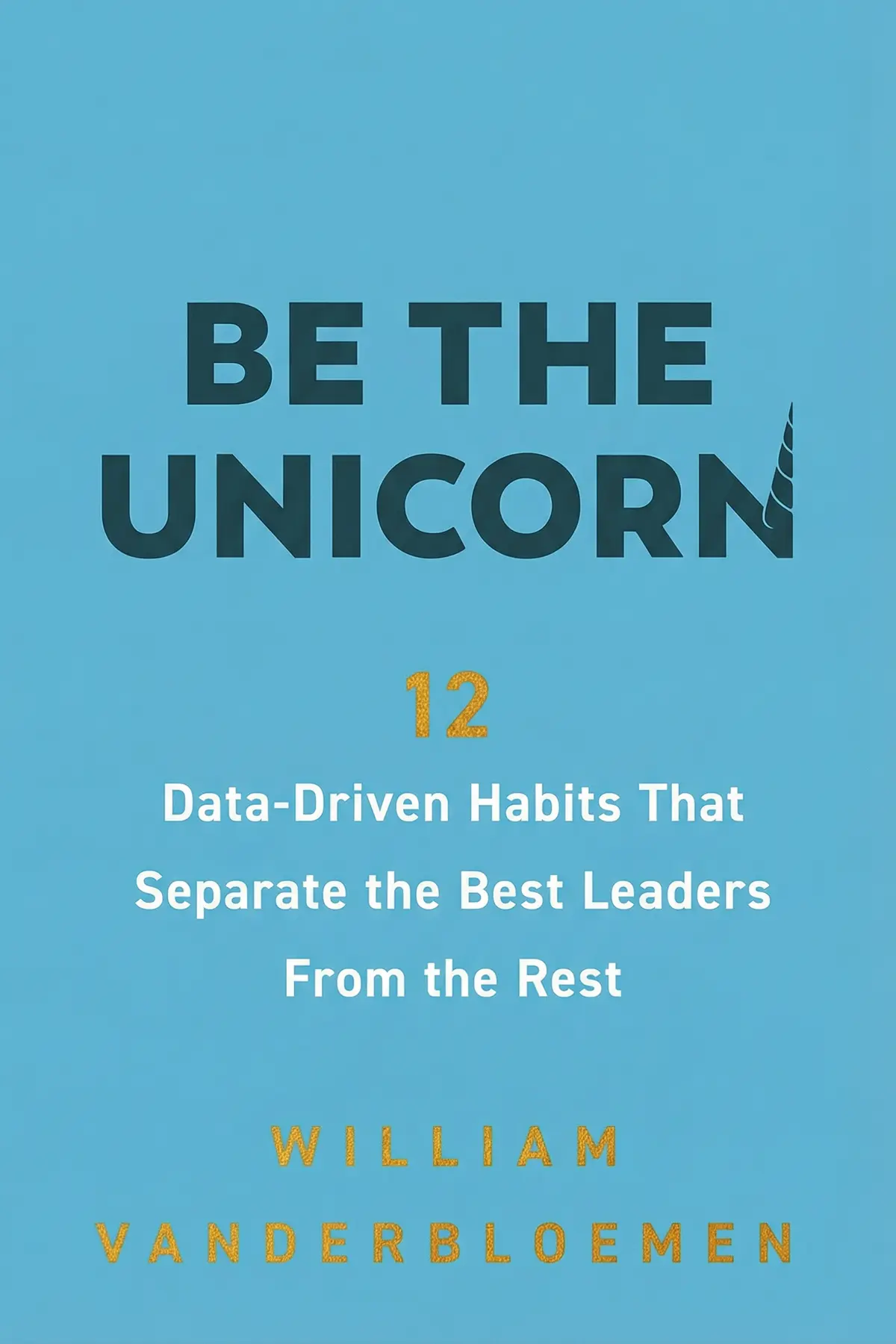
Be the Unicorn: 12 Data-Driven Habits That Separate the Best Leaders from the
William Vanderbloemen
AUDIO SUMMARY AVAILABLE
Listen to So Good They Can’t Ignore You in 15 minutes
Get the key ideas from So Good They Can’t Ignore You by Cal Newport, plus 5,000+ more titles in English and Thai.
- 5,000+ titles
- Listen as much as you want
- 7-day free trial
- Cancel anytime







