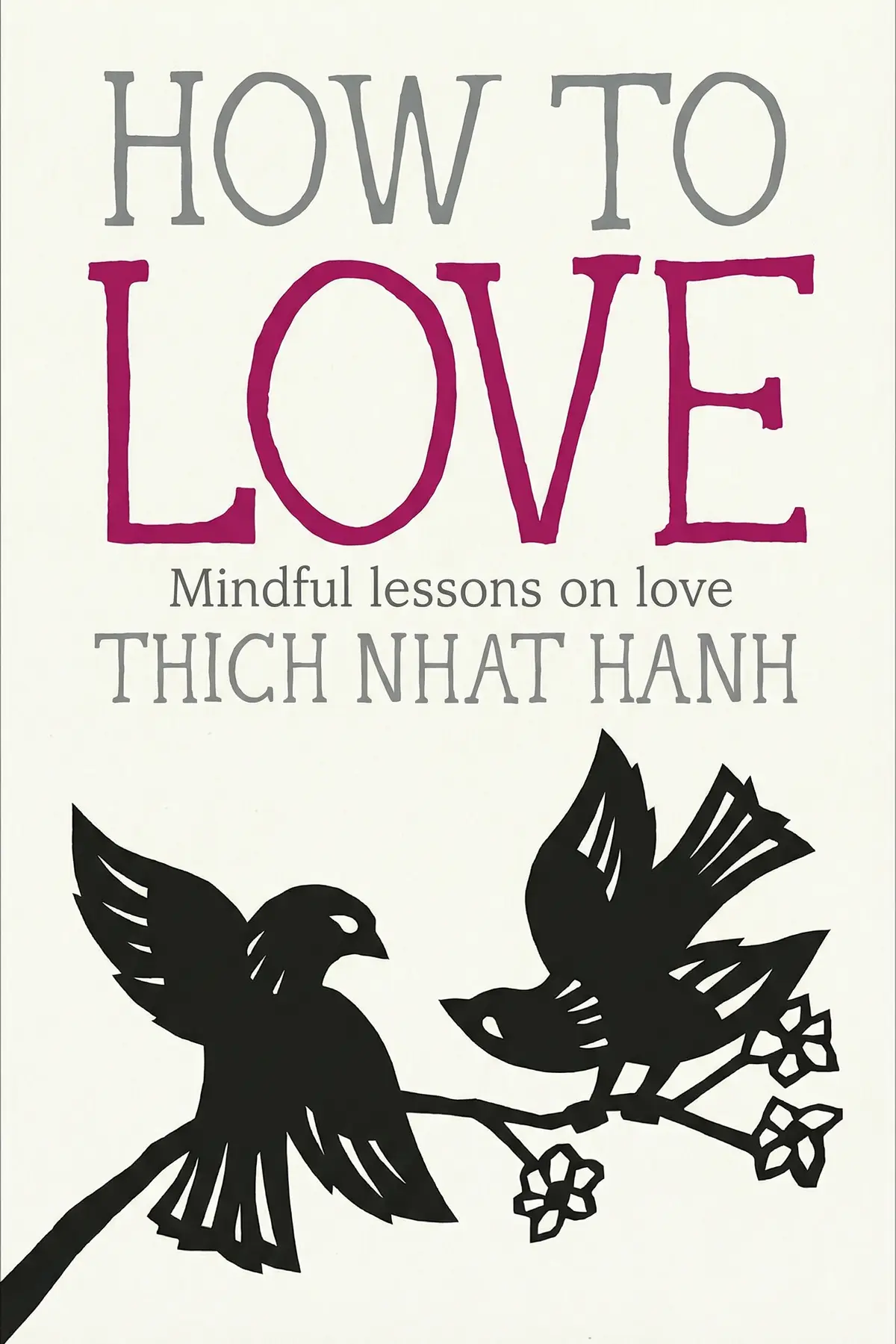
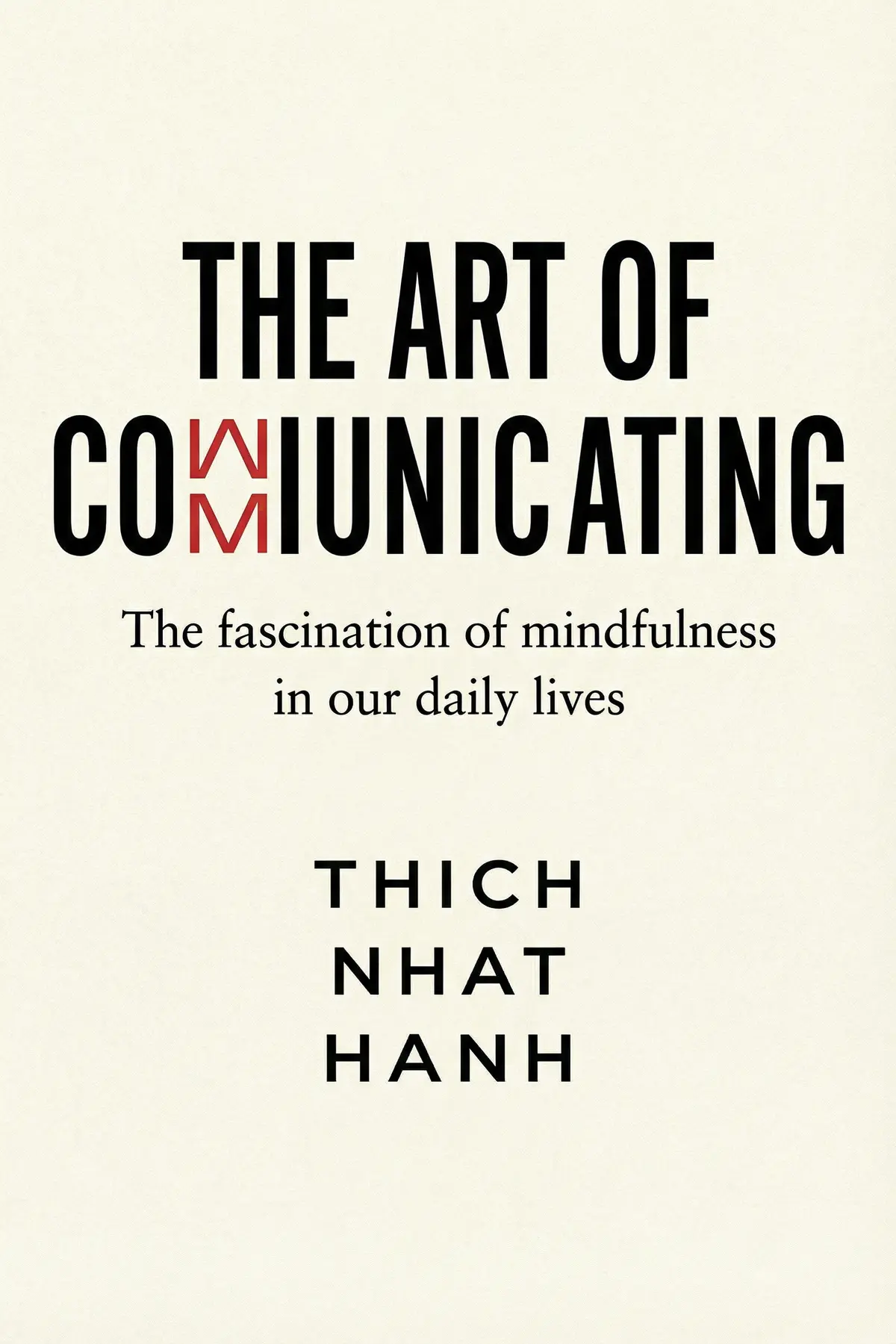
How to Love
Thich Nhat Hanh
Discover how mindfulness can revolutionize your interactions. This guide explores compassionate listening and loving speech to heal relationships, reduce suffering, and foster deeper connections with yourself and the people around you.
1 min 36 sec
Every day, we are immersed in a constant stream of interaction. We send emails, chat with colleagues, and share meals with our families. Yet, despite this constant contact, many of us feel more isolated than ever. We struggle with misunderstandings, deep-seated resentment, and the nagging feeling that the people closest to us don’t truly see or hear us. Why is it that in an age of total connectivity, the art of real connection seems so difficult to master? The answer lies in the quality of our presence and the nature of our words.
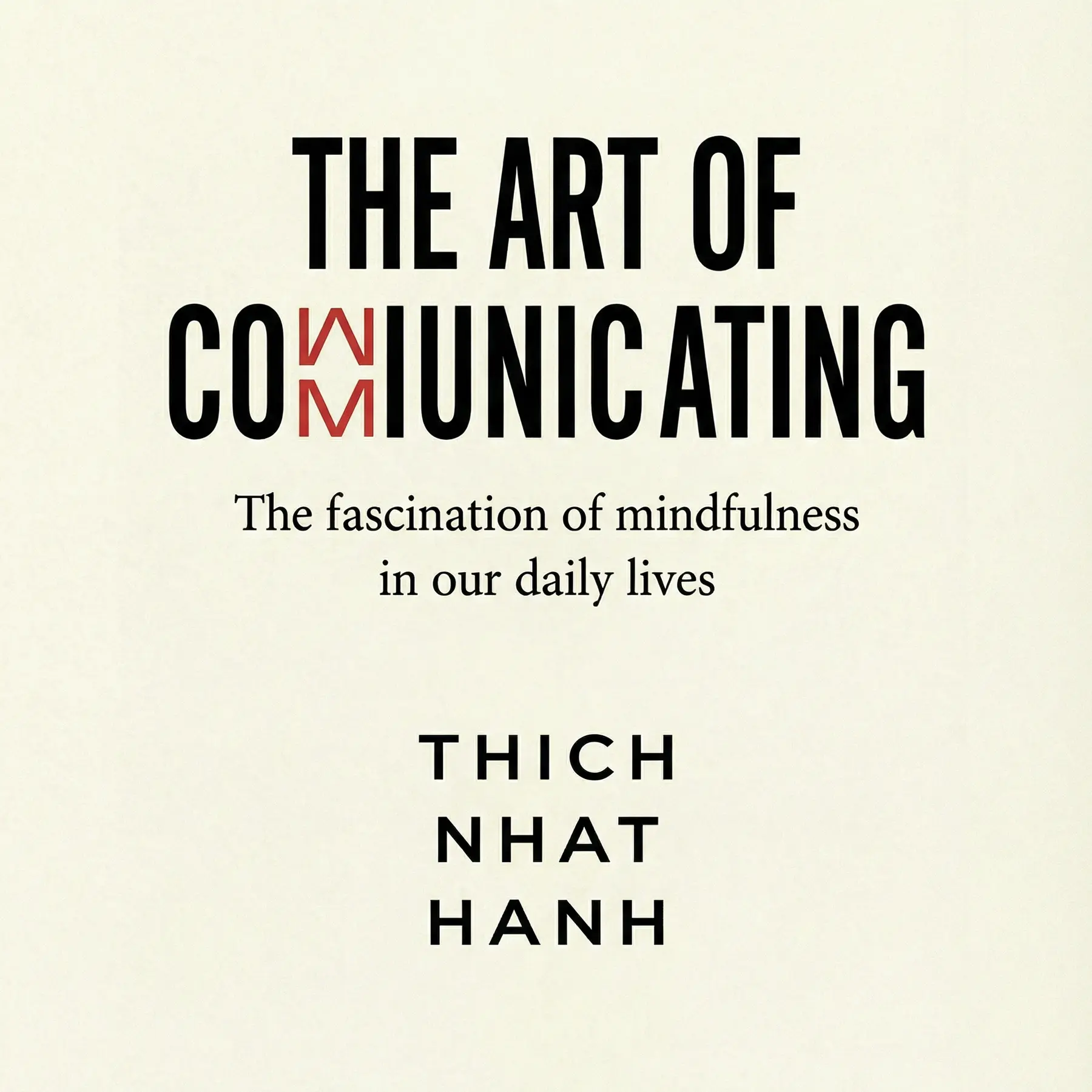
In this exploration of The Art of Communicating, we look at the teachings of the late Zen Master Thich Nhat Hanh. He proposes a simple but radical idea: that communication is something we consume, much like food. Just as a healthy diet nourishes the body, healthy communication nourishes the soul and the relationship. Conversely, toxic communication acts like a poison, spreading anger, frustration, and suffering through our lives.
The journey toward better communication doesn’t start with a clever debate tactic or a persuasive speech. Instead, it begins with the breath and a return to the self. Throughout this summary, we will examine how the practice of mindfulness serves as the foundation for every word we speak and every silence we hold. We’ll learn how to transform our internal dialogue, how to listen to the pain of others without judgment, and how specific phrases—what the author calls mantras—can bridge the deepest divides. By the end, you’ll see how changing the way you talk to yourself and others can not only heal your personal relationships but also create a ripple effect of peace in your workplace and your wider community.
2 min 25 sec
Think about the last conversation you had. Did it leave you feeling energized or drained? Discover why our words act as either medicine or poison.
2 min 16 sec
We spend all day talking to others, but how often do we actually check in with ourselves? Learn why the most important conversation happens within.
2 min 10 sec
True listening is more than just staying quiet while someone else speaks. Discover the transformative impact of listening to alleviate suffering.
2 min 37 sec
Sometimes, we struggle to find the right words to express our love. These six simple formulas provide a roadmap for deepening any bond.
2 min 15 sec
How do you tell a difficult truth without causing unnecessary harm? Explore the delicate balance between honesty and compassion in our daily talk.
2 min 08 sec
Can a group of people breathe their way to a better culture? Discover how mindfulness can transform toxic workplaces and build stronger societies.
1 min 31 sec
The Art of Communicating is a powerful reminder that our words have the power to either build worlds or tear them down. Throughout this journey, we’ve seen that effective communication isn’t a performance or a set of clever techniques. It is a way of being in the world. It starts with the quiet revolution of breathing and returning to yourself. By cultivating mindfulness, you transform your internal dialogue, which in turn transforms how you speak to and listen to everyone else.
We’ve explored the six mantras that can heal relationships, the importance of deep, compassionate listening, and the need to balance honesty with kindness. We’ve also seen how these practices can extend beyond our personal lives into our professional spheres and communities. The throughline of all these teachings is simple: communication is an act of love. When we choose to be present, to listen without judgment, and to speak from a place of understanding, we alleviate the suffering of those around us and find more peace within ourselves.
As you move forward into your day, remember that every interaction is an opportunity to practice. Start with your breath. When you feel the urge to react with anger or judgment, pause. Ask yourself if your words will be nourishing or toxic. Practice listening to a loved one today with the sole intention of helping them feel heard. By making these small, mindful shifts, you don’t just improve your conversations; you transform the quality of your life and the lives of those you touch. Breathe, listen, and speak from the heart—the rest will follow.
The Art of Communicating explores the profound impact that mindful awareness has on our ability to connect with others. Thich Nhat Hanh suggests that communication is a form of spiritual and emotional nourishment, and when we communicate poorly, we essentially poison our relationships. The book provides a practical framework for moving away from toxic, judgmental speech and toward a style of interaction rooted in empathy and presence. By following these principles, readers learn the importance of first coming home to themselves through breath and reflection before trying to bridge the gap with others. The promise is a more harmonious life where misunderstandings are minimized, suffering is acknowledged and soothed, and every conversation becomes an opportunity to express love and appreciation. Whether in personal bonds or professional environments, these techniques aim to create a community of understanding.
Thich Nhat Hanh was a Buddhist monk from Vietnam who became a world-renowned spiritual leader and peace activist. During his life, he published over 100 books, including the New York Times bestseller Anger. His work focused on the application of mindfulness to everyday life and social issues. In 1967, his efforts toward peace and reconciliation led to him being nominated for the Nobel Peace Prize.
Thich Nhat Hanh
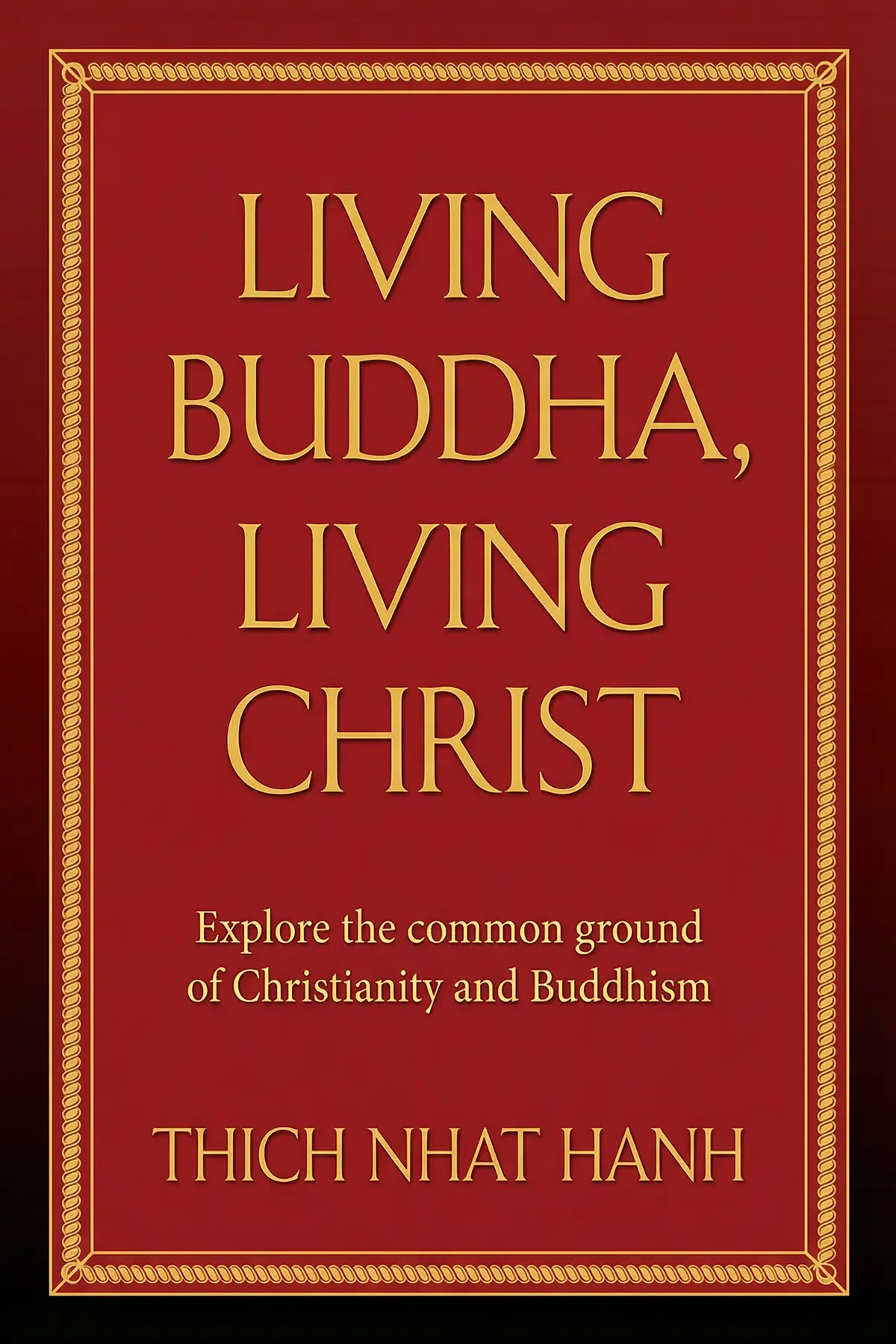
Thich Nhat Hanh
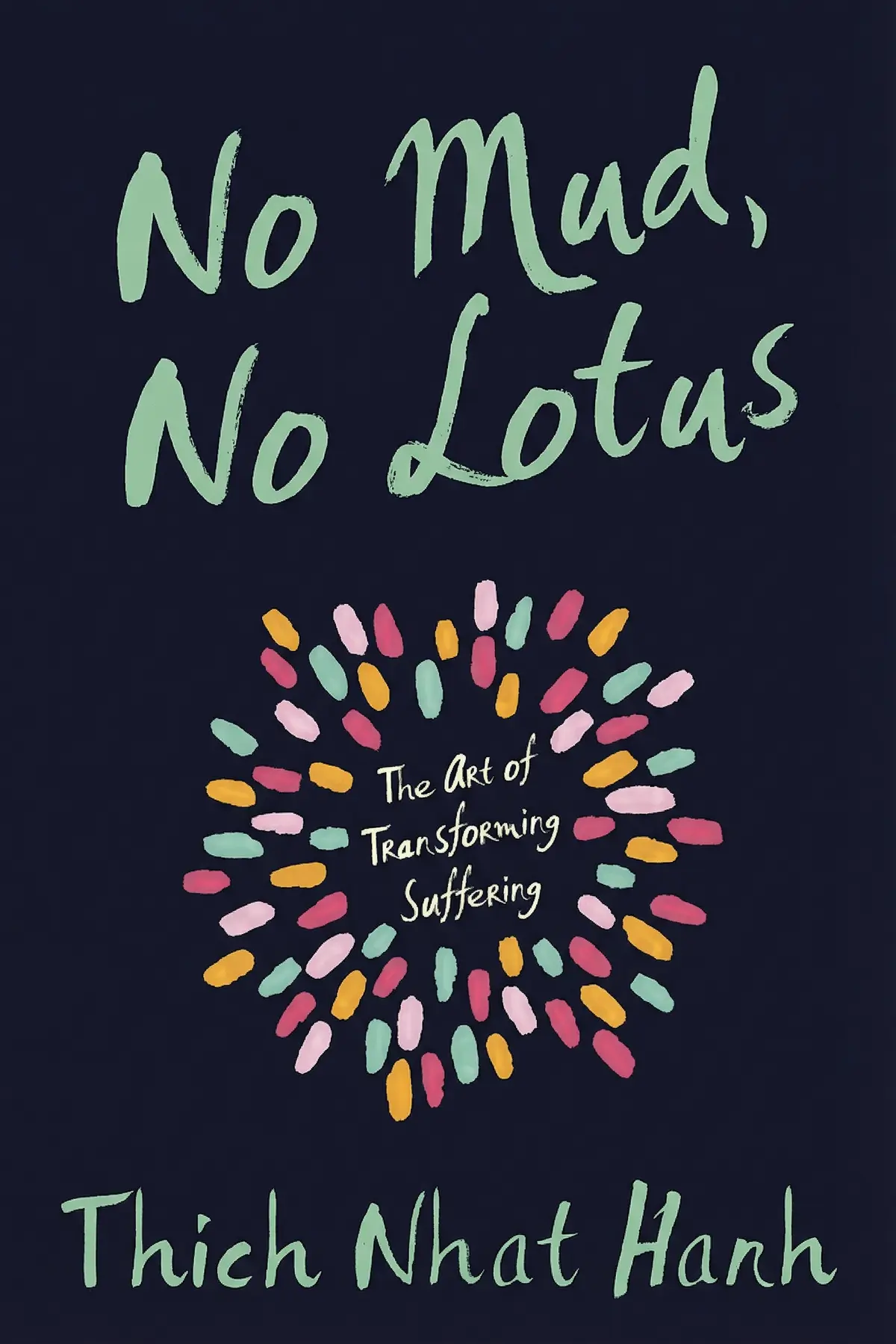
Thich Nhat Hanh
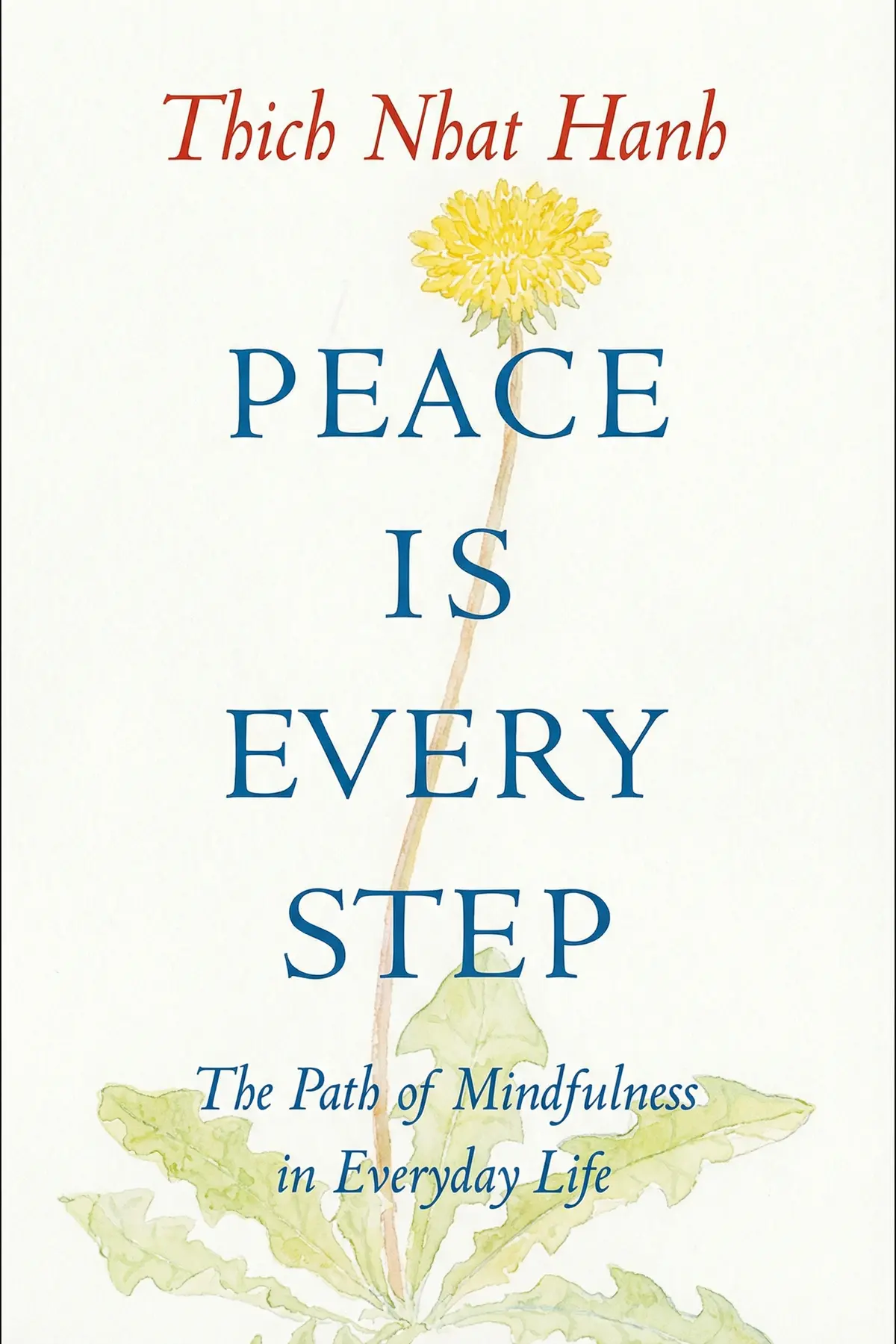
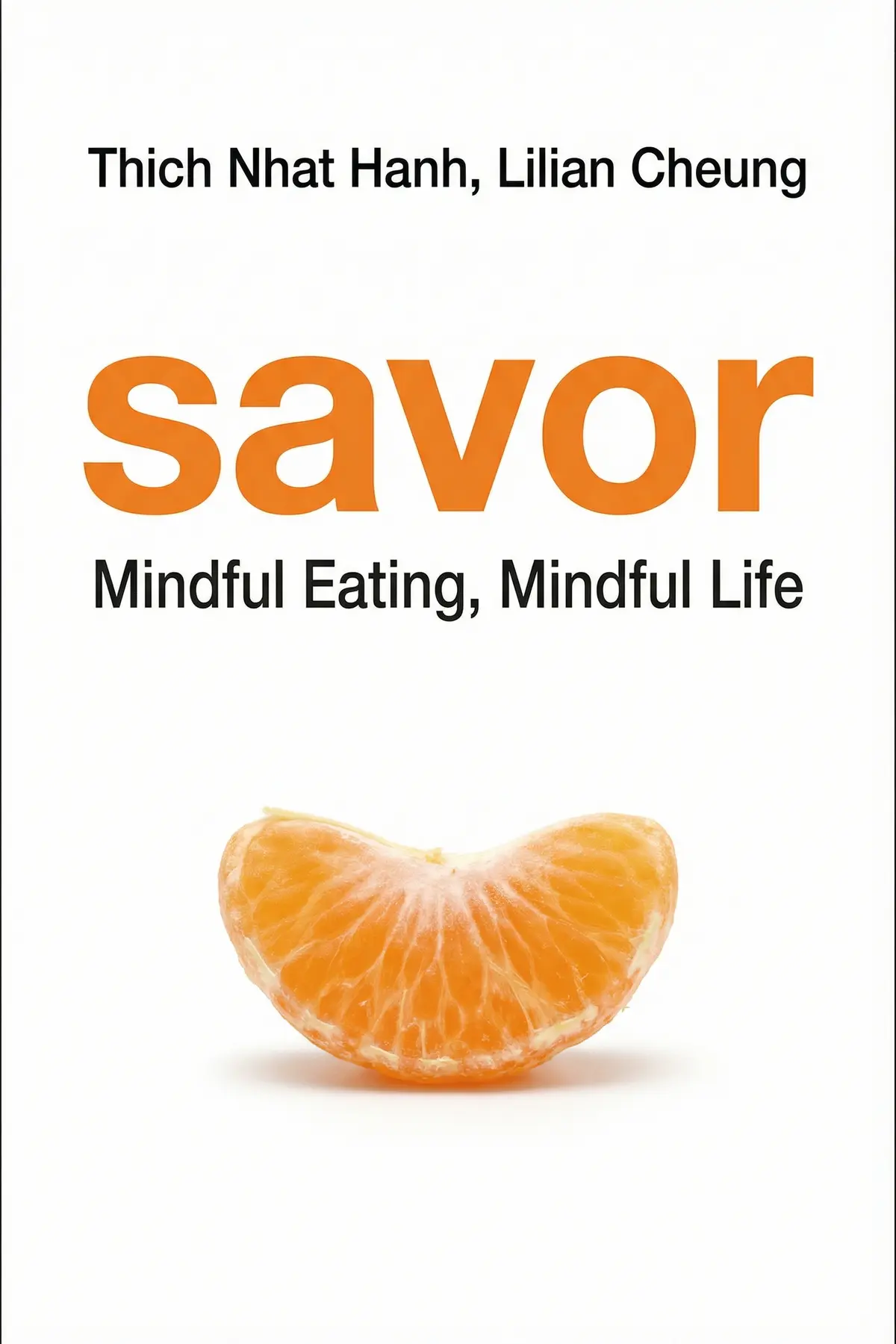
Thich Nhat Hanh
Thich Nhat Hanh
Listeners describe this title as a lovely, fast-paced experience that offers solid advice for living a better life. They value the kindly tone and the way it improves interpersonal interactions through its straightforward and skillful writing. This guide makes listeners feel serene and capable, with one listener highlighting that its lessons are applicable to numerous areas of life.
Finally got around to reading this, and the six mantras mentioned toward the end have completely changed how I approach my marriage. Specifically, the phrase 'I suffer. Please help' felt incredibly vulnerable and difficult to say at first, yet it has opened doors that were previously locked by pride. Thich Nhat Hanh has this incredible ability to take complex spiritual truths and distill them into something any person can apply immediately. The book is a quick read, but the emotional weight it carries is significant enough that I had to stop and reflect after every few pages. Personally, I think we spend too much time consuming poison on the internet and not enough time feeding our minds this kind of nourishment. It makes me feel empowered and calm, providing a much-needed roadmap for sharing love and compassion in a world that often feels very loud and divided.
Show moreThe chapter on the six mantras shifted my entire perspective on how I engage with the people I love most. 'I know you suffer, and that's why I am here for you' is such a powerful statement that we rarely actually verbalize in our daily lives. This book is thoughtful and filled with positive thoughts that act as an antidote to the negativity we see online. It’s a short book, but don't let the length fool you into thinking it lacks substance. The way he writes is so simple yet so profound, making you feel like you’re having a quiet conversation with a wise friend. I definitely feel that this helped me be a more conscientious and loving communicator in my workplace and at home. It’s one of those rare books that makes you feel immediately calmer just by holding it and reading a few paragraphs.
Show moreTo be fair, I was already a fan of Nhat Hanh's work, but this one feels particularly accessible and urgent for today's world. The way he writes is so simple yet so profound that you find yourself re-reading sentences just to let the weight of them sink in. I've become a much more avid fan after seeing how these six mantras can be applied to even the most mundane interactions. It’s about more than just talking; it’s about the art of listening and being truly present for another human being. 'I am here for you' sounds so basic, but how often do we actually mean it? This book is a timeless and thought-provoking masterpiece that I plan on gifting to several friends this year. It helps you feel empowered to change your relationships through nothing more than a shift in your intention and your words.
Show moreWow, I didn't expect such a short book to have this much impact on my daily stress levels. I keep it on my nightstand now just to flip through whenever I feel overwhelmed by the noise of the world. The advice on conflict resolution and sharing love is presented with such clarity that it’s hard not to feel inspired. My favorite part was the reminder that this is a happy moment, which helps me stay grounded when I’m caught up in worrying about the future. This book helps customers—well, readers like me—feel calm and capable of handling whatever life throws our way. It’s a beautiful, quick read that reminds us that our words have the power to either heal or destroy. I can't wait to dive through all the audiobooks of his other works now that I've finished this one.
Show moreAs a parent constantly looking for ways to ground my household, I found chapter 3 to be an absolute goldmine for teaching mindful living to kids. The writing is so accessible that I’ve actually started reading sections of it aloud to my middle-school-aged child before bed. Look, it isn't a complex manual, but its strength lies in that very simplicity. We often overcomplicate how we speak to one another, and this book strips away the ego to reveal the core of human connection. My only minor gripe is that some of the Buddhist terminology might feel a bit repetitive if you’ve already read his other works. Still, the practical advice on conflict resolution is timeless. It is a beautiful, quick read that offers genuine guidance for anyone wanting a better life through better words.
Show moreFrankly, the 'Peace Treaty' section alone justifies the purchase price of this book. I have always struggled with needing space during a conflict, and I never knew how to ask for it without making the other person feel abandoned or ignored. This book provides a clear, compassionate framework for asking for help and setting boundaries during difficult conversations. It is a very quick read, which I appreciated, although I do wish some of the later chapters went into more detail regarding professional environments. The focus is very much on personal and spiritual connections, which is beautiful, but a little more variety in the examples would have been nice. Regardless, the message of mindful communication is something I will be practicing for a long time. It really helps you stay present and avoid the 'poison' of reactive, angry speech.
Show moreEver wonder why digital communication feels so toxic and draining lately? Thich Nhat Hanh addresses this beautifully by discussing how we nourish our minds with what we consume. He argues that we spend far too much time on the internet consuming poison rather than feeding nourishment to our souls. This book on communication is basic but deep, leading you to ponder whether you are actually sharing the appropriate information for the given situation. I found the advice on 'skillful' communication to be particularly helpful for my social anxiety. It's not about being a perfect orator; it's about being present and recognizing the humanity in the person standing in front of you. I gave it four stars instead of five only because the middle sections feel slightly repetitive, but the core message is undeniably vital for our modern age.
Show morePicked this up after a particularly nasty argument with my partner, and it was exactly the cooling balm I needed. The author has a way of making you realize that most of our conflicts come from a place of unaddressed suffering rather than actual malice. I especially enjoyed the mantra 'You are partly right,' as it’s a brilliant way to de-escalate a fight without losing your own ground entirely. It’s a very simple approach, but putting it into practice is the real challenge. The book is short enough to finish in a single afternoon, yet the lessons on being a more loving communicator will take a lifetime to master. I’m not usually into spiritual books, but this one felt grounded and practical enough to be useful. It definitely provides good guidance for a better, more peaceful life.
Show moreWhile I appreciate the gentle tone of this book, I found the overall message a bit too elementary for my specific needs. Truth is, many of the concepts regarding mindful listening align with how I already attempt to interact with the world, so I didn't gain the profound new insights I was craving. It’s written with such extreme simplicity that it almost feels like a children’s book at times, though perhaps that makes it a perfect tool for a middle schooler. I did find value in the 'Peace Treaty' concept, as it offers a structured way to request space during heated moments without offending the other party. If you are looking for a deep, academic dive into communication psychology, this isn't it. However, as a basic introduction to slowing down and being more conscientious, it serves its purpose reasonably well.
Show moreNot what I expected given the hype surrounding this author. To be fair, the book is well-written and calm, but it leans so heavily into religious platitudes that I struggled to find the 'art' in the communication advice. The anecdote about the men pointing in different directions to explain relative truth felt a bit like a philosophy 101 cliché. It feels like the author delights in beginning with unhappiness by framing everything through the lens of suffering. While I agree that we consume too much digital poison, the solutions offered here feel somewhat naive for the modern, fast-paced professional world. I was hoping for something with a bit more grit and psychological depth rather than just being told to breathe and use mantras. It might work for some, but I found it far too simplistic for practical application.
Show moreAUDIO SUMMARY AVAILABLE
Get the key ideas from The Art of Communicating by Thich Nhat Hanh, plus 5,000+ more titles in English and Thai.