
How to Love
Thich Nhat Hanh
Explore the transformative power of mindfulness and the art of staying present. This guide offers practical wisdom for finding peace, cultivating compassion, and living a deeply fulfilling life through simple daily practices.
1 min 58 sec
In a world that seems to move faster every day, many of us find ourselves living either in the regrets of the past or the anxieties of the future. We are physically present in our offices, our homes, or our cars, but our minds are often miles away, caught in a cycle of ‘what ifs’ and ‘if onlys.’ We search for happiness as if it were a destination at the end of a long, difficult road, often missing the beauty that surrounds us right now. This is where the wisdom of Thich Nhat Hanh enters our lives, offering a different perspective on what it means to truly live.
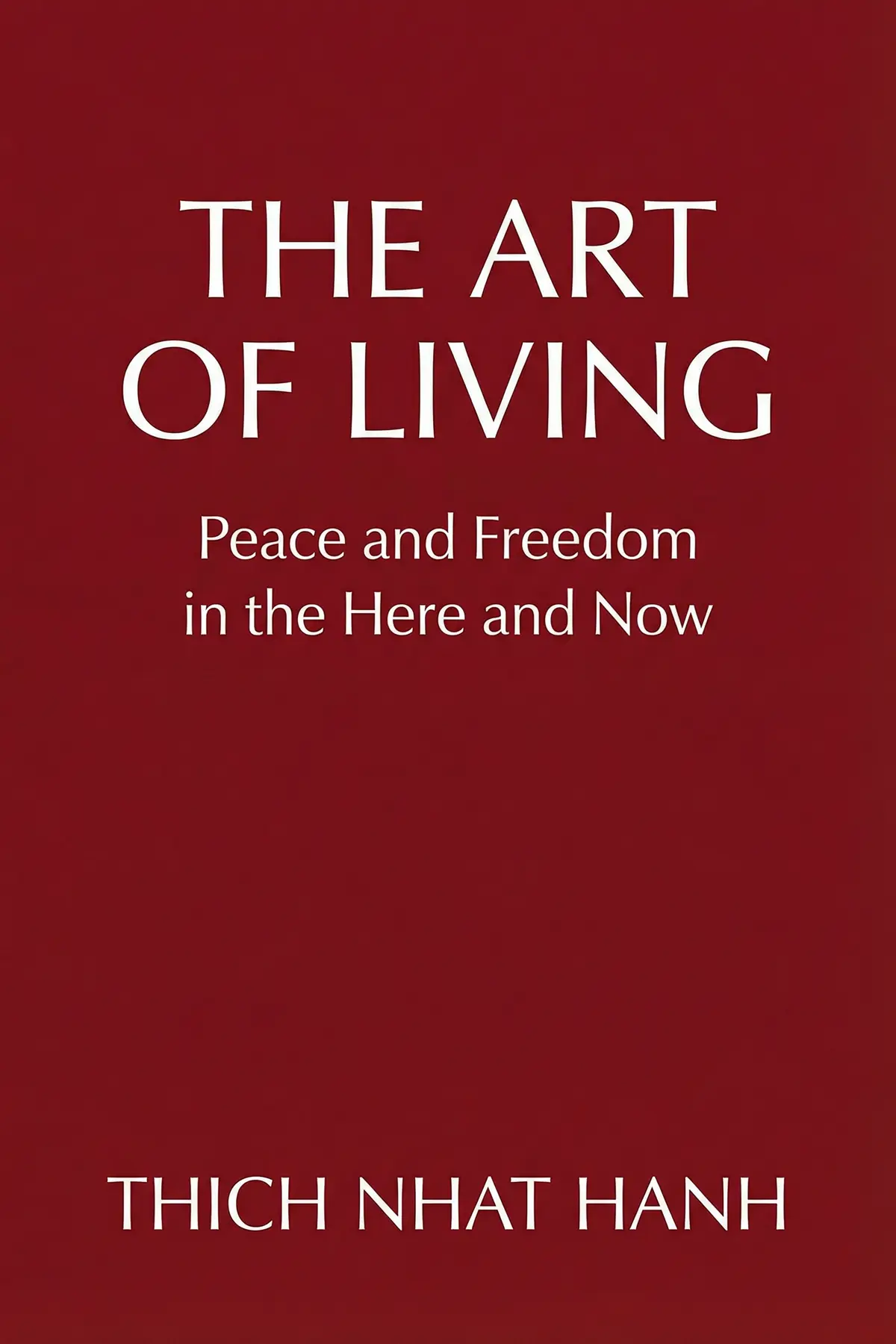
The Art of Living is more than just a collection of spiritual advice; it is a practical guide for reclaiming our lives from the grip of distraction. The central throughline of this work is the idea that peace and happiness are not things to be acquired or earned in the future. Instead, they are qualities that we can cultivate in this very moment through the practice of mindfulness. It’s about the shift from ‘doing’ to ‘being,’ and recognizing that the quality of our presence determines the quality of our lives.
As we explore these ideas, we will see how mindfulness acts as a bridge, connecting our physical actions with our mental awareness. We will look at how meditation can be woven into the simplest tasks—like washing the dishes or walking to the mailbox—turning mundane moments into opportunities for profound insight. We will also examine the role of communication and compassion, learning how our internal state of peace can ripple outward to improve our relationships and the world around us.
This isn’t about escaping from reality or retreating from the challenges of life. Rather, it’s about engaging with reality more deeply and authentically. By the end of this journey, the goal is to understand that the art of living is a skill we can all master, one breath and one step at a time. It is a journey into the heart of the present moment, where true life and true peace are always waiting for us. Let’s begin by looking at the most fundamental building block of this practice: the power of the present moment.
2 min 46 sec
Discover why the present moment is the only place where life actually happens and how mindfulness serves as the ultimate key to unlocking it.
2 min 36 sec
Learn how peace and happiness are not external goals to be reached but internal states that must be practiced and maintained daily.
2 min 46 sec
Explore how meditation extends far beyond the cushion, turning every mundane task into an opportunity for spiritual growth and clarity.
2 min 48 sec
Understand how deep listening and loving speech can heal relationships and foster a more empathetic world.
2 min 54 sec
Discover how the integration of mindfulness and compassion leads to a truly meaningful and rewarding life journey.
1 min 50 sec
As we conclude our exploration of The Art of Living, it’s worth reflecting on the simplicity of the message. In a society that often equates value with complexity and speed, Thich Nhat Hanh reminds us that the most profound truths are often the simplest ones. Life is available only in the present. Peace is a practice, not a destination. And compassion is the most effective way to heal ourselves and the world. These aren’t just philosophical ideas to be pondered; they are invitations to a different way of being.
The throughline of our journey has been the power of mindfulness to transform our reality. We’ve seen how returning to the breath can anchor us in the now, how meditation can turn chores into sacred acts, and how deep listening can mend broken relationships. We’ve learned that happiness isn’t something we’ll find in the future, but something we cultivate right here, right now, by letting go of our attachments and embracing the current moment with an open heart.
So, what is the actionable takeaway as you step back into your daily life? It’s simply this: start where you are. You don’t need a special retreat or a quiet room to begin. You can start with your next breath. The next time you walk to your car, try to really feel your feet on the pavement. The next time you drink a cup of tea, try to really taste it. The next time someone speaks to you, try to listen without planning your response.
These small, intentional choices are the ‘art’ in the art of living. They are the brushstrokes that, over time, create a masterpiece of a life—a life defined by presence, characterized by peace, and fueled by compassion. You have the power to choose this path at any moment. Remember that every breath is a new beginning and every step is a chance to arrive home in the present. The art of living is always available to you, waiting for you to simply stop, breathe, and begin.
The Art of Living is an exploration of how we can transform our daily experience by anchoring ourselves in the present moment. Drawing on decades of wisdom, the book focuses on the essential practices of mindfulness and meditation, not as esoteric rituals, but as practical tools for everyday life. It addresses the fundamental human desire for peace and happiness, providing a roadmap for those who feel overwhelmed by the pace of the modern world. The promise of this work is a more compassionate and fulfilling existence. By learning to communicate with kindness and to observe our own thoughts without judgment, we can unlock a sense of inner tranquility that remains steady regardless of external circumstances. It is a call to slow down, breathe, and rediscover the joy that is already available to us in the here and now, leading to a life defined by presence rather than distraction.
Thich Nhat Hanh was a globally recognized Buddhist monk and dedicated peace activist. Throughout his life, he authored more than 100 books, including the influential bestseller Anger. His work spans a wide range of genres, from technical manuals on meditation to poetry and stories for children. In 1967, his commitment to non-violence and reconciliation led Martin Luther King Jr. to nominate him for the Nobel Peace Prize.
Thich Nhat Hanh
Thich Nhat Hanh
Thich Nhat Hanh
Thich Nhat Hanh
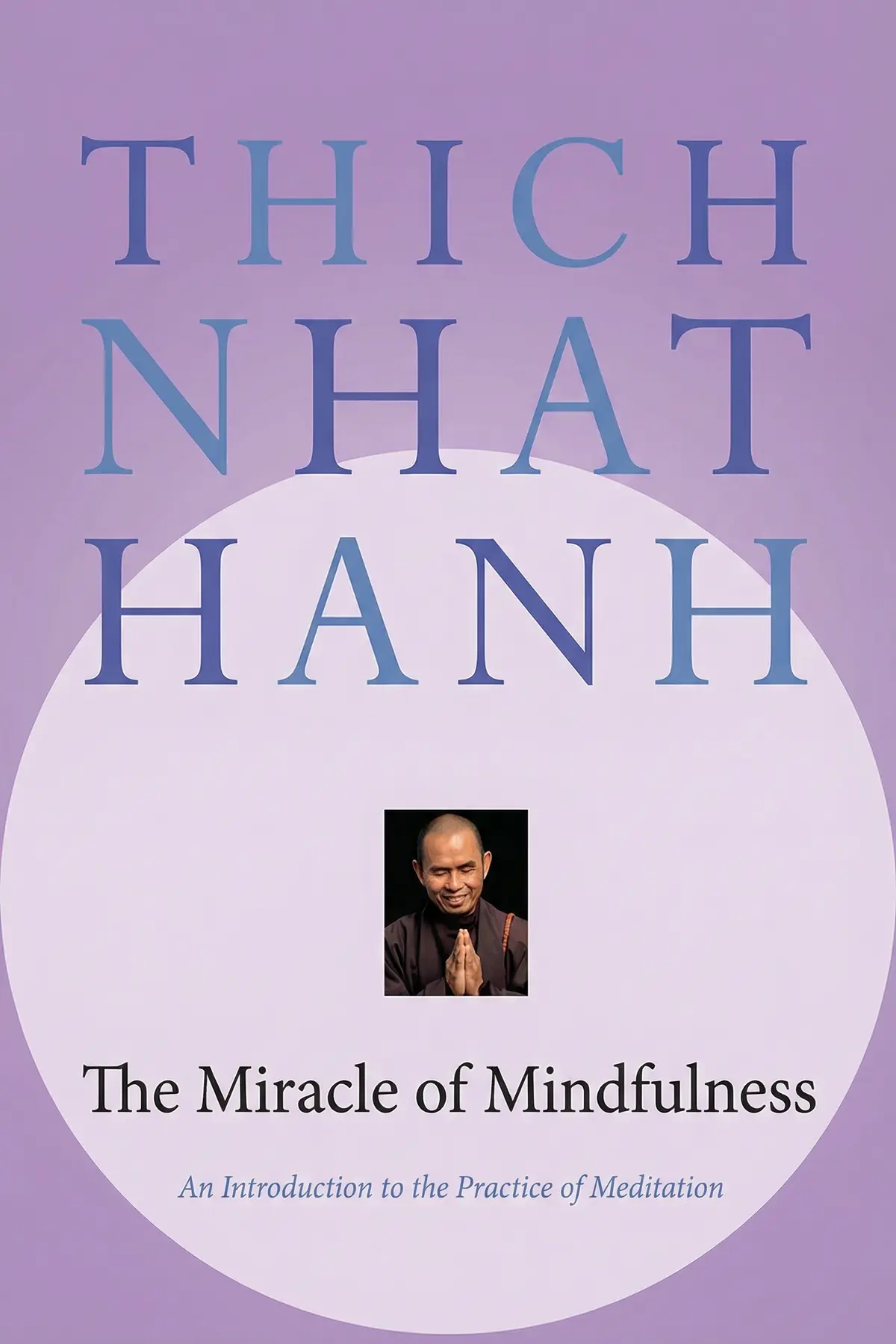
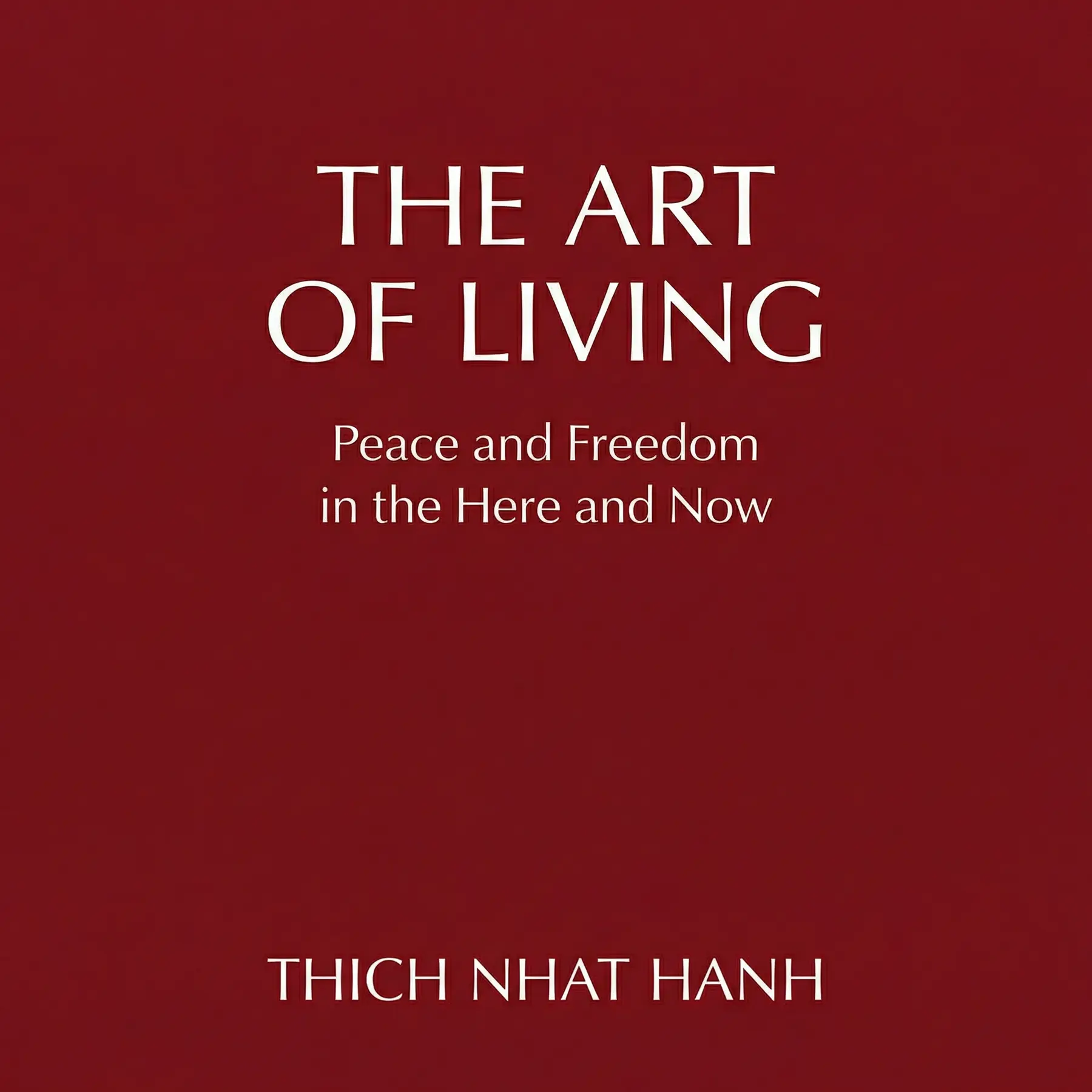
Listeners find this work highly accessible and straightforward, commending its thorough Buddhist insights and the author’s decades of wisdom. The book is also regarded as a significant guide for spiritual paths, promoting the habit of mindfulness while offering actionable life advice. Furthermore, listeners admire its grace and its capacity to nurture joy, with one listener specifically mentioning that it prompted them to smile during their read.
Picked this up during a particularly chaotic month at work, and the impact was immediate. While some might argue the meditation techniques are a bit elementary, the truth is that their simplicity is exactly why they work for a busy life. Thich Nhat Hanh manages to distill decades of monastic wisdom into a guide that feels both ancient and incredibly modern. I found myself smiling while reading the sections on mindful breathing because they felt like returning home. To be fair, if you are looking for esoteric rituals, you might be disappointed by how grounded this is. However, the way he explains our collective connection to one another makes the practice feel deeply necessary. It’s a beautiful book that encourages you to find joy in the smallest movements of your day.
Show moreWow, Thay has such a way of making complex spiritual truths feel like a warm conversation with a friend rather than a lecture. The book is influential because it doesn't demand you change your religion; it just asks you to change how you breathe and notice the world. Personally, I found the repetition of themes helpful because my mind tends to wander, and the gentle reminders brought me back. It’s not just about sitting on a cushion; it’s about how to wash the dishes or walk to the car with intention. I’ve noticed a significant shift in my spiritual journey since finishing this, feeling more capable of cultivating joy even during difficult weeks. While it may not be groundbreaking for long-time practitioners, the beauty of the prose is worth the price alone.
Show moreThe chapter on the art of suffering really shifted my perspective on how to handle grief during a very dark time in my life. After hearing about his stroke and the context of his later life, the words on impermanence took on a much deeper meaning for me. In my experience, most spiritual books try to bypass the pain, but Thay teaches us to hold it with mindfulness. The prose is simple and accessible, though I can see why some would call it repetitive after the first few chapters. Still, there is a profound beauty in that simplicity that allows the reader to actually implement the advice. It helped me put my life back on an even keel when I felt like I was sinking. This is an essential read for anyone needing a reminder to live deeply.
Show moreLife feels much less like a series of chores after working through these pages and applying the concepts to my daily routine. I spent the last week trying to mindfully savor my meals and even my commute, and the difference in my stress levels is palpable. Truth is, we often live for the next task without ever actually inhabiting the one we are doing right now. This book is a beautiful, comprehensive look at how to stop that cycle and reclaim your time. It’s written with such kindness that you feel supported rather than judged for your past lack of presence. While it doesn't offer anything new if you've read his other work, it’s a perfect distillation of his core teachings. I’ll be keeping this on my nightstand for a long time.
Show moreIncredible is the only word that fits for a book that can make you feel this much peace just by turning the pages. Personally, I found the sections on the art of leaving just as important as the art of living, as they deal with our legacy and continuation. The writing is calming and truly beautiful, encouraging a healing way of life that feels attainable for anyone. While it might repeat certain points, that repetition feels intentional, like a mantra designed to sink into your subconscious. It has been a vital part of my spiritual journey this year, helping me cultivate joy in moments I previously would have ignored. It’s a masterpiece of simplicity and a final gift from a truly revered teacher.
Show moreAs someone who has dabbled in Zen for years, I found this to be a gentle yet profound refresher on what it means to be present. The writing style is remarkably soothing, almost like a guided meditation in print form, which makes it perfect for bedside reading. Some critics have suggested that the post-stroke publication feels a bit different than his earlier works, and frankly, I can see why they might feel it's less academic. But core Dhamma is still there if you look for it. It focuses heavily on the Western accessibility of mindfulness, which might feel shallow to some but is life-saving for others. I appreciated the specific instructions on mindful walking and the reminder that happiness isn't a package in the mail. It is a solid, practical manual for anyone struggling with the pace of modern existence.
Show moreThis book represents decades of wisdom distilled into very manageable, rhythmic chapters that emphasize the art of being. The truth is, the repetition that some find annoying I actually found quite comforting in an audio format. It reinforces the idea that mindfulness isn't a one-time achievement but a constant practice. Look, it’s definitely geared toward a Western audience, which means some of the deeper, more painful aspects of Nirvana are glossed over in favor of peace. While that might be a valid criticism for scholars, for the average person trying to survive a stressful job, it’s exactly what is needed. The advice on honoring impermanence helped me navigate a recent loss with much more grace than I expected. It’s a highly useful, non-denominational resource for any shelf.
Show moreFinally got around to reading this after hearing so much about how Thich Nhat Hanh influenced the global mindfulness movement. The book is incredibly easy to read, making it a great entry point for someone who isn't necessarily a Buddhist but wants to live better. Gotta say, I loved the practical advice on eating and walking mindfully; it makes spirituality feel less like an abstract concept and more like a physical reality. My only minor gripe is that it can feel a bit light on the why behind certain practices, focusing instead on the how. However, the ability to generate happiness through simple presence is a skill we all need to learn. It’s a comforting, easing read that makes you want to slow down and just be.
Show moreAfter hearing so much about Thay's legacy, I expected a more rigorous theological text, but what I got was something much more intimate. The book explores the collective role we play in each other's lives and how our individual peace contributes to world peace. To be fair, the tone is quite different from some of his earlier, more dense writings, which might be due to the editing process in his later years. It feels very Westernized, focusing on finding happiness rather than the more difficult aspects of total liberation. Regardless, it is a great refresher on staying present and honoring the life we have right now. It is a highly useful book for anyone feeling overwhelmed by the state of the world today.
Show moreEver wonder if a teacher's later works truly capture their original spark, especially given the health challenges he faced? Not gonna lie, this felt a bit like a greatest hits collection that lacked the sharp intellectual edge of his earlier, more rigorous texts. The meditation taught here stays very much in the shallow end of the pool, making it feel more like a self-help book than a deep dive into Buddhism. It’s decent for what it is, but it definitely feels heavily edited by students who wanted to make it as digestible as possible for the West. If you want something more original to Plum Village, you might be better off with his older classics. That said, it’s still a pleasant read with some nice reminders about staying present in the moment.
Show more
Daniel Goleman
Marianne Williamson
Deepak Chopra
Alcoholics Anonymous World Services
Eckhart Tolle
Pico Iyer
AUDIO SUMMARY AVAILABLE
Get the key ideas from The Art of Living by Thich Nhat Hanh, plus 5,000+ more titles in English and Thai.







