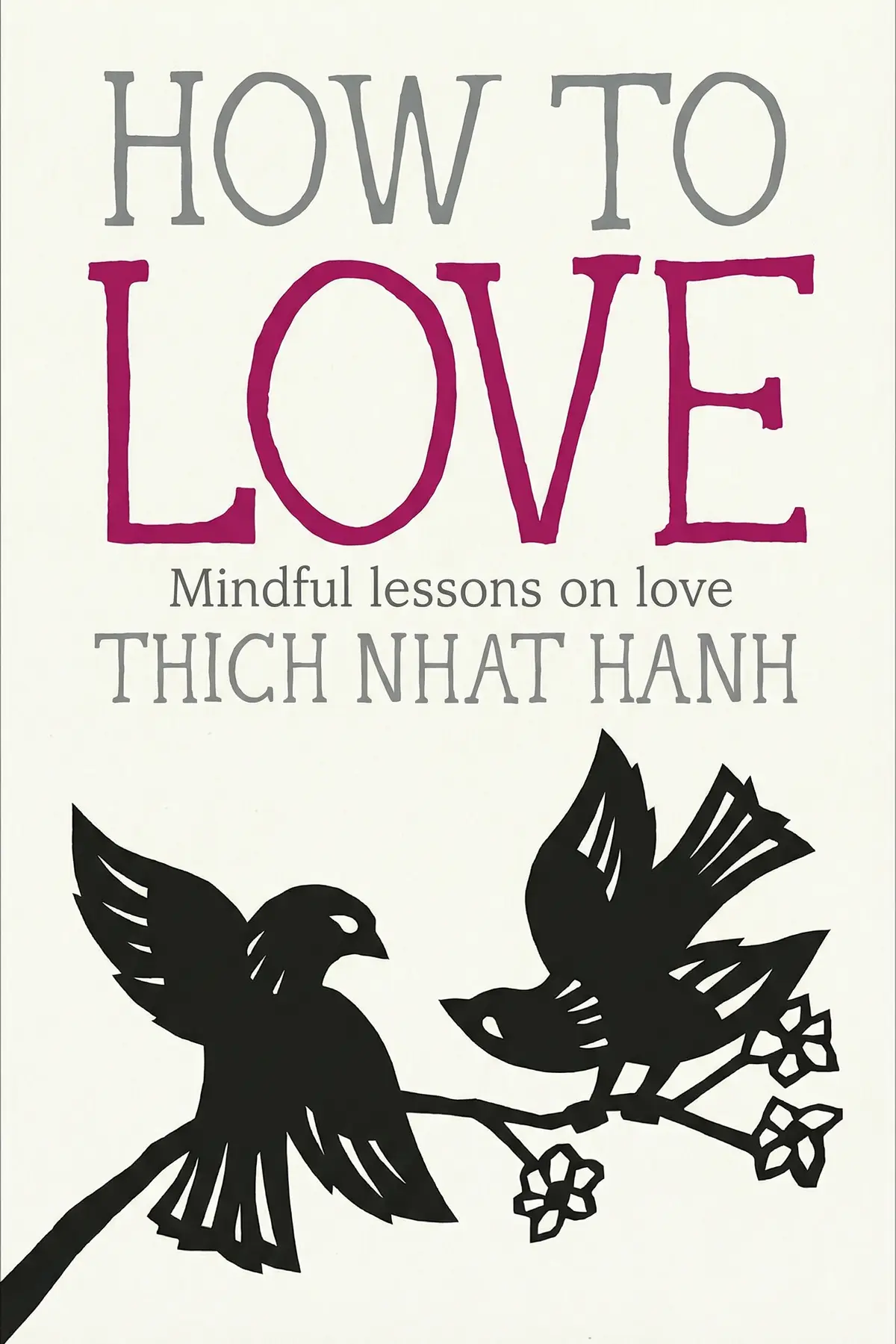
How to Love
Thich Nhat Hanh
A profound guide to reclaiming the present moment through Zen Buddhist practices, offering practical methods to transform daily chores, breathing, and meditation into a path toward lasting serenity and deep universal connection.
1 min 30 sec
Imagine, for a moment, that your life is a movie playing on a screen. Most of us spend our time looking either at the scenes that have already passed, replaying old mistakes and memories, or squinting at the blurry previews of scenes that haven’t happened yet. We are rarely, if ever, looking at the frame currently projected on the screen. This is the central dilemma of the modern human experience: we are physically here, but mentally we are lightyears away, lost in a maze of ‘what-ifs’ and ‘if-onlys.’
Thich Nhat Hanh, a master of Zen wisdom, suggests that this disconnection is not just a minor inconvenience—it is the primary reason we feel exhausted and unfulfilled. He invites us to explore a different way of being through the practice of mindfulness. This isn’t about escaping your life or moving to a mountain top; it’s about learning to fully inhabit the life you already have.
In this exploration, we are going to look at how the simplest acts—like breathing or scrubbing a pot—can become profound spiritual exercises. We will learn how to build a bridge between the scattered fragments of our thoughts and the steady reality of our bodies. The throughline of this journey is simple: the present moment is the only time we are actually alive. If we miss the present, we miss our entire lives. By the end of this summary, you’ll have the tools to reclaim your time and rediscover the wonder hidden in the ordinary rhythms of your day. We aren’t just looking for a way to relax; we are looking for a way to wake up.
2 min 00 sec
Discover why washing the dishes can be a spiritual breakthrough and how treating chores as obstacles ruins our ability to enjoy life’s rewards.
1 min 55 sec
Learn the mechanical and spiritual secrets of conscious breathing and how it acts as a tool to reunite your wandering mind with your physical body.
1 min 55 sec
Why dedicating one full day to total mindfulness is not an indulgence, but a necessary strategy to prevent your life from becoming a whirlwind of stress.
1 min 59 sec
Break through the ‘false view of self’ by exploring the deep interconnections between a simple wooden table and the entire universe.
1 min 40 sec
Discover why mindfulness requires the alertness of a tightrope walker and how to welcome ‘negative’ emotions like honored guests.
2 min 03 sec
Explore practical visualizations, like the sinking pebble and the birth-death continuum, to anchor your mind and conquer the fear of mortality.
1 min 41 sec
As we reach the end of our journey through Thich Nhat Hanh’s wisdom, it’s worth reflecting on the core message that ties everything together: the miracle isn’t walking on water or flying in the air; the real miracle is walking on the earth with awareness. We have spent so much of our lives running toward a future that never arrives, ignoring the rich, vibrant reality that is unfolding under our feet right now.
Mindfulness is the key that unlocks the door to that reality. It starts with the breath, moves into our daily chores, and eventually expands to change how we see our connection to the entire universe. It teaches us that we don’t need to change our lives to find peace; we only need to change our presence within our lives. By accepting every emotion and every moment with a spirit of gentle vigilance, we stop being victims of our circumstances and start being the conscious creators of our own serenity.
As a final takeaway, try the ‘half-smile’ practice. In moments of transition—when you stand up from your desk or wait for a red light—allow a soft, gentle smile to rest on your lips. This isn’t a forced grin, but a subtle release of tension in the face, mirroring the expression of the Buddha. As you smile, take three conscious breaths and look at one thing near you—a tree, a cloud, or even your own hand. Remind yourself that you and that object are part of the same miracle. If you can do this, even for a few seconds a day, you have already begun to live the miracle of mindfulness. The present is waiting for you; all you have to do is show up.
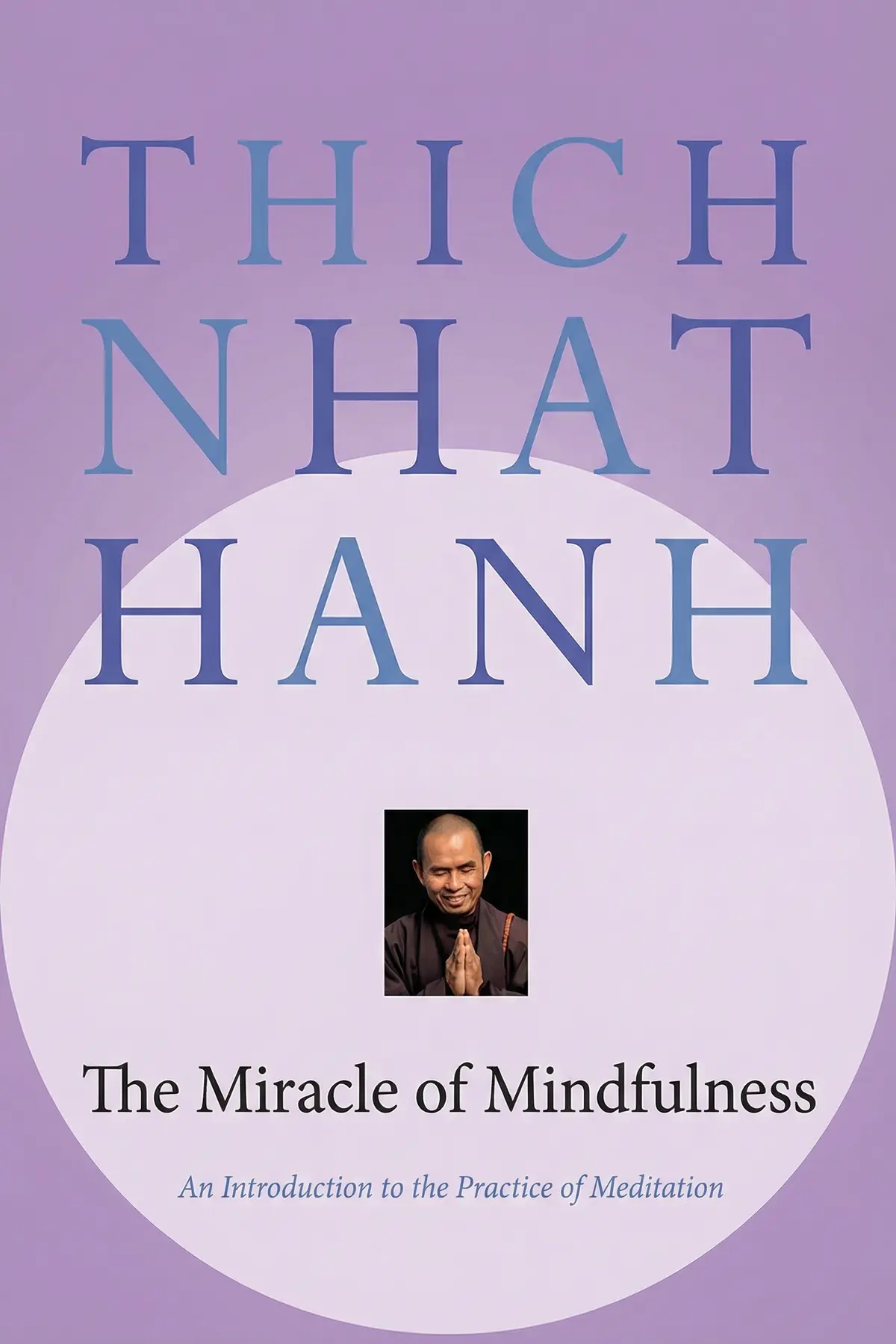
The Miracle of Mindfulness serves as a foundational manual for anyone seeking to escape the cycle of constant worry and future-oriented anxiety. Thich Nhat Hanh provides a roadmap for integrating spiritual awareness into the most mundane aspects of life, from washing dishes to drinking tea. He argues that by simply existing in the here and now, we can unlock a sense of peace that is often buried beneath the noise of modern obligations. The book promises a transformation of perspective. It moves beyond simple relaxation techniques to explore the deeper philosophical roots of mindfulness, such as the interdependence of all things and the nature of consciousness. By following the gentle exercises outlined in these pages, readers are promised a way to bridge the gap between their physical bodies and their wandering minds, ultimately leading to a life lived with greater compassion, clarity, and vitality. It is a call to awaken from the slumber of distraction and recognize the miracle inherent in every breath.
Thich Nhat Hanh was a globally respected Zen master, a dedicated peace activist, and a prolific poet. He rose to international prominence as a spiritual leader known for his gentle yet powerful teachings on nonviolence and mindfulness. His impact was so significant that Dr. Martin Luther King Jr. famously described him as an apostle of peace and nonviolence, eventually nominating him for the Nobel Peace Prize. Throughout his life, he authored many influential works that brought Buddhist philosophy to a global audience, emphasizing the practical application of peace in every moment.
Thich Nhat Hanh
Thich Nhat Hanh
Thich Nhat Hanh
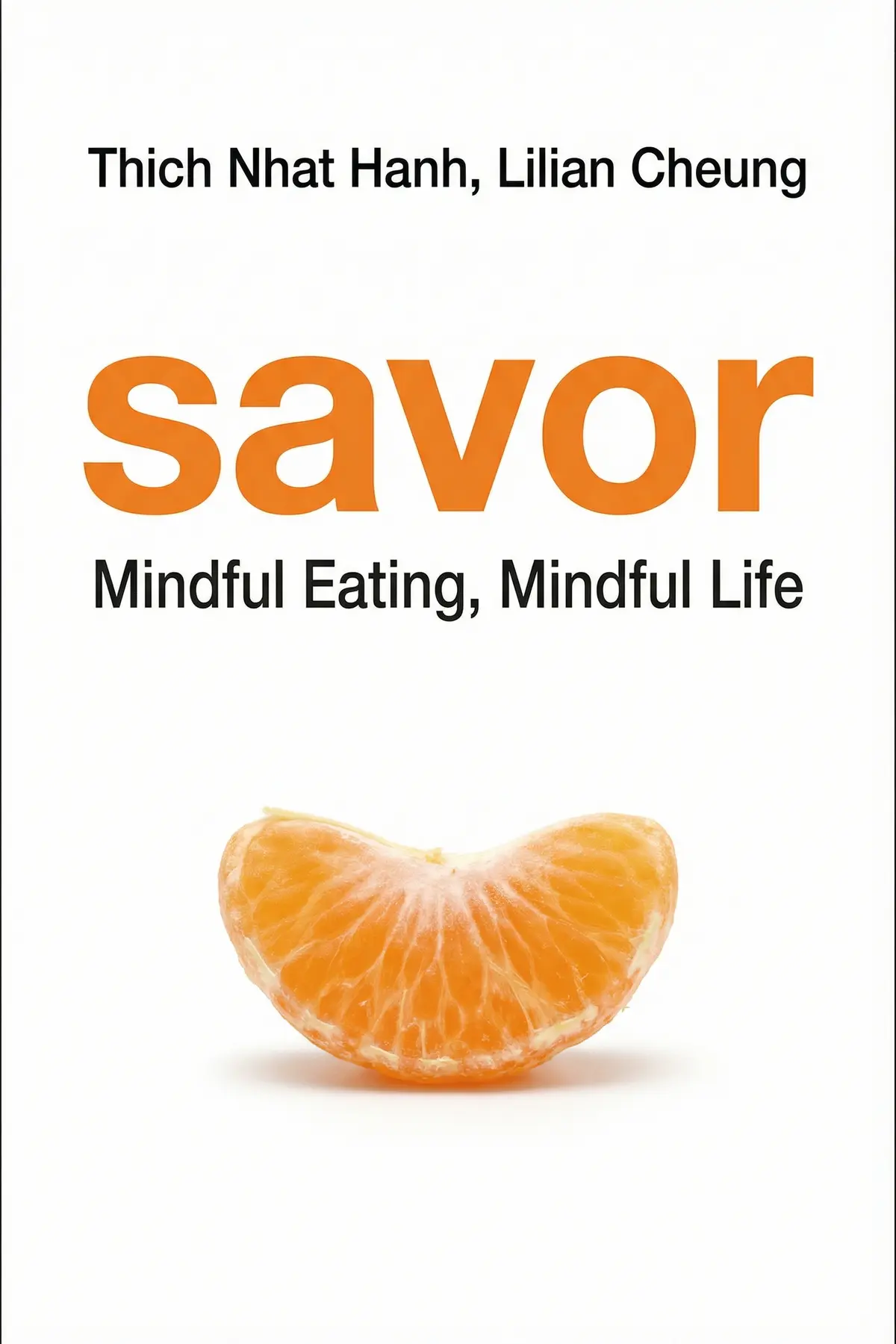
Thich Nhat Hanh
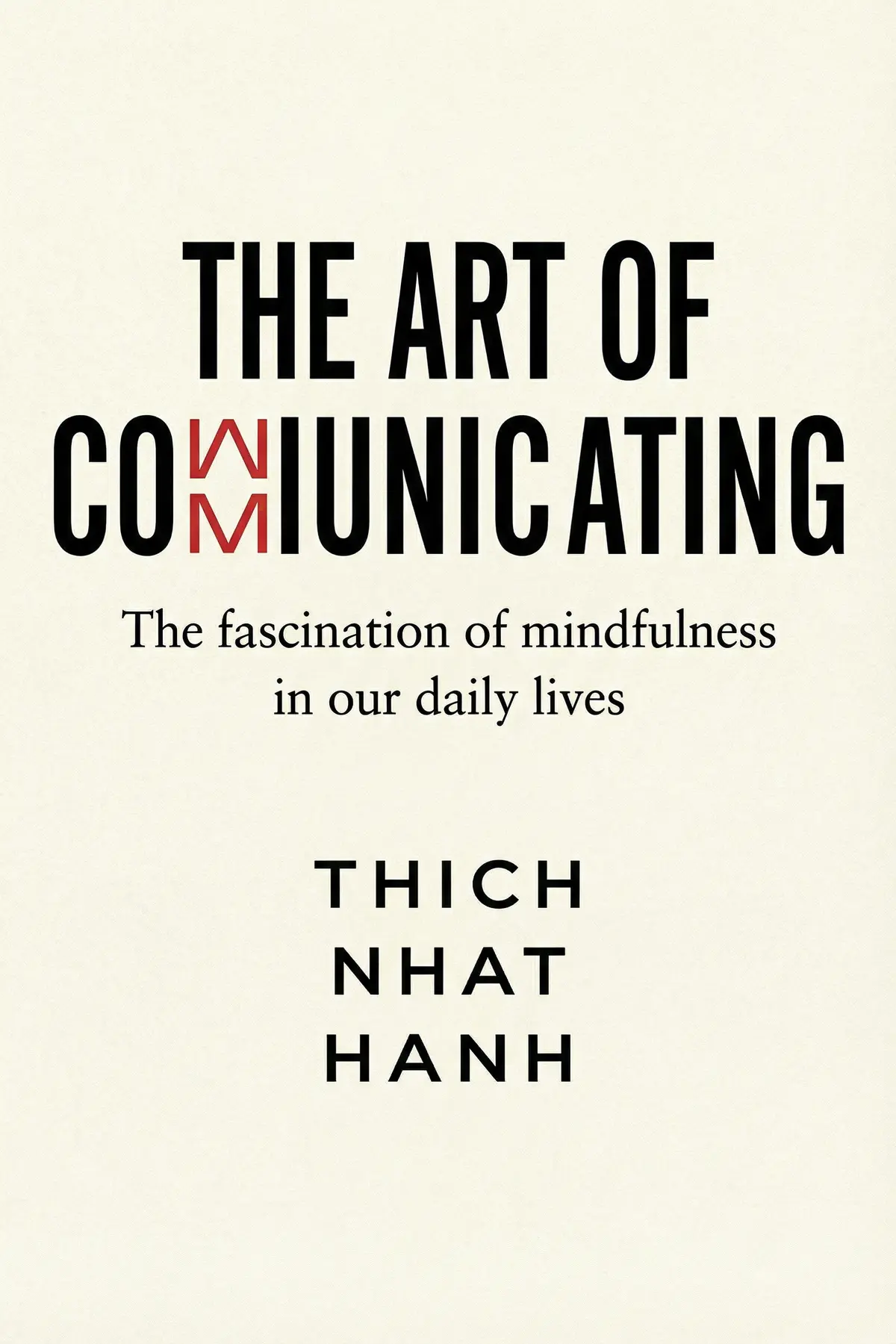
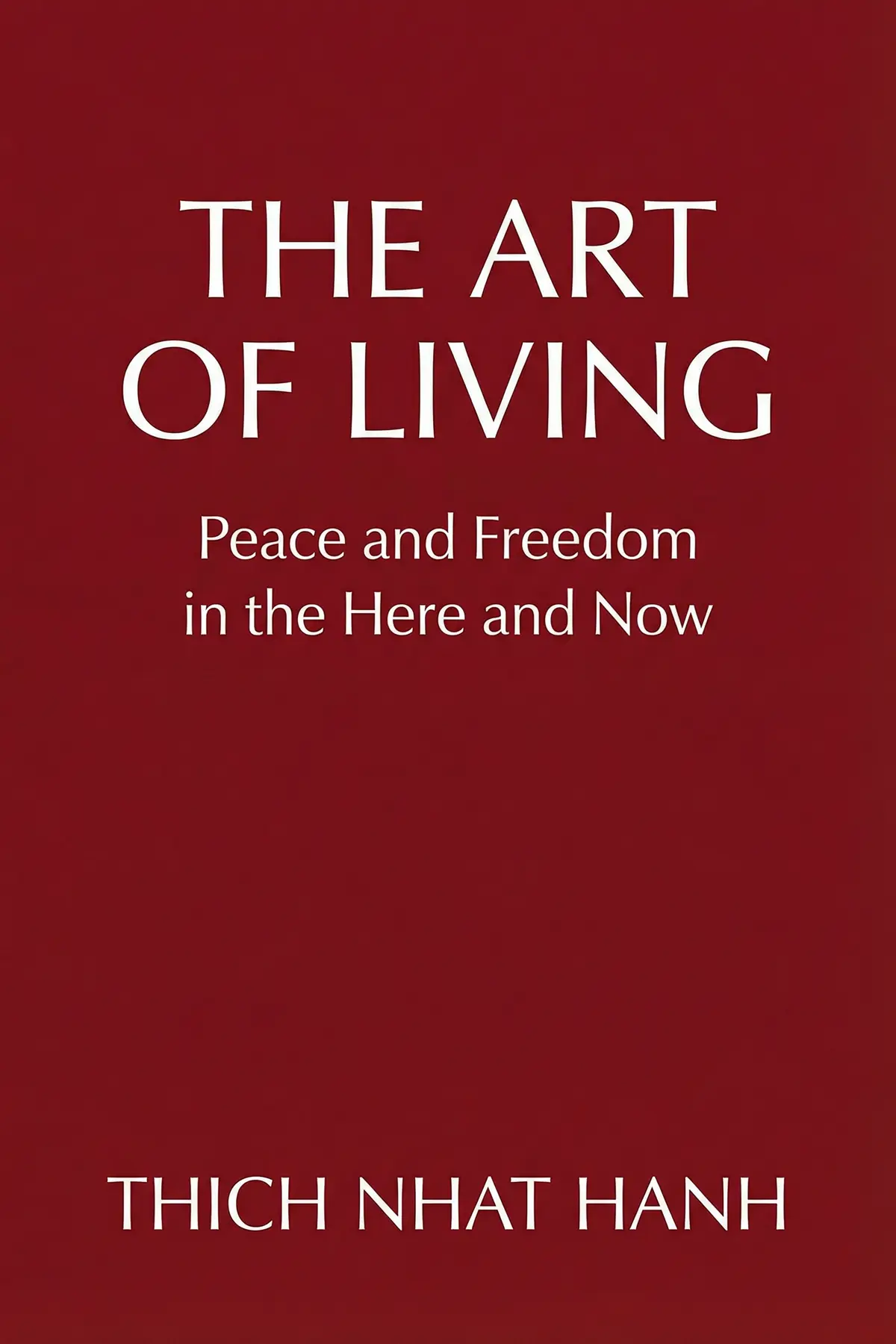
Thich Nhat Hanh
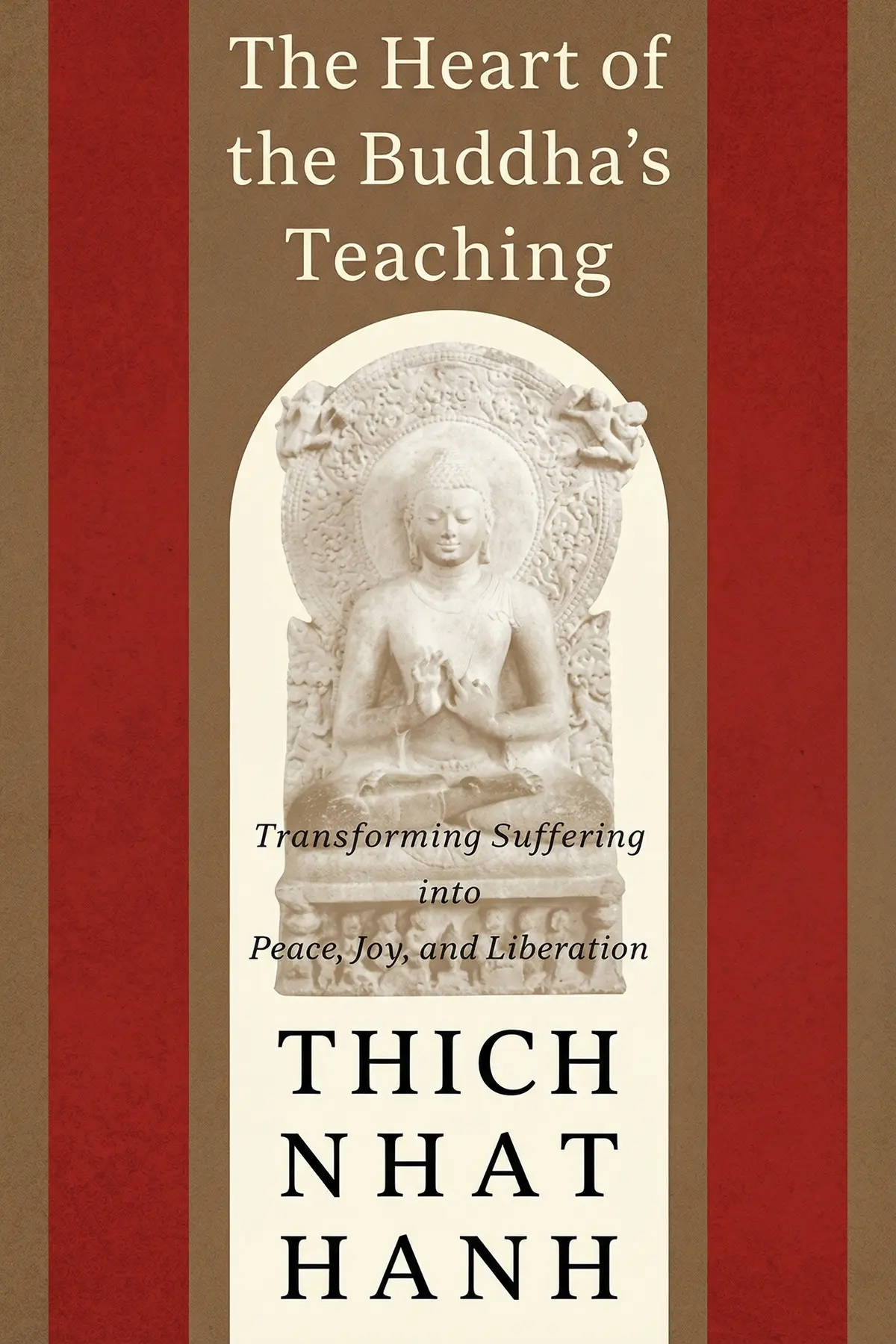
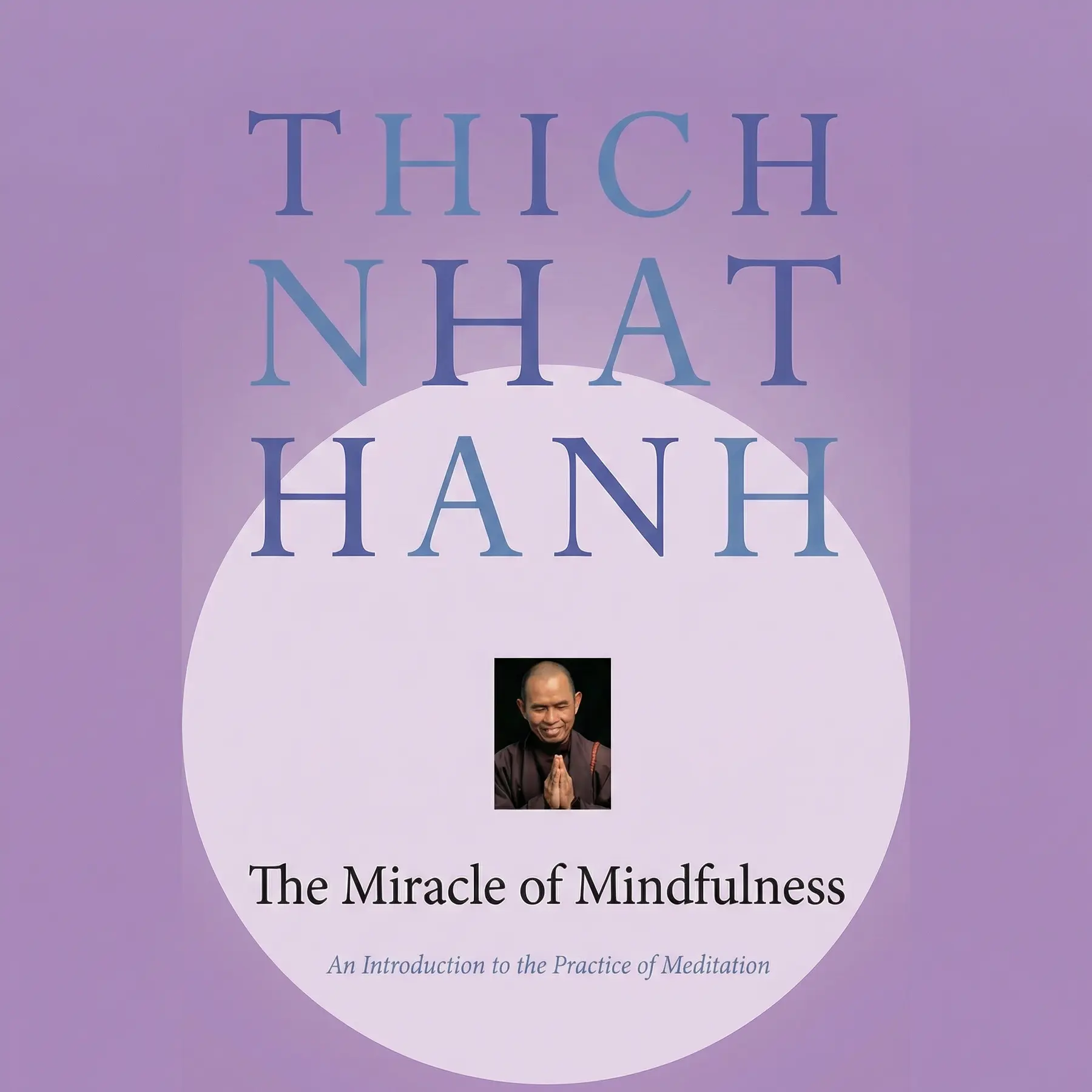
Listeners find this work to be a superb gateway to mindfulness meditation, helping them stay grounded in the present and improve their breathing awareness. They appreciate the actionable advice and effective methods provided, with one listener noting it serves as a bridge between Eastern and Western philosophy. Additionally, the material fosters tranquility and eases stress through a straightforward, accessible writing style that listeners find quite engaging.
The chapter on washing the dishes really changed my perspective on what it means to be alive in the present moment. Instead of rushing through chores to get to the "important" stuff, Hanh teaches you that the chore itself is the miracle. It’s written in such a deceptively simple style that you might miss the profound depth if you read too quickly. I found myself slowing down my breathing just by turning the pages. To be fair, some parts about the ancient sutras felt a bit disconnected from my modern life, but the core message is timeless. This is a powerful tool for anyone drowning in anxiety. It acts as a bridge between high-concept philosophy and the actual, messy reality of daily living.
Show moreEver wonder if you’re just sleepwalking through your own life? This book was the wake-up call I didn't know I needed. Thich Nhat Hanh has this incredible way of making you feel both calm and convicted at the same time. The way he describes the "miracle" of just breathing or eating an orange makes me realize how much of my life I’ve missed because I was worrying about tomorrow. Personally, I found the section on the "palace guard" of the mind to be the most helpful for my racing thoughts. It’s a very grounding read that doesn't feel like a typical self-help book. It makes the sacred feel very attainable.
Show moreFinally got around to reading this classic on my therapist’s recommendation for my ongoing depression. It’s rare to find a book that feels so kind and non-judgmental. It doesn't ask you to be a perfect monk; it just asks you to be aware of your own irritation or sadness without letting it drown you. The simplicity of the language is its greatest strength, making it very easy to digest even when my brain feels foggy and overwhelmed. It’s a small book, but the impact it has on your mental health is massive. I feel like I finally have a practical way to manage my anxiety without feeling like I'm failing at it.
Show morePicked this up during a particularly stressful month at work, and it’s been a total lifesaver. There is a reason this book is considered a bridge between cultures; it manages to explain ancient wisdom without sounding pretentious or overly mystical. The focus on the breath as a tool to reunite the body and mind is something I use every single day now. It's not just about sitting on a cushion in a lotus position; it’s about how you live your whole life while drinking tea or talking to friends. Even though it's a quick read, the message stays with you long after you close the cover. It truly brings a sense of much-needed peace.
Show moreAfter hearing so much hype about this being the definitive guide for beginners, I was surprised by how spiritual it actually gets. The first section is essentially a collection of letters to a monk friend, and that context is vital to understanding the tone. Truth is, if you’re looking for a secular "hack" for productivity, this isn't it. However, the practical focus on using your breath as a bridge to connect your mind and body is life-changing. I struggled a bit with the repetitive nature of the anecdotes toward the end. Still, the core advice about treating every cup of tea with sacred respect is something I’m trying to carry with me in my career.
Show moreTo be fair, it takes a certain mindset to appreciate Hanh’s slow-paced wisdom in our current fast-forward culture. This isn't a book you can skim if you want to actually feel the benefits. It serves as a fantastic bridge between Eastern tradition and Western needs, offering techniques that are surprisingly easy to implement even if you only have five minutes. I particularly liked the emphasis on mindfulness during "unimportant" tasks like gardening or walking. My only gripe is that it can feel a bit light on the "how-to" if you’re looking for a structured, scientific 8-week program. It’s more of a poetic invitation to change your entire state of being.
Show moreThis book serves as a gentle reminder that every second counts, regardless of how mundane it seems. Hanh’s writing is lucid and poetic, yet it deals with sophisticated concepts of existence that I'm still chewing on weeks later. I started practicing the mindful breathing exercises while commuting, and the reduction in my stress levels was almost immediate. Not gonna lie, the lack of a clear "roadmap" might frustrate some readers who prefer bulleted lists and hard data. But if you're willing to sit with the text and reflect, there is so much peace to be found in these pages. It’s about becoming more aware of your own existence.
Show moreAs someone who struggles with a million-mile-an-hour brain, I found the focus on mundane tasks oddly grounding. The idea that "nothing should be treated more carefully than anything else" is a radical concept in a world obsessed with prioritization. I’ve started trying to apply the "mindful breathing" techniques during my workday, and it’s helped me stay focused without the usual burnout. To be fair, I did find the structure a bit loose. It’s more a collection of thoughts than a cohesive manual, but the emotional resonance is undeniable. It’s a peaceful, quiet read that demands you slow down and actually look at the mustard green plant in front of you.
Show moreNot what I expected for an "introduction" to meditation. While the initial advice on mindfulness while performing daily tasks is incredibly accessible, the book takes a sharp turn into dense territory halfway through. The translation of the Buddhist sutras at the end felt almost impenetrable without a theology degree. Look, I appreciate the simplicity of his prose, but it felt a bit repetitive after the first fifty pages. As a working parent, some of the advice feels a bit detached from the reality of having zero quiet time or familial obligations. It’s a beautiful sentiment, but I think I needed more practical interpretation and less ancient scripture to make it sustainable for my lifestyle.
Show moreFrankly, I found the second half of this book incredibly dense compared to the first, which was quite disappointing. The early chapters are filled with beautiful, practical insights about finding mindfulness in things like washing dishes or walking. However, once it moves into the translations of the Sutras, I felt completely lost. The text becomes repetitive and lacks the clear, modern interpretation that made the beginning so engaging. If you're a beginner, you might find yourself bailing before the end. It's a classic for a reason, but it definitely shows its age and its original intended audience of monks rather than busy, modern workers.
Show more
Eckhart Tolle
Pico Iyer
Daniel Siegel
Ram Dass
AUDIO SUMMARY AVAILABLE
Get the key ideas from The Miracle of Mindfulness by Thich Nhat Hanh, plus 5,000+ more titles in English and Thai.