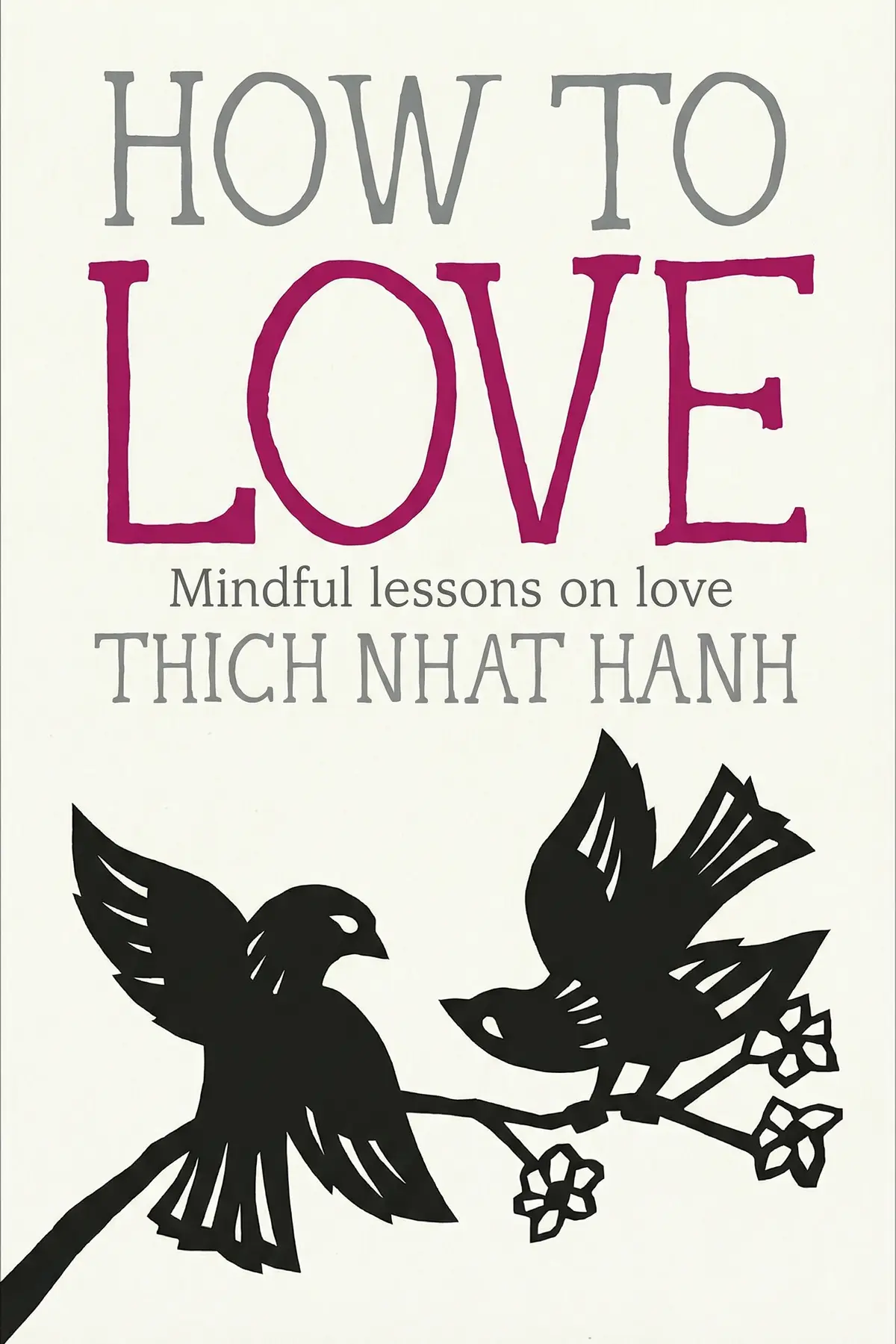
How to Love
Thich Nhat Hanh
Discover how to cultivate lasting peace and presence through the gentle practice of mindfulness. This guide transforms everyday activities into moments of joy, offering practical tools to navigate emotions and find serenity.
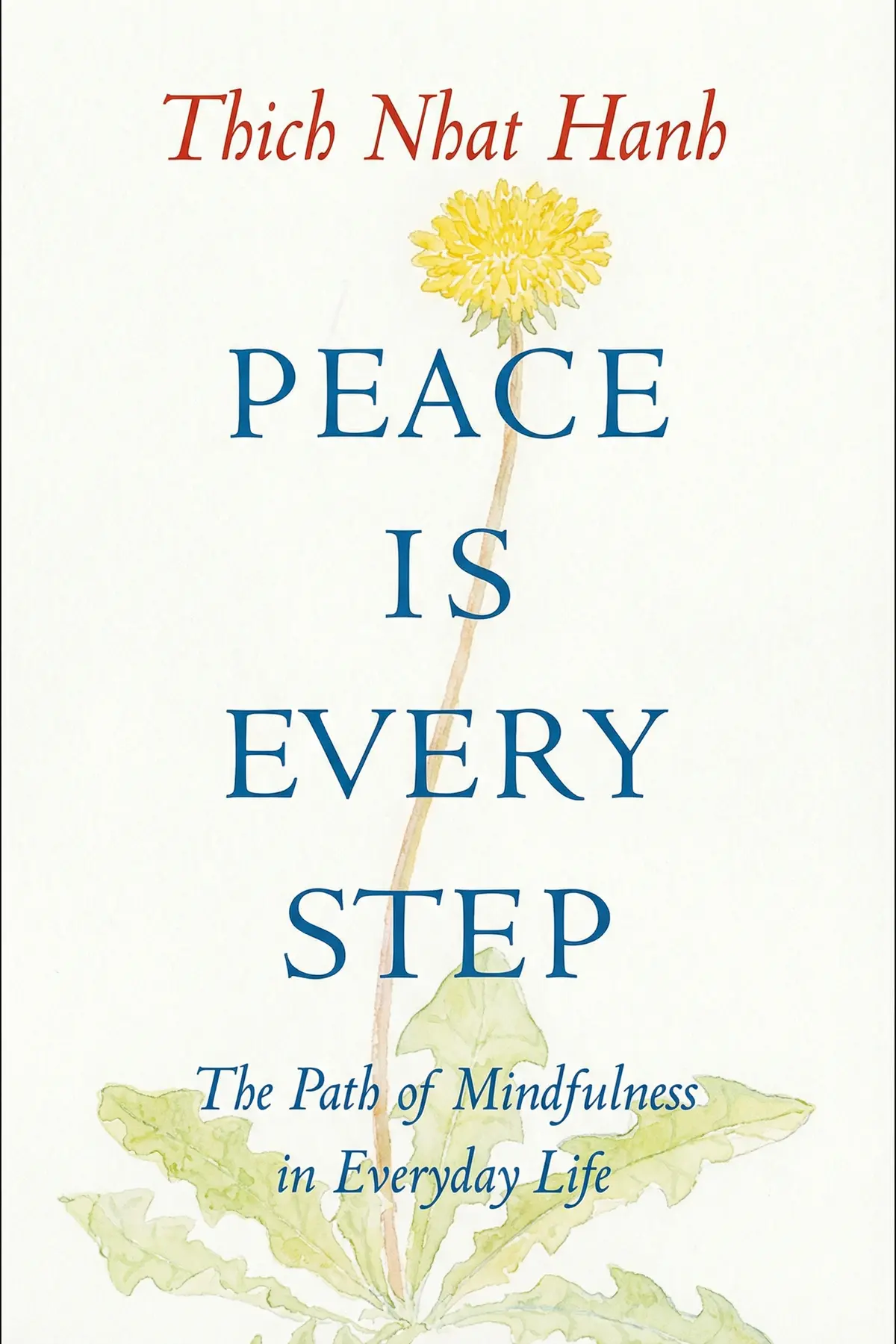
1 min 49 sec
In a world that seems to move faster every day, it is easy to feel as though we are constantly racing toward a finish line that keeps moving. We are surrounded by digital noise, social media updates, and a never-ending cycle of global events that can leave us feeling untethered and overwhelmed. We often tell ourselves that we will finally be happy once we finish this project, get that promotion, or find the perfect partner. But what if the peace we are searching for isn’t at the end of the road? What if it is actually found in the very act of walking?
This is the central wisdom found in the teachings of Thich Nhat Hanh, a man often referred to as the father of mindfulness. His perspective offers a gentle yet radical shift in how we perceive our daily existence. Instead of viewing life as a series of obstacles to be overcome on the way to a better future, he invites us to see every moment as an opportunity for profound connection and joy. The throughline of this exploration is the idea that mindfulness is not a specialized skill reserved for the mountaintop, but a practical tool that can be woven into the fabric of our everyday lives.
Over the course of this summary, we will explore what it truly means to be present and why our current habit of living for the future often robs us of our actual lives. We will look at specific, concrete techniques—like conscious breathing and walking meditation—that act as anchors in the storm of daily stress. Finally, we will delve into the transformative power of mindfulness when applied to our most difficult emotions. By the end, you’ll see how a shift in attention can turn even the most mundane or painful experiences into a source of wisdom and resilience. Let’s begin this journey of uncovering the quiet joy that is already waiting within you.
2 min 31 sec
Explore why chasing future success often leaves us feeling empty and how to redirect your energy toward the only time that truly exists.
2 min 11 sec
Learn a simple yet profound technique to reunite your mind and body, creating a sense of calm regardless of your surroundings.
2 min 26 sec
Discover how to turn routine activities like walking and chores into powerful opportunities for spiritual renewal and relaxation.
2 min 20 sec
Learn to navigate your most difficult emotions by treating them with the same care and tenderness you would give to a crying child.
2 min 14 sec
See how individual mindfulness ripples outward, affecting the world around you and fostering a deeper sense of global harmony.
1 min 32 sec
As we reach the end of this journey through the teachings of Thich Nhat Hanh, the primary lesson is one of profound simplicity: peace is not something you find; it is something you inhabit. We have seen how our habitual focus on the future acts as a veil, preventing us from experiencing the vibrant reality of the present. We have explored how the simple act of breathing can serve as an anchor, and how routine tasks can be transformed into sacred moments of meditation. We have also learned that our most difficult emotions do not need to be suppressed, but rather embraced with the tenderness of a parent.
The throughline of all these practices is the recognition that the present moment is the only time we ever truly have. Everything else is either a memory or a projection. By choosing to be present, you reclaim your life from the distractions and worries that so often consume it. You begin to see that the world is full of “bells of awareness”—reminders to slow down, to breathe, and to smile.
The most important step you can take now is to start where you are. You don’t need to change your life circumstances to find peace; you only need to change your level of awareness. Tomorrow, when you wake up, try to notice your first breath. When you walk to your car, try to feel the ground beneath your feet. When you feel a surge of frustration, try to hold it with compassion instead of pushing it away. These small, consistent acts of mindfulness are the building blocks of a joyful life. Remember, peace is not the destination—peace is every step you take along the way.
Peace Is Every Step offers a profound yet accessible roadmap for integrating mindfulness into the chaotic rhythm of modern life. Rather than suggesting that peace is a distant destination to be reached after years of monastic study, the book argues that tranquility is available in every breath and every footstep. It provides readers with simple, effective techniques to anchor themselves in the present moment, regardless of their external circumstances. The promise of this work is a total shift in perspective. By learning to use the breath as a bridge between the body and mind, and by transforming routine tasks—like washing dishes or driving—into meditative practices, readers can unlock a state of unconditional well-being. The text also tackles the complexity of human emotions, teaching how to embrace and transform negative feelings like anger and fear through compassion rather than suppression. Ultimately, it reveals that authentic joy is not something we acquire, but something we uncover within ourselves by simply showing up for our lives as they happen.
Thích Nhất Hạnh was a Vietnamese Buddhist monk, peace activist, influential teacher, and author. He emphasized compassion, nonviolence, and the interconnectedness of all beings, and was nominated by Martin Luther King Jr for the Nobel Peace Prize. Dubbed “the father of mindfulness,” Nhất Hạnh played a significant role in introducing Buddhist concepts to the Western world.
Thich Nhat Hanh
Thich Nhat Hanh
Thich Nhat Hanh
Thich Nhat Hanh
Thich Nhat Hanh
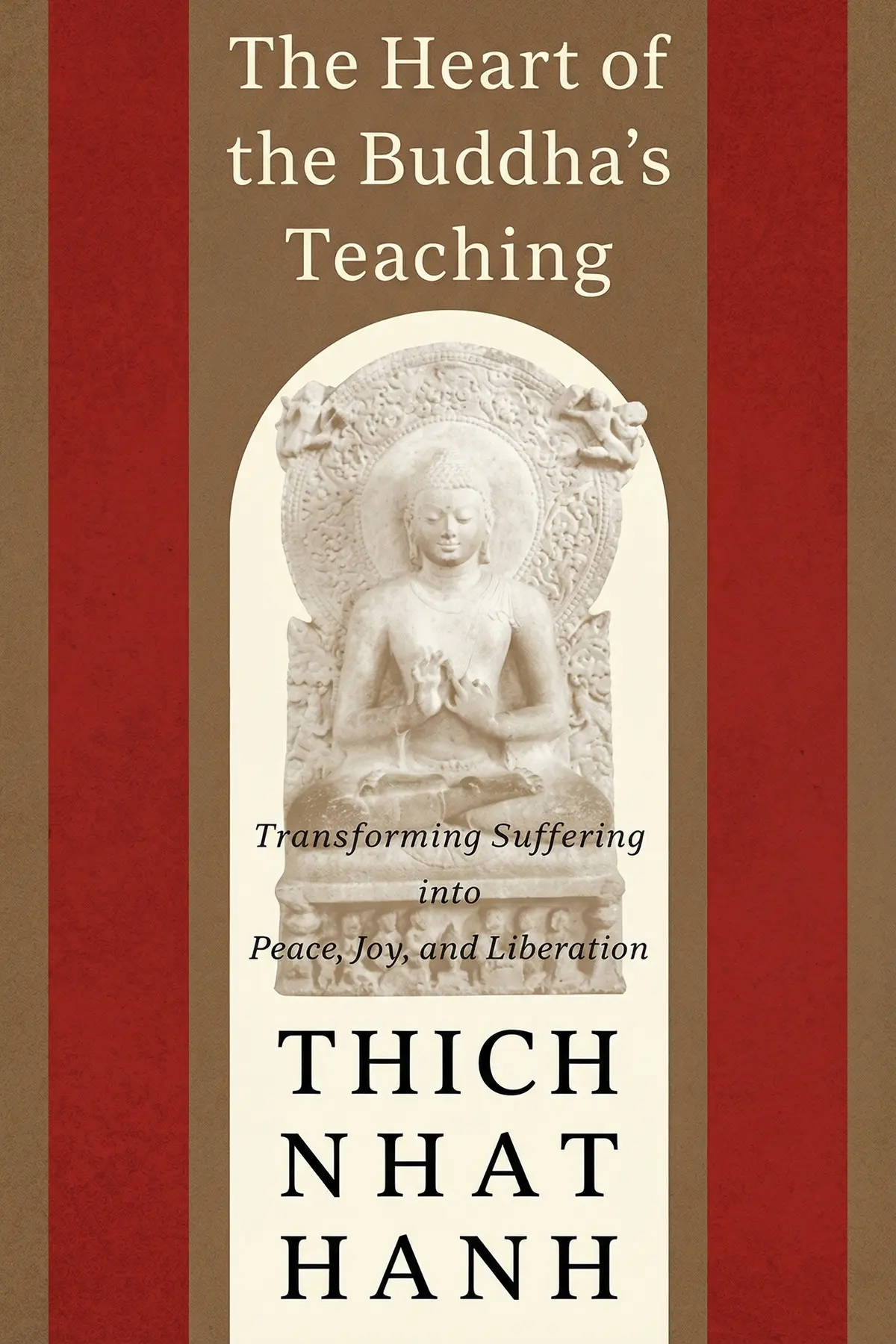
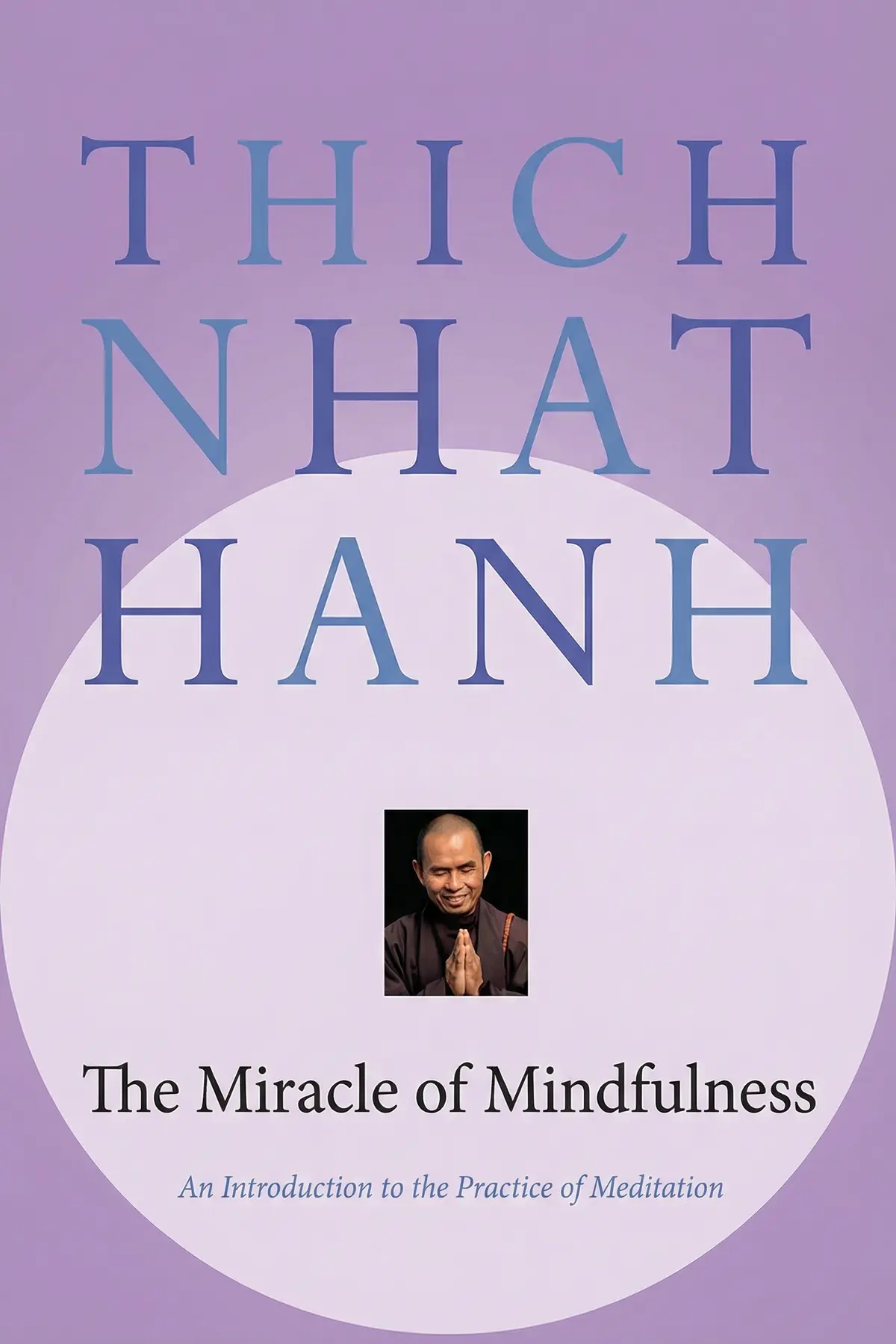
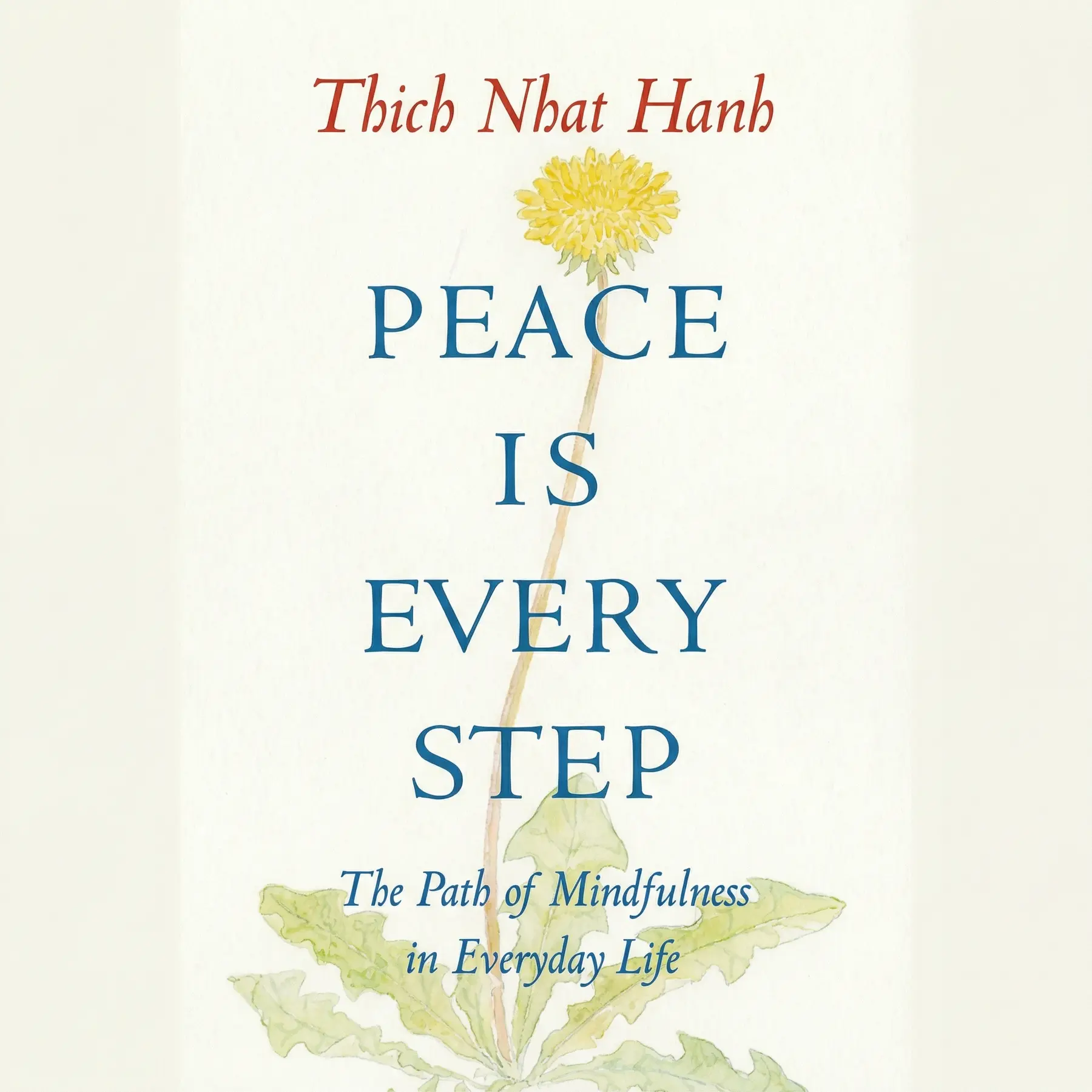
Listeners view this title as a functional manual for practicing mindfulness during daily routines, with one listener mentioning that it condenses Eastern philosophy into small, digestible pieces of insight. Furthermore, they portray the work as highly motivating for every part of existence and a soothing remedy for the spirit. On top of that, the material is accessible and clear for all, offering straightforward exercises that can be put into action right away. Listeners value the way it is written, with one listener pointing out the compassionate tone that is evident throughout the pages.
There’s a specific kind of quiet that settles over you when you read Thich Nhat Hanh’s prose. It doesn't feel like a lecture from a mountaintop, but more like a warm conversation with a friend who deeply cares about your well-being. I loved the bite-sized chapters because they allowed me to digest one concept—like mindful dishwashing or breathing—before moving on to the next. Life is so noisy right now, and this book acted as a necessary balm for my overstimulated soul. Some might find the language a bit dated or overly sweet, especially when he suggests calling your spouse 'darling' during a fight, but the sincerity is palpable. It’s a practical guide that doesn’t require you to retreat to a cave to find a sliver of peace. This is definitely a book I will keep on my nightstand to revisit whenever the world feels like too much.
Show moreThich Nhat Hanh has this incredible way of making the most complex psychological shifts feel as natural as taking a step. He is often described as a cross between a cloud and heavy machinery, and you really feel that 'weighty softness' in every chapter. The book taught me to see the sun in my heart and the clouds in my tea, a paradigm shift that makes the world feel interconnected rather than hostile. It’s a deceptively simple read that lingers in your mind long after you’ve put it down. I’ve started practicing his mindful walking technique, and it has genuinely changed how I perceive my morning commute. We are so used to rushing toward the future that we forget peace is available right now. This book is a masterpiece of accessibility and deep spiritual insight.
Show moreEver wonder if you're actually breathing, or if you're just survival-panting through your life? This book is a gentle reminder to do the former. It’s not a heavy theological tome, which I appreciated, as it focuses on 'applied' Buddhism for people with jobs, kids, and car alarms. The truth is, most of us don't have time for hours of silent sitting, so learning to find the 'bell of mindfulness' in a ringing telephone is genius. I did find his views on technology and 'TV rotting the brain' a bit old-fashioned and reductive. However, the caring nature that shines through the text is infectious. It’s hard to stay angry at the world when you’re busy realizing that you and the trees are made of the same stardust. Every page feels like an invitation to be kinder to yourself.
Show moreThis little book found me at exactly the right time when my anxiety was reaching a fever pitch. I had been trying to 'fight' my fear, but Hanh suggests we should treat our negative emotions like a crying baby—with tenderness and care. That shift in perspective was a total game-changer for me. It’s a calming balm for anyone struggling with the endless violent rage of the modern world. The sections are short, making it easy to understand even when you’re too stressed to concentrate on a long novel. I’ve gifted this to three people already because the wisdom is so universal. It’s more than just self-help; it’s a manual for becoming a more compassionate human being in a very fractured time. Truly inspirational for all aspects of life.
Show moreAfter hearing so much about Plum Village and Hanh’s peace work, I finally dove into this classic. The concept of 'interbeing' is the real standout here—the idea that we 'inter-are' with everything else in the universe. It’s a radical way of looking at the environment and our fellow humans that makes selfishness feel scientifically impossible. I love how he distills profound Eastern teachings into morsels of wisdom that anyone can apply while stuck in a traffic jam. There are some political points I disagreed with, especially his regressive take on environmental 'de-growth,' but they didn't ruin the experience. It’s an inspirational guide that reminds us that happiness isn't a destination we reach later; it's the quality of the journey we are taking right now. Every step is an opportunity for peace.
Show morePicked this up during a particularly chaotic week at work, and it definitely helped lower my blood pressure. Hanh turns mundane activities like driving or answering the phone into opportunities for spiritual practice, which is much more useful than a 20-minute meditation I’ll never find time for. I particularly enjoyed the section on 'Transformation and Healing,' though I do have reservations about his advice on forgiving abusers. In my experience, some boundaries need to be ironclad rather than gentle, and his philosophy can feel a bit like enabling if taken too literally. However, as a manual for everyday awareness, it’s undeniably effective. It’s the kind of book you keep close to read a single page of every morning. The wisdom is distilled into morsels that are very easy to swallow, even for a beginner.
Show moreThe writing here is deceptively simple, almost like a children's book for adults who have forgotten how to be happy. Hanh focuses on the 'raw potatoes' of our emotions, explaining that we must 'cook' our anger with mindfulness until it becomes something we can digest. It’s a beautiful metaphor, though the execution can feel a bit repetitive if you read more than a few chapters at a time. I actually preferred listening to the audiobook version because the rhythm of his words is so naturally calming. My only real gripe is that he occasionally veers into commenting on social issues like sex work with a lack of nuance that feels dated. Still, for someone looking to start a mindfulness practice without the academic jargon, this is a solid choice. It truly distills Eastern teachings into something we can use.
Show moreTo be fair, I can see why people love this, but it sometimes feels more like a collection of Hallmark sentiments than a deep spiritual guide. I was expecting more 'heavy machinery' and less 'snail,' to use the famous quote about the author. The passages are so similar to his other books like 'Reconciliation' that it feels like he’s just remixing the same five or six stories. If you’ve never read anything on mindfulness, this is a perfect 5-star introduction. But if you’re already familiar with the basics, you might find the constant talk of hugging trees a bit precious. It’s definitely 'self-help lite' in some places. I didn't hate it, and I found the focus on the present moment helpful, but I didn't feel the life-changing spark others find in his meandering prose.
Show moreWhile I appreciate the intent behind these teachings, I found myself cringing at some of the imagined dialogues. The way he suggests couples speak to each other—addressing your spouse as 'darling' in the heat of an argument—feels completely out of touch with modern reality. It is very obvious this was written by someone who has been a monk since age sixteen and has never navigated a messy, secular marriage. That said, the core message of 'interbeing' is actually quite profound once you strip away the flowery language. The chapters are short and easy to read, making it a decent introductory text for mindfulness. I just wish there was more nuance when discussing deep trauma or systemic issues rather than just telling everyone to breathe through it. It’s helpful, but certainly not the only book you’ll need on your spiritual journey.
Show moreI’m going to be the outlier here and say that this philosophy can be incredibly dangerous for victims of real abuse. Hanh suggests we should have as much compassion for the 'pit viper' as the person it bites, arguing that the abuser is simply suffering more. Look, I can understand that people are products of their environment, but telling a victim to 'love' their way out of a toxic situation is gaslighting, plain and simple. The writing is wooden and repetitive, often feeling like a collection of retreat transcripts rather than a cohesive book. While the 'interbeing' concept is a nice ecological metaphor, it’s not exclusive to him. If you have a healthy life, you might find this 'sweet,' but if you’ve dealt with real predators, this feels like fluffy enabling bullshit that ignores the safety of victims.
Show more
Deepak Chopra
Alcoholics Anonymous World Services
Eckhart Tolle
Pico Iyer
Daniel Goleman
Marianne Williamson
AUDIO SUMMARY AVAILABLE
Get the key ideas from Peace Is Every Step by Thich Nhat Hanh, plus 5,000+ more titles in English and Thai.