
How to Love
Thich Nhat Hanh
Discover how to transform life's inevitable hardships into the fuel for genuine peace. This guide provides mindfulness practices to face discomfort directly, stop mental cycles of suffering, and find joy in the present.
1 min 35 sec
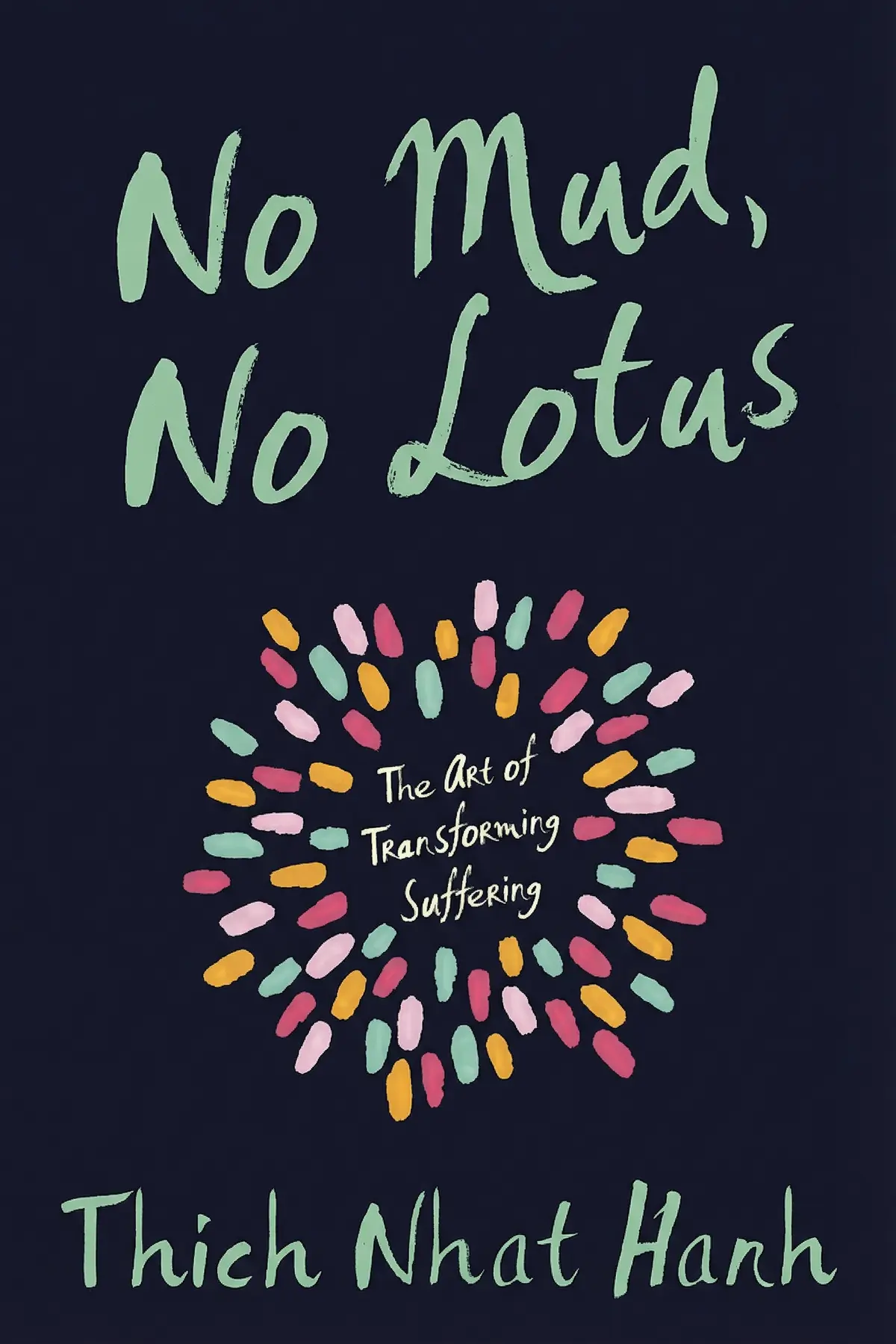
Imagine for a moment a beautiful lotus flower, its petals pristine and white, floating gracefully on the surface of a pond. It looks perfect, almost detached from the world around it. But if you look beneath the water, you’ll see that the lotus isn’t growing in sterile, purified water. It is rooted deep in the thick, dark, and often smelly mud. Without that mud, there is no lotus. This simple but profound image is the heart of what we’re exploring today.
We often spend our lives trying to filter out the ‘mud’—the pain, the grief, the frustration, and the setbacks. We think that if we could just get rid of the difficult parts of life, we would finally be happy. But the wisdom we are about to delve into suggests the exact opposite. Happiness and suffering are not separate entities; they are organic, and they rely on each other. If you don’t know how to handle your suffering, you can’t truly grow your happiness.
In the pages ahead, we’re going to look at the practical art of transforming these difficulties. We’ll see how mindfulness isn’t just about sitting quietly on a cushion, but about developing a new kind of relationship with your own discomfort. We’ll explore how to stop running away from ourselves and instead learn to hold our pain with the same tenderness a mother holds a crying child. By the end of this journey, the goal is to see that while pain might be an inevitable part of being human, the extra layer of suffering we often carry is something we can learn to release. Let’s start by looking at why we run away in the first place, and what happens when we finally decide to stay.
2 min 15 sec
Discover why our modern attempts to numb our pain through distraction actually make our suffering worse and how we can start listening to our bodies again.
2 min 11 sec
Learn a simple breathing technique that acts as a stabilizer during emotional turbulence, helping you remain grounded when life feels chaotic.
2 min 06 sec
Understand the difference between unavoidable pain and the self-inflicted suffering we create through the stories we tell ourselves.
2 min 09 sec
Explore how our constant need to measure ourselves against others creates a sense of separation and how to find peace by letting go of labels.
2 min 01 sec
Learn how the simple act of walking can become a profound meditation, bringing your mind and body back together in the present moment.
2 min 09 sec
Discover how the daily practice of mindfulness allows us to compost our suffering, turning it into the nourishment required for lasting joy.
1 min 31 sec
As we reach the end of this exploration, let’s circle back to the central throughline: the art of transformation. We’ve seen that the very things we often try to escape—our pain, our anxiety, and our discomfort—are actually the raw materials for our liberation. By stopping the flight into distraction and returning to the grounding sensation of the breath, we break the cycle of avoidance. By recognizing the ‘second arrow’ of our mental narratives, we stop ourselves from magnifying life’s inevitable pains into long-term suffering. And by dissolving the illusion of the separate self and the trap of comparison, we find a much deeper, more stable connection to the world around us.
The practice of mindfulness isn’t a destination you reach; it’s a way of traveling. Whether you are using a ‘bell of mindfulness’ to pause during a busy day or practicing ‘homecoming’ during your morning walk, you are building a life of presence. Remember that you don’t need to be perfect at this. You don’t need to be free of all ‘mud’ to start growing your ‘lotus.’ In fact, the mud is exactly where you start.
As you move back into your day, try to carry one simple idea with you: you have the capacity to hold your own experience with kindness. When difficulty arises, don’t run. Instead, take a breath, find your center in your body, and offer yourself the same compassion you would offer a child in distress. By doing so, you are not just surviving your life; you are transforming it. You are learning the art of being truly, deeply present, and in that presence, you will find that the peace you’ve been searching for has been right here all along.
We often view suffering as an enemy to be avoided, yet this avoidance only deepens our distress. In this exploration of the teachings of Zen master Thich Nhat Hanh, we learn that suffering and happiness are not opposites, but are fundamentally interconnected. Just as a beautiful lotus flower cannot grow without the rich, dark mud beneath the water, our own happiness requires the presence of suffering to bloom. This is the central promise of the work: that by changing our relationship with pain, we can stop being its victim and start using it as a catalyst for growth. Through practical mindfulness techniques, the book demonstrates how to navigate emotional storms using the breath, how to stop the self-inflicted wounds of mental catastrophizing, and how to dissolve the barriers created by social comparison. It provides a toolkit for returning to the body and reclaiming the present moment. Ultimately, it offers a path toward a more easeful way of being, where we no longer run from ourselves but instead embrace the full spectrum of the human experience with compassion and clarity.
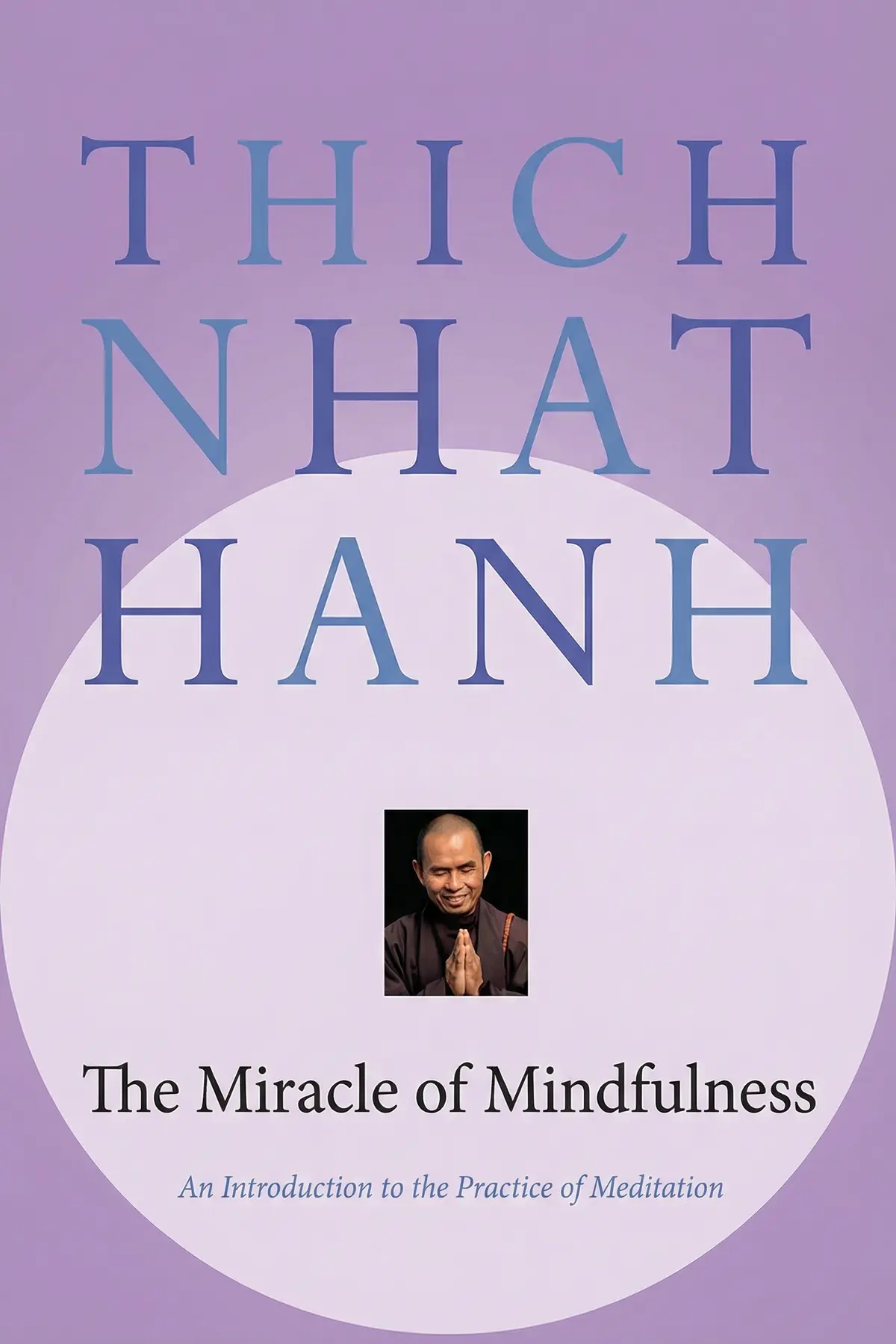
Thich Nhat Hanh, who lived from 1926 to 2022, was a world-renowned Zen Buddhist master and dedicated peace activist. He gained international acclaim for his profound yet accessible teachings on the practice of mindfulness. His humanitarian efforts during the Vietnam War earned him a nomination for the Nobel Peace Prize by Martin Luther King Jr. A prolific writer, Nhat Hanh authored many influential works that have shaped modern spiritual thought, including Peace Is Every Step and The Miracle of Mindfulness.
Thich Nhat Hanh
Thich Nhat Hanh
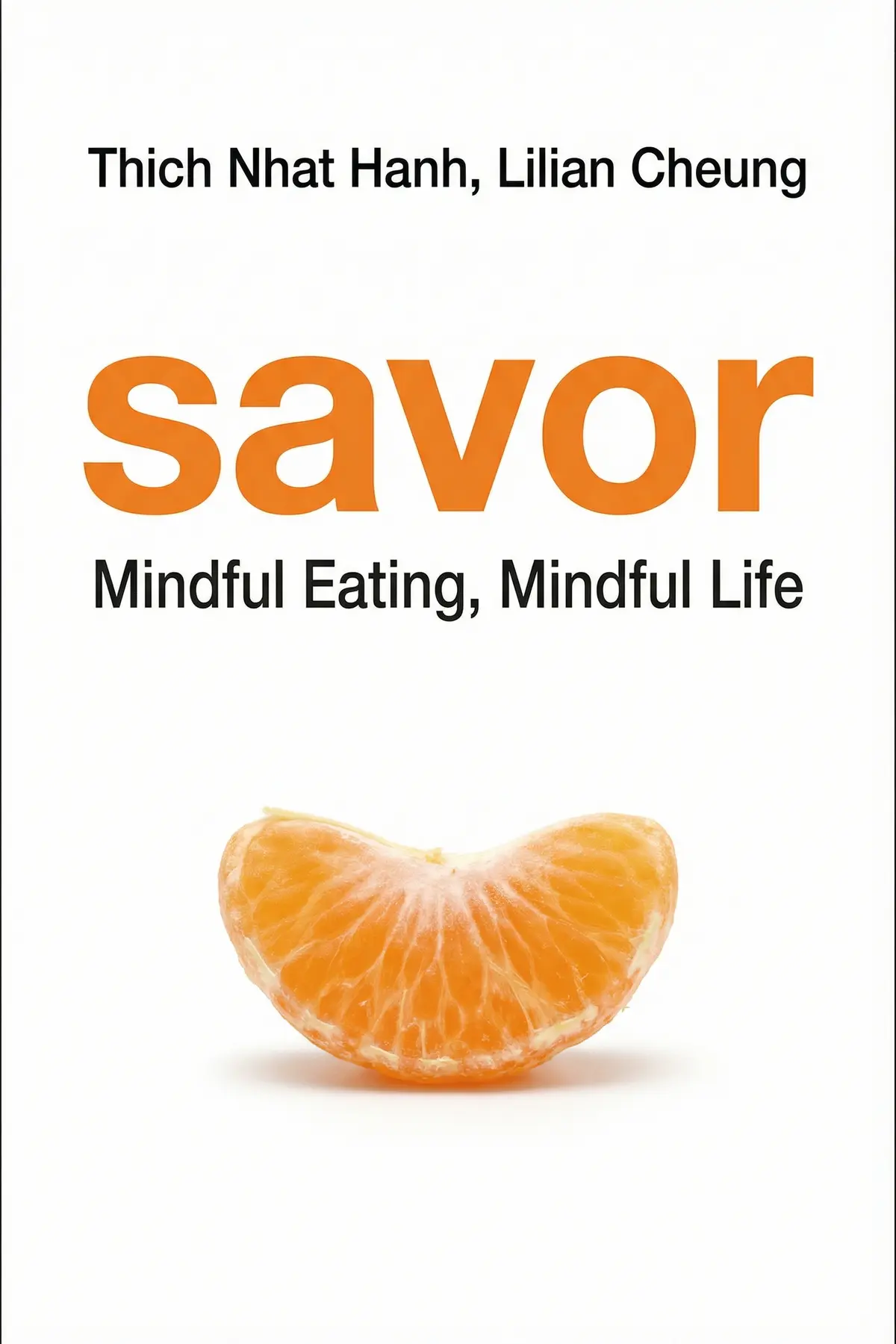
Thich Nhat Hanh
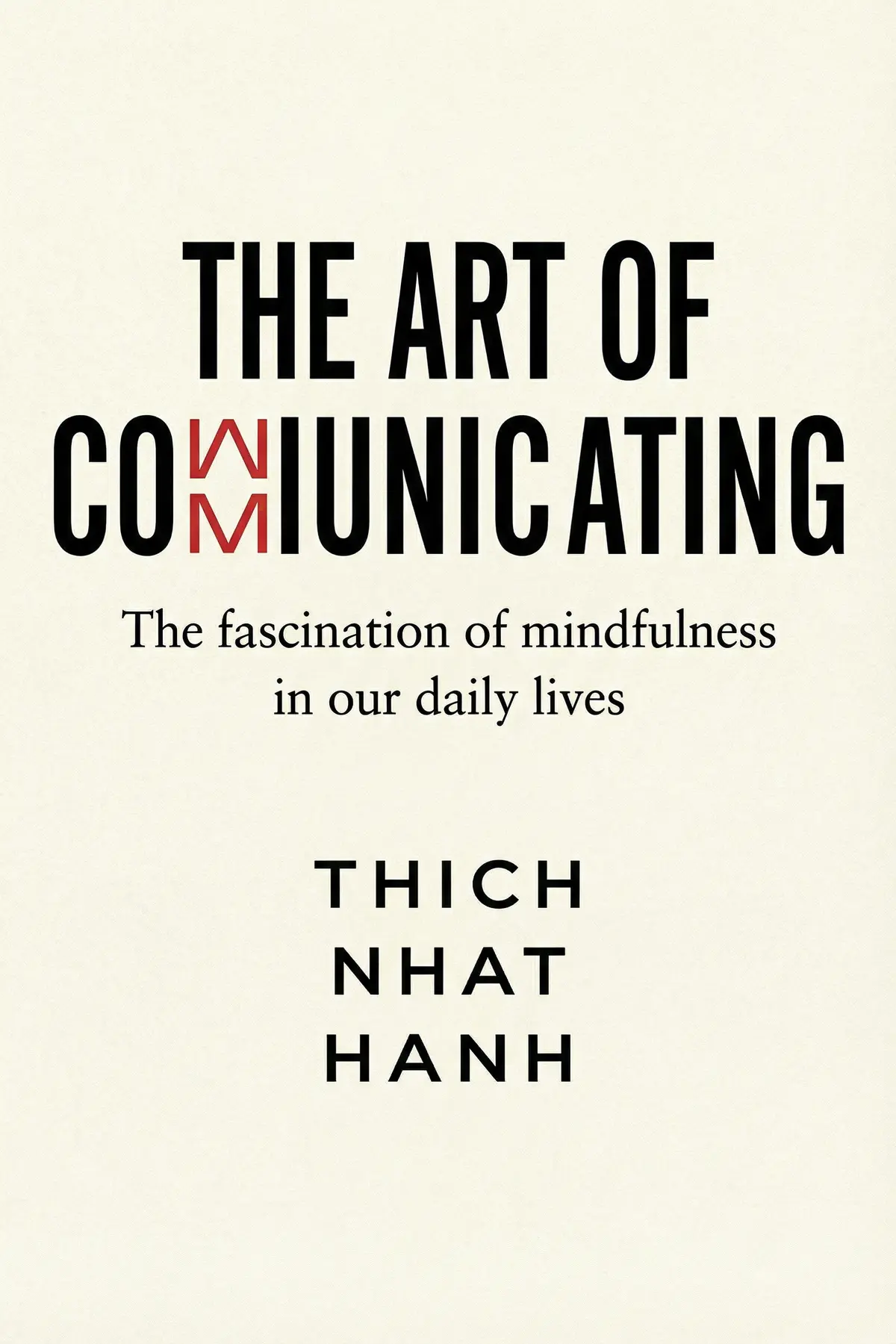
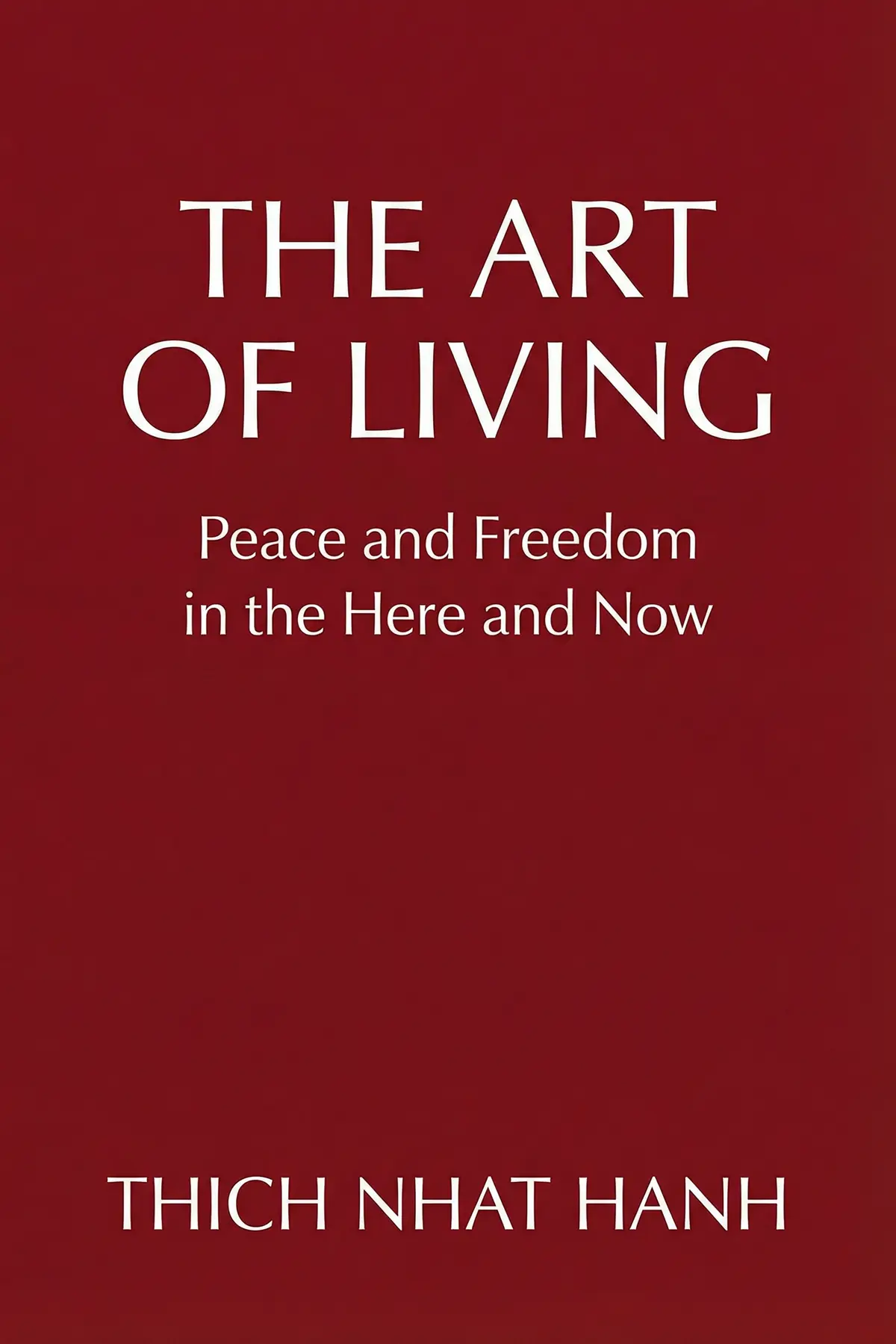
Thich Nhat Hanh
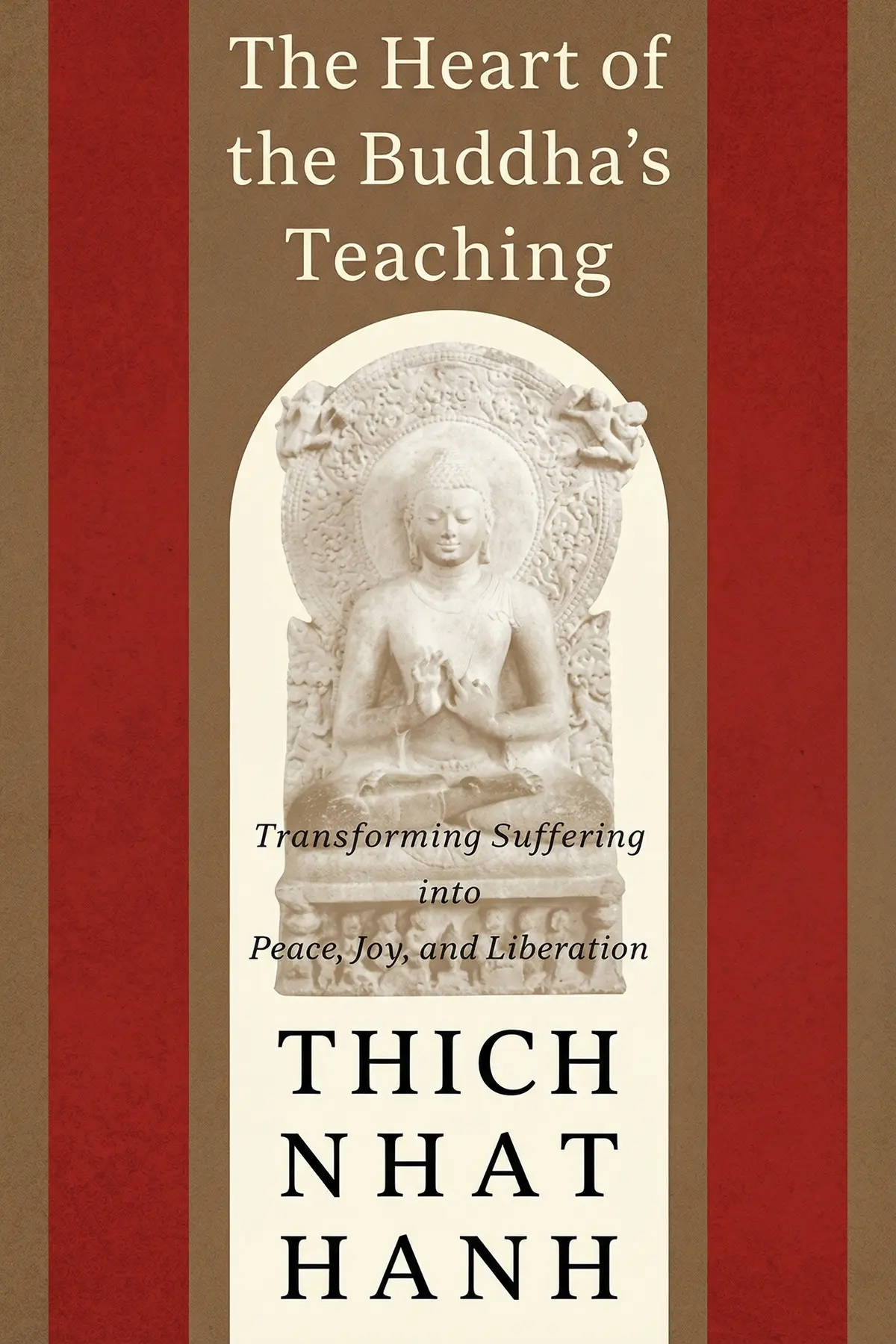
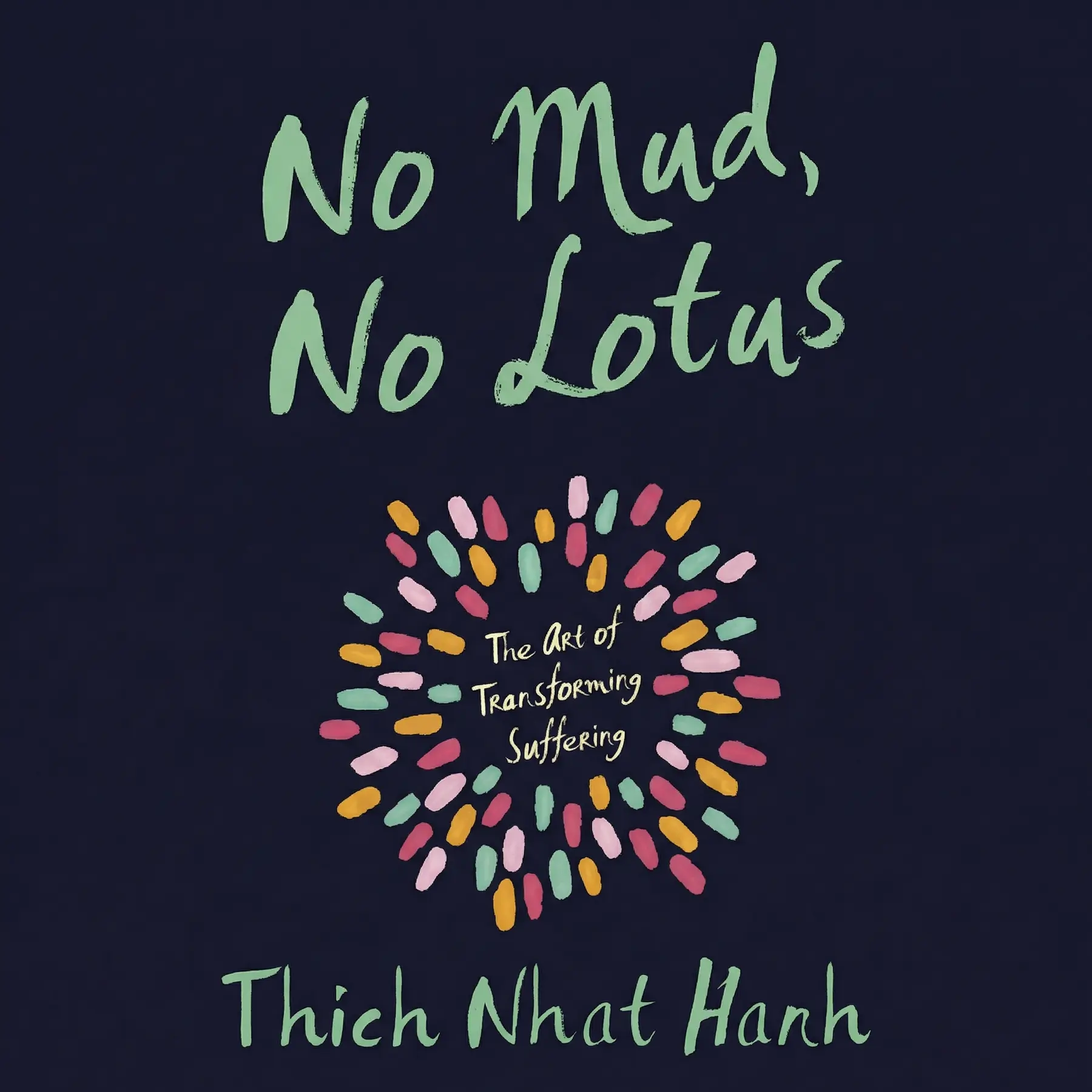
Listeners find this work to be an incredible resource that offers spiritual wisdom and techniques, allowing them to tap into mindfulness in a deep way. They value the potent methods for staying present, such as the breathing routines, which prove useful for their everyday routines. Listeners characterize the writing as surprisingly straightforward and accessible, providing a sense of calm and acting as a superb manual for cultivating a more tranquil existence.
Thich Nhat Hanh has a way of distilling complex Buddhist philosophy into something that feels as natural as breathing. This book isn't just about escaping pain, but rather about learning how to use it as compost for your happiness. The imagery of the lotus needing mud to bloom is simple yet incredibly profound for anyone dealing with personal hardships. In my experience, the breathing exercises are the most practical part, helping to ground me when my thoughts start to spiral into the future. It’s deceptively easy to read, but the actual practice of staying in the 'here and now' requires real effort. Every page feels like a warm invitation to return home to yourself. I found the section on muscle group relaxation especially helpful for my nightly routine.
Show morePicked this up during a particularly rough patch, and it served as a much-needed anchor for my mental health. The way Nhat Hanh describes the 'habit of running' really hit home for me because I'm always looking for the next thing to make me happy. This book taught me that peace is available right now, provided I’m willing to stop and breathe. The section on transforming hate into compassion was especially powerful and challenged my perspectives on difficult relationships. Frankly, it’s one of those books you keep on your nightstand to reread whenever life feels overwhelming. It’s a beautiful, essential guide for the modern human condition. I feel much more centered after finishing it.
Show moreIt’s rare to find a spiritual guide that feels like a practical user manual for the soul. This book doesn't ask you to ignore your problems; it asks you to sit with them and understand their nature. I loved the focus on the 'here and now,' which reminded me that I don't need to wait for perfect conditions to be happy. The instructions for muscle relaxation and mindful breathing are incredibly effective for managing daily stress. Looking deeply into our suffering is a terrifying prospect, but Nhat Hanh makes it feel like a path toward liberation. It is a masterpiece of compassionate writing that feels both ancient and incredibly modern at the same time.
Show moreWow, this was a gentle slap in the face that I didn't know I needed. We spend so much time running toward a future happiness that we completely miss the miracle of the present moment. This book is a beautiful reminder that our suffering is not an obstacle to joy, but the very soil it grows from. The writing style is so calm and inviting that you can feel your heart rate slowing down just by reading the words. I’ve started incorporating the mindful walking practice into my morning commute, and it has changed my entire perspective on the day. Absolutely essential reading for everyone trying to find their way in a chaotic world.
Show moreMany books talk about mindfulness, but few actually show you how to 'be' there with the same clarity as this one. Thich Nhat Hanh captures the essence of what it means to be alive, emphasizing that our presence is the greatest gift we can offer others. The connection between individual suffering and collective happiness was a major eye-opener for me. It’s written with such simplicity that a child could understand it, yet the wisdom is deep enough to last a lifetime. I’ve recommended this to several people already because the world needs more of this kind of peace. It’s a short, transformative read that provides a powerful approach to mindful awareness.
Show moreCan we really find joy in the middle of pain? That is the question this book tackles with such grace and clarity that it’s hard not to be moved. I appreciated how the author avoids religious jargon, making the insights accessible to anyone regardless of their spiritual background. While some of the mantras felt a bit repetitive, I suppose that’s the point of a practice—you have to repeat it to make it stick. To be fair, acknowledging suffering is a lot harder than reading about it, but the instruction provided here makes the process feel manageable. It’s a slim volume that carries a lot of weight for its size. This is definitely a book to keep and refer back to often.
Show moreAs someone who has struggled with chronic anxiety, I found the 'user manual' aspect of this book to be its greatest strength. The author provides clear, actionable steps to stop the cycle of slogging through life without intention. I particularly enjoyed the segments on how our perceptions are often erroneous and cause unnecessary suffering. It’s a short book, but you can’t rush through it if you want the lessons to actually sink in. Look, the practice is difficult and requires a lot of focused attention, but the rewards of peace and solidity are worth the work. It’s a very grounding experience overall, even if some parts felt a little too idealistic for my cynical mind.
Show moreLooking for a way to stop 'slogging' through my daily routine, I found this book to be a refreshing change of pace. It’s not your typical self-help book filled with empty platitudes; instead, it offers a deep look into the nature of human emotion. The idea that we are gardeners of our own minds is a lovely way to think about mental health. Some of the mantras felt a bit dated, but the core message about presence and compassion remains timeless. Personally, I found the chapter on 'coming home to yourself' to be the most impactful part of the whole text. It is a solid 4-star guide that I'll likely gift to friends.
Show moreThe concept of 'inter-being' sounds lofty, but the author does a decent job of grounding it in everyday reality. However, I found the tone a bit too simplistic at times, almost to the point of being repetitive. If you’ve read his other works, you might find that many of these ideas are recycled from previous titles. Not gonna lie, I was hoping for more advanced meditation techniques rather than just basic breathing and walking instructions. It’s still a solid entry point for beginners, but long-time practitioners might find it a bit elementary. It serves its purpose as a gentle reminder, even if it lacks the intellectual depth I was looking for today.
Show moreTruth is, I found the repetition a bit much at times, as the same three or four points are hammered home in every chapter. While the 'no mud, no lotus' metaphor is striking, the book could have been half its length and still conveyed the same message. That said, the emphasis on not running away from our pain is a necessary message in our distraction-first culture. I struggled with some of the more esoteric concepts about the 'self,' but the breathing techniques were easy to implement. It’s a decent read for a flight or a quiet afternoon, though not his best work. It just felt a bit thin on new content compared to his earlier classics.
Show more
Daniel Goleman
Marianne Williamson
Deepak Chopra
Alcoholics Anonymous World Services
Eckhart Tolle
Pico Iyer
AUDIO SUMMARY AVAILABLE
Get the key ideas from No Mud, No Lotus by Thich Nhat Hanh, plus 5,000+ more titles in English and Thai.







