How to Love
Thich Nhat Hanh
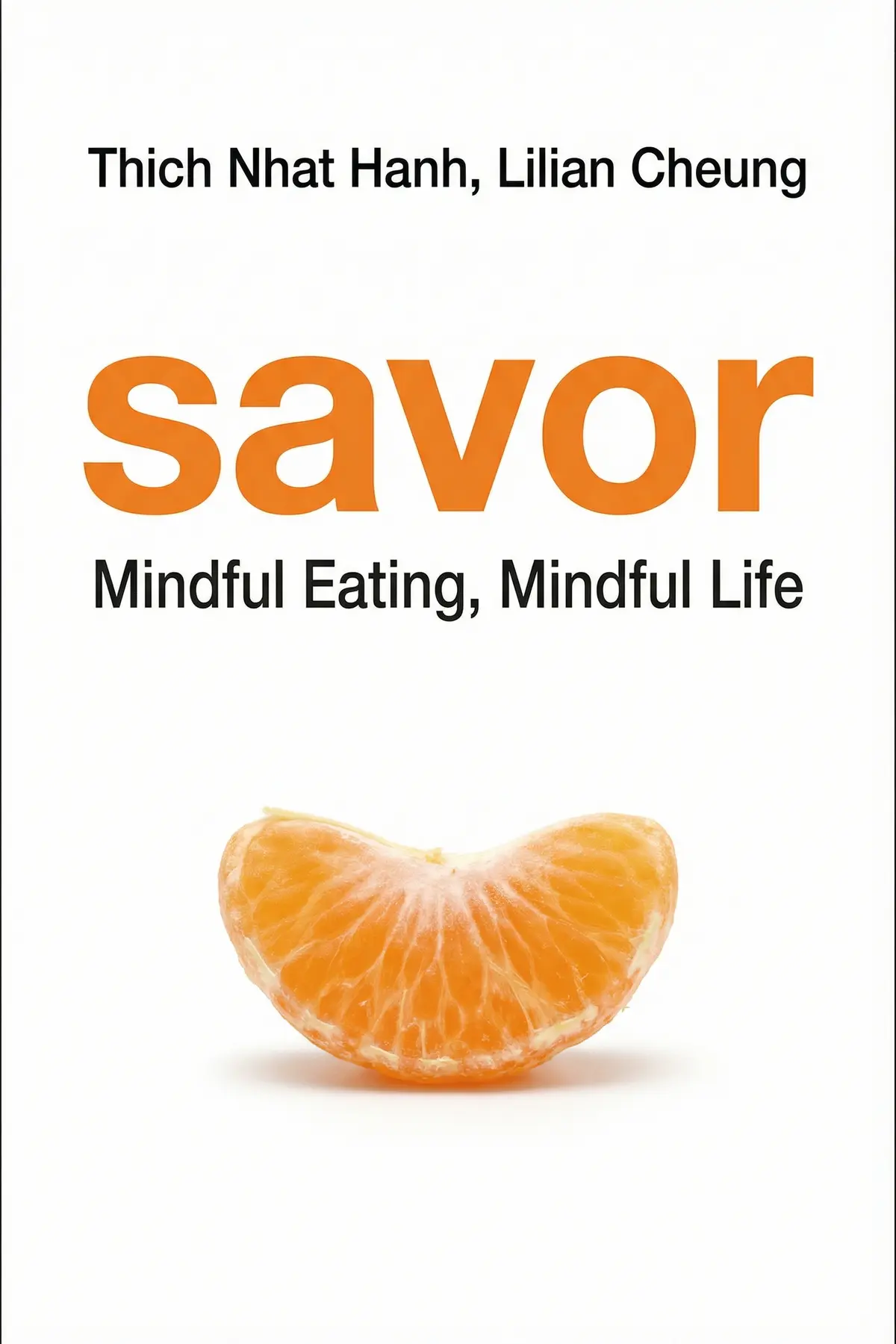
A guide to achieving a healthy weight and inner peace by combining ancient Zen mindfulness practices with modern nutritional research to end mindless eating and sedentary habits.
1 min 36 sec
Every year, billions of dollars are poured into the global weight-loss industry. We are surrounded by an endless parade of new diets, revolutionary pills, and high-tech fitness gadgets. Yet, despite this massive investment of time and money, the rates of obesity continue to climb to unprecedented levels. This paradox suggests that the conventional way we approach weight and health is fundamentally broken. Most commercial solutions treat weight as a simple matter of calories or willpower, but they rarely touch the deeper roots of why we struggle in the first place.
In the book Savor, we find a different path—one that bridges the ancient wisdom of Zen Buddhism with the rigorous standards of modern nutritional science. This collaboration between spiritual leader Thich Nhat Hanh and Harvard researcher Lilian Cheung proposes that to truly change our bodies, we must first change our relationship with the present moment. The throughline of this journey is mindfulness: the practice of being fully awake to our thoughts, our environment, and the very act of eating.
We often move through our days on autopilot, reacting to stress, advertising, and societal pressure without even realizing it. This book invites us to slow down. It argues that our weight problems are not just personal failings, but are deeply linked to physical, psychological, and even spiritual suffering. By acknowledging these layers, we can move beyond the frustration of fad diets and enter a state of holistic health. Over the next several segments, we will explore how to dismantle unhealthy habits, understand our connection to the planet, and implement a sustainable strategy for a mindful life. This isn’t just about what is on your plate; it’s about how you inhabit your world.
1 min 57 sec
Explore how the modern world is designed to keep us distracted and sedentary, creating a environment where overconsumption becomes the default response to hidden stress.
2 min 14 sec
Drawing from Buddhist wisdom, learn a structured approach to identifying the roots of your suffering and building a foundation for lasting change through presence.
2 min 12 sec
Discover the difference between living mindfully and the common state of ‘mindlessness’ that often leads to unhealthy habits and a lack of true satisfaction.
2 min 05 sec
Shift your perspective from seeing yourself as an isolated individual to realizing how every bite of food connects you to the entire planet and its resources.
2 min 15 sec
Go beyond nutrition to understand the ‘four nutriments’—how our senses, our deepest desires, and our consciousness all play a role in our overall health.
2 min 10 sec
Cut through the noise of fad diets by focusing on the quality of macronutrients—carbs, fats, and proteins—as guided by modern nutritional research.
1 min 54 sec
Understand physical exercise not as a punishment, but as a vital ‘magic potion’ that boosts mood, extends life, and balances the body’s energy.
2 min 08 sec
Put mindfulness into action with practical ‘InEating’ and ‘InMoving’ plans, along with seven specific practices for a more present relationship with food.
1 min 55 sec
As we conclude this exploration of mindful living, it is important to remember that the journey toward a healthy weight and a peaceful mind is not a sprint, but a lifelong practice. We have seen how the traditional weight-loss industry often fails because it ignores the deeper societal and psychological roots of our behavior. By contrast, the approach offered in Savor provides a holistic roadmap that combines the best of ancient wisdom and modern science.
At its core, this path is about coming home to the present moment. It’s about realizing that we aren’t isolated individuals, but part of a vast, interconnected world where our choices matter—not just for our own waistlines, but for the health of the entire planet. We’ve learned that we nourish ourselves not only with the food on our plates but also with the thoughts we think, the media we consume, and the intentions we carry in our hearts.
The actionable shift begins today. It starts with the next thing you put in your mouth. You don’t need a complicated diet plan or a miracle pill. You simply need your own awareness. Try to eat your next meal without distractions. Put away the phone, turn off the television, and really see the food in front of you. Savor the flavors, appreciate the effort it took to bring that meal to your table, and listen to your body’s signals.
If you find yourself slipping back into old habits, don’t meet yourself with anger or judgment. Instead, use mindfulness to gently notice the slip and bring yourself back to the present. Every breath is a fresh start. By integrating the InEating and InMoving strategies we’ve discussed, and by practicing the seven habits of mindful eating, you can transform your life from the inside out. This is a journey toward wholeness, health, and a deep, lasting satisfaction that no fad diet can ever provide. Through mindfulness, you can truly savor your food, and in doing so, savor your life.
Savor explores the intersection of spiritual mindfulness and nutritional science to address the modern weight crisis. Instead of focusing on restrictive diets that often fail, the book encourages a deeper look at the psychological and societal roots of our eating habits. By adopting the teachings of Thich Nhat Hanh and the scientific insights of Lilian Cheung, readers learn how to reconnect with the present moment. The promise of the book is a sustainable transformation that leads to physical health, emotional balance, and a more compassionate way of living in an interconnected world.
Thich Nhat Hanh was an internationally renowned Buddhist monk from Vietnam. He was also a peace activist and a prolific author, having published some 100 books during his life. Lilian Cheung lectures at the Harvard School of Public Health. She is also the creator of The Nutrition Source, a website for journalists, health professionals and consumers.
Thich Nhat Hanh
Thich Nhat Hanh
Thich Nhat Hanh
Thich Nhat Hanh
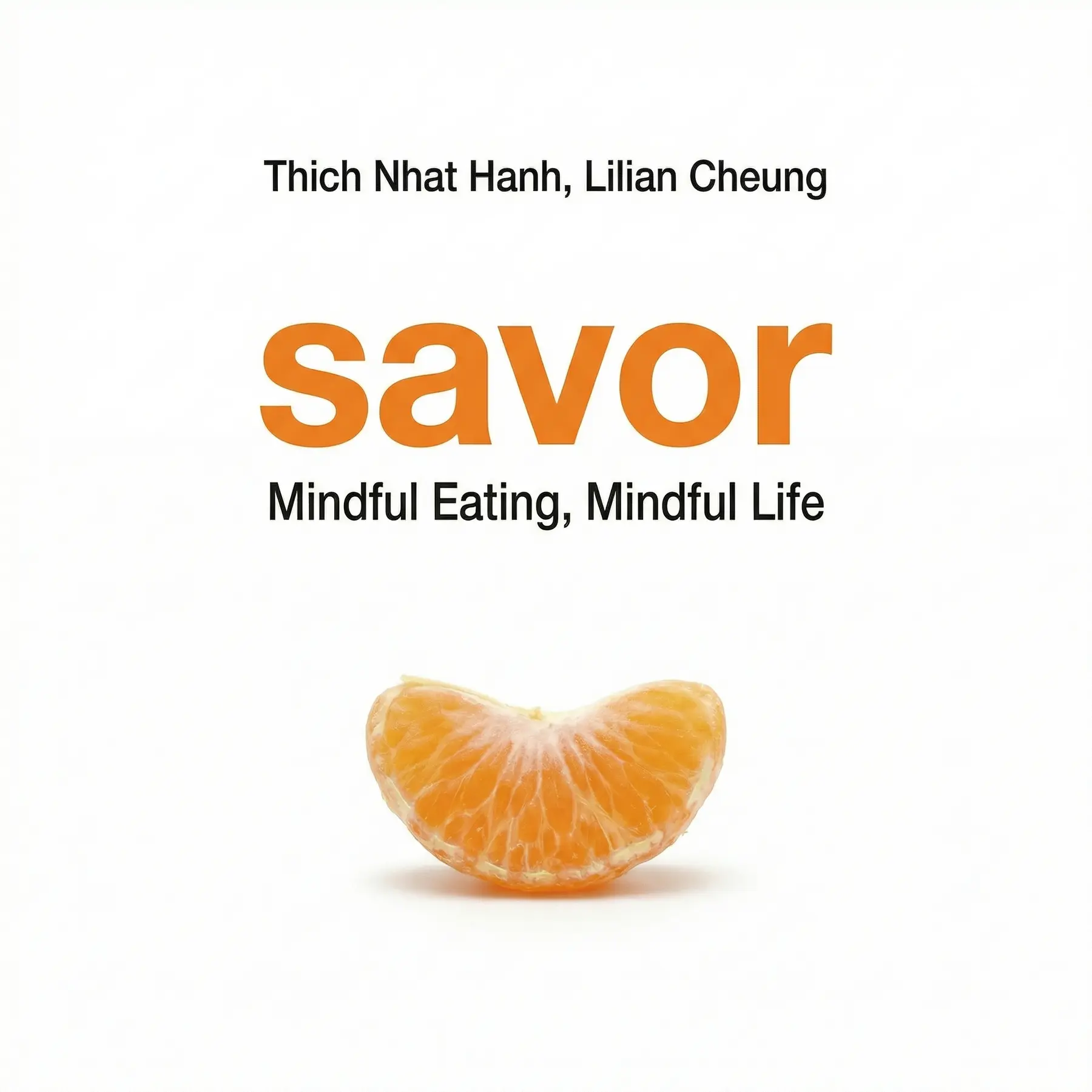
Listeners find this title both stimulating and easy to navigate, appreciating its fresh take on nutrition and its well-researched scientific approach. The text helps listeners foster a healthier relationship with their diet, and one listener highlights that it contains many tips for staying focused on weight loss goals. Listeners consider the content both soothing and helpful, with one mentioning it serves as a practical guide, while another recommends it as a must-read for those battling weight and food issues.
This book completely rewired how I view my dinner plate and my daily movement. I’ve struggled with food issues for decades, but the concept of "mindful eating" presented here feels sustainable in a way that "diets" never did. The authors treat the act of eating as a sacred opportunity for peace, which is a beautiful perspective. I found the intelligence of the nutritional research to be top-notch, providing a solid foundation for the more spiritual elements. It’s a must-read for anyone who feels like they’ve lost control of their habits. The meditations are simple enough to do anywhere, even while holding a remote control or walking to the car. Truly life-changing.
Show moreGotta say, the marriage of Harvard science and Zen mindfulness is absolute genius. I’ve read plenty of nutrition books, but none of them addressed the emotional vacuum that leads to overeating like this one does. The framework of inEating and inMoving makes the daunting task of lifestyle change feel manageable and even pleasant. I particularly enjoyed the section on the global food community, which reminds us that our choices affect more than just our waistlines. This isn't just a weight loss book; it’s a manual for living with more intention and joy. If you’re tired of the "no pain, no gain" mentality, this gentle path is exactly what you need.
Show moreI’ve been searching for a way to stop wishing my life away and actually start living it, even on a mundane Monday. Savor provided the tools I needed to stop living in the future and start experiencing the "now." The collaboration between Hanh and Cheung is seamless, blending deep compassion with practical, data-backed strategies for a healthier life. I loved the simple meditations that help bridge the gap between the mind and the body. It’s an easy read, but the implications of the message are profound if you actually put them into practice. This is a beautiful guide for anyone ready to transform their relationship with food and themselves.
Show moreFinally got around to reading this, and I found the approach to healthier eating quite refreshing. Instead of the usual restrictive dieting talk, Savor focuses on developing a healthy relationship with your body through mindfulness. The writing style is very easy to read and calming, making it a great bedside book for anyone feeling overwhelmed by their health goals. I especially liked the tips on being present during meals; I’ve actually stopped eating at my desk because of it. It’s true that some of the advice is basic, but sometimes we need to hear the basics from a place of compassion rather than a place of shame. This book provides exactly that kind of gentle encouragement.
Show moreEver wonder why you’re constantly wishing your work week away just to get to the weekend? This book helped me realize I was doing the same thing with my food, treating it like an enemy to be conquered rather than a source of life. The collaboration between a nutritionist and a monk is a novel approach that actually works quite well. Lilian Cheung brings the hard facts, while Hanh provides the emotional framework to actually sustain those habits. It’s a practical guide that doesn’t just tell you to lose weight, but asks you to consider the interconnectedness of your actions. It’s a bit simplistic in parts, but the overall message of being "here now" is one I really needed to hear.
Show moreAs someone who has struggled with weight for years, I found this perspective surprisingly intelligent and grounded. It isn't just a book about calories; it's a book about why we eat the way we do and how to find peace in the present moment. The authors do a great job explaining how our chemistry is affected by our mental state during meals. I will admit that some of the suggestions felt a little dated, and the tone can occasionally veer into the "preachy" territory mentioned by other reviewers. However, if you can look past the occasional judgment, the core message is incredibly powerful. It helped me develop a much more compassionate view of my own body.
Show moreThe concepts here are undeniably simple, logical, and easy to follow. Thich Nhat Hanh and Lilian Cheung offer a very practical guide to building a more mindful life, focusing on how our relationship with food connects to our breathing. It’s a soothing read, and the nutritional research is clearly intelligent and well-vetted. My main gripe is that it feels a bit repetitive if you already practice mindfulness. I didn't need a whole chapter to explain that drinking sugary drinks leads to weight gain. Still, for those who struggle with "inhaling" their lunch while working, the reminders to be present are helpful. It’s a decent entry point for beginners, though seasoned practitioners might find it a bit too high-level.
Show moreTruth is, I expected more spiritual depth from a collaboration involving Thich Nhat Hanh. The book seems to suffer from an identity crisis, never quite deciding if it wants to be a scientific study or a spiritual guide. While the data-backed food science is educational, the Buddhist principles feel stretched thin across the chapters. I appreciated the focus on compassion for oneself, but the actual instructions for behavior modification felt a bit like a list of commands. "Eat this, don't watch that." It’s not a bad book, and the "inBreathing" exercises are certainly useful during a stressful workday. Just don't go into it expecting a profound philosophical treatise on the nature of existence.
Show moreIs this a Buddhist text or just another diet manual in disguise? While the authors try to bridge the gap between Harvard nutrition and Zen practice, the result feels shallow and ultimately unconvincing. I found the "inEating" and "inMoving" concepts to be little more than catchy marketing labels for common-sense habits. If you are just starting a health journey, maybe you'll find value here. However, for anyone already familiar with the basics of calorie counting and mindfulness, there is nothing groundbreaking to be found. I was looking for deep emotional transformation, but instead, I was told to put down the remote control. The advice is technically valid, yet it lacks the spiritual depth I expected from a figure like Hanh.
Show moreWhat a massive disappointment this turned out to be. I came here for the gentle wisdom of Thich Nhat Hanh, but instead, I got hit with a ton of preachy, basic weight-loss tips that felt like they were pulled from a 90s tabloid. Do we really need a Zen master to tell us that soda is bad for us? The tone felt surprisingly judgmental toward things like alcohol and casual sex, which was jarring compared to the mindfulness books I usually enjoy. It’s a weird, scattered mix that tries to be both a medical journal and a sutra but fails at being either. Frankly, if you’ve ever even glanced at a nutrition blog, you already know everything this book has to offer. Save your money and just breathe.
Show more
Eckhart Tolle
Pico Iyer
Ram Dass

AUDIO SUMMARY AVAILABLE
Get the key ideas from Savor by Thich Nhat Hanh, plus 5,000+ more titles in English and Thai.