
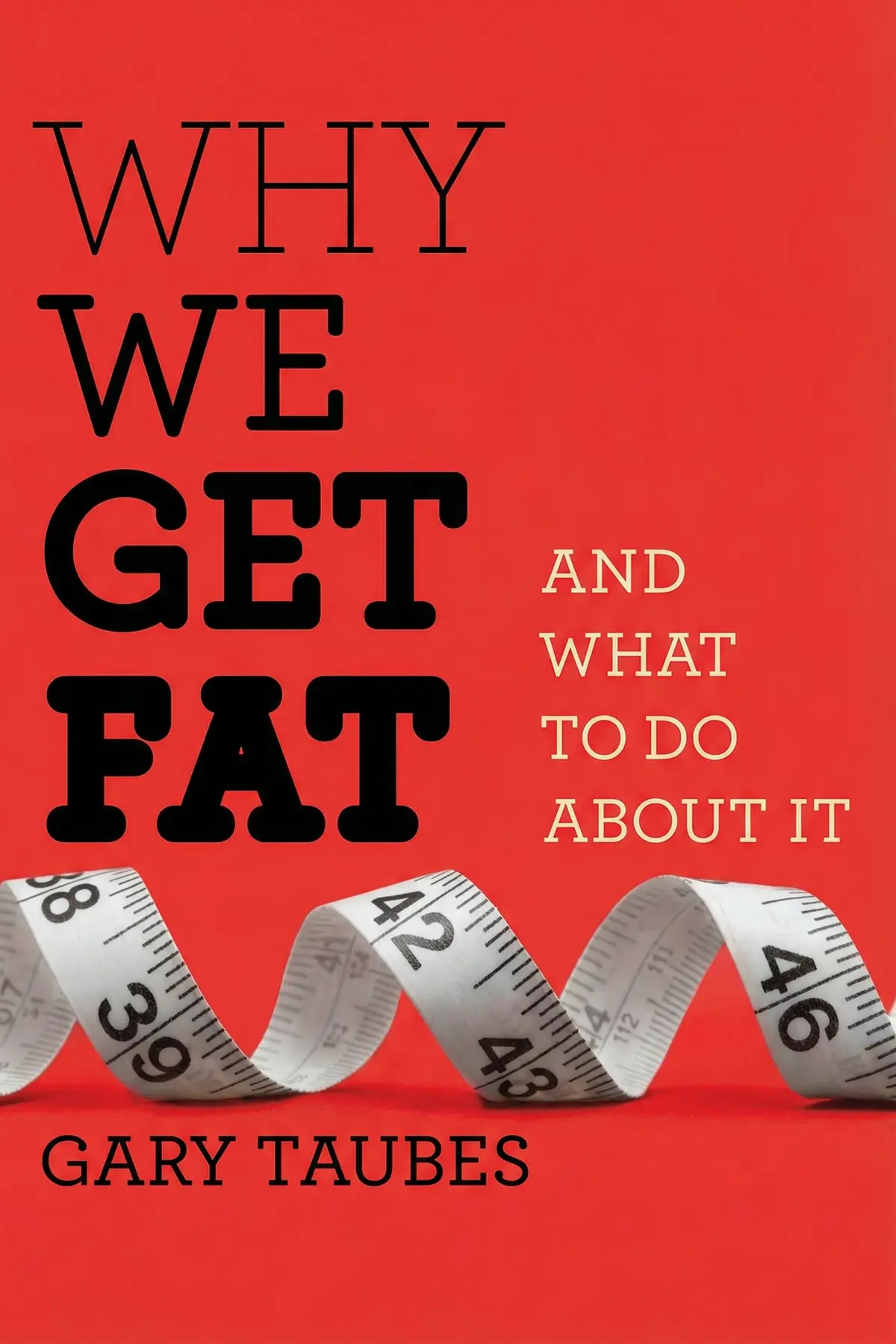
Why We Get Fat: And What to Do About It
Gary Taubes
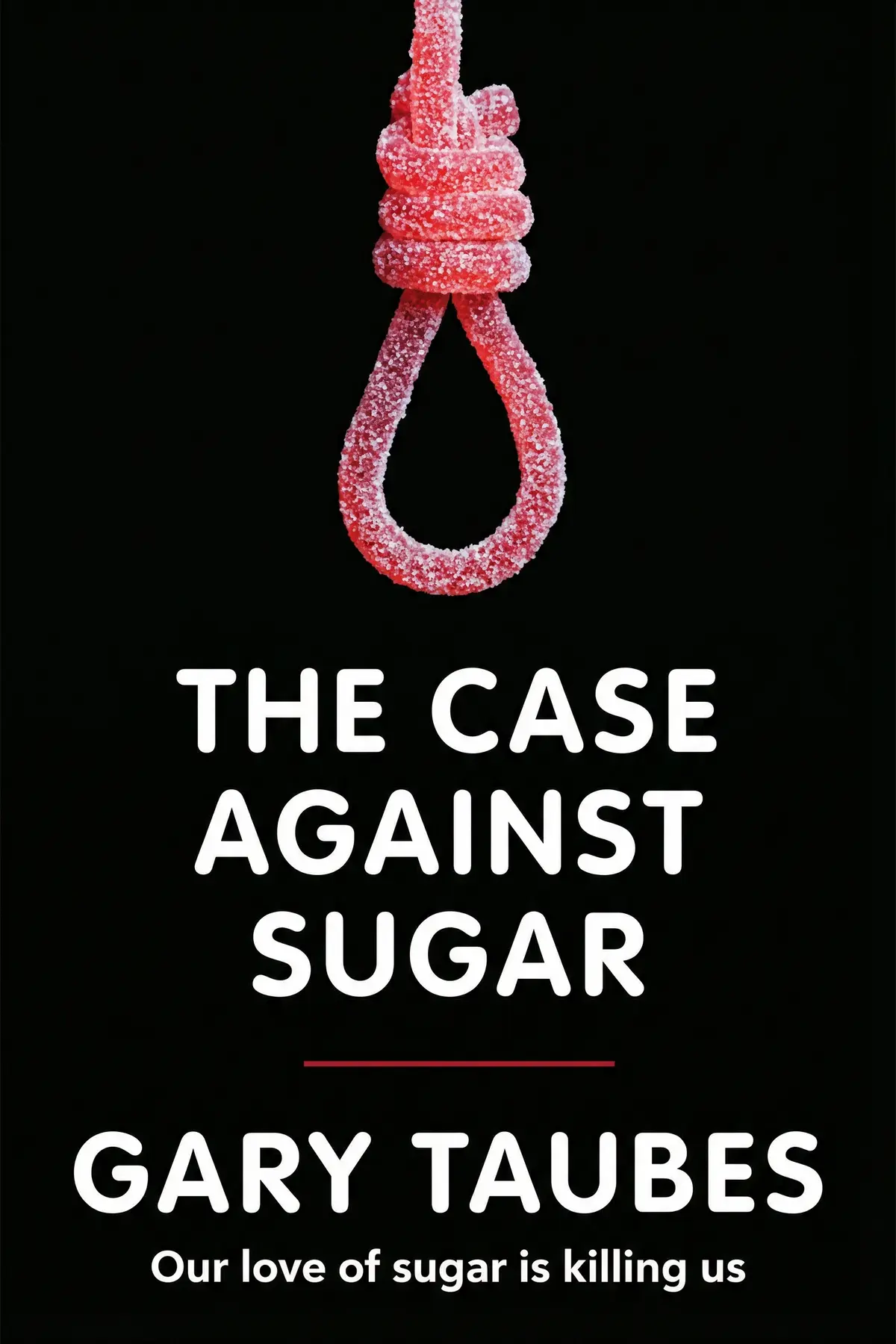
This summary explores the hidden dangers of sugar, tracing its history from a rare luxury to a modern health crisis, while exposing the industry tactics that have long obscured the truth.
2 min 02 sec
Sugar is so deeply woven into the fabric of our lives that we often stop noticing it. It’s the reward we give ourselves at the end of a long day, the centerpiece of every birthday celebration, and the comfort we seek when things go wrong. But as we will discover, this ubiquity is not an accident of history or a simple matter of taste. It is the result of a deliberate, multi-century expansion that has transformed sugar from a rare, royal luxury into a hidden ingredient found in almost every aisle of the grocery store. Whether you’re looking at your morning yogurt, a bottle of salad dressing, or a bag of savory chips, chances are high that sugar is there, working behind the scenes.
In this exploration, we are going to look at the mounting evidence that our collective love affair with sweetness is actually a quiet public health catastrophe. We will move beyond the simple idea that sugar just causes cavities or a bit of extra weight. Instead, we’ll look at how it fundamentally alters our internal chemistry, driving a host of chronic conditions that have become the hallmarks of modern life. We’ll also investigate the powerful interests that have worked tirelessly to keep us from seeing the full picture, using sophisticated marketing and strategic lobbying to deflect blame and keep sugar on our tables.
The throughline of this story is one of biological mismatch. Our bodies evolved in a world where concentrated sweetness was a rare find, yet we now live in an environment where it is inescapable. By understanding how we got here—and what this constant influx of sugar is doing to our metabolic health—we can begin to see the true cost of our modern diet. This isn’t just a book about nutrition; it’s an investigation into one of the most successful and dangerous industries in human history. Let’s begin by tracing the roots of this global addiction and seeing how a simple plant managed to conquer the world.
2 min 28 sec
Discover how a rare island plant became a global commodity, shifting from a treasure for kings to a cheap filler in almost every processed food we eat today.
2 min 09 sec
Uncover why the long-held belief that all calories are equal is fundamentally flawed and how different foods trigger vastly different hormonal responses in your body.
2 min 09 sec
Learn how the sugar industry used aggressive marketing and targeted lobbying to rebrand sugar as a health food while attacking its competitors.
2 min 14 sec
Explore how the sugar industry successfully shifted the blame for heart disease onto dietary fats, leading to decades of misguided nutritional advice.
2 min 07 sec
Go inside the body to see how constant sugar consumption leads to metabolic syndrome, creating a dangerous foundation for diabetes and other chronic illnesses.
2 min 10 sec
Witness the tragic real-world impact of sugar on isolated populations and the growing scientific connection between insulin and cancer.
2 min 03 sec
As we have seen, the case against sugar is not just about a few extra pounds or a trip to the dentist. It is a fundamental challenge to the way we think about health, nutrition, and the food industry. We have traced the history of how this once-rare luxury became an unavoidable part of our daily lives, and we’ve looked at the biological evidence showing that sugar acts more like a toxin than a nutrient. By disrupting our insulin levels and creating a state of metabolic chaos, sugar lays the groundwork for the very diseases—diabetes, heart disease, and cancer—that define modern mortality.
The most important takeaway is that we have been systematically misled. For decades, the sugar industry used the ‘calorie is a calorie’ myth to hide the unique dangers of their product, while simultaneously shifting the blame onto dietary fats. This diversion has had a devastating impact on public health, leading to dietary guidelines that actually encouraged the consumption of more sugar in the form of low-fat, processed foods. Understanding this history is the first step toward reclaiming our health. It allows us to see past the marketing and the flawed science to the biological reality of how our bodies function.
So, what can we do with this information? The most actionable advice is also the simplest, though perhaps the most difficult to implement: try to live without it. Sugar has addictive properties that make it incredibly hard to quit, much like tobacco or alcohol. However, many who have made the change report that after a period of adjustment, the cravings vanish, and their energy levels and health markers improve dramatically. Just as we eventually recognized the true cost of smoking, we are now reaching a point where we must recognize the true cost of our sugar consumption. By making the conscious choice to reduce or eliminate sugar, you aren’t just changing your diet; you are opting out of a global health crisis and giving your body the chance to function the way it was always meant to.
This exploration dives deep into the pervasive presence of sugar in the modern diet, revealing how it transitioned from an elite delicacy to a staple hidden in everything from ketchup to yogurt. It investigates the historical and scientific evidence that suggests our high consumption of sweeteners is the primary driver behind modern epidemics like obesity, diabetes, and heart disease. The narrative pulls back the curtain on the sugar industry, showing how it has spent decades manipulating research and public policy to protect its profits and shift the blame for health problems onto dietary fats. The promise of this work is to provide a clear-eyed look at the biological mechanisms of sugar, specifically how it impacts insulin and metabolism in ways other foods do not. By dismantling the myth that all calories are equal, the summary offers a compelling explanation for why chronic illnesses continue to rise despite conventional health advice. Ultimately, it equips listeners with the knowledge to recognize sugar's addictive nature and provides a framework for understanding the profound benefits of removing it from our lives.
Gary Taubes is an award-winning journalist who specializes in the intersection of science, health, and nutrition. His investigative work has been featured in prominent publications such as the New York Times, the Atlantic, and the British Medical Journal. Taubes has established himself as a leading voice in dietary science critique, also authoring notable books like Why We Get Fat and The Diet Delusion.
Gary Taubes
Listeners find this work both gripping and meticulously documented, specifically admiring its exhaustive history of sugar alongside simple scientific clarifications. The prose is readable and direct, and listeners describe it as a transformative experience, with one listener pointing out how it clarifies today's obesity and diabetes crises. This title earns high praise for its dependability, as one listener remarks on the author's expert delivery of all existing evidence. Listeners hold conflicting views on whether sugar is truly as detrimental as claimed.
This was a terrifying wake-up call for me as a parent. Learning about 'perinatal metabolic programming' and how a mother's sugar intake can affect a fetus's future health was genuinely haunting. Taubes doesn't just say sugar is bad; he builds a wall of evidence linking it to everything from Alzheimer's to cancer. The tone is very serious and the research feels incredibly credible, though some of the population studies are definitely a bit extreme in their conclusions. Look, I’m not quitting every gram of sweetness tomorrow, but I’ll never look at a birthday cake the same way again. It's life-changing in the sense that you can't un-see the information provided here. It’s a heavy, scientific indictment of our modern food system that should be mandatory reading in schools.
Show moreSugar is the new smoking, and this book is the definitive evidence file. I was blown away by the sheer volume of data Taubes compiled to link our current obesity crisis to the surge in refined sweeteners. The chapter on gout alone was worth the price of admission for me, as it’s a connection I had never heard explained so clearly. Personally, I found the writing style to be very engaging despite the heavy subject matter. It doesn't offer a '10-step plan' to get healthy, but it gives you the knowledge to want to change your life on your own terms. It is one of those rare books that actually changes how you perceive the world around you, especially the grocery store aisles. If you're skeptical about the old 'low fat' craze, read this immediately.
Show moreGary Taubes provides a masterclass in investigative journalism by mapping out how we ended up in a world where corn syrup is in literally everything. It’s not just a diet book; it’s a deep dive into the historical and political shifts that made sugar the center of the Western diet. I found the section on the sugar industry’s influence on early nutritional research particularly eye-opening and, frankly, a little infuriating. While the writing is clear and the arguments are meticulously researched, the middle sections can drag if you aren't obsessed with old clinical trials. Still, it provides a crucial framework for understanding the obesity epidemic beyond the 'calories in, calories out' narrative we're usually fed. If you want to know why we are all getting sicker despite following 'low fat' advice, this is the book for you. It’s a dense read but undeniably important for our current health landscape.
Show moreThe most compelling aspect of this book is the way Taubes dismantles the 'everything in moderation' myth. He argues that sugar is an addictive toxin rather than just another source of energy, and his evidence is pretty hard to ignore. The writing is incredibly accessible for such a research-heavy topic, making the science of fructose metabolism easy to grasp for a layperson. Truth is, the book makes you realize how much of our 'knowledge' about nutrition was bought and paid for by big industry players decades ago. I especially liked the discussion on how sugar triggers insulin in a way that fat simply doesn't. While it could have used more discussion on natural fruit sugars, it remains a powerful critique of the Standard American Diet. Definitely worth the time if you care about your long-term metabolic health.
Show moreTo be fair, you need a decent attention span to get through the early chapters on the slave trade and the expansion of the sugar industry. Once you get past the historical context, the book becomes a scathing critique of modern nutrition science. Taubes masterfully presents the available evidence to show how we’ve been led astray by flawed studies and industry-funded research. The way he links sucrose to non-alcoholic fatty liver disease is particularly clear and well-argued. I did find his vilification of the sugar industry a bit over-the-top at times, almost like he’s trying to make them a 1990s movie villain. However, the core message about the dangers of high-fructose corn syrup is impossible to dismiss. This is a credible, deeply researched book that every health professional should probably have on their shelf.
Show moreAfter struggling with cravings for years, reading this gave me the scientific context I needed to understand what was happening to my body. Taubes explains the metabolic triggers of hunger and fat storage in a way that finally makes sense. Frankly, it’s refreshing to read a book that doesn't just blame willpower for our health issues. The history of how sugar was introduced to the Western diet was fascinating, but the real value is in the explanation of how fructose affects the liver specifically. My only gripe is that it feels a bit repetitive towards the end, and he could have spent more time on how to actually navigate a sugar-filled world. Still, it’s a brilliant piece of investigative journalism that provides a much-needed perspective on the modern diabetes epidemic.
Show moreFinally got around to reading the 'sugar bible,' and it didn't disappoint in its depth. Taubes is a top-tier explainer, and he manages to turn a dry subject like nutritional epidemiology into a compelling narrative. The book serves as a perfect exposé on why our current health guidelines are failing so many people. It’s not just about weight; it’s about the underlying insulin resistance that fuels almost every modern chronic disease. While the matter could have been far more crisp—it does tend to circle back to the same points—the evidence is meticulously presented. It’s an essential read for anyone trying to understand why our society is getting sicker despite more medical intervention. I’m definitely cutting back on the sweets and processed snacks after finishing this one.
Show moreEver wonder why your doctor focuses on fat but ignores your soda habit? This book explains the history of that massive oversight. Taubes is a master at explaining complex physiological processes like insulin resistance without making you feel like you're in a biology 101 lecture. However, the book is quite repetitive in the later chapters. He hammers the same points about metabolic syndrome over and over. I appreciated the deep dive into gout and the tobacco industry parallels, but I wish the matter were a bit more crisp. It feels more like a prosecutor building a massive case than a helpful guide for the average person. I would recommend it for the history alone, but maybe keep some caffeine nearby to stay awake during the dryer epidemiological sections.
Show morePicked this up after hearing a podcast interview with the author and wanted to see the full evidence for myself. Taubes is definitely a gifted writer, and his ability to synthesize decades of medical history is impressive. I found the connection between sugar and the rise of diabetes in indigenous populations, like the Pima Indians, to be the most fascinating part of the text. That said, the book often feels like it's trying to fit every single modern ailment into one single cause. Is sugar really the primary driver of cancer and dementia? Maybe, but the links felt a bit speculative compared to the solid data on diabetes. It’s a thought-provoking read that will make you rethink your pantry, even if you don't buy into every single 'doomsday' prediction he makes. A solid three stars for the quality of research.
Show moreNot gonna lie, I expected a practical guide to quitting sugar, not a dense 300-page indictment of the industry. The history of sugar beets and cane was interesting for about ten minutes, but then it just became a slog. My biggest issue is how Taubes completely dismisses 'calories in/calories out' as if it’s a total myth. Just because sugar affects hormones doesn't mean thermodynamics stops existing! Plus, his grudge against Ancel Keys feels way too personal and biased after a certain point. It’s hard to take a book seriously when it suggests a single scoop of ice cream a week is a catastrophe for a child. There are some good insights here regarding fatty liver, but the tone is so doom-and-gloom that it loses its impact. I’ll just stick to eating less junk rather than joining this anti-sugar cult.
Show more
AUDIO SUMMARY AVAILABLE
Get the key ideas from The Case Against Sugar by Gary Taubes, plus 5,000+ more titles in English and Thai.







