The Case Against Sugar
Gary Taubes
This summary explores how hormonal imbalances, driven by carbohydrate consumption, are the primary cause of weight gain, challenging the conventional wisdom that obesity is simply a matter of calories and willpower.
1 min 55 sec
For decades, we have been told a very simple story about our waistlines. It’s a story of basic arithmetic: if you eat more than you burn, the extra energy has nowhere to go but into your fat cells. We are taught to look at our bodies as if they were simple engines or balloons that inflate when we pump in fuel and deflate when we let it out. This perspective has turned the struggle with weight into a moral issue, implying that those who are overweight simply lack the discipline to stop eating or the motivation to start moving. But if this simple formula were true, then why is the world getting heavier despite an explosion of gyms, diet apps, and low-calorie products? Why does the obesity epidemic continue to grow while we follow the experts’ advice more closely than ever?
In this exploration, we are going to look at the work of science journalist Gary Taubes, who argues that this energy-balance model is not just oversimplified—it’s fundamentally wrong. He suggests that we have been looking at the problem from the wrong end of the telescope. Instead of being a problem of behavior, weight gain is a problem of biology. It is a hormonal issue driven by the specific types of food we eat, rather than just the quantity. This throughline will take us from the halls of 1950s medical research to the deep history of human evolution. We will see how a single hormone, insulin, acts as the master switch for fat storage, and how our modern diet has essentially flipped that switch to ‘on’ and left it there. By the end of this journey, the way you look at a plate of food, a morning jog, and the very nature of hunger will be transformed. We are moving away from the guilt of the calorie count and toward an understanding of how our internal chemistry truly dictates the size of our bodies.
2 min 04 sec
What if the most common explanation for weight gain is actually a logical fallacy? We explore why the simple math of calories doesn’t explain the real cause.
2 min 03 sec
Discover how a mid-century shift in medical focus changed our understanding of health and led us to demonize the wrong nutrients.
1 min 51 sec
Go inside the body to see how one hormone acts as a gatekeeper for your fat cells and why carbohydrates are the key.
1 min 48 sec
Explore the revolutionary idea that obesity isn’t a behavior, but a biological growth process similar to a child’s development.
2 min 05 sec
How 2.5 million years of human history clash with the sugar-heavy diet of the last century.
1 min 55 sec
Carbohydrates do more than just add inches to the waistline; they can fundamentally disrupt your internal health systems.
2 min 12 sec
Learn why the ‘eat less’ strategy often leads to muscle loss and weight regain instead of lasting fat loss.
2 min 09 sec
Discover why some people struggle with weight more than others and why it gets harder as we get older.
2 min 05 sec
Break free from fat-phobia and learn the practical steps to reset your body’s hormonal balance.
1 min 42 sec
The journey through the science of weight gain brings us to a singular, powerful conclusion: what we eat matters far more than how much we eat. We have seen that the global struggle with obesity isn’t a mass failure of willpower, but a predictable biological response to a diet that our bodies were never meant to handle. The common mantra of ‘eat less, move more’ has failed us because it ignores the hormonal reality of insulin. When we flood our systems with carbohydrates, we are essentially ordering our bodies to store fat and stay hungry. We are locking our energy away where we can’t use it, leading to the lethargy and cravings that make traditional dieting so miserable.
The real throughline here is the hormone insulin. It is the key that opens the door to our fat cells. By understanding this mechanism, we can take back control. The path forward is to stop treating our bodies like simple math equations and start treating them like the complex biological systems they are. This means prioritizing the fats and proteins that our ancestors thrived on and drastically reducing the sugars and starches that drive our insulin to dangerous levels.
If there is one actionable takeaway to leave with, it is this: forget the calorie count and focus on the carb count. Look for the hidden sugars in your diet and prioritize whole, nutrient-dense foods that keep your insulin levels stable. By doing so, you aren’t just losing weight; you are restoring your metabolic health and setting the stage for a life of sustained energy and vitality. It’s time to stop fighting your body and start feeding it what it truly needs to thrive.
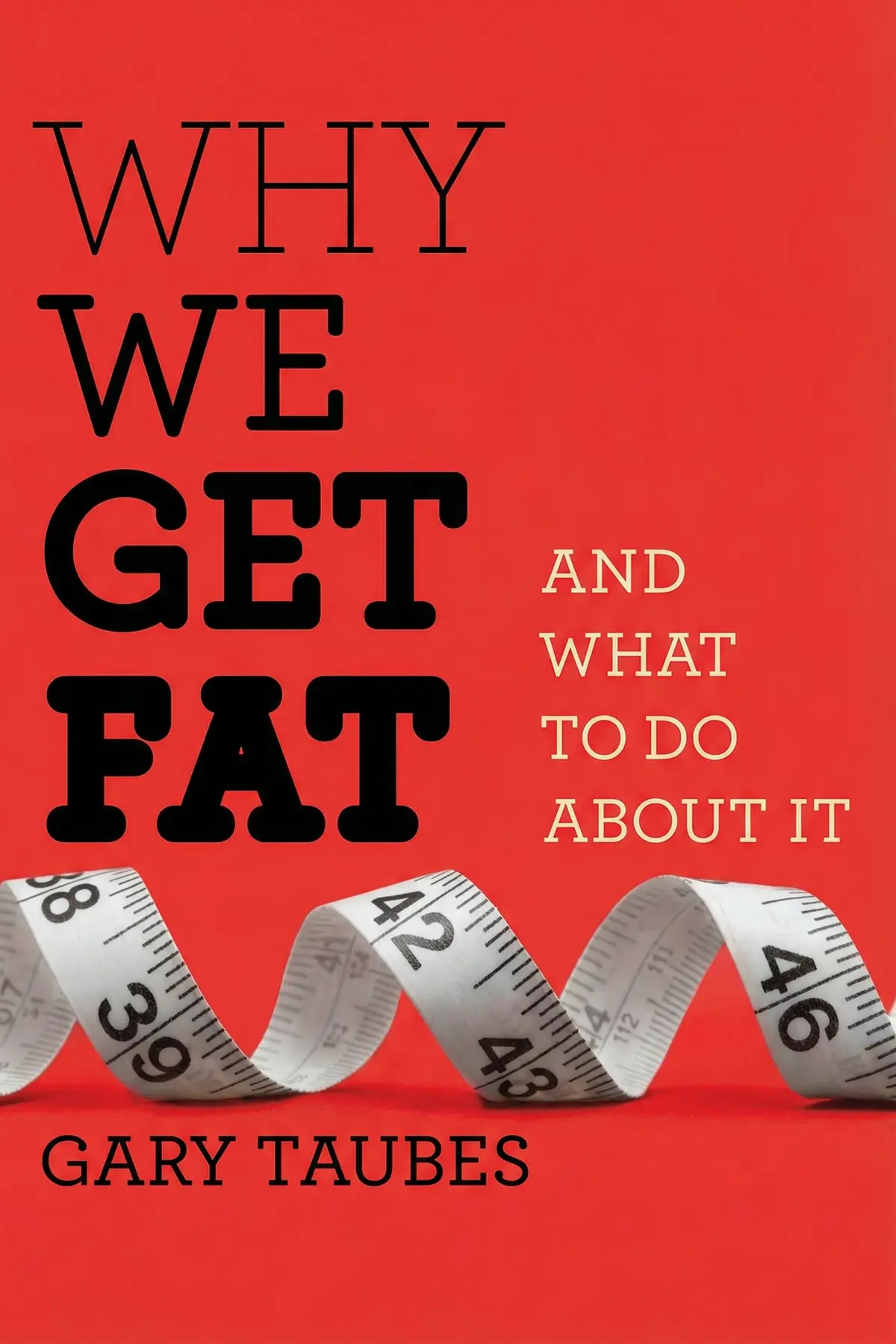
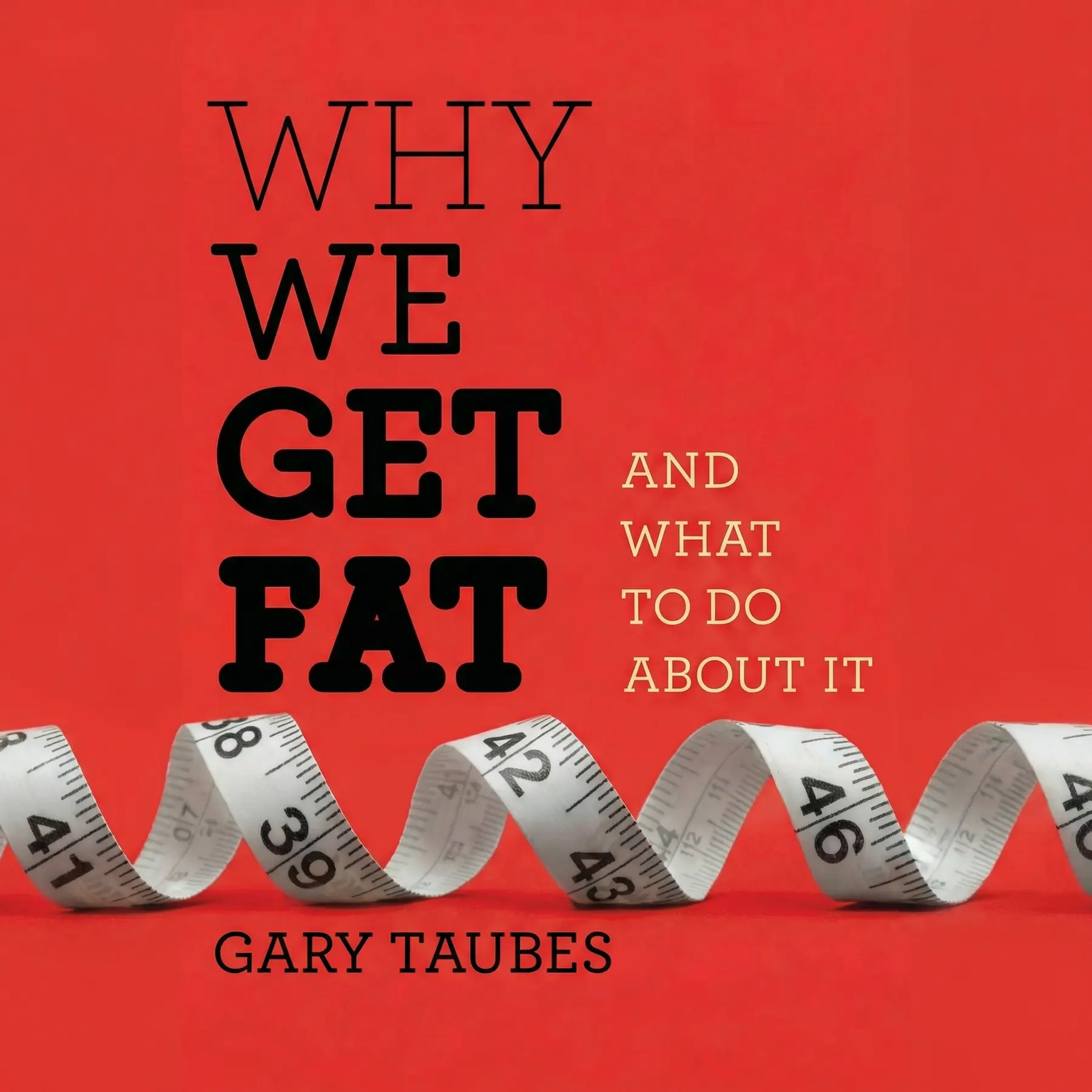
Why We Get Fat investigates the underlying biological causes of the global obesity crisis, moving beyond the simplistic idea that we gain weight because we eat too much and move too little. Gary Taubes argues that the medical community’s shift away from hormonal explanations in the mid-20th century led to a series of dietary recommendations that actually made the problem worse. By examining the role of insulin and its reaction to refined carbohydrates, the book reveals why conventional low-fat, low-calorie diets often fail in the long term. The promise of this exploration is a fundamental shift in perspective. Listeners will understand that obesity is more like a growth disorder than a behavioral failure. It offers a scientific foundation for why cutting out sugar and refined starches is more effective than grueling exercise regimens or starvation diets. Ultimately, it provides a roadmap for managing weight by working with the body’s natural chemistry rather than fighting against it. It is an invitation to look at the biology of fat storage through a lens of science rather than morality.
Gary Taubes, born in 1956, is a prominent American science journalist known for investigating scientific controversies. In his work, he provides clear insights into complex subject areas for his readers. Most recently, he has gained significant attention for his critical view of the nutrition science establishment and its traditional dietary guidelines.
Gary Taubes
Listeners find this book to be a fast and accessible read that clarifies the scientific principles of gaining and losing weight. It is extensively researched, backed by persuasive data, and offers useful guidance for transforming your lifestyle. They value its coherent reasoning and consider it highly engaging, with one listener mentioning that it clarifies the mechanics of how low-carb diets work.
Taubes makes a compelling case for why our traditional understanding of weight loss is fundamentally broken. Instead of the tired 'eat less, move more' mantra, he dives deep into the hormonal role of insulin and how carbohydrates drive fat storage. The prose is clear and accessible, making complex endocrinology feel like common sense. I found the section on how we don't get fat because we overeat, but rather we overeat because we are getting fat, to be a total revelation. It’s well-researched and grounded in a century of medical literature that seems to have been conveniently forgotten by modern nutritionists. While the suggested lifestyle change is drastic, the logic is hard to ignore.
Show moreThis book changed my life by helping me realize that my struggle with weight wasn't about willpower. Following the advice to restrict carbs literally saw the weight drop off without the constant, gnawing hunger I used to feel. My energy levels have stabilized, and even my brain feels quicker. I especially appreciated the explanation of how insulin acts as a growth factor, which explains so much about metabolic syndrome. It’s a quick, punchy read that provides the scientific 'why' behind the low-carb movement. If you’ve been trapped in the cycle of low-fat dieting and feeling like a failure, you need to read this immediately. It’s a paradigm shift.
Show moreAs someone who struggled for years with the 'eat less' philosophy, this book was a breath of fresh air. It finally explains why some of us can look at a piece of bread and gain weight while others stay thin. The evidence Taubes presents against the food pyramid is staggering and well-supported by historical medical literature. I've been following the high-fat, low-carb approach for six months now, and the results are undeniable. My blood sugar is stable, and for the first time in my life, I don't feel like a slave to my cravings. This is essential reading for anyone battling metabolic issues or looking for a way out of the calorie-counting trap.
Show moreFinally got around to reading this after struggling with my weight for a decade. The central thesis is that fat accumulation is a hormonal disorder, not a character flaw or a simple math problem of calories. Taubes is a journalist, not a doctor, but his ability to synthesize historical data is impressive and quite eye-opening. To be fair, he can come across as a bit dogmatic and dismissive of anyone who still believes in the energy balance model. I would have liked more discussion on long-term sustainability because living without pasta and beer is a tall order for most people. Still, it provides a practical roadmap for anyone looking to understand the 'why' behind their hunger.
Show moreAfter hearing about Taubes' article on sugar being toxic, I decided to dive into the full book. It’s an incredibly interesting deep dive into why some people are predisposed to leanness while others struggle regardless of their activity levels. The history of how our dietary guidelines were formed is particularly heartbreaking, showing how we replaced fats with fattening carbohydrates. Truth is, the book could have been shorter, as it gets repetitive toward the middle. However, the practical advice at the end is solid if you're ready for a total lifestyle change. It’s a well-researched critique of a system that has clearly failed the average person over the last fifty years.
Show moreWow, what a paradigm shift! Taubes manages to turn everything we think we know about nutrition upside down in just a few chapters. The idea that we don't get fat because we overeat, but we overeat because our bodies are storing fat incorrectly, is brilliant. It makes so much sense when you look at the obesity epidemic through that lens. My only gripe is that he makes it sound a bit too easy to just give up sugar and starches. For most people, that's a massive hurdle that requires more than just 'knowing the science.' Still, it’s a logical and compelling read for any health enthusiast looking for more than just a diet plan.
Show morePicked this up because I was tired of failing at traditional diets that left me exhausted and hungry. The science behind why low-carb diets work is presented in a way that is easy to understand without being 'dumbed down.' Taubes explains the metabolic pathways clearly, focusing on how fructose overwhelms the liver. It's much more than just a diet book; it's a look at the biochemistry of our bodies. While I don't agree with every single conclusion—especially his take on exercise—the overall message is powerful. It gave me the tools to finally take control of my health and understand what was actually happening to my metabolism behind the scenes.
Show moreIs it logical to assume that exercise has no impact on weight loss? Taubes argues that physical activity just makes us hungrier, effectively cancelling out any benefit. While he cites numerous studies to support this, I found his dismissal of the 'calories in/out' model a bit too extreme. Programs like Weight Watchers have success stories for a reason, and he doesn't really address those effectively. The book feels like a 200-page advertisement for a strict low-carb lifestyle, which can be expensive and incredibly monotonous over time. It’s a quick read with some interesting historical tidbits, but I’m not entirely convinced that meat and fat are the only answers to our health crisis.
Show moreLook, the science is fascinating and Taubes is clearly a gifted writer who knows how to build an argument. I enjoyed learning about the history of obesity research and the role of insulin. But I have to say, the diet he proposes is incredibly boring and feels very restrictive for a lifelong commitment. How many eggs and pieces of bacon can one person eat before they lose their mind? He doesn't address the success rates of people staying on this diet long-term or the social difficulties of never being able to eat out with friends. It's a great theoretical book, but the practical application seems like a recipe for social isolation and food fatigue.
Show moreNot what I expected at all. I was hoping for a balanced look at nutrition, but instead, I got a rehashed version of the Atkins diet with a side of condescension. Taubes spends so much time attacking the 'conventional wisdom' that he ignores the potential medical downsides of a high-protein, high-fat regime. What about the strain on your kidneys or the lack of fiber leading to digestive issues? He gives short shrift to the circulatory health of people on these diets, and as a journalist, he seems to cherry-pick studies that only support his narrow view. It's a very difficult lifestyle to maintain forever, and frankly, I felt sluggish and constipated trying his suggestions for a few weeks.
Show moreAUDIO SUMMARY AVAILABLE
Get the key ideas from Why We Get Fat by Gary Taubes, plus 5,000+ more titles in English and Thai.