
21 min 04 sec
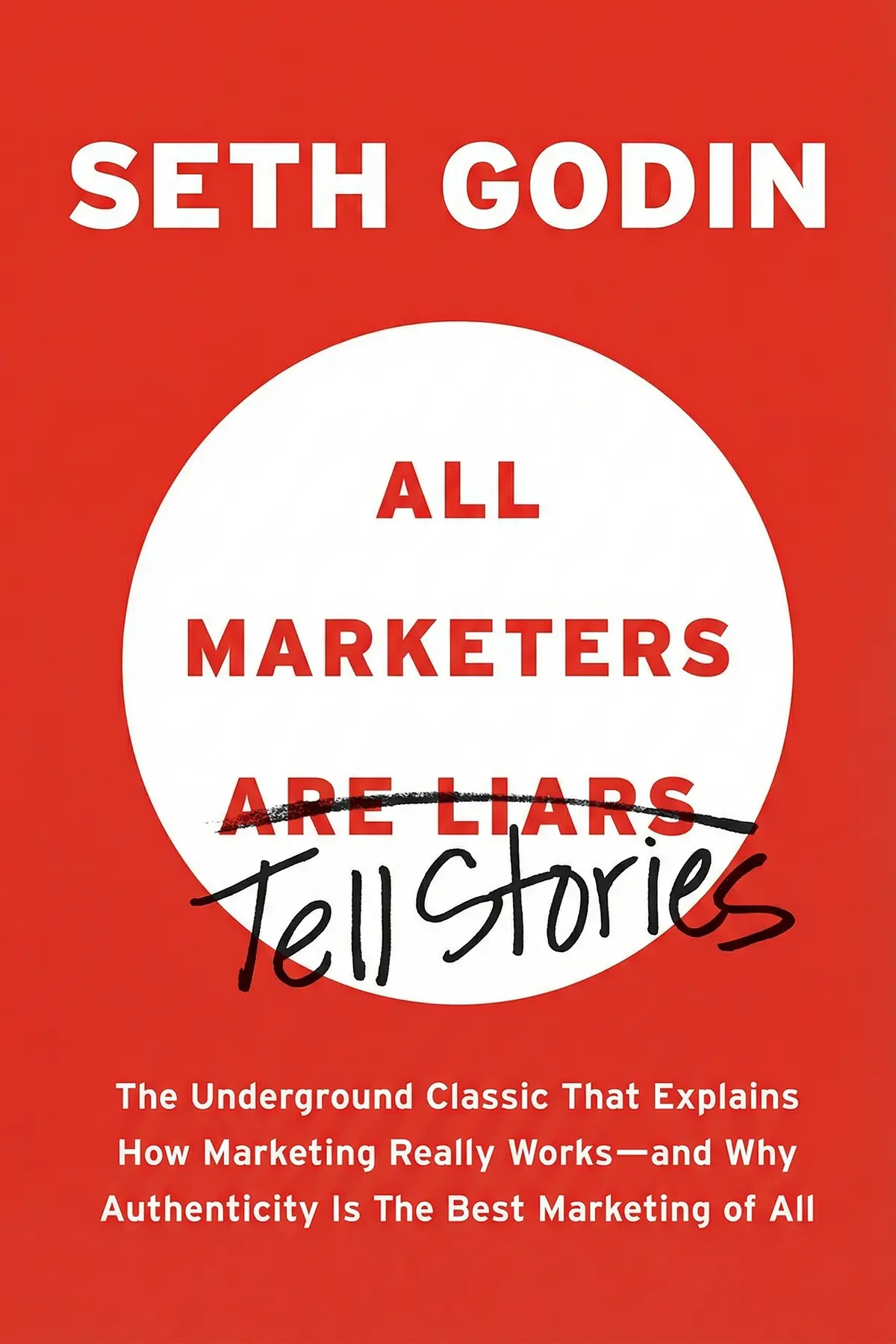
The Dip: A Little Book That Teaches You When to Quit (and When to Stick)
By Seth Godin
The Dip explores the psychology of success by distinguishing between productive struggles and dead-end projects. It teaches you how to identify when to persist and when to strategically quit to win.
Table of Content
1. Introduction
1 min 36 sec
Every new project starts with a burst of excitement. Whether you’re launching a startup, picking up a new hobby, or starting a fitness regime, the beginning is easy and fun. You see rapid progress, and the novelty keeps you energized. But then, the initial thrill fades. The progress slows down, the work gets harder, and the rewards seem further away than ever. This is what Seth Godin calls the Dip. It is the long, arduous stretch between beginner’s luck and real mastery.
Most people view this period of struggle as a sign of failure, but this summary will show you why it’s actually a prerequisite for success. The Dip is the filter that separates the high achievers from the average. It’s a natural part of any worthwhile journey, designed to weed out those who aren’t truly committed. In the following sections, we will explore how to recognize the Dip and use it to your advantage. We’ll look at why being the best in your field is the only way to reap significant rewards and how to distinguish between a temporary struggle and a dead-end path.
By the end of this journey, you’ll understand that quitting isn’t always a sign of weakness. In fact, knowing when to quit is a strategic skill that allows you to reinvest your time and energy into the things where you can truly become exceptional. We’ll dive into the economics of being number one, the power of specialization, and the importance of having the grit to push through when others are falling behind. Let’s get started by looking at why the struggle exists in the first place and why you should actually be grateful for it.
2. The Universal Presence of the Struggle
2 min 20 sec
Every significant achievement requires a difficult middle phase that tests your resolve and weeds out the competition.
3. The Massive Rewards of Being Number One
2 min 14 sec
The gap between first and second place is much larger than you might think, making it essential to aim for the top.
4. The Power of Radical Specialization
2 min 15 sec
Success in the modern world requires focusing your energy on one specific area rather than trying to be a generalist.
5. Identifying the Different Types of Dips
2 min 14 sec
Not all struggles are created equal; understanding the specific challenges of your industry helps you prepare for the long haul.
6. Embracing the Challenge as a Path to Growth
2 min 00 sec
The most difficult parts of your journey are actually the most valuable because they force you to improve and evolve.
7. The Strategic Advantage of Surviving the Slog
2 min 14 sec
Sticking through the Dip doesn’t just get you to the finish line; it creates a barrier that keeps your competitors at bay.
8. Cultivating Grit and Necessary Patience
2 min 08 sec
Success often comes to those who can endure the longest, especially when the results seem invisible.
9. The Art of Strategic Quitting and Pivoting
2 min 11 sec
Knowing when to walk away from a dead end is just as important as knowing when to stick with a productive struggle.
10. Conclusion
1 min 52 sec
As we wrap up our exploration of The Dip, the most important takeaway is that your success is largely determined by your ability to make smart choices about where to invest your effort. You should strive to be the best at what you do, but recognize that this status is only available to those who can endure the long, difficult middle period of the journey. The Dip is not your enemy; it is a filter that keeps the world from being overrun by the average. It is the path to greatness precisely because it is so difficult.
Remember that quitting is a strategic tool, not a moral failing. You must be willing to quit the Cul-de-Sacs and the Cliffs in your life so that you have the resources to conquer the Dips that truly matter. When you find a path that has the potential for massive rewards, and you find yourself in the middle of the struggle, don’t let temporary discouragement pull you off course. Use your grit and your patience to see it through.
A final lesson can be found in the story of Joe Biden during his 1988 presidential run. After a relatively minor scandal regarding a misattributed quote, he felt wounded and discouraged. He chose to withdraw from the race, effectively quitting when he felt at his lowest. While he eventually found success decades later, many analysts believe that if he had shown more grit in that moment and allowed the storm to pass, he could have persevered much sooner. This serves as a reminder to never quit in the heat of the moment. If you’re going to quit, do it when you are calm and have a clear strategic reason—not just because it hurts.
So, take a look at your current projects. Which ones are Dips that you need to lean into with everything you’ve got? And which ones are dead ends that are sucking the life out of your potential? Make the choice to quit the wrong things so you can become world-class at the right ones. The rewards at the top are waiting for you, provided you are willing to embrace the struggle it takes to get there.
About this book
What is this book about?
Have you ever wondered why some people reach the pinnacle of their careers while others remain stuck in mediocrity? The answer often lies in how they handle the difficult middle period of any project—what Seth Godin calls the Dip. This book is a guide to navigating the long, hard slog that exists between starting a new endeavor and achieving mastery. It challenges the conventional wisdom that quitters never win, arguing instead that winners quit all the time; they just quit the right things at the right time. The promise of this book is clarity. You will learn to identify the three types of situations you face in your professional and personal life: the Dip, the Cul-de-Sac, and the Cliff. By understanding these patterns, you can stop wasting energy on dead-end paths and focus all your resources on becoming the best in the world at what matters most. It provides a framework for evaluating your commitments, showing that the struggle of the Dip is actually your greatest competitive advantage if you have the grit to see it through.
Book Information
About the Author
Seth Godin
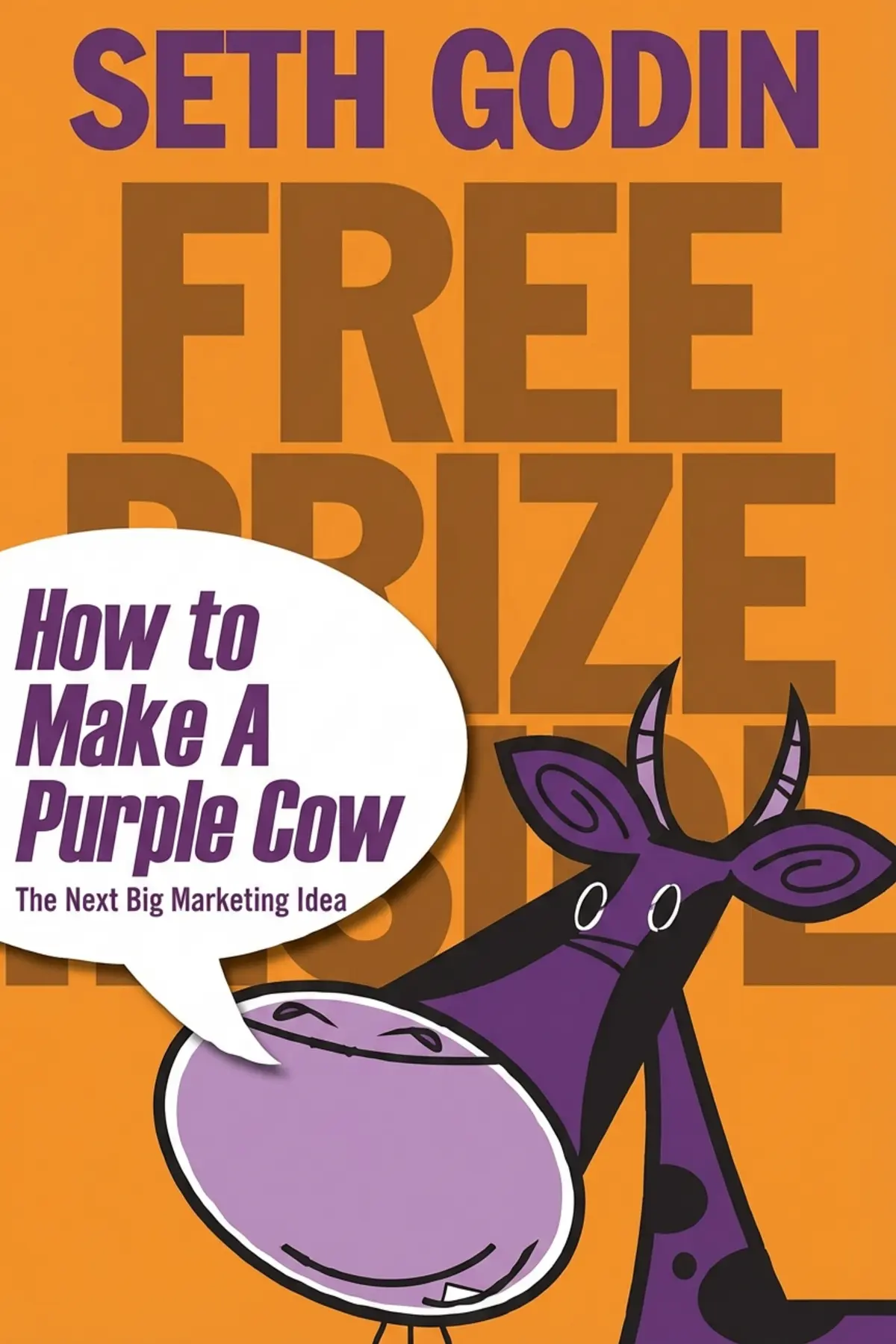
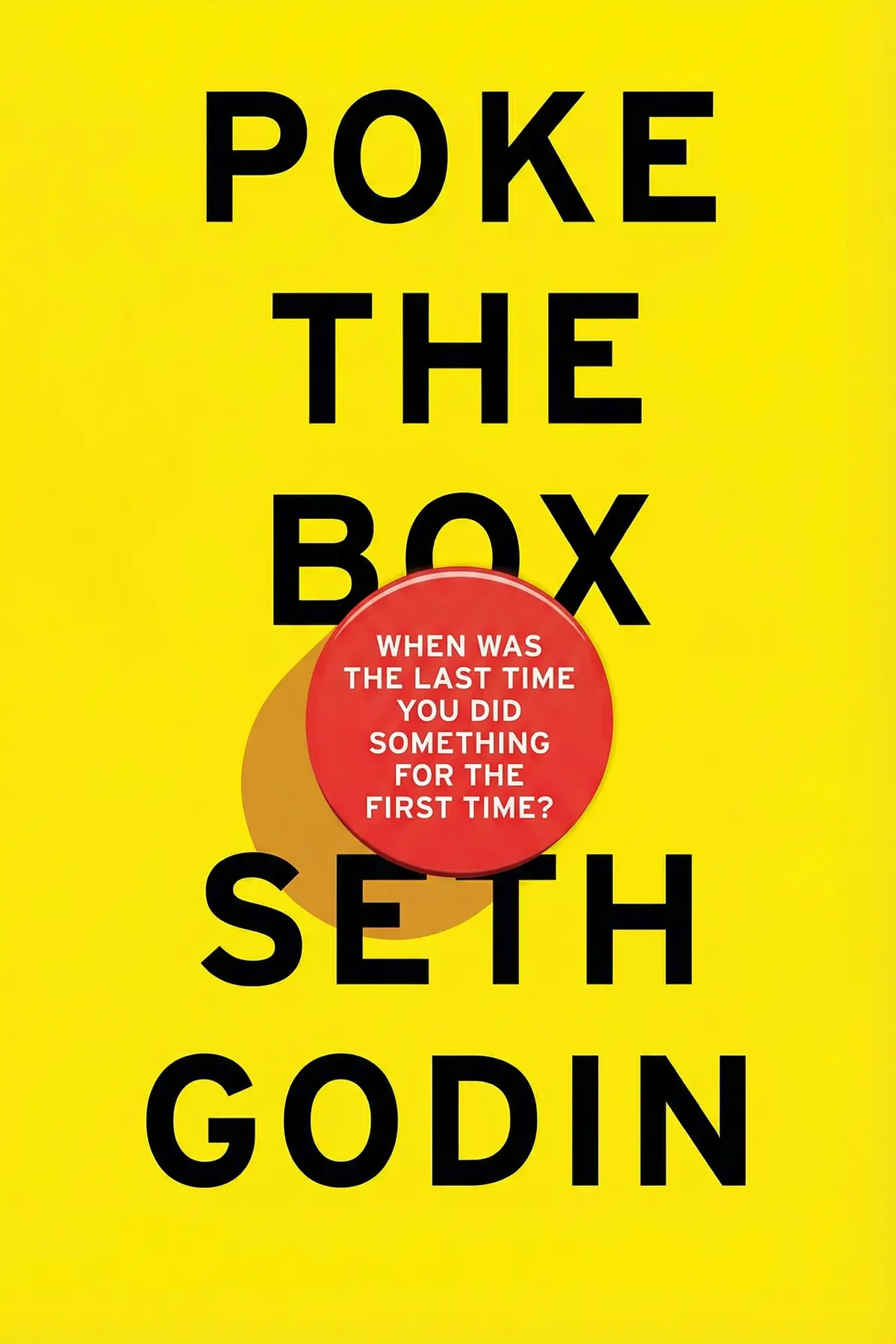
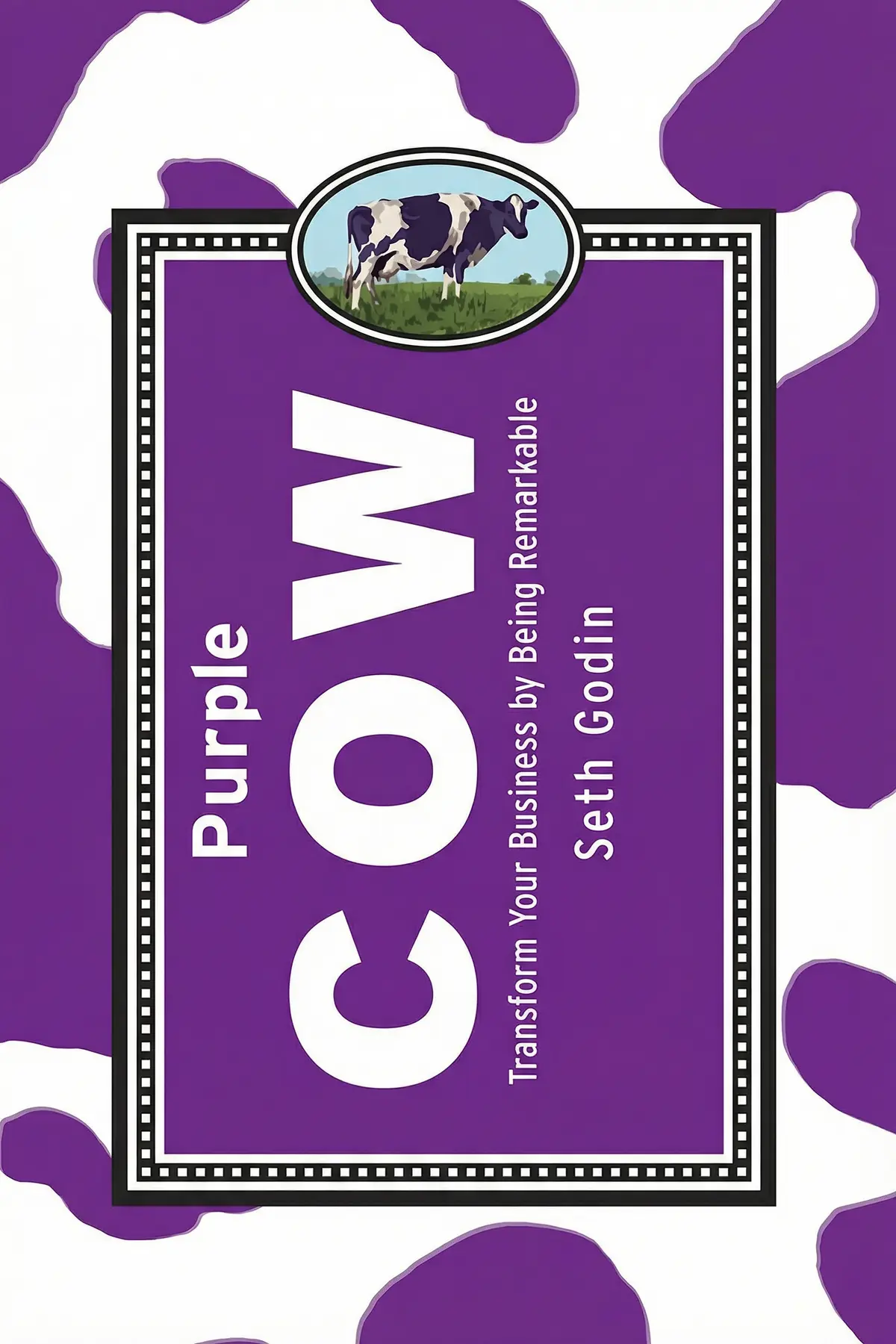
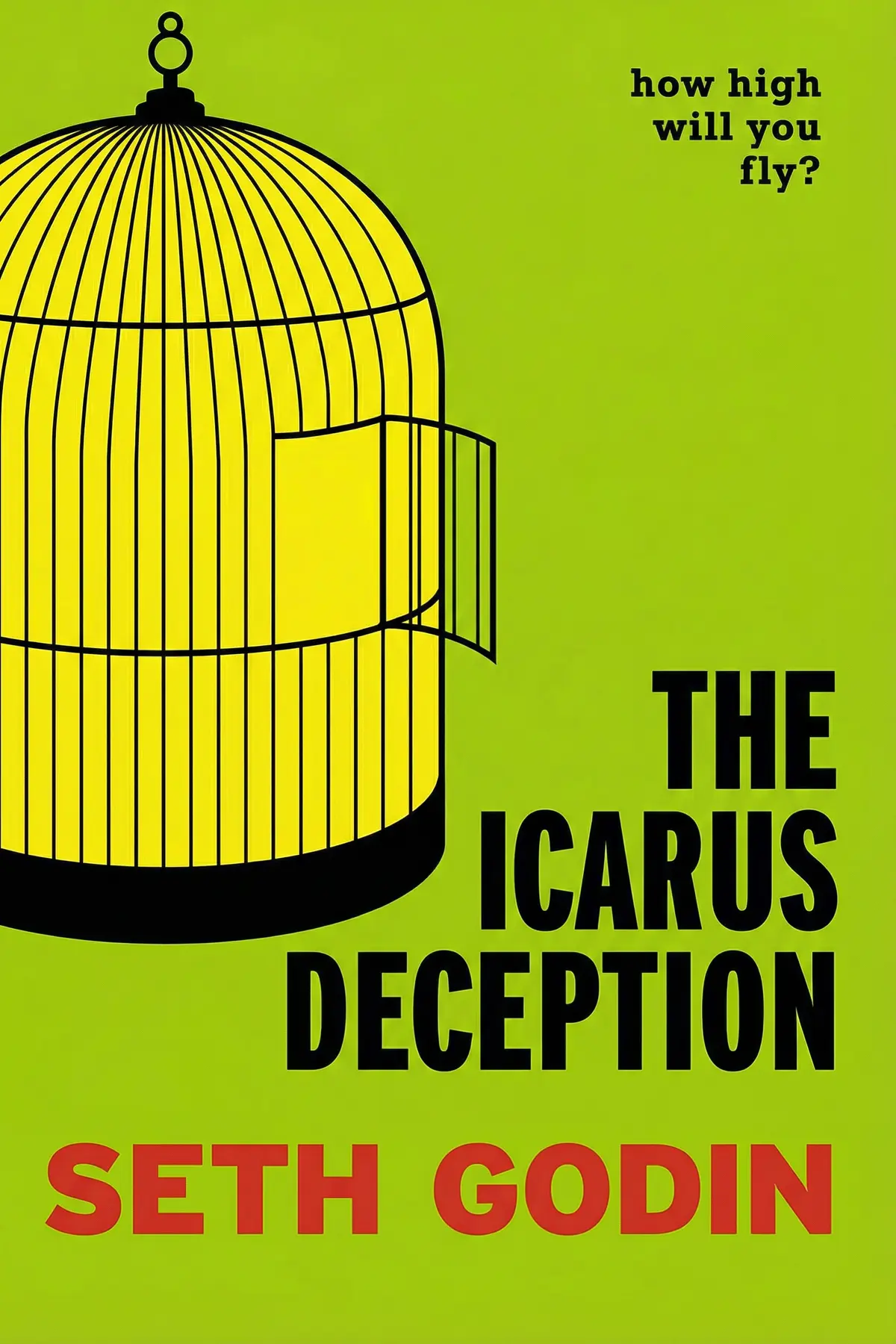
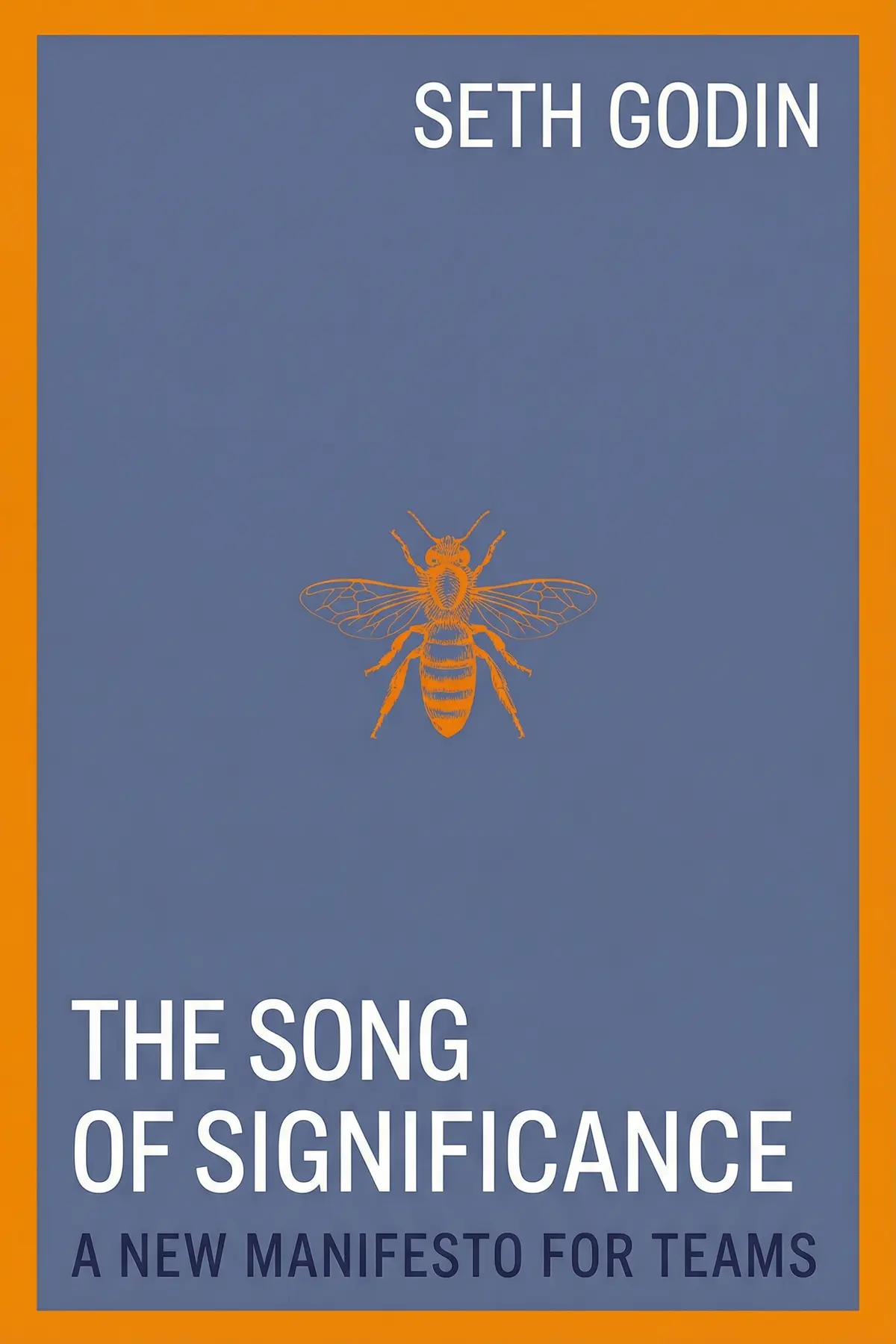
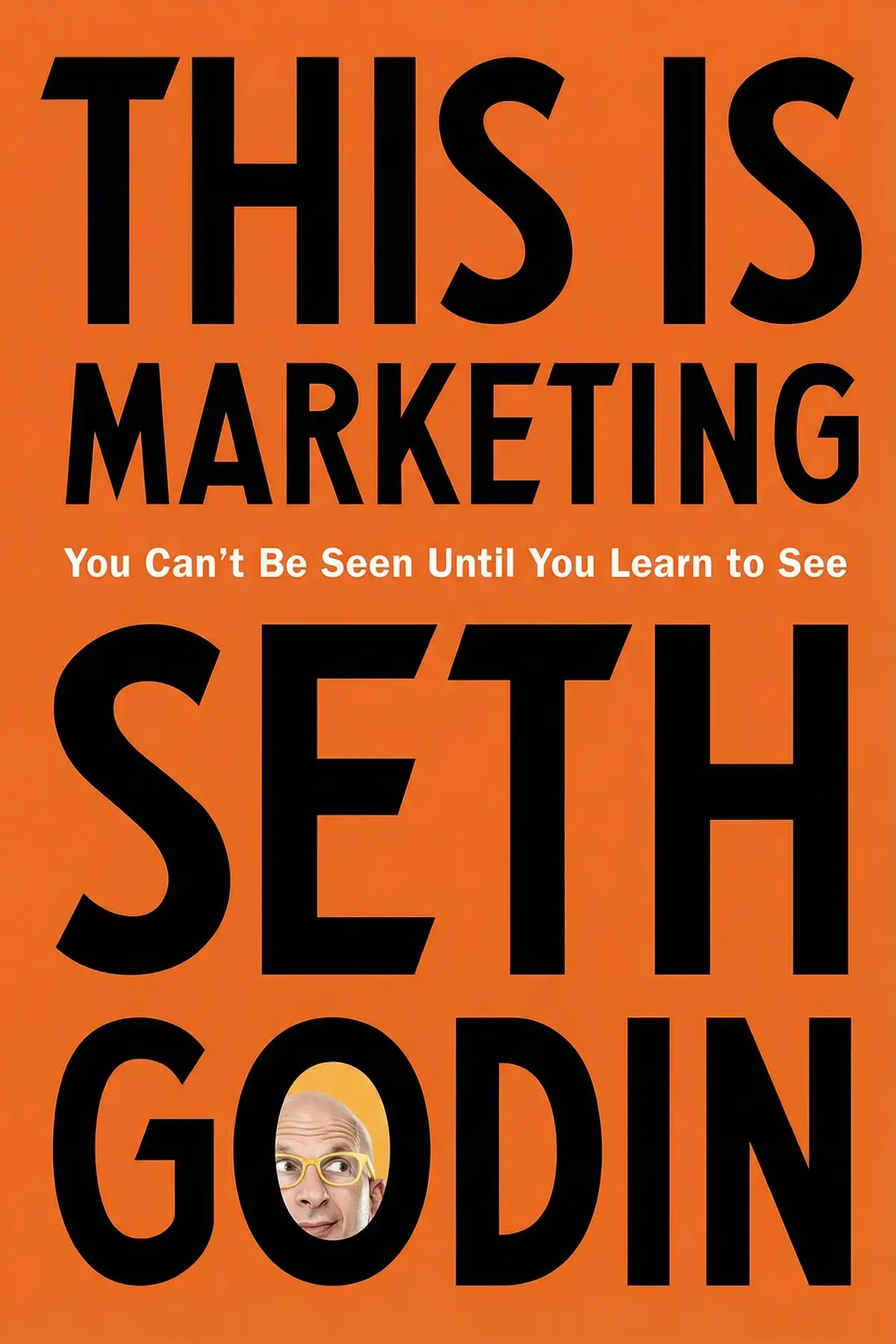
Seth Godin is a prolific writer, entrepreneur, and educator who has shaped modern thinking on marketing and leadership. He is the voice behind Seth’s Blog, a widely read online resource offering insights on work values and team building. Godin has authored many influential best-sellers, including Linchpin: Are You Indispensable?, Tribes: We Need You to Lead Us, and Purple Cow: Transform Your Business By Being Remarkable.
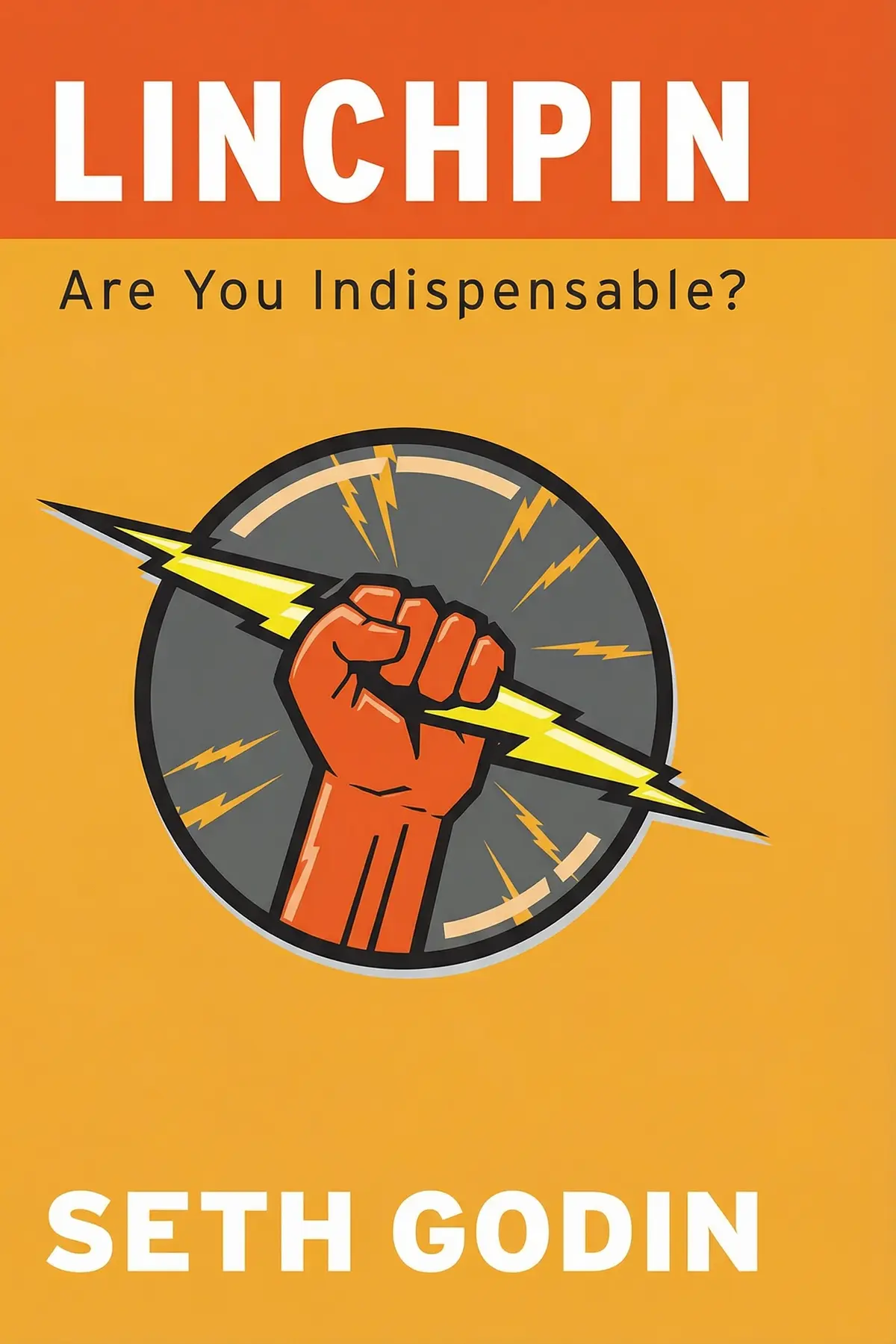
Linchpin: Are You Indispensable?
Seth Godin
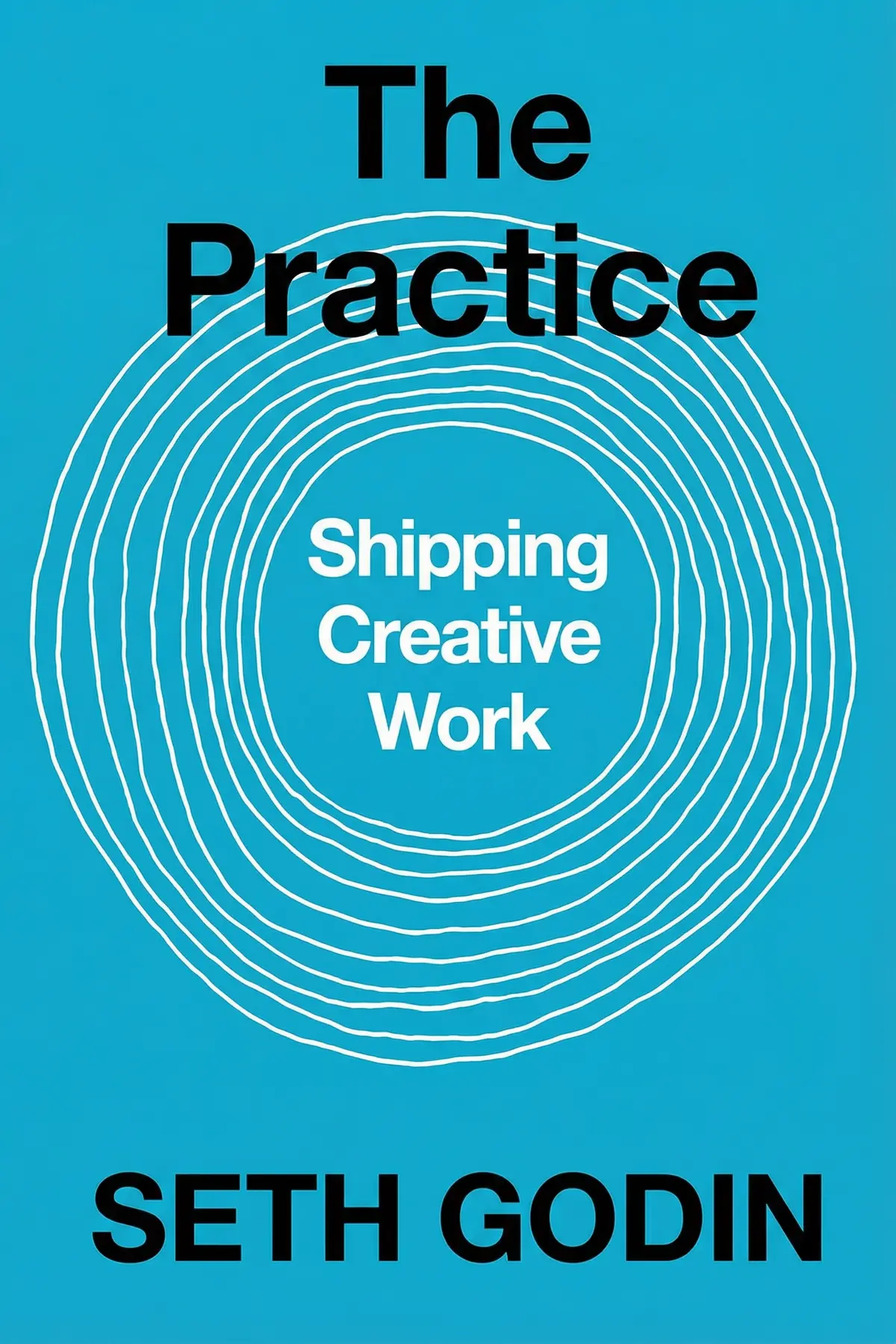
The Practice: Shipping Creative Work
Seth Godin
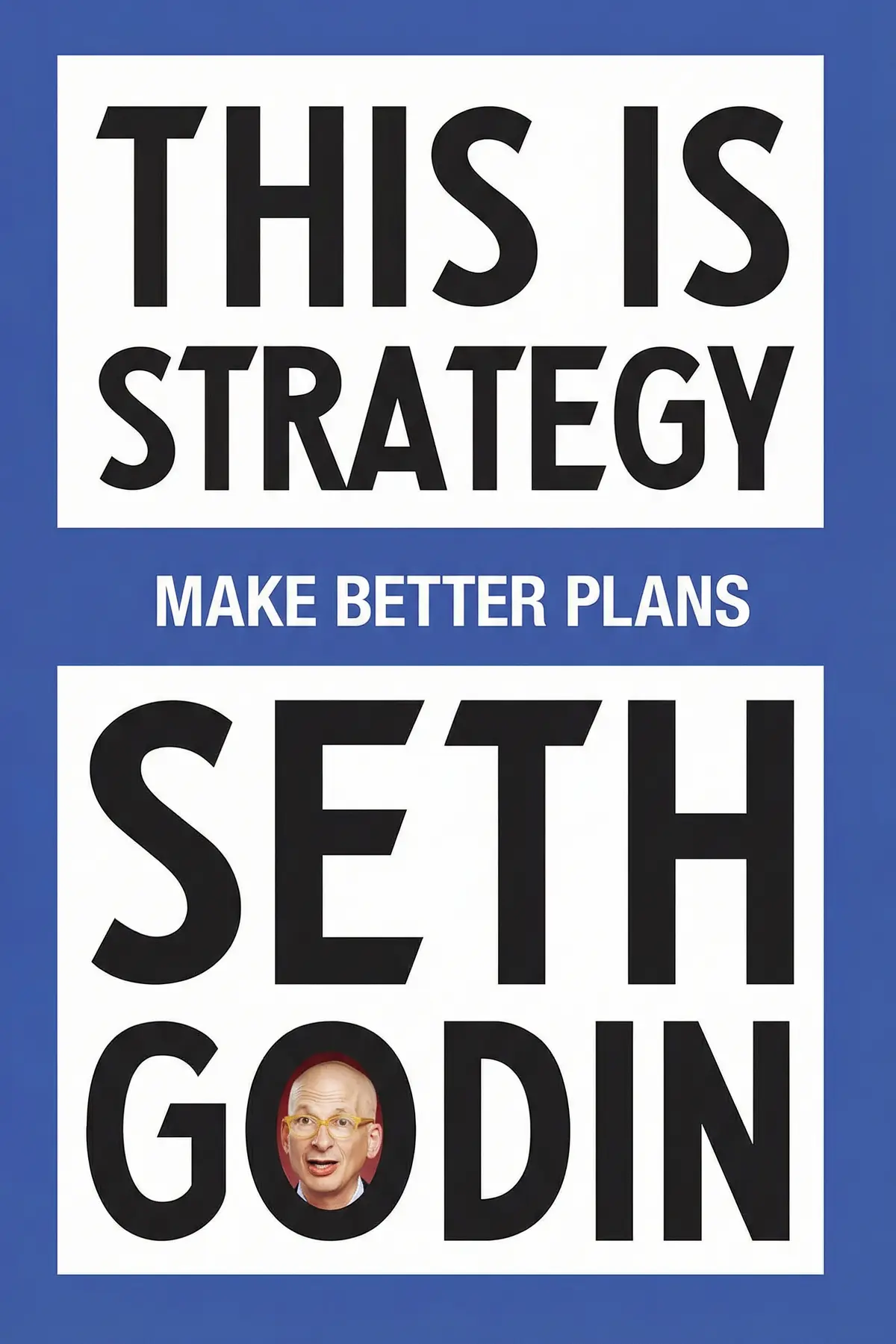
This Is Strategy: Make Better Plans
Seth Godin
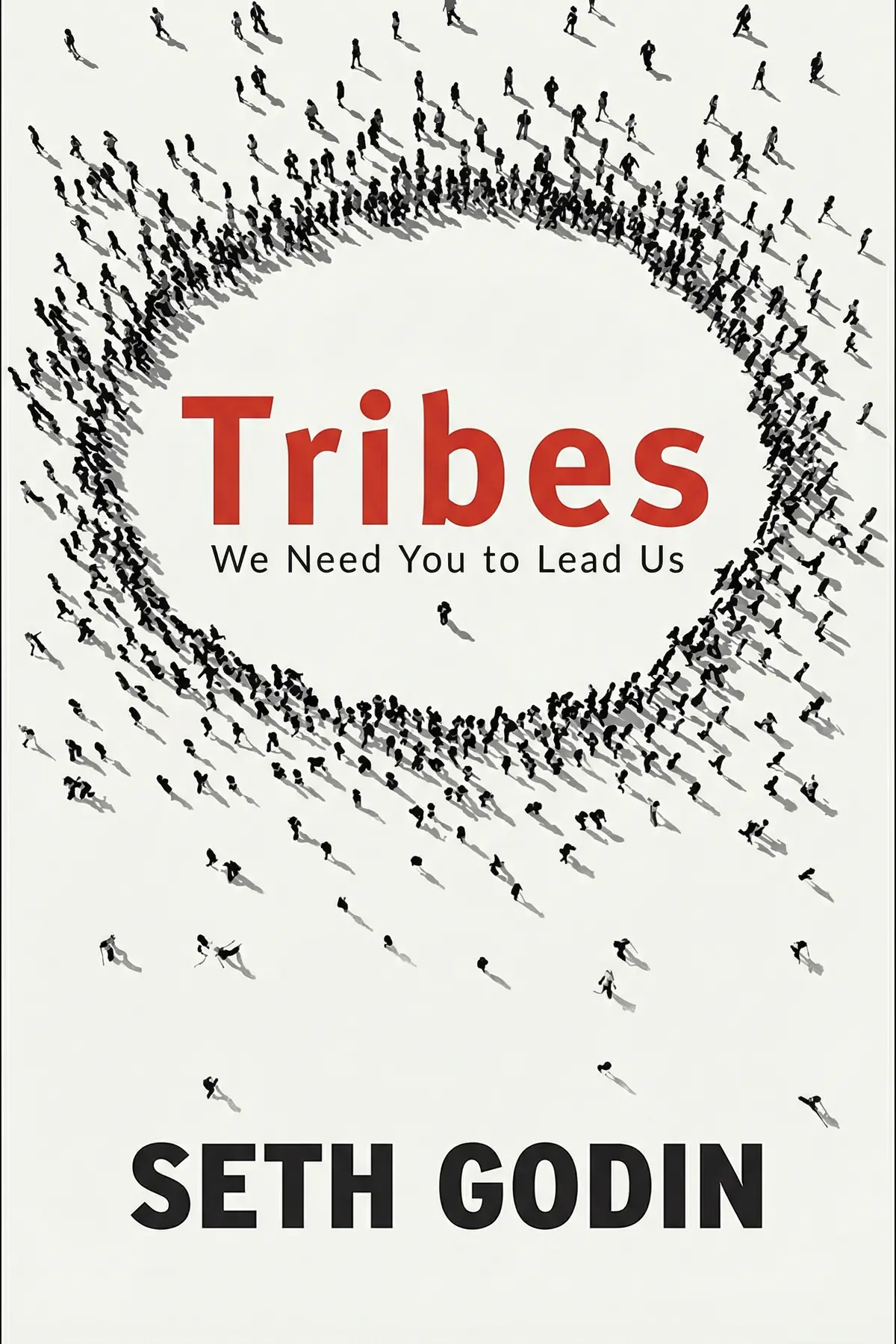
Tribes: We Need You to Lead Us
Seth Godin
Ratings & Reviews
Ratings at a glance
What people think
Listeners find the book an effortless read and value its stimulating ideas, with one listener noting it offers an excellent strategy for navigating life's dilemmas. Furthermore, the work is praised for its ideal length, robust concepts, and concise nature. However, the tempo draws varied reactions; some appreciate the directness while others find the content self-contradictory. Similarly, views on financial value are split, as some find it exceptionally beneficial for their companies while others feel it doesn't justify the cost.
Top reviews
Pita
Picked this up during a career crisis and it genuinely shifted my perspective on persistence. We are constantly told that quitting is for losers, but Godin reclaims it as a powerful tool for the brave. The concept of 'The Cliff'—a situation where you can’t quit until everything falls apart—perfectly described my last relationship. It’s a scary realization, but a necessary one. The book is short, which I loved because it gets straight to the point without the usual filler you find in business self-help. It’s about focus. By quitting the things that don't matter and the projects that are going nowhere, you free up the resources to become a superstar in the area that actually counts. This isn't just a business book; it’s a manual for life's quandaries. Truly a wonderful approach to making hard decisions.
Show morePui
Truth is, we are often taught that quitting is a moral failure, but this book reclaims it as a superpower. Godin argues that pride is the enemy of the smart quitter, and he’s absolutely right. We stay in dead-end jobs or failing businesses because we’re too proud to admit we made a mistake. This book is the antidote to that ego-driven stubbornness. It’s incredibly fast to read—I finished it on a short flight—but the ideas have stayed with me for weeks. It’s not about being lazy; it’s about having the bravery to quit the wrong things so you can go all-in on the right ones. It’s a perfect length for the message it delivers. Some might call it a 'blog post in a book,' but I’d rather have 80 pages of gold than 300 pages of fluff.
Show morePla
Stop believing the old cliché that winners never quit. Seth Godin argues the exact opposite in this punchy little book, suggesting that strategic quitting is actually the secret sauce of successful people. The distinction between 'The Dip' and 'The Cul-de-Sac' changed how I view my current career frustrations. Frankly, I realized I’ve been stuck in a dead-end loop for months when I should have been leaning into a meaningful challenge instead. While the book is incredibly short and feels like a glorified blog post at times, the core message is potent. It’s a quick read that forces you to evaluate where you’re putting your energy. I did find the 'best in the world' requirement a bit extreme for every situation, but the logic holds up for business. If you’re feeling burnt out, this might help you decide if it’s time to double down or walk away.
Show morePatcharaporn
Ever wonder why you're working so hard but staying in the exact same spot? This book explains that you’re likely in a Cul-de-Sac, a dead-end job or project where effort doesn't translate into progress. Godin's advice is simple: quit immediately. I found this incredibly liberating. In my experience, we stay in bad situations because of pride or the fear of being labeled a 'quitter.' The author does a great job of dismantling that stigma. My only gripe is that the book is a bit self-contradictory at times regarding how you actually identify which curve you're on while you're in the middle of it. It’s easy to look back and see a Cul-de-Sac, but much harder in the moment. Still, the framework is a solid tool for anyone trying to navigate a difficult transition.
Show morePierre
The chapter on 'The Cliff' was a wake-up call for my current side project. I’ve been pouring time into something that felt addictive but was ultimately leading to a massive drop-off. Godin’s logic is cold and calculated: if there isn't a reward at the end of the long slog, why are you doing it? He challenges the reader to look at the opportunity cost of their time. I appreciated the brevity and the lack of fluff, though I can see why some readers find his 'best in the world' philosophy a bit arrogant. It’s a book written for people who want to dominate their niche, not for people looking to be well-rounded. If you can get past the repetitive sentences, there is a very solid, usable idea here that most people ignore to their own detriment.
Show moreTern
Look, the advice here is polarizing, but for anyone in a leadership role, it's essential reading. We spend so much time trying to save failing projects because we’ve already invested so much, which is just the sunk-cost fallacy in action. Godin gives you the permission to fail fast. I've been using the term 'The Dip' in my office all week to describe our latest product launch. It helps the team understand that the current struggle is a shortcut to mastery, not a sign of failure. The book is definitely overpriced for the length, but the mental shift it provides is worth the investment. It’s a quick, easy read that cuts through the noise of traditional inspirational writing. Just be prepared for a very singular, focused message that doesn't leave much room for nuance.
Show moreMay
Finally got around to this short read, and I appreciated how Godin cuts through the usual motivational fluff. The Vince Lombardi quote 'Quitters never win' is basically dismantled in the first ten pages. Winners quit all the time—they just quit the right stuff at the right time. That’s a powerful distinction. I’ve been guilty of 'reactive quitting,' giving up when things get painful rather than when it’s strategically sound. This book helped me see the difference. It’s a little repetitive, yes, and some of the examples feel a bit dated, but the core philosophy is sound. It’s about being intentional with your limited time. If you’re not willing to lean into the pain of the Dip to reach the top, you’re just wasting your life in a Cul-de-Sac.
Show morePim
Seth Godin has a knack for taking a single, brilliant insight and stretching it across eighty-something pages. The core idea here is fantastic: don't just quit because things are hard, but definitely quit if you’re in a dead-end 'Cul-de-Sac.' However, the book is incredibly repetitive, hitting the same three notes over and over until you feel like you’ve read it three times by page fifty. To be fair, the brevity is a plus because you can finish it in a single sitting, but I’m not sure it justifies the price tag of a full hardcover. I also struggled with his assertion that you shouldn't do anything unless you plan to be #1 in the world. What about hobbies? What about just being 'pretty good' at something for the joy of it? It’s a very hyper-competitive worldview that won't resonate with everyone, though it’s certainly thought-provoking for entrepreneurs.
Show moreHugo
To be fair, you could probably get the entire gist of this book by reading a three-page summary online, but there is something to be said for Godin’s punchy writing style. He has a way of making you feel a bit silly for your choices without being outright insulting. The idea that we should quit more often is a refreshing change from the 'hustle culture' that demands we never give up. However, the pacing is a bit odd; it feels like it’s building up to a big revelation that never quite arrives. You get the three curves—the Dip, the Cul-de-Sac, and the Cliff—and then a lot of filler about being a superstar. It’s a good mental reset, but don’t expect a deep dive into strategy. It’s more of a motivational nudge than a comprehensive guide.
Show moreAnchalee
Not every hobby or career path is about being the absolute best in the world, and Godin seems to miss that entirely. He suggests that if you aren't going to push through the 'Dip' to reach the top, you shouldn't even bother starting. That feels like a recipe for a very narrow, boring life. What happened to doing things for fun or personal wellness? I don’t need to be the world’s best snowboarder to enjoy a weekend on the slopes. The book is also remarkably thin on actual data or mathematical models to help you predict if you're in a Dip or a dead-end; it relies mostly on gut feeling and anecdotes. While the distinction between tactical and strategic quitting is a nice takeaway, the rest felt like elitist fluff. I finished it in forty minutes and felt like I could have gotten the same value from a tweet thread.
Show moreReaders also enjoyed
60 Seconds & You’re Hired!
Robin Ryan
59 Seconds: Change Your Life in Under a Minute
Richard Wiseman
A Guide to the Good Life: The Ancient Art of Stoic Joy
William B. Irvine
AUDIO SUMMARY AVAILABLE
Listen to The Dip in 15 minutes
Get the key ideas from The Dip by Seth Godin, plus 5,000+ more titles in English and Thai.
- 5,000+ titles
- Listen as much as you want
- 7-day free trial
- Cancel anytime







