
18 min 04 sec
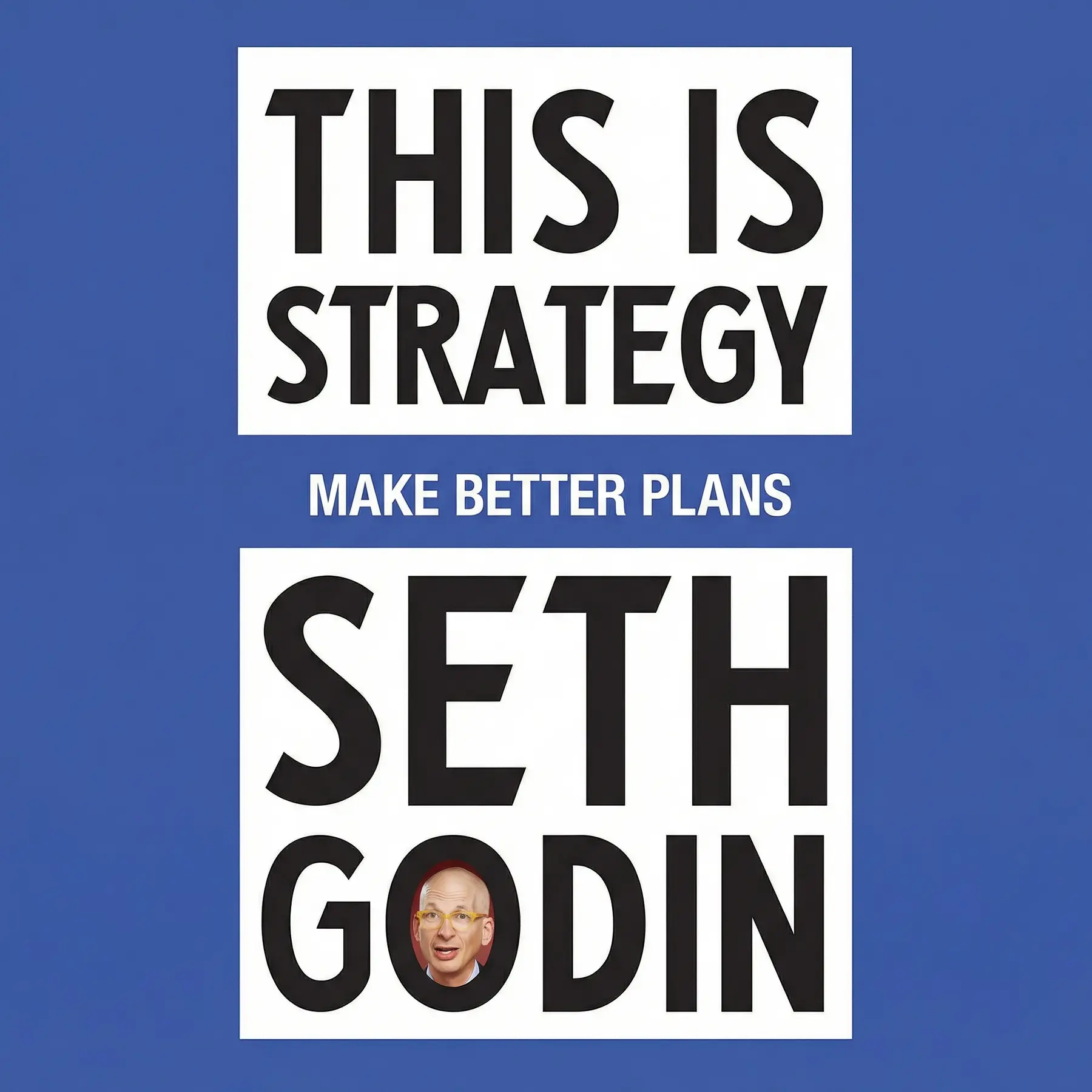
This Is Strategy: Make Better Plans
By Seth Godin
Explore the art of long-term planning with Seth Godin. This guide breaks down how to navigate complex systems, influence culture, and make deliberate choices that drive sustainable change in a changing world.
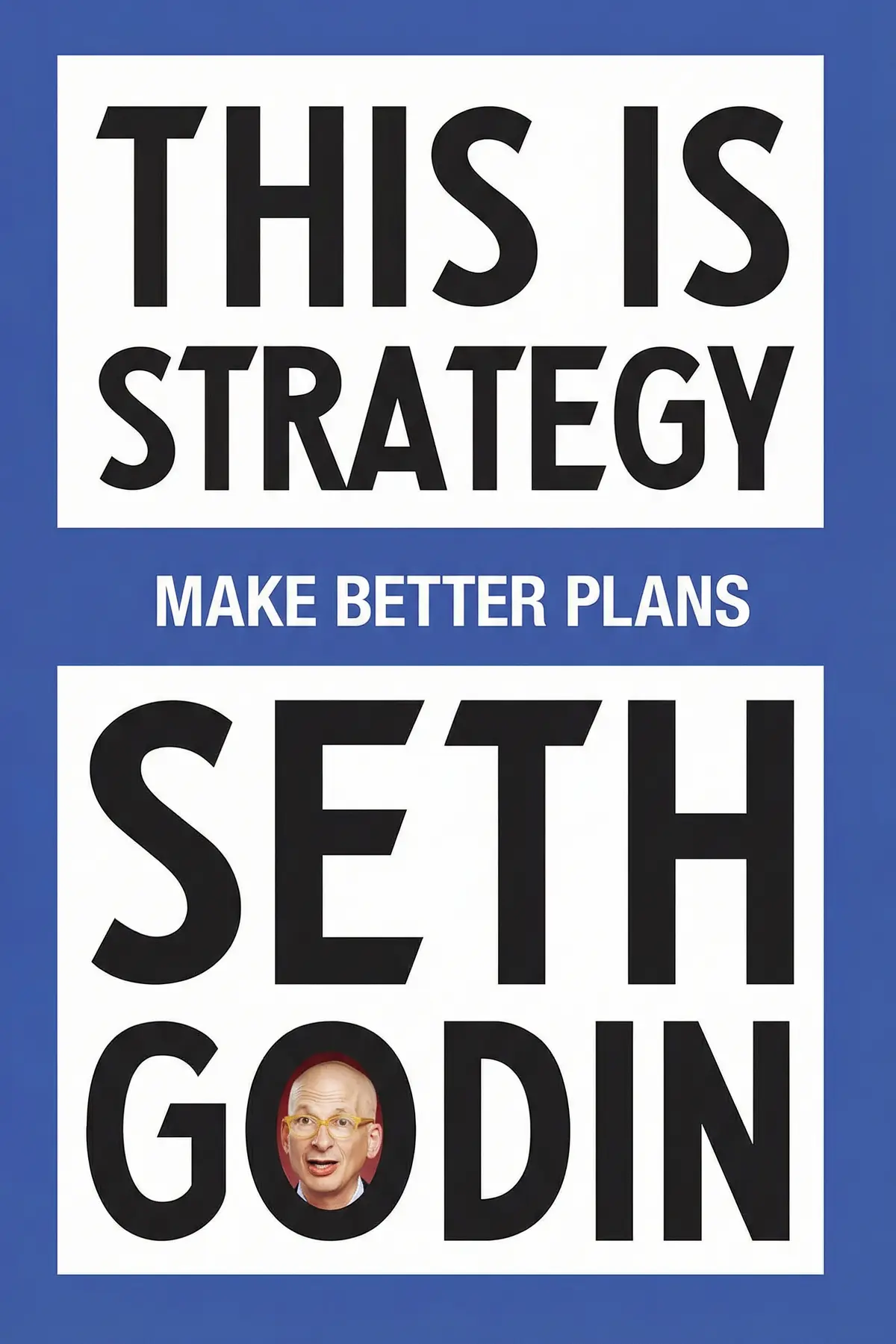
Table of Content
1. Introduction
1 min 38 sec
In a world where we are constantly bombarded by the urgent, it is remarkably easy to lose sight of the important. We often spend our days reacting to emails, putting out fires, and chasing the latest trends, mistakenly believing that this flurry of activity constitutes a plan. But being busy is not the same as being strategic. True strategy is something much deeper. It is the persistent, deliberate work of choosing where you want to go and understanding the complex web of systems and human motivations that will either help or hinder your journey.
Seth Godin suggests that strategy isn’t a fixed formula or a secret recipe hidden in a dusty corporate binder. Instead, it’s an ongoing conversation with the world around us. It requires a specific kind of clarity—the ability to look past the immediate noise and see the underlying structures that govern our behavior. Whether you are building a global brand, leading a non-profit, or trying to change a local community, the same principles apply. You must learn to work with the systems that exist, while also having the courage to challenge the norms that no longer serve your goals.
Throughout this exploration, we will dive into a series of interconnected insights that help define what strategy really looks like in practice. We’ll look at why understanding people’s deep-seated needs for safety and connection is the secret to getting them on board with your vision. We’ll examine the invisible feedback loops that keep bad systems in place and discover how to find the leverage points that allow you to shift them. Most importantly, we’ll see how a well-crafted strategy provides the discipline needed to stay focused when things get difficult. By the end, you’ll have a new framework for making better plans—plans that don’t just survive change but actually use it as a catalyst for growth and impact.
2. The Strategic Foundation
2 min 06 sec
Understand the vital difference between long-term vision and short-term moves to ensure your actions lead toward a meaningful destination rather than just staying busy.
3. The Power of Systems and Feedback
2 min 11 sec
Explore how invisible structures and feedback loops shape our world and learn why working within these rules is often more effective than fighting them.
4. Culture as a Strategic Force
2 min 23 sec
Discover how shared beliefs and social expectations determine success and why shifting a culture is often more powerful than any marketing campaign.
5. The Strategic Toolkit
2 min 04 sec
Equip yourself with practical frameworks and testing methods that turn abstract goals into concrete, actionable steps for progress.
6. Navigating Obstacles and Friction
2 min 03 sec
Learn to identify the common traps—like short-term thinking and analysis paralysis—that frequently sabotage even the most well-intended plans.
7. Driving Scalable and Meaningful Change
2 min 08 sec
Discover how to identify leverage points within established structures to create shifts that grow and endure over time.
8. Sustaining the Long-Term Vision
2 min 01 sec
Master the art of balancing today’s demands with tomorrow’s opportunities to ensure your strategy remains relevant in an evolving world.
9. Conclusion
1 min 30 sec
As we wrap up this look into Seth Godin’s approach to strategic thinking, the most important takeaway is that strategy is a choice. It is a choice to stop merely reacting and to start acting with intention. We have seen that a successful plan is built on a clear understanding of the difference between the day-to-day tactics and the long-term vision. It requires an empathetic view of human nature, a deep respect for the power of systems, and the discipline to use tools like frameworks and feedback loops to guide our progress.
We’ve explored how culture can act as both a barrier and a bridge, and why finding leverage points within existing structures is the key to creating change that actually sticks. Strategy isn’t about having all the answers or predicting the future with perfect accuracy. It’s about having a clear sense of direction and the flexibility to adjust as you learn. It’s about making the hard choices today—saying no to the distractions and the short-term lures—to ensure that your efforts lead to a destination that truly matters.
Now, the challenge is to take these ideas and apply them to your own world. Look at the systems you are a part of. Identify the feedback loops that are holding you back and the cultural norms that you can leverage to move forward. Start small, test your assumptions, and stay focused on your long-term goal. Strategy is a muscle that gets stronger the more you use it. By approaching your work and your life with this strategic lens, you move beyond just being busy and start making the kind of deliberate, meaningful progress that changes things for the better.
About this book
What is this book about?
This summary explores the fundamental principles of strategic thinking as presented by Seth Godin. It moves beyond the idea of strategy as a rigid, one-time document and instead presents it as a living, breathing philosophy of decision-making. You will learn the crucial distinction between strategy and tactics, and why confusing the two is a recipe for stagnation. The guide focuses on the systems we live in—from corporate structures to cultural norms—and explains how to find leverage points within them to create meaningful impact. By understanding the psychological motivations of others and the invisible feedback loops that govern our behavior, you can design plans that are not only effective but also highly adaptable. It provides a toolkit for anyone looking to lead, innovate, or simply find a clearer path forward in an increasingly complex and unpredictable market.
Book Information
About the Author
Seth Godin
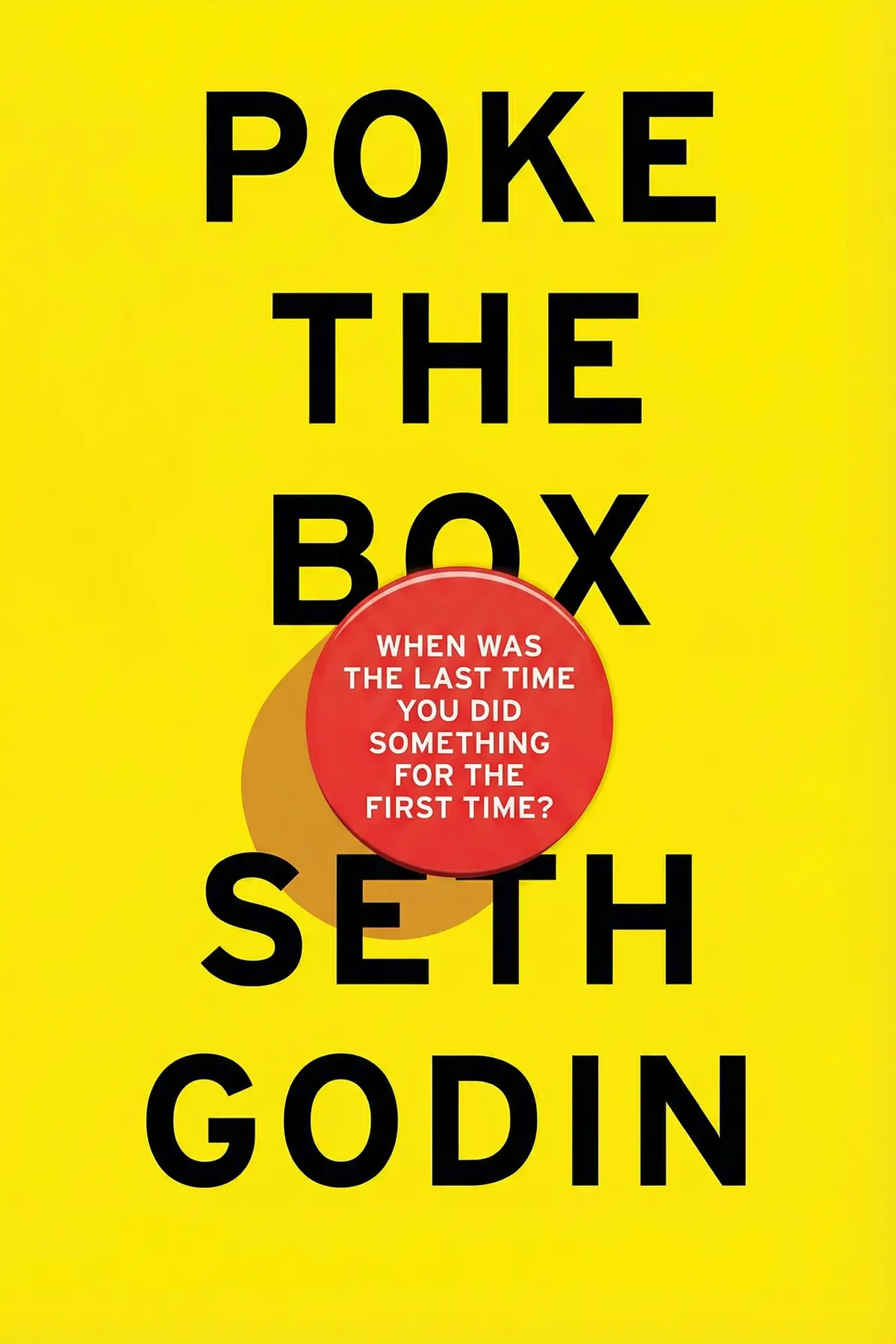
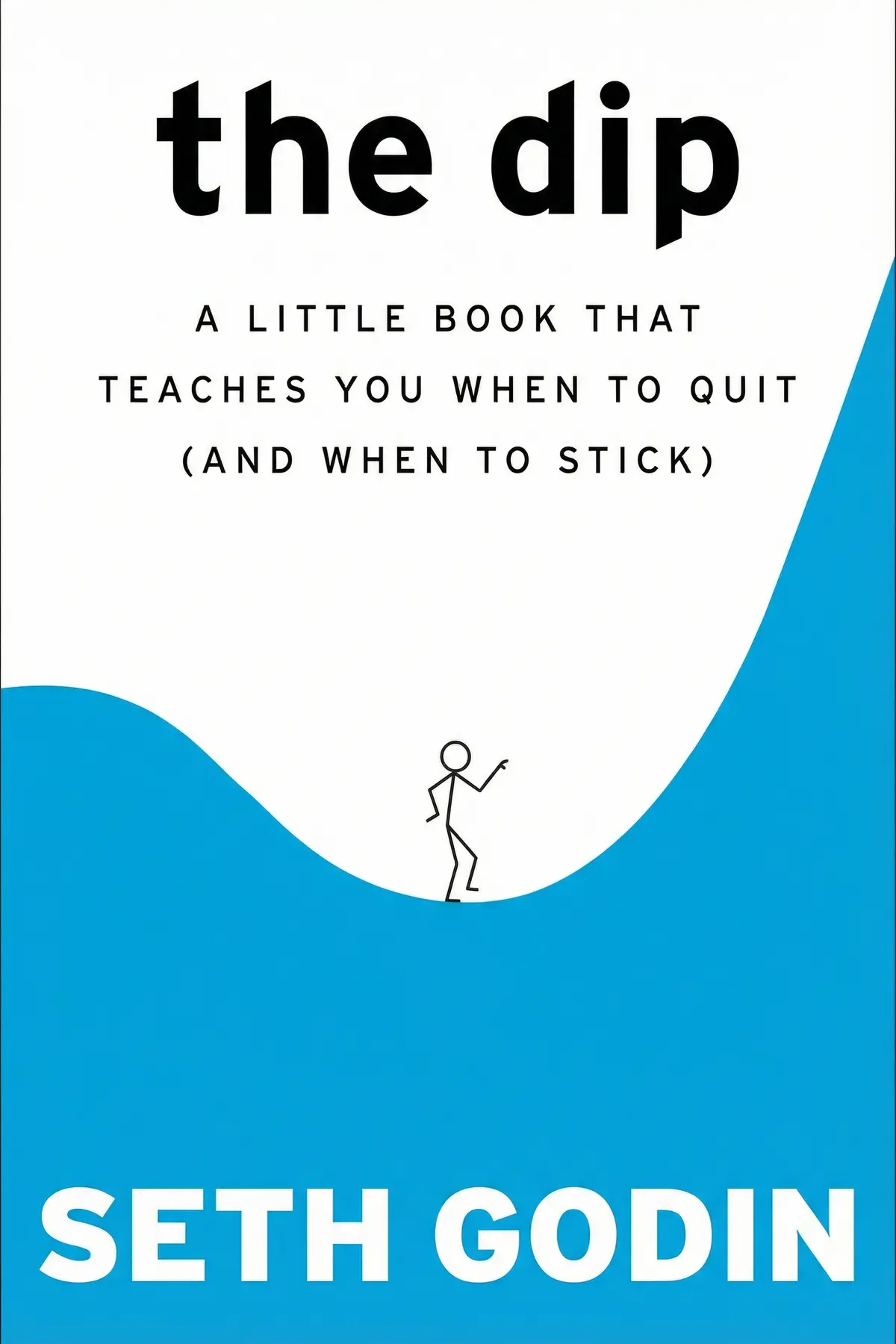
Seth Godin is a renowned author, entrepreneur, and marketing innovator who has significantly shaped modern business thinking. He is the author of 21 best-selling books, including influential titles like Purple Cow, Linchpin, and This is Marketing, which have been translated into 38 languages worldwide. Recognized for his leadership in the field, Godin is a member of both the Direct Marketing Hall of Fame and the Marketing Hall of Fame. Beyond his writing, he founded the pioneering companies Yoyodyne and Squidoo and continues to produce one of the world’s most widely read daily blogs, offering constant insights into culture and commerce.
Linchpin: Are You Indispensable?
Seth Godin

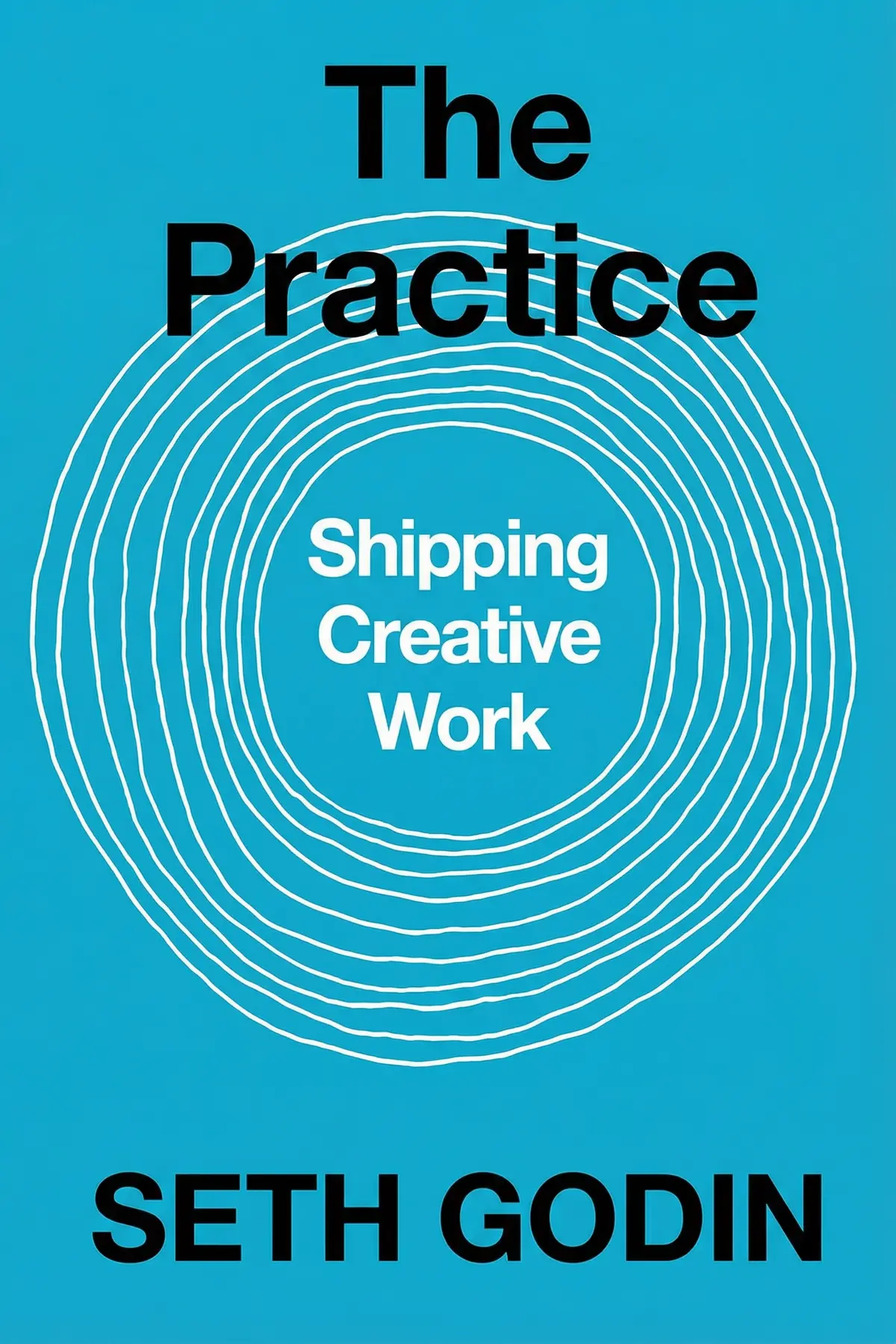
The Practice: Shipping Creative Work
Seth Godin
Tribes: We Need You to Lead Us
Seth Godin
Ratings & Reviews
Ratings at a glance
What people think
Listeners find this book both valuable and thought-provoking, with one review emphasizing its sophisticated grasp of systems and organizational evolution. They further appreciate its perspective on navigating change and industry disruption. Nevertheless, opinions on readability are split, as some find the material hard to get through. The arrangement and concepts also draw varied reactions; one listener points out the incredible density of useful ideas per page, whereas another views it as 250 disconnected thoughts. Finally, the book’s professional utility is debated, with one listener highlighting beneficial marketing concepts for small firms, while another finds the format non-traditional for a business guide.
Top reviews
Rin
Strategy isn't a fixed formula, and this book embodies that truth perfectly through its unique and provocative structure. Seth Godin has delivered a work that feels more like a toolkit for the mind than a standard business text. I particularly appreciated the focus on how positioning grids and metrics can reshape entire industries. It’s a thought-provoking journey that demands active engagement from the reader. You can't just passively consume this; you have to think about your own leverage points. This is easily one of the best non-fiction books of the year for anyone seeking meaningful change.
Show moreTim
What does it actually take to stay relevant when the world is constantly shifting under your feet? Godin answers this by focusing on long-term vision and the power of feedback loops. The way he describes 'systemic advantage' versus 'heroic effort' changed how I view my daily tasks. This book is a deep exploration of the motivations—connection, recognition, safety—that drive human behavior. Not gonna lie, the 297 short chapters are a bold choice, but they allow for a very high density of valuable ideas per page. It’s a brilliant guide for those who want to create remarkable work.
Show moreAiden
Picked this up because I wanted to understand how to move beyond simple tactics and into actual systemic change. I’m glad I did, as the density of ideas here is remarkable. Godin’s focus on systems, feedback loops, and how toxic structures endure is incredibly nuanced. The example of Tony’s Chocolonely was a highlight for me. However, the readability is a bit of a mixed bag due to the vignette style. It isn't a book you sit down and read cover-to-cover in one afternoon. You have to sip it like a strong espresso, or you’ll get lost in the abstraction.
Show moreNarumon
The chapter on the 'four quadrants'—time, games, empathy, and systems—finally made the concept of strategy click for me. Seth argues that we often mistake heroic effort for a real plan, which is a trap I’ve fallen into many times. The book challenges the 'corporate industrial complex' and pushes you to serve a niche rather than chasing scale. Look, it’s definitely unconventional and some might find the short chapters annoying. But if you’re looking for a masterclass in challenging the status quo, this is it. It’s a rousing nudge for any aspiring entrepreneur.
Show moreSamuel
Finally got around to finishing Godin's latest, and it's certainly a different beast than his earlier work. It’s structured as a manifesto of vignettes, which makes it perfect for a daily reading habit but difficult for a deep dive. I loved the emphasis on 'emotional labor' and the way he uses artists like Andy Warhol to illustrate leverage. The writing is clear and punchy, though some sections feel a little repetitive after a while. If you can handle the disjointed nature, there is deep wisdom about how cultural systems resist change. It is worth the money for the perspective shift.
Show moreKenji
Not what I expected, but perhaps exactly what I needed to hear regarding my own project's direction. The distinction between strategy and tactics is often blurred, but this book draws a hard line that is very helpful. I found the sections on the 'smallest viable audience' to be the most practical part of the text. To be fair, the book wanders all over the place and doesn't always provide a step-by-step formula. But strategy is rarely linear, so the structure actually reflects the subject matter well. It’s a solid 4-star read for the insights alone, even if the flow is messy.
Show moreArthit
After hearing Seth talk about this on a podcast, I knew the 'riffs' format would be polarizing for many readers. I personally enjoyed the bite-sized nature of the chapters, even if the continuity felt a bit lacking at times. It forces you to pause and reflect on how your choices today shape your tomorrow. The insights on how cultural norms reinforce existing systems were particularly eye-opening for me. It’s not your typical business book, but it’s packed with marketing wisdom for those willing to do the work. A very insightful, if slightly fragmented, read.
Show moreChloe
As a long-time follower of Seth's daily blog, I found the content here felt a bit like expensive déjà vu. The information is inspiring, focusing on the 'smallest viable market' and the importance of empathy, yet the flow is totally non-existent. It reads like a compilation of 297 meditations rather than a structured business manual. To be fair, some gems are buried in the drier sections, but the lack of a clear framework makes it difficult to apply. It’s a good collection of nuggets, but I’d probably recommend his podcast interviews over the actual book. It’s just too scattered for my brain.
Show moreAnawin
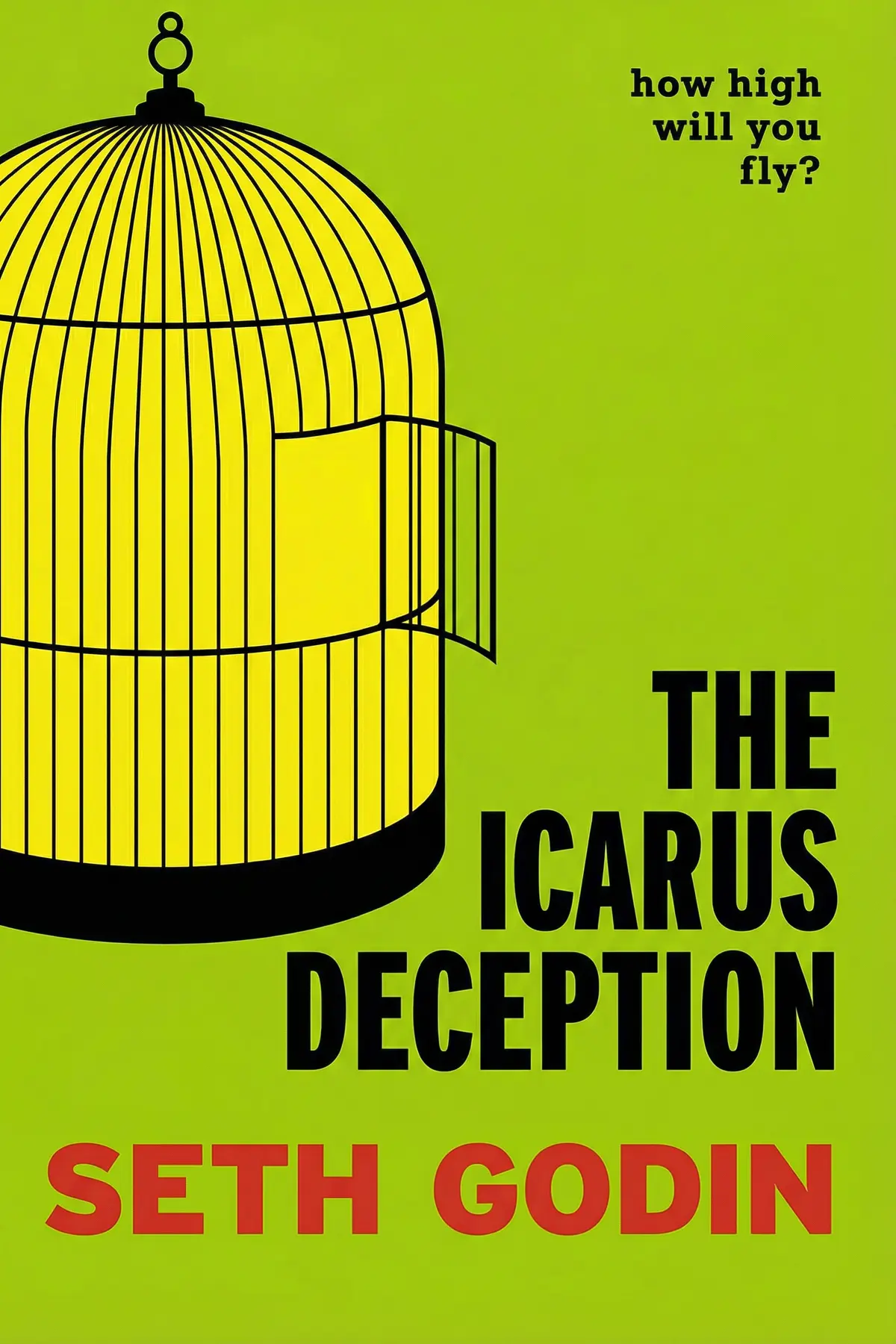
Is this a book or a loosely organized folder of blog posts? I’ve read pretty much all of Seth’s work, and The Icarus Deception remains a personal favorite, but this was a major letdown. The structure is too abstract and disjointed to be useful for someone actually trying to run a business. I struggled through the first sixty chapters hoping for a thread of continuity, but I eventually threw in the towel at chapter 72. Truth is, the ideas are okay, but the delivery is so fragmented that it’s exhausting to read. It lacks the punch and focus of his earlier work.
Show moreEarn
This book represents everything that is frustrating about modern non-fiction. It feels like a collection of random thoughts assembled with zero editing work or overarching logic. Frankly, it’s hard to shake the feeling that this was mostly AI-generated, which the author even hints at in the intro. I expected a cohesive guide on how to build a better plan, but instead, I got 250+ disjointed riffs that read like a disorganized Reddit thread. Even though there are a few interesting points on systems, the reader has to do way too much heavy lifting to find them. If you want strategy, look elsewhere.
Show moreReaders also enjoyed
A Year with Peter Drucker: 52 Weeks of Coaching for Leadership Effectiveness
Joseph A. Maciariello
Acting with Power: Why We Are More Powerful Than We Believe
Deborah Gruenfeld
All In: How Great Leaders Build Unstoppable Teams
Mike Michalowicz
7 Powers: The Foundations of Business Strategy
Hamilton Helmer

A Bigger Prize: How We Can Do Better Than the Competition
Margaret Heffernan
AUDIO SUMMARY AVAILABLE
Listen to This Is Strategy in 15 minutes
Get the key ideas from This Is Strategy by Seth Godin, plus 5,000+ more titles in English and Thai.
- 5,000+ titles
- Listen as much as you want
- 7-day free trial
- Cancel anytime







