
21 min 58 sec
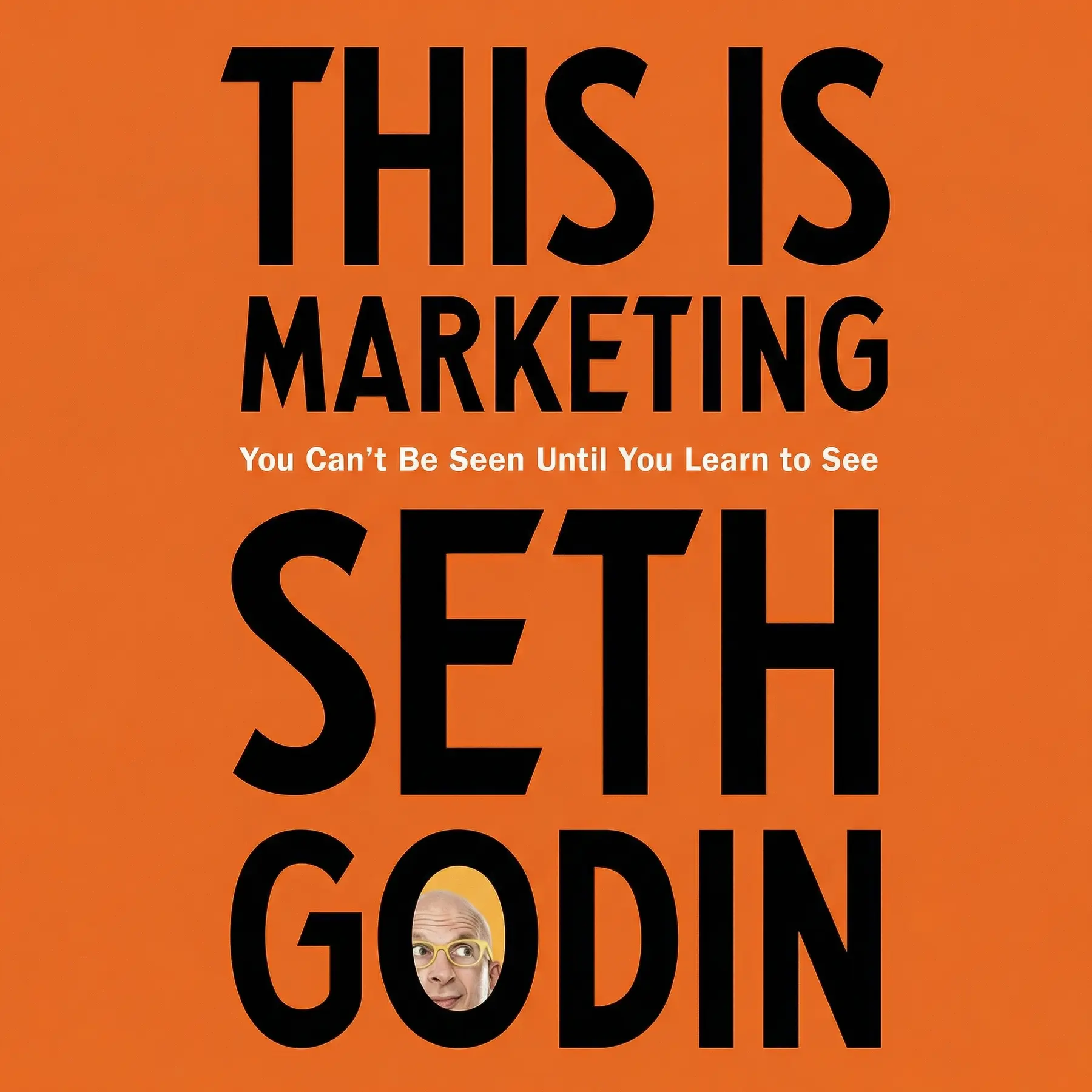
This Is Marketing: You Can't Be Seen Until You Learn to See
By Seth Godin
Seth Godin redefines marketing for the modern era, moving away from loud advertising toward meaningful connection. Learn to see your customers, build empathy, and create change through small, intentional tribes.
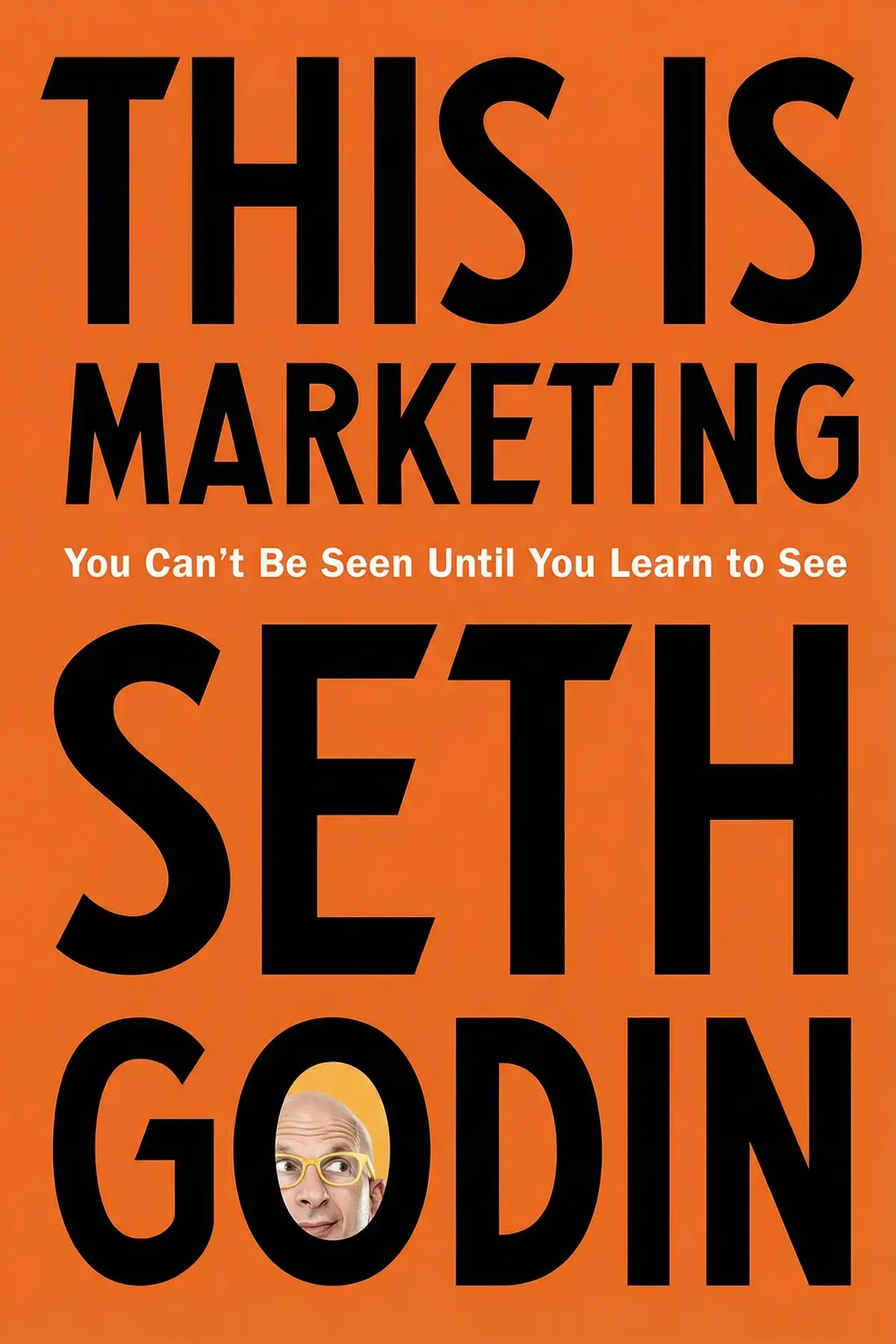
Table of Content
1. Introduction
1 min 42 sec
When most of us hear the word marketing, we immediately think of the loud, intrusive world of advertising. We think of television commercials interrupting our favorite shows, billboards cluttering the highway, or the endless stream of pop-ups that we frantically try to close. For decades, marketing and advertising have been treated as if they were the exact same thing. But there is a massive shift happening under our feet. The old methods of yelling at the masses in the hopes that someone—anyone—will buy what you are selling are becoming increasingly ineffective.
In this new era, marketing is not about manipulation or interruption. It is about something much deeper: empathy. It is the generous act of helping someone solve a problem, or helping them become the person they want to be. It is about learning to see the world from your customer’s perspective and realizing that you cannot be truly seen until you learn how to see them first.
In the following insights, we are going to explore a new philosophy for the digital age. We will look at why the mass-media strategy of the twentieth century is a dead end and how the internet has fractured our culture into thousands of tiny, specialized communities. We will see how effective marketing starts long before a product is even finished, beginning instead with the identification of a core human need. Along the way, we will discover why trying to please everyone is a recipe for failure and how finding a tiny, dedicated group of fans is the most powerful way to build a brand that lasts. Let’s dive into how you can start creating change by focusing on connection, resonance, and the smallest viable market.
2. The Death of Mass Media Saturation
2 min 42 sec
The traditional strategy of blasting a single message to the masses no longer works in a world defined by fragmentation and personalized digital feeds.
3. The Invisible Ceiling of Digital Advertising
2 min 20 sec
While modern advertising offers unprecedented targeting and measurement, it suffers from a fatal flaw: every competitor has access to the same tools.
4. Marketing Begins with Human Desires
2 min 24 sec
Successful products are not just functional tools; they are emotional solutions that satisfy fundamental human needs like safety and respect.
5. Embracing the Smallest Viable Market
2 min 23 sec
Instead of trying to please everyone, focus on a specific group of early adopters who are eager for change and align with your mission.
6. Positioning at the Extremes of Value
2 min 18 sec
Standing out requires more than being ‘better’; it requires choosing a unique combination of values that sets you apart from the crowded middle ground.
7. Leading Tribes Through Shared Worldviews
2 min 17 sec
Marketing is the art of storytelling for a specific tribe, using the symbols and language that reinforce their internal sense of identity.
8. The Dynamics of Status and Tension
2 min 20 sec
To move people toward a purchase, you must skillfully use the pressure of status shifts and the contrast between affiliation and domination.
9. Crossing the Chasm with Network Effects
2 min 04 sec
The bridge between a niche tribe and the general public is built on products that become more valuable as more people use them.
10. Conclusion
1 min 28 sec
In conclusion, marketing is far more than just the art of selling things; it is the craft of making change happen. It begins with the humility to see others as they are and the empathy to understand their deepest needs and worldviews. We have seen that the old world of mass-market shouting is over, replaced by a world of tribes, status, and connection. To succeed today, you must stop trying to reach everyone and start trying to reach the right people. Focus on your smallest viable market, tell a story that resonates with their specific values, and use the power of tension and network effects to let your message spread.
As a final piece of actionable advice, try the XY graph exercise for your own project. Identify the two most important sets of opposing values for your potential customers—perhaps it’s convenience versus quality, or tradition versus innovation. Map these out and see where your competitors are clustered. If everyone is in the center, look to the edges. By positioning yourself in a unique corner of that graph, you make it possible for your tribe to find you. Marketing is a generous act, and when you do it right, you aren’t just making a sale; you are helping someone become the person they were meant to be. Now, go out and find the people who are waiting to be seen by you.
About this book
What is this book about?
This Is Marketing offers a fundamental shift in how we perceive the act of selling. Instead of viewing marketing as a contest to see who can yell the loudest or interrupt the most people with ads, this summary presents marketing as a generous act of helping people solve their problems. It explores why the traditional mass-media model has crumbled and how the internet has changed the way we find and interact with communities. The promise of the book is that by understanding the deep human desires for safety, status, and belonging, you can build a business that people actually care about. You will learn how to identify your smallest viable market, position your product on the extremes of human values, and use the power of tribes to spread your message. It is a guide for anyone who wants to create work that matters for people who care, focusing on empathy and emotional resonance rather than cold metrics and mass saturation.
Book Information
About the Author
Seth Godin
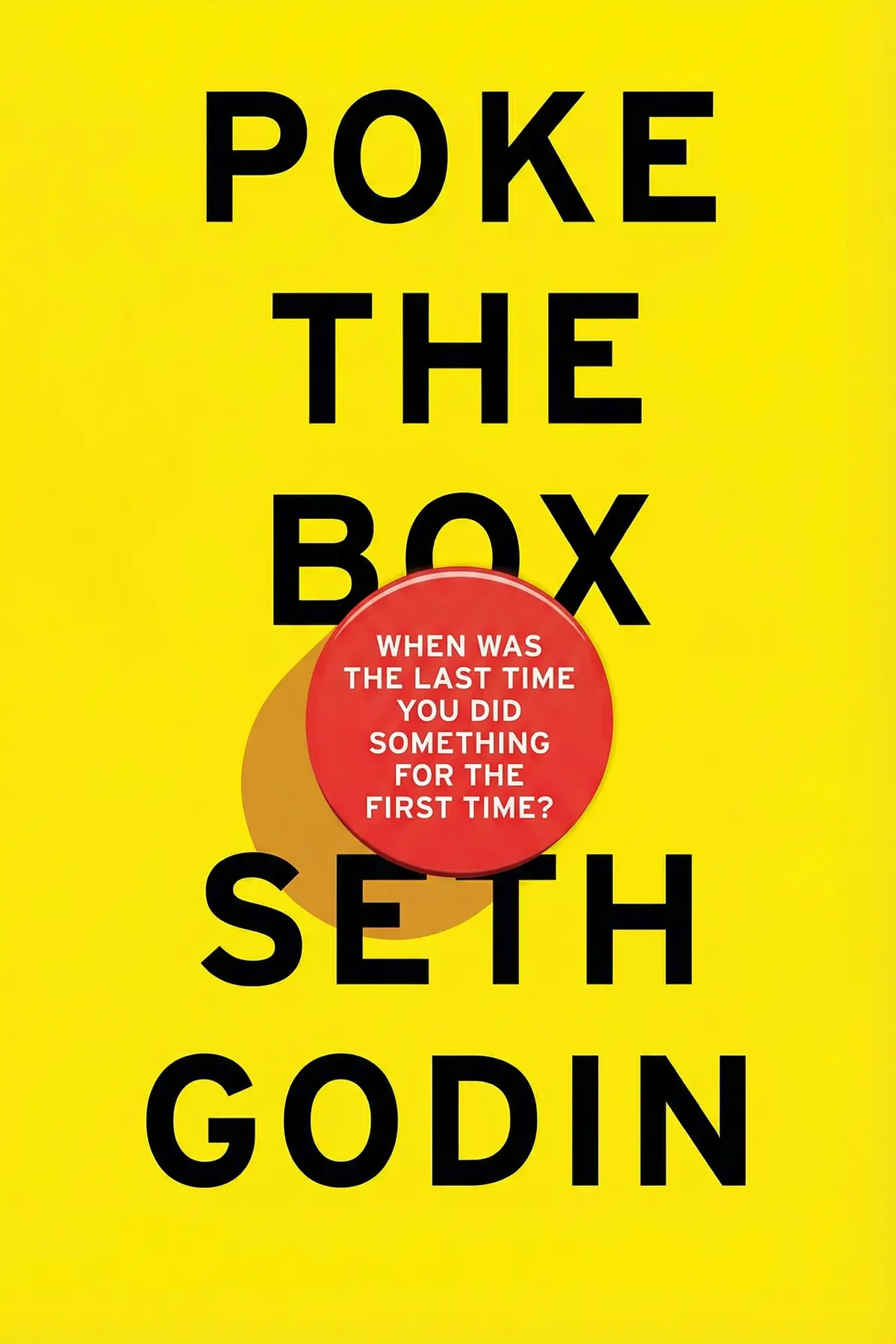
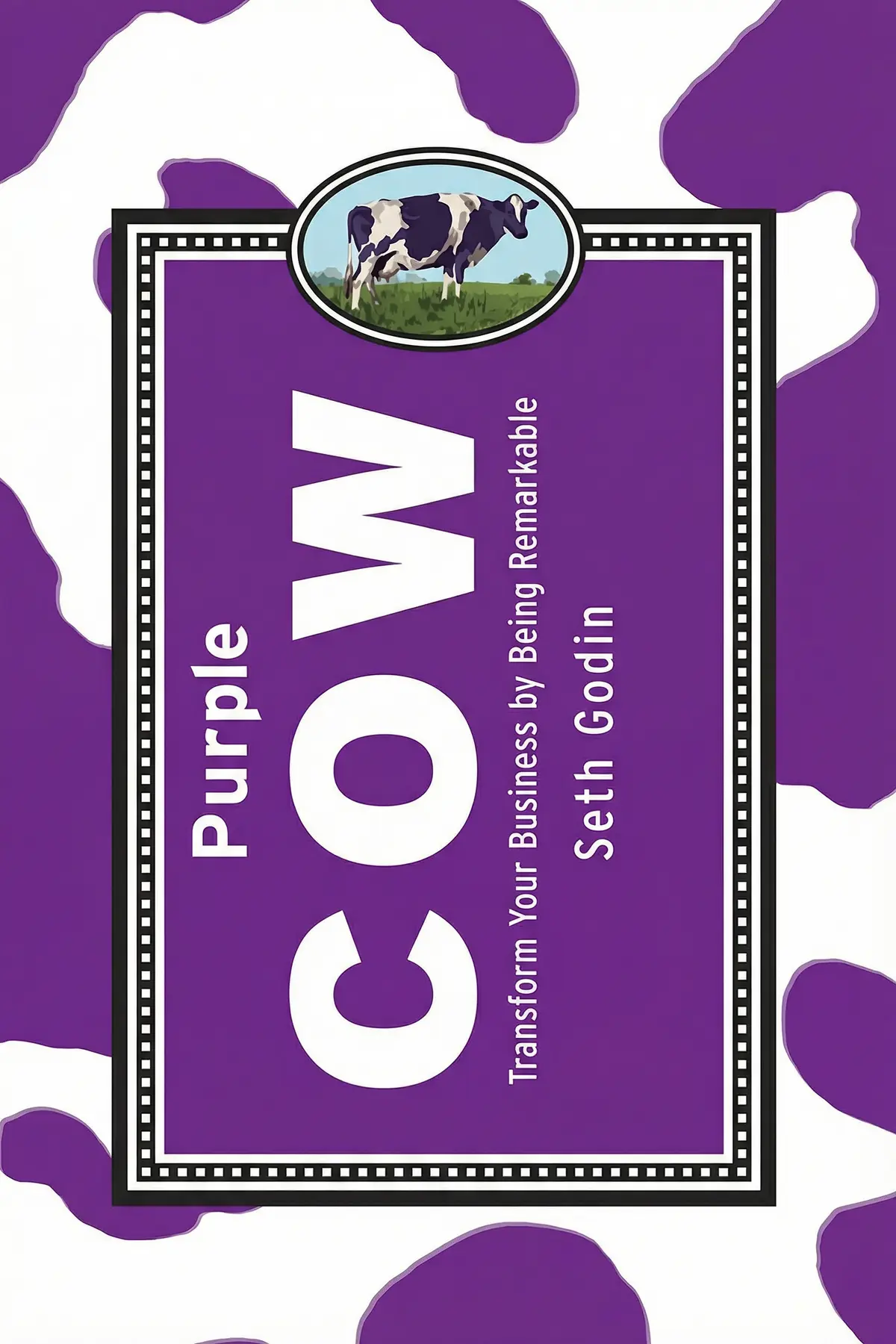
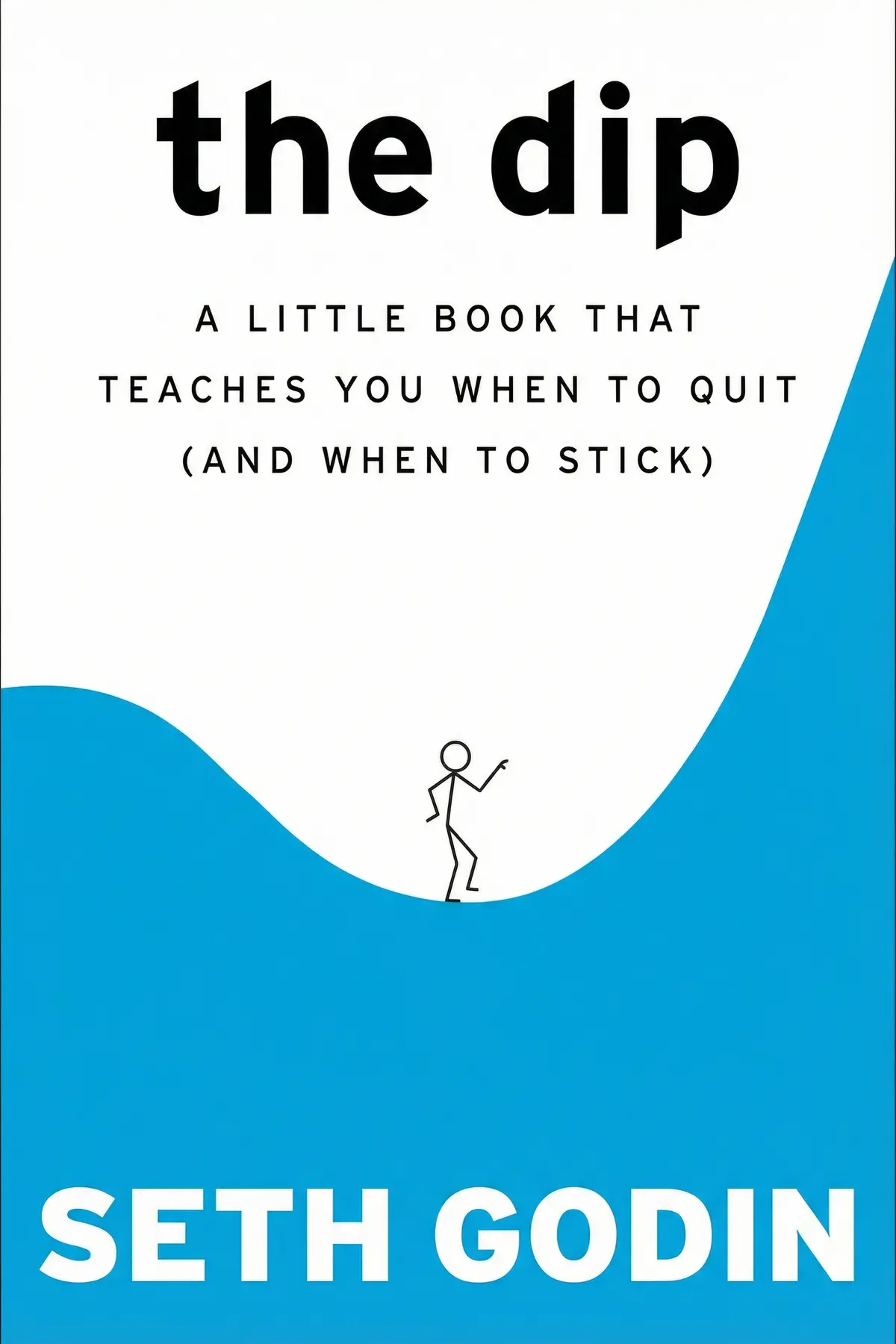
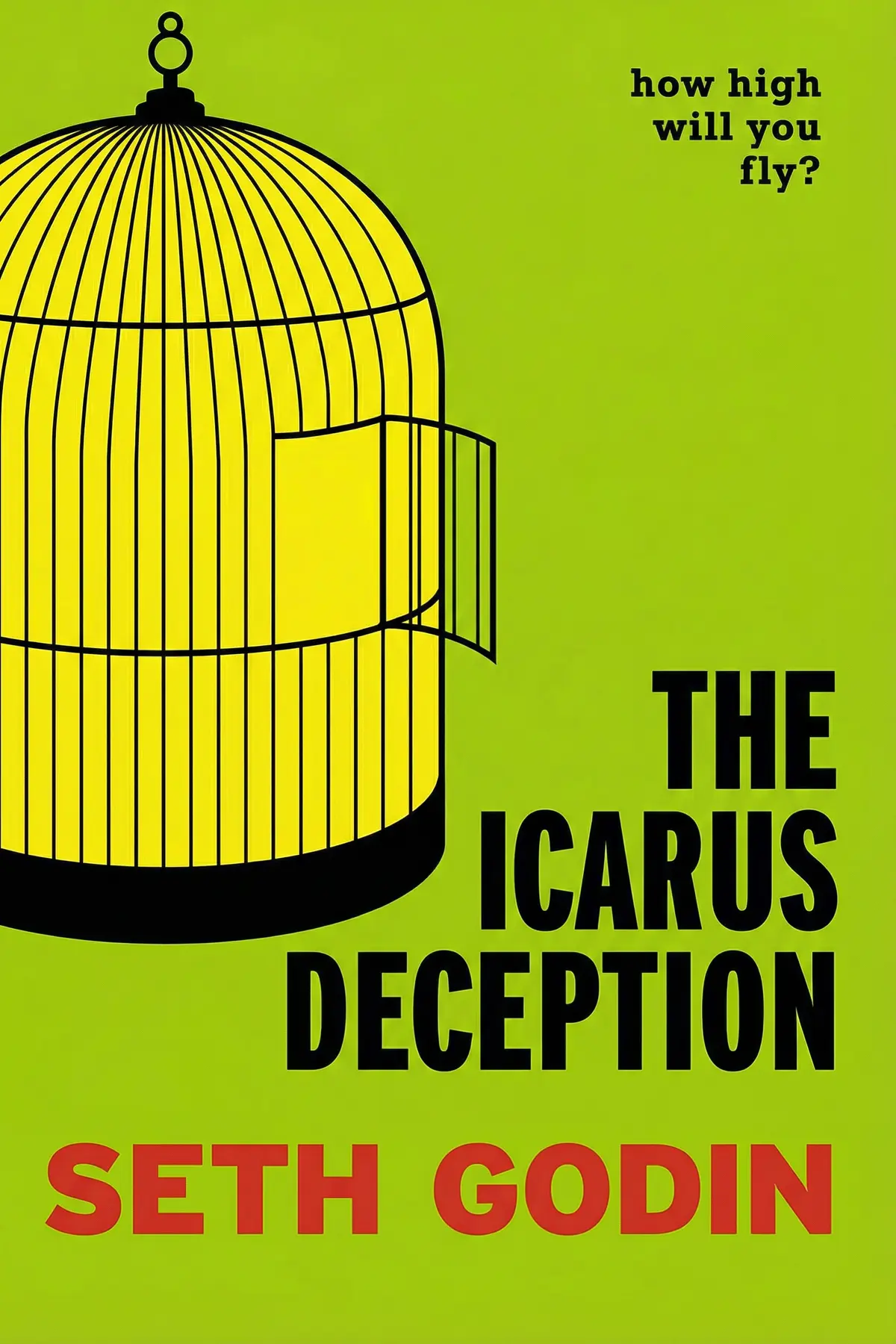
Seth Godin is a renowned entrepreneur, educator, writer, and speaker specializing in marketing and leadership. He founded the companies Squidoo and Yoyodyne and has authored 18 books. His notable works include the New York Times bestseller The Dip and Purple Cow, the latter of which saw massive success with over 150,000 copies sold and 23 printings in its first two years. Godin also hosts marketing workshops and maintains the widely popular Seth’s Blog.
Linchpin: Are You Indispensable?
Seth Godin
The Practice: Shipping Creative Work
Seth Godin

This Is Strategy: Make Better Plans
Seth Godin
Tribes: We Need You to Lead Us
Seth Godin
Ratings & Reviews
Ratings at a glance
What people think
Listeners find the work insightful and full of wisdom, with one mentioning it provides bite-sized portions of marketing philosophy. The book is easy to consume and listen to, clarifying complex ideas and acting as a practical guide that listeners believe is highly relevant today. They admire the writing style and feel it is worth the cost, with one listener stating it's more valuable than college textbooks on marketing.
Top reviews
Bird
After hearing so much hype about Seth Godin, I finally dove into this, and it’s a breath of fresh air compared to dry academic texts. Instead of focusing on cold metrics and spamming people, Godin centers the conversation on human connection and finding your smallest viable market. Truth is, most marketing books try to teach you how to trick people, but this one teaches you how to serve them with dignity and respect. The short, punchy chapters make it incredibly easy to consume, almost like a collection of daily meditations for a modern business owner. It is more of a philosophical guide than a technical manual, which might frustrate some, but for me, it provided the mindset shift I desperately needed. I’d take these bite-sized nuggets of wisdom over a thousand-page college textbook any day of the week.
Show moreSook
This book is a masterclass in shifting your perspective from 'how do I get more likes' to 'how do I make a difference for a specific group of people.' Seth Godin has a way of distilling complex psychological concepts into simple, accessible language that anyone can understand, regardless of their background. I particularly appreciated the focus on the smallest viable market, which is such a counter-intuitive but powerful way to look at growth. It’s a practical guide in the sense that it changes how you think, even if it doesn't tell you exactly which buttons to click on Facebook. Not gonna lie, some sections felt a bit repetitive, and the style is definitely 'Godin-esque' with those short paragraphs. However, the core message of sincerity and transparency is something every modern professional needs to hear.
Show moreSoontorn
Ever wonder why some brands just seem to 'get it' while others feel like they're shouting into a void? Godin explains this phenomenon beautifully by breaking down the emotional labor and storytelling required to actually move people. I loved how he emphasized that we aren't for everyone, and that trying to appeal to the masses is actually a recipe for being boring and average. This book feels more like a philosophical meditation on what it means to lead a tribe than a standard business text. The writing is punchy, poetic, and packed with insights that I’ve already started applying to my creative business. It’s easily more valuable than most college courses I’ve taken on the subject because it deals with the reality of human connection. If you're tired of the 'hustle' culture, this is the manual you’ve been waiting for.
Show moreNum
Picked this up on a whim, and it’s easily the most insightful thing I’ve read this year. Marketing has such a bad reputation for being manipulative, but this book completely flips the script by arguing that marketing is actually an act of leadership. It’s about finding the people who care about what you do and ignoring the rest, which is such a liberating concept for any creator. The way Godin talks about the psychology of change and status is brilliant and deeply practical for anyone trying to launch a new idea. While it doesn't offer a step-by-step technical guide, it provides a strategic framework that is far more durable than any temporary hack. It’s a beautiful, humane look at how we interact with the world through the products and services we create.
Show moreSai
As someone who has spent a decade in the corporate grind, I found Godin’s approach to be a necessary reminder of why we do this work in the first place. He moves away from the aggressive tactics of 'classic' marketers and focuses on the idea that marketing is the generous act of helping someone solve a problem. The chapter on positioning as a service really stood out to me as a game-changer for my current projects. While some might complain that the writing is too pithy or lacks a traditional structure, I found the format allowed me to reflect on each idea individually. It isn't a technical checklist, and to be fair, that’s exactly why it works so well in a world that changes every few months. This is about the roots of human behavior, not just the latest algorithm hacks.
Show moreCharlotte
The chapter on 'Who are you for?' really changed the way I look at my freelance business. Personally, I found the bite-sized chapters quite refreshing because I could read a few pages during my commute and have something substantial to chew on for the rest of the day. Godin avoids the technical jargon that usually clutters these types of books, making the content accessible to people who might not even consider themselves marketers. My only gripe is that the layout can feel a bit disjointed at times, almost like he’s trying too hard to be pithy with those one-sentence paragraphs. But the underlying message of respect and dignity in business is so strong that it outweighs the stylistic quirks. It’s a solid investment for anyone who wants to build something that lasts.
Show moreNina
Wait, is this actually a marketing book or a collection of motivational posters? While I respect Godin’s past work, this specific title occasionally feels like it was written in a hurry, with very little technical data to back up the grand claims. I found the lack of a traditional narrative thread slightly frustrating, as the book jumped from one topic to another with almost no transition between paragraphs. To be fair, there are dozens of incredible nuggets about empathy, but they are sometimes buried under generalities and repetitive aphorisms. It’s clearly meant for the modern professional who wants to feel inspired, but for anyone looking for specific technical tips, it might be a bit of a letdown. I’m giving it four stars because the core philosophy is absolutely transformative, even if the execution feels a bit coy.
Show moreA
Finally got around to reading this one, and I have to say I’m caught right in the middle. On one hand, the wisdom regarding empathy and permission marketing is top-tier and should be required reading for anyone in the attention economy. On the other hand, the delivery is so fragmented that it feels more like a summary of his previous books than a new, cohesive work. It’s a quick read, which is a plus, but I often found myself wishing he would dive deeper into the case studies instead of just skating over the surface. The truth is, it’s a great book for a mindset shift, but don’t expect to walk away with a detailed marketing plan. It’s more about the 'why' than the 'how,' which has its place, but it left me feeling slightly underwhelmed.
Show moreYui
Look, I really wanted to like this book because Godin is such a big name, but it felt like a series of disjointed blog posts strung together without a coherent narrative. Every time he started to get into a meaty concept, he’d pivot to a one-sentence paragraph that sounded like a fortune cookie. It’s frustrating because you can tell he’s brilliant, yet he refuses to give you any tangible steps or actual marketing theory to apply. I found myself scrolling through pages of repetitive observations about the 'attention economy' without ever finding a solid 'how-to' guide. If you’re a complete beginner, you might find some of the aphorisms inspiring, but experienced professionals will likely find it too vague to be useful. It’s a fast read, but unfortunately, it’s a forgettable one that lacks the punch I was looking for.
Show moreIngrid
Not what I expected at all, and frankly, it felt like a waste of my time and money. I was looking for a practical guide to help me understand the fundamentals of modern advertising, but instead, I got a book full of proverbs and vague metaphors about axes and spectrums. The lack of flow is jarring; one minute he's talking about what a car is for, and the next he's listing random words that don't seem to connect to any actual strategy. Reading this was like watching a series of unrelated YouTube clips on 2x speed without any context or vetting for quality. I don't need to be told to 'be authentic' ten different ways in ten different chapters without a single case study that goes into depth. If you want actual marketing education, look elsewhere, because this is just a collection of cute sayings that don't translate to real-world results.
Show more
Readers also enjoyed
AUDIO SUMMARY AVAILABLE
Listen to This Is Marketing in 15 minutes
Get the key ideas from This Is Marketing by Seth Godin, plus 5,000+ more titles in English and Thai.
- 5,000+ titles
- Listen as much as you want
- 7-day free trial
- Cancel anytime







