
14 min 19 sec
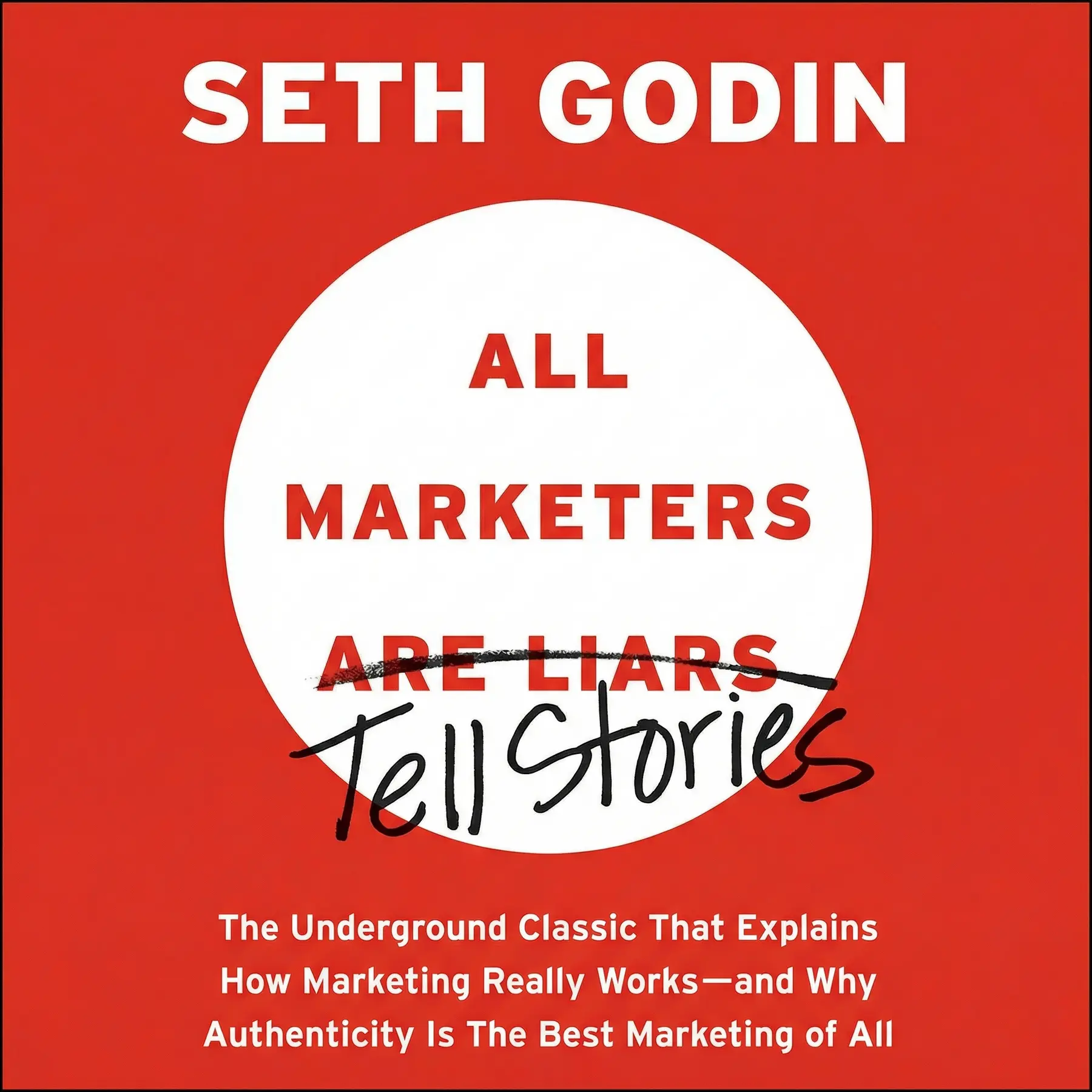
All Marketers Are Liars: The Underground Classic That Explains How Marketing Really Works – and Why Authenticity Is The Best Marketing of All
By Seth Godin
All Marketers Are Liars explores the transformative power of storytelling in business. Seth Godin explains why successful brands succeed by creating authentic narratives that align with consumer worldviews rather than just pushing features.
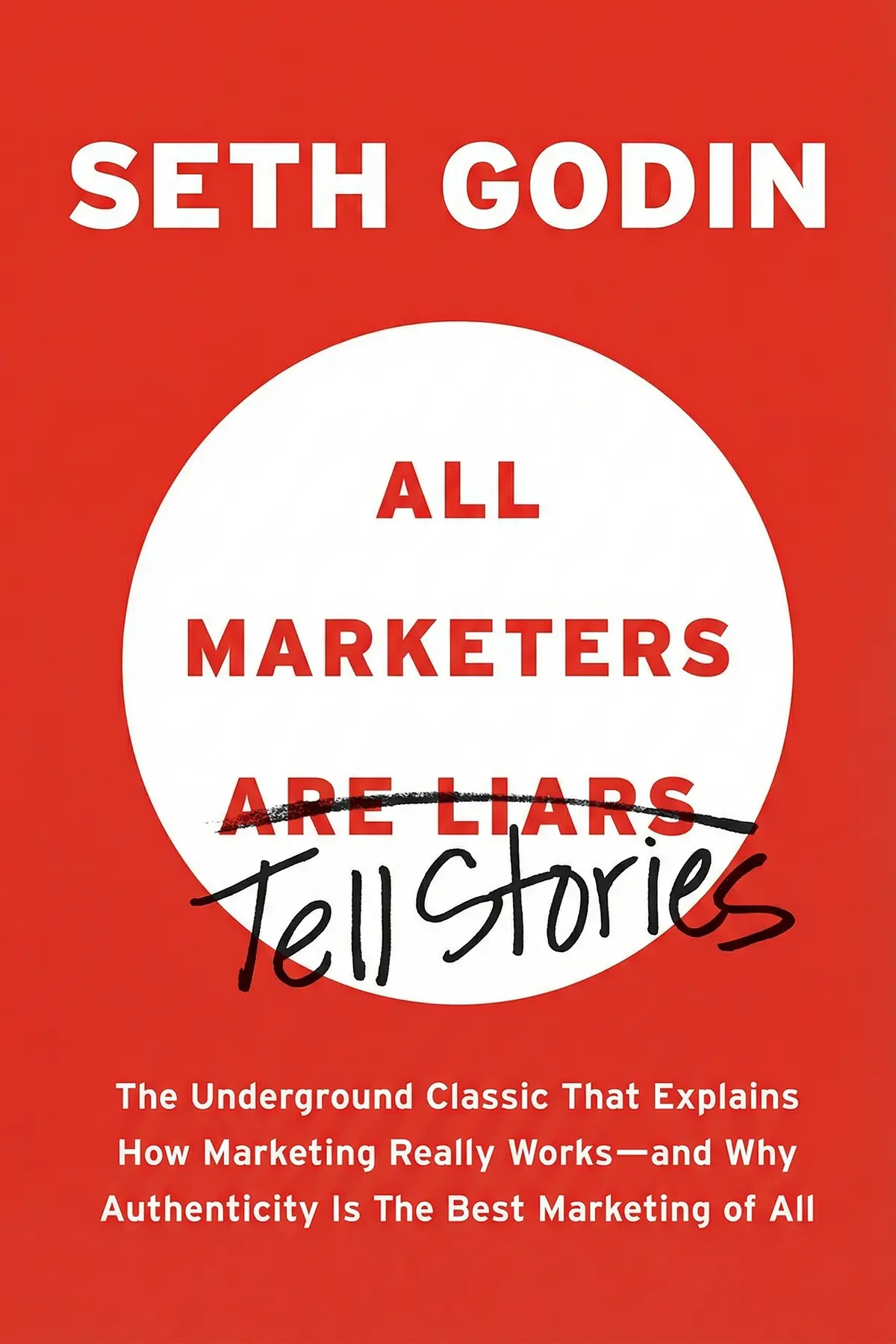
Table of Content
1. Introduction
1 min 52 sec
Why is it that we can walk into a store, look at two nearly identical items, and feel an overwhelming pull toward one over the other? It isn’t usually because we’ve conducted a rigorous scientific analysis of the materials or the manufacturing process. It’s because one of those items tells us a story about ourselves that we desperately want to believe. This is the central provocation of Seth Godin’s classic work.
When Godin says that all marketers are liars, he isn’t calling for a trial on ethical grounds. Instead, he’s pointing out a fundamental truth about human nature: we lie to ourselves all the time to make sense of the world. We tell ourselves that a certain car makes us look successful, or that a specific brand of organic juice makes us better parents. Marketers are simply the people who provide the raw materials for these internal narratives.
In this summary, we are going to explore the mechanics of this storytelling process. We will look at how our personal worldviews act as filters for every piece of information we receive, and why attempting to change someone’s mind is usually a fool’s errand. We will also dive into the concept of ‘frames’—the specific lenses marketers use to make their stories relatable—and the vital importance of authenticity. If a story is inconsistent, it falls apart. But if it’s authentic, it can change the very way a consumer experiences reality.
Throughline: Modern marketing isn’t about the product; it’s about the story the consumer tells themselves, and the most successful stories are those that align perfectly with the consumer’s existing worldview while maintaining total authenticity across every touchpoint.
2. The Power of Believable Narratives
1 min 50 sec
Discover why scientific proof often takes a backseat to a well-told story, and how the right glass can actually make wine taste better.
3. The Filter of Worldviews
1 min 52 sec
Learn why consumers only believe what fits their existing biases and how your history shapes your future buying habits.
4. Framing the Story for the Right Audience
1 min 51 sec
Uncover how the same product can succeed or fail based solely on how it is framed to meet the shifting tides of public opinion.
5. The Science of Attention and Making Sense
1 min 45 sec
Find out why our brains are wired like frogs and how we use stories to create order out of random events.
6. The Necessity of Total Authenticity
1 min 41 sec
Why first impressions are actually the result of every single interaction and how one bad employee can ruin a million-dollar brand.
7. The Ethical Boundary: Fibs versus Frauds
1 min 51 sec
Distinguish between the harmless lies that make our lives better and the dangerous deceptions that destroy businesses.
8. Conclusion
1 min 37 sec
As we reach the end of this journey into the heart of modern marketing, the takeaway is clear: the most powerful tool in your arsenal isn’t a bigger advertising budget or a more complex set of features. It is a story that rings true. We live in a world where people don’t just buy products; they buy identities, they buy status, and they buy peace of mind. They buy the story that makes them feel like the person they want to be.
To succeed, you must start by listening. You have to understand the existing worldviews of the people you want to reach. Don’t try to change their minds—instead, find a way to frame your idea so that it fits perfectly into the story they are already telling themselves. But remember, once you tell that story, you must live it. Authenticity isn’t a marketing tactic; it is the foundation of your business. Every interaction, from the first click on your website to the way you handle a return, must reinforce the narrative.
Here is your actionable path forward: pick a very specific audience and master their worldview. Craft a narrative that feels like a natural extension of their beliefs. Ensure that every single part of your business reflects that narrative with total consistency. And above all, use your power to tell stories that enhance your customers’ lives rather than deceiving them. When you align a great story with a willing audience and maintain your integrity, you won’t just be a marketer—you’ll be the architect of a brand people truly believe in.
About this book
What is this book about?
Have you ever wondered why some products become cultural icons while others, despite being objectively better, fail to gain traction? The answer doesn't lie in the quality of the specs, but in the quality of the story. In this exploration of modern marketing, the focus shifts away from traditional advertising toward the psychological narratives that consumers tell themselves. Seth Godin reveals that humans are not the rational decision-makers we believe ourselves to be. Instead, we are story-driven creatures who use our personal biases and worldviews to filter information. The book promises to teach you how to identify these existing worldviews and craft stories that are not only believable but also authentic. By the end, you'll understand the critical difference between a harmless 'fib' that enhances a customer's experience and a 'fraud' that destroys trust and lives. It is a guide for anyone looking to spread an idea in a world that is increasingly cynical of the hard sell.
Book Information
About the Author
Seth Godin
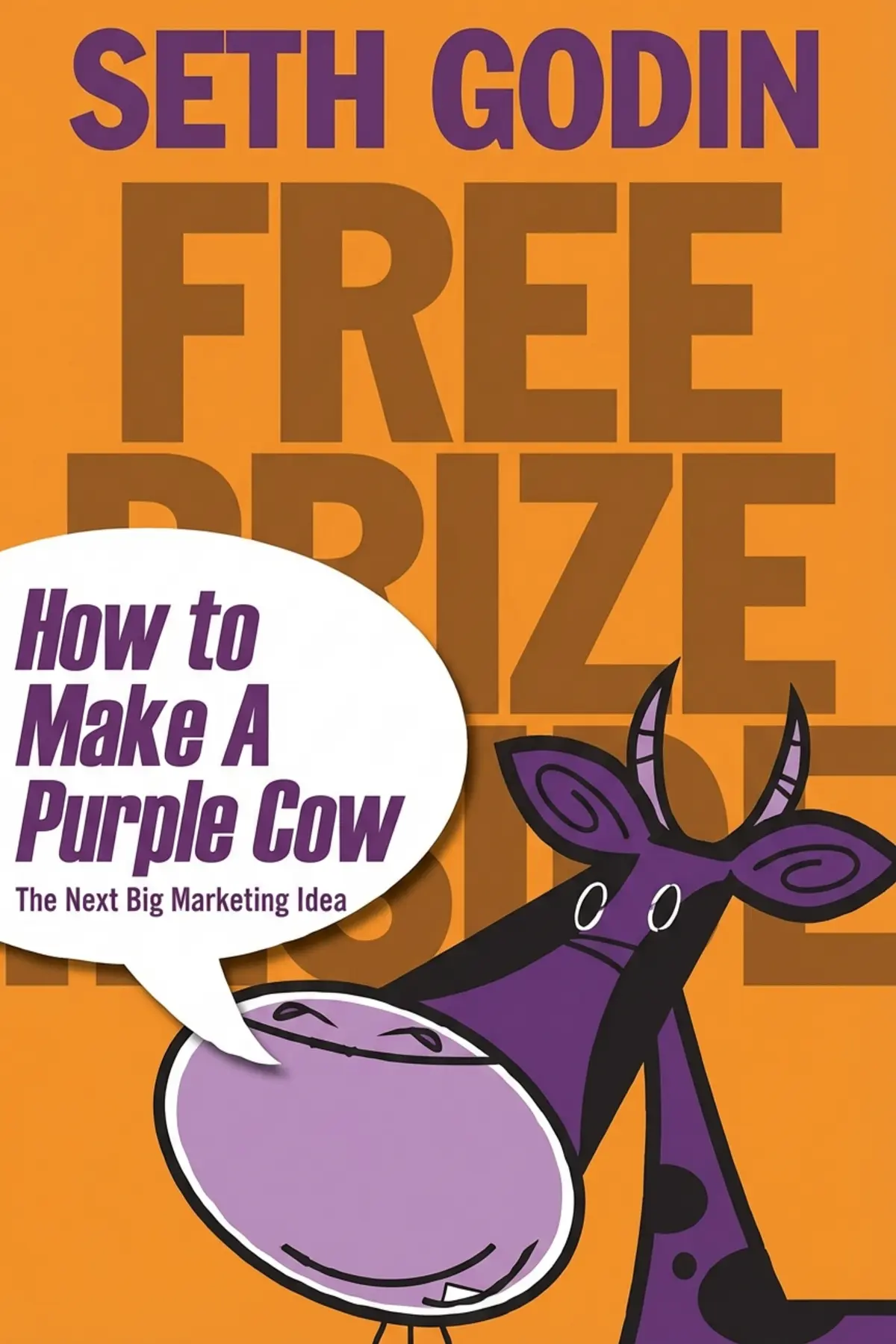
Seth Godin is a titan of the marketing world, known for his ability to distill complex business trends into actionable wisdom. He is the bestselling author of numerous influential titles, including Purple Cow, Linchpin, and Poke the Box. Beyond his books, he is recognized as one of the most prolific and influential business bloggers globally, consistently challenging the status quo of how ideas are spread.
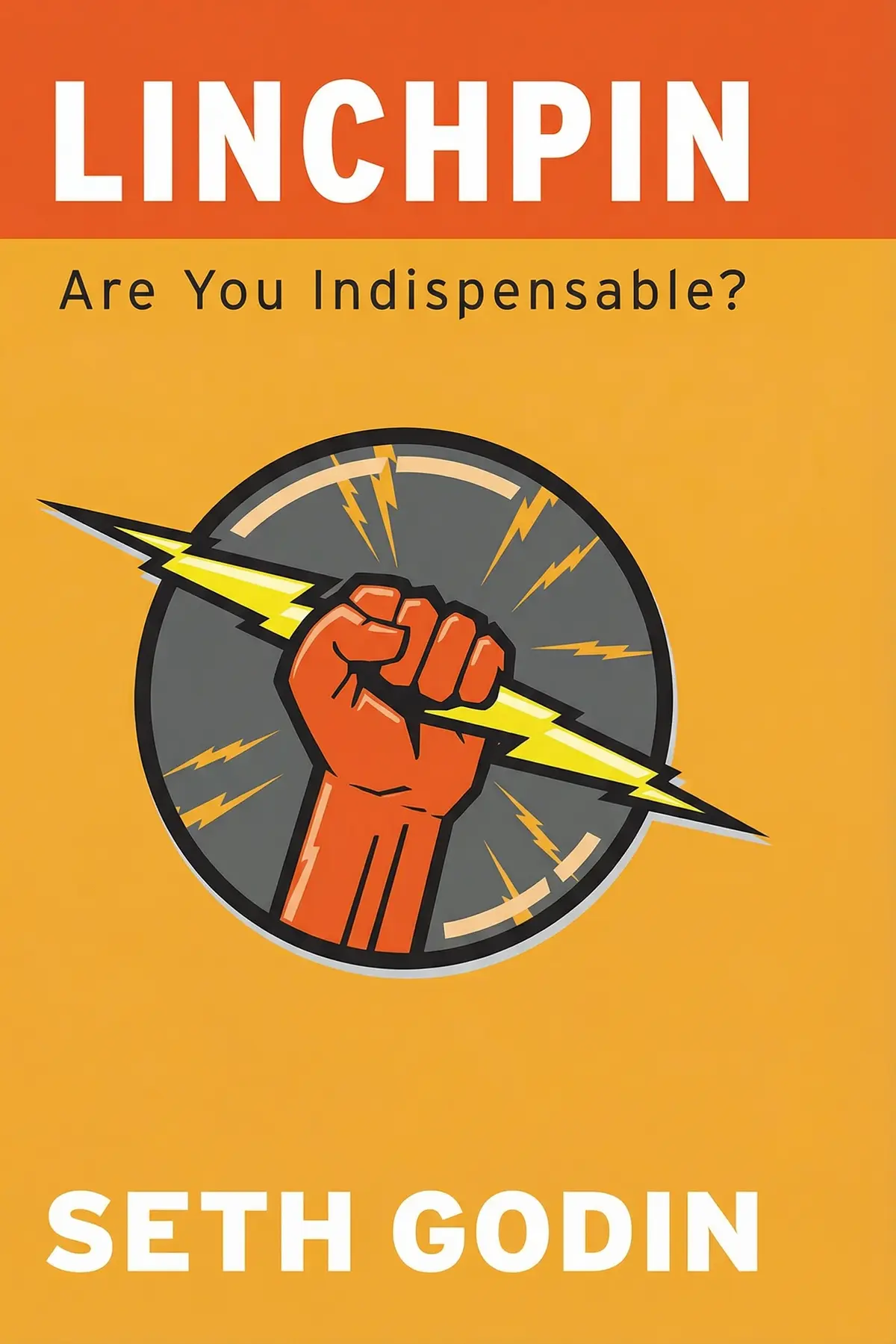
Linchpin: Are You Indispensable?
Seth Godin
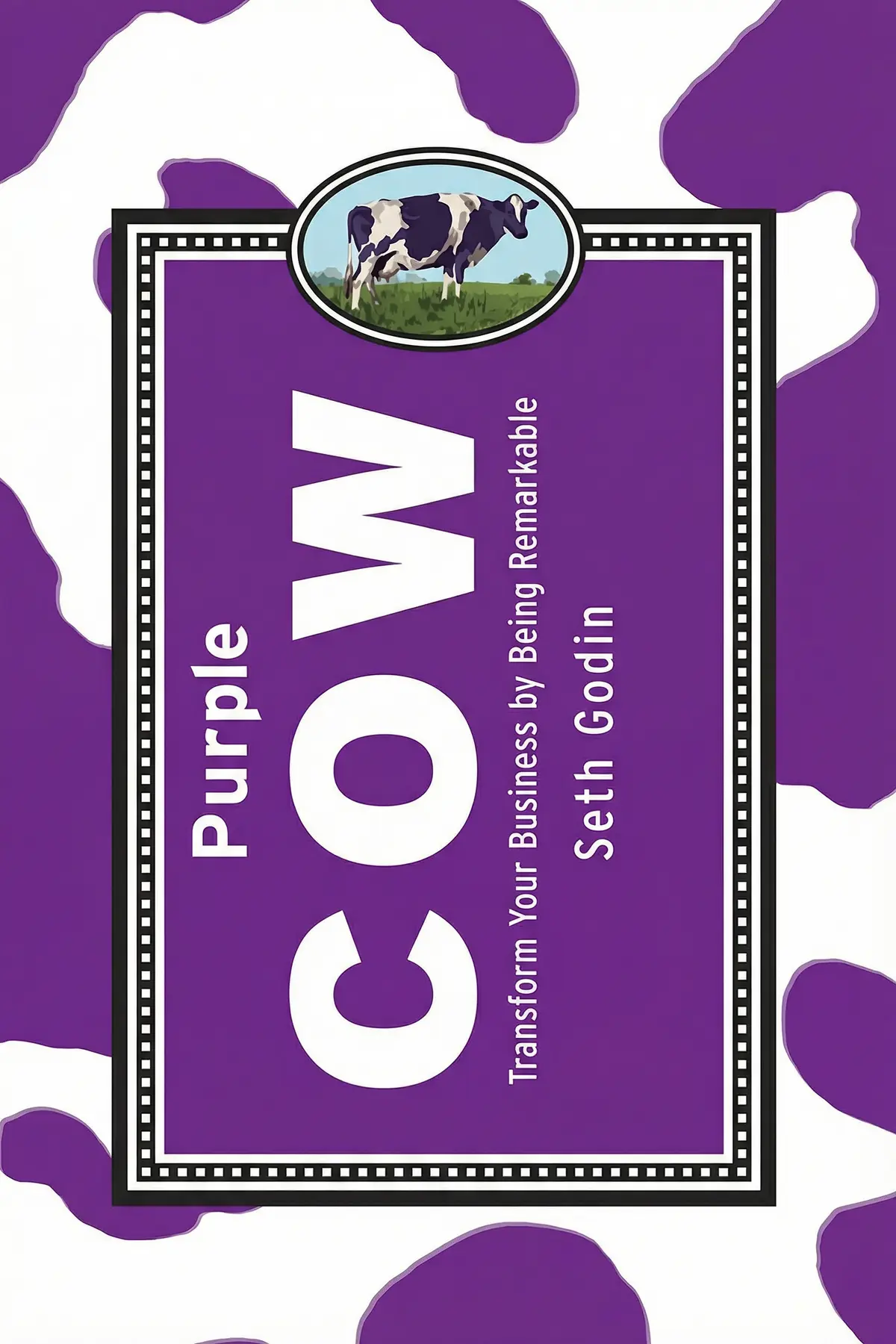
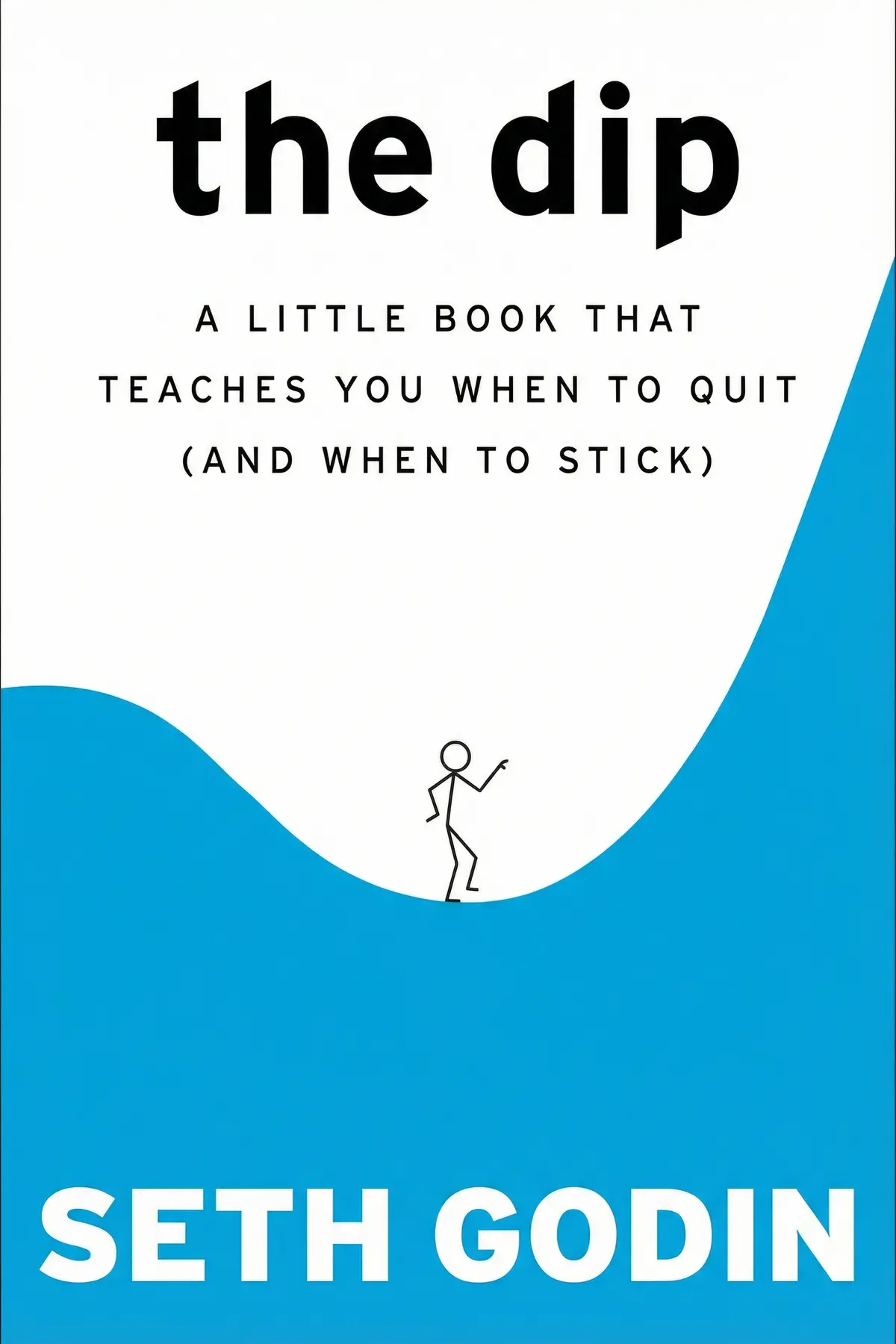
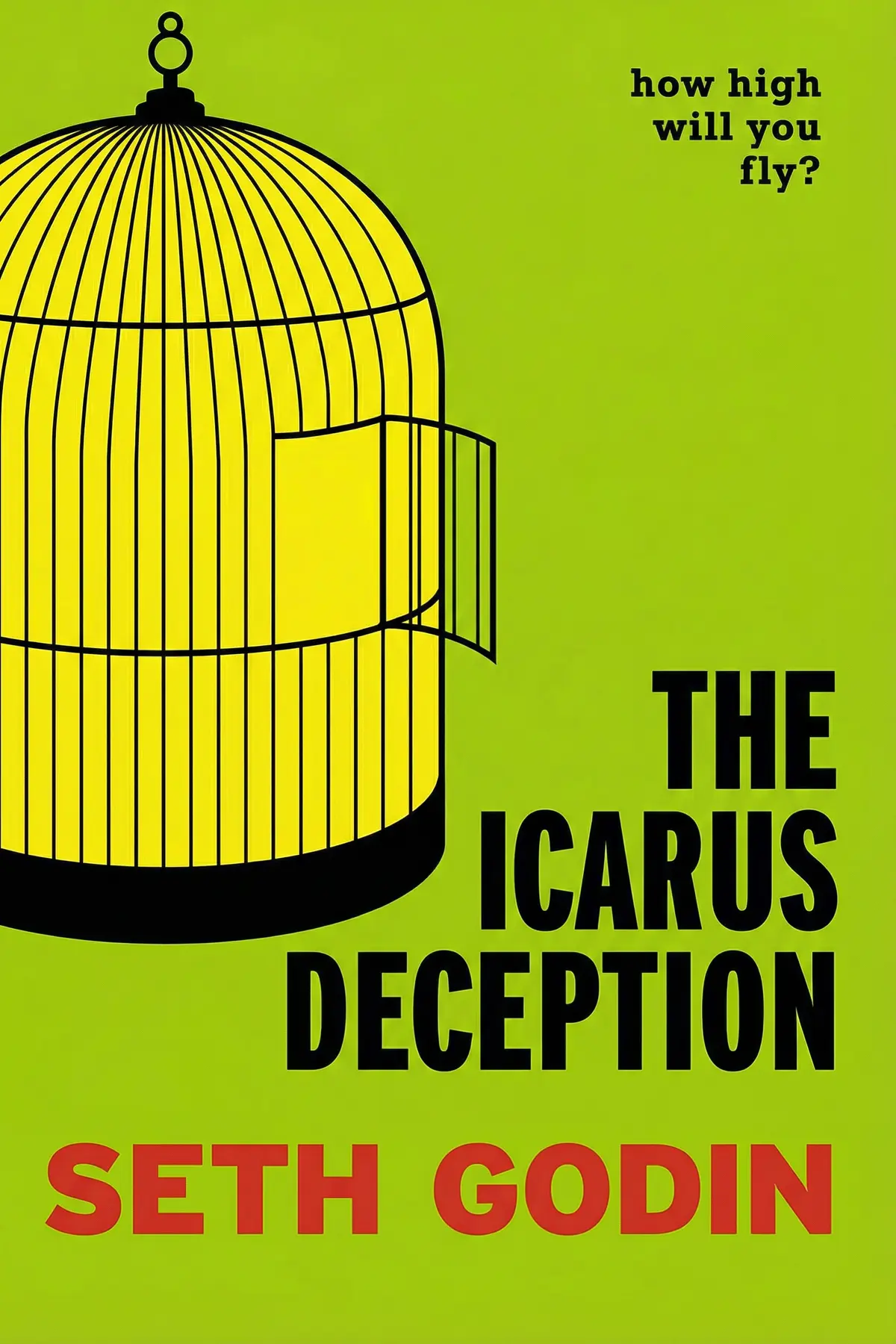
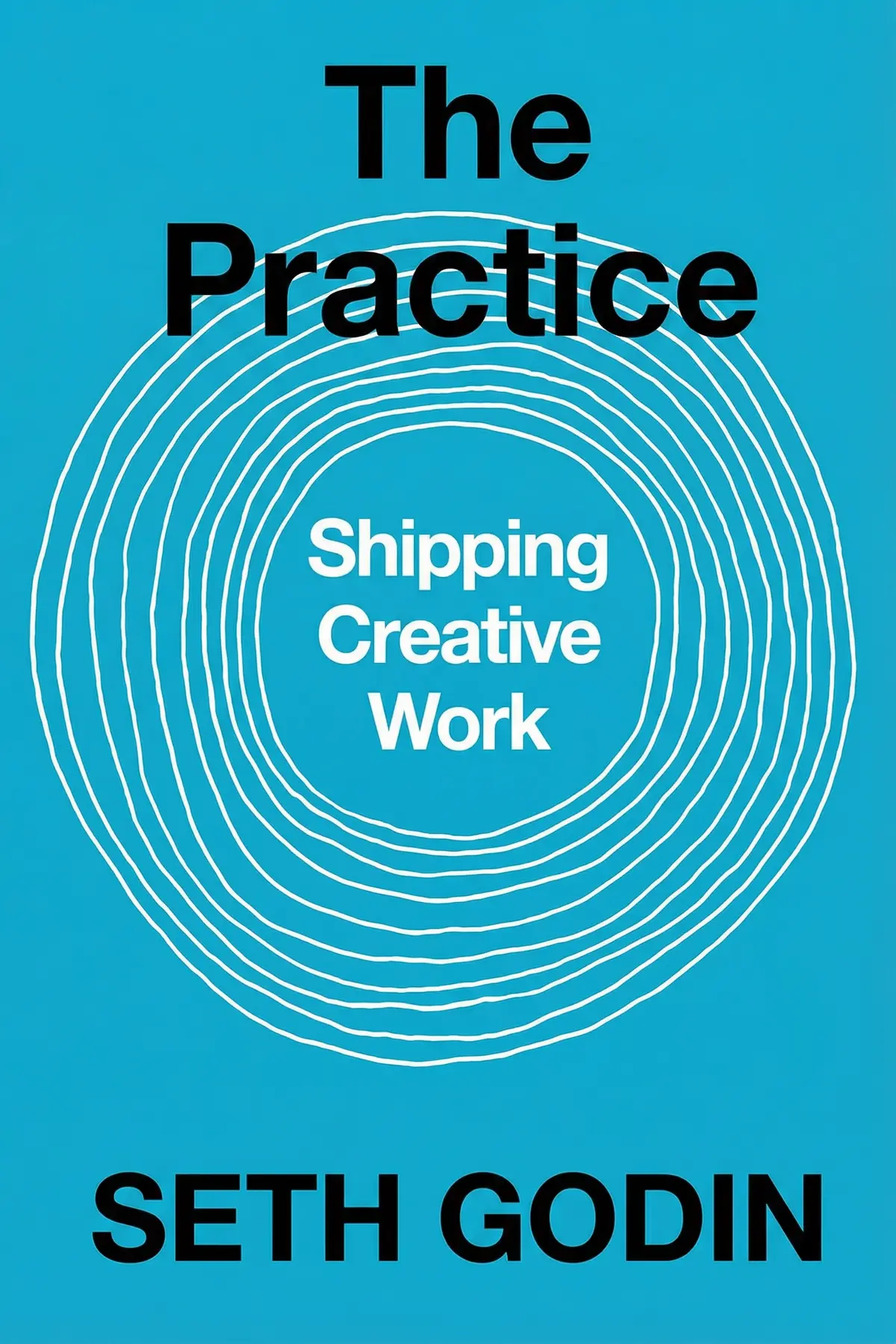
The Practice: Shipping Creative Work
Seth Godin

This Is Strategy: Make Better Plans
Seth Godin
Tribes: We Need You to Lead Us
Seth Godin
Ratings & Reviews
Ratings at a glance
What people think
Listeners find this marketing book extremely accessible and enjoyable, commending its vivid storytelling through genuine case studies and examples. The work is articulately written and simple to grasp, often requiring just a few hours to finish on an airplane. Listeners value the impactful takeaways and contemporary perspective on the field, while one listener mentions how it aids in the understanding of human psychology.
Top reviews
Nan
Finally got around to reading this on a short flight, and it was the perfect choice for a quick mental reset. Godin has a knack for distilling complex psychological triggers into digestible anecdotes that actually stick in your brain. He moves away from the 'features and benefits' grind to show how great marketing is actually about belief systems. The concept of the 'Purple Cow' is expanded here; it’s not just about being remarkable, but about the narrative that makes people feel something. Look, the examples are a bit dated now, especially since the world of social media has exploded since its release. However, the fundamental truth about human worldviews remains incredibly pertinent today. It’s an entertaining read that makes you look at your own purchasing habits through a much clearer lens. Every page feels like a conversation with a mentor who actually understands why people tick.
Show moreJai
Ever wonder why you'll pay five dollars for a cup of coffee that costs ten cents to make? This book answers that question by diving deep into the lies—or rather, the authentic stories—we tell ourselves to justify our desires. Godin explains that we don’t buy what we need; we buy what we want because of how the transaction makes us feel. I loved the distinction between being a 'fraud' and telling a story that helps the consumer achieve a certain feeling. Frankly, the writing style is so engaging that I finished it in one sitting without even trying. It isn't a textbook with step-by-step instructions, but it changes the way you perceive every advertisement you see. Every entrepreneur needs to understand that their story is the product, not the other way around. If you want to build a community, start with the story.
Show moreYulia
Wow, this completely flipped my perspective on how to communicate scientific concepts to a general audience. Even though it's technically a marketing book, the principles of storytelling apply to anyone trying to spread an idea or promote content. Godin shows that you cannot prove your way into a sale—or a belief—using just facts and figures. Instead, you have to hint at the facts and let the audience discover the conclusion for themselves. This process of discovery is infinitely more powerful than being told the right answer by an expert. I found the section on early adopters particularly helpful for building a movement from scratch. It’s a short, punchy read that packs a huge punch for anyone in the business of persuasion. It isn't just for people selling cars or watches; it's for anyone with a message they want to share.
Show moreKek
The title is a bit of a clickbait move, but the core message is surprisingly ethical. Godin isn’t telling you to scam people; he’s telling you to live an authentic story that matches what your audience already believes. He argues that people notice only the new and then make a split-second guess based on their first impression. If you can’t capture that moment, you’ve already lost the sale regardless of how good your product is. Personally, I appreciated how he focused on the idea that the consumer's worldview is the filter for everything they hear. It’s a modern take on marketing that values the community and the 'liar' who tells a truth people want to believe. While some parts felt repetitive, the lesson about consistent storytelling across every touchpoint—from packaging to customer service—is vital for any brand in a crowded market.
Show moreSeksan
Not what I expected after hearing so much hype about Seth Godin's brilliance, but I was pleasantly surprised by the simplicity. While the writing is certainly fluid and easy to get through, it feels like it’s missing a middle and an end occasionally. He starts with a great premise about worldviews but sometimes stays at a very high level with his anecdotes. I kept waiting for a 'how-to' portion that never actually arrived in a traditional sense. If you want a book that makes you feel smart while sitting on an airplane, this is it. To be fair, he makes some decent points about first impressions and why products fail, but those could have been a long blog post. Still, it’s a powerful lesson in human psychology that most business owners completely ignore to their own detriment.
Show moreEllie
Pick this up if you're tired of traditional marketing books that focus on spreadsheets and metrics. Godin treats marketing as an art form where the story is the most important feature you can offer. He emphasizes that humans make sophisticated judgments in a fraction of a second, and we rarely change our minds once they are made. This means your 'frame' has to be perfect from the very start. I especially liked the part about why releases fail—usually because no one noticed or they didn't feel compelled to tell their friends. It’s a very readable, entertaining guide to the psychology of choice. My only gripe is that it feels a bit dated in its specific examples, but the underlying logic is timeless. It’s a solid 4-star read for anyone starting their own business or creative project.
Show moreApichat
Honestly, the most valuable takeaway for me was the idea of targeting the extremes rather than the average. Most of us try to make something for everyone, but Godin argues that you should target early adopters who will then influence the masses. This book builds beautifully on the 'Purple Cow' philosophy by explaining the narrative engine behind remarkable products. It taught me that people don't buy pure design or features; they buy the way the process makes them feel about themselves. In my experience, most business owners are too afraid to tell a polarizing story, but that’s exactly what creates a loyal community. The book is short enough to read in an afternoon but offers enough food for thought to last a month. It’s a great reminder that facts are secondary to the emotional truth of your brand.
Show moreWatcharin
After hearing several colleagues quote this book, I decided to see if the hype was actually justified. It’s a very fast-paced read that manages to be both entertaining and deeply insightful regarding human nature. The author demonstrates that successful marketers are those who can honestly tell a story that people want to believe and share. This isn’t about lying in a malicious sense, but about fulfilling the emotional needs of the consumer. I found the section on how worldviews filter our experiences to be particularly enlightening. My only minor criticism is that the book can be somewhat repetitive, hitting the same drum beat about storytelling multiple times. Regardless, the core message is powerful enough to warrant the read. It’s an essential piece of the puzzle for understanding why some brands become cult favorites while others disappear.
Show moreRapee
As someone who works in digital ads, I found the theory here fascinating but the application a bit lacking. Godin is brilliant at identifying why certain brands fail or succeed based on their 'frames,' yet he rarely gives you the keys to the kingdom. I was hoping for more actionable steps on how to actually determine a customer's worldview before launching a campaign. The case studies are fun, though some feel like they were picked specifically to fit his narrative rather than being rigorous proofs. Truth is, it’s more of a philosophical manifesto than a marketing manual. It’s well-written and easy to understand, but you’ll probably finish it feeling inspired without knowing exactly what to do next. It serves as a great bridge between psychology and sales if you don't mind the lack of technical detail or modern digital metrics.
Show moreSavannah
Can we talk about how this is basically a 200-page pamphlet? Seth Godin is a master of saying very little with a lot of aesthetic flair, and this book is the prime example. He argues that marketers are artists rather than scientists, which sounds great on a coffee mug but offers zero substance for actual implementation. I found myself reading the same three sentences rephrased over and over again until the final page. It’s frustrating because the core idea—that consumers buy stories, not products—is solid, but it doesn't require a whole book. To be fair, if you’ve never thought about branding before, this might feel revolutionary. For the rest of us, it’s just a redundant exercise in ego that caters to existing worldviews without proving its own points. It follows the same tired pattern of his previous bestsellers: high on hype, low on evidence.
Show moreFeatured in
Readers also enjoyed
AUDIO SUMMARY AVAILABLE
Listen to All Marketers Are Liars in 15 minutes
Get the key ideas from All Marketers Are Liars by Seth Godin, plus 5,000+ more titles in English and Thai.
- 5,000+ titles
- Listen as much as you want
- 7-day free trial
- Cancel anytime







