
18 min 39 sec
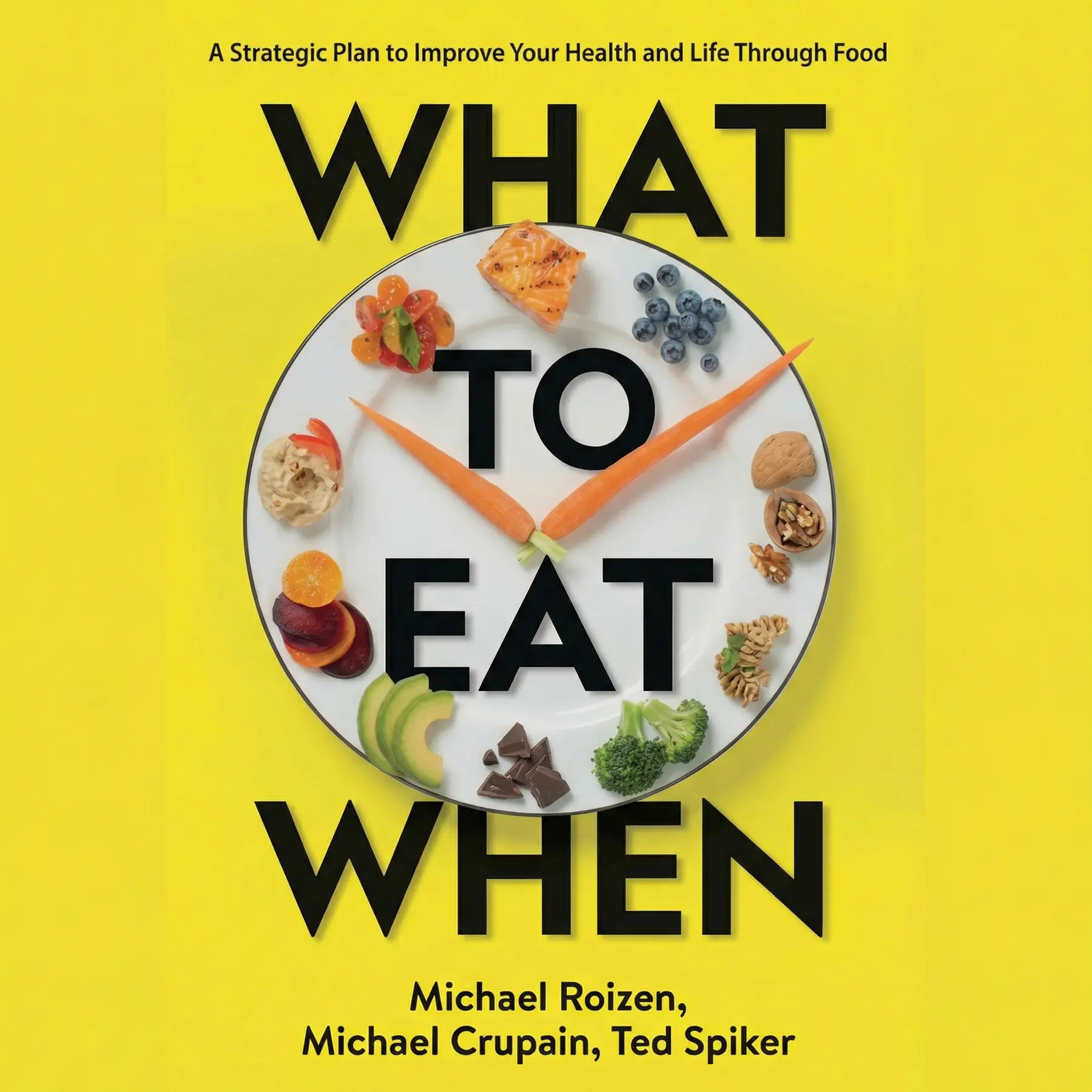
What to Eat When: A Strategic Plan to Improve Your Health and Life Through Food
What to Eat When offers a revolutionary, science-based approach to health by focusing on the timing of meals. Learn how to align your eating habits with your body's natural circadian rhythms for optimal vitality.
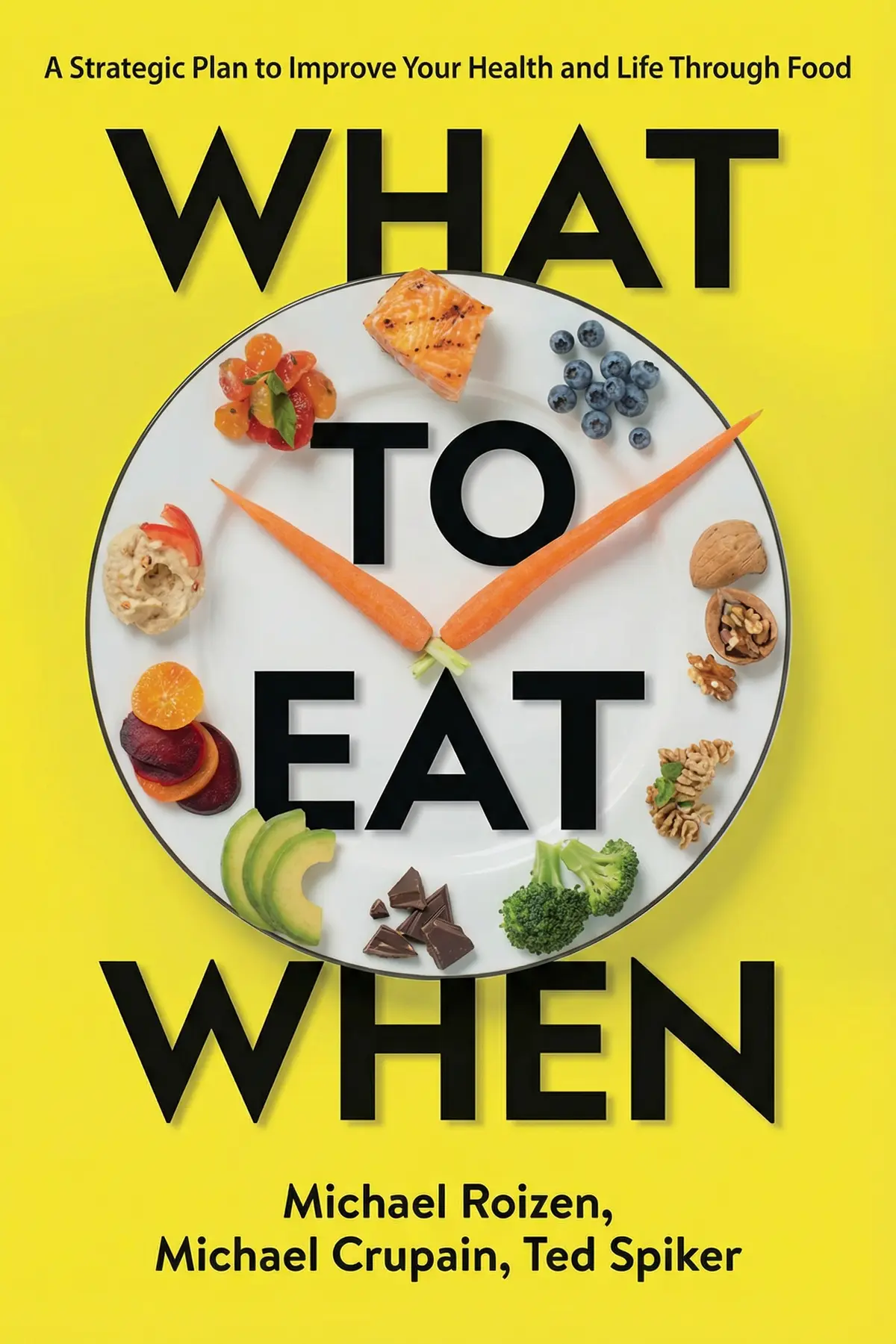
Table of Content
1. Introduction
1 min 34 sec
Most of us have spent a lifetime focusing exclusively on the contents of our dinner plates, meticulously counting calories or debating the merits of various food groups. We know that choosing a salad over a greasy slice of pizza is generally the better move for our waistlines, yet we often feel like we are fighting an uphill battle against our own bodies. What if the missing piece of the puzzle isn’t just the ‘what,’ but the ‘when’? In the summary of What to Eat When, we are invited to look at nutrition through a revolutionary lens: the lens of timing.
The central premise is that our bodies are not static machines that process fuel the same way at two in the morning as they do at ten in the morning. Instead, we are biological entities governed by ancient, rhythmic cycles that dictate how we metabolize sugar, how we store fat, and even how well we sleep. By aligning our eating habits with these internal biological clocks, we can stop fighting our physiology and start working with it. This guide doesn’t just offer another list of forbidden foods; it provides a strategic framework for synchronizing your meals with your natural rhythms. Over the next several sections, we will explore the science of circadian rhythms, the hidden dangers of late-night snacking, and practical ways to restructure your day—like eating dinner for breakfast—to unlock better health, increased energy, and long-term longevity. Whether you are looking to manage your weight, improve your sleep, or simply understand the complex machinery of your own metabolism, this exploration will change the way you look at every meal you eat.
2. The Invisible Clock of Metabolism
2 min 21 sec
Discover why your body’s internal rhythm is the ultimate conductor of your health and how ignoring its natural schedule can lead to unexpected weight gain.
3. The Science of Insulin and Fat Storage
2 min 10 sec
Learn the mechanics of how your body processes sugar and why timing your carbohydrate intake is the secret to preventing insulin resistance.
4. Restructuring the Daily Caloric Load
2 min 15 sec
Uncover the benefits of front-loading your nutrition and why the old adage of eating breakfast like a king is backed by modern clinical research.
5. The Power of Consistency and Simple Swaps
2 min 13 sec
Understand why your body craves routine over variety and how making small, consistent changes can lead to permanent dietary success.
6. Mindful Consumption as a Weight Management Tool
2 min 09 sec
Explore the mental side of eating and how the simple act of slowing down can bridge the gap between your stomach and your brain.
7. Navigating Stress and Life's Obstacles
2 min 15 sec
Prepare yourself for the moments when willpower fails and learn how to choose ‘crutch foods’ that support your health instead of sabotaging it.
8. Eating for Longevity and Disease Prevention
2 min 10 sec
See the big picture of how your dietary choices today act as a powerful defense against the leading causes of death, from heart disease to cancer.
9. Conclusion
1 min 32 sec
The journey toward better health doesn’t have to be a confusing maze of contradictory diet advice. As we have seen, the path is built on a simple yet profound realization: our bodies are rhythmic. By shifting our perspective from just ‘what’ we eat to ‘when’ we eat it, we unlock a powerful metabolic advantage. We’ve learned that front-loading our calories, respecting our circadian rhythms, and choosing complex nutrients over simple sugars can transform everything from our energy levels to our long-term disease risk.
The throughline of this strategy is synchronization. It’s about bringing your external habits into harmony with your internal biology. We’ve explored the 30-day plan to gradually move those heavy evening calories to the morning, the importance of mindful eating to bridge the gap between hunger and satiety, and the resilience needed to handle life’s inevitable stressors.
As you move forward, start with one small change. Perhaps tomorrow morning, instead of a quick carb-heavy snack, you’ll try eating a portion of what you had for dinner. Or maybe you’ll commit to closing the kitchen once the sun goes down. These small, timed adjustments are the building blocks of a sustainable, healthy life. Remember, your body already knows the schedule; it’s just waiting for you to join the rhythm. By eating the right things at the right times, you aren’t just dieting—you are living in sync with the very nature of your being.
About this book
What is this book about?
What to Eat When addresses the missing link in modern nutrition: the element of time. While most health guides focus solely on calorie counts and food groups, this book argues that the 'when' is just as critical as the 'what.' Drawing on the latest research in chronobiology, the authors explain how our internal clocks dictate our insulin sensitivity, fat storage, and energy levels throughout the day. The book promises a practical, strategic plan to improve your life by synchronizing your meals with your biological rhythms. It challenges traditional eating patterns—like the small breakfast and large dinner—and provides evidence for why front-loading your calories can lead to weight loss, better sleep, and reduced disease risk. Beyond timing, it covers the essentials of macronutrients, the dangers of processed foods, and how to maintain healthy habits during stress or travel. Ultimately, it’s a guide to working with your body’s natural machinery rather than against it, offering a clear roadmap for long-term health and longevity.
Book Information
About the Author
Michael Roizen
Michael Roizen is a physician and a five-time New York Times best-selling author known for his advocacy for healthy eating and exercise. Michael Crupain is a physician specializing in preventative medicine and serves as the medical director for the Dr. Oz show. Ted Spiker is a professor of communications at the University of Florida and a prominent health and fitness writer for publications like Time and The Oprah Magazine.
Ratings & Reviews
Ratings at a glance
What people think
Listeners find the book educational and accessible, valuing the way it blends classic and contemporary research while highlighting the importance of both food choice and timing. Furthermore, the work earns praise for its wellness advantages, especially its concentration on circadian rhythms and nutrient timing, alongside its success in aiding weight reduction. Listeners also appreciate the incremental method for shifting habits and consider the advice practical. Nonetheless, the culinary component gets varied feedback, as several listeners mention a lack of specific meal plans and recipe instructions.
Top reviews
Isaiah
What to Eat When completely shifted my perspective on my daily routine by focusing on biological timing rather than just calorie counting. The doctors explain the science behind our internal clocks in a way that feels both urgent and manageable. Personally, I found the advice on eating only when the sun is up to be the most effective weight loss tool I've ever tried. The book is a treasure trove of small tips—like how walnuts help with sleep or why cherries are good for pain management. I loved that it wasn't just about 'don't eat this,' but rather 'eat this at this specific time for this specific result.' The layout is beautiful, and the writing style is engaging enough to keep you turning pages even through the denser scientific sections. It’s a functional guide that I keep on my kitchen counter for quick reference when I’m feeling under the weather. Truly a must-read for anyone serious about longevity.
Show moreSing
Finally got around to reading this strategic guide, and the emphasis on 'when' you eat is a game changer for my digestion. I’ve always been a late-night snacker, but the logic regarding our circadian rhythms convinced me to shift my calories to earlier in the day. The book is incredibly easy to read and doesn't drown you in overly complex medical jargon, which I appreciated. Not gonna lie, trying to get 75% of my food in before 2 PM is a massive adjustment, but I already feel less bloated. The inclusion of National Geographic photos makes the book visually stunning, even if the recipe section felt a bit thin on actual instructions. It’s not a traditional diet book, which is why I think it actually works for long-term health. I’m giving it four stars because some of the advice on caffeine and fats feels a little bit contradictory at times.
Show moreGor
The chapter on brain health alone made this worth the purchase for me, especially as I get older and worry about cognitive decline. Roizen and Crupain do a great job of breaking down how certain foods like blueberries and leafy greens interact with our biology at different times. I appreciate that they don't just focus on weight loss, though that is a nice side effect of following their sunrise-to-sunset eating schedule. Gotta say, the 'What to Eat When You’re Hangry' section was a lifesaver for my daughter, who finally understands why she crashes in the afternoon. My only real gripe is that the book can be a bit repetitive, hammering the same points about breakfast over and over. Still, the information is presented clearly, and the gradual approach to habit change feels more realistic than a crash diet. It’s a solid resource for anyone looking to optimize their energy levels throughout the day.
Show moreWatchara
Picked this up during a health kick, and I appreciate that the authors don't demand overnight perfection despite their strict stance on certain foods. The book focuses on strategy over willpower, which is a refreshing change from the usual 'just try harder' mantra of most diet books. I’ve started making my lunches my biggest meal of the day, and the difference in my afternoon energy levels is night and day. Truth is, I probably won't give up my occasional soda, but I am drinking way more water and planning my meals a week in advance now. The writing is snappy and the chapters are short enough to read during a coffee break. I would have liked more specific meal details, as the 'recipes' are more like suggestions than actual instructions. Overall, it’s a very helpful guide for anyone looking to align their eating habits with their natural biology.
Show moreYaowares
To be fair, I was skeptical about the whole 'circadian rhythm' approach to dieting, but the doctors make a very compelling case. This isn't just about what you put in your mouth; it's about honoring the biological clock that governs every cell in your body. I found the sections on what to eat when you're under the weather or feeling stressed particularly insightful and practical. Not gonna lie, the authors' backgrounds with the Dr. Oz show made me hesitate, but the actual content of the book is grounded in real research. It’s a very easy-to-digest read that organizes a lot of complex information into actionable steps. My only complaint is the stance on eggs—I’m not ready to give up my yolks just yet! But the general principle of eating earlier and lighter in the evening has already helped me sleep better. It’s a functional, well-designed book.
Show moreBo
Is it really revolutionary to eat a salmon burger at 8 AM? The authors seem to think so, but for many of us already in the health world, this is pretty basic stuff. I found the book informative enough for a beginner, but seasoned health nuts won't find much that hasn't been covered in 'Prevention' or 'Men’s Health' over the last decade. Frankly, the no-cheat-day policy is a bit much; imagine never having a piece of chocolate cake again just to hit age 100! I liked the specific chapters on what to eat for certain ailments, like brain function or prostate health, as it allows for a pick-and-choose reading style. However, the lack of detailed meal plans and recipes makes it hard to actually put the theory into practice. It’s a decent primer on nutrient timing, but it could have been much shorter and less padded. A solid three-star read for the curious.
Show moreMikael
As someone who has struggled with weight for years, I found the strategy here interesting but somewhat familiar. The core message is 'eat breakfast like a king, lunch like a prince, and dinner like a pauper,' which isn't exactly a new concept in the nutrition world. In my experience, the authors spend a lot of time patting themselves on the back for 'discovering' things that have been around for ages. That being said, the scientific explanation of why our bodies process insulin differently at night was very eye-opening. I tried some of the snack suggestions and found them tasty, though I wish there were more of them. The book is easy to breeze through, but it feels like it’s missing a concrete plan to help you transition into this lifestyle. It’s good for a quick shot of motivation, but don't expect a radical departure from standard health advice. It's more of a refinement than a revolution.
Show moreLogan
Ever wonder why you feel sluggish after a big dinner? This book explains the biology behind that 'food coma' and offers a strategic plan to avoid it by front-loading your calories. While I enjoyed the scientific insights, the book felt like it was written for people who have never read a health magazine in their life. 'Don't eat sugar' and 'drink more water' are tips we've heard a thousand times, and they occupy quite a bit of space here. Honestly, the most valuable part was the breakdown of specific foods for specific needs, like garlic for cancer prevention. I was disappointed that for a book co-authored by a producer and an editor, there were so many sections that felt like 'fluff.' The absence of a robust recipe section is also a major drawback if you're looking for a complete lifestyle overhaul. It’s a decent book to borrow from the library.
Show moreThanit
After hearing about Dr. Roizen’s work, I expected more substance and less self-congratulatory filler. The first few chapters are bogged down by the authors trying to establish their celebrity credentials, which feels unnecessary for a book about science. Truth is, the Dr. Oz connection was a major turn-off for me, as I prefer my medical advice without the sensationalism. They suggest avoiding egg yolks and using seed oils, which contradicts a lot of current nutritional research I've seen elsewhere. While the idea of eating with the sun is interesting, the 'revolutionary' advice like eating a salmon burger for breakfast isn't exactly groundbreaking. It felt like a 50-page concept stretched into a 300-page book to satisfy a publisher's requirements. I didn't find the 'strategy' particularly easy to implement given the rigid rules. If you're looking for a deep dive into nutrition, this might leave you wanting more authentic help and less hype.
Show moreNarongrit
Look, I wanted to love this, but the level of restriction is just unsustainable for a normal human being with a social life. The authors demand total perfection with zero room for error, which feels like a recipe for disordered eating rather than health. They tell you to avoid sugar and fried foods entirely—no exceptions—which we all know, but who actually lives like that forever? I was also disappointed by the lack of actual recipes; for a book about food, there is surprisingly little guidance on how to cook these meals. The tone felt a bit condescending, as if they assume the reader has no basic knowledge of nutrition. I’m allergic to most fish, so their heavy emphasis on salmon and seafood made half the book useless for my specific needs. To be fair, the concept of the circadian rhythm is interesting, but the execution here is too rigid. I can't see myself sticking to this for more than a week.
Show moreReaders also enjoyed
AUDIO SUMMARY AVAILABLE
Listen to What to Eat When in 15 minutes
Get the key ideas from What to Eat When by Michael Roizen, plus 5,000+ more titles in English and Thai.
- 5,000+ titles
- Listen as much as you want
- 7-day free trial
- Cancel anytime







