

15 min 39 sec
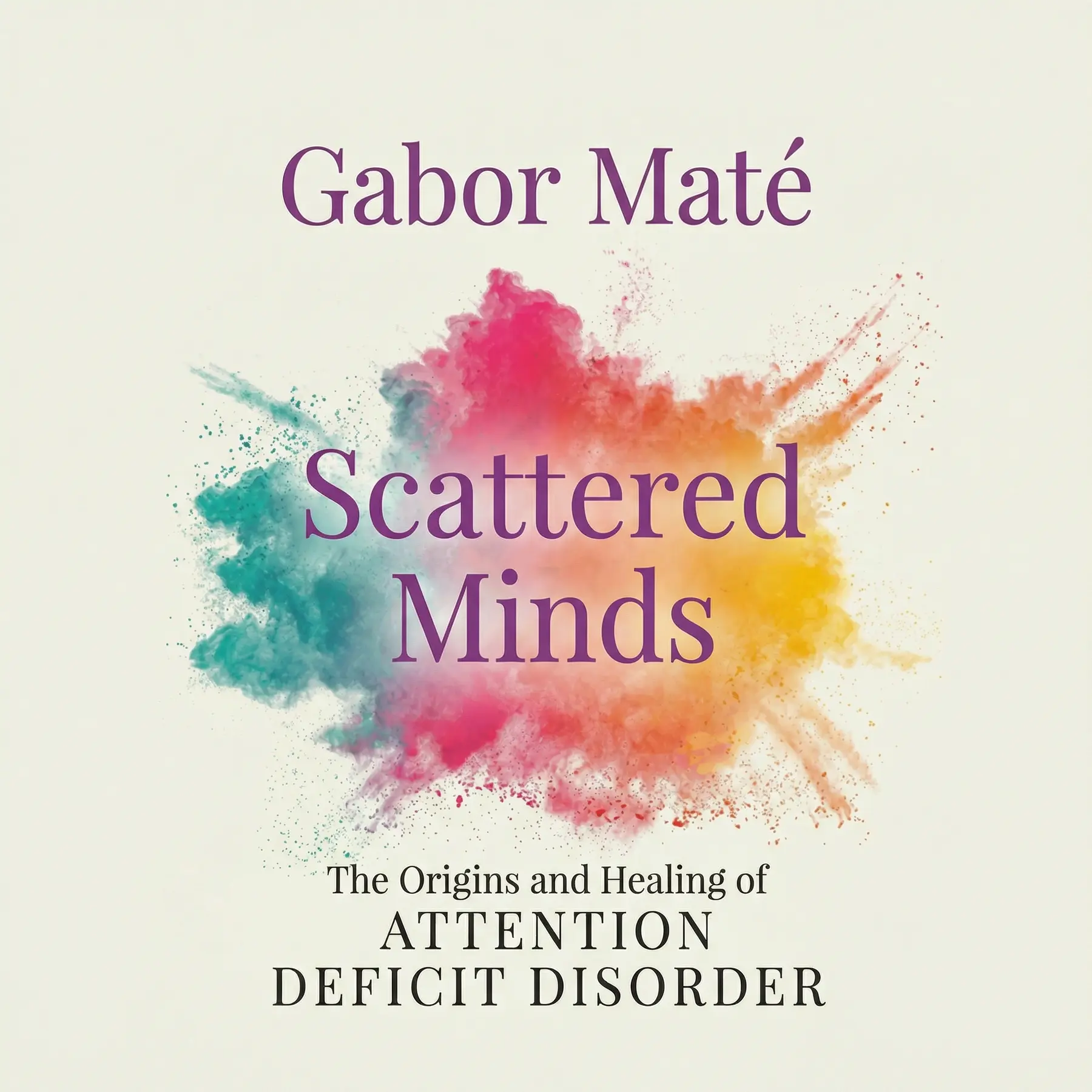
Scattered Minds: The Origins and Healing of Attention Deficit Disorder
By Gabor Maté
Scattered Minds explores the environmental and biological roots of Attention Deficit Disorder, moving beyond genetics to show how early childhood attunement and societal stress shape the developing human brain and focus.
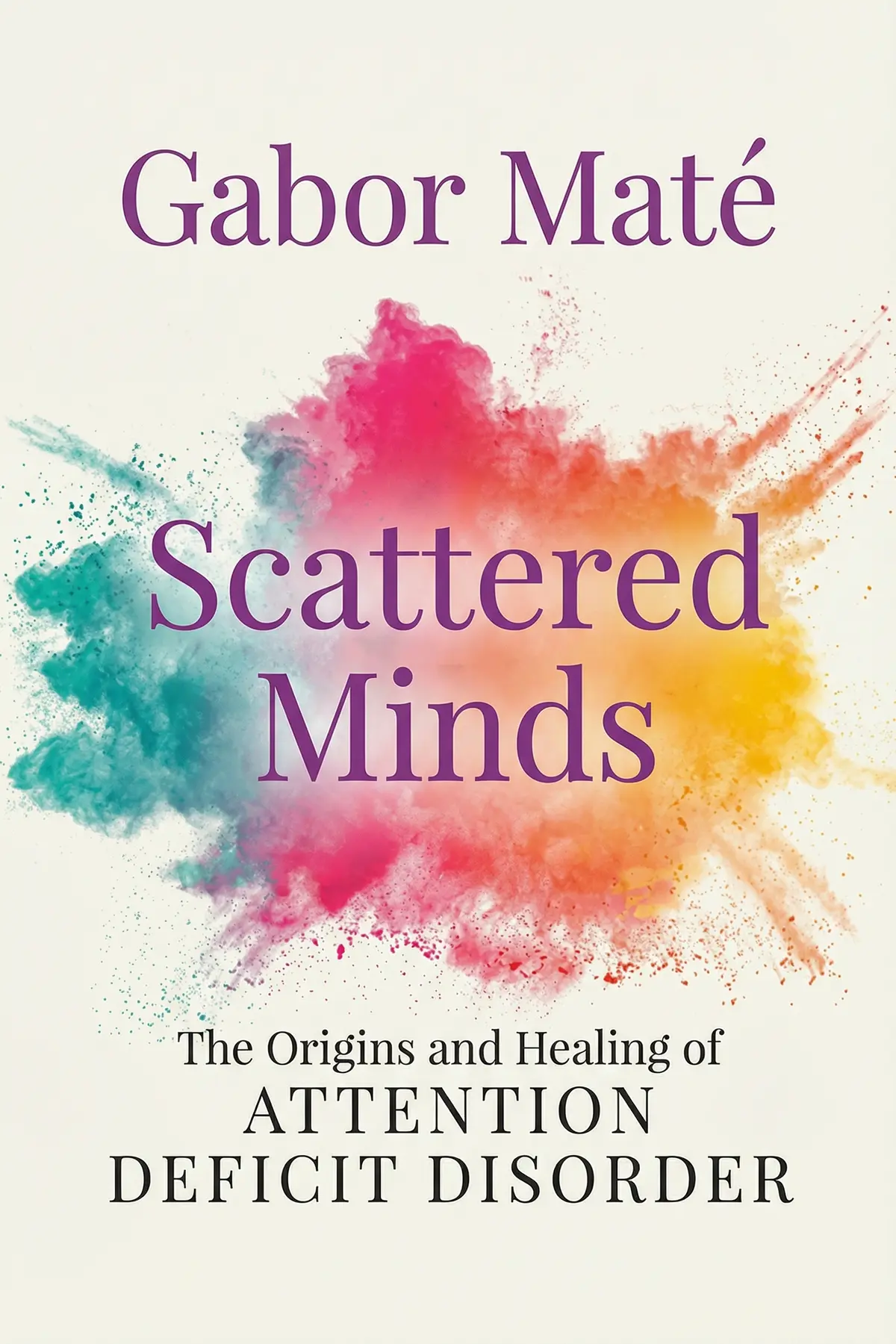
Table of Content
1. Introduction
1 min 55 sec
There is a profound difference between understanding the chemical makeup of an object and understanding its soul or its purpose. Consider a piece of pottery. A scientist can break down the clay into its base minerals, analyze the firing temperature of the kiln, and list every pigment used in the glaze. But that analysis says nothing about the artist’s intent, the beauty of the form, or the way the piece was used in a family home. Medicine, unfortunately, often treats the human mind in this exact same way. When it comes to Attention Deficit Disorder, or ADD, we have become experts at analyzing the chemical minutiae of the brain, yet we frequently lose sight of the human story behind the symptoms.
In this exploration of Gabor Maté’s Scattered Minds, we are moving beyond the simple diagnosis of a ‘broken brain.’ While it is true that neurochemistry and genetics play a part in ADD, they are not the whole story. The disorder is often misunderstood, frequently overtreated, and tragically underappreciated for its complexity. To truly understand why a mind becomes ‘scattered,’ we have to look at the intersection of our biology and the world we inhabit. We have to look at how children grow within families, and how those families are shaped by the societies around them.
This isn’t just a medical discussion; it is a developmental one. We will explore how the human brain, which is uniquely vulnerable and unfinished at birth, relies on emotional connection to wire itself properly. We will see how stress, even if unintentional, can disrupt this wiring and lead to the traits we associate with ADD. By the end of this journey, the goal is to see ADD not as a fixed genetic sentence, but as a physiological response to environment—one that can be understood, managed, and ultimately healed through the power of connection and context.
2. The Three Faces of Attention Deficit
2 min 28 sec
What does ADD actually look like in daily life? We explore the core traits that define the condition and why they often go unnoticed in specific groups.
3. The Post-Birth Growth of the Human Mind
2 min 01 sec
Unlike other mammals, human brains do most of their developing after birth. Discover why this ‘premature’ start makes us so dependent on our surroundings.
4. The Science of Emotional Mirroring
1 min 45 sec
How does a parent’s gaze shape a child’s chemistry? We look at the role of ‘attunement’ in building the brain’s focus-regulating systems.
5. Tuning Out as a Protective Shield
1 min 52 sec
Why does the ADD mind scatter? Explore the idea that inattentiveness might actually begin as a biological defense against overwhelming stress.
6. The Interaction of Genes and Sensitivity
1 min 59 sec
There is no ‘ADD gene,’ but there is such a thing as being ‘thin-skinned.’ Learn how innate sensitivity makes some children more vulnerable to their environment.
7. Why Modern Society Struggles with Focus
1 min 56 sec
ADD rates are skyrocketing, and it’s not because our genes have changed. We examine how the modern way of life is disrupting the foundations of healthy development.
8. Conclusion
1 min 43 sec
In the end, Scattered Minds invites us to look at Attention Deficit Disorder through a lens of compassion rather than just pathology. When we stop seeing ADD as a purely genetic ‘glitch’ and start seeing it as a developmental response to stress and sensitivity, the path toward healing becomes much clearer. The real work of managing ADD isn’t just about suppressing unwanted behaviors with medication, though pharmacological help can play a supportive role. Instead, the true challenge is about fostering the development that was interrupted in the first place.
This means that for children, the most powerful intervention isn’t a pill, but the restoration of a secure, attuned relationship with their caregivers. It requires us to address the familial and social stresses that get in the way of that connection. For adults with ADD, it means understanding that their ‘scattered’ nature was once a survival mechanism, and that healing comes through self-compassion and creating environments that prioritize emotional safety.
What this really means is that we must recognize the profound impact our social and emotional environments have on our physical brains. We cannot separate the individual from the world they live in. By building more supportive communities, prioritizing the time needed for parenting, and valuing emotional connection as much as productivity, we can begin to address the root causes of this disorder. The throughline of Gabor Maté’s work is a powerful reminder: the human mind is not just a collection of chemicals, but a living, breathing entity that requires safety and connection to truly find its focus. Healing is possible, and it starts with understanding the story behind the symptoms.
About this book
What is this book about?
Scattered Minds offers a groundbreaking perspective on Attention Deficit Disorder, or ADD, by moving the conversation away from a purely genetic explanation. Physician Gabor Maté argues that while biology plays a role, the condition is primarily rooted in the complex interplay between a child’s innate sensitivity and their early environment. By examining how the brain develops in response to emotional cues and stress, the book provides a more compassionate and holistic framework for understanding why so many people struggle with focus today. The book promises to shift the reader's view of ADD from a fixed deficit to a developmental delay that can be addressed through better understanding of our emotional needs. It explores the three core traits of the condition—inattentiveness, impulsivity, and hyperactivity—and traces them back to physiological survival mechanisms. Maté highlights how the breakdown of community and the rising pressure on modern parents have contributed to the recent surge in diagnoses. Ultimately, Scattered Minds is about healing. It moves beyond simply managing symptoms with medication to address the underlying emotional and social factors that prevent the brain from reaching its full potential. Through this lens, Maté offers hope for both children and adults, suggesting that the path to focus is found through the restoration of safety, connection, and nurturing environments.
Book Information
About the Author
Gabor Maté
Gabor Maté is a physician specializing in family practice and addiction medicine, a sought-after public speaker, and a best-selling author. He has written on topics ranging from loneliness to parenting and the psychology of addiction. Maté began researching attention deficit disorder after being diagnosed with the condition in his fifties. Scattered Minds is the result of that research.
Ratings & Reviews
Ratings at a glance
What people think
Listeners find this work deeply perceptive, helping them understand themselves and their children with ADD, and consider it essential reading for parents. The prose is skillfully composed, though one listener points out it was written in the late 90s. Listeners characterize the book as transformative, with one review praising how it effectively stresses the emotional complexities of ADD. They value its intellectual depth, with one listener calling it the premier treatise on mental growth, and find the content revelatory, with one review mentioning it offers a fresh outlook on ADD.
Top reviews
Plernpiriya
This book was a total paradigm shift for me. As someone who has always felt 'scattered,' Maté’s exploration of the emotional complications surrounding ADD felt less like a medical diagnosis and more like a mirror. He describes the deep-seated shame that many of us carry from childhood, explaining how our environments shaped our brain development. Frankly, it is the most intelligent treatise on mental development I have ever encountered. While it was written in the late 90s, the core message about attunement and the need for a nurturing environment remains incredibly relevant today. He moves away from the purely genetic model to look at how we survive our early years, which is eye-opening. It isn't just about focus; it is about how we relate to ourselves and the world. If you want to understand the 'why' behind the symptoms, this is a must-read. It genuinely changed how I view my own creative, albeit chaotic, mind.
Show moreWanida
As a therapist, I believe this is a crucial read for anyone trying to understand the emotional landscape of neurodivergence. Maté does an excellent job of emphasizing the 'attunement' factor, which is often missing from the standard medical model. We focus so much on the symptoms that we forget the person living with them. The way he frames ADD as a survival mechanism—a way for a sensitive child to tune out a stressful environment—is brilliant. Not gonna lie, some parts are heavy and might make parents feel defensive, but his goal isn't blame; it's understanding. He looks at the roots of the disorder through the lens of trauma and epigenetics, which provides a much more holistic view than just 'your dopamine is low.' It is a life-changing perspective for those of us who work in mental health or have skin in the game personally. This book is about healing the soul, not just fixing a brain.
Show moreKung
The chapter on attunement and the 'sensitive child' hit me like a ton of bricks. For years, I’ve been treated like a broken machine that just needs the right medication to function. Maté is the first author I’ve read who treats ADD as a human experience rooted in our need for connection. He explains how children 'swim in the unconscious of their parents,' which is such a hauntingly beautiful way to put it. Personally, I found his exploration of shame to be the most impactful part of the book. He shows that our low self-regard isn't just because we fail to finish tasks, but because of a fundamental lack of 'unconditional positive regard' during our development. It’s an eye-opening different perspective that moves away from the 'deficit' part of the disorder. I finished it in two days and immediately started highlighting passages for my partner to read. Truly a masterclass in empathy and mental development.
Show moreBo
Finally got around to reading this late-90s classic, and it’s easy to see why it’s still so controversial. Maté challenges the idea that ADD is just a biological glitch you're born with. Instead, he argues it's a developmental delay caused by early environment and a lack of attunement. This is a must-read for parents, not because it blames them, but because it empowers them to create a healing environment. The writing is well-crafted and filled with a level of compassion you rarely see in medical literature. I particularly liked the distinction he makes between a child who is 'difficult' and a child who is simply highly sensitive and reacting to the world around them. It is a life-changing book that offers hope rather than just a lifetime of prescriptions. It’s an intelligent, deep dive into what it means to be human and distracted. I cannot recommend it enough for those seeking a deeper understanding of themselves.
Show morePot
Picked this up on a whim after a late-life diagnosis, and wow. This isn't your typical 'how to organize your life' ADHD book. It's a deep, psychological exploration of the disorder's roots. Maté reframes ADD as 'Attunement Deficit Disorder,' which honestly makes so much sense when you look at the family dynamics many of us grew up with. He writes with such sensitivity and intelligence. I felt seen in a way I never have before, especially in his descriptions of the 'sensitive child' who shuts down to survive. While some of the references to North American poverty felt a bit dated, the emotional truth of the book is timeless. It’s an eye-opening look at how our brains develop in response to the people around us. I’d say this is a must-read for any adult still trying to make sense of their childhood and their 'scattered' brain. It’s easily the best treatise on the subject.
Show moreWit
After hearing so much about Gabor Maté, I finally dove into his take on ADD. It is a deeply compassionate book that prioritizes the social and emotional roots of the disorder over simple biology. I found his concept of 'counterwill' particularly helpful in understanding my own resistance to expectations. To be fair, the book can feel a bit dated at times—you can definitely tell it was penned a few decades ago—and he leans heavily on his own interpretations rather than a bibliography of peer-reviewed studies. However, the insights into how stressed parenting environments affect an infant's brain are hard to ignore. It is a beautiful, if occasionally rambling, look at the sensitive child. I wouldn't use it as a clinical manual, but for emotional validation, it's top-tier. I think every parent of a neurodivergent child should at least engage with his theories on attachment, even if they don't agree with every single conclusion he draws.
Show moreTantipat
Ever wonder why traditional ADHD advice feels so clinical and cold? Maté’s writing is the opposite of that. It is warm, personal, and deeply empathetic. I appreciated how he used his own experience with ADD and his children’s struggles to illustrate his points. Truth is, his description of the 'sensitive child' perfectly matched my own upbringing. I did find some of his comments on poverty in North America a bit out of touch, and his tendency to bounce between different theories can be a bit dizzying for a reader who is already prone to distraction. That said, the section on self-esteem and how ADD adults judge themselves so harshly was worth the price of the book alone. It’s a very intelligent look at how our early attachments form our internal monologue. I walked away feeling like I understood my own 'scatterness' much better, even if I still disagree with his stance on the role of genetics.
Show moreGrace
Truth is, Maté offers a perspective that the DSM completely ignores. He digs into the emotional roots of ADD, looking at why we struggle with things like 'counterwill' and extreme sensitivity to rejection. I found the book to be very insightful, especially the way he links our adult behavior to early childhood attachment. It’s not always an easy read; some of the chapters about parental stress are quite heavy and might trigger a bit of guilt if you're not careful. However, his message is ultimately one of healing and self-acceptance. To be fair, he does get a bit 'all over the place' with his theories, and some transitions between his life story and scientific speculation are jarring. But if you can get past the lack of formal citations, there is a wealth of wisdom here. It’s an excellent job of highlighting the emotional complications that medication alone can't fix.
Show moreGoy
Look, there are some beautiful insights here, but the lack of hard scientific referencing made it difficult to fully get on board. Gabor Maté is a gifted writer, and his stories are compelling, but many of his assertions feel like 'beliefs' rather than facts. For instance, his claim that ADD is essentially a trauma response feels a bit reductive given what we now know about the strong genetic components of the disorder. In my experience, the book is a bit of a 'marmite' read—you either find it life-changing or incredibly frustrating. I’m somewhere in the middle. I loved the parts about 'counterwill' and the emotional struggles of adults, but the advice at the end felt a bit wishy-washy. 'If we can actively love, there will be no disorder' sounds great on a Hallmark card, but it doesn't help me manage my executive dysfunction on a Tuesday morning. It’s a mixed bag of profound philosophy and questionable science.
Show moreChokdee
To be fair, I found the core premise here deeply troubling. Maté basically asserts that ADHD is the result of 'bad' parenting and a failure of attunement in infancy. As a mother of an ADHD child who has done everything to provide a stable home, reading that I am the source of my son's neurological struggles felt like a slap in the face. He pays lip service to genetics for a second before sprinting back to blaming the family environment. The lack of active referencing is also a major red flag for me; he makes massive claims without linking them to specific studies. The ending, where he suggests that 'active love' can basically cure the disorder, feels like a platitude that ignores the lived reality of many families. If you are looking for practical, evidence-based strategies, you are better off looking elsewhere. This felt more like a collection of personal anecdotes and outdated theories from the 90s than a modern medical guide.
Show moreReaders also enjoyed
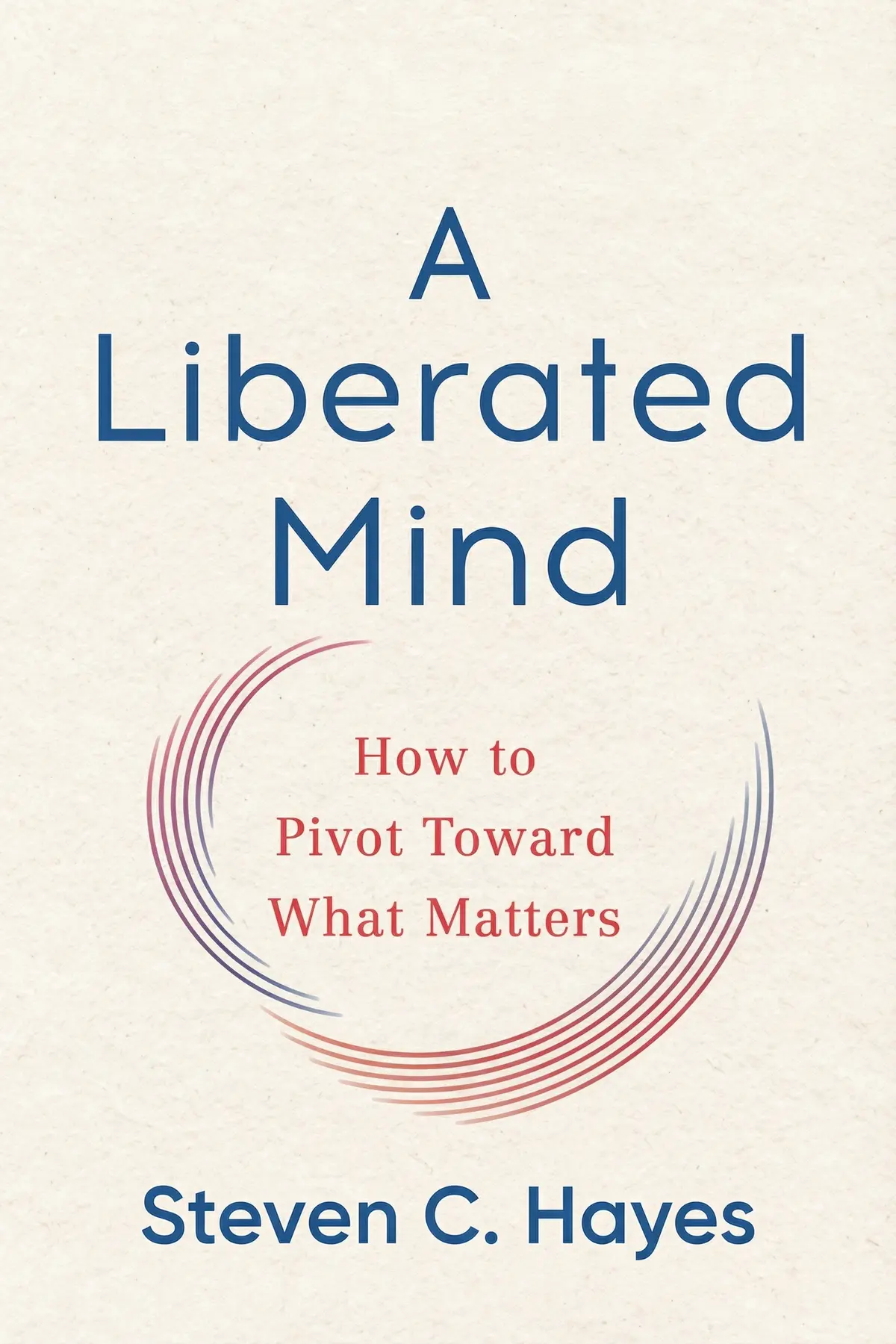
A Liberated Mind: How to Pivot Toward What Matters
Steven C. Hayes
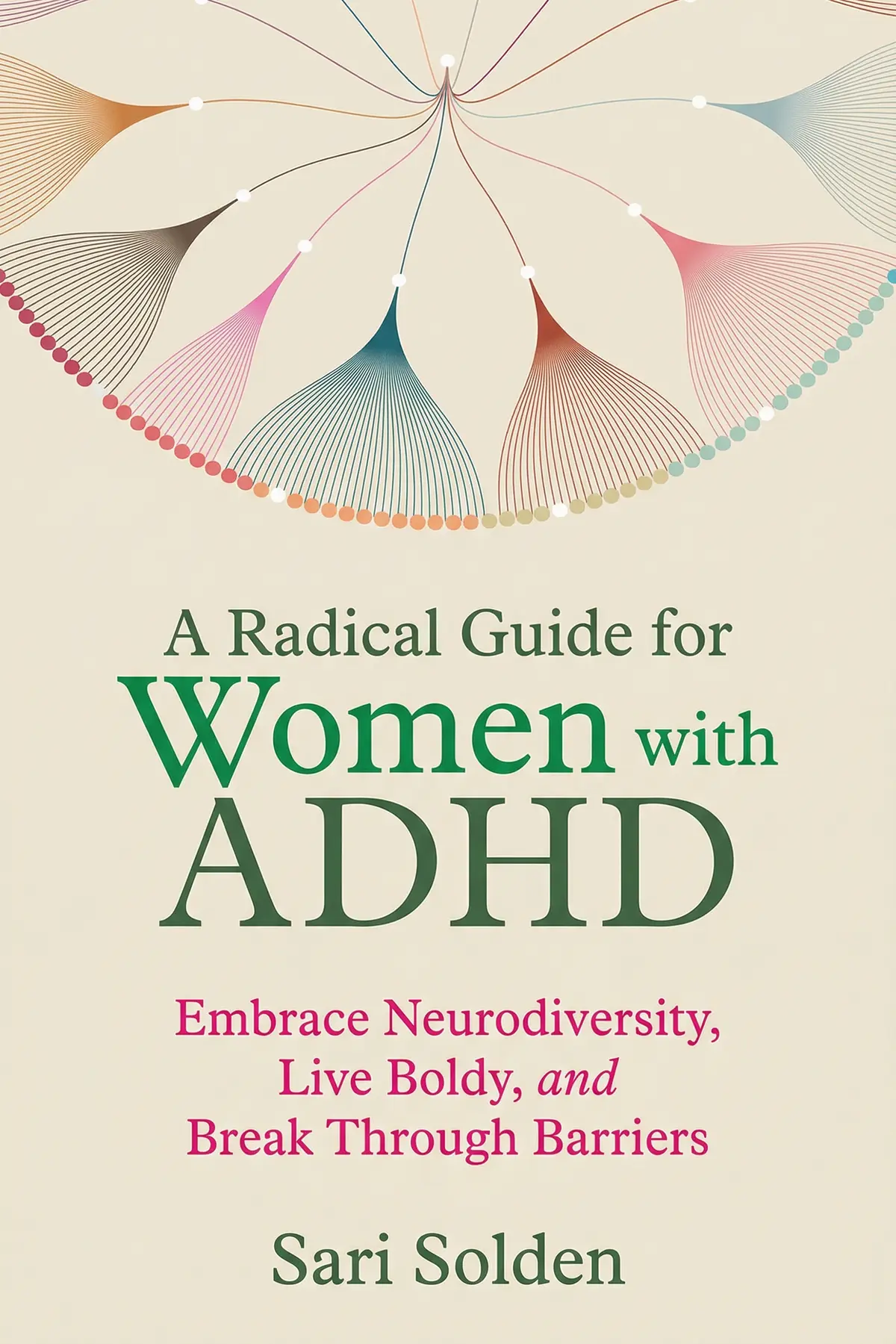
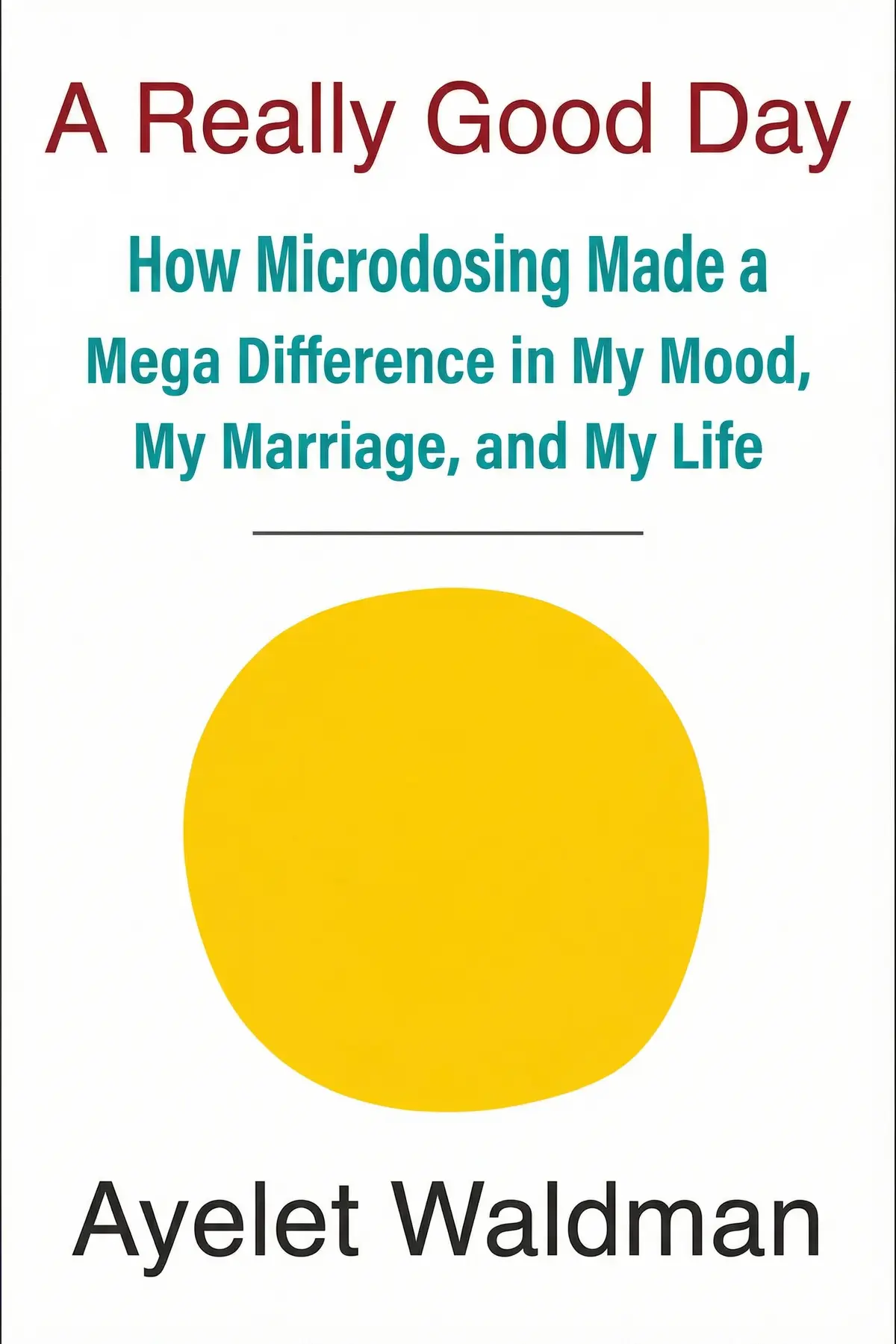
ADHD an A-Z: Figuring It Out Step by Step
Leanne Maskell
AUDIO SUMMARY AVAILABLE
Listen to Scattered Minds in 15 minutes
Get the key ideas from Scattered Minds by Gabor Maté, plus 5,000+ more titles in English and Thai.
- 5,000+ titles
- Listen as much as you want
- 7-day free trial
- Cancel anytime







