
27 min 45 sec
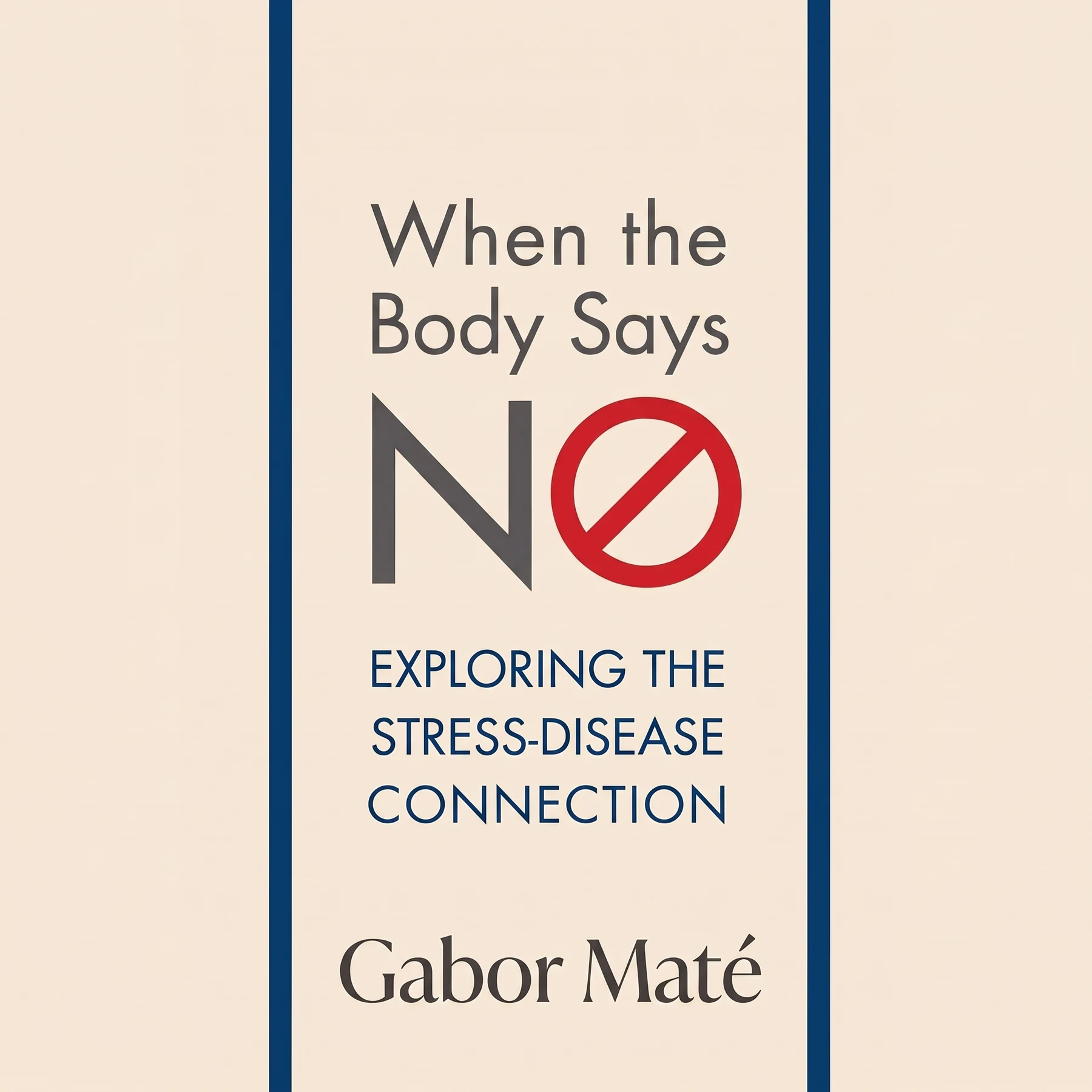
When the Body Says No: Exploring the Stress-Disease Connection
By Gabor Maté
Explore the profound connection between emotional repression and physical illness. Gabor Maté reveals how chronic stress, childhood trauma, and the inability to say no can manifest as life-threatening diseases in the body.
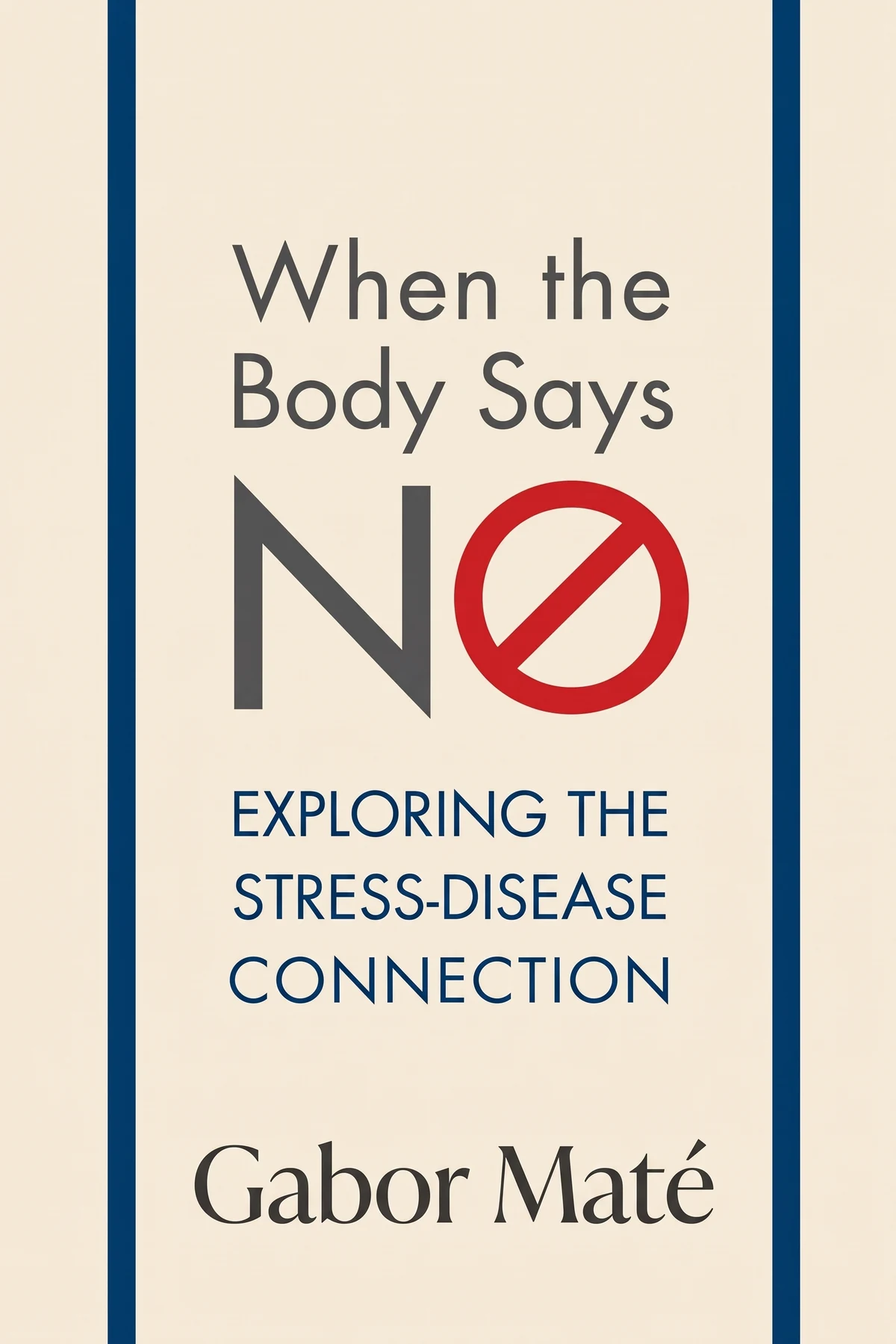
Table of Content
1. Introduction
2 min 19 sec
Imagine a scenario where a close friend calls you in the middle of the night. She is in such intense physical pain that she can’t even stand up. In that moment, your response would likely be one of immediate compassion. You wouldn’t tell her to just toughen up or ignore the sensation. You would recognize the urgency, perhaps driving her to the hospital yourself or staying by her side until medical help arrived. Now, consider the alternative. What if you were the one in that level of pain? For many of us, the reaction is fundamentally different. We live in a culture that prizes a certain kind of stoic endurance. We take pride in our ability to keep going, to push through exhaustion, and to carry the weight of the world without a word of complaint. We view vulnerability as a defect and believe that if we just ignore our own distress, it will eventually vanish.
But this internal silence comes at a staggering cost. When we refuse to acknowledge our emotional and physical limits, we aren’t actually being strong; we are merely being deaf to the signals our bodies are sending us. Our bodies have a way of speaking to us through tension, fatigue, and eventually, disease. When we are unable or unwilling to say ‘no’ to the demands of others or the pressures of our environment, our bodies eventually step in and say ‘no’ for us. This is the central premise of our exploration today. We are going to look at the invisible threads that weave our emotional experiences into our physical health. Through the lens of clinical research and deep human stories, we will see how the repression of our true feelings acts as a silent architect of illness.
This isn’t just about the stress of a busy week; it’s about a lifelong pattern of neglecting our own needs for the sake of survival or social acceptance. We will discover why the ‘nicest’ people often fall ill, how our early childhood experiences set the stage for our adult health, and why ‘positive thinking’ can sometimes be a dangerous trap. By the end of this journey, the goal is to shift your perspective from seeing disease as a random stroke of bad luck to seeing it as a message from a system that has been pushed beyond its capacity. It’s a call to reclaim our health by finally listening to what our bodies have been trying to tell us all along.
2. The Science of Unified Health
3 min 02 sec
Traditional medicine often splits the mind from the body, but a new field proves that our emotions and our immune systems are deeply intertwined.
3. The Biological Mechanism of Threat
3 min 02 sec
Stress is more than a feeling; it is a physical process that, when triggered chronically, can destroy the very tissues it was meant to protect.
4. When Boundaries Blur
3 min 00 sec
If we cannot establish firm emotional boundaries, our immune system may lose its ability to distinguish between ourselves and harmful invaders.
5. The Trap of Learned Helplessness
2 min 45 sec
Facing life’s challenges with a sense of powerlessness can trigger a biological cascade that leaves the body vulnerable to chronic neurological conditions.
6. The Brain in the Gut
2 min 48 sec
Traumatic experiences and chronic anxiety can actually rewire the way our brains process physical sensations, turning minor discomfort into chronic pain.
7. The Profile of the 'Nice' Patient
3 min 06 sec
Could being ‘too nice’ be a risk factor for disease? Clinical observations reveal a striking pattern of emotional self-sacrifice in those with serious illnesses.
8. The Architecture of Early Development
2 min 58 sec
Our adult health is often a reflection of our first few years of life, where the quality of our relationships literally shaped the wiring of our brains.
9. The Power of Authentic Reality
2 min 43 sec
True healing requires us to move beyond ‘positive thinking’ and embrace the full, sometimes messy reality of our emotions and our history.
10. Conclusion
2 min 02 sec
As we come to the end of this exploration into the mind-body connection, the throughline is clear: our health is not just a matter of biology and genetics, but a reflection of how we live and how we treat ourselves. We have seen that the stress we ignore doesn’t simply disappear; it migrates. It moves from our minds into our tissues, our organs, and our immune systems. When we fail to establish boundaries in our relationships, our bodies eventually establish them for us through the limitations of disease. The stories of Lou Gehrig, Mary, and Natalie serve as poignant reminders that the price of self-sacrifice and emotional silence can be unimaginably high.
But this journey is ultimately one of hope. By understanding the link between our history, our personality, and our health, we gain a powerful tool for transformation. We can choose to stop the cycle of learned helplessness. We can choose to value our own needs as much as we value the needs of others. And perhaps most importantly, we can learn to listen to the quiet whispers of our bodies before they turn into the screams of a medical crisis. Health is a delicate balance, and maintaining it requires us to be authentic, to be vulnerable, and to be honest about our limits.
As a final takeaway, consider the way you handle one of our most misunderstood emotions: anger. There is a common belief that we must either explode with rage or swallow it whole to be ‘good’ people. But both paths are biologically destructive. Instead, try a middle way. When you feel anger, don’t rush to shout, but don’t rush to bury it either. Sit with the sensation. Acknowledge it. Let the physical heat of the emotion move through you without acting out or shutting down. By learning to simply experience your feelings without judgment, you are teaching your nervous system that it no longer needs to hide. You are beginning the vital work of living in harmony with your own body. Thank you for listening, and may you find the courage to listen to what your body has been saying all along.
About this book
What is this book about?
When the Body Says No examines the hidden links between our emotional lives and our physical health. Dr. Gabor Maté draws on years of medical practice and scientific research to explain how the stress of modern living and the suppression of our true selves lead to chronic conditions like cancer, MS, and autoimmune disorders. The book challenges the traditional medical view that separates the mind from the body, arguing instead that our physiological systems are inextricably tied to our psychological states. By following various patient case studies and clinical evidence, the book promises a deeper understanding of the biological toll of chronic stress. It offers a path toward healing by encouraging readers to recognize their own patterns of emotional repression and learned helplessness. Ultimately, it serves as a wake-up call to listen to the body's signals before they manifest as serious illness, providing insights into how we can reclaim our well-being through self-awareness and authentic living.
Book Information
About the Author
Gabor Maté
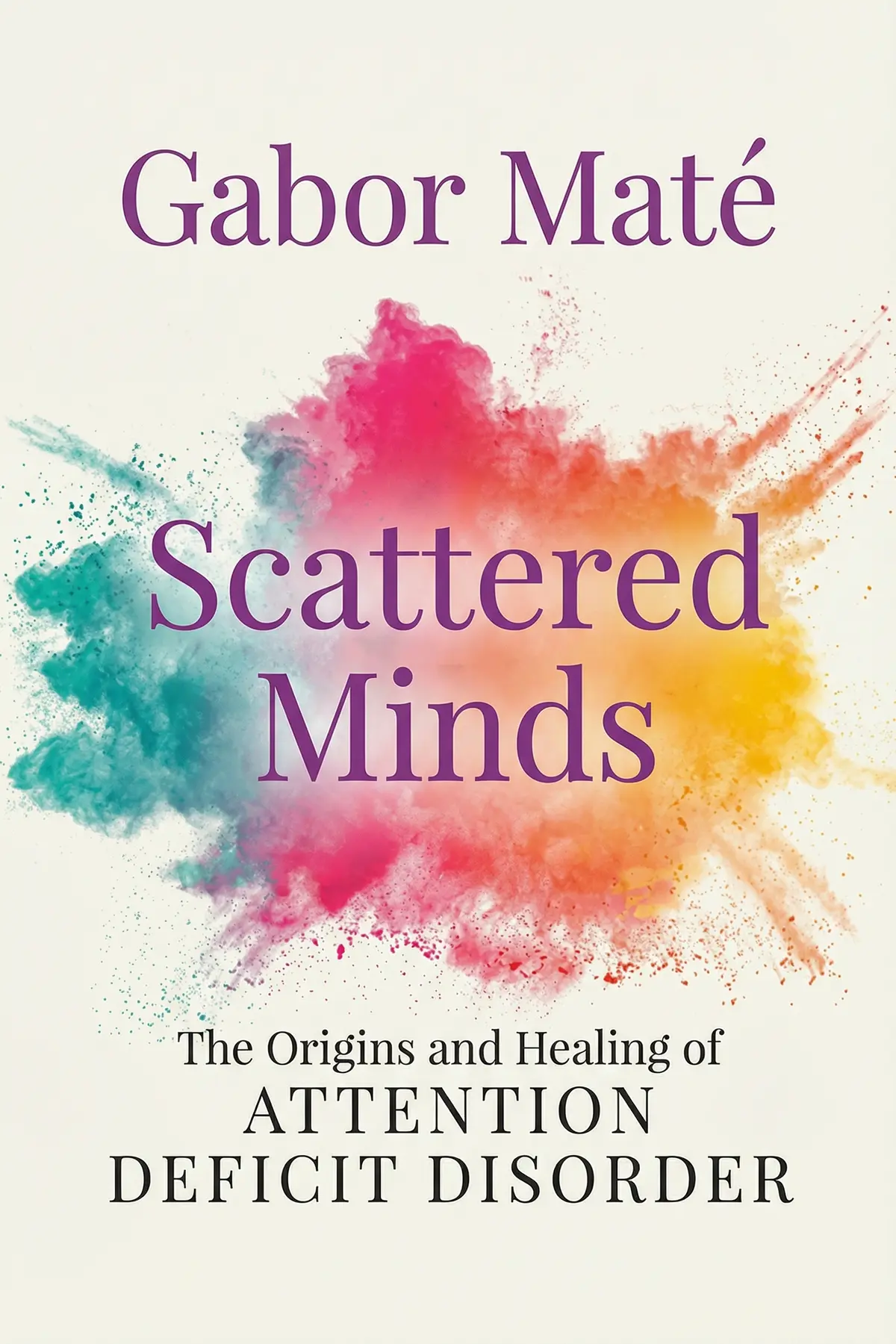
Gabor Maté is a physician with twenty years of experience in family medicine and palliative care. He is the cocreator of a psychotherapeutic approach known as compassionate inquiry, which is used to explore a patient’s unconscious behavioral drives. His book In the Realm of Hungry Ghosts, on the underlying causes of addiction, won the Hubert Evans Non-Fiction Prize in 2009.
Ratings & Reviews
Ratings at a glance
What people think
Listeners find this book to be a transformative and eye-opening experience, filled with deep scientific evidence and studies that make it essential for everyone. They appreciate its look at the connection between stress and disease and emotional well-being, with one listener remarking on how it explains the mind-body-emotion interplay. The prose is well-received, as one listener points out its accessibility for non-medical readers.
Top reviews
Narongrit
Wow. This book hit me like a ton of bricks. Maté’s exploration of how our inability to set boundaries manifests as physical illness is nothing short of revolutionary for the average reader. I’ve spent years suppressing my own anger, and seeing the link to autoimmune issues was the wake-up call I didn't know I needed. To be fair, some of the medical jargon in the middle can get a bit dense, but the patient stories kept me grounded and engaged throughout. It is a profound look at the mind-body-emotion interplay that most Western doctors completely ignore during standard consultations.
Show moreEleanor
After hearing Maté on a podcast, I finally dove into this work. The deep dive into 'Type C' personalities—those of us who are 'too nice' and never say no—was like reading a biography of my own life. The way he connects childhood trauma to adult physiological responses is both haunting and deeply enlightening. It's a heavy read, and the stories of Gilda Radner and others are tragic, yet they offer a vital path toward self-acceptance. This book doesn't just explain illness; it provides a framework for understanding how to live more authentically before the body forces a stop.
Show moreYuwadee
Picked this up during a health scare and it changed my entire outlook on recovery. Instead of viewing my illness as a random malfunction, I started looking at the chronic stress I’ve ignored for a decade. Frankly, it’s a relief to see a doctor acknowledge that our emotions aren't just 'in our heads' but are deeply woven into our cellular biology. This should be essential reading for every medical student and anyone dealing with a chronic diagnosis. It offers a holistic approach that feels much more complete than the standard pill-for-an-ill model we are used to.
Show moreNarong
Everything clicked into place for me once I reached the chapters on the immune system's intelligence. The book explains how our physiological defenses can become confused and attack the self when our boundaries are consistently violated by outside demands. It’s a life-changing perspective that focuses on the interplay between the mind and the body rather than treating them as separate silos. I found the writing style incredibly empathetic and easy to follow, even when the topics got quite heavy. This is a must-read for anyone who struggles with being a people-pleaser at the expense of their own health.
Show moreTom
Ever wonder why 'nice' people seem to get sick more often than those who are vocal about their needs? This book explores that exact phenomenon through the lens of psychoneuroimmunology, showing how emotional repression acts as a physiological toxin. Maté is a master at making complex biological processes feel personal and urgent. Personally, I feel more equipped to handle my own health after reading this, as it gave me the permission I needed to prioritize my own well-being. It is a powerful, enlightening, and ultimately healing piece of work that everyone should have on their shelf.
Show moreElan
As a nurse who sees chronic inflammation every day, I found this perspective incredibly refreshing. We spend so much time treating the symptom that we completely ignore the life story of the person sitting on the exam table. Maté makes psychoneuroimmunology accessible to those without a medical degree, which is a feat in itself. Look, I don't agree with every single conclusion regarding causality, but the overall message about the mind-body connection is impossible to ignore. It’s a bit repetitive in the second half, but the core message remains vital for modern healthcare.
Show moreNitaya
The chapter on ALS was heartbreaking, yet it provided a strange sort of clarity. Maté argues that the body eventually rebels when we fail to express our emotional truth, effectively saying 'no' when we cannot. While the book is undeniably enlightening, it does feel repetitive toward the end, as if the same three points are being hammered home with different names. Still, the scientific background on the endocrine system and cortisol levels is fascinating and well-researched. It serves as a necessary reminder that our emotional well-being is not a luxury but a requirement for physical health.
Show moreEthan
In my experience, doctors rarely ask about your home life or your childhood, but Maté proves why they should. He presents a compelling argument for a holistic approach to healthcare that bridges the gap between the psychological and the physical. Gotta say, the section on Ronald Reagan was particularly insightful regarding emotional poverty and its long-term effects. My only criticism is that the book can be a bit dry during the deep dives into cellular studies, though the information remains vital for understanding the stress-disease connection. It’s a dense read but worth the effort for the insight.
Show moreAnawin
Truth is, I was skeptical of the 'personality leads to cancer' idea initially. However, Maté backs up his claims with enough scientific studies and clinical observations to make even a hardened skeptic pause. It’s not about blaming patients, but about empowering them to understand the hidden stressors that might be hindering their healing process. The book could have been about fifty pages shorter without losing much impact, as the case studies begin to blend together after a while. Nevertheless, the underlying science of how stress affects our hormones and immunity is solid and eye-opening.
Show moreYanin
Actually quite dangerous and scientifically questionable. While Maté is a compassionate writer, his thesis leans too heavily into anecdotal evidence that borders on victim-blaming for serious conditions like ALS and cancer. The suggestion that personal 'repressive' traits are a primary cause for terminal illness ignores the massive role of genetics and environmental toxins. I was looking for hard data but found mostly Freudian-style interviews that felt more like haranguing patients than objective medical study. Correlation is not causation, and this book fails to make that distinction clear for the vulnerable people reading it.
Show moreReaders also enjoyed
Alcoholics Anonymous
Alcoholics Anonymous World Services
A Liberated Mind: How to Pivot Toward What Matters
Steven C. Hayes
ADHD an A-Z: Figuring It Out Step by Step
Leanne Maskell
AUDIO SUMMARY AVAILABLE
Listen to When the Body Says No in 15 minutes
Get the key ideas from When the Body Says No by Gabor Maté, plus 5,000+ more titles in English and Thai.
- 5,000+ titles
- Listen as much as you want
- 7-day free trial
- Cancel anytime







