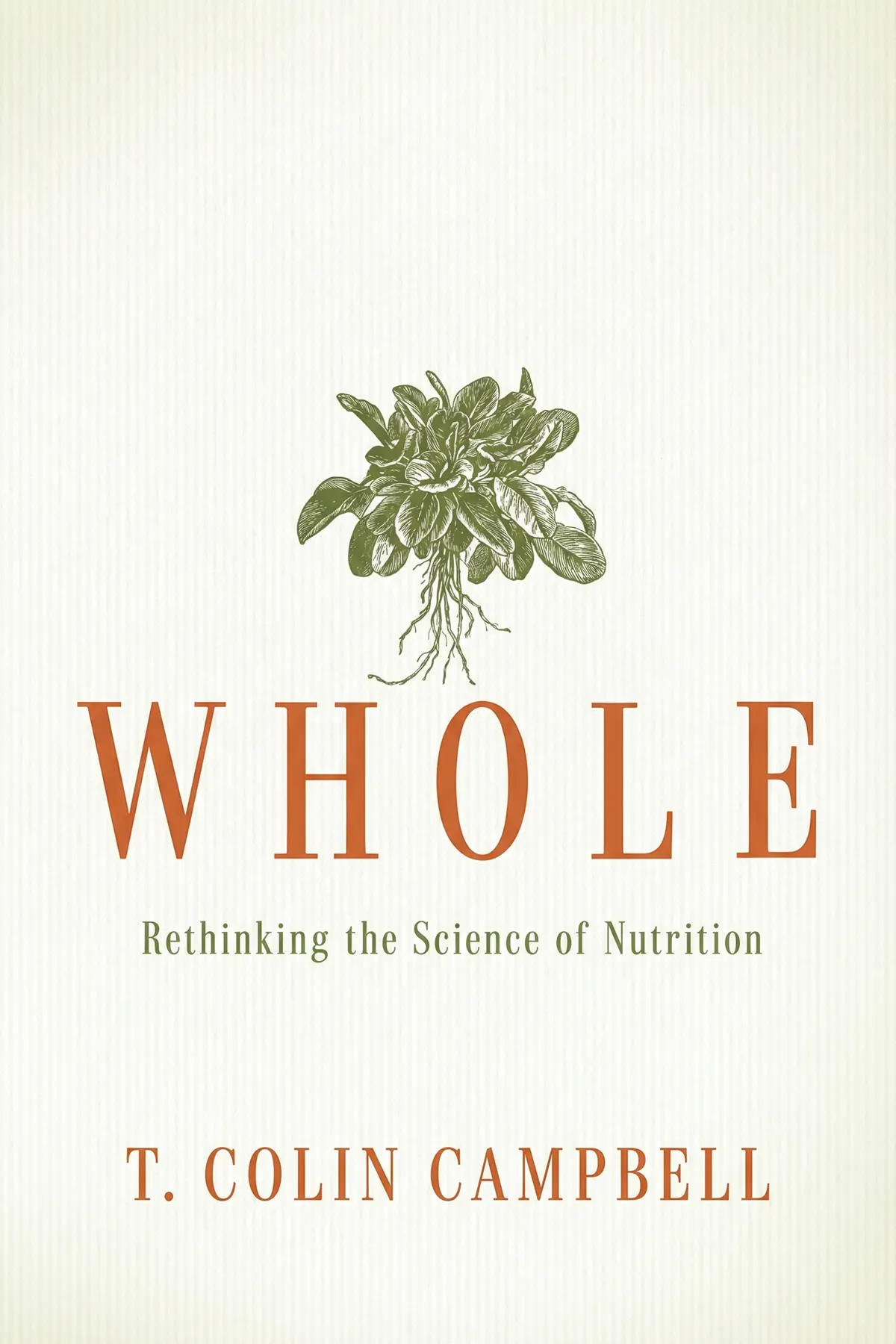
Whole: Rethinking the Science of Nutrition
T. Colin Campbell
Discover how a whole-food, plant-based diet can prevent and even reverse chronic diseases. This deep dive into nutrition reveals the surprising link between animal protein and long-term health risks.
1 min 37 sec
In our modern world, we are often taught to fear the wrong things when it comes to our plates. You might meet someone who is terrified of eating a piece of fruit because they’ve been told that carbohydrates are the enemy. It sounds almost absurd when you say it out loud—the idea that an apple could be a health hazard. Yet, this is the confusing landscape of nutrition we navigate today. We are bombarded with conflicting advice, fad diets, and marketing slogans that often prioritize profit over actual wellness.
What if the key to avoiding the world’s most terrifying diseases wasn’t hidden in a laboratory or a high-priced prescription, but was something we’ve known all along? This journey explores a groundbreaking perspective on how we nourish our bodies. It centers on the idea that the standard Western diet, which heavily features meat and dairy, might be the very thing driving our most common health crises. By looking at a massive, decades-long research project conducted across the diverse landscapes of China, we begin to see a throughline: that a diet centered on whole, plant-based foods isn’t just a lifestyle choice—it is a biological necessity for long-term survival.
As we move through these ideas, we will look at how animal proteins interact with our cells, why our medical system often overlooks the power of the plate, and how we can reclaim our health by returning to the basics of nutrition. It’s time to look past the marketing and focus on the evidence that reveals what truly keeps us healthy.
2 min 31 sec
Explore why skyrocketing healthcare spending hasn’t made us healthier and why focusing on nutrition is more effective than relying solely on medical cures.
2 min 29 sec
Discover how a historical recommendation led to an unnecessary fixation on high protein intake and why our actual needs are much lower.
2 min 29 sec
Learn about the startling laboratory evidence that revealed how animal protein can act as a switch for cancerous growth.
2 min 30 sec
Discover the methodology behind one of the largest health studies in history and why its findings in China were so uniquely reliable.
2 min 21 sec
Understand the mechanism of ‘foci’ and why your daily protein intake might be more influential than the toxins you encounter.
2 min 31 sec
Explore how plants do more than just prevent cancer, from boosting fiber to protecting your vision with antioxidants.
1 min 33 sec
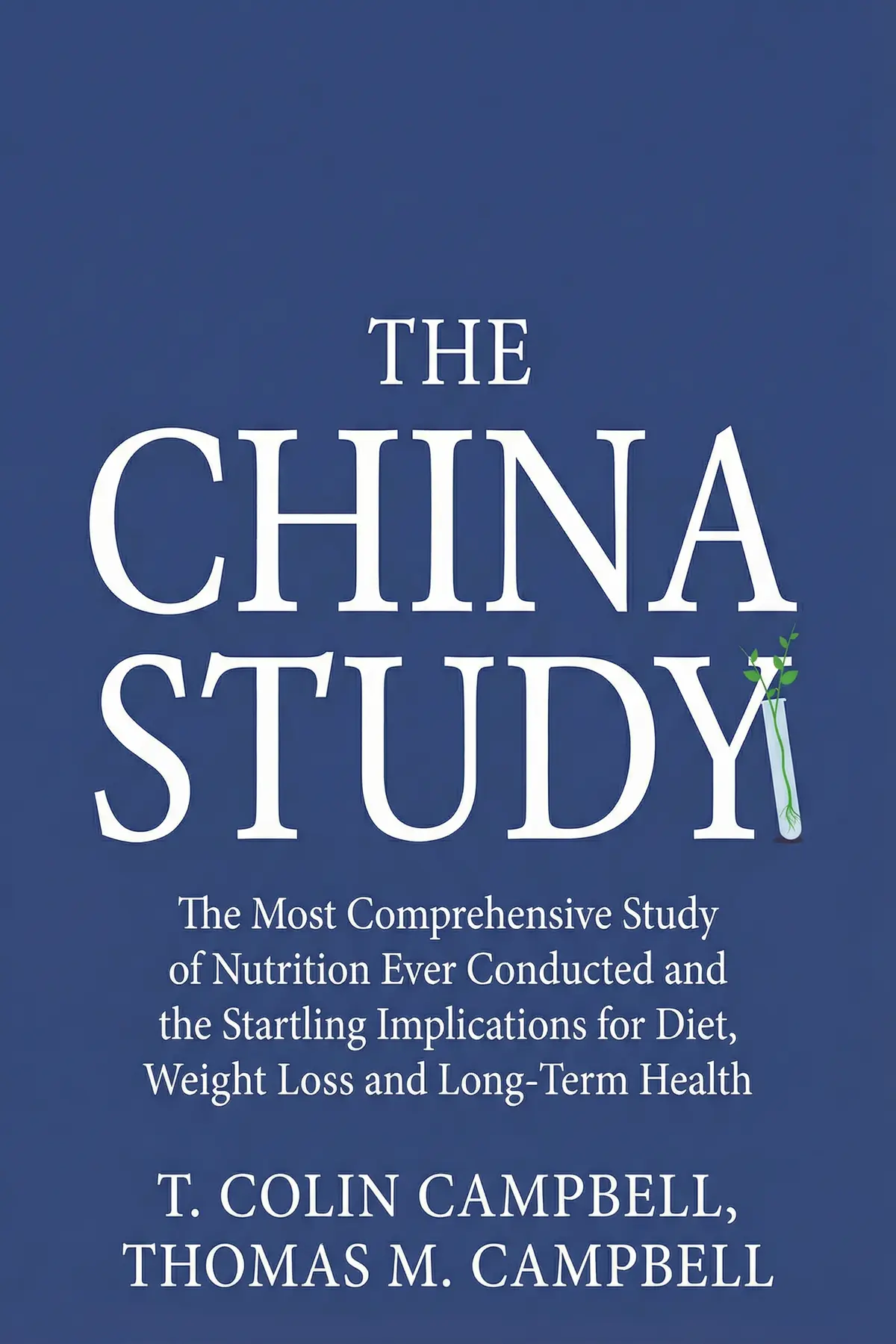
The evidence gathered from the laboratory and the vast landscapes of China points toward a single, transformative truth: what we eat is the most powerful determinant of our health. We have spent decades looking for answers in the wrong places, focusing on medical interventions and pharmaceutical fixes while the primary cause of our ailments sat right on our dinner plates. The China Study demonstrates that animal-based proteins act as a catalyst for our most common chronic diseases, while a diet rich in whole, plant-based foods acts as a protective shield.
This isn’t about perfection; it’s about a shift in direction. Moving away from the meat-centric traditions of the West and toward the vibrant, nutrient-dense world of plants offers a path to a life free from the fear of chronic illness. It simplifies the complex world of nutrition into a clear guiding principle: eat more plants, and eat them as close to their natural state as possible.
If you’re feeling overwhelmed by the idea of a total lifestyle change, start small. Your next meal is an opportunity to put this research into practice. Try visiting a local vegan restaurant or experimenting with a plant-based recipe tonight. Discover how satisfying and delicious these foods can be. By taking that first step, you aren’t just changing your diet—you are taking control of your biological future. The power to heal, to thrive, and to live a long, vibrant life is in your hands, one bite at a time.
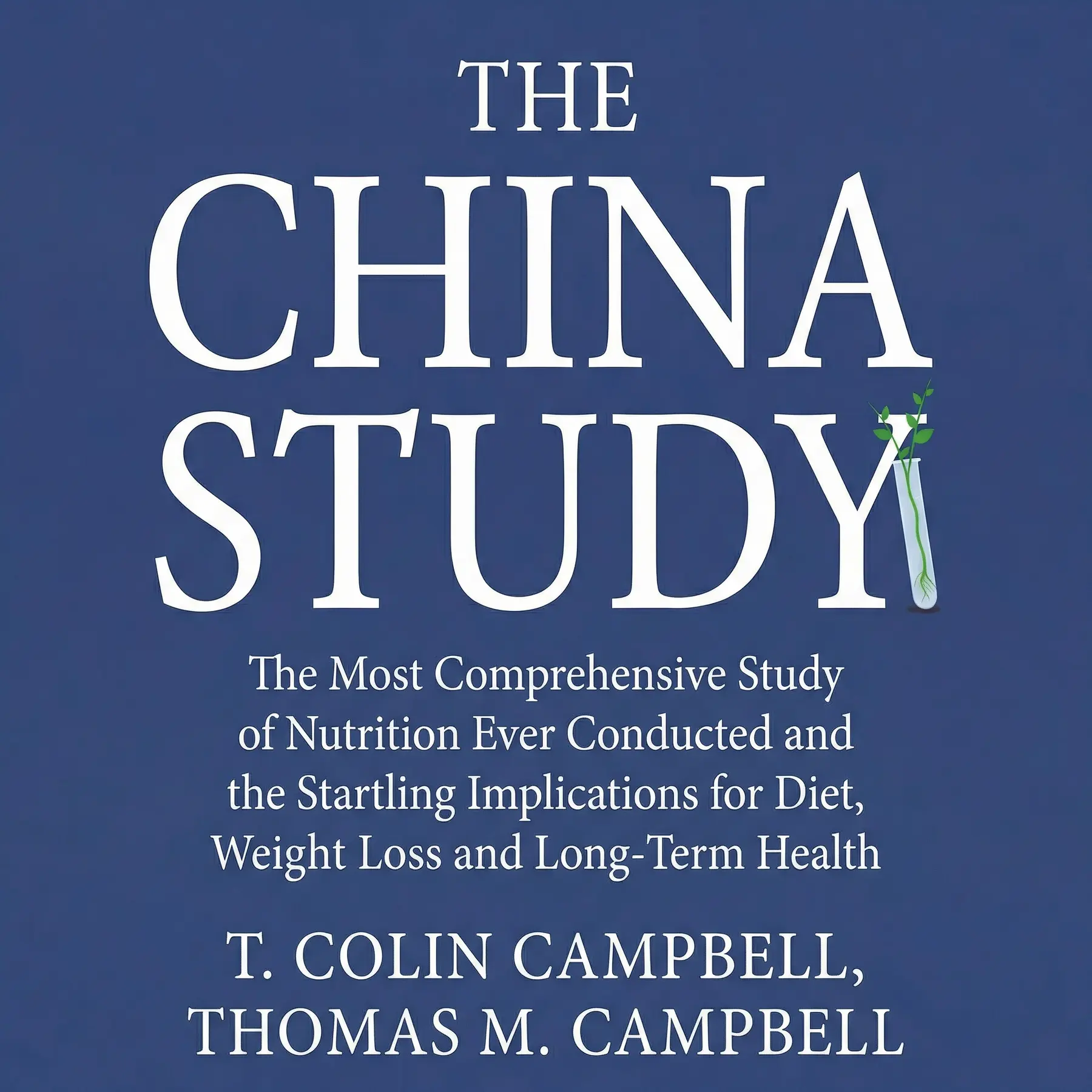
Have you ever wondered why, despite massive spending on healthcare and medical technology, chronic illnesses like cancer and heart disease continue to rise? This exploration of nutrition challenges common beliefs about the necessity of meat and dairy, presenting evidence that animal-based proteins may actually act as a catalyst for disease. At the heart of the narrative is one of the most extensive health studies ever conducted. By examining the dietary patterns and health outcomes of diverse populations in China, researchers were able to draw clear lines between what we eat and how we age. The book promises to dismantle the myths surrounding protein requirements and highlight the biological power of plants. It offers a clear path toward longevity and vitality, suggesting that the most effective tool for health isn't found in a pharmacy, but in the produce section of the grocery store.
T. Colin Campbell is a Professor Emeritus at Cornell University, widely recognized for his extensive research in nutritional science and biochemistry. Having grown up on a dairy farm, he holds a doctorate and has spent decades investigating the link between diet and disease. Thomas M. Campbell II is a certified family physician and the son of T. Colin Campbell. He cofounded the Program for Nutrition in Medicine at the University of Rochester and serves as its director, alongside his leadership role at the nonprofit T. Colin Campbell Center for Nutrition Studies.
T. Colin Campbell
Listeners view this title as indispensable, commending the in-depth scientific studies and the enlightening insights it offers. The material delivers thorough guidance on using nutrition for peak physical condition and illness prevention, as one listener points out its distinct advantages for cardiovascular health. Listeners portray it as a transformative experience that encourages them to rethink their daily food choices.
This book completely transformed how I view the contents of my refrigerator and the choices I make at the grocery store. Campbell presents a mountain of evidence that points toward one inescapable conclusion: our reliance on animal protein is making us sick. I found the section on cardiovascular health particularly enlightening, as it explains how dietary changes can actually reverse damage already done to our arteries. While some of the more technical chapters on epidemiology were a bit dense, the overall message remains clear and accessible for anyone. It's not just another diet book; it’s a comprehensive look at how we can reclaim our vitality through simple, whole-food choices. My energy levels have already spiked since I started incorporating more plants and cutting back on dairy. This is essential reading for anyone who wants to take control of their long-term wellness.
Show moreWow, talk about a wake-up call for the modern American lifestyle and its associated health crises. The authors do an incredible job of synthesizing decades of research into a narrative that is both terrifying and incredibly hopeful. I was especially shocked by the data regarding milk consumption and its surprising link to osteoporosis, which completely contradicts everything we’re told in mainstream advertisements. The book feels rigorous because it doesn't just rely on anecdotes but leans heavily on large-scale population studies and laboratory findings. It truly makes you reflect on the hidden costs of our 'convenience' food culture. Every chapter feels like a lightbulb moment, peeling back the layers of misinformation we've been fed by the food industry for years. I’ve already bought three copies to give to family members because the information here is too important to keep to myself.
Show moreFinally got around to reading this classic, and it's easy to see why it sparked a global movement and redefined nutritional science for the 21st century. The China Study isn't just a single experiment; it’s a lifetime of work condensed into a powerful argument for disease prevention through nutrition. I was fascinated by the discussion on how different counties in rural China had such wildly varying disease rates based on their local diets. It’s eye-opening to see the connection between 'diseases of affluence' and the Westernization of global eating habits. Campbell also pulls no punches when discussing how the dairy and meat industries influence government dietary guidelines. This book gave me the tools I needed to finally understand the 'why' behind chronic illness. I feel much more empowered to make healthy choices now that I’ve seen the hard data behind them.
Show moreEver wonder why certain diseases of affluence are so prevalent in the West but rare elsewhere? This book provides the most comprehensive answer I have ever encountered. It's a life-changing read that makes you reflect on every meal, forcing you to acknowledge the link between diet and long-term health. The research is presented with such clarity that it's hard to argue with the overarching theme: plants are medicine. I found the history of Campbell’s own upbringing on a dairy farm to be a touching and honest touch, showing his willingness to follow the data even when it contradicted his own background. It’s rare to find a book that combines rigorous science with such a compelling personal narrative. Since finishing it, I’ve transitioned to a plant-based lifestyle and I’ve never felt better or more energized. If you care about your health, you absolutely must read this.
Show moreNot what I expected, but in the best way possible; it’s a deep dive into how industry and government often obscure nutritional truth for profit. The level of detail in the scientific research is staggering, providing a solid foundation for anyone looking to optimize their health and prevent disease. I was particularly impressed by the case studies of people reversing heart disease through diet alone, which offers so much hope to those struggling with chronic conditions. This book doesn't just tell you what to eat; it explains the systemic reasons why we’ve been told the wrong things for so long. It’s an eye-opening journey through the politics of health and the power of nutrition. The writing is passionate and well-supported, making it a fast read despite the heavy subject matter. I truly believe that if everyone read this book, our healthcare system would look completely different within a decade.
Show moreAs someone who has always been skeptical of fad diets, I found the evidence regarding casein and cancer growth surprisingly robust and difficult to ignore. The rat studies mentioned early in the book were particularly provocative, showing how cancer could basically be turned on or off by adjusting the percentage of milk protein. However, I do wonder if the authors are a bit too quick to dismiss small amounts of animal products—like fish—which other studies suggest might be beneficial. The writing style is generally engaging, though it occasionally takes on an evangelical tone that might rub some readers the wrong way. Despite that, the core argument for a whole-foods, plant-based diet is backed by enough data to make even the most dedicated meat-eater reconsider their plate. It’s a dense read, yet it provides a necessary perspective in a world dominated by pill-based solutions for lifestyle-based problems.
Show moreAfter hearing about this for years, I was impressed by the sheer volume of studies cited over Campbell's 35-year career. The book does a fantastic job of explaining complex biological processes in a way that the average person can understand without feeling condescended to. I particularly liked the section on 'reductionism' in science—the idea that we focus too much on single nutrients like Vitamin C or fiber rather than looking at the whole food. It has definitely changed the way I look at supplements versus actual vegetables. My only gripe is that the book is titled 'The China Study,' yet a huge portion of it focuses on other research and political commentary. I wanted a deeper dive into the specific data points from the actual study in China. Still, the overall message is life-changing and has motivated me to significantly reduce my processed food intake.
Show moreTo be fair, the authors make a compelling case for a plant-based diet, even if the '100% vegan' requirement feels slightly more ideological than purely scientific at times. I loved the early chapters about the Philippine peanut project and how it led to these groundbreaking discoveries about protein and cancer. It reads like a medical mystery in the beginning, which kept me hooked through the more data-heavy middle sections. While I’m not sure I’m ready to give up every ounce of meat, the evidence for minimizing animal products is quite persuasive. The book is excellent at exposing the 'industry-government complex' that keeps us confused about what's actually healthy. It’s a bit long-winded in the later sections, but the core information is gold. I’ve already started swapping out my morning yogurt for plant-based alternatives, and I'm curious to see how my cholesterol numbers change next year.
Show moreWhile I appreciate the push toward whole foods, the statistical leaps regarding the rural Chinese data felt a bit shaky to me upon closer inspection. The authors state that low animal protein intake is the primary reason for lower cancer rates in these populations, but they don't seem to account for the lack of industrial pollution or the high physical activity levels of these villagers. It feels like a case of correlation being mistaken for causation, which is a common pitfall in these types of broad epidemiological studies. I also found the 'all or nothing' approach to veganism a bit extreme, especially when their own data suggests that very low levels of animal protein (under 5%) don't show the same risks. It’s an interesting read that definitely encourages healthier eating habits, but I wouldn't take every conclusion as gospel without doing some outside research. The book is well-written, but the logic sometimes feels like it's being stretched to fit a specific agenda.
Show moreI really wanted to like this, but the methodology of pooling blood samples from dozens of people at once makes the data feel unreliable and unscientific. By mixing the blood of 50 people, they lose all individual variability, which is crucial for determining how diet affects a specific person's health markers. It felt like they were 'torturing the data' to find the correlations they wanted rather than letting the evidence speak for itself. Additionally, the authors make a massive leap by assuming that because milk protein (casein) showed issues in rats, all animal proteins are equally dangerous for humans. They didn't seem to test other animal proteins with the same rigor, yet they condemned the entire food group. For a book that claims to be the 'gold standard' of nutrition, there are too many unanswered questions and logical gaps. I’ll stick to a more balanced approach that doesn't rely on such questionable statistical methods.
Show moreAUDIO SUMMARY AVAILABLE
Get the key ideas from The China Study by T. Colin Campbell, plus 5,000+ more titles in English and Thai.