
15 min 09 sec
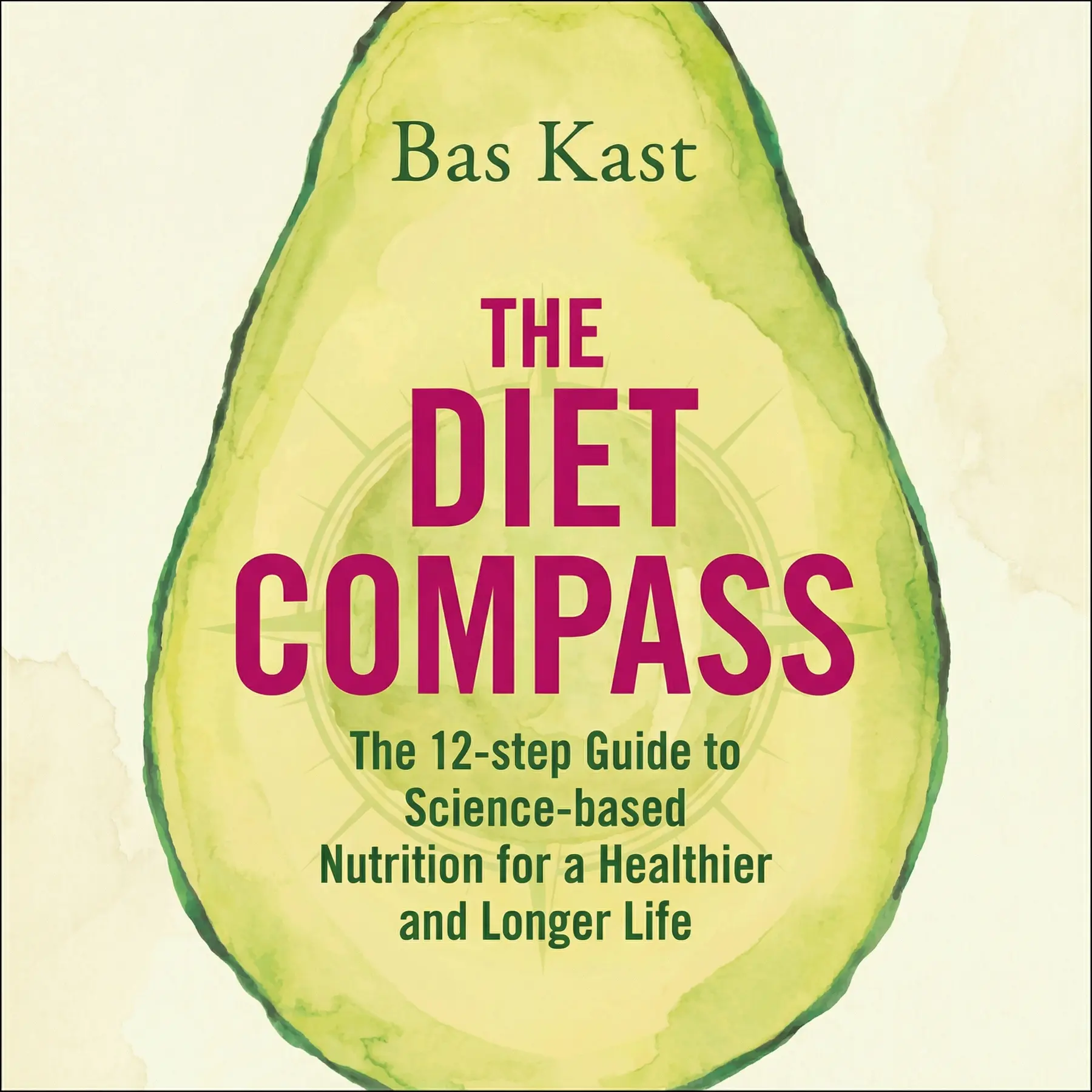
The Diet Compass: The 12-step Guide to Science-based Nutrition for a Healthier and Longer Life
By Bas Kast
The Diet Compass offers a scientifically grounded exploration of human nutrition, cutting through contradictory health headlines to reveal how specific proteins, fats, and carbohydrates impact long-term health, weight management, and biological aging.
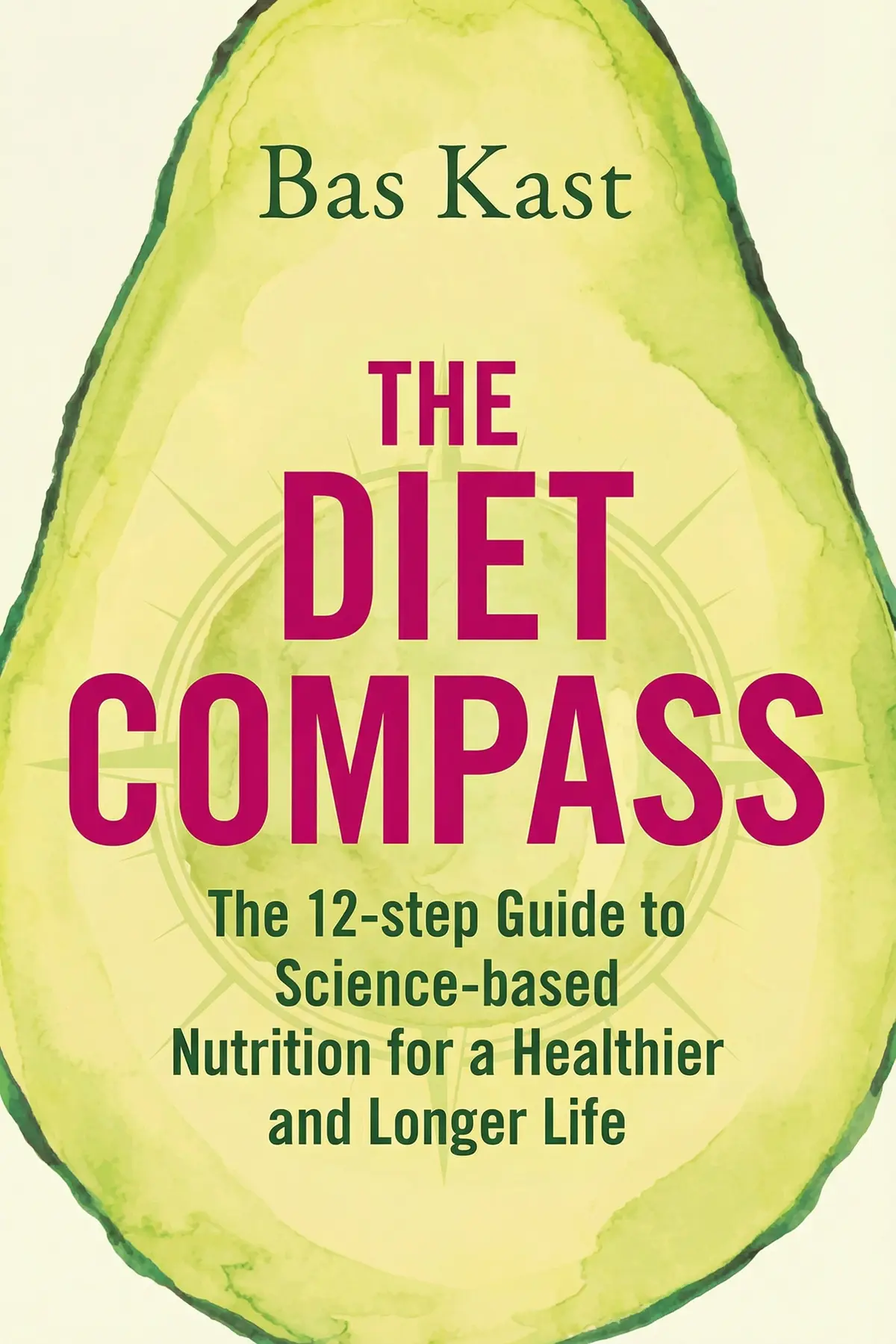
Table of Content
1. Introduction
1 min 32 sec
Every morning, we are greeted by a fresh wave of health news that seems to contradict everything we heard the day before. We are told that coffee is a dangerous stimulant, then informed it’s a life-extending antioxidant. We hear that high-fat diets are the secret to weight loss, only to be warned later that they lead to heart disease. This constant flip-flopping leaves most of us feeling exhausted and confused, wondering if anyone actually knows the truth about what we should be putting on our plates.
With over two hundred and fifty new nutritional studies published every single day, it is impossible for the average person to keep up. This is where a specialized science journalist becomes invaluable. The Diet Compass is the result of a massive undertaking to sift through the noise, examine the most robust clinical trials, and look at the ‘studies of studies’ to find where the real consensus lies.
In the following segments, we aren’t just looking for another diet plan. Instead, we are looking for a throughline—a set of principles based on how our biology actually responds to different molecules. We will explore the nuanced world of macronutrients, uncovering why the ‘low-carb’ versus ‘low-fat’ debate is largely asking the wrong question. We’ll look at the hidden signals that protein sends to our cells, the secret behind the longevity of certain cultures, and the surprising role that timing plays in our metabolic health. By the end, you’ll have a clearer understanding of how to fuel your body for the long haul, using science as your ultimate guide.
2. The Nuance of Macronutrients
2 min 08 sec
Discover why the endless debate between low-fat and low-carb diets misses the point, and how looking at the quality of these nutrients changes everything.
3. The Protein Leverage Effect
1 min 55 sec
Explore how protein acts as a master regulator for your appetite and how the source of that protein dictates your biological age.
4. Individual Insulin Sensitivity
1 min 54 sec
Understand how your body’s unique response to insulin determines whether carbohydrates work for you or against you as you age.
5. Fats as Cellular Architects
1 min 50 sec
Learn the difference between the fats that promote inflammation and the ‘superhero’ oils that actually help your cells clean themselves.
6. Busting Common Beverage Myths
2 min 04 sec
Examine the truth about the liquids we consume, from the hidden sugars in juice to the surprising health benefits of your morning coffee.
7. The Importance of Meal Timing
1 min 52 sec
Find out why giving your digestive system a rest is just as important as what you put in it, and how fasting aids cellular repair.
8. Conclusion
1 min 54 sec
As we reach the end of our journey through the science of nutrition, it’s clear that there is no single ‘magic’ food, but rather a set of principles that can guide us. To bring it all together, let’s look at a few actionable rules that summarize the ‘Diet Compass’ approach. First, prioritize foods with short ingredient lists; the closer a food is to its natural state, the better. Second, treat sugar and industrial trans fats as things to be avoided whenever possible. Third, while meat and dairy can be part of a healthy diet, they should not be the foundation. Instead, look to the plant world for your primary sources of energy and protein.
Remember to embrace healthy fats like olive oil and nuts, and don’t be afraid to experiment with your carbohydrate intake to see what your body tolerates best. If you’re looking to lose weight, pay special attention to your protein intake—aiming for about fifteen percent of your calories—and try to incorporate a time-restricted eating window to allow for cellular self-cleaning. Fish is generally a superior choice to red meat, and fermented dairy is better than plain milk. Finally, don’t waste your money on most supplements; spend it on high-quality, delicious whole foods instead.
Perhaps the most important rule of all is to find joy in what you eat. A diet that feels like a punishment is one that you will never maintain. The goal of using this ‘compass’ is to find a way of eating that makes you feel vibrant, energetic, and satisfied. By aligning your habits with the biological realities of how your body processes nutrients, you aren’t just dieting; you are investing in a longer, healthier, and more flavorful life. Take these principles, apply them to your own unique tastes, and let science guide you toward the best version of yourself.
About this book
What is this book about?
Have you ever felt completely overwhelmed by the conflicting advice in the world of nutrition? One day, fat is the enemy; the next, it’s the savior. One study tells you to avoid eggs, while another suggests they are a superfood. The Diet Compass is designed to be the definitive guide through this chaos. Author Bas Kast, a science journalist, embarked on a deep dive into thousands of nutritional studies to identify which dietary habits actually lead to a longer, healthier life. This summary breaks down the complex biochemistry of what we eat into actionable insights. You will learn why the quality of your food matters more than the quantity of macronutrients, how to identify your unique metabolic relationship with carbohydrates, and why the timing of your meals might be just as important as the food itself. The promise of this book is not a fad diet but a science-based compass that helps you navigate your own path to wellness. By understanding how different foods signal growth or repair in your cells, you can make informed choices that promote vitality and stave off age-related diseases.
Book Information
About the Author
Bas Kast
Bas Kast is a prominent German science writer who brings a rigorous academic background to his work, having studied the fields of psychology and biology at both the University of Constance and the Massachusetts Institute of Technology. He transitioned into high-level journalism, contributing his expertise to respected publications such as Nature, GEO, and the Berliner Tageszeitung. His ability to translate complex scientific data into accessible narratives has earned him numerous accolades, most notably the Science Book of the Year award from Bild der Wissenschaft for his comprehensive nutritional guide, The Diet Compass.
Ratings & Reviews
Ratings at a glance
What people think
Listeners find The Diet Compass to be an approachable manual that translates intricate nutritional studies into manageable tips for those looking to enhance their health. While perspectives fluctuate on the author's analysis of certain scientific papers, listeners value the wide-ranging content covering intermittent fasting and the metabolic effects of various food groups. Additionally, they describe the narrative as both captivating and orderly, with one listener pointing out that the concluding "12 rules" act as a particularly helpful practical guide. They also note that the text serves as a great entry point for novices hoping to comprehend the biological drivers behind weight management and longevity.
Top reviews
Ratree
This book arrived at exactly the right time in my life, right when I was feeling sluggish and overwhelmed by the sheer amount of nutritional noise online. Bas Kast doesn't just tell you what to eat; he explains the biological processes behind why certain foods impact our longevity and waistlines. I found the section on interval fasting particularly enlightening because it felt grounded in actual research rather than just trendy hype. Truth is, his personal story about his health scare at age 40 makes the whole narrative feel much more urgent and relatable. The way he synthesizes complex metabolic data into the '12 rules' at the end is a masterclass in organization. It is a powerful, digestible read that now has a permanent spot on my kitchen counter for quick reference. Highly recommended for anyone tired of the junk food cycle.
Show moreTalia
Wow, I didn't expect a book about metabolism to be such a total page-turner! I’ve been struggling to understand why my old eating habits weren't working anymore, and this book provided the 'map' I desperately needed. The chapter on the metabolic impact of different food groups was a total eye-opener for me, especially regarding how we process proteins versus carbs. Personally, I loved that he doesn't push a one-size-fits-all agenda but instead offers a scientific compass to navigate your own path. Those 12 concluding rules are incredibly practical and easy to implement immediately. If you want to understand the 'why' behind healthy eating instead of just following a strict list of forbidden foods, this is the one. It really makes you rethink every trip to the grocery store.
Show moreJin
The Diet Compass is easily the most comprehensive guide I’ve encountered for understanding the link between food and aging. I was particularly fascinated by the discussion on how certain foods can essentially 'eat yourself young' by triggering cellular repair mechanisms. Kast has a gift for making scientific goobledygook feel accessible to the average person without losing the underlying complexity. While some might find his disdain for red meat a bit extreme, his arguments are backed by a mountain of interesting observational data. The book is well-organized, transitioning smoothly from macro-nutrients to specific dietary habits like timing. Not gonna lie, I've already started swapping my morning cereal for the yogurt-based suggestions he mentioned to help with visceral fat. It feels like a lifestyle shift rather than a temporary diet.
Show moreSomkid
Ever wonder why every new diet seems to contradict the last one you tried? Bas Kast actually takes the time to filter through those contradictions to find the common threads that actually matter for our health. Look, I’ve read a dozen health books this year, but this one stands out because it focuses on the long game rather than quick fixes. The sections on how different liquids impact our insulin levels were particularly helpful for me. I also appreciated that he included a chapter on the importance of when we eat, not just what we eat. The writing style is very engaging and doesn't feel like a dry textbook at all. It’s the kind of book you’ll want to highlight and return to whenever you feel your habits slipping. Truly a game-changer for my mental health and energy levels.
Show moreLayla
Bas Kast has done the heavy lifting for us by filtering through thousands of academic papers to create this incredible resource. The way he explains the correlation between certain foods and age-related ailments is both terrifying and motivating. I’ve always known that junk food was bad, but seeing the specific biological processes it triggers was the wake-up call I needed. The book is refreshingly original because it doesn't just push one specific fad like Keto or Paleo; it looks at the broader picture of human nutrition. I especially liked the tips on how to lose weight efficiently without feeling like I'm starving myself. This should honestly be on every individual's bookshelf as a standard reference for living a long, healthy life. It’s an accessible, powerful read that I've already recommended to my entire family.
Show moreFon
Not gonna lie, I was skeptical about another 'science journalist' telling me what to eat, but Kast really won me over. His exploration of how yogurt can help with visceral fat reduction was enough to make me change my breakfast habits the next day. The book is perfectly organized, moving from the big picture of macronutrients down to the nitty-gritty of specific beverages and supplements. I loved that he addressed the ethical side of eating without being preachy, focusing instead on what is objectively best for the human body. The 12 rules are the perfect way to wrap up such a data-heavy book, providing a practical anchor for all that research. It’s an engaging and surprisingly funny look at a topic that usually feels quite dry. If you're looking for a starting point to improve your health, this is it.
Show moreSkylar
Finally got around to finishing this massive synthesis of nutritional science and I have mixed but mostly positive feelings. On one hand, Kast is a fantastic writer who makes reading about amino acids and protein ratios feel like a detective novel. He does a great job of breaking down how our metabolism shifts as we age. However, to be fair, some of his interpretations of clinical studies felt a bit oversimplified to fit his narrative. For example, his stance on Vitamin D supplements seemed slightly outdated compared to the most recent large-scale trials I’ve followed. Still, his core advice—focusing on unprocessed, plant-heavy foods—is solid and hard to argue with. It’s an engaging guide that provides a helpful starting point for beginners without being too patronizing, though I'd suggest cross-referencing his specific supplement advice with a doctor.
Show morePatcharaporn
After hearing so many conflicting things about red meat and dairy, this book provided some much-needed clarity on how to balance animal proteins. Kast’s deep dive into the 'Blue Zones' and what long-lived colonies actually eat was fascinating and gave me a lot to think about regarding my own longevity. I appreciated the nuance he brought to the carb debate, explaining why some people thrive on high-carb diets while others don't. My only real gripe is that he sometimes presents common knowledge, like eating more vegetables, as if it were a revolutionary discovery. To be fair, though, the way he connects these habits to specific biological outcomes is quite unique. It's an accessible guide that synthesizes a lot of complex info into something you can actually use daily. Good for anyone wanting to take control of their health.
Show moreAmara
Picked this up on a whim and was pleasantly surprised by how digestible the information is, even for someone who hated science in school. The author's journey from a health collapse to a nutritional expert is compelling and adds a layer of authenticity to his advice. I found the breakdown of the metabolic impact of various fats to be the most useful section, especially the focus on nuts and seeds. Gotta say, I do think he overreaches a bit with the Vitamin D recommendations without emphasizing the need for blood tests. However, the '12 rules' at the end are so clear that they make the rest of the book's density much easier to manage. It's a solid, well-researched resource that avoids most of the 'garbage' found in typical diet books. Definitely worth a read for the health-conscious.
Show moreKanokwan
As someone with a background in biology, I found Kast’s approach a bit patronizing at times, and his 'science journalist' tone occasionally slid into know-it-all territory. He tends to treat animal and cell studies with the same weight as long-term human trials, which can be quite misleading for a lay audience. Frankly, the way he dismisses certain experts while making his own bold claims about alcohol and specific supplements felt a little hypocritical. That said, the book isn't without merit; the summary of interval fasting research is quite decent and well-organized. It’s a good introductory text for someone who has never thought about nutrition, but the lack of a rigorous citation style makes it hard to verify his claims. It’s an okay read, just take the 'scientific' absolutes with a very large grain of salt.
Show moreReaders also enjoyed
AUDIO SUMMARY AVAILABLE
Listen to The Diet Compass in 15 minutes
Get the key ideas from The Diet Compass by Bas Kast, plus 5,000+ more titles in English and Thai.
- 5,000+ titles
- Listen as much as you want
- 7-day free trial
- Cancel anytime







