
16 min 19 sec
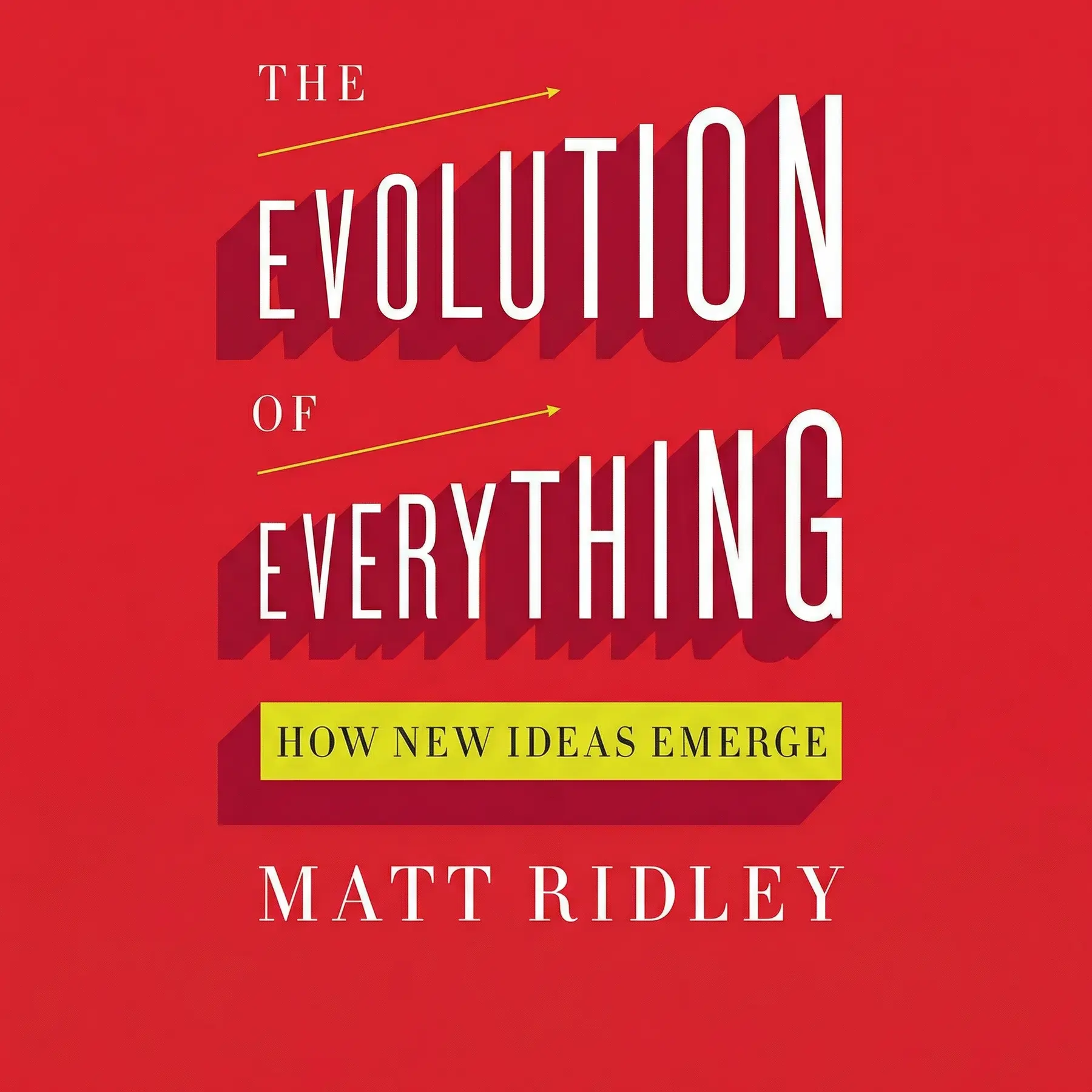
The Evolution of Everything: How New Ideas Emerge
By Matt Ridley
A deep dive into the hidden forces of spontaneous order, arguing that the most complex systems in our world—from markets to morality—evolve bottom-up rather than being designed from the top down.
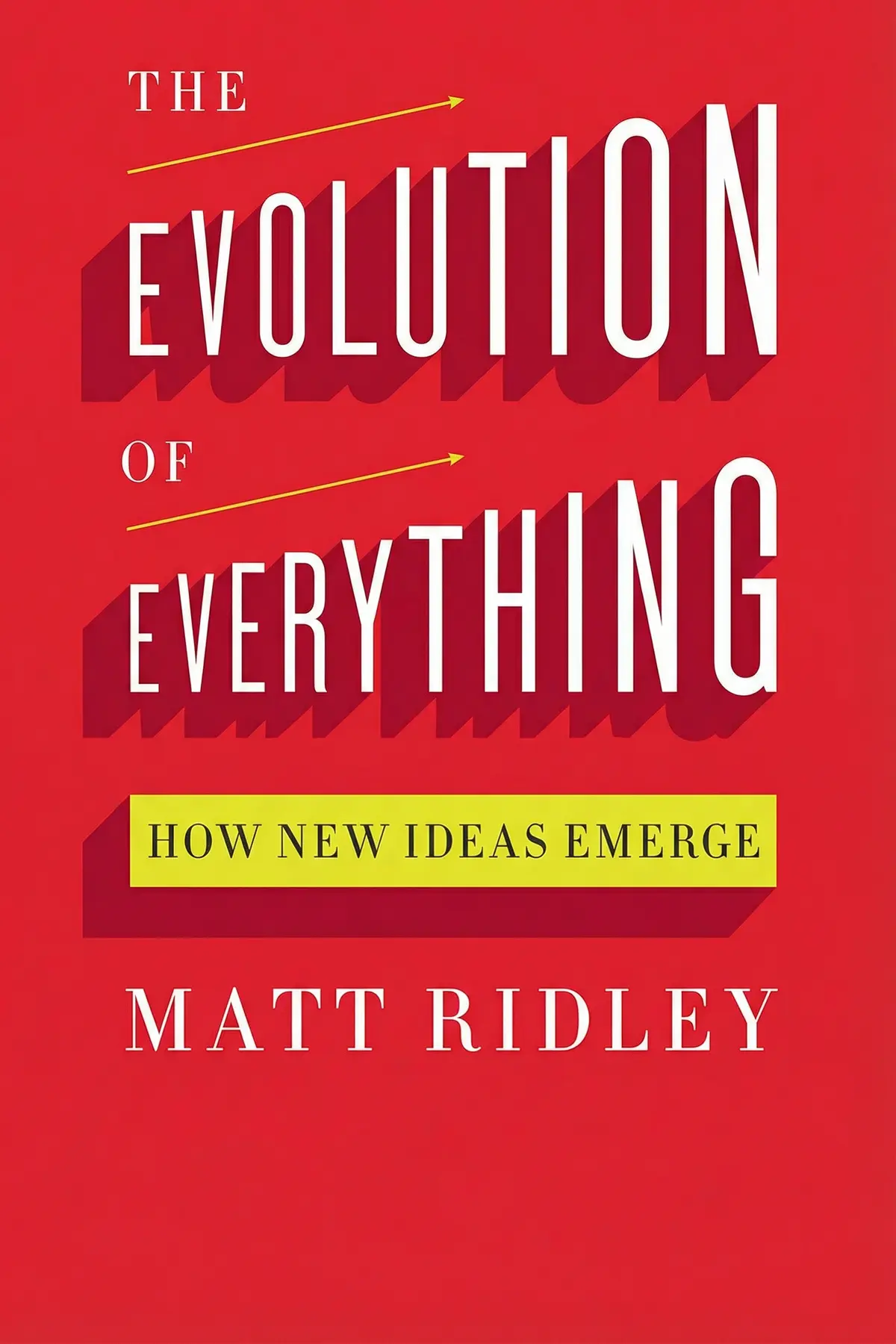
Table of Content
1. Introduction
1 min 47 sec
When we look at a complex machine, a thriving city, or a sophisticated piece of software, our first instinct is to ask: Who made this? We have a deep-seated human bias toward ‘top-down’ explanations. We want to find the architect, the king, or the visionary leader who mapped out the path to success. This perspective, often called ‘creationism’ in a broad sense, suggests that order can only be imposed from above by an intelligent designer. But what if this mindset is fundamentally wrong?
In this exploration of Matt Ridley’s work, we are going to challenge the idea that the world is built by design. Instead, we’ll see how the most powerful forces in human history—our language, our morality, our technology, and even our government—actually grow from the bottom up. This is what Ridley calls the ‘general theory of evolution.’ It’s a perspective that takes the core insight Charles Darwin applied to biology and expands it to cover every aspect of human life.
Throughout this summary, we will examine how spontaneous order emerges from the interactions of millions of individuals, none of whom need to understand the big picture for the system to thrive. We’ll look at why ‘Great Men’ are often more a symptom of progress than the cause of it, and why the most successful systems are those that are allowed to evolve organically rather than being forced into a rigid plan. By the end, you’ll see why the future is not something that needs to be managed or directed by a central authority, but something that will emerge, adapt, and improve through the collective wisdom of trial and error. Let’s dive into the unseen machinery of our world and discover how everything truly evolves.
2. The Error of the Designer Mindset
2 min 27 sec
Discover why our brains are hardwired to see intent where there is only process, and how this bias distorts our understanding of how the world functions.
3. The Spontaneous Growth of Culture and Morality
2 min 28 sec
Learn how the rules of social conduct and the nuances of language emerged naturally from the ground up, without the need for central decrees.
4. Innovation as an Inevitable Process
2 min 24 sec
Explore the surprising history of simultaneous invention and why technology moves forward regardless of who is in the driver’s seat.
5. The Economic Ecosystem and the Invisible Hand
2 min 25 sec
Understand why economies function best when they are treated as complex biological systems rather than machines that can be steered.
6. The Limits of Central Governance
2 min 29 sec
Investigate why top-down political structures often struggle to keep pace with the organic evolution of society and the benefits of decentralization.
7. Conclusion
2 min 19 sec
As we reach the end of this journey through the ‘general theory of evolution,’ we are left with a fundamental shift in perspective. We have moved from a world of designers and masters to a world of processes and emergence. This shift is not just an academic exercise; it has profound implications for how we live our lives and how we view the future.
We have seen that progress is not something we need to fear or tightly control. It is a natural byproduct of human freedom and interaction. Whether we are talking about the way we speak, the tools we use, or the way we govern ourselves, the most effective systems are those that are allowed to grow, adapt, and even fail on their own terms. The ‘top-down’ approach, though it appeals to our desire for certainty and leadership, is often a barrier to the very improvements we seek. It stifles the diversity and the trial-and-error process that is the true engine of advancement.
The throughline of Matt Ridley’s work is one of profound optimism. If progress is an evolutionary process, then it is remarkably robust. It doesn’t depend on the wisdom of a few elites; it depends on the collective ingenuity of billions of people. This means that as long as we maintain the freedom to exchange ideas and experiment with new ways of living, the world will continue to get better. Problems that seem insurmountable today—environmental challenges, economic shifts, or social tensions—will likely find their solutions not in a grand government plan, but in a thousand small, decentralized innovations that we can’t even imagine yet.
To apply these insights, we must learn to trust the bottom-up process. This means embracing a certain degree of messiness and unpredictability. It means being skeptical of anyone who claims to have a master plan for everyone else. And most importantly, it means recognizing that you are a vital part of this grand evolutionary story. Every choice you make, every idea you share, and every trade you engage in is a small ‘mutation’ in the cultural and economic fabric of our world. By fostering openness, defending liberty, and encouraging the free flow of ideas, we aren’t just watching the world evolve—we are empowering it to become something better than we ever could have designed.
About this book
What is this book about?
The Evolution of Everything explores a radical premise: the world we inhabit is not the result of master plans or visionary leaders, but rather the outcome of an incremental, evolutionary process. While we are biologically programmed to look for creators and designers behind every complex system, Matt Ridley argues that this is an intellectual illusion. By examining history, technology, and social structures, the book reveals how decentralized systems are more resilient and innovative than centralized ones. It promises to change the way you look at progress, suggesting that the most significant breakthroughs in human history were inevitable results of collective human interaction rather than the solo work of geniuses. This is a journey through the concept of emergent order and its power to shape our future.
Book Information
About the Author
Matt Ridley
Matt Ridley is the author of several bestselling books including The Rational Optimist: How Prosperity Evolves, Genome: The Autobiography of a Species in 23 Chapters and The Red Queen: Sex and the Evolution of Human Nature. Ridley writes for The Times and the Wall Street Journal and is a member of the UK House of Lords.
Ratings & Reviews
Ratings at a glance
What people think
Listeners consider this work essential reading that is both articulate and mentally stimulating, with one listener characterizing it as a superb and straightforward listen. The book offers deep insights, including one review that provides a highly detailed account of how life evolves, and listeners value its entertainment factor and innovative concepts. The author is regarded as a brilliant intellect, with one listener specifically praising the book’s provocative arguments against intelligent design. The text’s libertarian perspective generates varied responses among listeners.
Top reviews
Wipawan
Matt Ridley has a gift for making complex phenomena feel intuitive. His "general theory of evolution" isn't just about biology; it’s a lens for understanding how everything from the internet to language emerges without a central planner. I found the Lucretius quotes at the start of each chapter a classy touch that grounds these modern ideas in ancient philosophy. While some might find his conversational tone a bit too confident, the core message is undeniably thought-provoking. It challenges the "top-down" myth we’ve been fed since childhood. It's a required read for anyone interested in why things actually work the way they do. The writing is crisp, although he occasionally glosses over messy details to fit his emergent-order narrative.
Show moreThanakorn
Ever wonder why we assume every major shift in history was masterminded by a 'great man' or a centralized committee? Ridley argues that we are obsessed with "skyhooks"—design explanations from above—when we should be looking at "cranes" that build from the bottom up. His case against intelligent design in social structures is remarkably stimulating. He tackles morality, technology, and even the universe with a breezy, dilettantish charm that makes for an excellent simple read. Look, you might not agree with every libertarian conclusion he reaches, especially regarding government intervention, but the intellectual exercise is worth the price of admission. It’s a fresh take on the hidden patterns of our world.
Show moreRania
Picking this up after reading 'The Rational Optimist,' I was already primed for Ridley’s optimistic, pro-innovation stance. This book takes that logic even further, applying evolutionary theory to the very concept of money and personality. Frankly, it’s one of the most insightful books I’ve read this year because it forces you to rethink the necessity of planning. He explains how innovation is an inevitable, incremental process rather than a series of lone-genius breakthroughs. Some chapters felt a bit rushed, but the overall scope is breathtaking. It’s a great companion for anyone who enjoyed Richard Dawkins or Daniel Dennett.
Show moreChokdee
This book is a fascinating, if sometimes frustrating, attempt to apply Darwinian principles to literally everything from money to morality. Ridley is a great thinker, and his ability to synthesize diverse fields—from the evolution of the 2008 financial crisis to the development of the English language—is impressive. However, the "weird libertarian vibe" others have mentioned is definitely present. He seems to suggest that if we just let everything evolve without "top-down" interference, we’d live in a utopia. That’s a bit simplistic for my taste. Still, the writing is top-notch and the historical anecdotes are consistently entertaining. It's definitely a conversation starter.
Show moreNiramai
Ridley’s central thesis—that order emerges spontaneously without the need for a 'governor'—is incredibly stimulating. I particularly enjoyed the chapter on the evolution of technology, where he shows how inventions like the lightbulb were actually inevitable products of their time rather than singular miracles. Truth is, his dismissal of government-funded research felt a bit lopsided, but his arguments regarding the "Invisible Hand" in social institutions are well-stated. It’s a well-written book that flows easily between complex topics. If you can overlook the occasionally smug tone, there’s a lot of wisdom here about the power of trial and error.
Show moreMadison
To be fair, you have to be ready for some heavy libertarian vibes before diving into this one. Ridley, a former science journalist turned politician, uses his zoology background to make a case for why markets and culture should be left to their own devices. He quotes Ron Paul and Adam Smith more than you might expect from a book titled "The Evolution of Everything." Despite the political slant, the book provides an extremely comprehensive explanation of how life and culture co-evolve. It’s a polarizing read, but undeniably insightful. Even when I disagreed with his stance on climate change, I couldn't stop turning the pages.
Show moreArjun
After hearing so much about Ridley's transition from science writer to political figure, I wasn't sure what to expect here. What I found was a book that feels like a series of sophisticated op-eds tied together by a single, powerful thread: the rejection of design. He draws heavily on Dennett and Dawkins, which I appreciated as a fan of their work. The chapter on the evolution of the mind was particularly thought-provoking, even if it did disturb my sense of self a little. My only gripe is that he occasionally dismisses "top-down" success stories too quickly. Overall, it’s a brilliant, if biased, survey of human culture.
Show moreAstrid
The truth is, Ridley is a wonderful prose stylist, but his arguments occasionally feel like they’re built on cherry-picked anecdotes. He wants us to believe that everything good happens bottom-up and everything bad happens top-down, which is a bit of a stretch. For example, his analysis of the 2008 housing bubble puts almost all the blame on government policy while ignoring the role of deregulated markets. That said, his "general theory" is a great way to look at language and education. It’s a fun ride of ideas, even if the wheels feel like they’re coming off in the final chapters on money and the internet.
Show moreWitthaya
Wow, this was quite the roller coaster of provocative ideas and questionable conclusions. Ridley starts strong with the evolution of the universe and morality, but as he moves into politics and the environment, his reductionistic tone becomes hard to ignore. Personally, I found his dismissal of man-made climate change as a "non-scientific leap of faith" to be quite jarring compared to his earlier biological insights. He writes with a superficial confidence that makes you feel like you're being sold a bill of goods. It’s an entertaining read, but keep your guard up. It's more of a political manifesto than a science book.
Show moreIsaiah
Not what I expected from the author of 'Genome,' which I remember being far more grounded in peer-reviewed science. This felt less like a rigorous exploration of evolutionary theory and more like a platform for his libertarian beliefs. He constantly attacks "top-down" systems while ignoring the obvious benefits of public funding in fields like medicine or basic research. I kept waiting for more evidence-based persuasion, but instead, I got quotes from think tanks and Ron Paul. It’s a shame because the core premise—that evolution is a universal phenomenon—is actually quite brilliant. This version just felt too slyly political and lopsided to be truly convincing.
Show moreReaders also enjoyed
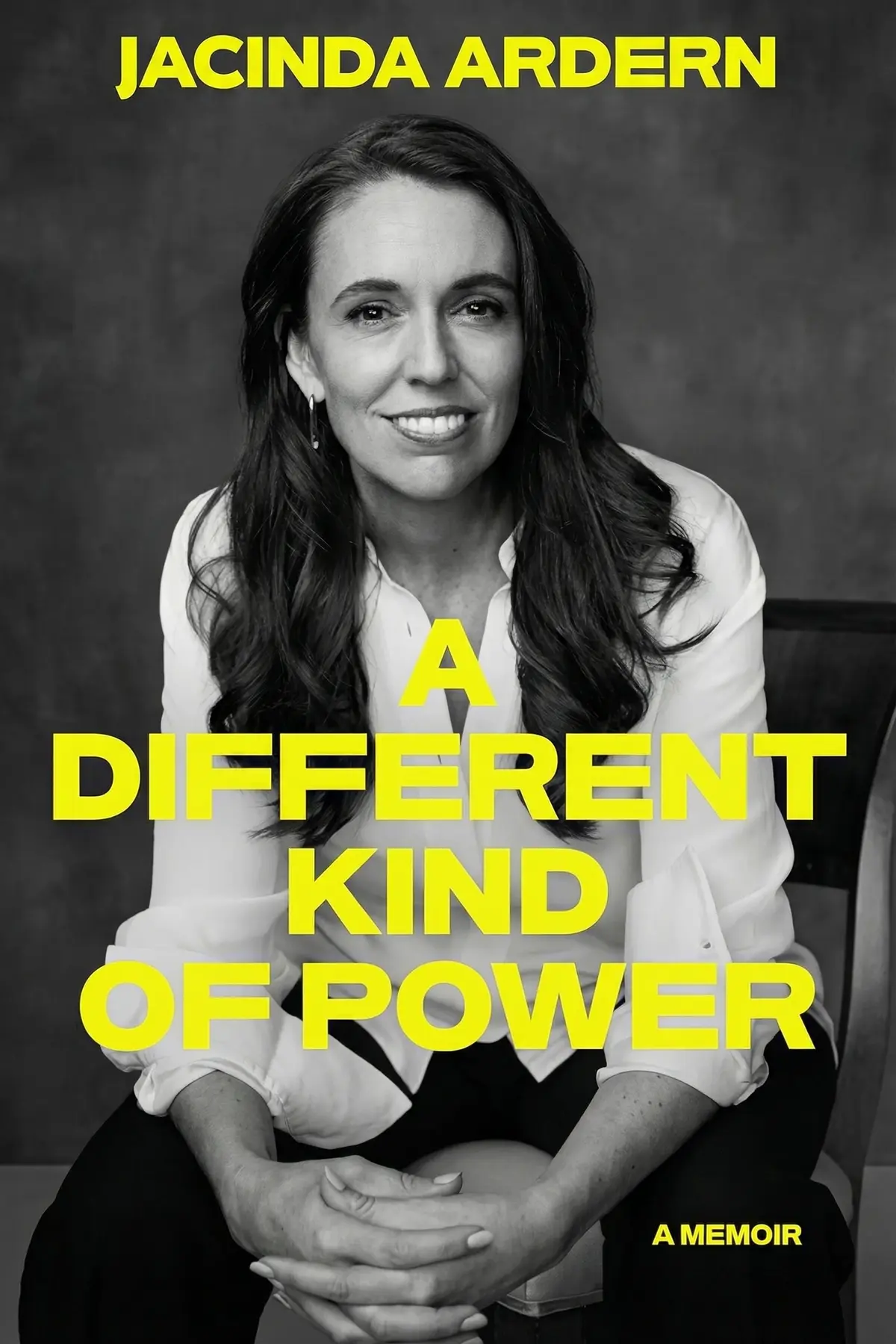
A Different Kind of Power: A Memoir
Jacinda Ardern
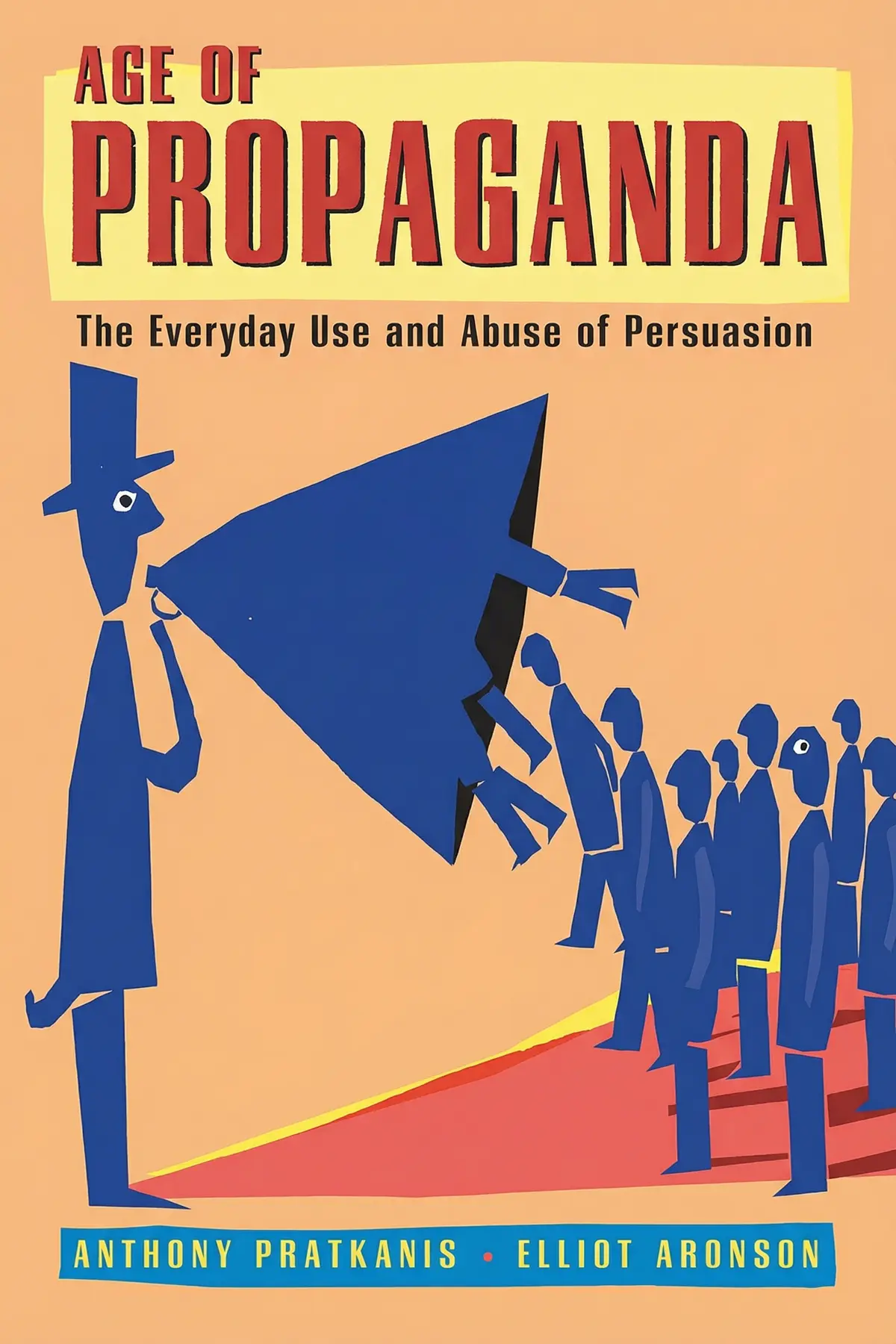
Age of Propaganda: The Everyday Use and Abuse of Persuasion
Anthony Pratkanis
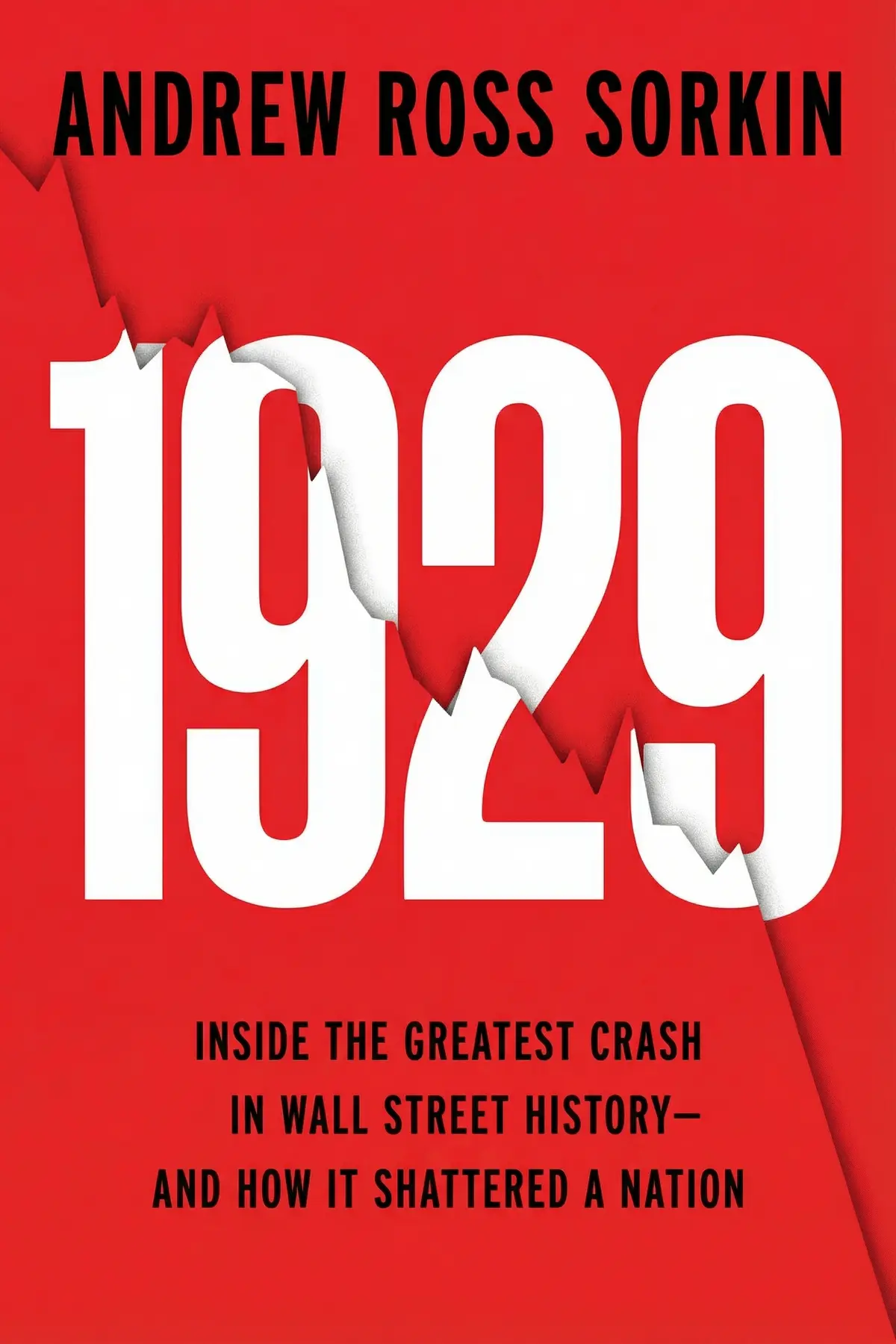
1929: Inside the Greatest Crash in Wall Street History--and How It
Andrew Ross Sorkin
A Higher Loyalty: Truth, Lies and Leadership
James Comey
23 Things They Don’t Tell You About Capitalism
Ha-Joon Chang

A Little History of Economics
Niall Kishtainy
A Promised Land
Barack Obama
AUDIO SUMMARY AVAILABLE
Listen to The Evolution of Everything in 15 minutes
Get the key ideas from The Evolution of Everything by Matt Ridley, plus 5,000+ more titles in English and Thai.
- 5,000+ titles
- Listen as much as you want
- 7-day free trial
- Cancel anytime







