
16 min 03 sec
Understanding Power: The Indispensible Chomsky
Explore the hidden mechanics of political influence and social control. This summary reveals how activism, education, and economic policies are shaped by those in power to maintain the status quo and manage public perception.
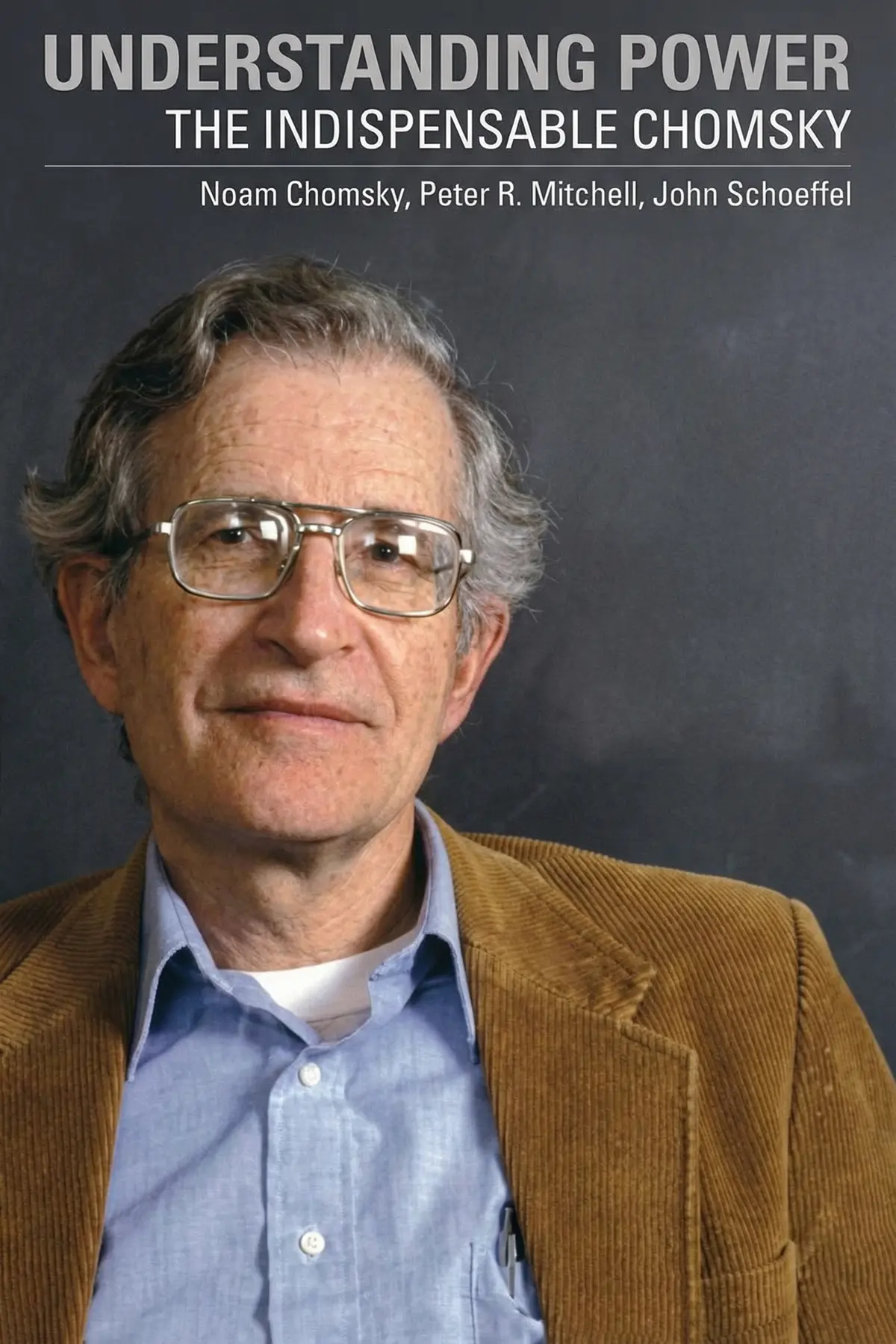
Table of Content
1. Introduction
1 min 46 sec
Power is something we often discuss in the abstract, yet its effects are as tangible as the ground beneath our feet. We see it in the way laws are passed, how wars are conducted, and how our children are educated. But while power is omnipresent, it is rarely transparent. In fact, the very nature of political power often requires it to operate in the shadows, away from the prying eyes of the public it claims to serve. To truly grasp how our world works, we have to look past the official press releases and the evening news. We have to examine the underlying structures that dictate who gets a seat at the table and who is left on the outside.
In this exploration of the indispensable insights of Noam Chomsky, we are going to look at the mechanics of influence and control through several specific lenses. We will start by examining the real impact of public dissent and why governments are often more afraid of their own citizens than of foreign adversaries. Then, we will look at the education system, not just as a place for learning, but as a mechanism for social conditioning. From there, we will move into the complex world of economics and poverty, exploring why certain populations are systematically left behind. Finally, we will look at how social policies—specifically those related to the legal system—are often designed to manage domestic populations rather than to solve the problems they claim to address.
Though much of this discussion is rooted in the events of the late twentieth century, the patterns described remain remarkably consistent. By tracing the history of how power has been wielded in the past, we can develop a more acute awareness of how it is being used today. This throughline—the idea that an informed and critical public is the greatest check on centralized authority—is what we will return to again and again. Let’s begin by looking at the surprising strength found in the voice of the common citizen.
2. The Power of Public Activism and State Secrecy
3 min 25 sec
Discover how the collective voice of the people forced governments to change their military tactics from overt warfare to hidden, covert operations.
3. The Institutional Filter of Education
3 min 14 sec
Uncover how the school system functions as an assembly line designed to produce obedient workers rather than independent thinkers.
4. The Strategic Utility of Poverty
3 min 07 sec
Learn why global and domestic poverty are not just accidents of history, but often the result of specific economic choices that benefit the powerful.
5. Social Policy as a Tool of Domestic Management
3 min 09 sec
Examine how the ‘war on drugs’ and the prison system are used to control specific populations while generating profit for the elite.
6. Conclusion
1 min 22 sec
As we have seen, the structures of power in our society are complex, but they are not incomprehensible. Whether it is the use of state secrecy to bypass public dissent, an education system designed to foster obedience, or economic and social policies that prioritize profit over people, there is a consistent logic at work. Those in power seek to maintain and expand that power, often by managing the perceptions and lives of the general population. But there is a reason for optimism. The very fact that governments feel the need to hide their actions or indoctrinate their citizens through schools and media proves that the public is not powerless.
The most important takeaway is that understanding these systems is the first step toward changing them. We must move beyond the role of the passive consumer or the obedient worker. We have a responsibility to be analytical and curious, to question the narratives we are handed, and to look for the motivations behind the policies that shape our lives. Activism, even when it feels slow, creates a real check on authority. When we refuse to be misled and start looking at the world with clear eyes, we strip away the ‘mystery’ of power that the elite have used to stay in control. The future depends on our willingness to stay informed, stay engaged, and never stop asking who really benefits from the way our world is run.
About this book
What is this book about?
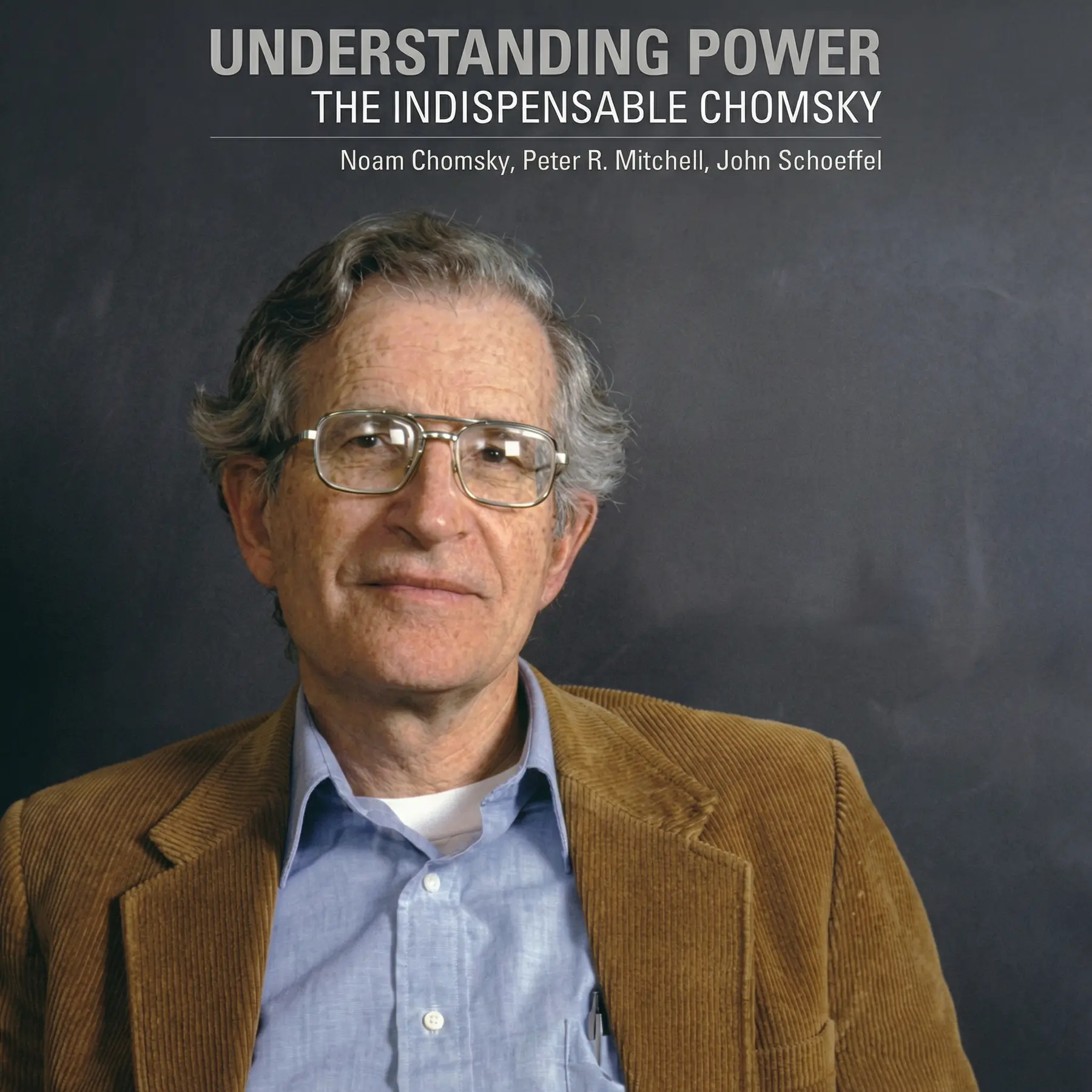
Understanding Power provides a deep dive into the often-opaque world of political and social structures. Based on a series of discussions, it peels back the layers of how modern society functions, questioning the narratives we are often taught in school or through the media. The book focuses on four primary pillars: the impact of public activism, the role of educational institutions as tools for compliance, the structural causes of poverty, and the intent behind social policies like the war on drugs. By examining historical examples—ranging from military interventions in Central America to the internal mechanics of the American university system—it offers a lens through which to view the world more critically. The promise of this work is not just to provide historical context, but to equip the listener with the analytical tools necessary to interrogate power wherever it manifests. It suggests that by understanding the patterns of the past, we can become more effective at influencing the future. This is a foundational guide for anyone looking to look beneath the surface of official government narratives and understand the true cost of political decision-making.
Book Information
About the Author
Noam Chomsky
Noam Chomsky is a preeminent intellectual and Institute Professor Emeritus at MIT, widely recognized for his groundbreaking contributions to linguistics, philosophy, and political activism. He has authored more than 100 books, including notable works like Who Rules the World? and Deterring Democracy. Chomsky is renowned for his critical analysis of mass media and power structures, consistently challenging mainstream political narratives and advocating for social justice and transparency in governance. Peter R. Mitchell and John Schoeffel are the editors who compiled the discussions featured in this work.
Manufacturing Consent: The Political Economy of the Mass Media
Edward S. Herman
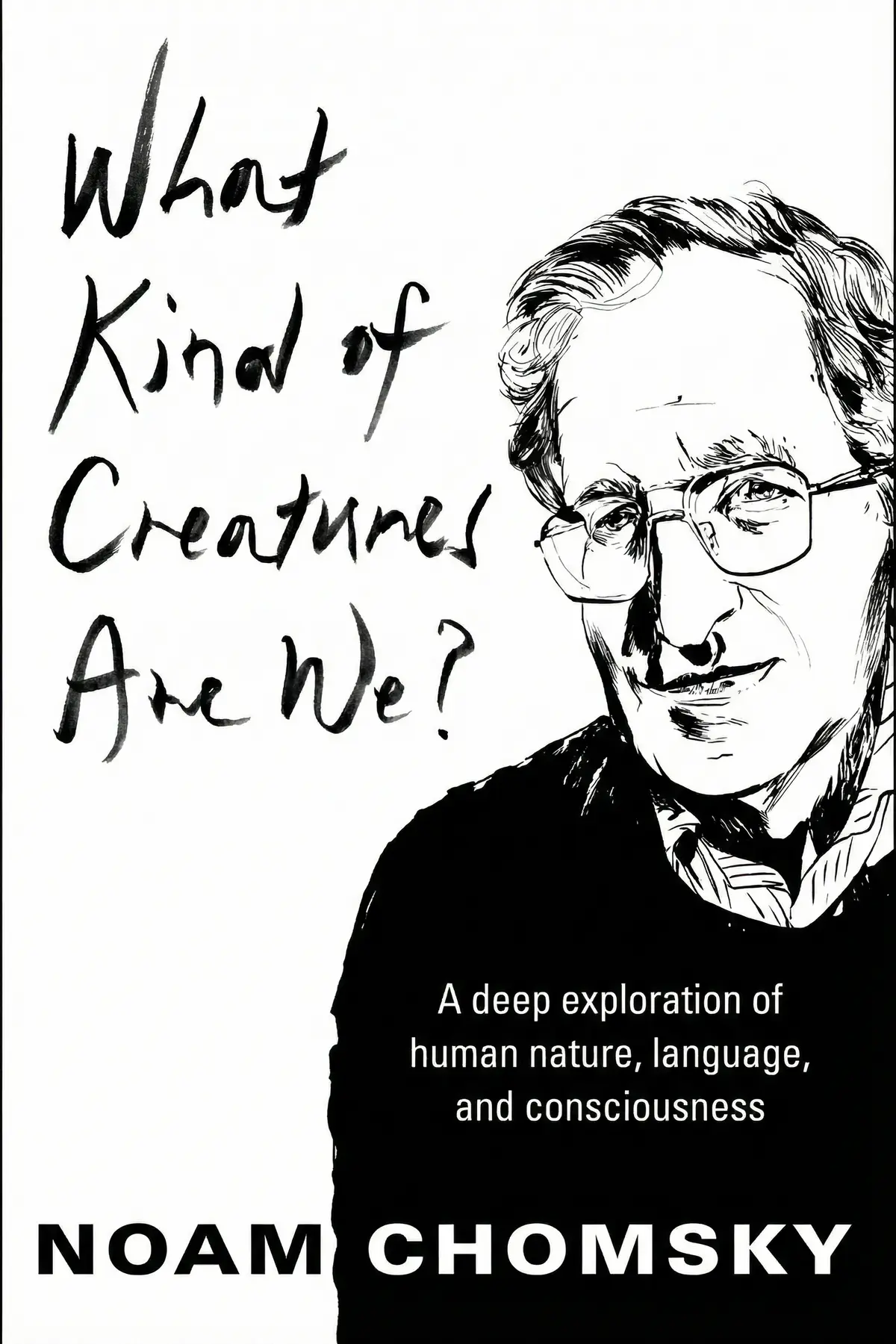
What Kind of Creatures Are We?
Noam Chomsky
Who Rules the World?
Noam Chomsky
Ratings & Reviews
Ratings at a glance
What people think
Listeners find the material highly informative and straightforward to follow, with one review describing it as a goldmine of knowledge. They also value its approachable nature, as one listener mentions it encourages audiences to think more deeply. The book’s political commentary earns praise as well, with one review highlighting its examination of domestic and foreign American policy. Listeners also enjoy Chomsky’s prose; one listener points out the use of everyday language, while another claims it is the premier single source of the author’s work.
Top reviews
Frida
Picked this up after seeing a YouTube clip of Chomsky and I was immediately hooked by the format. This isn't a dry academic tome; it’s a series of transcribed Q&A sessions that feel like an intimate conversation. I used to be terrified of political books because I worried they’d be over my head, but the language here is incredibly accessible. Chomsky has a real talent for explaining complex institutional structures in ordinary language that anyone can grasp. He avoids the typical 'holier-than-thou' tone I often encountered with activists at university, which made me much more open to his arguments. It is a goldmine of knowledge that forces you to think more thoroughly about how the world actually functions. My only real gripe is that you have to go online to find the 450 pages of footnotes, but they are absolutely worth the extra effort to verify his claims.
Show moreFord
Ever wonder why the world feels like it's falling apart while the media tells you everything is fine? This book provides the most rational, evidence-based explanation I’ve ever encountered. Chomsky manages to be both radical and incredibly sane at the same time, which is a rare feat in political discourse. He doesn't just rant; he provides a meticulous breakdown of how corporations and the government cooperate to marginalize the public. In my experience, most political thinkers try to sound 'intellectual' to distance themselves from the masses, but Chomsky does the exact opposite. He empowers the reader by showing that we don't need a PhD to understand how we are being manipulated. This book is a life-changer that completely rewired how I consume news. It is, without a doubt, the best single source of his political work available.
Show moreRatchada
Chomsky has this uncanny ability to connect domestic misery with imperialistic foreign policy without sounding like a typical university radical. This collection of talks is essentially a masterclass in media literacy and institutional analysis. I found his distinction between corruption and systemic power to be one of the most enlightening parts of the whole book. He argues that we should almost prefer corrupt leaders because they are less dangerous than the true believers who only want power for its own sake. The footnotes are a project in themselves, but they provide a level of transparency you just don't see in other political writing. Not gonna lie, some of his theories sound like conspiracies until you see the declassified documents he uses as evidence. It’s a heavy book, both physically and intellectually, but it’s probably the most important thing I’ve read in a decade.
Show moreArthit
This is hands down the best single-volume introduction to the man’s political worldview. While some people might find his dry delivery off-putting, I found the conversational format incredibly refreshing. It feels like you’re sitting in a room with him while he dismantles the myth of a neutral press. He tackles everything from the military-industrial complex to the fraud of modern economics with surgical precision. To be fair, some of the geopolitical takes sound like conspiracy theories at first glance until you actually check his sources. Once you dive into the evidence, the reality of American foreign policy becomes impossible to ignore. It's a heavy read that demands you think more thoroughly about the world around you. If you’re looking for a comfortable book that confirms your existing biases, keep moving. This is for the seekers.
Show moreMingkwan
Wow, I didn't expect a book of old Q&A sessions to basically rewire my brain. For years, I avoided politics because I felt it was all over my head, but Chomsky uses such ordinary language that everything finally clicked. He doesn't just attack 'Big Evil Names' like some campus activists do; he actually explains how institutions work to reinforce bad behavior. The sheer depth of the footnotes—which you have to download separately as a massive PDF—proves that he isn't just making these things up. I’ll admit, seeing the world this clearly for the first time is a bit uncomfortable and even scary. However, it’s also incredibly empowering to realize that the 'intellectual' class doesn't have a monopoly on understanding power. This is the definitive source for anyone wanting to move beyond the shallow headlines of the mainstream media.
Show moreA
The sheer volume of information packed into these transcripts is staggering, yet it never feels like a chore to read. Because the book is edited from talks given between 1989 and 1999, some of the specific references to the Clinton era or the Gulf War feel a bit dated now. However, the underlying principles of power and media manipulation remain disturbingly relevant to our current political climate. To be fair, his analysis of the 'pre-fascist' mood in America was particularly haunting to read in light of recent history. I appreciate how he deconstructs the idea that certain leaders are simply 'evil' and instead focuses on how institutions incentivize specific behaviors. It’s a dense read, and you might find yourself needing a break between chapters to process everything. Still, it’s an indispensable source for anyone wanting to peek behind the curtain of mainstream propaganda.
Show moreRoydao
As someone who usually finds political theory completely impenetrable, I was shocked by how readable this was. The conversational tone makes even the most complex ideas about state capitalism and the military-industrial complex feel manageable. I particularly liked the sections where he discusses the role of schools and universities in fostering obedience rather than independent thought. Frankly, it’s a bit uncomfortable to realize how much of our 'education' is actually just indoctrination into a specific power structure. My one minor complaint is that the book can be quite cynical at times, leaving you feeling a bit hopeless about the state of global affairs. But then he pivots to the importance of popular struggle and activism, which provides a much-needed spark of optimism. It’s an essential guide for anyone who wants to stop being a spectator and start being an informed participant in democracy.
Show morePete
Frankly, it’s a bit depressing to realize how little has changed since these talks were recorded in the nineties. Chomsky’s critiques of the health care system and the erosion of the welfare state under Clinton feel like they could have been written yesterday. The Q&A format allows for a lot of breadth, covering everything from religious fanaticism to the fraud of modern economics. I really appreciated the 'Teach-In' style because it addresses the exact questions a skeptic would naturally ask. To be fair, he can be a bit dismissive of other thinkers sometimes, which might rub some people the wrong way. However, his command of the facts is so absolute that it's hard to argue with his conclusions. This is a massive resource for anyone who feels like the current political system is failing them and wants to understand why.
Show moreDavid
One of the most refreshing aspects of this collection is how it de-emphasizes individual villains. Instead, Chomsky focuses on the institutional frameworks that make 'perfectly nice' CEOs and politicians act in ways that are harmful to society. It’s a very grounded approach that avoids the emotional hysterics you often see in modern political commentary. I found the section on 'intellectual fakery' in the humanities particularly interesting, as it explains how certain academic fields become insulated from common sense. Gotta say, the sheer length of the book is a bit intimidating at first, but the subtopics make it easy to dip in and out. While some of the 1990s-specific policy discussions dragged for me, the core lessons on power are evergreen. This is a solid four-star read for anyone who wants to develop a more critical eye toward institutional authority.
Show morePacharapol
Look, I appreciate the brilliance here, but the transcription style really grated on me after a while. I found myself constantly wishing for a more cohesive, traditionally written narrative instead of jumping between random audience questions. Don't get me wrong, the analysis of media manipulation is top-tier, but the repetitive nature of some answers makes it a bit of a slog to finish. It’s undeniably a goldmine of information, yet I struggled with the dated context of the East Timor and Central America discussions which took up quite a bit of space. If you want a quick summary of his views, this isn't it because you have to sift through a lot of old news. Personally, I think his written books like 'Manufacturing Consent' offer a more structured argument even if they are a bit more difficult to read. It's an important historical document, just not a very smooth one.
Show moreReaders also enjoyed
Abortion: Our Bodies, Their Lies, and the Truths We Use to
Jessica Valenti

A Room of One’s Own
Virginia Woolf
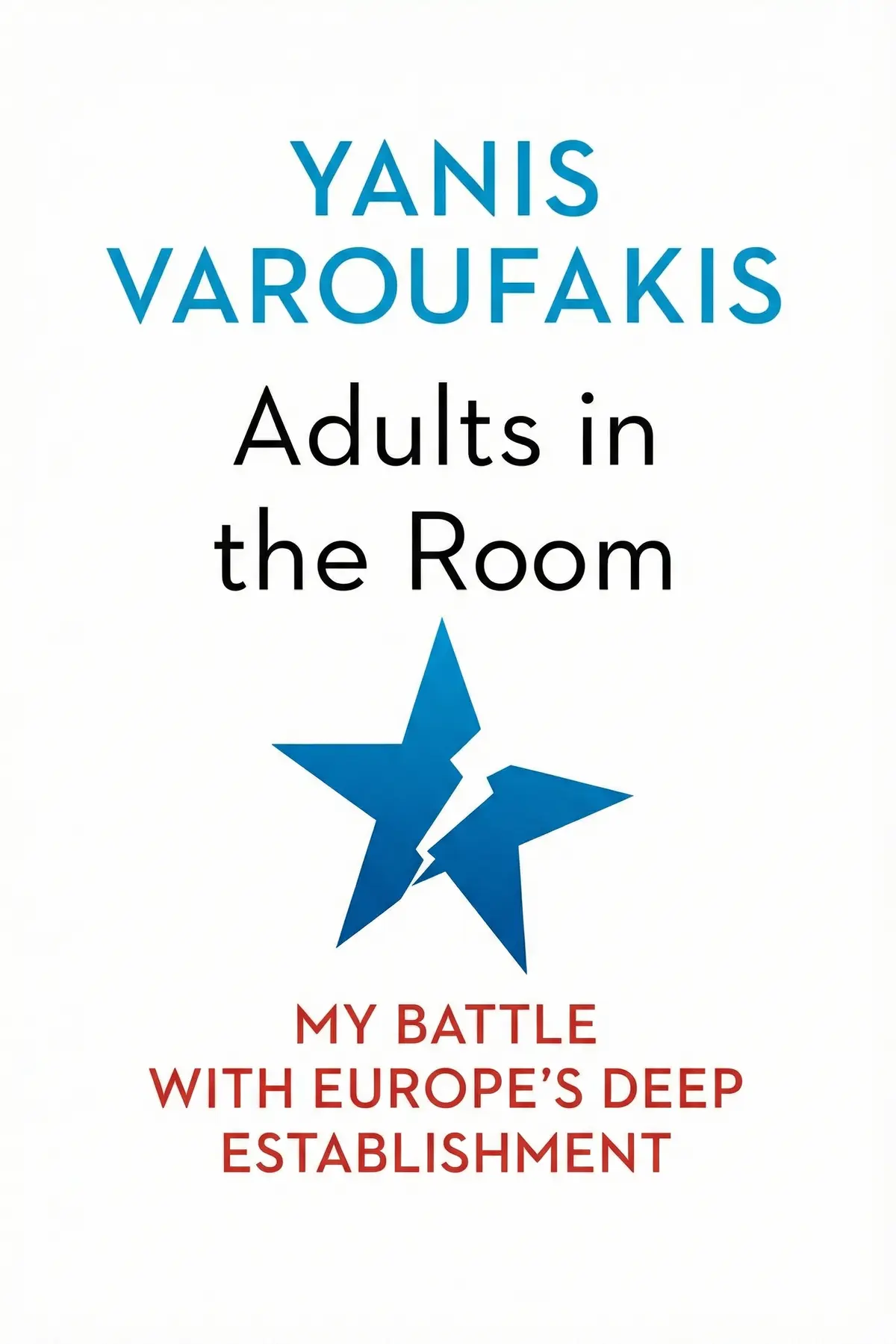
Adults in The Room: My Battle With Europe’s Deep Establishment
Yanis Varoufakis
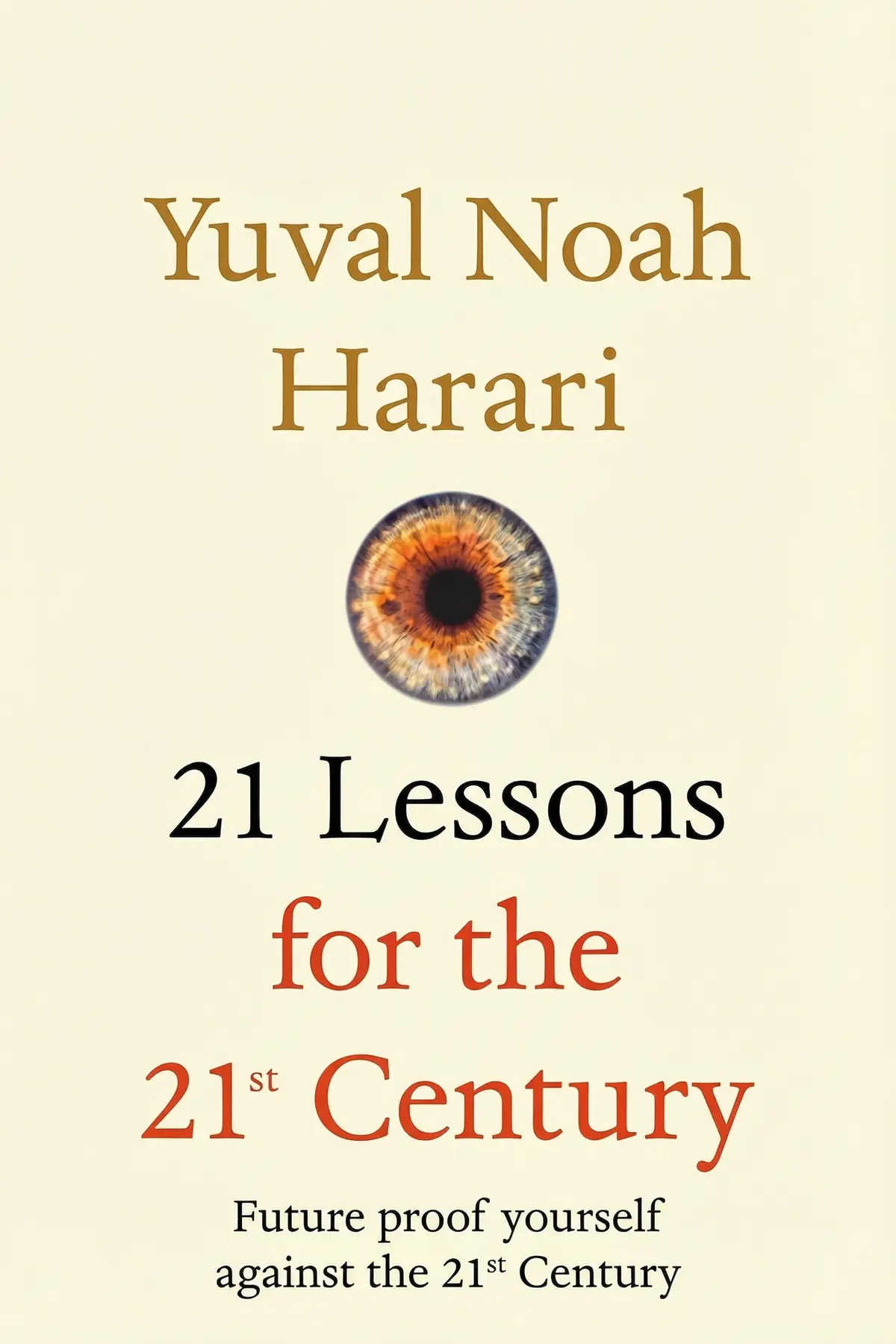
21 Lessons for the 21st Century
Yuval Noah Harari
A Different Kind of Power: A Memoir
Jacinda Ardern
Age of Anger: A History of the Present
Pankaj Mishra
Afropean: Notes From Black Europe
Johny Pitts
AUDIO SUMMARY AVAILABLE
Listen to Understanding Power in 15 minutes
Get the key ideas from Understanding Power by Noam Chomsky, plus 5,000+ more titles in English and Thai.
- 5,000+ titles
- Listen as much as you want
- 7-day free trial
- Cancel anytime







