
14 min 56 sec
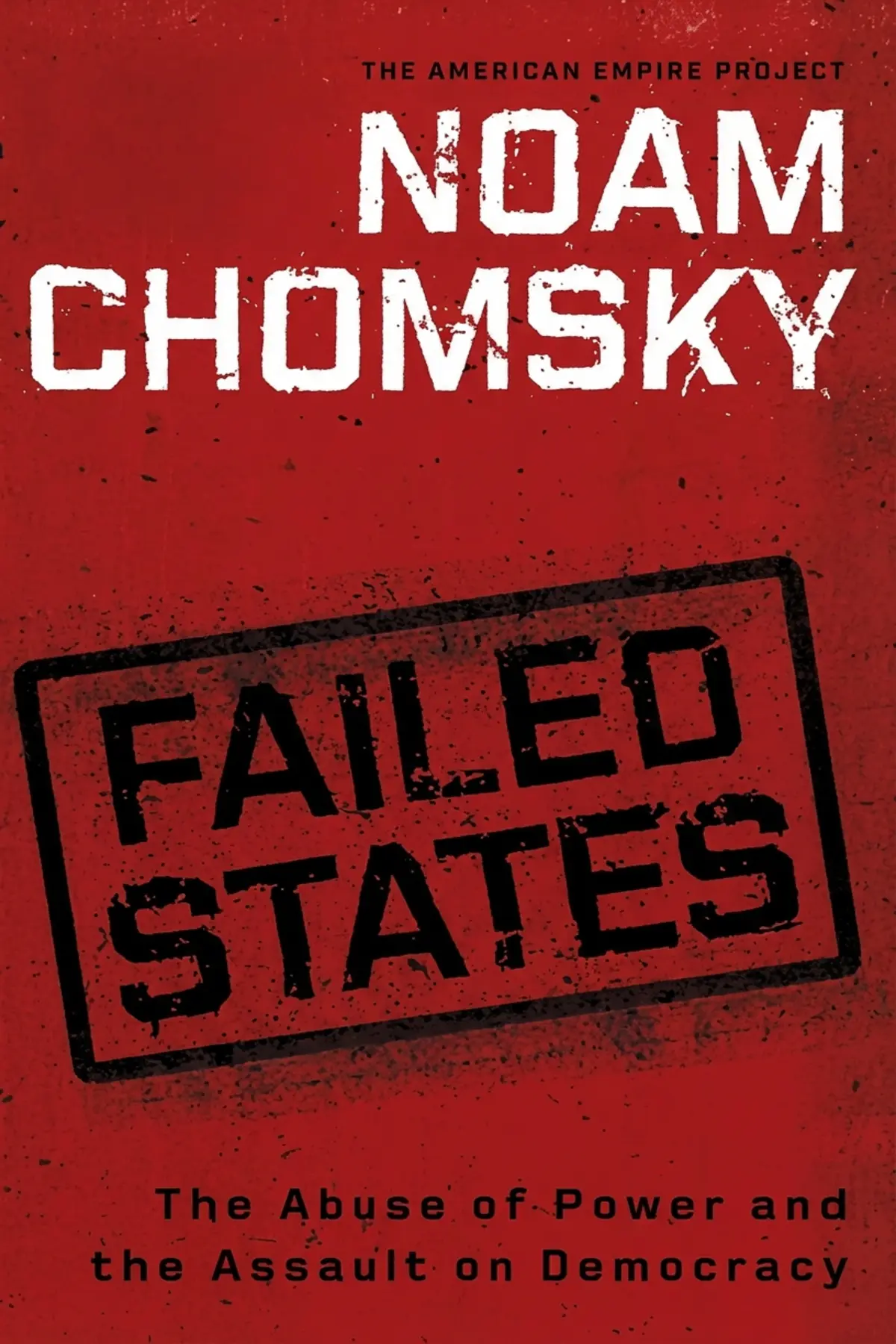
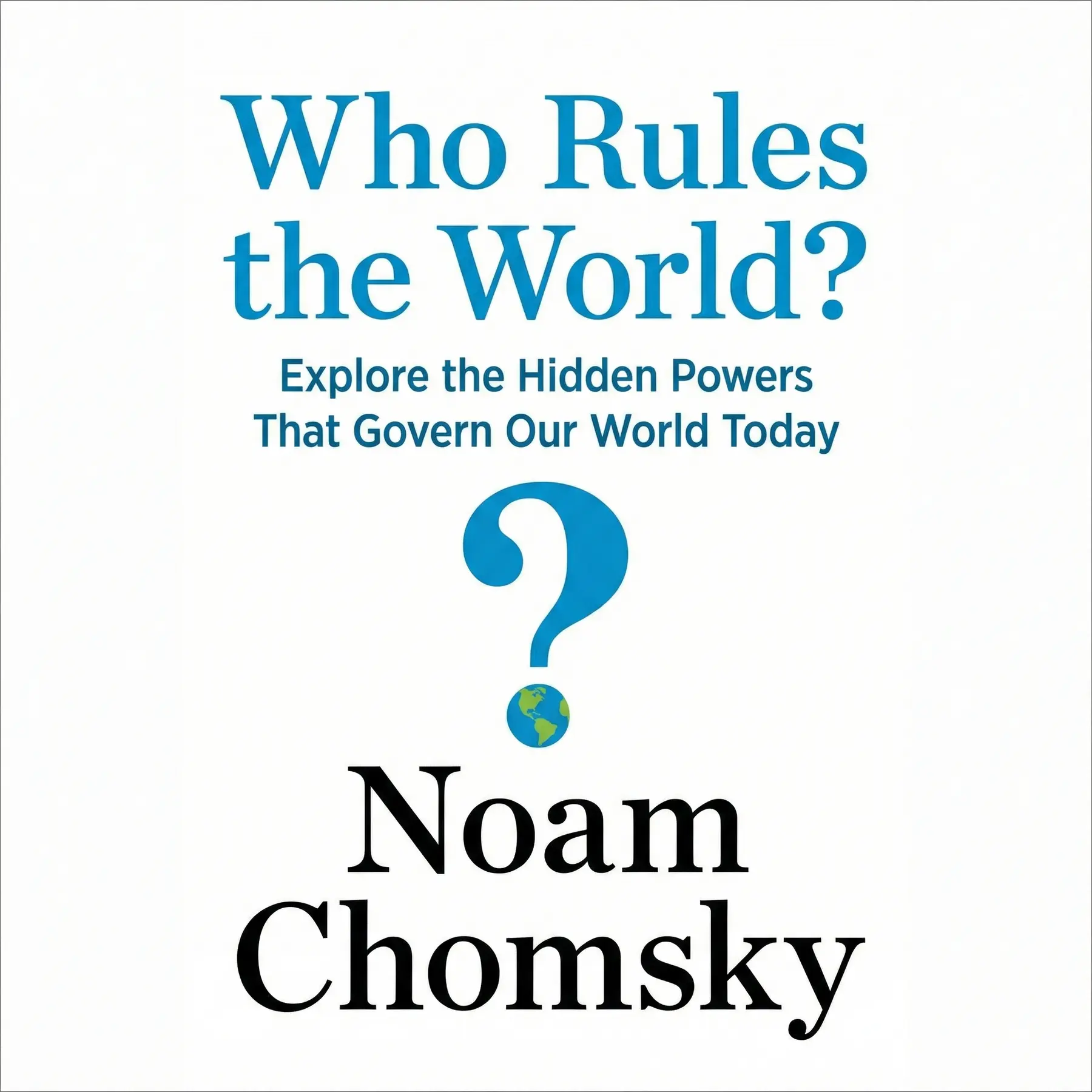
Who Rules the World?
By Noam Chomsky
A deep dive into the hidden mechanisms of global power, examining how elite interests, state violence, and corporate influence shape international policy while often disregarding the public good and human rights.
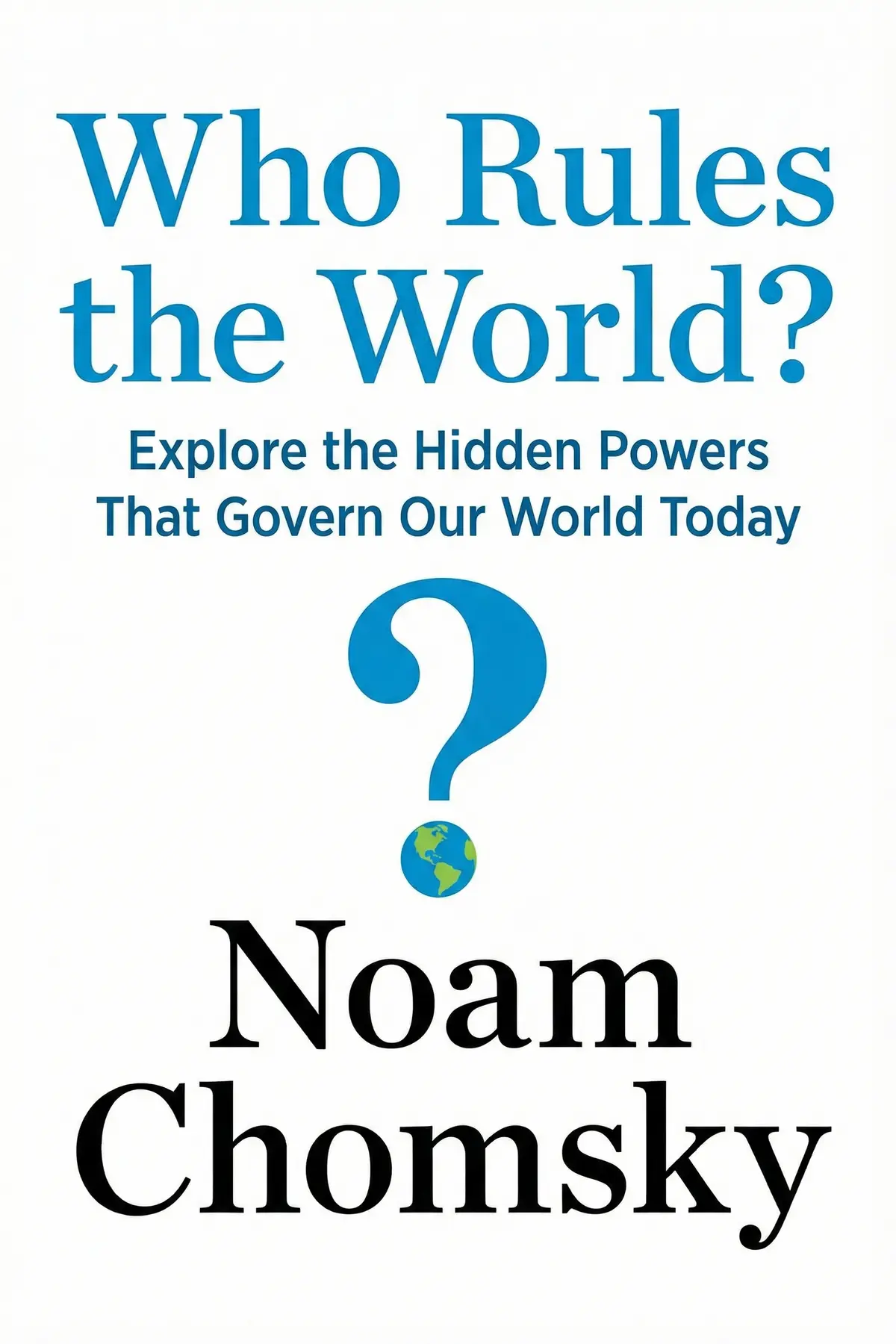
Table of Content
1. Introduction
1 min 45 sec
When we look at the headlines of the day, it is easy to get lost in the noise of specific events—a trade deal here, a military strike there, or a shift in diplomatic relations. But if we want to understand the engine driving these events, we have to ask a foundational question: who is actually in charge? The answer isn’t as simple as pointing to a single map or a single leader. Instead, what we find is a sophisticated and often hidden architecture of power that governs our lives, often without our explicit consent or even our awareness.
Following the conclusion of the Second World War, the United States ascended to a position of unparalleled global authority. It set the stage for how international relations would function for decades. However, that era of singular dominance has gradually evolved. We are now living in a world where power is more distributed among a specific cluster of capitalist nations and the massive financial institutions they oversee, such as the World Trade Organization and the International Monetary Fund. This isn’t just a change in who sits at the table; it represents a fundamental shift in priorities. The focus has moved away from the general welfare of populations toward the protection and enrichment of a narrow band of elite interests.
In this exploration, we are going to look behind the curtain of mainstream political discourse. We will examine how power is exercised in the shadows, how language is manipulated to justify state actions, and how the economic systems we take for granted are often designed to favor the few at the expense of the many. By the end of this journey, the goal is to see the throughline that connects historical interventions to modern crises, providing a clearer picture of the forces that truly rule our world and why it is so crucial for the public to stay engaged and critical.
2. Historical Parallels and Geopolitical Double Standards
2 min 25 sec
Discover how the same date on the calendar can represent two vastly different realities depending on whose history is being written and whose interests are being protected.
3. The Strategic Use of the Global Narrative
2 min 23 sec
Learn how the term ‘the world’ is often used as a rhetorical shield to mask the specific agendas of a few powerful nations.
4. Economic Governance and the Masters of Mankind
2 min 15 sec
Uncover how the focus of politics has shifted from serving the public to protecting the interests of a tiny financial elite.
5. The Enclosure of the Commons and the Erosion of Rights
2 min 18 sec
Explore the historical struggle over shared resources and how modern policy continues to threaten fundamental human liberties.
6. Existential Risks and the Urgency of Reform
2 min 14 sec
Analyze the dual threats of climate change and nuclear weapons, and why current power structures are failing to address them.
7. Conclusion
1 min 36 sec
In our journey through the hidden corridors of global power, we have seen that the question of who rules the world has a multifaceted and sobering answer. It is a world governed not by the needs of its people, but by a complex network of state actors, corporate giants, and elite financial institutions. We have explored how historical events are framed to justify current interventions, how the language of ‘the world’ is used to mask specific agendas, and how the economic systems we live under are designed to favor the few while leaving the many in a state of precariousness.
The throughline of Chomsky’s analysis is clear: the current trajectory of global power is unsustainable and often directly harmful to the prospects of a just and peaceful future. From the erosion of our fundamental rights and the privatization of our shared resources to the looming shadows of climate change and nuclear risk, the stakes could not be higher. However, this is not a message of despair. By understanding the mechanisms of control and the contradictions in the narratives we are fed, we gain the tools to challenge the status quo.
The ultimate takeaway is that power is not a static or unchangeable force. It relies on the passivity and the silence of the governed. As we face the urgent challenges of the twenty-first century, the need for an engaged, critical, and active citizenry has never been greater. It is up to us to reclaim the narrative, to protect our rights, and to ensure that the rules of the world are written for the benefit of all humanity, not just for those who currently hold the keys to the kingdom.
About this book
What is this book about?
Who Rules the World? is a rigorous interrogation of global hegemony in the modern era. It peels back the layers of diplomatic rhetoric to reveal the underlying motivations of the world's most powerful actors, primarily focusing on the United States and its shifting role in international affairs. The book explores how global structures have transitioned from individual nation-state dominance toward a more complex web of corporate and financial control. Through a series of historical and contemporary analyses, the work promises to reshape the reader's understanding of international conflicts, economic policies, and the concept of global security. It highlights the stark discrepancies between what powerful nations preach regarding democracy and human rights and how they actually behave when their strategic interests are at stake. Ultimately, it serves as a call to action for an informed citizenry to challenge the prevailing narratives and demand a more just and sustainable global order.
Book Information
About the Author
Noam Chomsky
Noam Chomsky is a linguist, philosopher, cognitive scientist, historian, and political activist. He is considered one of the most influential and provocative intellectuals of our time.
Manufacturing Consent: The Political Economy of the Mass Media
Edward S. Herman
Understanding Power: The Indispensible Chomsky
Noam Chomsky
What Kind of Creatures Are We?
Noam Chomsky
Ratings & Reviews
Ratings at a glance
What people think
Listeners consider this title to be a brief and essential read for Americans, providing profound perspectives that help explain the current global landscape. It is recognized for being thoroughly researched and skillfully composed, with one listener remarking that every chapter is a treasure of information. They value the book's integrity and scholarly substance, finding it truly fascinating. On the other hand, the pacing of the narrative gets mixed reviews.
Top reviews
Sin
This collection of essays serves as a brutal wake-up call for anyone comfortable with the status quo. Chomsky systematically dismantles the illusion of American exceptionalism, replacing it with a grim catalog of "Masters of Mankind" pursuing their own interests at the expense of everyone else. I found the chapter on the 'vile maxim' particularly haunting because it explains so much of the current corporate stranglehold on our democracy. Every chapter is a treasure of information, meticulously researched and presented with a biting, sarcastic wit that I didn't expect from such a serious academic. It is not an easy read by any means, especially when he details the hypocrisy of Western intervention in places like Tunis or Iran. However, it is essential. If you want to understand why the world feels like it's tilting off its axis, you need to read this book. It is a dense but rewarding masterpiece of political analysis.
Show moreNattapong
The chapter detailing 'One Day in the Life of a Reader of The New York Times' is worth the price of admission alone. It is a systematic annihilation of mainstream media hypocrisy that changed the way I look at the morning news. Chomsky exposes the double standards of "the world"—an elite club where independent nationalism is treated like a virus and radical fundamentalism is supported whenever it suits imperial goals. His logic is playful, impish, and absolutely devastating. I was particularly struck by the contrast he draws between the reaction to the invasion of Ukraine versus the ongoing, supported siege in Yemen. It’s uncomfortable. It’s infuriating. But it’s also undeniably truthful. For someone used to the sanitized version of history we get in the West, this book is a necessary shock to the system. It’s well-written, dense with facts, and completely uncompromising. This is a vital contribution to global political literacy.
Show moreBella
Essential is the only word that truly fits here. Chomsky provides a comprehensive source list that allows you to verify every claim, which is necessary because some of the facts he uncovers are truly shocking. The way he describes the "Masters of Mankind" using the national interest as a shield for corporate greed is both logical and depressing. I found the section on the Arab Spring and the restoration of military dictatorships particularly insightful. It’s a treasure of information for anyone who suspects that there’s more to the story than what we see on the nightly news. The writing is sharp and the research is clearly exhaustive. Every American should be required to read this to understand the reality of our role on the international stage. It’s a fascinating, disturbing, and ultimately necessary piece of work. This book doesn't just provide information; it provides a new lens through which to view the entire world.
Show moreGun
If you’re looking for a crash course in why the global power structure looks the way it does, start here. Chomsky is arguably the most important intellectual alive for a reason, and this book proves it. He tackles massive issues like the nuclear threat and the hypocrisy of Western democracy with a level of detail that is both impressive and terrifying. Personally, I think the most important takeaway is how the media creates a false reality that justifies imperialist goals. The examples he gives, from the bombing of Tunis to the logistics support in Yemen, are devastating. This book will make you rethink everything you thought you knew about international relations. It's a well-written, intellectual treasure that challenges you to look at the world without the typical bias. It’s definitely a difficult read because of the subject matter, but it’s one that is incredibly rewarding. Highly recommended for any serious reader of nonfiction.
Show moreIsabella
Have you ever wondered why the mainstream media seems to focus on certain atrocities while completely ignoring others? Chomsky’s breakdown of how "the world" is defined by the political class in Washington and London is eye-opening. To be fair, the pacing can feel a bit disjointed at times since these are essentially separate essays, but the core arguments remain razor-sharp. The historical context regarding the 1953 coup in Iran was a massive revelation for me, showing a direct line to the instability we see today. Truth is, we aren't taught this in school. While his tone is undeniably cynical, it feels earned through decades of observation. I would have given it five stars, but some sections felt slightly repetitive if you've already read his previous work like Manufacturing Consent. Still, it is a highly recommended read for anyone looking to pierce through the veil of modern propaganda.
Show moreSomsri
Picked this up after hearing Chomsky described as a vital intellectual, and it certainly lives up to the reputation for depth. He has a way of connecting the dots between corporate interests and foreign policy that makes you feel like you’re finally seeing the full picture. Look, the book isn't perfect; some chapters are definitely more engaging than others, and the formatting as a collection of essays means you’ll hit some dry patches. However, the insights into how the US maintains hegemony by supporting dictators while claiming to love democracy are chilling. The 2016 election postscript is especially terrifying in hindsight. It’s a concise introduction for those who haven’t tackled his more technical philosophy yet. While I struggled with the dense prose in a few spots, I felt significantly better informed by the end. It's a heavy lift, but one that every citizen should probably attempt at least once.
Show moreGor
I'll admit, Chomsky's 'vile maxim' concept really stuck with me after finishing this. "All for ourselves and nothing for other people"—it explains so much about the lack of action on climate change and the persistent nuclear threat. This book is a deep dive into the hypocrisy of global power dynamics, specifically focusing on how the US and Israel operate with a different set of rules than the rest of the world. To be fair, it can be a very difficult read emotionally. You will likely feel a mix of frustration, anger, and sadness as you realize the scale of injustice being described. The author doesn't just offer opinions; he provides a mountain of evidence and references for further study. My only real complaint is that the tone can be quite dry, making it hard to stay engaged for long periods. Regardless, the intellectual content is top-tier and it’s a must-read for anyone interested in geopolitics.
Show moreTern
To be fair, there are moments where the prose feels slightly repetitive, but the core arguments remain ironclad. Chomsky’s ability to peel back the layers of propaganda is unmatched. I was especially interested in his discussion on how the US prefers radical Islam over secular nationalism when the latter threatens corporate control. It’s a perspective you almost never hear in mainstream circles. The book is well-researched and manages to be quite concise despite the weight of the topics it covers. It’s fascinating to see how the same patterns of intervention repeat themselves from 1953 Iran to modern-day Egypt. Not gonna lie, it's a bit of a downer, but ignoring these truths doesn't make them go away. The pacing is a bit hit-or-miss due to the essay format, but the individual chapters are often brilliant on their own. Definitely worth your time if you want a more nuanced view of world history.
Show moreKet
As someone who generally respects Chomsky's perspective, I found this particular volume to be a bit of a mixed bag. On one hand, his analysis of the "vile maxim" and the corporate architecture of government policy is brilliant and necessary. On the other hand, the book suffers from significant pacing issues. Because it’s a collection of previously published pieces, there is a lot of overlap. You’ll find yourself reading the same statistics about nuclear threats and climate change multiple times across different chapters. Frankly, it could have used a much tighter edit to make it a more cohesive narrative. It's a good reference for specific facts, but reading it cover-to-cover felt like a chore at times. If you’re new to his work, this serves as a decent entry point, but long-time fans might find it a bit redundant. It's a solid three-star effort that offers flashes of brilliance buried under a somewhat repetitive structure.
Show moreAey
Yikes. I really tried to give this a fair shake, but I ended up abandoning the book after just a few chapters. It’s hard to take an author seriously when he blithely equates the morality of a US president with that of a despotic North Korean leader or a literal terrorist. The seething contempt for the United States is so thick it obscures any actual intellectual discourse. Rather than building a coherent argument to convince skeptics, Chomsky seems content to preach to his own echo-chamber acolytes who already agree with every word. Where is the nuance? Where is the balance? It feels more like a long-winded, vitriolic sermon than a serious piece of political science. Honestly, if you're looking for an objective look at world affairs, keep looking. This is little more than hyperbole wrapped in a thin veneer of academic prestige. I found it utterly unconvincing and deeply biased.
Show moreReaders also enjoyed
A Warning
Miles Taylor
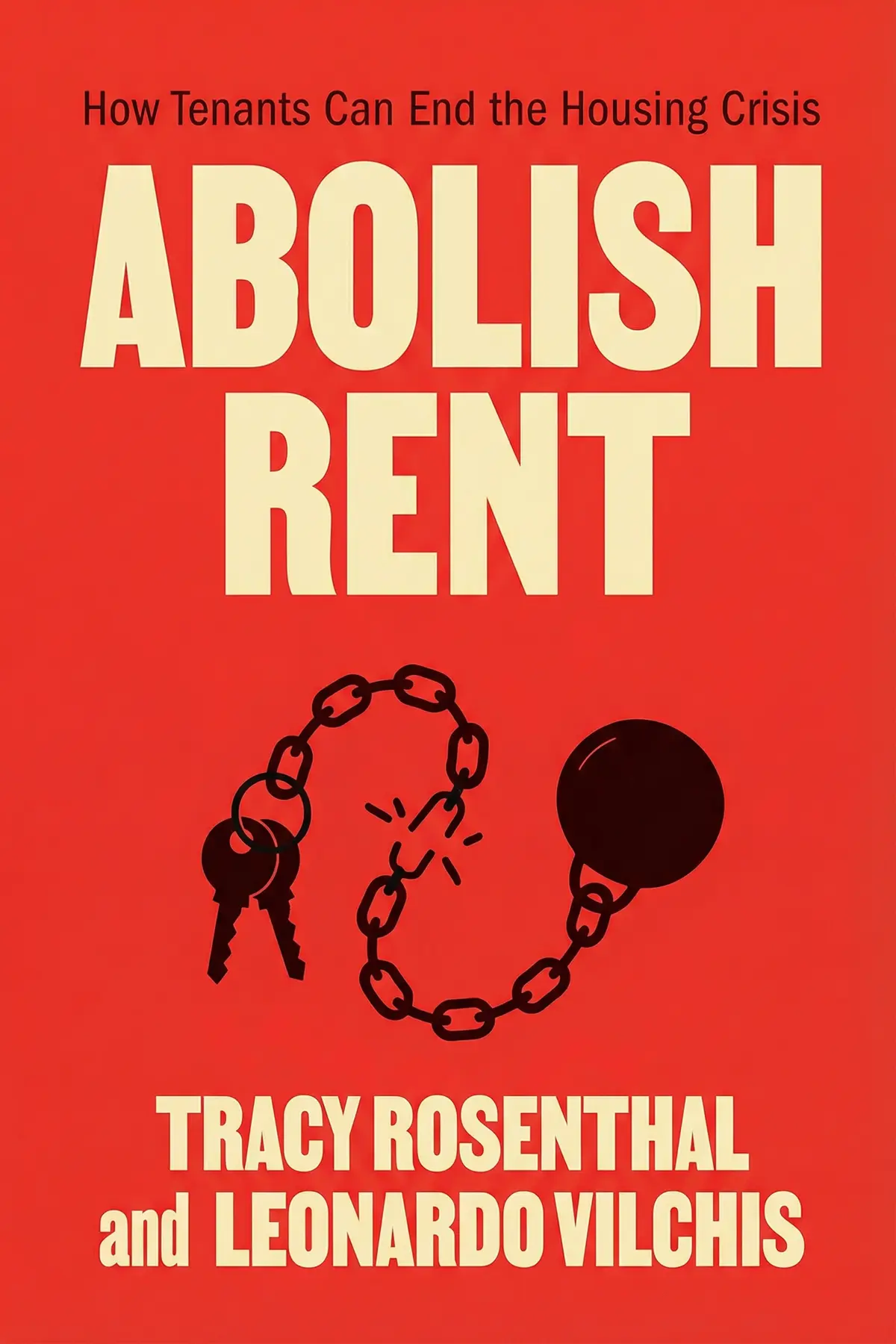
Abolish Rent: How Tenants Can End the Housing Crisis
Tracy Rosenthal
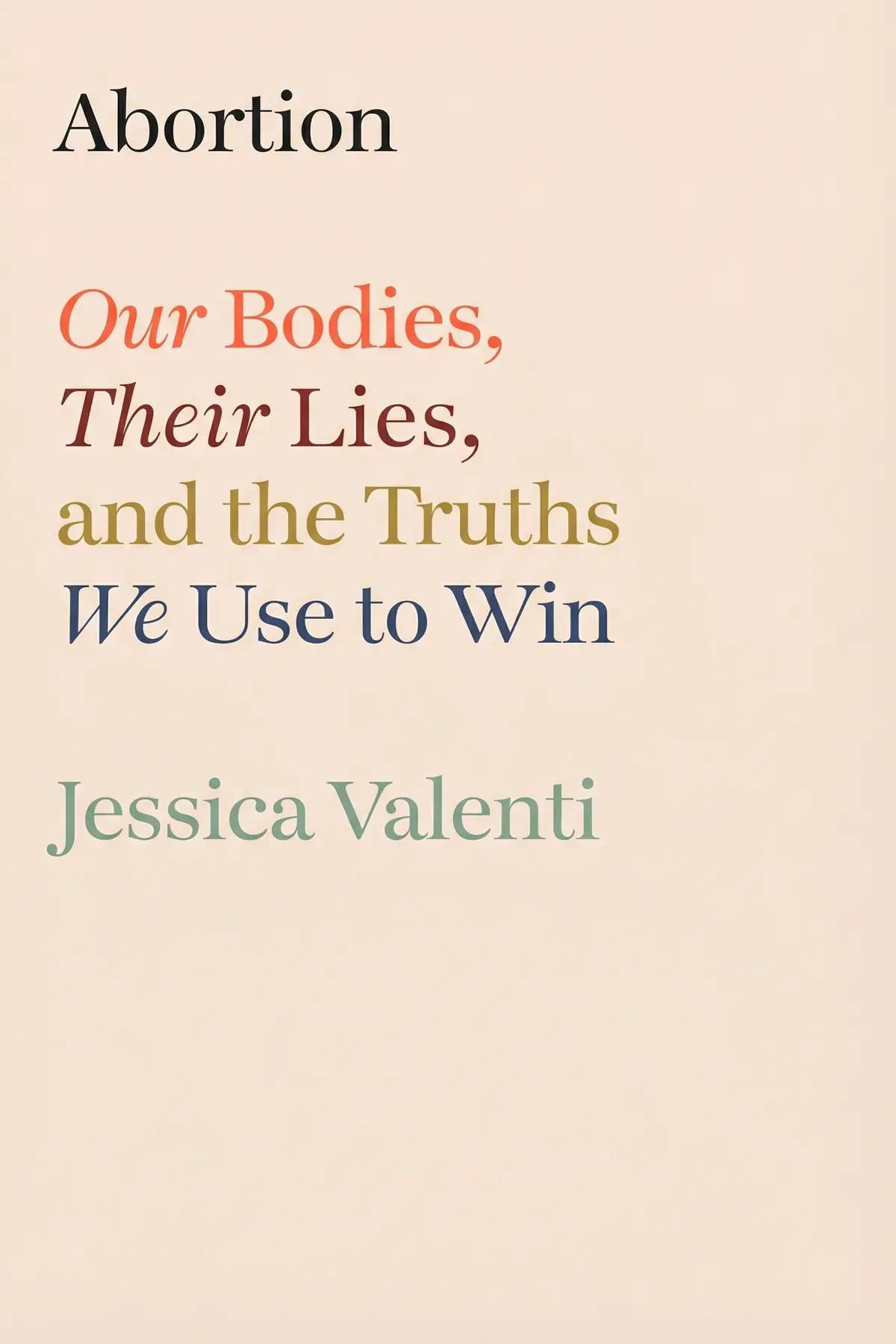
Abortion: Our Bodies, Their Lies, and the Truths We Use to
Jessica Valenti
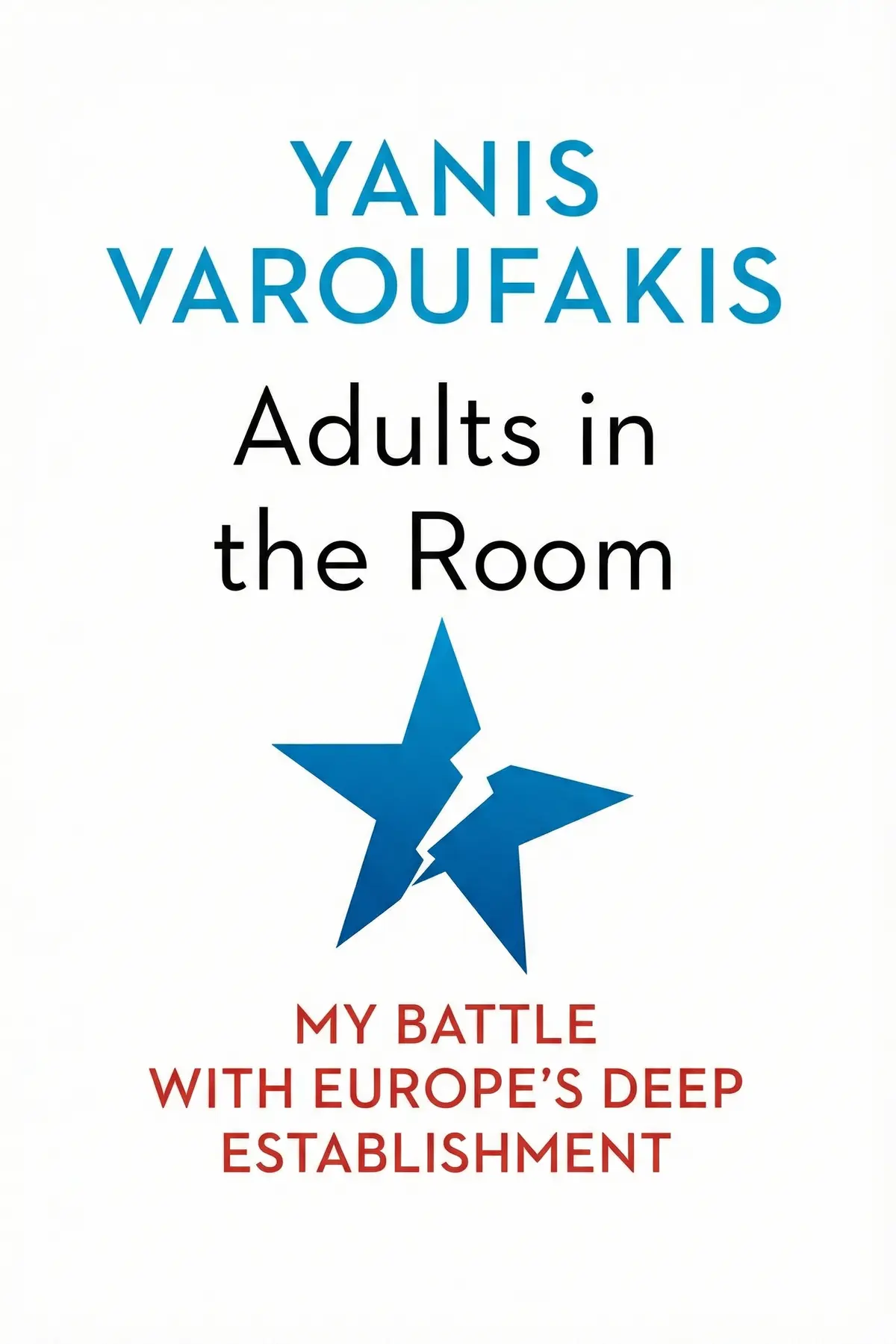
Adults in The Room: My Battle With Europe’s Deep Establishment
Yanis Varoufakis
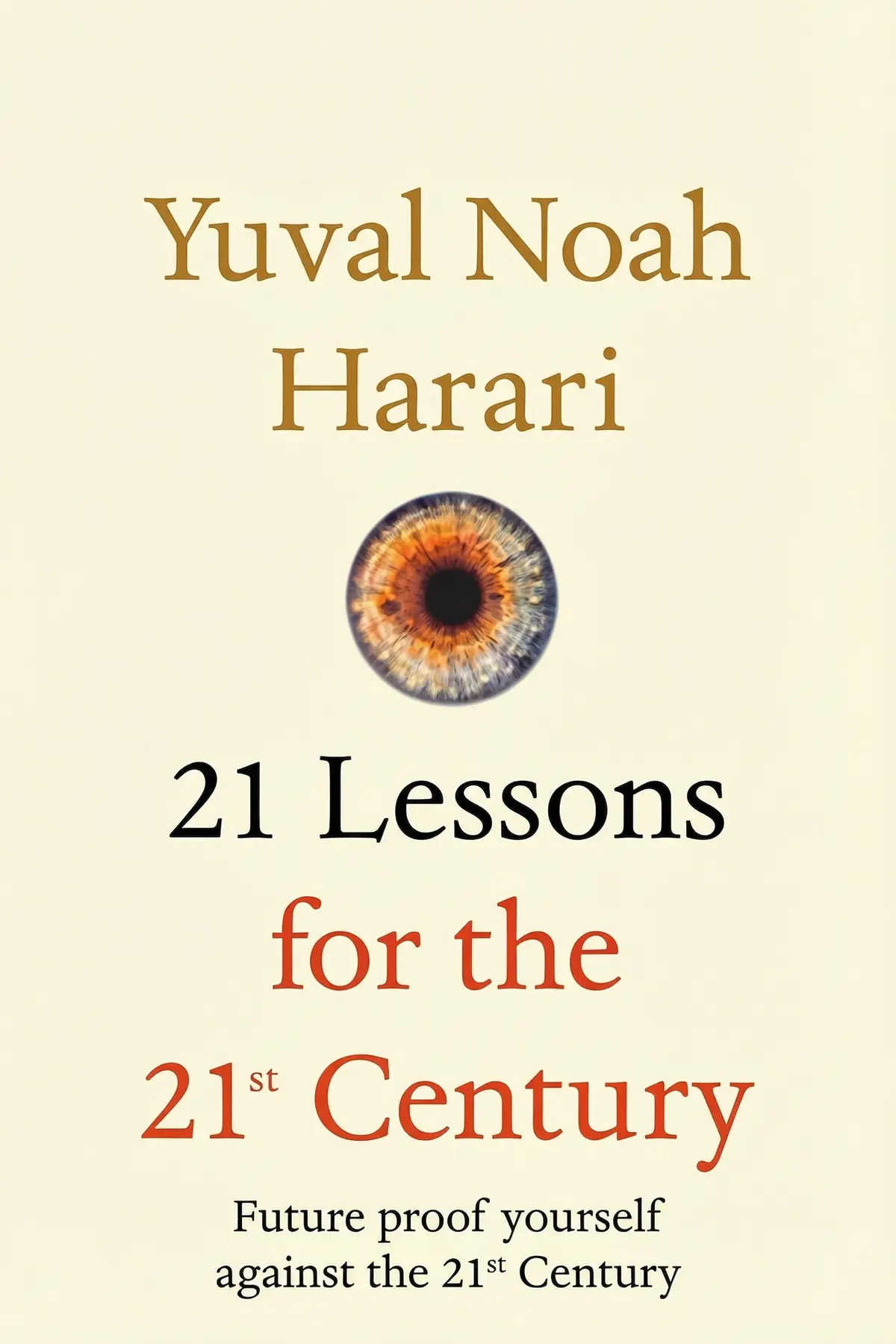
21 Lessons for the 21st Century
Yuval Noah Harari
AUDIO SUMMARY AVAILABLE
Listen to Who Rules the World? in 15 minutes
Get the key ideas from Who Rules the World? by Noam Chomsky, plus 5,000+ more titles in English and Thai.
- 5,000+ titles
- Listen as much as you want
- 7-day free trial
- Cancel anytime







