A Force for Good: The Dalai Lama's Vision for Our World
Daniel Goleman
Explore how emotional intelligence serves as a primary driver of workplace success. This summary examines how self-awareness, empathy, and social skills outperform technical ability in leadership and organizational resilience.
1 min 52 sec
Imagine two professionals with identical educational backgrounds and the same level of technical expertise. One consistently navigates high-stakes negotiations with a calm demeanor, builds enduring alliances across departments, and inspires a sense of shared purpose in every team they lead. The other, despite their brilliance, frequently clashes with colleagues, struggles to maintain composure under tight deadlines, and finds themselves bypassed for leadership opportunities. What separates these two individuals isn’t their intellectual capacity; it’s their emotional intelligence.
In the modern workplace, the traditional yardstick for success has shifted. While technical skills and cognitive ability are essential for entry into any field, they are rarely what keep a person at the top. As roles become more complex and leadership becomes more about influence than authority, a new set of competencies has taken center stage. This throughline—that our internal emotional landscape dictates our external professional reality—is the core of Daniel Goleman’s exploration. We are moving beyond the era of the ‘lone genius’ toward an era of the ‘connected leader.’
In this summary, we will explore why emotional intelligence, or EQ, has become the primary predictor of performance. We’ll look at the neurological reasons why stress can shut down our best thinking and how self-regulation acts as a safeguard. We’ll also delve into the hidden currents of emotional contagion that shape office culture and discuss how organizations can deliberately foster these skills to gain a competitive edge. Whether you are an individual contributor looking to level up or a leader aiming to build a more resilient company, understanding the mechanics of human connection is no longer optional—it is the ultimate professional advantage. Let’s begin by looking at how the very definition of professional excellence has evolved over the last century.
2 min 24 sec
Traditional IQ and technical proficiency are no longer the ultimate predictors of success as employers prioritize emotional competencies in high-stakes environments.
2 min 28 sec
Stress can physically impair our ability to think clearly, but mastering self-control allows us to maintain peak cognitive function under pressure.
2 min 26 sec
Emotions are highly transmissible in social settings, making empathy a vital tool for leaders who want to shape a positive team culture.
2 min 24 sec
Mastering social skills like coalition building and impression management allows professionals to drive change and achieve goals through collaboration.
2 min 29 sec
Developing EQ requires a tailored, long-term commitment that focuses on practical application and individual readiness rather than one-off seminars.
2 min 29 sec
Organizations act as collective emotional systems where shared intelligence and informal networks drive innovation and long-term resilience.
1 min 43 sec
As we conclude our look at Working with Emotional Intelligence, the central message is clear: the most successful people and the most resilient organizations are those that master the human element. We have seen how the historical shift toward emotional competencies has redefined professional excellence, moving us away from a narrow focus on IQ toward a more holistic understanding of performance. We’ve explored the neurological underpinnings of our behavior, learning how self-regulation can prevent ‘amygdala hijacks’ and keep our cognitive faculties sharp even in high-pressure situations.
We also touched on the invisible but powerful force of emotional contagion, emphasizing that empathy is the biological foundation of effective leadership and teamwork. By mastering social skills like influence and coalition building, we can navigate the complexities of modern work life with greater strategy and purpose. Finally, we looked at how organizations can cultivate a collective intelligence by valuing informal networks and rewarding collaboration over internal competition.
The actionable takeaway from this journey is that emotional intelligence is not a fixed trait, but a set of skills that can be developed with intention and practice. To start, try to increase your own self-awareness by noticing the physical signs of stress as they arise. Experiment with creating a ‘gap’ between your feelings and your actions. In your next team interaction, pay closer attention to the non-verbal cues of others, seeking to understand the emotional subtext of the conversation. By making these small, consistent adjustments, you don’t just improve your own career prospects—you contribute to a more effective, supportive, and innovative workplace for everyone. The journey toward higher emotional intelligence is the most significant investment you can make in your future.
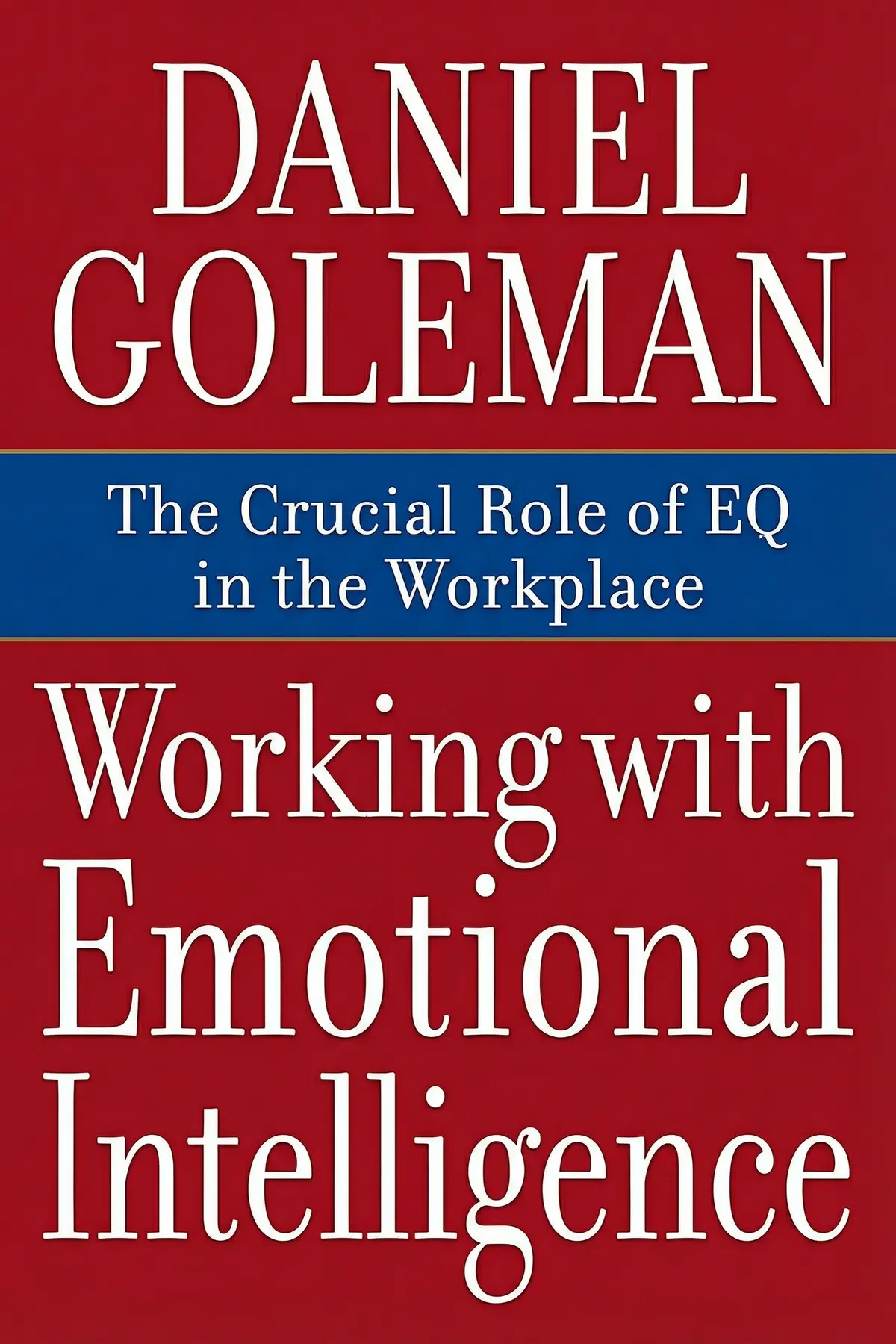
Working with Emotional Intelligence explores the idea that professional excellence is determined less by IQ and technical expertise and more by our ability to manage our emotions and navigate social complexities. It provides a deep dive into the specific emotional competencies that distinguish high performers from their peers in a competitive corporate landscape. The book promises a roadmap for personal and professional transformation. By understanding the neuroscience of stress, the mechanics of empathy, and the dynamics of team collaboration, readers learn how to develop the 'soft skills' that lead to hard results. It offers practical insights into how both individuals and entire organizations can cultivate a higher EQ to thrive in an era of constant change.
Daniel Goleman is a renowned psychologist, science journalist, and author, best known for his groundbreaking 1995 book Emotional Intelligence in which he popularized the concept. With a Ph.D. from Harvard, Goleman has written extensively on psychology, neuroscience, and leadership, and has been a major influence in the fields of business and personal development.
Daniel Goleman
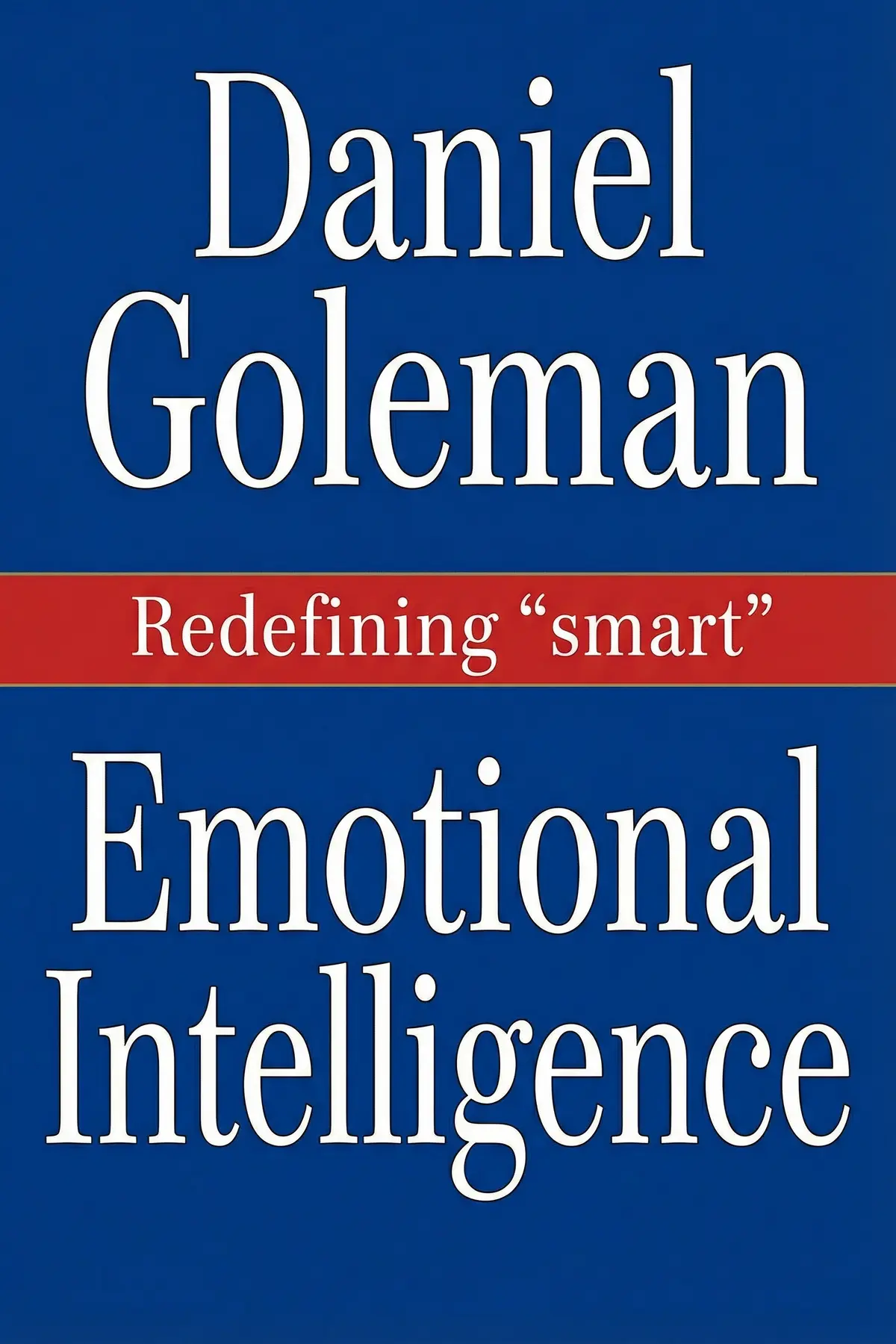
Daniel Goleman
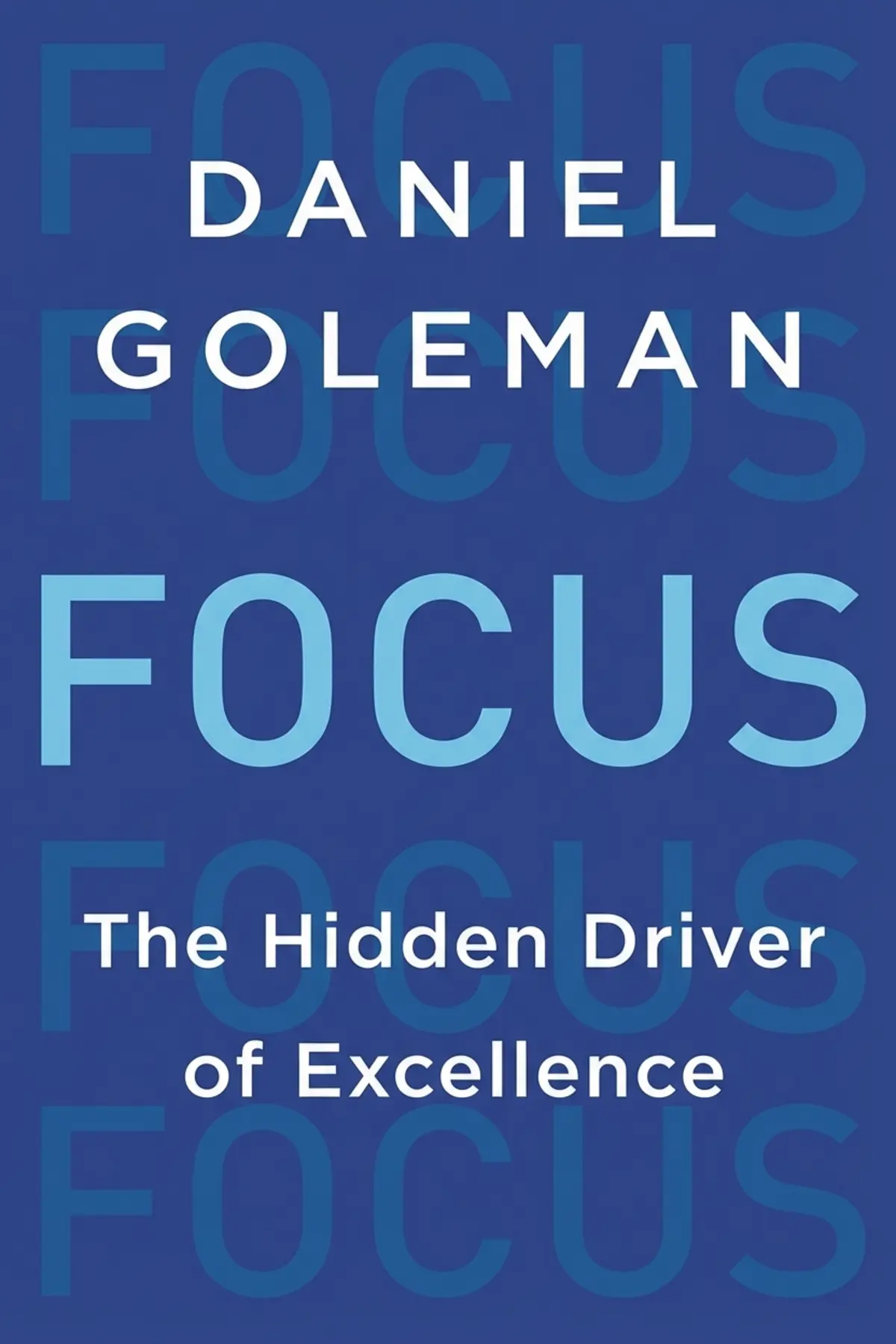
Daniel Goleman
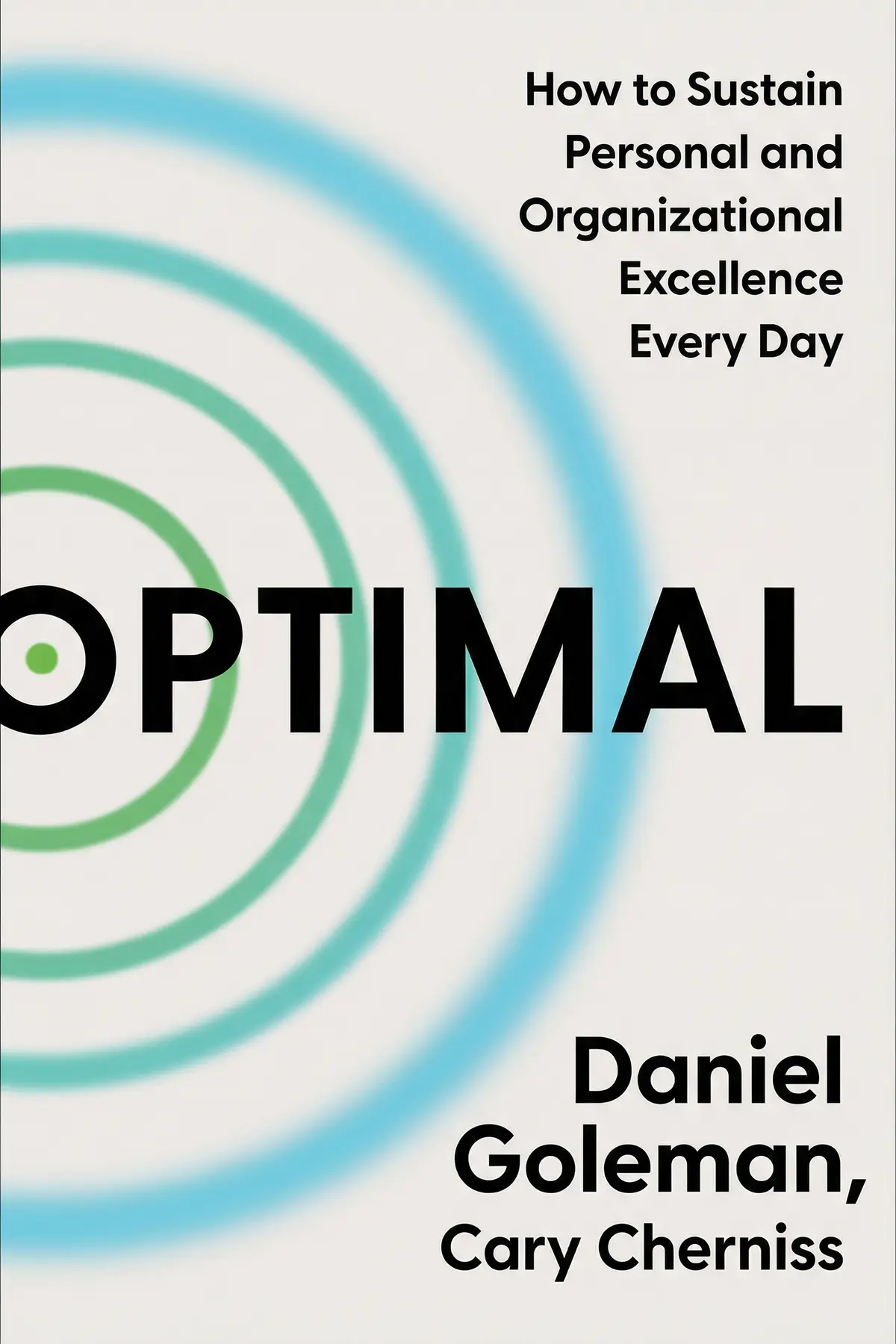
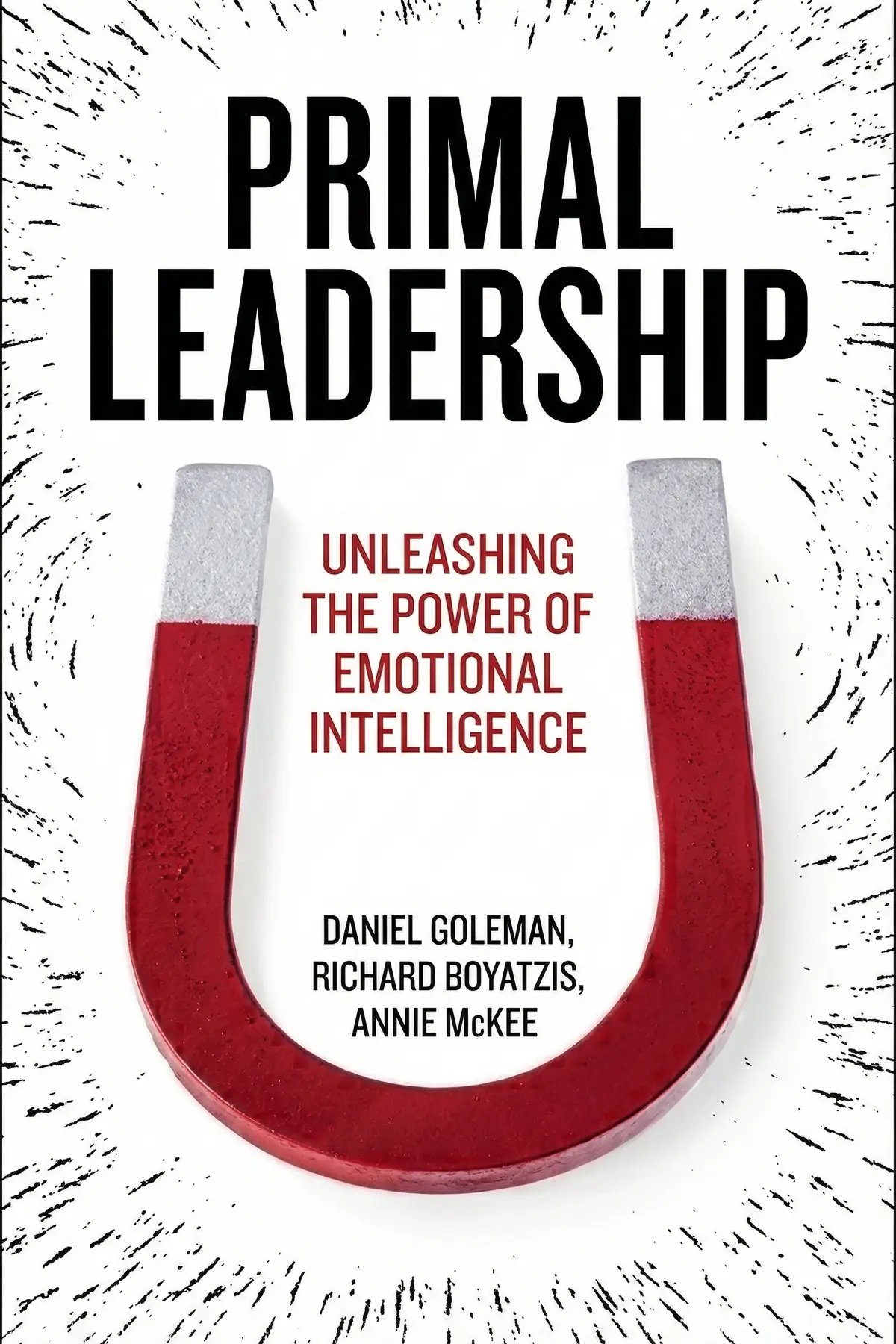
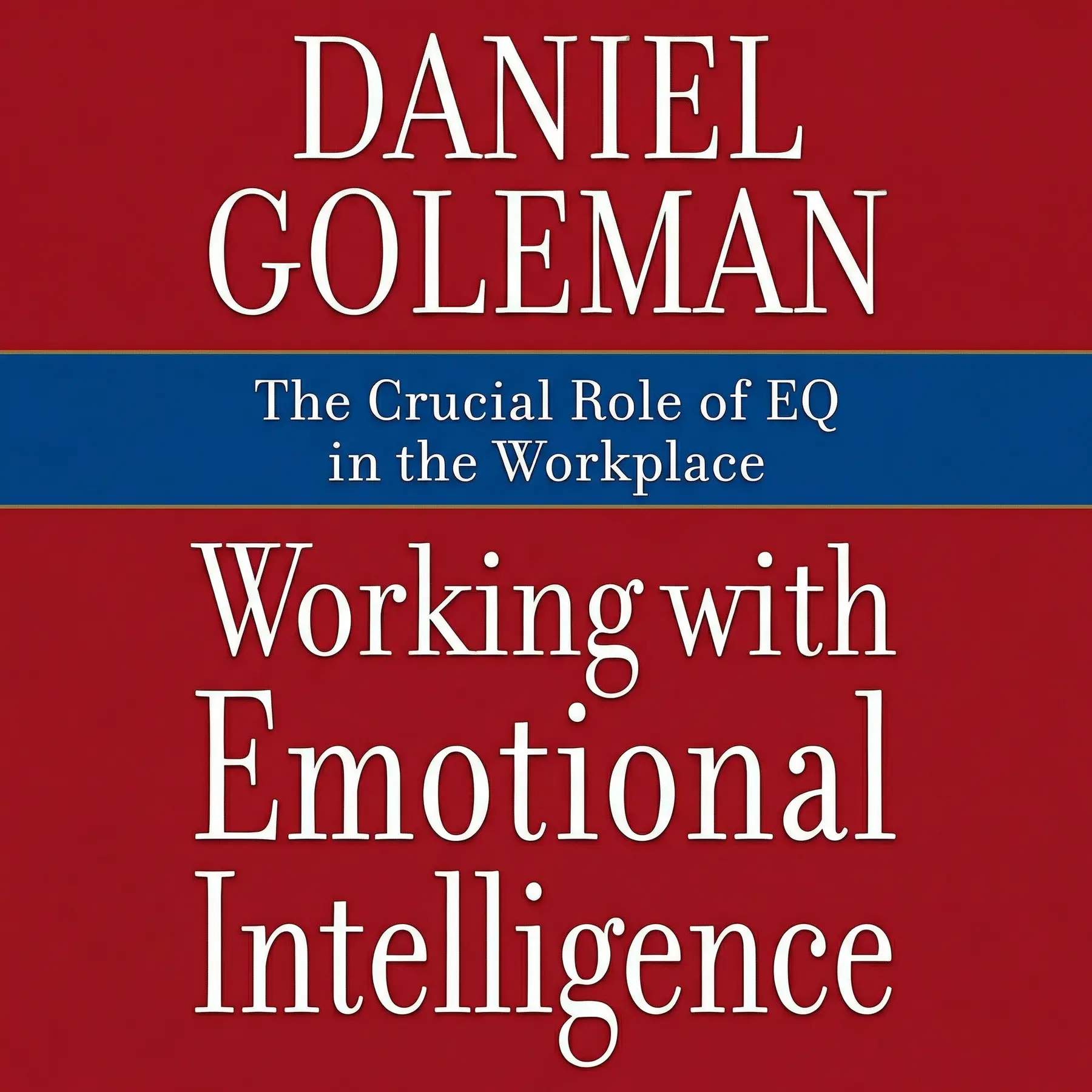
Listeners find the material articulate and accessible, with one listener highlighting it as required reading for those in business school. Furthermore, the book delivers useful guidance for both professional and private life, and listeners praise the outstanding references. They describe it as a compelling study on emotional intelligence that enhances output, and one listener mentions it aids in regulating emotions.
Ever wonder why the smartest person in the room isn't always the one leading the team? This book provides the definitive answer by redefining what it actually means to be 'smart' in a professional environment. Goleman’s breakdown of the twenty-five emotional competencies is phenomenal and offers a clear roadmap for personal growth. I found the chapters on 'flow' and internal motivation especially inspiring for my own career path. It isn't just about being 'nice' at work; it’s about the sophisticated management of your own emotional state and the states of those around you to drive performance. The research cited is extensive, making this much more than your typical 'self-help' fluff. It’s mandatory reading for anyone who wants to transition from a technical role into a leadership position. I've already started applying the listening techniques at home too, and the results are immediate.
Show moreAfter hearing so much buzz about EQ, I finally delved into Goleman’s specific breakdown of the twenty-five competencies, and it’s truly a game-changer. The book goes way beyond the surface-level advice of most business books. It actually explores the neurological basis for how we react to stress and how we can retrain our brains for better outcomes. I loved the idea that at the highest levels of leadership, nearly 90% of the difference between success and failure is due to emotional intelligence. This shifted my entire perspective on what I should be focusing on for my professional development. It’s well-written, backed by phenomenal references, and provides a sense of conscience to the reader. It’s one of those rare books that makes you want to be a better person, not just a more productive employee.
Show moreAs a business major, I was assigned this text for a management seminar, and it actually lived up to the hype surrounding it. Goleman does a fantastic job of illustrating why a high IQ isn't the sole predictor of a successful career trajectory. The way he breaks down the five core dimensions of emotional intelligence makes the concepts feel accessible rather than just academic theory. I particularly appreciated the sections on self-regulation and how it prevents those career-stalling 'amygdala hijacks' we’ve all witnessed in the office. While some of the corporate examples feel a bit dated now, the fundamental lessons about empathy and social coordination are timeless. It’s a well-written guide that provides a solid framework for anyone looking to improve their professional interpersonal dynamics. It definitely helped me re-evaluate how I handle stress during group projects and internships.
Show morePicked this up on a recommendation from my mentor to bridge the gap between my technical skills and leadership potential. Working in IT, it’s easy to assume that your coding ability is everything, but Goleman proves that these 'hard' skills are actually the easiest to outsource or automate. The real value lies in the 'soft' skills—the ability to influence, communicate, and manage conflict within a team. I liked how he emphasized that emotional intelligence is learned, not just genetic like IQ. This gives a lot of hope to those of us who aren't natural social butterflies. The book is an interesting read that really helps you control your reactions during high-pressure deployments. My only gripe is that it’s a bit long-winded, but the insights into organizational culture made it worth the slog.
Show moreGoleman provides a fascinating look at how our internal mood and self-awareness dictate our outward success in the workplace. The distinction he makes between declarative knowledge and procedural knowledge was a total lightbulb moment for me. It’s one thing to know you should be a team player, but it’s another thing entirely to have the emotional maturity to put it into action when things go wrong. I found the sections on 'political awareness' within companies to be very practical for navigating office dynamics. Although the book was written in the late 90s, the core message about human connection remains incredibly relevant in our digital-first world. It’s easy to read and serves as a great reference guide for improving performance. I occasionally felt the statistics were a bit over-the-top, but they do help drive the point home.
Show moreThe chapter on 'social radar' and sensing the feelings of others was worth the price of the book alone. Personally, I struggled with reading the room during meetings, and Goleman’s advice on empathy and 'attunement' gave me some very practical things to work on. The book is quite thorough, maybe even a bit too thorough for some, but it provides a very complete picture of how an emotionally intelligent organization should function. It’s great for both work and home life because these skills are universal. I do agree with some other reviewers that it feels a bit dated in its specific corporate references, but the psychology is still sound. It’s a solid 4-star read that I would recommend to anyone feeling stuck in their middle-management role.
Show moreGotta say, I was skeptical about how much 'emotional intelligence' could actually be measured, but this book changed my mind. Goleman utilizes a wealth of statistical data and firsthand reports to prove that these aren't just 'touchy-feely' concepts—they are bottom-line drivers for any serious company. The book is easy to read, though it does get a bit repetitive when he tries to justify his thesis through various industries. To be fair, his close ties to the Hay Group do make some of the 'independent' studies look a bit biased, but the logic of the arguments is hard to dispute. It helped me realize that my technical expertise was only getting me through the door, but my ability to handle relationships was what was going to keep me in the room. A very interesting read for the modern professional.
Show moreWhile Goleman makes a compelling case for the 'soft' side of corporate life, the execution feels a bit like a broken record after the first hundred pages. To be fair, the central premise—that empathy and social skills matter more than technical expertise as you climb the ladder—is vital. However, the author tends to bash you over the head with endless anecdotal stories that all start to sound the same after a while. I found myself skimming through the repetitive case studies just to find the actual actionable advice. It’s a bit underwhelming if you're looking for a quick, punchy read, as the monotony of the 'star performer' examples can be exhausting. There is definitely a lot of good info here regarding organizational intelligence, but it requires a lot of patience to dig through the fluff to get to the real gems.
Show moreFrankly, the book could have been half its length without losing any of the core message or impact. Goleman is clearly a brilliant guy, but he falls into the trap of using twenty examples when two would have sufficed. It becomes very repetitive, very quickly. On the positive side, the framework of the five basic emotional competencies is a great tool for self-assessment. I used the 'Self-Awareness' chapter to reflect on my own career goals and realized I was chasing the wrong metrics for success. It’s a good traité on the subject, but it’s a bit 'pesantuccio' as the Italians say—heavy and a bit slow in sections. If you can get past the dry, academic tone of the research, there are valuable lessons about building bonds and collaboration that every manager should know.
Show moreNot what I expected from such a highly recommended 'classic' in the management genre. My primary issue is what some call 'professional nepotism' throughout the research sections. Goleman seems to rely almost exclusively on data from his own colleagues at Harvard and the Hay Group, which makes the whole thing feel more like a giant marketing brochure for his friends' consulting firms than an objective study. The ironies are rich when he talks about avoiding cronyism while his own book is built on it. Beyond the questionable validity of the findings, the writing is incredibly repetitive and could have been a long essay rather than a 300-page book. If you understand that being empathetic and self-aware is good for business, you’ve basically finished the book. Save yourself the time and just read a summary online.
Show more
Margaret Heffernan
Joseph A. Maciariello
Deborah Gruenfeld
Robin Ryan
AUDIO SUMMARY AVAILABLE
Get the key ideas from Working with Emotional Intelligence by Daniel Goleman, plus 5,000+ more titles in English and Thai.