A Force for Good: The Dalai Lama's Vision for Our World
Daniel Goleman
Discover how emotional intelligence serves as the foundation for sustained excellence. Learn to move beyond occasional peak performance to achieve a consistent, optimal state of focus, productivity, and well-being every day.
2 min 01 sec
We have all had those rare days where everything seems to go right. You wake up feeling refreshed, your morning coffee tastes better than usual, and once you sit down to work, the hours seem to disappear. Tasks that usually feel like a chore are completed effortlessly, and your creativity flows without resistance. Many people call this ‘flow,’ but the problem is that flow is often seen as a lucky accident—something that happens to us, rather than something we control. But what if you didn’t have to wait for luck? What if you could cultivate a state of high performance that was steady, reliable, and sustainable?
This is the promise of reaching an ‘optimal’ state. Unlike the intense, often draining peaks of total flow, the optimal state is about finding a level of excellence that you can maintain day in and day out. It is a state characterized by what experts call ‘relaxed concentration.’ You are productive, yes, but you are also calm and present. You are working hard, but you aren’t burning out.
In this exploration of sustained excellence, we are going to look at the vital role that emotional intelligence plays in this process. We will see how the way we manage our internal world—our thoughts, our distractions, and our emotional reactions—dictates the quality of our external output. Through the lens of the latest psychological research and organizational case studies, we will discover that the most effective people aren’t necessarily those with the highest IQ or the most technical skills. Instead, they are the individuals who have mastered their own focus and learned how to navigate the complex social dynamics of the modern workplace.
Over the next few minutes, we will break down the mechanics of the brain’s ‘neural harmony,’ discuss why the corporate world is pivoting toward soft skills, and explore how you can build a personal and professional environment that supports your best self. Whether you are an individual contributor looking to sharpen your edge or a leader trying to foster a healthier team culture, the path to better performance starts with understanding the quiet power of emotional intelligence.
2 min 10 sec
While many chase the rare and elusive experience of peak performance, there is a more sustainable way to work. Discover how the optimal state offers a reliable path to high-level productivity.
2 min 13 sec
Performance isn’t just about trying harder; it is about how your brain coordinates its efforts. Learn how mindfulness and self-awareness create the internal environment necessary for deep focus.
2 min 17 sec
As the world changes, the skills required for leadership are shifting. Explore why ‘soft skills’ have become the most critical assets for navigating crisis and driving innovation.
2 min 09 sec
Building a high-performance organization requires more than just hiring the right people. Learn how to assess and train for emotional intelligence to transform your company’s potential.
2 min 09 sec
As technology advances, the human element becomes even more vital. Discover how emotional intelligence synergizes with other essential skills to meet the challenges of tomorrow.
1 min 52 sec
As we look back at the journey toward sustained excellence, it becomes clear that being ‘optimal’ is not about a sudden burst of genius or a lucky streak of productivity. It is about the disciplined management of our internal world. We have seen that by cultivating emotional intelligence, we can move from the unpredictable peaks of flow to a reliable plateau of high performance. We have learned that our ability to focus, to stay self-aware, and to empathize with others is what allows our brains to achieve that state of ‘neural harmony’ where our best work becomes possible.
In the workplace, the message is equally clear: the era of the ‘brilliant but abrasive’ leader is ending. The future belongs to those who can build psychologically safe environments, who can lead through crisis with empathy, and who can align organizational goals with a deeper sense of human purpose. This is not a ‘soft’ approach to business; it is a rigorous, evidence-based strategy for long-term success.
So, what is the first step you can take today? It starts with a simple moment of self-reflection. Throughout your day, try to implement a ‘self-check-in.’ Ask yourself: What is my current emotional state? Is my focus sharp, or is it fragmented? If you find yourself drifting away from that optimal center, don’t judge yourself—just use your breath or a brief moment of mindfulness to reset.
Excellence is not a destination you reach and then stay at forever. It is a state you choose to return to, over and over again, every single day. By making emotional intelligence your foundation, you aren’t just improving your output; you are improving your life. You are choosing a path of less stress, more connection, and a level of performance that is not only high but deeply sustainable. Embrace these tools, and you will find that your ‘best’ is no longer a rare event, but your new normal.
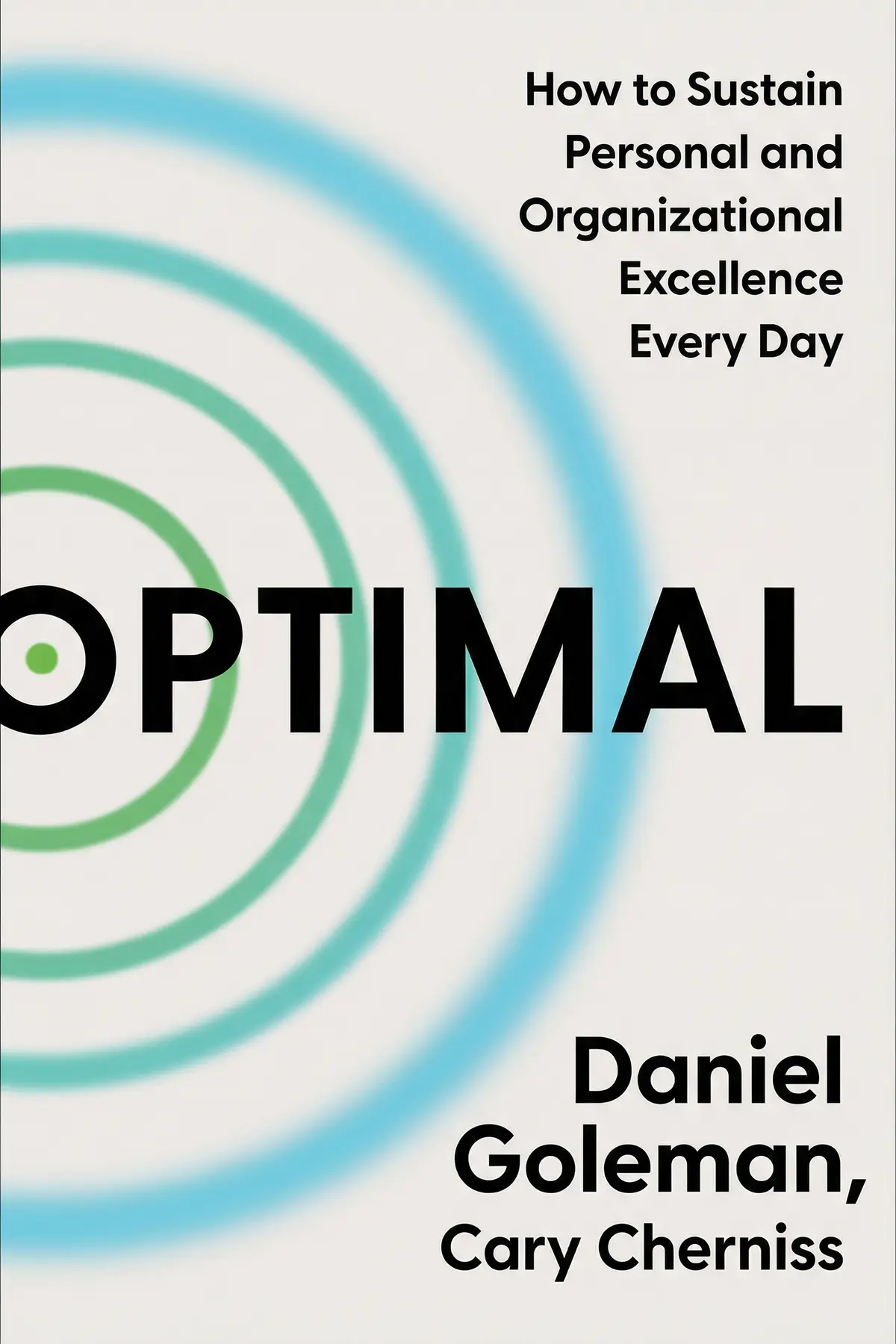
Have you ever wondered why some days you feel invincible, knocking out tasks with ease, while other days feel like a constant struggle against distraction? This book explores the concept of the 'optimal state'—a reliable, high-performance mode that is more sustainable than the rare and fleeting experience of 'flow.' By shifting the focus from occasional peaks to a consistent baseline of excellence, the authors provide a roadmap for individuals and leaders to thrive in a high-pressure world. At the heart of this transformation is emotional intelligence. The book explains how self-awareness, focus, and empathy are not just 'nice-to-have' traits but are actually the primary drivers of productivity and organizational success. You will learn how to train your brain for 'neural harmony,' navigate the shifting demands of the modern workplace, and build a culture that prioritizes psychological safety. This is a guide for anyone looking to bridge the gap between their current performance and their true potential, ensuring that both personal satisfaction and professional effectiveness are maintained over the long haul.
Daniel Goleman is a world-renowned psychologist and former science journalist for the New York Times. He is best known for his groundbreaking work on emotional intelligence and has authored several influential books, including Social Intelligence and Focus. Cary Cherniss is a professor emeritus of applied psychology at Rutgers University, where he specialized in the role of emotional intelligence in the workplace. His work, including The Emotionally Intelligent Workplace, has helped shape how modern organizations approach leadership and employee development through the lens of emotional awareness.
Daniel Goleman
Daniel Goleman
Daniel Goleman
Daniel Goleman
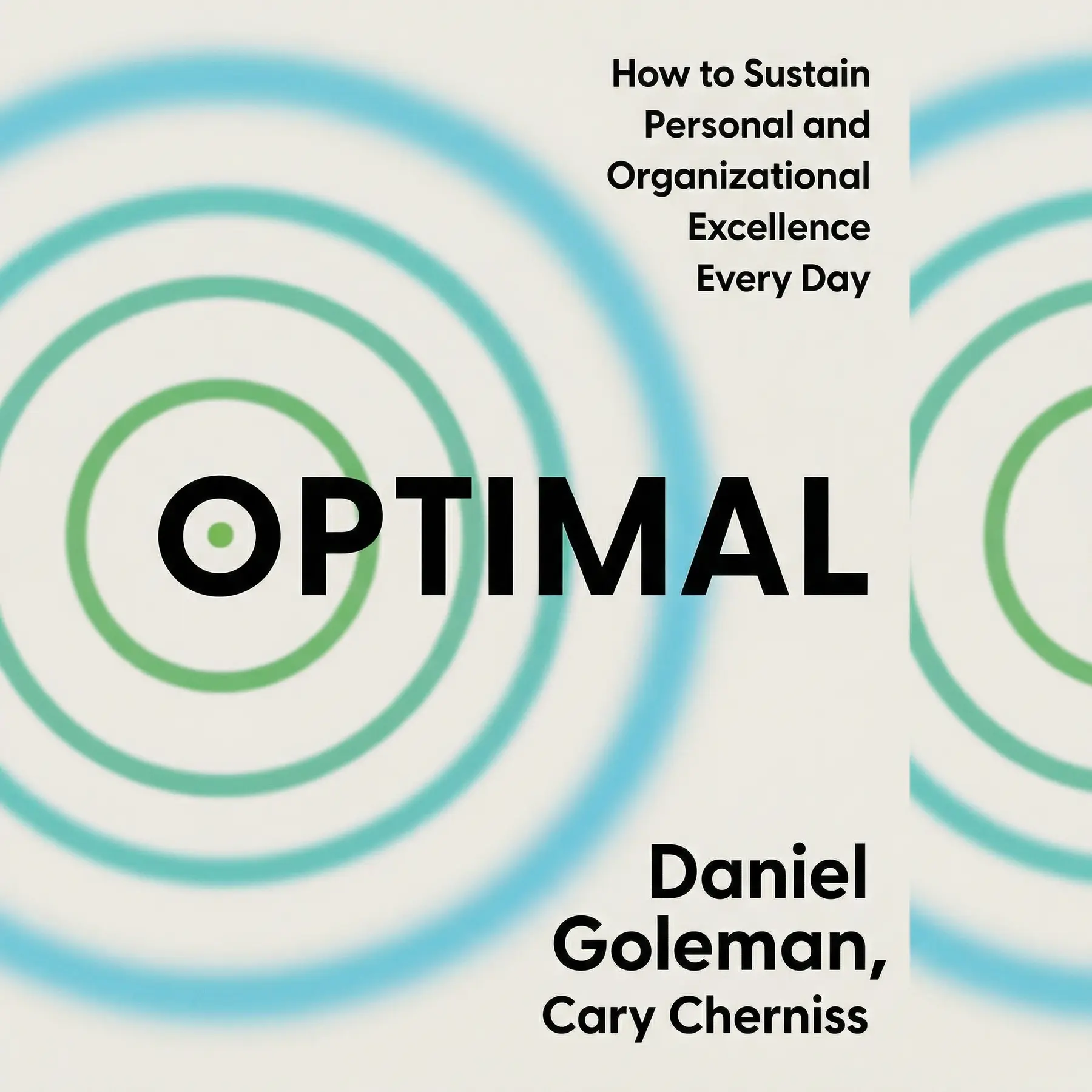
Listeners value the actionable structure provided for reaching organizational success, even if some listeners believe the material treads similar territory as the authors' previous books on emotional intelligence. They appreciate the deep dive into the "optimal state," pointing out its focus on internal awareness and mindfulness as ways to keep performance levels high while avoiding burnout. Furthermore, many point to the effective strategies for managing teams and resolving conflicts, where one listener mentions the "trigger log" exercise as an especially beneficial method for regulating emotions. Listeners also observe that the work offers a distinct explanation of how various forms of empathy can improve the safety and culture of a workplace.
Wow. This was exactly what I needed to read as I transition into a senior management role. Goleman and Cherniss offer a brilliant synthesis of mindfulness and leadership that goes beyond just 'being nice' to your coworkers. The breakdown of organizational awareness and the four core components of EI provided a language for things I’ve felt but couldn't articulate. I’ve never read their earlier work, so everything felt fresh and vital to my daily routine. The chapters on coaching and relationship management are gold mines for anyone looking to inspire their team. Not gonna lie, I’ve already started implementing the 'check-in' norms in our Monday morning meetings, and the energy shift is palpable. A must-read for the modern, stressed-out professional who wants to maintain excellence without losing their soul.
Show moreFinally got around to reading this, and it’s a masterpiece of organizational psychology. The way Goleman and Cherniss connect individual emotional balance to the health of an entire company is seamless. I loved the deep dive into the three types of empathy—cognitive, emotional, and empathic concern—and how they specifically apply to different leadership challenges. This isn't just about 'feeling good'; it’s about the hard science of focus and the neuroplasticity of the brain. The strategies for handling work-family conflict and finding a sense of control were particularly resonant for me. It’s rare to find a business book that also prioritizes human well-being so deeply. This is going to be my go-to gift for all my fellow managers this year. It provides a truly holistic framework for excellence.
Show moreAfter hearing so much about the 'optimal state,' I decided to give this a shot to help manage my team’s mounting stress. The authors do a great job of breaking down how inner focus and psychological safety can prevent burnout without sacrificing productivity. I specifically appreciated the 'trigger log' exercise; it’s a tangible tool that helped me identify exactly when I lose my cool during high-stakes meetings. While some sections regarding the three types of empathy felt slightly academic, the overall framework for organizational excellence is solid. It’s not a revolutionary manifesto, yet it provides a clear, practical roadmap for any leader trying to build a healthier culture. Sometimes we need a reminder of the basics, and this book delivers them with professional clarity and actionable advice for the workplace.
Show moreAs someone who struggles with perfectionism, the concept of the 'optimal state' was a game-changer for my mental health. Instead of chasing that elusive, high-intensity 'flow,' Goleman argues for a state of calm, focused agility that you can actually sustain every day. This shift in perspective helped me lower my cortisol levels while actually getting more done. The book shines when it discusses team dynamics and the importance of psychological safety. My only gripe is that the middle sections on 'outer focus' felt a bit disconnected from the personal growth aspect. Still, the advice on conflict management and building trust is incredibly relevant for anyone working in a high-pressure environment. It’s a pragmatic, thoughtful guide to staying sane and effective in the modern corporate world.
Show moreThe chapter on conflict management alone makes this worth the read. I’ve always struggled with 'emotional hijacking' during heated debates, and the strategies for pausing and shifting perspectives were immediately applicable to my life. Personally, I found the authors' distinction between 'inner,' 'other,' and 'outer' focus to be a very helpful framework for balancing my workload. The book is definitely on the longer side, and it does repeat itself in the later chapters, which can be a bit frustrating for a fast reader. However, the quality of the insights regarding group norms and psychological safety far outweighs the fluff. It’s a grounded, intelligent look at how we can show up as our best selves without burning out by Friday afternoon. A solid addition to any leadership library.
Show moreEver wonder why some days you’re 'on' and others you’re just dragging through the mud? This book attempts to answer that by defining a sustainable 'optimal' middle ground. To be fair, the distinction between flow and this optimal state is interesting—one is a peak experience, while the other is about consistent, calm performance. However, the prose is a bit dry, and I found myself skimming through the parts about Microsoft and Satya Nadella. The tone is very 'corporate consultant,' which might turn off readers looking for a more personal self-help vibe. It’s a 3-star read for me: useful for the empathy frameworks and team norms, but lacking that 'wow' factor that makes a book unputdownable. It is a solid middle-of-the-road entry for the genre.
Show morePicked this up because I’m a fan of Goleman’s older work, but I have mixed feelings about this one. The first hundred pages are genuinely insightful, especially regarding how emotional self-management impacts our daily productivity. But as the book progressed, the chapters became increasingly reiterative. Truth is, I felt like the authors were struggling to fill the page count by the time they got to the sections on DEI and large-scale systems. The practical tips—like the deep breathing exercises and the gratitude shifts—are helpful but also quite common in any basic mindfulness app. It’s a helpful resource if you need a refresher on workplace EQ, though I wouldn't call it essential reading if your bookshelf is already full of pop-psychology and productivity guides.
Show moreFrankly, I expected more from a legend like Goleman. While the 'optimal state' concept tries to distance itself from Csikszentmihalyi’s 'flow,' it feels like a semantic shell game rather than a genuine breakthrough. The book starts strong but quickly devolves into a repetitive loop of his greatest hits from the 90s. If you’ve read 'Emotional Intelligence,' you’ve already internalized 80% of what’s here. It’s a decent primer for someone totally new to the field, but for the rest of us, it’s just another repackaged business manual. The second half, in particular, dragged on with examples that felt recycled from previous chapters. I was hoping for cutting-edge neurobiology, but I got basic reminders to be empathetic and mindful at the office. To be fair, the focus on avoiding burnout is timely, but the execution feels dated.
Show moreGotta say, I’m disappointed by the lack of original content here. 'Optimal' feels like a long-winded article that was stretched into a 300-page book. While the emphasis on empathy and social awareness is nice, it’s the same drum Goleman has been beating for nearly thirty years. The case studies are predictable, and the writing style is so sanitized that it lacks any real punch. To be fair, the 'trigger log' is a decent exercise, but is it worth the price of a hardback? Probably not. It reads more like a textbook for an HR seminar than a compelling look at human potential. If you’re already familiar with the basics of emotional intelligence, you can safely skip this one and not miss a thing. It's essentially a rehash.
Show moreThe title is incredibly misleading. In 'Optimal,' Goleman basically tells us to have a 'mission' and be 'empathetic' to avoid burnout—groundbreaking stuff, right? Look, citing Satya Nadella as a paragon of empathy while his company sells surveillance tech is a massive lapse in judgment that killed the book’s credibility for me. It feels like Goleman is just coasting on his reputation at this point, selling us the same ideas in a different cover. The writing is repetitive, and the 'science' behind it feels more like a collection of cherry-picked anecdotes than rigorous research. If you want to understand focus and performance, just go read Mihaly Csikszentmihalyi’s 'Flow' instead. This is a shallow corporate cash-in that offers nothing new to the conversation and left me feeling like I wasted my time.
Show more
Richard Wiseman
Margaret Heffernan
William B. Irvine
AUDIO SUMMARY AVAILABLE
Get the key ideas from Optimal by Daniel Goleman, plus 5,000+ more titles in English and Thai.