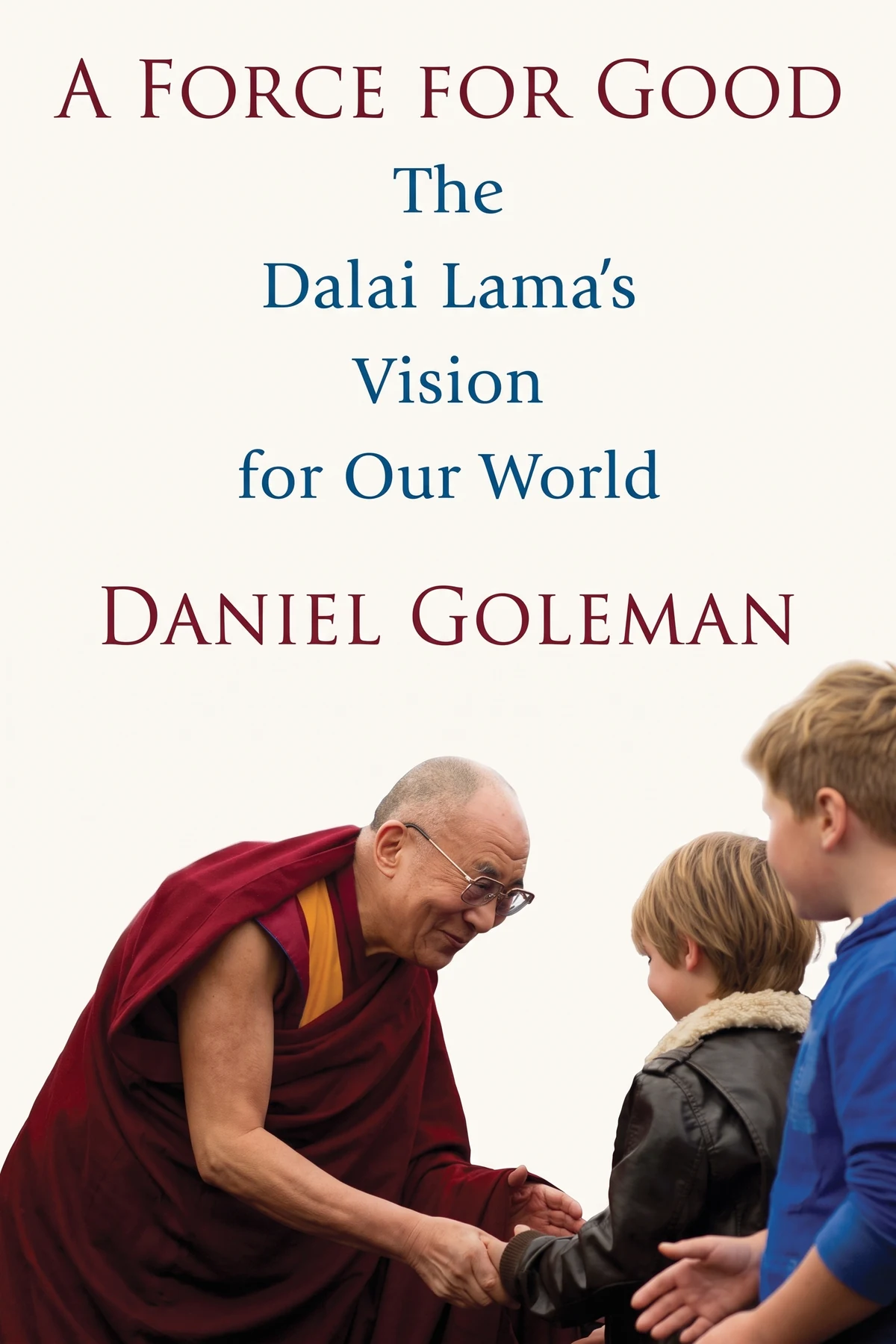
A Force for Good: The Dalai Lama's Vision for Our World
Daniel Goleman
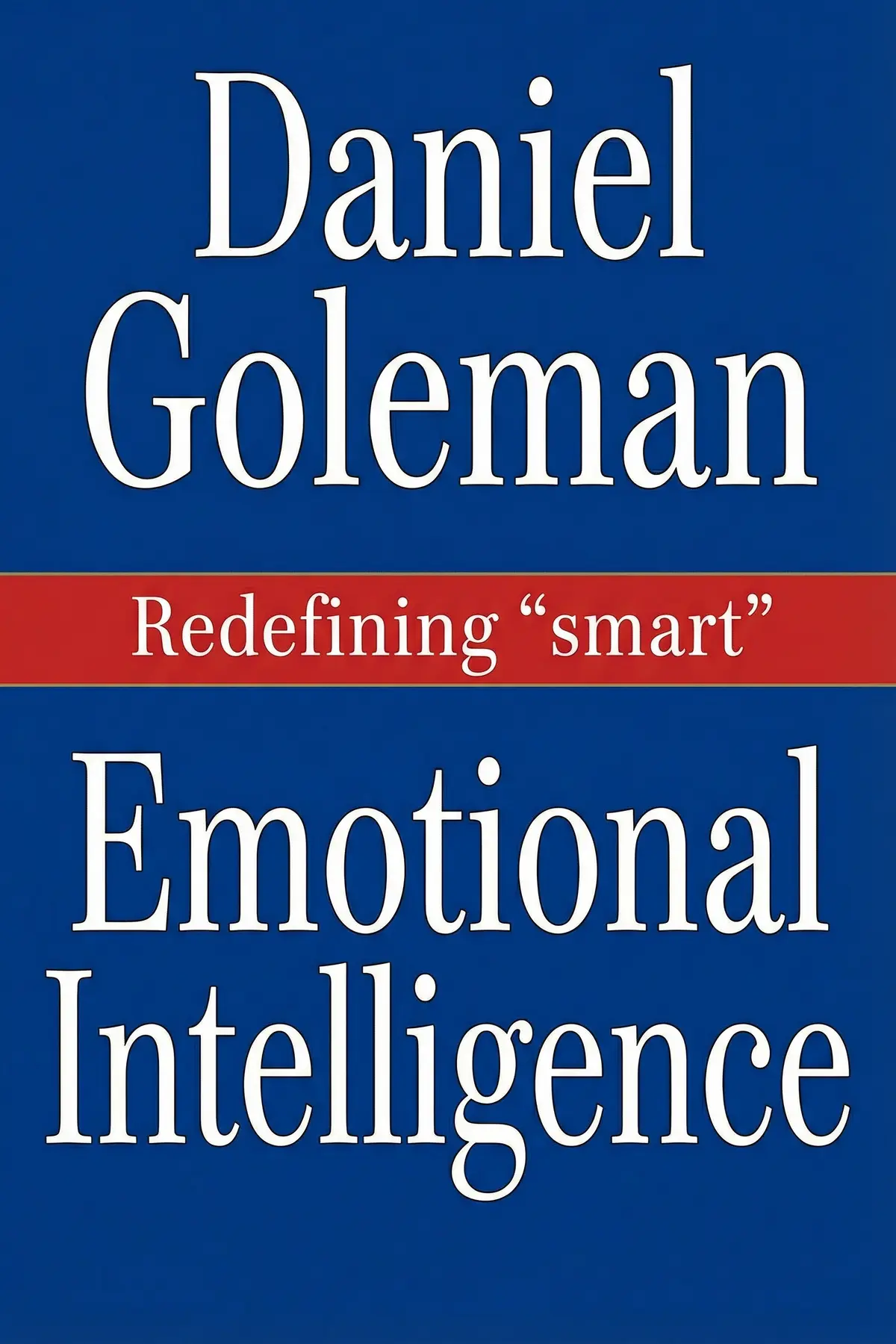
Discover why emotional intelligence matters more than IQ. This summary explores how self-awareness, empathy, and emotional regulation drive personal success, healthier relationships, and a more balanced life in a complex world.
1 min 54 sec
We often talk about intelligence as if it is a single, fixed number—something determined at birth and measured by standardized tests. We admire those who can solve complex equations or recall obscure facts, assuming these are the people most likely to succeed in life. But if you look around, you will notice that the most ‘brilliant’ people are not always the most successful, the happiest, or the most capable of maintaining stable relationships. This disconnect suggests that our traditional understanding of what it means to be ‘smart’ is missing a massive piece of the puzzle.
In our journey today, we are going to dive into the world of emotional intelligence. This is the ‘other’ kind of smarts—the capacity to recognize our own feelings, understand the emotions of others, and manage the delicate dance between our rational thoughts and our impulsive reactions. Far from being just a soft skill for romantic or social situations, emotional intelligence is actually a fundamental part of how we process information and navigate reality.
Think about the way you make decisions. Every choice you face, from what to eat for breakfast to whether or not to change careers, is influenced by an undercurrent of emotion. These feelings help us interpret the world, providing context to the cold, hard facts our logical mind gathers. Without them, we would be like computers—logical, perhaps, but lacking the drive and the direction that make human life meaningful.
Throughout this summary, we will explore why emotions are indispensable, how they can sometimes lead us astray, and most importantly, how we can bridge the gap between our ‘thinking’ and ‘feeling’ brains. We will look at the science behind our reactions and discover practical ways to sharpen our emotional skills. By the end, you’ll see that emotional intelligence isn’t just a personality trait; it’s a foundational capability that affects our health, our careers, and the very fabric of our society.
2 min 38 sec
Emotions are not just internal distractions; they are essential tools for learning from our past and navigating the threats of the present.
2 min 44 sec
Our ancient survival instincts can sometimes overwhelm our modern minds, causing us to act before we can even think.
2 min 46 sec
The first step toward emotional intelligence is the simple but profound act of naming what you are feeling as it happens.
2 min 31 sec
True emotional intelligence extends beyond the self, requiring us to read the invisible cues of those around us to build stronger connections.
2 min 37 sec
Our ability to balance reason and emotion is physically written into the architecture of our brains.
2 min 45 sec
High intelligence is no guarantee of a good life; the ability to delay gratification and manage stress is often a better predictor of your future.
2 min 26 sec
A society is only as stable as the emotional health of its citizens, especially its children.
2 min 33 sec
Unlike IQ, which remains relatively stable, your emotional intelligence is a set of skills that you can consciously strengthen throughout your life.
2 min 48 sec
From the boardroom to the bedroom, emotional intelligence provides the practical tools needed to resolve conflict and deepen intimacy.
2 min 04 sec
As we reach the end of our exploration into Daniel Goleman’s work, the central message is clear: our emotions are not something to be feared or suppressed, but something to be understood and integrated. We have seen that emotional intelligence—the ability to be self-aware, to regulate our impulses, to empathize with others, and to navigate social complexities—is a fundamental component of what it means to be a successful human being. It is the bridge between our ancient survival instincts and our modern rational aspirations.
We’ve learned that while a high IQ might help you solve a technical problem, it is your emotional intelligence that will determine how you handle a crisis, how you lead a team, and how you sustain a long-term partnership. We’ve seen the biological evidence that our thinking and feeling brains are meant to work as a team, and we’ve explored the societal consequences that arise when those emotional skills are neglected. Perhaps most importantly, we’ve discovered that these skills are not fixed. We have the power to grow our emotional intelligence at any stage of life by practicing self-awareness, refining our social cues, and choosing how we interpret the world.
As you move forward from this summary, I encourage you to start small. In your next stressful moment, try to simply name the emotion you are feeling. When you find yourself in a disagreement, take a second to consider the other person’s perspective or monitor your own physical reactions. If you are a parent or a teacher, remember that every interaction is an opportunity to teach emotional literacy—by encouraging children to talk about their feelings and praising their efforts and self-control.
By prioritizing emotional intelligence, we do more than just improve our own lives. We contribute to a world that is more empathic, more resilient, and more connected. True intelligence is not just about what you know; it’s about how you relate to yourself and the people around you. Mastering your emotions is the ultimate form of self-mastery, and it is a journey well worth taking.
For generations, society has viewed high intelligence—as measured by IQ—as the ultimate predictor of success and fulfillment. In this exploration of the human mind, Daniel Goleman challenges this narrow definition of 'smart.' He introduces the concept of emotional intelligence, a distinct set of skills including self-awareness, impulse control, and social fluency that dictates how we navigate our lives. This summary breaks down the biological interplay between our rational and emotional brains. You will learn how our feelings serve as a vital internal compass and why, when left unchecked, they can lead us into irrational behavior. By examining the impact of emotional literacy on everything from physical health to the stability of our communities, this guide offers a roadmap for developing the essential skills needed to thrive in the modern world.
Daniel Goleman is a distinguished psychologist and author who has spent his career exploring the complex intersection of human emotion and behavior. His work has earned him widespread recognition, including two Pulitzer Prize nominations and a Lifetime Achievement Award from the American Psychological Association. Beyond his landmark research on emotional intelligence, Goleman has published extensively on topics ranging from ecological awareness to the benefits of meditation, focusing primarily on how our inner lives influence our leadership and performance.
Daniel Goleman
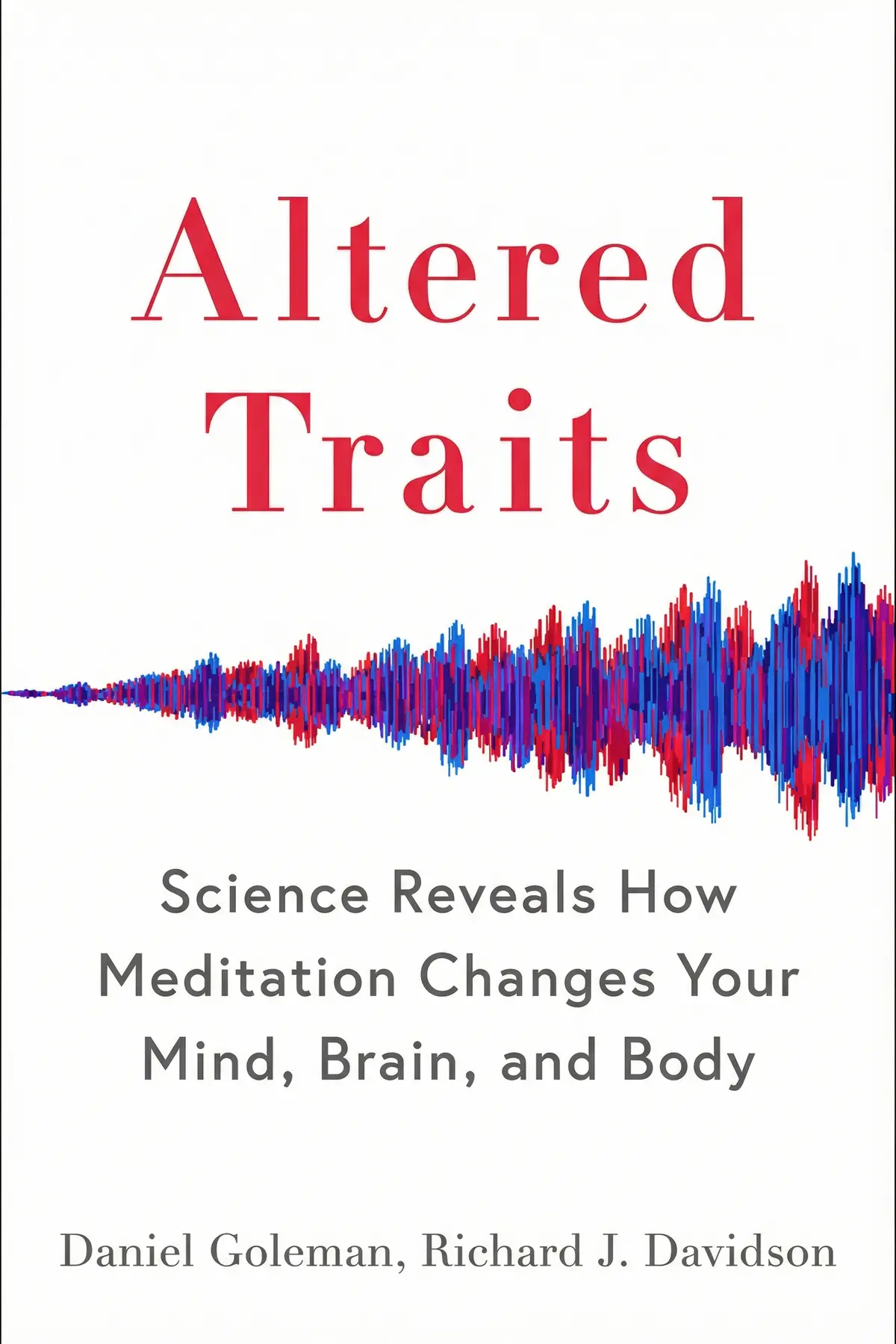
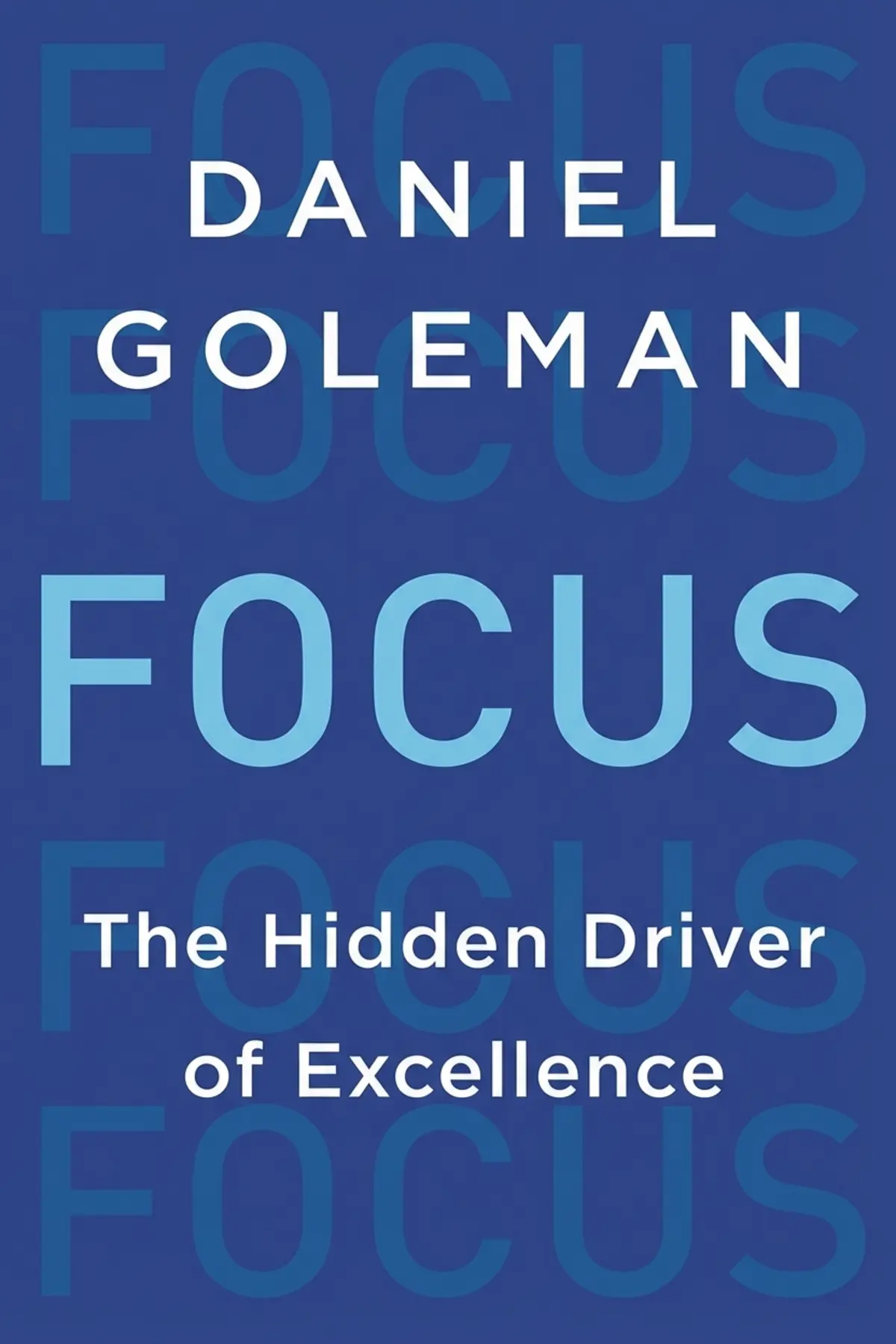
Daniel Goleman
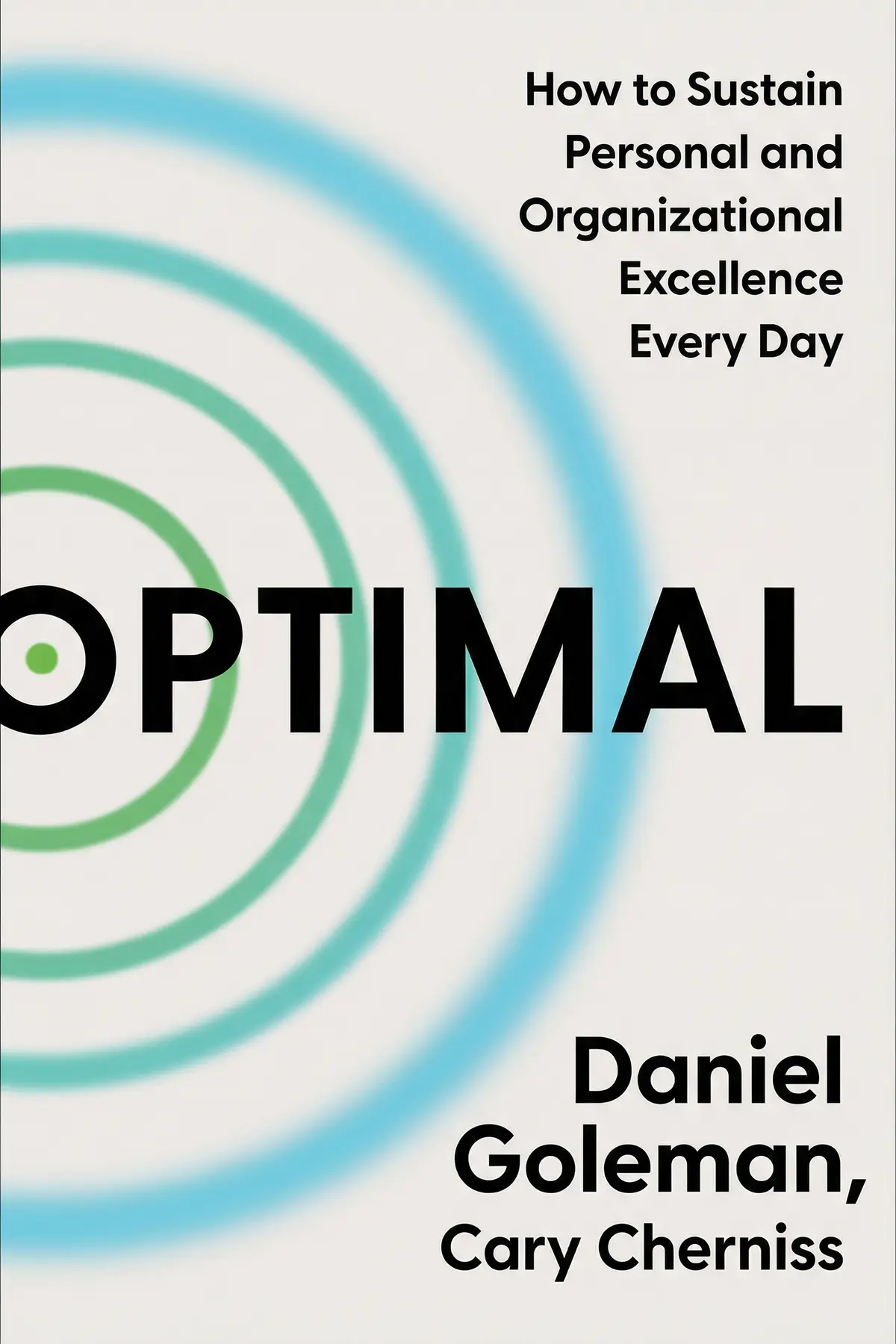
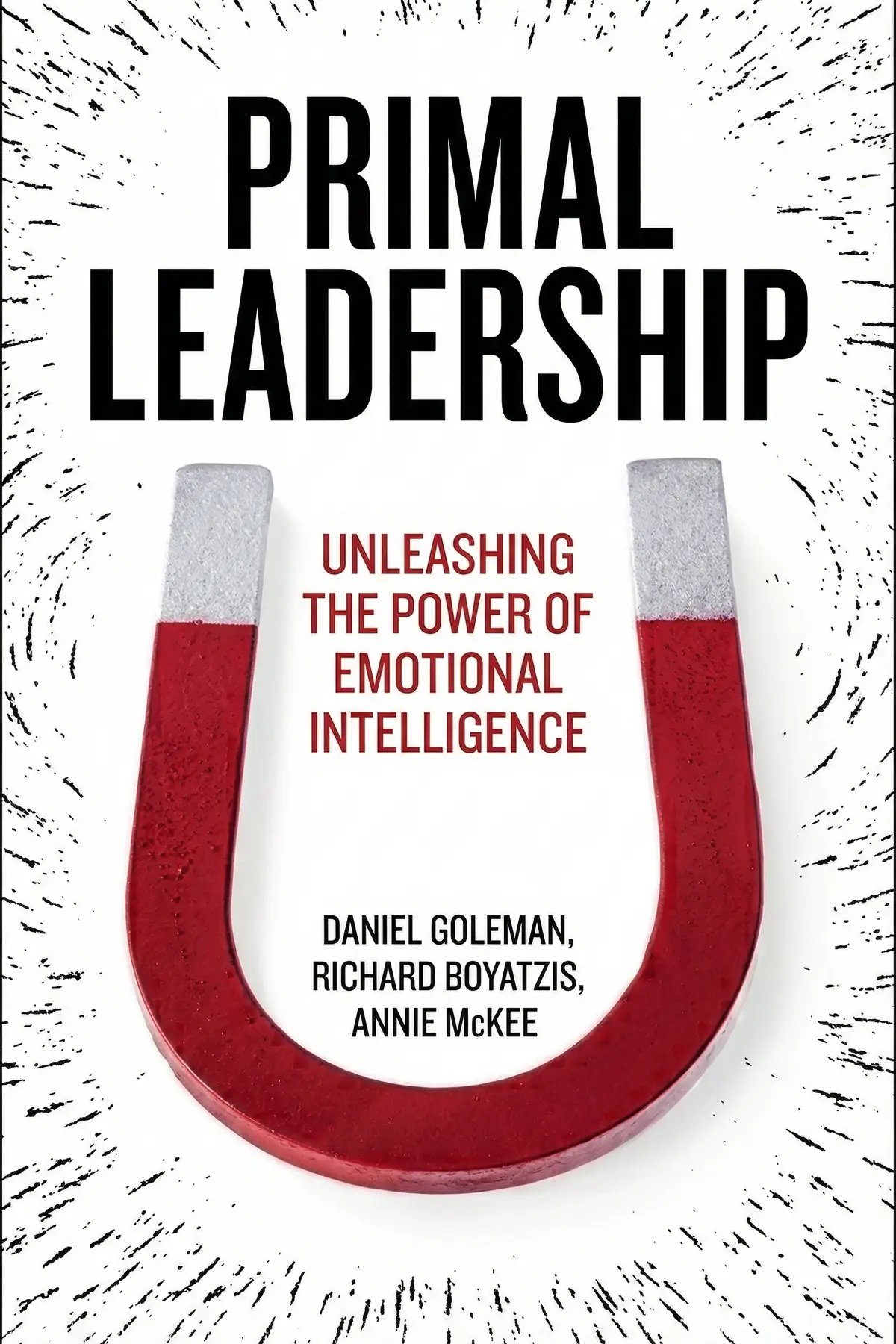
Daniel Goleman
Listeners consider this work essential reading for professionals, highlighting its perceptive material and unique perspective on emotional intelligence. The text offers an enhanced grasp of how the brain operates, assisting listeners in making sound life choices, while one listener points out the way social engagement influences emotional processing. Although many regard it as fairly engaging and accessible, others describe the content as dull and overly specialized.
Ever wonder why brilliant people make such catastrophic life choices? Goleman’s exploration of the 'emotional brain' finally provided the answers I've been seeking about human behavior. This isn't just a self-help book; it’s a deep dive into the evolutionary biology of our limbic system and how it interacts with the modern world. Truth is, I was particularly struck by the discussion on how social interactions literally reshape our neural pathways. Understanding that my 'emotional literacy' is just as important as my technical skills has completely changed how I approach my career and my marriage. The text can be a bit technical in the middle chapters, but the insights regarding brain function are worth the effort. It’s an essential read for anyone who wants to understand the mechanics of their own mind. This is foundational stuff.
Show moreAs someone who works in education, I believe this should be mandatory reading for every teacher and parent on the planet. Goleman highlights the 'window of opportunity' we have during childhood to shape a child’s emotional trajectory. The biology is fascinating—explaining how the amygdala acts as an early-warning system—but the social implications are what really hit home. We spend so much time on academic testing, yet we ignore the 'emotional literacy' that actually determines a child's success in life. Personally, I was moved by the attributes listed for school readiness, like curiosity and self-control. It’s a beautiful, visionary book that challenges us to be better humans. Even if some parts are dense, the core message is too important to ignore.
Show moreWow. This is one of those rare books that actually changes the way you see every single person you interact with. Not gonna lie, I used to think of emotions as a weakness or a distraction from 'real' work, but Goleman proves they are the very engine of our success. The way he breaks down the evolution of the neocortex versus the limbic system makes so much sense of our internal conflicts. I’ve started applying the 'self-awareness' techniques at home. The results have been immediate. It’s not just about being 'nice'; it’s about having the mental discipline to manage your own impulses. It’s a dense read, sure, but the depth of understanding it provides is unparalleled. If you want to master yourself, start here.
Show moreLook, this is the 'OG' book on EQ for a reason. Goleman didn't just write a book; he started a movement that redefined how we approach leadership, parenting, and mental health. I loved the deep dive into brain evolution—understanding that we have a 'layer cake' brain where the older emotional parts can still override the newer thinking parts. It explains so much about the 'senselessness' we see in the news every day. While some readers find the technical details boring, I found them grounding; they give the advice more weight than just empty platitudes. It’s a masterclass in human psychology that provides a roadmap for a more civil society. Truly a must-read for anyone serious about personal growth.
Show morePicked this up on a recommendation from a management seminar, and it’s easy to see why it's considered a classic. Goleman makes a compelling case that our traditional obsession with IQ is misplaced, especially in professional environments. The way he describes 'flooding'—where anger or stress shuts down our ability to think rationally—was a huge 'aha' moment for me. I’ve started noticing those physical triggers in my own body during tense meetings. My only gripe is that it’s quite a heavy read; you can’t just breeze through it in a weekend. Some of the data feels a bit recycled by now since so many other authors have built upon this work, but the original source is still powerful. It’s a solid 4-star read that offers a much-needed corrective to our purely rational view of decision-making.
Show moreFinally got around to this after years of it sitting on my shelf. I’ll be honest: it’s a bit of a mixed bag, though ultimately very rewarding. On one hand, the scientific explanations of how the brain processes fear and rage are absolutely top-tier and provide a great foundation for self-awareness. On the other hand, the prose is definitely more 'textbook' than 'page-turner.' I loved the anecdote about the elderly man on the Japanese train who de-escalated a drunk passenger through simple kindness; it perfectly illustrates the power of empathy over force. Goleman is clearly an expert, but he doesn't always make the information easy to digest for the layperson. Still, the chapters on application in marriage and the workplace are quite insightful. If you have the patience for a more academic tone, you’ll gain a lot of wisdom here.
Show moreThe chapter on 'Amygdala Hijacking' alone is worth the price of the book. Gotta say, most people have no idea why they lose their heads in an argument, and Goleman explains the physiological 'short-circuit' perfectly. It’s quite enlightening to see how our evolutionary history (fighting woolly mammoths) clashes with our modern stressors like email and traffic. While the book is a bit long-winded and repeats its main points more than necessary, the foundational concepts are life-changing. I find myself thinking about 'flow' and 'self-regulation' almost every day now. It's not a quick fix, but it's a profound lens through which to view your life. Just be prepared for a lot of talk about neurotransmitters and brain scans. It’s definitely more 'hard science' than your typical airport self-help book.
Show moreAfter hearing so much praise, I was left feeling a bit underwhelmed by the actual reading experience, though the content is undeniable. In my experience, Goleman’s research is impeccable, and he changed the way we think about intelligence. However, the book suffers from being a product of its time. The writing is quite dense, and the tone feels slightly clinical and detached. I found the sections on 'socially incompetent' individuals to be a bit judgmental, lacking the very empathy the author promotes. Also, for a book about emotions, it doesn't really stir many—it’s very much a head-heavy exploration of the heart. It’s a landmark book, yes, but I think newer authors have taken these same concepts and made them far more accessible for a modern audience.
Show moreThis book is definitely a seminal work, but I found it frustratingly descriptive rather than prescriptive. Goleman does a brilliant job explaining the 'what' and the 'why' of our emotional responses, but the 'how-to' for daily life is surprisingly thin. I kept waiting for concrete exercises or a step-by-step framework to improve my own EQ, but instead, I got page after page of psychological studies and medical evidence. It’s dense, pushing through it felt like a chore at times, almost like reading a textbook for a class I didn't sign up for. While the concept of the amygdala hijacking the neocortex is fascinating, the message gets repetitive over a long read. To be fair, it’s groundbreaking for its time, but if you’re looking for a practical workbook, this isn't it. It’s more of a scientific defense for why we shouldn't just value raw IQ.
Show moreNot what I expected based on the hype. Frankly, this felt like hacking through a jungle of academic jargon with a very dull machete. While I appreciate the importance of the topic, Goleman’s writing style is incredibly dry and, at times, feels condescending toward those who don't 'fit in' socially. There’s a specific section on 'socially incompetent' children that felt unnecessarily harsh and lacked empathy. The book is heavily rooted in that 90s 'nature over nurture' mindset which feels a bit dated compared to modern neuroplasticity research. I struggled to finish it because the central thesis—that emotions matter—could have been explained in fifty pages instead of several hundred. It’s far too technical for a casual reader and lacks the practical application needed to make the information useful in a real-world setting.
Show more
Anthony Pratkanis
William B. Irvine
Andrew D. Thompson
Deepak Chopra
AUDIO SUMMARY AVAILABLE
Get the key ideas from Emotional Intelligence by Daniel Goleman, plus 5,000+ more titles in English and Thai.