Brain Maker: The Power of Gut Microbes to Heal and Protect your
David Perlmutter
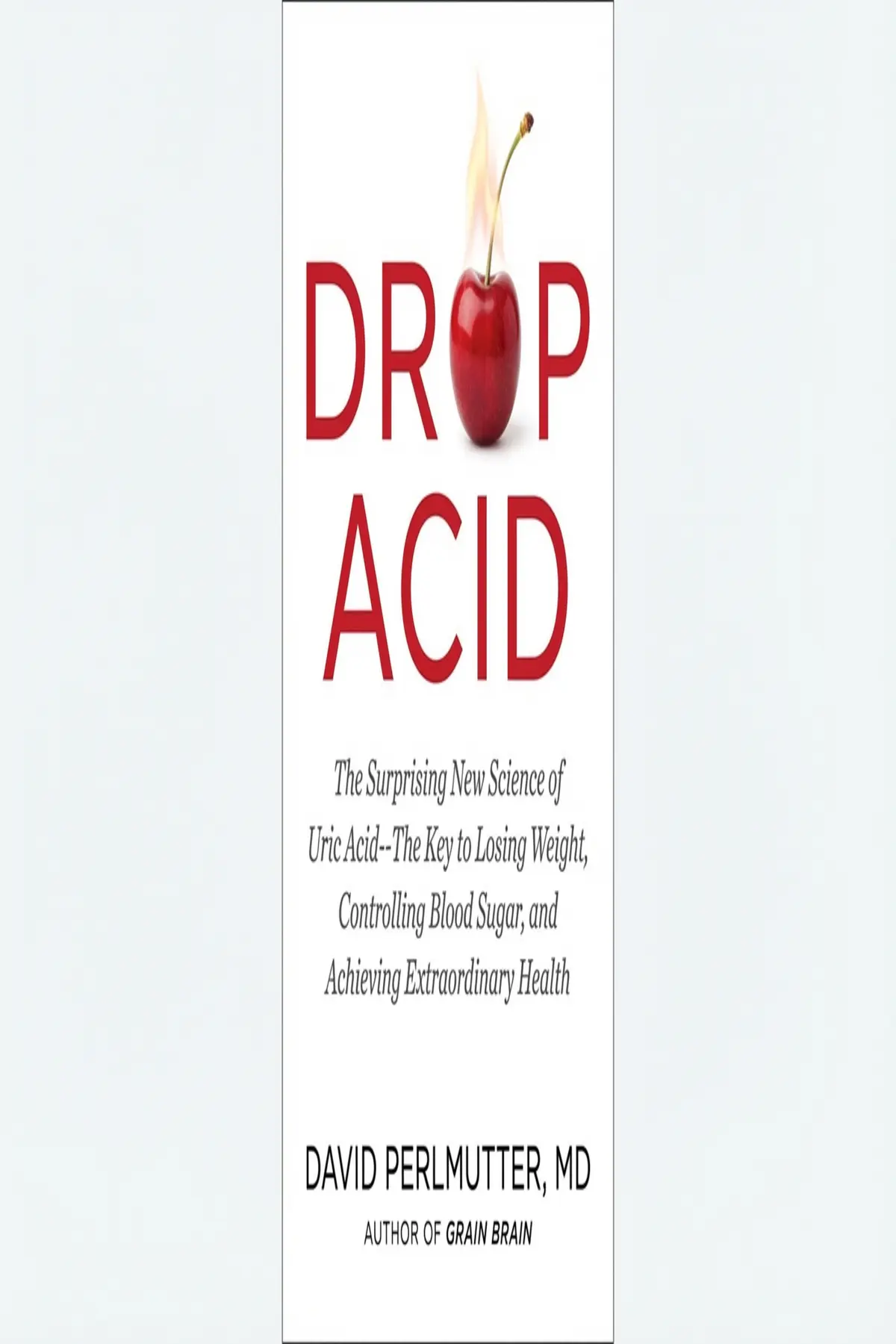
David Perlmutter reveals how uric acid is a hidden master switch for metabolic health. By lowering these levels through diet and lifestyle, you can lose weight and prevent chronic neurological and cardiovascular diseases.
1 min 52 sec
When we think about our health, we often focus on the usual suspects: our blood pressure, our cholesterol levels, or perhaps our blood sugar. But there is a silent, often ignored biological marker that might be the most important switch in your entire metabolic system. This marker is uric acid. For a long time, if you heard a doctor mention uric acid, you probably thought of gout—that painful, throbbing swelling in the big toe that famously afflicted historical figures like Henry VIII. However, modern science is revealing that uric acid is much more than just a precursor to joint pain. It is a fundamental signaling molecule that tells your body exactly what to do with its energy.
In this exploration of David Perlmutter’s work, we are going to look at the surprising ways this single substance influences your waistline, your heart health, and even your brain. The core throughline of this journey is understanding that our bodies are currently operating on ancient software in a modern, high-sugar world. This mismatch is causing our uric acid levels to skyrocket, leading to a state of chronic inflammation and fat storage that many of us find impossible to escape.
We will break this down into three essential parts. First, we’ll meet the “suspect” itself—the biological reality of what uric acid is and why it’s so dangerous when it’s out of balance. Second, we’ll look at the “accomplices,” which are the specific foods and lifestyle habits that push our levels into the danger zone. Finally, we’ll dive into a practical, three-week solution designed to help you drop your acid levels and reset your metabolic health. By the end, you’ll see that managing this one number could be the key to achieving the extraordinary health you’ve been seeking. It’s time to move beyond the old myths and understand the new science of how your body truly works.
2 min 20 sec
Discover why the standard medical tests for uric acid might be missing the mark and how elevated levels could be a silent driver of major modern diseases.
2 min 10 sec
Explore the primary dietary culprit behind rising acid levels and learn how it tricks your body into a constant state of fat storage.
2 min 16 sec
Uncover why our ancestors’ survival mechanisms are now working against us in a world of constant food abundance.
2 min 24 sec
Learn to spot the hidden sources of purines and other acid-raising substances that might be lurking in your healthy-looking meals.
2 min 06 sec
Discover how non-dietary factors like your sleep schedule and daily activity can have a profound impact on your uric acid levels.
2 min 16 sec
A practical guide to implementing the Lower Uric Values plan, from the initial fast to long-term habit formation.
2 min 18 sec
Unlock the specific superfoods and supplements that act as natural allies in lowering your uric acid levels.
1 min 55 sec
As we reach the end of this journey into the science of uric acid, the most important takeaway is that you are not a passive observer of your own health. For too long, we have been told that chronic diseases like obesity, diabetes, and dementia are simply the inevitable result of aging or ‘bad luck.’ But as Dr. Perlmutter shows us in Drop Acid, we have a much higher degree of control than we ever imagined. By focusing on this one crucial metabolic marker, we can unlock a level of health and vitality that many think is impossible.
We’ve seen how our modern environment is constantly trying to trick our bodies into a state of fat storage and inflammation through the pervasive use of fructose and the neglect of our basic biological needs for sleep and movement. We’ve learned that the ‘normal’ ranges on our blood tests might not be protecting us, and that we need to aim for a ‘lower uric value’ to truly safeguard our future.
The path forward is clear: it starts with awareness. It continues with the choices you make at the grocery store, the priority you place on your rest, and the consistency with which you move your body. The LUV diet isn’t just a list of recipes; it’s a manifesto for a different way of living—one that respects our evolutionary history while navigating the challenges of the modern world.
If there is one actionable step to take today, it is to find out your number. Get a test, see where you stand, and then begin the process of dropping your acid. Whether you want to lose weight, sharpen your mind, or simply ensure that you live a long and healthy life, managing your uric acid is the essential foundation. Your body has the incredible ability to heal and reset itself if you simply give it the right signals. It’s time to turn off the metabolic alarm and start living with the clarity and energy you deserve.
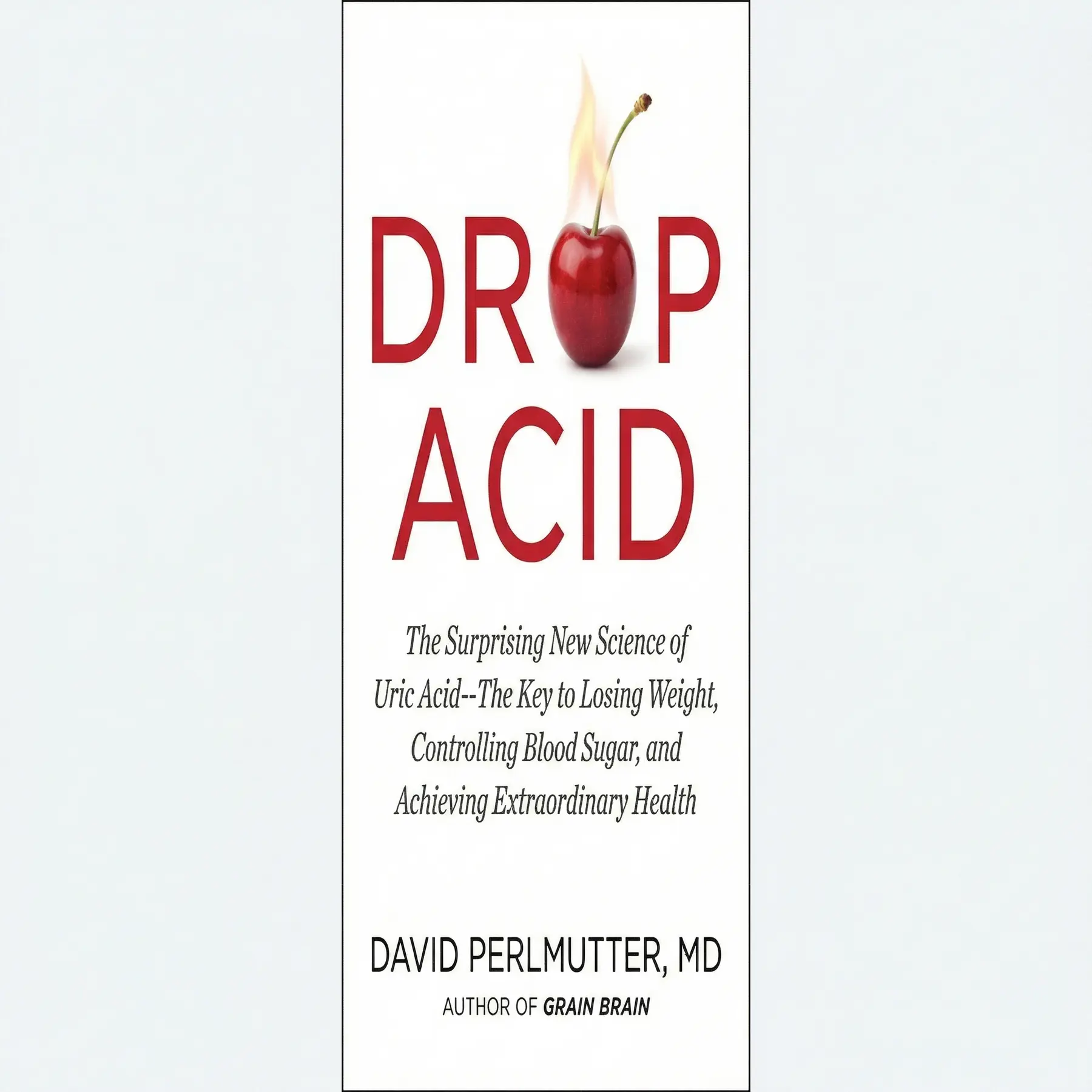
For decades, the medical community viewed uric acid through a very narrow lens, considering it primarily as a trigger for gout or kidney stones. In Drop Acid, Dr. David Perlmutter argues that this perspective is dangerously outdated. He presents evidence that uric acid is actually a central regulator of our metabolism, acting as a biological alarm that tells the body to store fat and hold onto calories. When these levels remain chronically high—a condition known as hyperuricemia—the result is a cascade of modern ailments, including obesity, type 2 diabetes, cardiovascular disease, and even cognitive decline. The book provides a comprehensive roadmap for reclaiming health by targeting this single, often-overlooked marker. Perlmutter introduces the LUV (Lower Uric Values) diet, a nutritional framework designed to eliminate the most potent acid-triggering substances: fructose and specific purines. Beyond just food, the book explores how sleep, hydration, and exercise play pivotal roles in managing these levels. By following this science-backed protocol, readers are promised a path toward better blood sugar control, easier weight management, and long-term protection against the inflammatory diseases that define the modern age.
David Perlmutter, MD, is a board-certified neurologist and a Fellow of the American College of Nutrition. He has achieved widespread recognition as a New York Times best-selling author and serves as a frequent medical advisor for major media outlets, including The Dr. Oz Show and Men’s Health magazine. His influential body of work includes titles such as Grain Brain and The Microbiome and the Brain, focusing on the intersection of nutrition and neurological health.
Listeners find the material both educational and accessible, offering an excellent analysis of research regarding uric acid and its vital role in the body. They value its potentially transformative impact and view it as a roadmap for improved well-being, with one listener noting the thorough medical look at preventing illness through dietary choices. The narrative style is highly regarded and listeners find the content deeply engaging, with one review specifically mentioning the intriguing insights regarding coffee. Opinions on the recipes are divided; some listeners find them fantastic while others consider them awful.
After hearing Dr. Perlmutter on a podcast, I knew I had to grab this. It’s wild how we’ve focused on blood sugar for so long while completely ignoring uric acid. The book does a stellar job of explaining how fructose isn't just 'empty calories' but a metabolic trigger that signals our bodies to store fat for a winter that never comes. While some of the science gets a bit dense, the breakdown of how high-fructose corn syrup essentially 'breaks' our satiety signals was a total lightbulb moment for me. I’ve already started tracking my UA levels with a home kit. It’s scary to realize my 'normal' labs were actually in the danger zone for metabolic syndrome. Frankly, this feels like the missing piece of the health puzzle for anyone who eats 'clean' but still struggles with weight or brain fog.
Show moreWow, I never realized that my history with kidney stones was actually a red flag for my entire cardiovascular system. This book is a life-changer because it connects the dots between minor ailments like gout and major risks like Alzheimer’s and diabetes. The 'LUV' (Lower Uric Values) protocol is easy to follow if you're committed to making a real change, and I've already seen a drop in my morning fatigue. I especially loved the segment on how salt intake actually triggers the body to produce its own fructose internally. That was a total 'a-ha' moment for me as someone who loves savory snacks! The writing style is encouraging and clear, making complex biological processes easy for a layperson to grasp. It’s not just a diet book; it’s a guide to understanding how our evolutionary biology is being hijacked by the modern food industry.
Show moreAs a healthcare professional, I've started recommending this to patients who are struggling with stubborn hypertension or 'pre-diabetic' numbers despite traditional efforts. Perlmutter makes a compelling case for why the standard laboratory 'reference range' for uric acid is dangerously high and based on outdated metrics. The way he breaks down the biochemistry of how the liver processes fructose into UA is both brilliant and accessible. It’s rare to find a book that manages to be both a detailed medical examination and a practical guide for the general public. I’ve personally implemented the 24-hour fast and the LUV diet, and my own levels dropped from a 'high normal' 6.2 to a much safer 4.8 in just a month. This is essential reading for anyone interested in longevity and proactive health management.
Show moreDirect and powerful. This book completely changed how I look at my annual blood work and my daily snacks. I had no idea that uric acid was anything more than a 'gout thing,' but Perlmutter shows it’s actually a master regulator of our metabolism. The chapter on the connection between UA and non-alcoholic fatty liver disease was particularly sobering for me. I’ve already cut out sodas and fruit juices, and the brain fog I’ve lived with for years is finally starting to lift. It’s a fast read, well-referenced, and incredibly motivating if you're ready to take control of your health. Don't let the punny title fool you; this is serious science delivered in a way that actually makes sense for the average person.
Show moreFinally got around to reading Perlmutter’s latest, and it’s a worthy follow-up to 'Grain Brain' even if it feels a bit more specialized. He really hammers home the danger of high-fructose corn syrup, linking it directly to everything from gout to cognitive decline through the lens of uric acid. I found the section on 'acid-dropping' foods like tart cherries and broccoli sprouts to be highly actionable and easy to incorporate into my daily routine. My only real gripe is with the recipe section; some of the meals felt unnecessarily complex or used ingredients that aren't easy to find at a standard midwestern grocery store. Despite that, the medical examination into disease prevention is top-notch and provides a clear roadmap for anyone worried about their metabolic health. It's a wake-up call for how we treat our bodies in an environment flooded with cheap sugar.
Show moreThis book provides an excellent breakdown of the recent studies linking uric acid to systemic inflammation. As a longtime fan of Perlmutter’s work, I appreciate how he continues to evolve his theories based on new research into the microbiome and metabolic markers. The focus on the 'thrifty gene hypothesis' helps explain why our bodies are so efficient at storing fat, even when we don't want them to. Look, the diet is restrictive—no way around that—but the science he presents makes it hard to argue against the necessity of these changes. I found the chapter on sleep and its inverse relationship with UA levels to be particularly enlightening, as I usually average only six hours a night. It’s a well-organized read, though I wish there were more budget-friendly alternatives included in the three-week meal plan. Overall, it’s an eye-opening deep dive into a marker most doctors completely ignore.
Show moreEver wonder why you can't seem to lose weight even when you're counting every calorie? This book argues that your uric acid levels might be the hidden switch keeping your body in 'hibernation mode.' I was skeptical at first, but the evidence regarding high-fructose corn syrup's role in this process is pretty hard to ignore. The 3-week plan is a great way to jumpstart a lifestyle change, even if you don't stick to the recipes exactly. I appreciated the specific list of 'acid-dropping' foods to add, rather than just a list of things to avoid. The tone is very 'rah-rah you can do it,' which can be a bit much, but the underlying science is solid. Just be prepared to spend a bit more at the grocery store for the organic eggs and specialty oils he recommends.
Show moreThe core message here—that uric acid is a primary driver of metabolic dysfunction—is absolutely fascinating and well-supported by the cited studies. However, I can't help but feel that the entire premise could have been distilled into a long-form article rather than a full-length book. Much of the text feels like repetitive padding, constantly reminding the reader that a 'new life starts today' without offering fresh insights in every chapter. To be fair, the 'LUV' diet plan is structured well, but it often feels like it's written for people with a lot of time and a massive grocery budget. I appreciated the deep dive into purines and the role of coffee, but I found myself skimming the second half. It’s a solid introduction to a niche topic, but it lacks the information density of something like the 'Code' series by Jason Fung.
Show morePicked this up because I was curious about the catchy title, but it turned out to be a fairly standard health manual with a specific hook. The truth is, we already know sugar and processed foods are bad for us, and adding 'uric acid' as the middleman doesn't change the advice much. I did find the work on coffee and tart cherries fascinating, as I’m always looking for excuses to drink more of my favorite morning brew! However, the constant self-promotion of his other books and his website got a bit annoying after a while. The recipes are hit or miss; the chicken salad with pesto was great, but some of the other 'gourmet' options felt a bit pretentious for a Tuesday night dinner. It’s worth a read if you’re a data nerd who wants to track every single bio-marker, but casual readers might find it a bit repetitive.
Show moreNot what I expected based on the sensationalist title. While I agree that the modern diet is a metabolic disaster, Perlmutter loses a lot of credibility when he starts attributing every form of neurodiversity and mental illness to sugar consumption. It feels like he’s over-extrapolating from limited data to fit a specific narrative he’s been pushing for years. The advice to basically cut out all wheat, most meat, and half of all vegetables is just not realistic for the average person who isn't wealthy. In my experience, these types of 'one-size-fits-all' dietary revolutions do more to cause anxiety than they do to actually heal people. If you’ve read his previous work, you’ve already heard about 70% of this information before. There are some good nuggets about hydration and sleep, but the 'fear-mongering' tone regarding uric acid levels felt exhausting by the end.
Show more




AUDIO SUMMARY AVAILABLE
Get the key ideas from Drop Acid by David Perlmutter, plus 5,000+ more titles in English and Thai.