Brain Maker: The Power of Gut Microbes to Heal and Protect your
David Perlmutter
Discover how the modern world manipulates your brain’s wiring and learn a science-backed, ten-day program to reclaim your mental clarity, foster deep empathy, and achieve lasting happiness through holistic lifestyle shifts.
1 min 52 sec
In an era where every desire can be fulfilled with a single tap on a screen, we find ourselves at a strange crossroads. We have more access to information, food, and entertainment than any generation in human history, yet the collective state of our mental health seems to be in a freefall. We are surrounded by comforts, yet many of us feel increasingly anxious, lonely, and physically drained. It is a paradox of plenty: why does having so much often lead to feeling so empty?
The answer lies in the very structure of our brains. According to doctors David and Austin Perlmutter, the modern world has essentially performed a hostile takeover of our neurological pathways. Our environment has changed faster than our biology, leaving us with ancient survival mechanisms that are now being exploited by the 24-hour news cycle, processed food manufacturers, and social media algorithms. The result is what the authors call ‘disconnection syndrome,’ a state where the communication between our impulsive emotional centers and our logical, forward-thinking centers is severed.
Over the course of this summary, we will explore the biological roots of this modern malaise. We will see how the brain’s incredible ability to change—its neuroplasticity—is a double-edged sword that can either trap us in cycles of addiction or lead us toward recovery. We will break down the specific ways that our diet, our digital habits, and our lack of rest are physically altering our grey matter. Most importantly, we will outline a clear, actionable ten-day protocol designed to ‘wash’ the brain of these negative influences. This isn’t just about feeling better in the moment; it’s about rebuilding the physiological foundation for a life of purpose, empathy, and clarity. By the time we reach the end, you’ll have a toolkit for navigating the modern world without letting it compromise your mental sovereignty.
2 min 27 sec
Explore why our ancient brains are ill-equipped for the 24/7 world of instant dopamine hits and how this mismatch creates a cycle of chronic unhappiness.
2 min 23 sec
Learn about the brain’s ability to rewire itself and how our daily habits either strengthen our logical centers or fuel our impulsive emotions.
2 min 24 sec
Discover the biological mechanisms behind addiction and stress, and how our modern lifestyle keeps us stuck in a reactive state.
2 min 20 sec
Uncover the hidden costs of our screen time, from physical changes in the brain to a deepening sense of social isolation.
2 min 17 sec
Explore why empathy is declining in the modern world and how restoring the brain’s balance can help us reconnect with others.
2 min 15 sec
See how our ‘nature deficit’ is contributing to our mental decline and why spending time outdoors is one of the fastest ways to heal the brain.
2 min 06 sec
Understand how the industrial diet of sugar and processed foods is physically damaging your brain and what to eat to support your mental health.
2 min 14 sec
Learn how quality sleep and regular movement act as a ‘shampoo’ for your mind, clearing out toxins and boosting executive function.
2 min 05 sec
Discover how meditation physically changes the brain’s structure to improve focus and emotional regulation.
2 min 19 sec
Follow a structured, day-by-day protocol to detox your mind, restore your health, and build lasting habits for happiness.
1 min 50 sec
The modern world is a marvel of convenience, but we must recognize that this convenience comes with a hidden biological tax. We are living in an environment that is constantly trying to bypass our higher-order thinking in favor of our most primitive impulses. If we don’t take intentional steps to protect our minds, we risk falling into a permanent state of ‘disconnection syndrome’—living lives that are reactive, distracted, and ultimately unfulfilling. But as we have seen, this fate is not inevitable. Our brains are incredibly resilient and capable of profound transformation if we give them the right environment.
The message of Brain Wash is ultimately one of empowerment. By making conscious choices about what we eat, how much we move, how we sleep, and how we interact with technology, we can physically rebuild our neural architecture. We can move from the frantic, fear-based world of the amygdala to the calm, purposeful world of the prefrontal cortex. This shift allows us to regain our focus, deepen our empathy for others, and find a sense of peace that doesn’t depend on the next notification or the next sugary snack. It is about returning to a state of balance that is our natural birthright.
As you move forward from this summary, I encourage you to be realistic but persistent. You don’t have to change everything overnight, but you do have to start. Choose one or two of the strategies we’ve discussed—perhaps a ten-minute morning walk or a commitment to turn off your phone an hour before bed—and see how they change your perspective. These small, consistent actions are the building blocks of a rewired brain. You have the tools and the biological capacity to reclaim your mental health and live a life of true connection. The world will always be full of distractions, but with a washed and healthy brain, you will finally have the clarity to navigate through them and find what truly matters.
Brain Wash examines the troubling intersection of modern technology, industrial food systems, and human neurobiology. It argues that our contemporary environment has created a state of disconnection syndrome, where we are chronically stressed, impulsive, and isolated despite being constantly connected to digital stimuli. By exploiting our ancient evolutionary survival mechanisms, big businesses and digital platforms keep us locked in a cycle of instant gratification that prevents us from accessing our higher-level thinking. The book provides a roadmap for biological and psychological intervention. It explains how simple changes—ranging from dietary adjustments and improved sleep hygiene to nature exposure and mindfulness—can physically reshape the brain. The ultimate promise of the work is a practical detox that moves the seat of our decision-making from the reactive amygdala back to the reflective prefrontal cortex, allowing for clearer thoughts and more meaningful relationships.
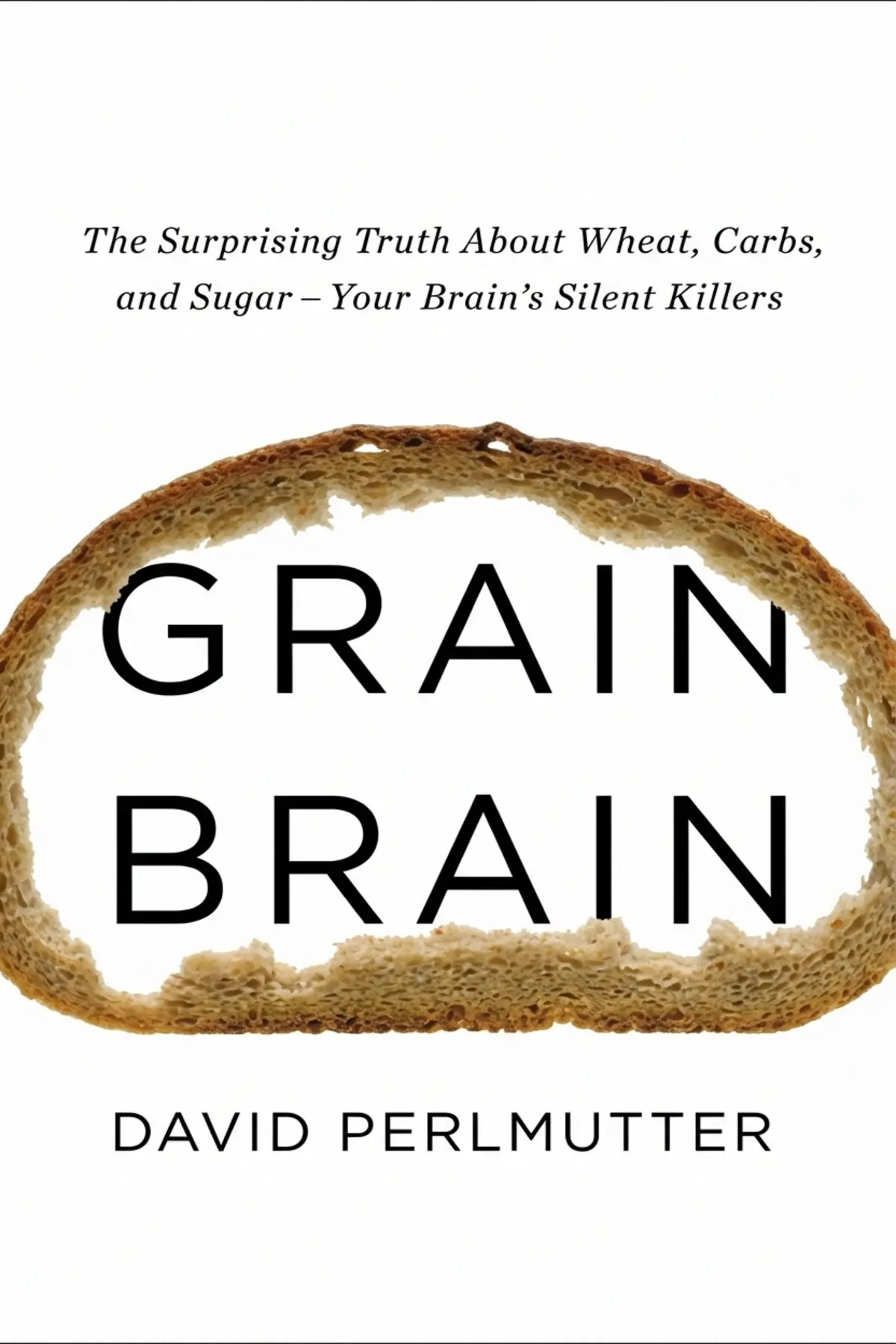
David Perlmutter and his son Austin Perlmutter are both board-certified medical doctors with a focus on how lifestyle impacts brain health. Austin holds an MD in internal medicine from the University of Miami. David is a neurologist and a fellow at the American College of Nutrition. He has authored several high-profile books including The Grain Brain Whole Life Plan, The Grain Brain Cookbook, and Raise a Smarter Child by Kindergarten.
Listeners find the book well-crafted and easy to follow, with one listener noting that it contains extensively cited and quoted research. Furthermore, they appreciate its overall value and feel it is an excellent supplement to Perlmutter's collection of titles. Listeners also find the subject matter to be evocative and transformative, with one listener highlighting the book’s comprehensive chapter on meditation. They also prize the provided guidance, with one listener stating it is perfect for individuals looking to enhance their habits and daily lifestyle.
Finally got around to reading this, and the chapter on meditation alone makes the whole purchase worthwhile. Unlike many health books that just tell you to 'relax,' the Perlmutters dive deep into how mindfulness actually repairs the bridges between different parts of the brain. The writing is incredibly clear and accessible, which I appreciated since I usually struggle with dense medical jargon. I’ve started implementing the digital detox strategies, and the difference in my focus is already noticeable. I no longer reach for my phone the second I wake up, and that small change has radically shifted my morning mood. The book is heavily noted with research, which gives me a lot of confidence in the suggestions being made. If you feel like your brain has been hijacked by modern life, this is the manual you need to take back control. Truly life-changing stuff if you actually commit to the work.
Show moreThe depth of research cited in these pages is truly impressive for a mainstream wellness book. I'm the type of reader who checks the bibliography, and the Perlmutters have clearly done their homework here. What sets this apart is the synthesis of social factors with physical ones; they don't just blame your diet for your bad mood, but also your lack of community and connection to nature. The discussion on the 'amygdala hijack' and how our modern world keeps us in a state of constant low-level fear was eye-opening. I've been following the food protocol for a month now—not just the ten days—and my mental fog has lifted significantly. The recipes are easy to follow, even for a mediocre cook like myself, and they actually taste like real food. This is an essential guide for anyone looking to optimize their cognitive function and reclaim their attention span in an age of distraction.
Show moreWow, I didn't realize how much my smartphone was actually dictating my mood until I started implementing the digital detox suggested here. This book is a wake-up call for anyone who feels like they’re just going through the motions of life on autopilot. The Perlmutters provide a compelling argument for why we make such poor decisions when we're tired and overstimulated. I loved the comprehensive chapter on meditation and how it’s framed as a tool for brain repair rather than just something 'woo-woo.' The recipes are a great bonus, and I’ve actually enjoyed the transition to a more plant-forward way of eating. This is more than just a diet book; it’s a manual for reclaiming your humanity in a world that wants to turn you into a mindless consumer. I feel more present and focused than I have in years. Highly recommended for everyone!
Show moreAfter hearing about David Perlmutter's previous work on brain health, I was eager to see how he tackled our modern digital landscape. The concept of 'Disconnection Syndrome' is a fascinating framework for explaining why we feel so fragmented and impulsive lately. Frankly, the authors do a great job of connecting our biological hardware to our software-driven world, showing how constant notifications erode our prefrontal cortex function. I found the section on empathy particularly moving, as it’s something rarely discussed in typical 'biohacking' manuals. While some of the advice on nature and sleep feels like stuff we've all heard before, seeing it framed through the lens of neuroplasticity gives it fresh weight. I did find the 10-day plan a bit aggressive for a busy professional, but the core message is vital. It's a solid addition to any wellness library, even if you have to tweak the schedule to fit your actual life.
Show morePicked this up during a particularly stressful month when I felt like my brain was constant mush from scrolling through endless feeds. The authors have a way of making complex neurology feel relatable and urgent. I especially liked the focus on how our environment—from the blue light in our bedrooms to the processed oils in our snacks—is working against our mental clarity. It's a comprehensive look at lifestyle medicine that doesn't just focus on one thing like weight loss. Instead, it looks at the whole person. I did find some of the 'Disconnection Syndrome' talk a bit repetitive toward the middle, but the practical tips for reconnecting with nature were a great reminder to step outside. It’s a thought-provoking read that encouraged me to set some much-needed boundaries with my devices. Definitely worth your time if you're feeling burnt out.
Show moreAs someone who struggles with brain fog, I found the concept of 'Disconnection Syndrome' to be a perfect metaphor for my daily life. The authors explain how we get stuck in 'limbic' thinking—always reactive, always stressed—and offer a clear path back to the more rational parts of our brain. I appreciated the specific focus on gratitude and empathy exercises, as mental health is so often ignored in favor of just physical fitness. My only real complaint is that the book can be a bit 'preachy' regarding the organic lifestyle, which isn't always feasible. However, the advice on building a digital sunset and prioritizing deep sleep has been incredibly helpful for my productivity. It's a well-written, easy-to-read guide that provides a lot of value for the money. I've already recommended it to several coworkers who seem just as fried by their screens as I was.
Show moreIs it actually possible to rewire your entire lifestyle in less than two weeks? That is the question at the heart of the 10-day boot camp presented here, and personally, I’m skeptical. The book starts strong by diagnosing the 'disconnection' we all feel from our better selves due to tech addiction and poor diet. However, once it hits the implementation phase, the pace becomes almost laughable. They expect you to overhaul your digital habits, your kitchen, your sleep hygiene, and your exercise routine basically overnight. For most people, that's a recipe for burnout, not healing. To be fair, the recipes included are quite tasty and nutrient-dense, though some ingredients are definitely on the pricier side. It’s a decent collection of wellness tips that are scientifically supported, but don't expect a miracle transformation in ten days if you have a job and a family.
Show moreThe truth is, if you’ve been following the health and wellness space for any length of time, you won’t find much groundbreaking news here. We all know we should sleep eight hours, eat more plants, and put down the iPhone. That said, 'Brain Wash' does a nice job of synthesizing these various threads into a single, cohesive narrative about brain health. The formatting is clean, and the summaries at the end of the chapters are helpful for quick reference. My main gripe is the 10-day plan, which feels more like a marketing gimmick than a sustainable habit-building strategy. It takes much longer than ten days to break the dopamine loops created by modern tech. It’s a handy reminder of the basics, much like the advice a very tech-savvy grandmother might give you, but don't go in expecting a revolution in thought if you've already read 'Grain Brain' or similar titles.
Show moreLook, I appreciate the sentiment behind the 10-day boot camp, but the pacing feels completely disconnected from reality for most people. The authors suggest an hour of new activities daily on top of a total dietary overhaul, which is just a lot to ask. That being said, the science regarding how sugar and social media affect our decision-making is solid and worth reading. I found the sections on 'Big Ag' a bit biased and lacking the same rigorous citations as the neurological sections. It’s a bit of a mixed bag; the digital detox advice is 5-star material, but the dietary extremism and the unrealistic timeline drag it down to a 3 for me. It’s a good book to skim for the tips that work for you, but don't feel guilty if you can't follow their 'perfect' 10-day plan to the letter.
Show moreThis book started with such promise regarding digital habits, but it quickly devolved into elitist dietary advice that felt out of touch. While I agree that we spend too much time on social media, I was deeply frustrated by the sections on 'Big Ag' and organic produce. The authors make bold claims about GMOs and non-organic vegetables being essentially toxic without providing the same level of rigorous evidence they use for the sleep chapters. It reeks of privilege to tell people that conventional broccoli is somehow a step toward disease if it isn't labeled organic. Not everyone has the budget for the 'Brain Wash' grocery list, and the tone felt very dismissive of that reality. I’m also tired of the gluten-shaming that has become a staple of this author's brand despite mixed scientific consensus for non-Celiacs. Take the advice on social media and meditation, but maybe skip the food lectures if you're on a budget.
Show moreAUDIO SUMMARY AVAILABLE
Get the key ideas from Brain Wash by David Perlmutter, plus 5,000+ more titles in English and Thai.