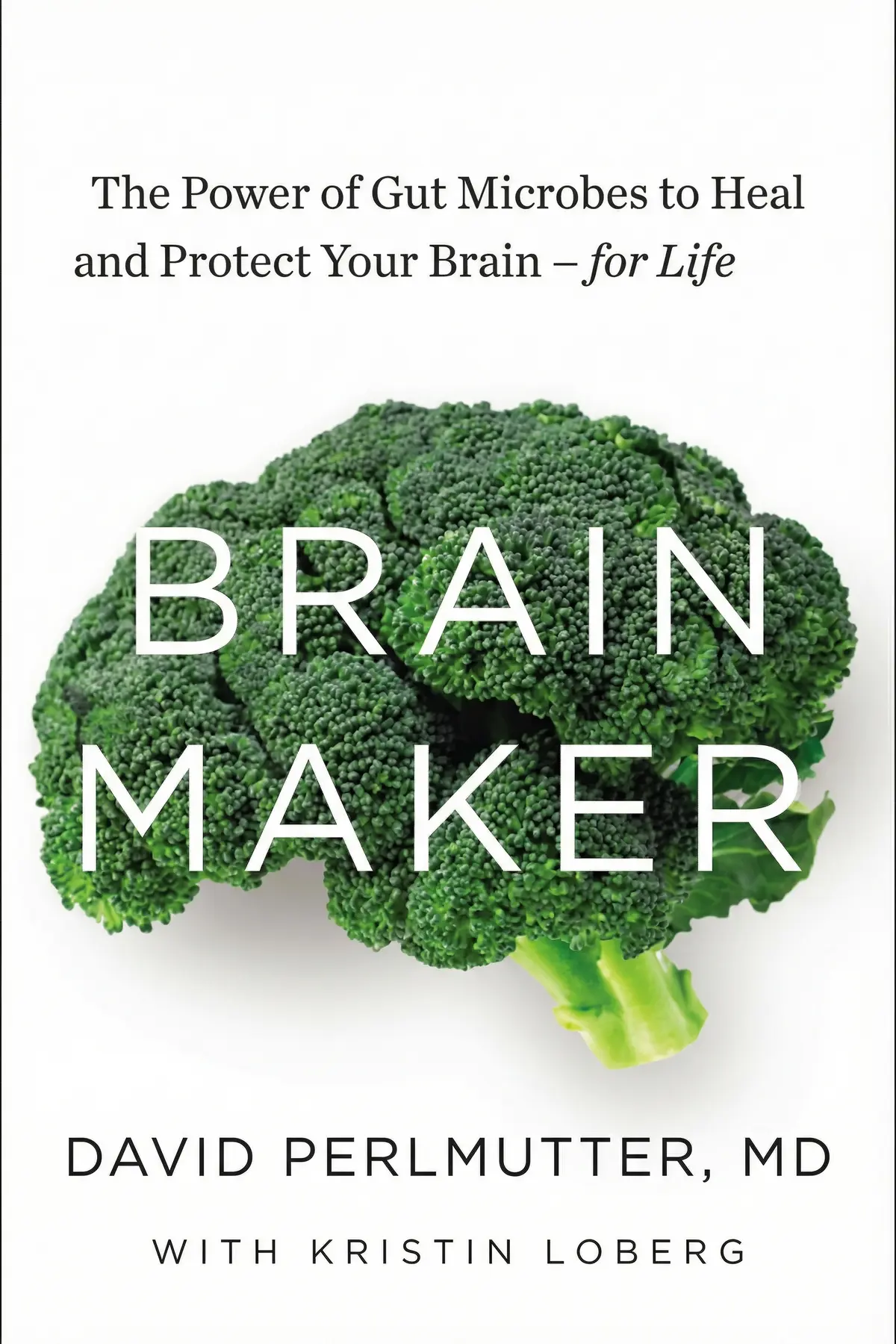
Brain Maker: The Power of Gut Microbes to Heal and Protect your
David Perlmutter
A neurologist explores how modern diets rich in carbohydrates and gluten contribute to brain-related illnesses, offering a fat-focused, low-sugar blueprint for preserving long-term cognitive health and mental clarity.
1 min 41 sec
Imagine your brain as a finely tuned instrument, one that has been perfected over millions of years of human evolution. For the vast majority of our history, this instrument was powered by a specific kind of fuel—one high in healthy fats and very low in processed sugars. But in just a few short generations, we have fundamentally altered that fuel source. Today, we are told that ‘heart-healthy’ grains and low-fat diets are the keys to longevity. However, as neurological health crises continue to rise, we must ask if these dietary staples are actually the silent culprits behind our most devastating brain disorders.
The truth we are about to explore is that the very foods we’ve been taught to trust—the breads, pastas, and even the hidden sugars in our fruit juices—may be paving a direct path toward cognitive decline, chronic inflammation, and diseases like Alzheimer’s and diabetes. This isn’t just about weight loss or fitting into a pair of jeans; it is about the structural integrity of your mind.
In this journey through the world of neurology and nutrition, we will uncover how certain proteins and sugars act as biological irritants, causing a slow-motion ‘fire’ in the brain known as chronic inflammation. We will look at why the brain actually craves cholesterol, how your belly fat might be shrinking your memory center, and how you can actually trigger the growth of new brain cells through simple lifestyle adjustments. By the end of this discussion, you will see your plate not just as a source of energy, but as the primary tool for determining the long-term health of your nervous system. Let’s dive into the science of why cutting the carbs might be the smartest thing you ever do for your head.
2 min 09 sec
Discover how a natural defense mechanism designed to protect the body can turn into a silent killer when triggered by modern dietary habits.
2 min 20 sec
Explore the historical discovery of gluten sensitivity and why this protein might be more addictive and damaging than we ever realized.
2 min 11 sec
Challenge the low-fat orthodoxy and learn why your brain actually depends on cholesterol for its survival and performance.
2 min 01 sec
Understand the hidden dangers of fructose and how visceral fat can physically alter the structure of your memory center.
2 min 00 sec
Learn how lifestyle choices can influence your DNA and stimulate the production of proteins that grow and protect neurons.
2 min 05 sec
Uncover the link between gluten, inflammation, and behavioral disorders like ADHD, anxiety, and depression.
1 min 55 sec
Discover how the brain switches to an alternative, highly efficient fuel source during periods of deprivation and how this benefits neurological health.
1 min 59 sec
Understand why physical activity is one of the most effective ways to boost brain volume and protect against age-related atrophy.
1 min 57 sec
Explore the critical link between rest and the hormones that control your cravings, metabolism, and genetic expression.
2 min 05 sec
As we wrap up this exploration into the connection between our plates and our mental clarity, the throughline becomes clear: your brain’s health is not a matter of luck or strictly genetics; it is a direct result of the lifestyle choices you make every single day. The standard modern diet, overflowing with ‘healthy’ grains, processed sugars, and hidden gluten, is acting as a silent irritant, fueling a fire of chronic inflammation that threatens the very core of who we are. By challenging the low-fat myths of the past and embracing the high-fat, low-carb needs of our biological ancestors, we can effectively turn off the inflammatory switch.
We have seen that the brain is not a static organ destined to wither away. It is a dynamic, living system capable of regenerating and growing, provided it has the right environment. This environment is built on a foundation of healthy fats like cholesterol and coconut oil, the metabolic efficiency of ketones, the growth-stimulating power of regular exercise, and the restorative deep-clean of quality sleep. When we remove the ‘silent killers’ like gluten and fructose, we allow our brain’s natural healing and growth mechanisms, such as the production of BDNF, to take the lead.
The takeaway is both a warning and a message of profound empowerment. While the risks of a high-carb lifestyle are severe—ranging from depression and ADHD to the terrifying specter of Alzheimer’s—the solution is within your reach. Start by being mindful of the sugars and grains that have crept into your daily routine. Consider the benefits of intermittent fasting or a ketogenic approach to give your brain its preferred fuel. Most importantly, recognize that every meal is an opportunity to either feed the fire of inflammation or nourish the growth of a stronger, sharper mind. Your cognitive future is in your hands; choose to fuel it wisely.
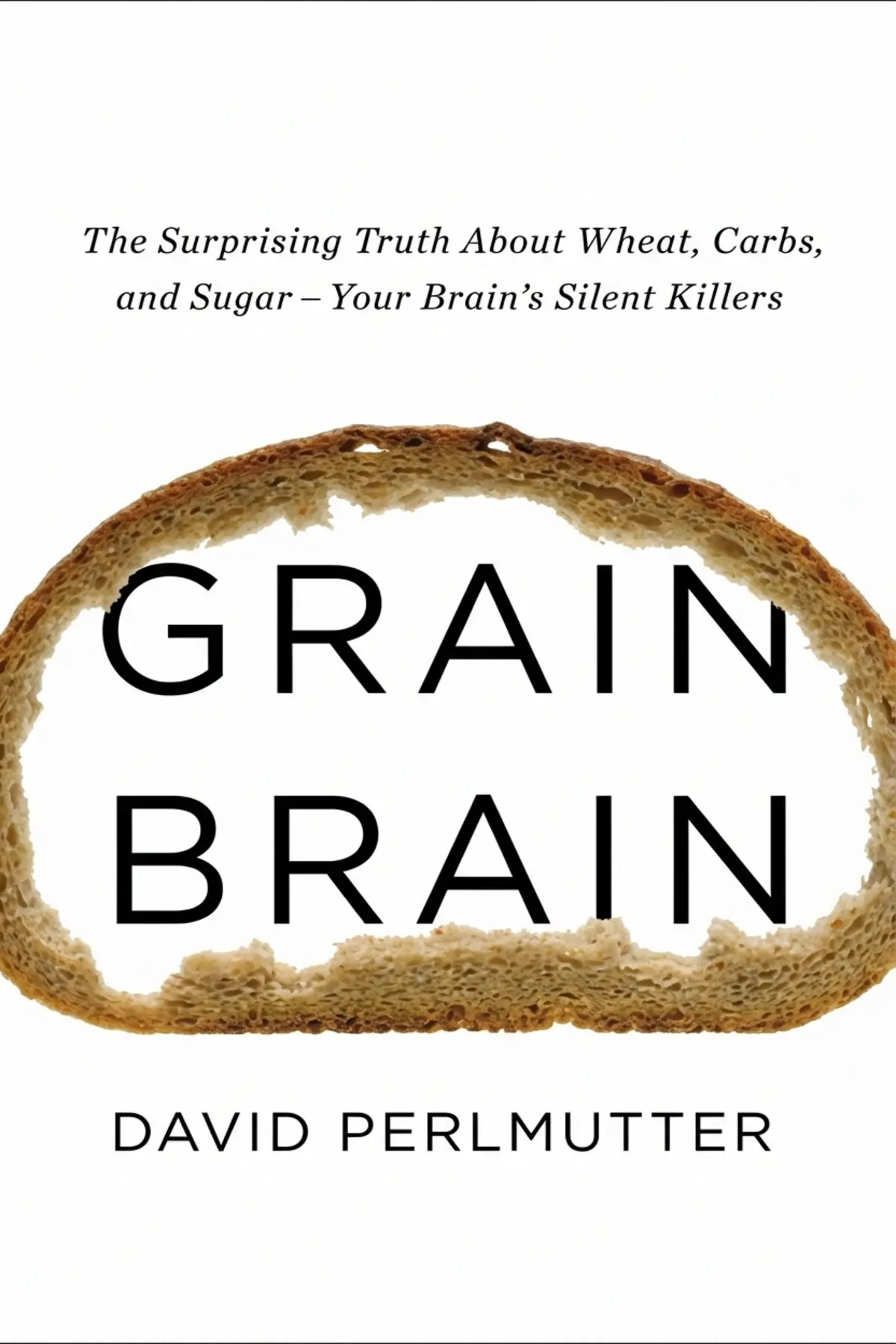
For decades, dietary guidelines have emphasized the importance of whole grains while demonizing fats. In this provocative exploration of neurology and nutrition, the narrative challenges these long-held beliefs by revealing the devastating impact that carbohydrates, sugar, and gluten have on the human brain. The core premise is that the modern diet is driving a silent epidemic of inflammation, which serves as the root cause for many of our most feared neurological conditions, including Alzheimer’s, chronic headaches, and depression. Through a combination of evolutionary biology and clinical observations, the book explains why our brains are actually designed to thrive on a high-fat, low-carb regimen. It provides a roadmap for readers to take control of their cognitive destiny by understanding the biological mechanisms behind neurogenesis—the brain's ability to grow new cells—and the ways in which lifestyle factors like sleep, exercise, and intermittent fasting can safeguard our most vital organ. The promise is simple but profound: by altering what we put on our plates, we can not only prevent future decay but also enhance our current mental performance and emotional well-being.
David Perlmutter is a neurologist, writer and the president of the Perlmutter Health Center. He contributes regularly to the Huffington Post, the Daily Beast and Mind Body Green. Grain Brain is his first New York Times bestseller.
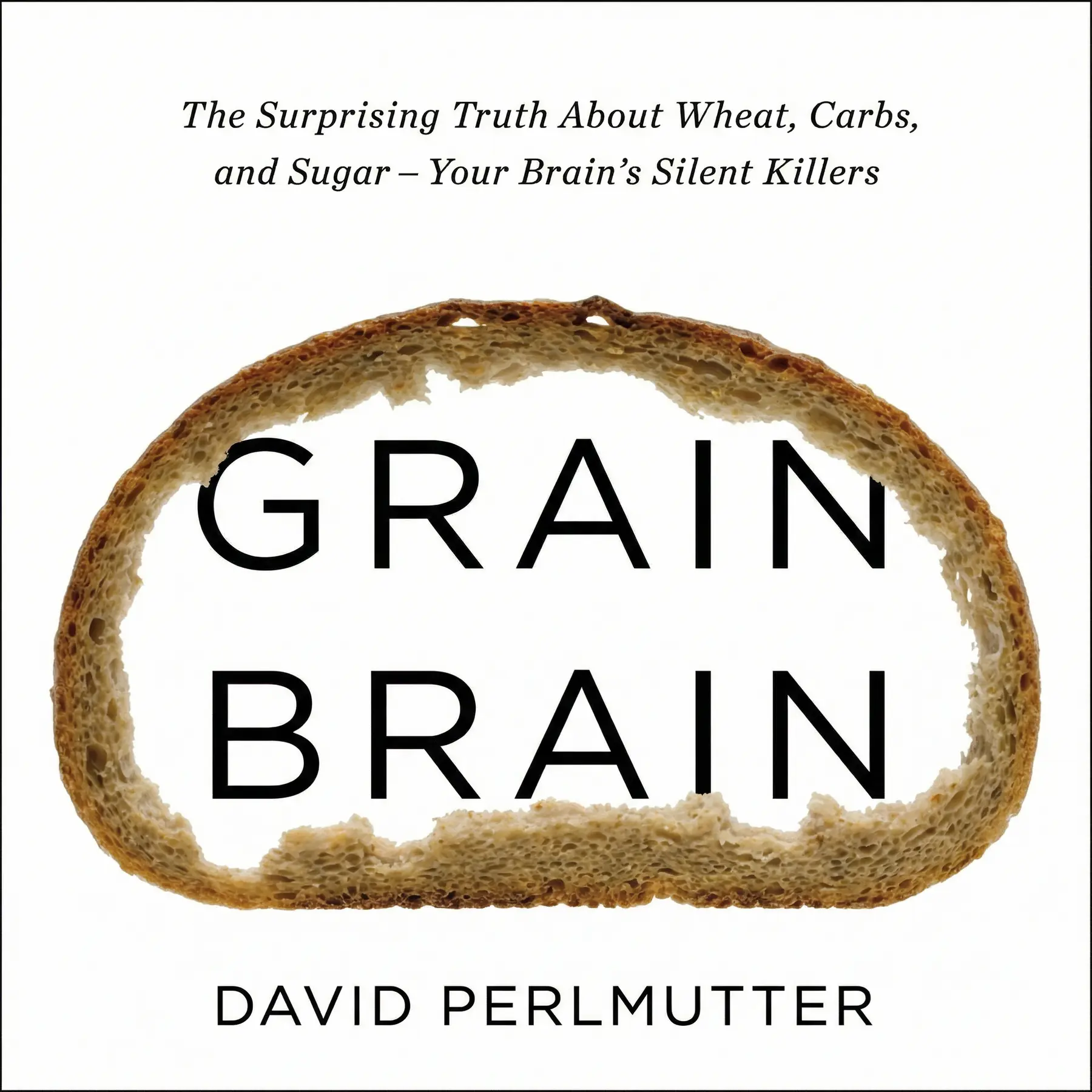
Listeners find this work to be scientifically credible and extensively researched, written by a neurologist in accessible language. They value its readability and see it as a vital resource for health-minded people, with one listener stating it outshines most lifestyle or diet books. The work is commended for its insights into cognitive health, clarifying the relationship between nutrition and brain performance for listeners, including one listener who says it transformed their life and health.
After hearing about the link between gluten and neurological issues for years, I finally grabbed this copy and it’s a total game-changer. Dr. Perlmutter is a neurologist who actually knows how to communicate complex science in layman’s terms without sounding condescending. I’ve been struggling with brain fog and chronic fatigue for ages, and seeing the breakdown of how high-carb diets trigger inflammation was the wake-up call I needed. Frankly, the information on how sugar and grains affect insulin regulation is worth the price of the book alone. It is well-researched and provides a practical roadmap for anyone who actually values their long-term brain health over short-term cravings. This isn't just another fad diet; it's a manual for protecting your mind from dementia and decline. I highly recommend it to everyone I know.
Show moreWow, I never realized how much my daily bread was affecting my mental clarity until I dove into these chapters. As a neurologist, Perlmutter brings a level of authority that most diet books lack, making the connection between gut health and brain function feel undeniable. The way he explains the 'Grain Brain' phenomenon is both accessible and scientifically sound, catering to those of us who aren't medical professionals but still want the facts. I’ve followed his advice on increasing healthy fats and cutting refined carbs for three weeks now, and the difference in my focus is night and day. It’s rare to find a book that actually changes your life and health simultaneously, but this one did it for me. It’s easily better than most lifestyle books on the market today.
Show moreFinally got around to reading this after seeing it on the bestseller list for so long, and I regret waiting. The book is remarkably well-researched and presents a clear case for why our current high-carb, low-fat guidelines are failing us. Perlmutter explains the biological impact of gluten and sugar on the brain in a way that is easy to grasp but never feels 'dumbed down.' Personally, I appreciated the focus on preventative care and how we can take control of our neurological destiny through simple dietary shifts. The transition from a carb-heavy diet was tough for the first week, but I feel more energized and less anxious than I have in years. If you value your cognitive longevity, this is essential reading. It’s a powerful tool for anyone wanting to avoid the path toward chronic illness.
Show moreDirect and provocative, Grain Brain is the kind of book that makes you question everything you thought you knew about 'healthy' eating. Perlmutter’s expertise as a neurologist shines through in every chapter, providing a scientific foundation for his grain-free philosophy. I loved how he challenged the status quo regarding cholesterol; we’ve been told for so long that it’s the enemy, but he shows why our brains actually crave it. The book is written in a very readable style, making complex topics like glycation and cytokine production easy to understand. It’s a life-changing read that provides both the 'why' and the 'how' for total body health. Don't let the critics scare you off—the science here is worth your time.
Show morePerlmutter provides a fascinating, if slightly terrifying, look at how our modern diet might be wired to fail our brains. The central argument—that gluten and carbs are the silent killers of our cognitive function—is backed by plenty of citations, though some do seem to rely heavily on personal patient testimonials. I appreciated the sections on healthy fats and cholesterol, which helped debunk the low-fat myths I grew up believing. However, the middle section gets a bit bloated with 'miracle' stories that feel a bit like a late-night infomercial. Look, I’m not ready to go 100% grain-free yet, but this book definitely changed how I view my morning bagel. It’s a must-read for the health-conscious, even if you have to take the more extreme claims with a small grain of salt.
Show moreAs someone who has watched family members struggle with dementia, this book was a sobering but necessary read. The focus on how nutrition affects brain function rather than just weight loss is a refreshing change of pace for the health genre. I found the chapters on leptin regulation and the importance of cholesterol for nerve cells to be the highlights of the work. My only real gripe is that it turns into a standard diet book halfway through, complete with meal plans that feel a bit restrictive for the average person. Still, the core message about systemic inflammation is too important to ignore. It’s scary stuff, but knowledge is power when it comes to longevity. I’m definitely cutting back on the processed grains after finishing this.
Show moreThe chapter on the ancestral diet really opened my eyes to how far we've strayed from what our bodies actually evolved to consume. While I found the author’s tone a bit melodramatic at times—claiming grains are 'silently destroying your brain' is a lot to take in—the underlying message about sugar and inflammation is solid. In my experience, the advice on intermittent fasting and restful sleep was just as valuable as the dietary tips. I do think he overstates the case against whole grains a bit, as not everyone is equally sensitive to gluten, but the results for my own brain fog have been hard to argue with. It’s a solid 4-star read that offers a lot of practical value if you can look past the occasionally preachy style.
Show moreTruth is, I have a love-hate relationship with this book. On one hand, the science regarding insulin resistance and its role in Alzheimer’s is incredibly compelling and well-written. On the other hand, the author's tone can be incredibly dogmatic, leaving very little room for individual metabolic differences. He paints with a very broad brush, implying that everyone is gluten-sensitive and that whole grains have no place in a healthy diet, which contradicts a lot of other reputable research. I found the recipes in the back helpful, but the sheer volume of supplements he recommends felt a bit overwhelming and expensive. It’s a good starting point for understanding brain health, but I wouldn't treat it as the absolute gospel of nutrition. Read it for the insights, but stay skeptical of the sensationalism.
Show moreIs it just me, or does every health book lately feel like a cult manifesto? I tried to keep an open mind, but being told that a mere 60 grams of carbohydrates a day is the limit for human health feels more like a prison sentence than a lifestyle. Perlmutter makes some bold claims about gluten being the root of everything from ADHD to Tourette’s, yet the evidence often feels like cherry-picked anecdotes rather than robust science. To be fair, the discussion on systemic inflammation is interesting, but the leap to 'grains are destroying your brain' is too melodramatic for me. I wanted a nuanced look at nutrition, not a book that treats a slice of bread like a hand grenade. If you enjoy being scared out of your pantry, go for it, but I’ll keep my oats and my sanity for now.
Show moreGotta say, I'm pretty tired of being told that every human ailment can be cured by cutting out a single food group. This book is loaded with false hope, suggesting that dropping gluten will magically fix everything from autism to arthritis. While I don't dispute that we eat too much sugar, the author’s claim that our paleo ancestors lived on 75% fat is scientifically questionable at best. Where were they getting all this rendered fat without modern processing? Most of the data comes from personal anecdotes like 'Bob felt better after six months,' which isn't exactly rigorous clinical proof. It feels like sensationalist quackery wrapped in a white lab coat. If you’re looking for a balanced view on nutrition, this one-sided exposure isn't going to give it to you.
Show more



AUDIO SUMMARY AVAILABLE
Get the key ideas from Grain Brain by David Perlmutter, plus 5,000+ more titles in English and Thai.