
Beyond Good and Evil
Friedrich Nietzsche
Friedrich Nietzsche explores the essential tension between order and chaos, using ancient Greek tragedy to reveal how balancing rationality with primal passion creates a more profound and authentic human experience.
52 sec
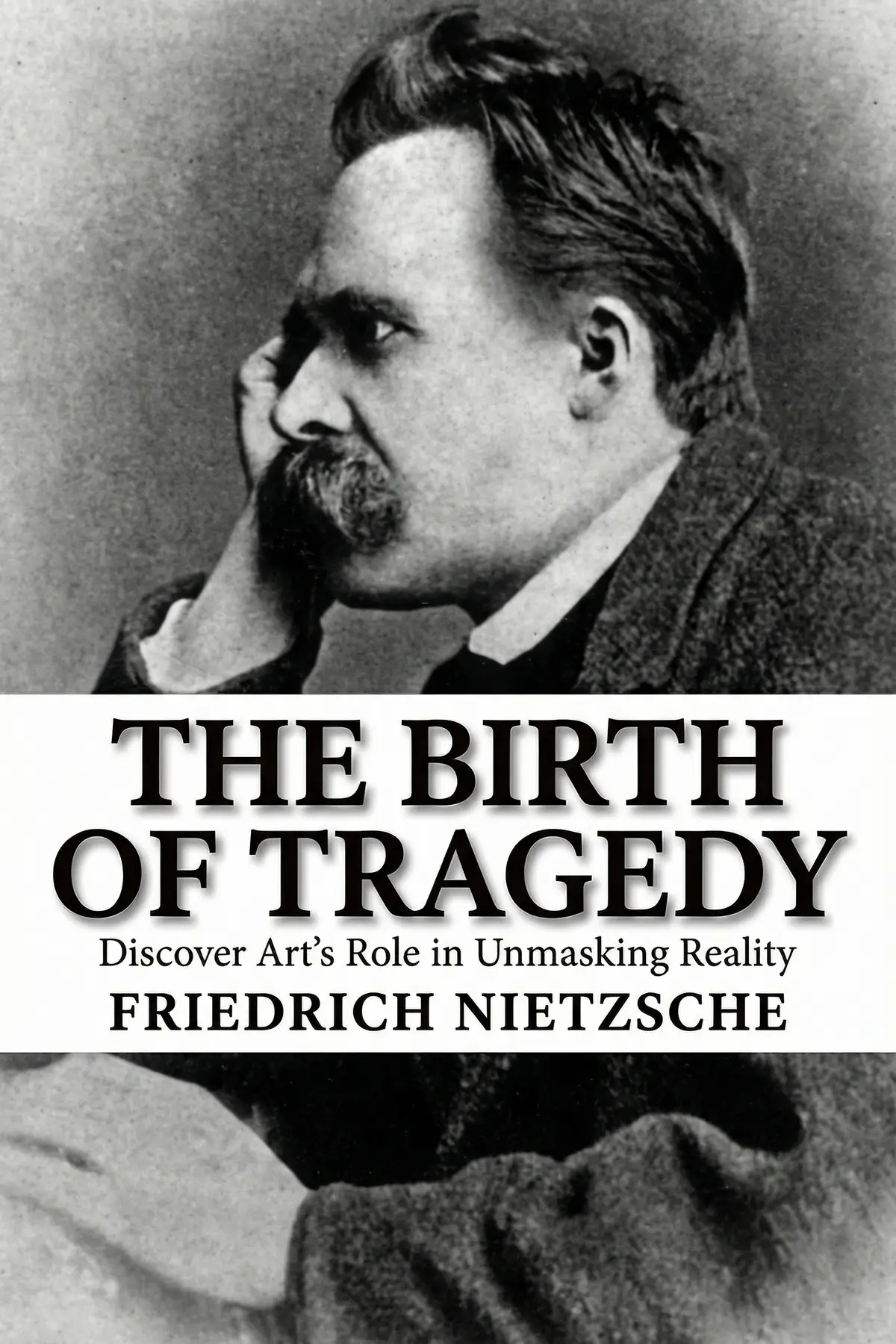
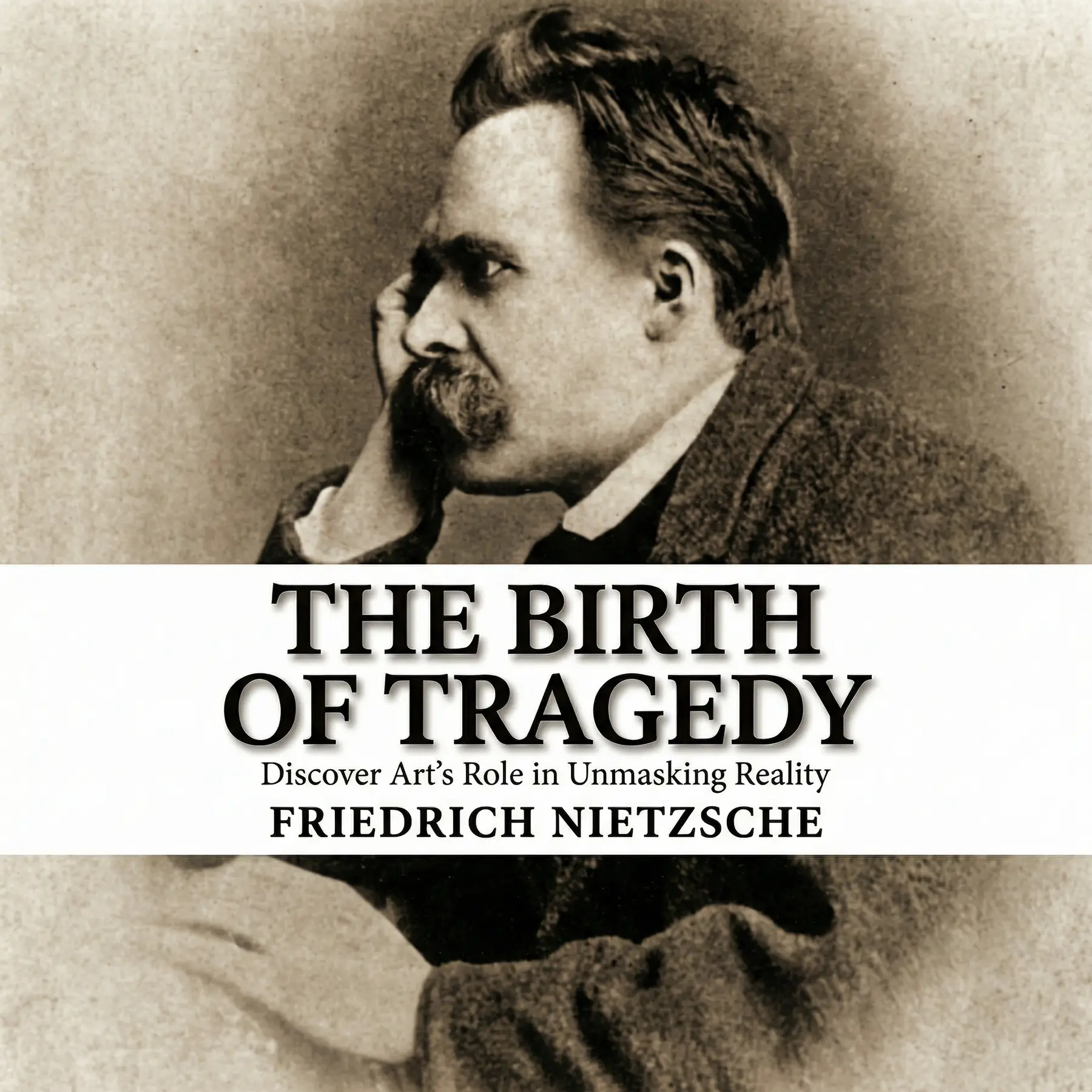
In 1872, a young Friedrich Nietzsche released a work that would change the way we look at art and culture forever. This wasn’t just a dry academic study of ancient plays; it was a profound investigation into the human soul. The Birth of Tragedy explores the idea that life is defined by a constant tug-of-war between two opposing forces.
Nietzsche looked back at the Golden Age of Greece to find out why their art felt so alive and powerful compared to the rigid, overly intellectual culture of his own time. He believed that the Greeks had discovered a secret balance that allowed them to face the darkness of existence without losing their way. By understanding the two symbolic gods that drive human creativity, we can learn to live a more vibrant and honest life today. Let’s look at the throughline of this philosophical masterpiece.
1 min 27 sec
Discover the two internal forces that shape every creative act and human experience, from the desire for perfect order to the hunger for primal connection.
1 min 15 sec
Learn how ancient plays achieved a rare balance of logic and raw emotion, using a famous king’s story to illustrate the power of combining opposites.
1 min 31 sec
See why a life focused only on reason leads to stagnation and how a modern artist’s struggle mirrors the ancient need for both discipline and chaos.
40 sec
Friedrich Nietzsche’s message in The Birth of Tragedy is a timeless call to action. He shows us that a fulfilling life isn’t about choosing between order and chaos, but about finding the courage to dance between them. By looking at how the Greeks balanced the light of Apollo with the shadows of Dionysus, we see that the most profound beauty often comes from our deepest struggles. Don’t be afraid of the unpredictability of your emotions or the challenges you face. Instead, use your reason to give them shape, and use your passion to give them life. Embrace the whole of your journey, and you will find a richness that logic alone can never provide.
What is the true purpose of art? In this exploration of Friedrich Nietzsche's classic work, we dive into the heart of Greek culture to find an answer that goes far beyond the theater. The book presents a world divided between two powerful forces: the Apollonian and the Dionysian. One represents the light of reason, individuality, and structured beauty, while the other embodies the dark, swirling depths of emotion, collective unity, and chaotic passion. By examining how the Greeks merged these opposites into the art form of tragedy, we discover a roadmap for living a fuller life. Nietzsche argues that modern society has become overly focused on logic and order, losing touch with the raw, vital energy that makes existence meaningful. This summary promises to show you why embracing the difficult, unpredictable parts of life is not a mistake but a necessity. You will learn to see the balance between structure and spontaneity, and how to harness both to navigate the challenges of your own journey. It’s a call to move past a surface-level existence and find the beauty in the struggle.
Friedrich Nietzsche was a nineteenth-century German philosopher and classical philologist. Recognized primarily for his scathing critiques of established religion and traditional morality, his radical ideas have significantly shaped modern intellectual history and continue to influence thinkers across many different disciplines.
Friedrich Nietzsche
Friedrich Nietzsche
Friedrich Nietzsche
Friedrich Nietzsche
Friedrich Nietzsche
Listeners find the author’s vibrant and fervent prose to be a standout feature of this masterpiece, although opinions differ on its intricate and non-linear arrangement. Moreover, listeners appreciate the study of the Apollonian and Dionysian duality as a profound framework for understanding artistic expression and the human mind. They also value the work as a perceptive look at Greek culture, with one listener observing that it is a "powerful" text that stays fresh long after reading. The author's unique stylistic approach is frequently noted, while another listener highlights how the content successfully encourages "inner exploration."
Few debut works carry the sheer, unbridled intellectual weight found here. Nietzsche’s exploration of the Apollonian and Dionysian forces is not just a study of Greek theatre; it is a psychological map for humanity. He pits the orderly, dream-like clarity of Apollo against the chaotic, primal intoxication of Dionysus, suggesting that true greatness emerges only when these opposites collide. To be fair, the prose is incredibly dense and at times veers into a poetic frenzy that defies traditional logic. However, that is exactly what makes it so rewarding for the patient reader. It’s a vivid, passionate defense of art as the only thing that makes existence endurable. While his later dismissal of this 'youthful' work is well-known, the core ideas regarding the 'spirit of music' remain foundational. This is essential reading for anyone trying to understand why we need stories to shield us from the void.
Show moreNietzsche doesn't just write books; he carves spaces into your psyche. Reading 'The Birth of Tragedy' felt like witnessing a storm of ideas that fundamentally changed how I view art. The way he describes the Dionysian state—that ecstatic, self-forgetting unity with nature—is nothing short of transformative. Frankly, I didn't care that the history was a bit shaky because the emotional truth resonated so deeply. He argues that art isn't just a hobby but a 'metaphysical activity' that saves us from the horror of being. This book encouraged a level of inner exploration I haven't found in modern psychology. The duality of order and chaos he presents is a perfect lens for looking at our own internal struggles. It’s bold, reckless, and absolutely brilliant.
Show morePicked this up on a whim and ended up highlighting almost every other page. Nietzsche’s stylistic flair is undeniable; he writes with a passion that is rare in philosophy. This isn't just an academic exercise; it's an invitation to a deeper kind of self-reflection. The concept of the 'principium individuationis' and how it breaks down in the face of Dionysian music really clicked for me. Not gonna lie, some of the Socratic sections were a bit heavy, but the overall message of saying 'yes' to life in all its complexity is so empowering. It’s a vivid journey into the heart of Greek culture that feels surprisingly relevant to our own fractured, overly-rationalized world. Truly a masterpiece of modern thought.
Show moreAfter hearing so much about Nietzsche's later 'madness,' it was refreshing to read his younger, more hopeful self. In this book, he searches for a 'great health' that can only be found by balancing the orderly Apollo with the wild Dionysus. He views Greek tragedy not as a sad ending, but as a way to celebrate the abundance of life despite its inherent suffering. The language is incredibly vivid, pushing the reader toward a profound inner exploration. Personally, I think his critique of our modern obsession with 'truth' and 'logic' is more relevant today than ever. While the structure is a bit chaotic, it reflects the very Dionysian energy he champions. It’s a powerful, visionary text that demands to be felt as much as it is understood.
Show moreFinally got around to this classic after seeing that 'without music' quote everywhere. I wasn't prepared for how much Nietzsche actually obsesses over the Greeks and Wagner! The language is strikingly beautiful—vivid and almost musical itself—but I’ll admit I got lost in the non-linear structure more than once. The truth is, I found the section on the death of tragedy through Socratic rationalism a bit hard to swallow at first. It felt like he was blaming logic for ruining all the fun. But the more I sat with it, the more I appreciated his call for inner exploration and a return to myth. It’s a powerful text that sticks with you long after you close the cover. Not an easy beach read, for sure, but definitely a journey into the soul.
Show moreWow. That is the only word for the sheer force of Nietzsche's early prose. While he later critiqued his own 'idealistic' tone, there is a fire here that makes the text feel incredibly alive. The central concept—that tragedy allows us to peek into the abyss while keeping our sanity—is a profound realization. Personally, I found the distinction between the 'plastic' arts of Apollo and the musical energy of Dionysus to be the most helpful part of the book. It gives you a new vocabulary for the tension between our desire for order and our need for release. Some parts are definitely a slog, especially the deep dives into 19th-century German aesthetics, but the payoff is worth the effort.
Show moreEver wonder why certain plays or songs leave you feeling both devastated and strangely alive? This book provides the answer through the lens of tragic affirmation. Nietzsche presents a world where suffering is inevitable, but art transfigures that pain into something beautiful. I loved the exploration of the Greek chorus as a bridge between the audience and the primordial unity of nature. To be fair, the text is quite demanding and requires a basic grasp of Schopenhauer to fully appreciate. The non-linear structure can be a bit disorienting, and his dismissal of Euripides felt a tad harsh. Still, the overarching theme of art as a shield against the 'dreadful reality' of chaos is incredibly compelling. It’s a dense, passionate work that rewards a slow, careful reading.
Show moreAs someone who appreciates clear, concise philosophy, this was a bit of a nightmare. Look, I get that Nietzsche is a literary stylist, but the flowery language often obscures the actual argument. He spends way too much time fanboying over Richard Wagner, which feels dated and self-indulgent in retrospect. The dichotomy between the rational and the irrational is a fascinating framework, yet it gets buried under layers of academic posturing and circular reasoning. I struggled to stay engaged during the middle chapters where the focus shifts heavily toward German culture rather than the promised Greek tragedy. It’s an interesting historical artifact for understanding his intellectual development, but I wouldn't call it his best work. It lacks the sharp, aphoristic bite of his later years.
Show moreThe chapter on the Apollonian and Dionysian duality is worth the price of admission alone, but the rest of the book is a mixed bag. Nietzsche is clearly a brilliant stylist, yet his enthusiasm often gets the better of his arguments. Frankly, his transition from discussing Greek drama to praising Wagner felt forced and overly patriotic. I appreciated the insight into how Socratic rationalism shifted Western thought from 'mythos' to 'logos,' but the delivery was quite repetitive. The book is definitely non-linear, which makes it hard to use as a reference. If you are looking for a rigorous historical analysis of tragedy, you might be disappointed. However, if you want a passionate exploration of the human psyche, there are some real gems hidden in this dense text.
Show moreIs it just me, or is this book completely incoherent? I picked this up expecting a scholarly look at Sophocles and Aeschylus, but instead, I got a 200-page rant about how Socrates ruined everything with his 'logic.' Nietzsche’s writing is definitely vivid, but in the same way a fever dream is vivid. It’s non-linear, messy, and leans way too heavily on abstract metaphors that never quite land. Gotta say, the constant back-and-forth between Apollonian dreams and Dionysian orgies became repetitive after the third chapter. I appreciate the influence this had on later thinkers, but as a standalone read, it’s frustratingly vague. If you want a clear understanding of Greek culture, look elsewhere. This is more of a poetic manifesto than a structured philosophical inquiry.
Show more
Nigel Warburton
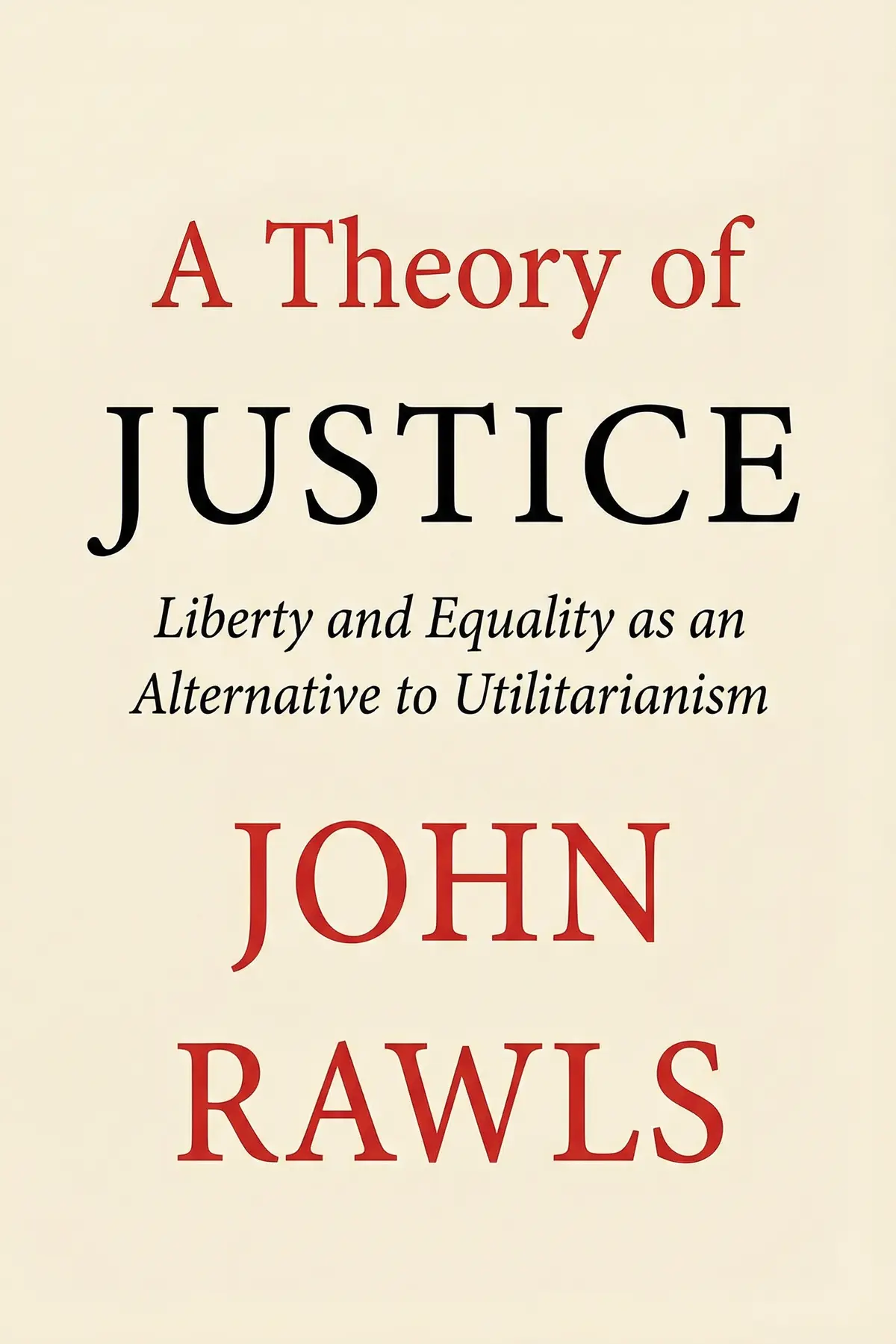
John Rawls
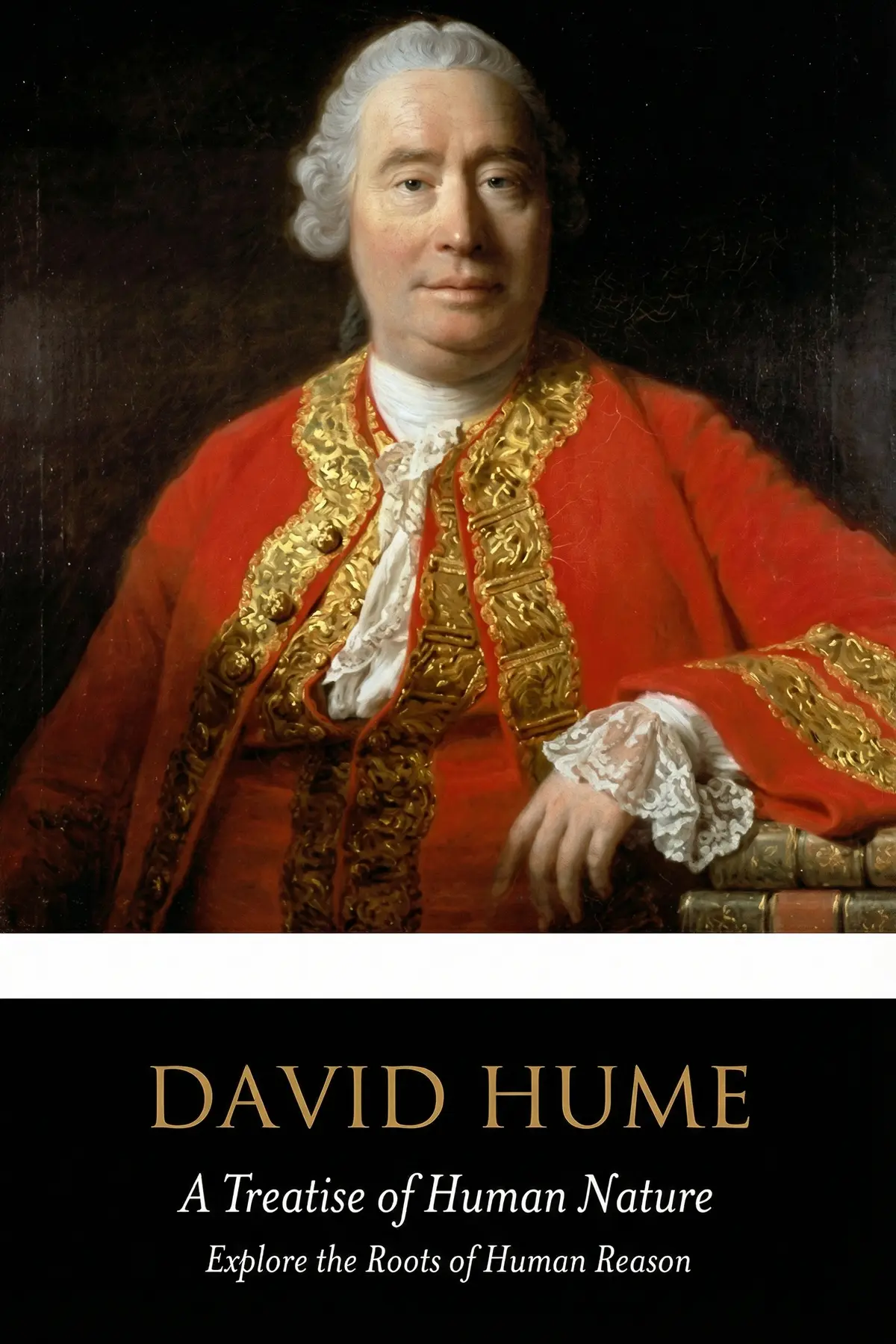
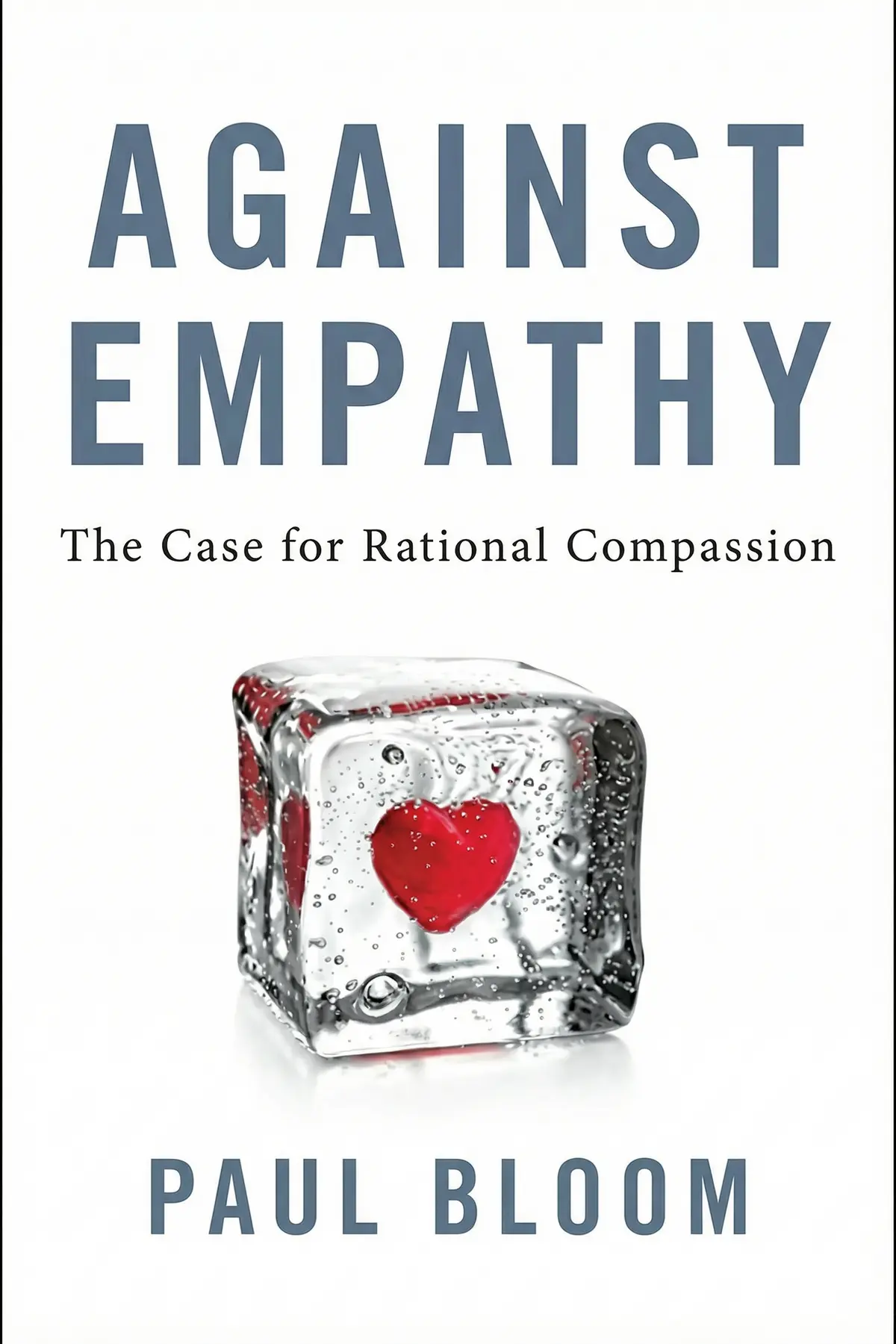
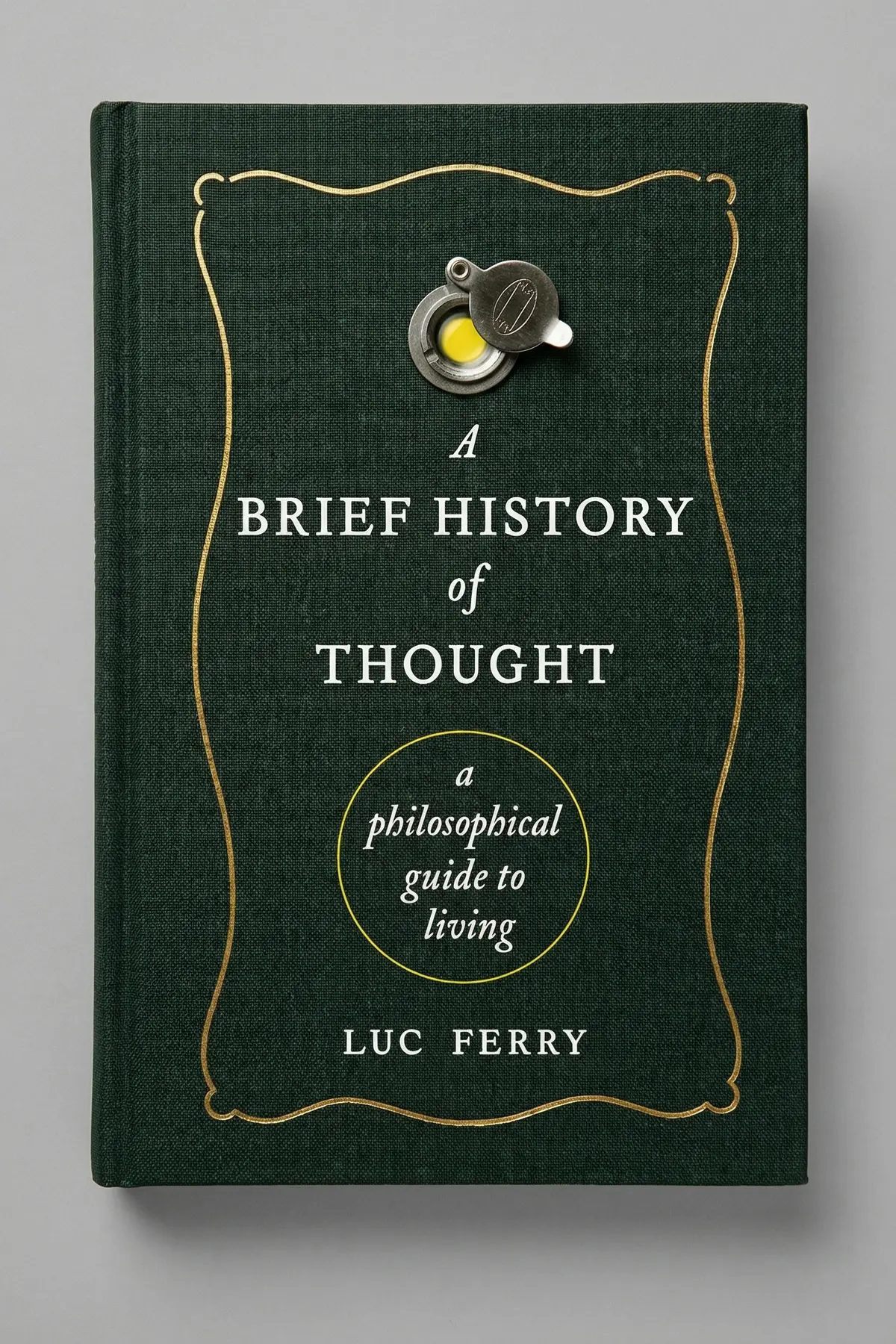
William B. Irvine
Friedrich Nietzsche
AUDIO SUMMARY AVAILABLE
Get the key ideas from The Birth of Tragedy by Friedrich Nietzsche, plus 5,000+ more titles in English and Thai.







