
19 min 55 sec
Energy: A Beginner's Guide
By Vaclav Smil
A deep dive into the fundamental force that powers our universe, from the movement of tectonic plates to the rise of global civilizations and the complex challenges of modern sustainability.
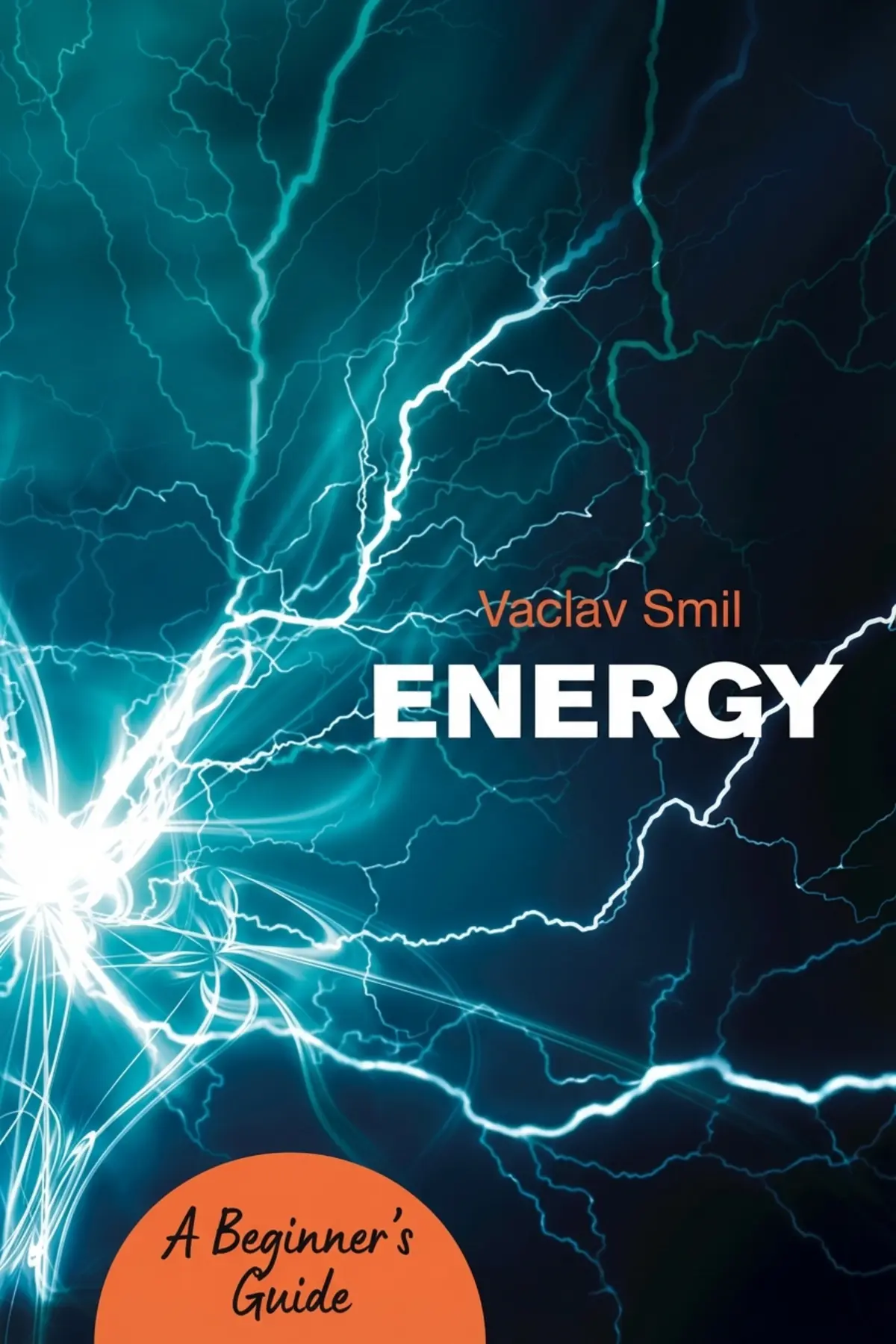
Table of Content
1. Introduction
1 min 44 sec
When we hear the word energy, our minds often jump to very different places. For some, it is the physical sensation of vitality we feel after a restful night or a quick snack. For others, it is a technical term from a high school physics textbook, associated with abstract laws and mathematical formulas. Yet energy is far more than a feeling or a classroom concept; it is the fundamental driver of every process in the known universe. From the smallest bacteria to the largest industrial cities, nothing happens without a transfer of power.
Throughout our history as a species, our progress has been defined by our ability to find, capture, and use new sources of energy. Every leap in our evolution—from the development of sophisticated hunting tools to the tilling of fields with livestock and the eventual combustion of fossil fuels—has been a story of energy expansion. This mastery has allowed us to build the modern world, improving our quality of life and creating technologies that would have seemed like magic to our ancestors.
However, this incredible journey has brought us to a crossroads. Our current appetite for power is so massive that it threatens the very systems that sustain life on Earth. As we look toward the future, the challenge is not just about finding more energy, but about finding it in a way that does not destroy our environment. In this exploration, we will demystify what energy actually is, see how it has shaped our biology and our history, and look at the realistic paths we might take to ensure a sustainable future for the generations to come.
2. Defining the Essence of Energy
2 min 17 sec
Discover why energy is less about a mystical force and more about the fundamental capacity to create change through motion and work.
3. The Planetary Engine of Sun and Earth
2 min 25 sec
Explore how the perfect balance of solar radiation and the Earth’s internal heat created the unique conditions necessary for life.
4. Energy as the Currency of Life
2 min 32 sec
Learn how every living creature, from microscopic bacteria to the fastest predators, is shaped by its energy needs.
5. The Evolution of Human Power
2 min 12 sec
Trace the history of human progress from the simple strength of muscle to the first machines that transformed society.
6. The High Cost of Fossil Fuel Dependency
2 min 21 sec
Analyze our modern reliance on ancient stores of solar energy and the hidden dangers this dependency creates for our future.
7. The Global Web of Energy and Daily Life
2 min 11 sec
Understand how the energy needed to power your phone or heat your home is tied to a complex and fragile global network.
8. A Realistic Look at Our Energy Future
2 min 20 sec
Examine the potential and the limitations of nuclear power, renewables, and new technologies in the quest for a sustainable world.
9. Conclusion
1 min 53 sec
The story of energy is the story of everything. It is the invisible thread that connects the birth of stars to the food on our plates and the gadgets in our pockets. As we have seen, energy is not a static resource but a constant process of transformation. It has shaped the very ground we stand on and dictated the survival strategies of every species that has ever lived. For humans, energy has been the ladder of our advancement, taking us from the humble beginnings of foragers to the heights of a globalized, technological civilization.
However, we are now living through a period of profound transition. We have spent the last two centuries building a world fueled by the buried sunlight of the distant past, and we are now facing the environmental and social consequences of that choice. The challenges ahead are daunting. We must find ways to provide for a growing global population while drastically reducing our impact on the Earth’s delicate climate. This will require a mix of realism and innovation. We must embrace more efficient versions of our current technologies, expand our use of nuclear and renewable power, and perhaps discover entirely new ways of harnessing the elements.
In the end, our success will depend on our understanding of energy as a finite and precious currency. We cannot take the flow of power for granted. By recognizing the intricate connections between our energy use, our environment, and our global politics, we can begin to make more informed choices. The journey toward a sustainable future is not just a technical challenge; it is a test of our collective wisdom and our ability to adapt to a changing world. If history is any guide, we have the ingenuity to power the next chapter of human progress—we just need to start building it today.
About this book
What is this book about?
Energy is the invisible currency of the universe, yet few of us truly understand its mechanics, history, or the precarious state of our current reliance on it. This summary provides a comprehensive overview of how energy functions across different scales—from the biological requirements of a single organism to the massive geological forces that shape our planet. It traces the evolution of human society through our ever-increasing ability to harness power, moving from the simple strength of human muscle to the complex, globalized systems of fossil fuels and electricity that define the twenty-first century. You will explore the delicate balance of solar radiation that keeps our climate habitable and the internal geothermal heat that drives the movement of continents. The narrative also examines the ethical and environmental implications of our energy choices, highlighting the tension between our technological progress and the health of the biosphere. By the end, you will gain a clear-eyed perspective on the potential for renewable sources and nuclear power to meet our future needs, offering a realistic look at the transitions required to sustain human civilization in an era of unprecedented demand.
Book Information
About the Author
Vaclav Smil
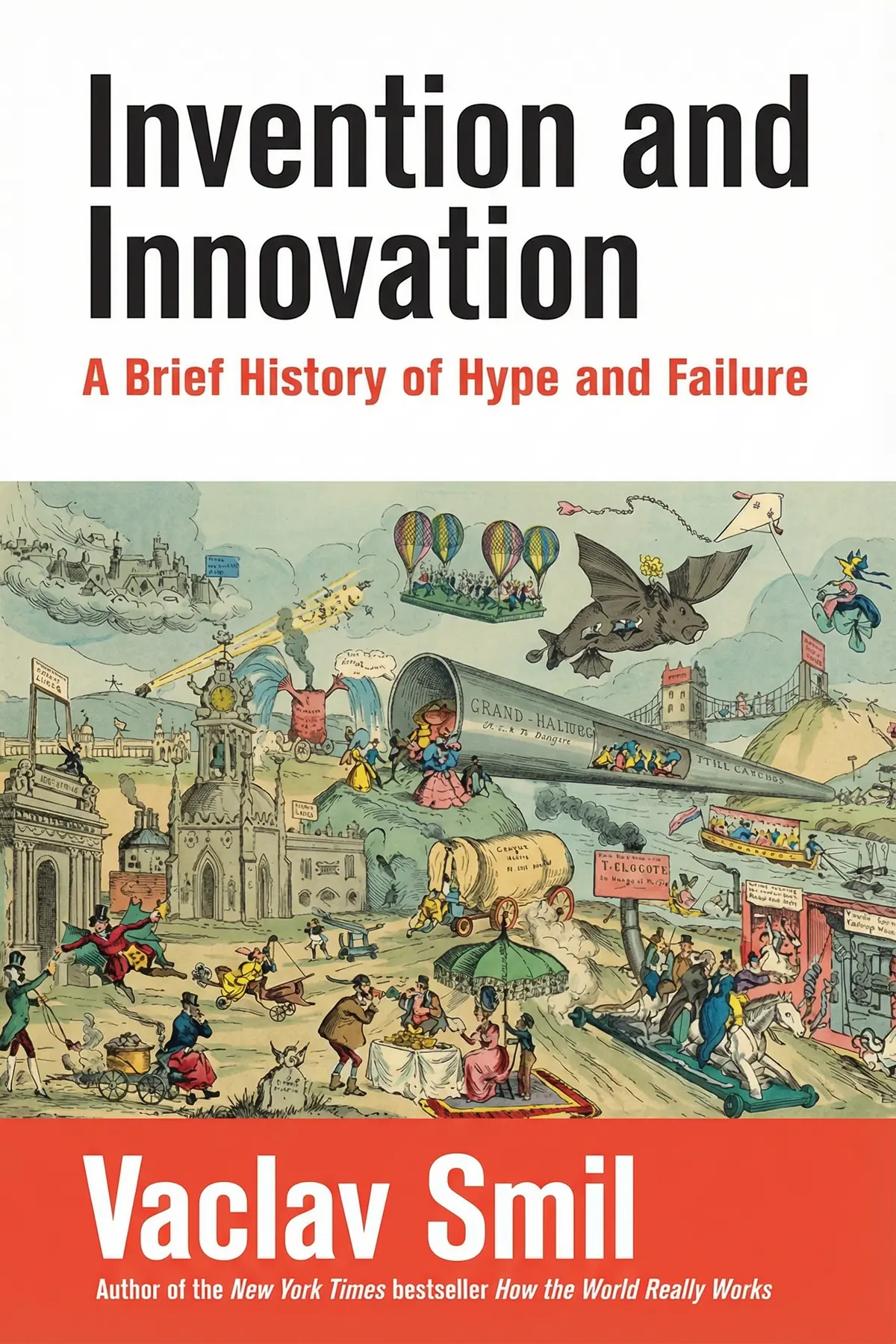
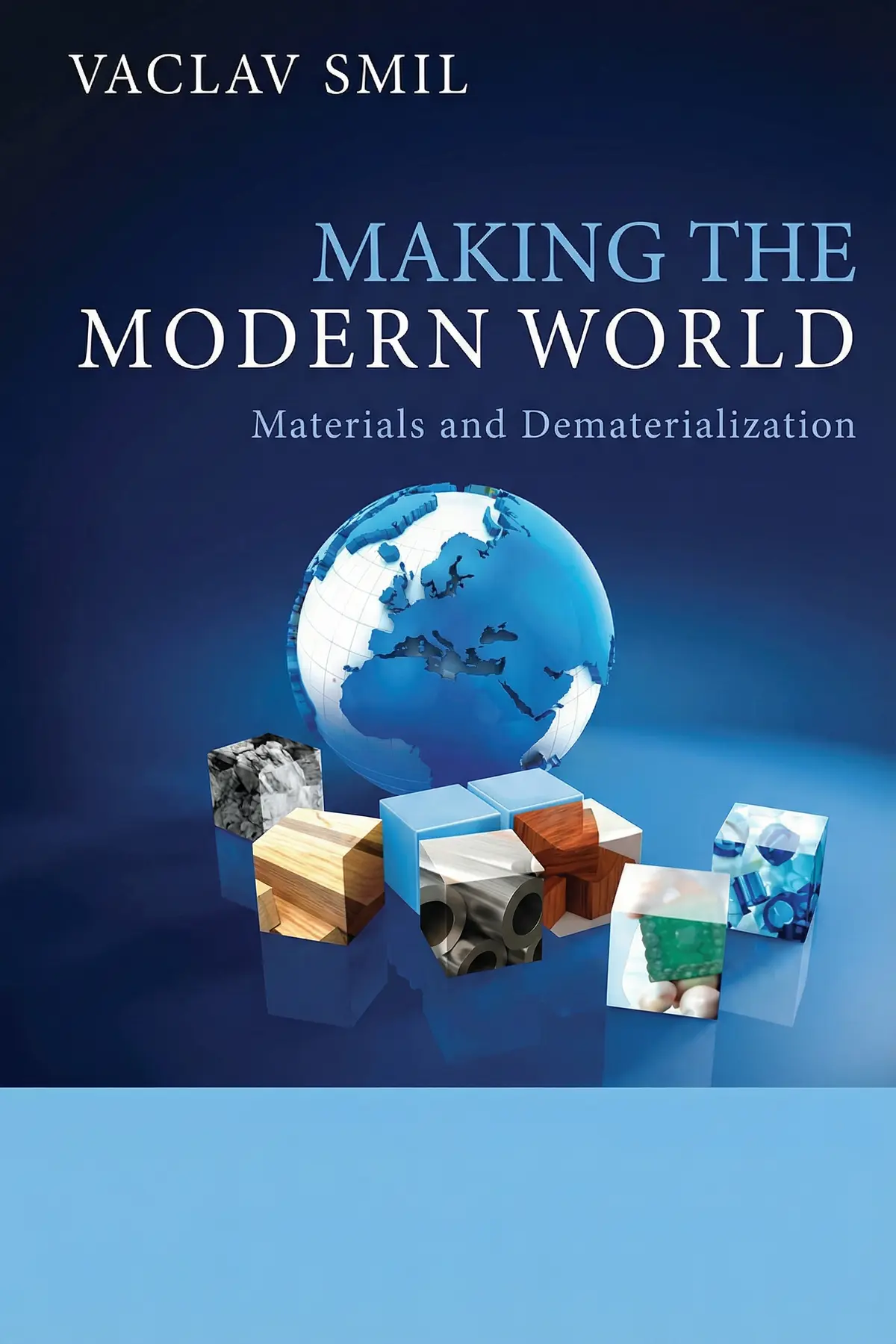
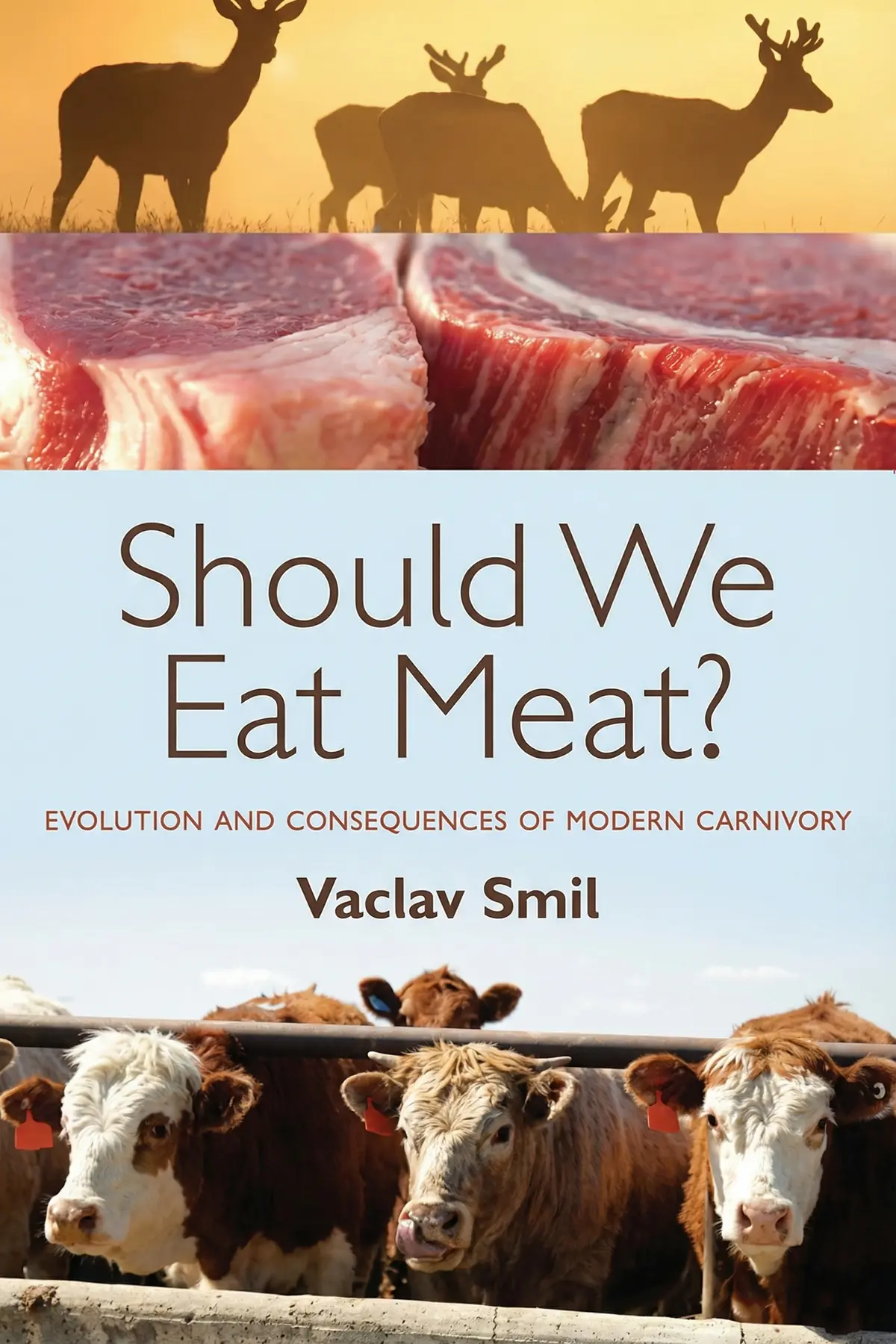
Vaclav Smil is a professor emeritus at the University of Manitoba, and has published over 400 papers and 35 books, including Making the Modern World and Should We Eat Meat. Alongside his extensive academic career, he has worked as a consultant for several different US, EU and international institutions.
Ratings & Reviews
Ratings at a glance
What people think
Listeners find the book highly informative and filled with thorough explanations, making it an excellent primer on the subject of energy. They also value the quality of the writing, its readable nature, and the purchase's value for money. The content is simple to use, and one listener specifically highlighted the inclusion of numerous helpful tables. However, opinions regarding its accessibility are varied; while some find it clear to follow, others feel it becomes tiresome due to an overabundance of specifics.
Top reviews
Emma
Finally got around to reading Smil’s overview and I must say it is a masterpiece of factual synthesis. He manages to tie together disparate topics like animal power, steam engines, and even the energy density of our food into one cohesive story of human progress. The book explains the leap from 1 billion to 6 billion people not just as a social change, but as an energetic one. I loved the intuitive refreshers on Newtons, Joules, and Watts because they grounded the grander theories in actual physics. Look, this isn't a fluffy read, but it’s remarkably readable if you actually want to understand the mechanics behind our standard of living. It's the perfect starting point for anyone who wants to move beyond headlines and understand the actual flow of power in our society.
Show morePracha
This is easily one of the most data-rich introductions to the physical world I have ever encountered. Smil doesn't waste time with fluff; he gets straight into the energy conversions that allow us to exist. I particularly appreciated the detailed tables regarding energy densities and engine efficiencies. It makes the transition from coal to hydrocarbons feel like an inevitable shift rather than just a historical accident. For a book about science, it is remarkably easy to use as a reference guide. Not gonna lie, some parts are technical, but he explains things like energy-mass equivalency and the laws of thermodynamics with surprising clarity. If you want to understand why our world looks the way it does, start here. It is an essential read for anyone interested in policy or history.
Show moreOtt
How did we get from wooden plows to deep-sea drilling? Smil answers this by looking at energy as the fundamental currency of our species. This book is a brilliant refresher on high-school physics that quickly evolves into a complex look at international standardized units and energy flows. I found the section on how fossil fuels created a feedback loop of industrial production and population growth to be absolutely eye-opening. We take our 230,000 kilocalories per day for granted, but Smil shows just how much infrastructure is required to maintain that standard. It’s a well-written, dense, and ultimately rewarding look at the invisible forces that drive our markets and our daily lives. Even though it's an older title, the core principles remain entirely relevant.
Show moreThida
If you're looking for a comprehensive primer on the physical forces that power our world, this is a solid choice. Vaclav Smil provides an incredibly informative overview that moves from basic thermodynamics to the complex energy flows of modern civilization. Personally, I found the chapter on the biosphere particularly enlightening because it connects solar radiation to human metabolic rates in a way that feels fresh. While the book claims to be a beginner's guide, be prepared for some heavy lifting. The information density is high, and you'll find yourself pausing to digest the numerous tables and data points provided. To be fair, it can feel a bit like a condensed textbook at times, but the value for money here is undeniable. It’s a well-written, if somewhat academic, exploration of how we transitioned from oxen and wood to steam and hydrocarbons.
Show moreSkylar
After hearing Bill Gates rave about Smil for years, I decided to start with this shorter volume. It's a fantastic introduction to how energy applications have shaped human history from the bottom up. The sections on nutrition and basal metabolic rates were surprisingly fascinating, linking human biology directly to industrial production. Smil does a great job illustrating how prime movers became more efficient over time, allowing us to escape the trap of subsistence farming. My only gripe is that it lacks connective tissue between the chapters. You’re often left to assemble the 'big picture' yourself from a mountain of facts and figures. Still, it's a high-information read that provides a perspective you just won't get from standard history books. Definitely worth it for the data alone.
Show morePetch
As someone who struggled through Smil’s more academic work like 'Energy and Civilization,' I found this to be a much more accessible entry point. It covers a vast range of topics without getting bogged down in the extreme depth of his larger tomes. You get a little bit of everything: from the way the sun heats the oceans to the way internal combustion engines revolutionized travel. To be fair, some readers might find the focus on 'human application' a bit limiting if they are looking for deep theoretical physics. This is a book about how we use energy, not a treatise on the Big Bang. The writing is occasionally stiff, but the sheer volume of useful background information makes up for the lack of literary flair.
Show moreCooper
Ever wonder why we are so much taller and healthier than our ancestors? Smil argues it all comes down to the capture and use of energy. This book provides a big picture outlook that few other authors can match, covering everything from photosynthesis to geothermal dams. It's a relatively short read but the information density is so high that it feels much longer. In my experience, the best way to approach this is as a reference work rather than a narrative. The tables are incredibly useful for visualizing the scale of our energy needs. While Smil’s tone can be a bit arrogant when he discusses non-scientific viewpoints, the quality of his research is top-notch. It’s a perfect starting point for anyone serious about energy policy.
Show morePim
The information density here is through the roof, which is both a blessing and a curse. Smil is clearly a master of his craft, but the writing style is incredibly dry and lacks much of a narrative thread to keep you engaged. I often felt like I was reading an abridged textbook rather than a popular science book intended for a general audience. The truth is, the book's 2006 publication date means it misses crucial recent developments like the massive surge in Tesla’s influence or the Fukushima disaster. I also found his disdain for non-scientific language a bit much; he spends way too much time mocking how people use 'energy' as a metaphor. It’s a useful reference with great tables, but it isn't exactly a page-turner for your weekend reading.
Show moreWittaya
Don't go into this expecting a treatise on quantum mechanics or the mysteries of the universe. Smil is focused on the practical, the measurable, and the historical. While the book is packed with detailed explanations of things like ATP and steam engines, it can get very tedious if you aren't a fan of raw data. The author has a habit of veering abruptly from his topic sentences, which makes the flow feel disjointed. Frankly, it felt like I was reading a collection of very high-quality encyclopedia entries rather than a unified book. It’s great for looking up specific energy services or historical production rates, but as a cover-to-cover read, it’s a bit of a grind. It’s a serviceable overview, but far from Smil's most engaging work.
Show moreAria
I really wanted to like this, but frankly, it reads like an instruction manual written by someone who hates metaphors. Smil’s discipline snobbism is on full display here, and he seems more interested in being technically correct than in being a compelling writer. The sentences are often clunky and require multiple readings just to parse the basic meaning. Why are there so many commas in places they don't belong? Beyond the prose, the book is starting to feel quite dated. Since this was written in 2006, there is no mention of the shale revolution or the current state of renewable energy tech. It’s a very unlovely guide to an important topic. If you aren't already a fan of dense, non-linear scientific writing, you will likely find this to be a tedious slog through minutiae.
Show moreReaders also enjoyed
Alien Earths: The New Science of Planet Hunting in the Cosmos
Lisa Kaltenegger

A Life Decoded: My Genome: My Life
J. Craig Venter
A Planet of Viruses
Carl Zimmer
AUDIO SUMMARY AVAILABLE
Listen to Energy in 15 minutes
Get the key ideas from Energy by Vaclav Smil, plus 5,000+ more titles in English and Thai.
- 5,000+ titles
- Listen as much as you want
- 7-day free trial
- Cancel anytime







