Energy: A Beginner's Guide
Vaclav Smil
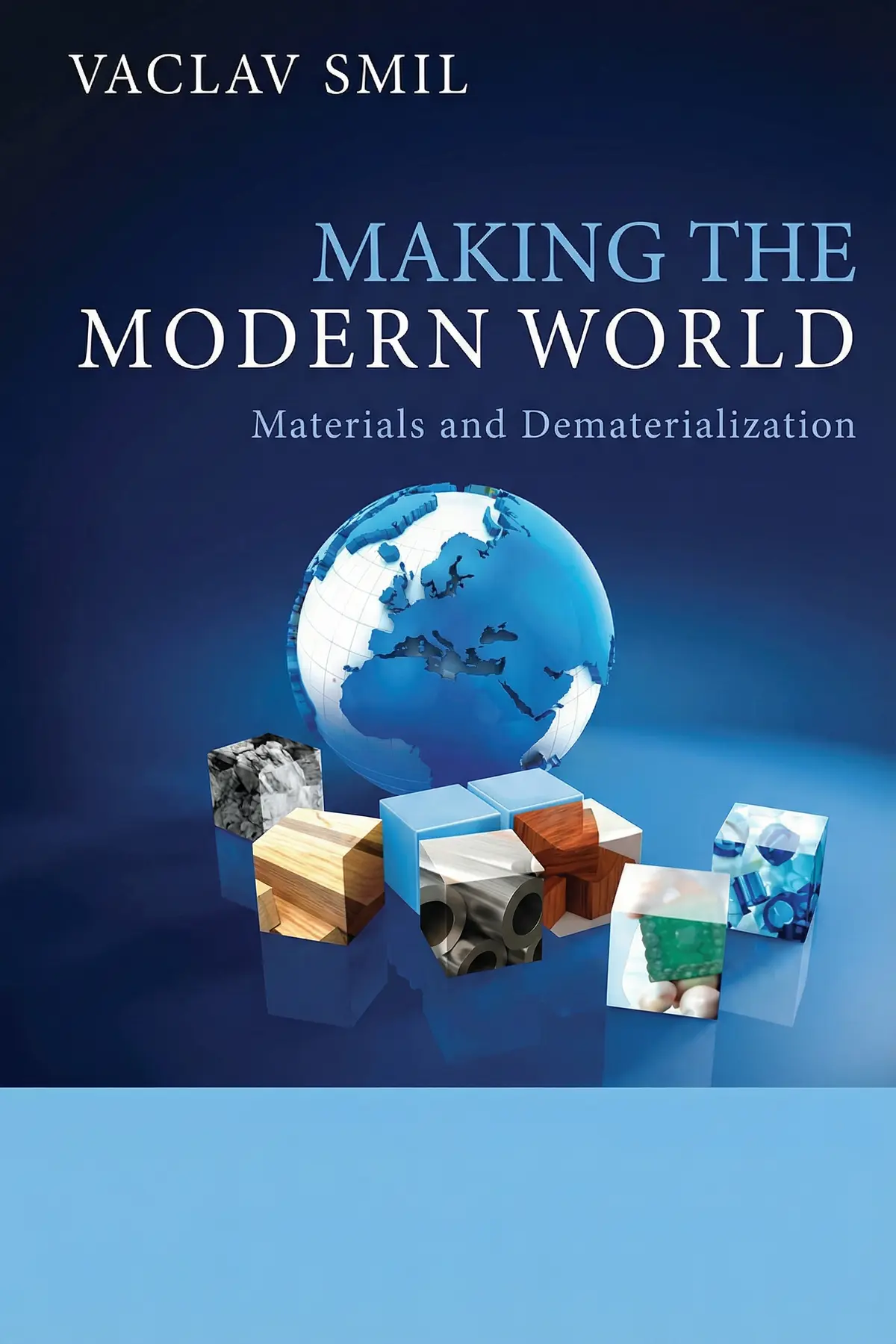
A comprehensive analysis of the physical substances that define our civilization, tracing the evolution of material use from prehistoric stone to modern silicon while examining the environmental consequences of our consumption habits.
1 min 46 sec
Think about the room you are standing in right now. Look at the walls, the furniture, the device in your hand, and even the clothes on your back. We are constantly surrounded by a staggering variety of materials, yet we rarely stop to consider where they come from or the incredible energy required to bring them into existence. We live in a world defined by its physical substances, yet many of us feel increasingly detached from the material reality of our lives. We talk about the ‘cloud’ and ‘digitalization’ as if our world is becoming weightless, but the truth is quite the opposite.
In this exploration of the physical foundation of our civilization, we are going to look at the massive shift in how humanity uses the resources of the Earth. We will see how we moved from a reliance on living things—like wood and bone—to a massive, industrial-scale dependence on extracted minerals, metals, and synthetic polymers. The throughline of this journey is simple but profound: every technological advancement we enjoy is rooted in a specific material innovation. From the stone tools of our ancestors to the silicon chips that power the internet, the story of human progress is the story of material mastery.
However, this mastery comes with a cost. As we dive into the data, we’ll uncover the environmental footprint of our material world and ask whether we can truly ‘dematerialize’ our lives, or if our hunger for more stuff is an inevitable part of the human journey. Prepare to change the way you look at the mundane objects around you, as we uncover the hidden history and the complex future of the substances that make the modern world possible.
2 min 41 sec
Understanding the world’s physical footprint requires looking beyond finished products to the hidden flows of raw extraction that define our modern economy.
2 min 30 sec
From the Stone Age to the Silicon Age, the evolution of human society can be traced through the specific materials we have mastered over millennia.
2 min 42 sec
Our current civilization rests on six specific categories of materials that work together to provide everything from our buildings to our high-tech devices.
2 min 18 sec
Tracking the life cycle of a single product reveals a web of global interdependence and highlights the growing importance of sustainable material management.
2 min 39 sec
While we strive for efficiency, the reality of ‘dematerialization’ often leads to a surprising rebound effect where we end up consuming more than ever.
2 min 24 sec
Despite fears of scarcity, the world has ample resources if we focus on better design, smarter waste management, and the development of next-generation materials.
1 min 43 sec
As we have seen, the modern world is not a digital mirage; it is a massive, complex, and deeply physical achievement. We have transitioned from a species that relied on the immediate gifts of nature to one that reshapes the very crust of the planet to suit its needs. From the steel in our skyscrapers to the invisible nitrogen in our fertilizers, every aspect of our lives is supported by a constant flow of materials.
However, the lessons from Vaclav Smil are clear: we cannot take this material foundation for granted. The ‘rebound effect’ shows us that efficiency alone isn’t enough to reduce our impact, and our ‘hidden flows’ remind us of the massive environmental cost of our extraction. To move forward sustainably, we must embrace a more sophisticated understanding of our material use. This means looking at the entire life cycle of the products we create, favoring materials with lower environmental footprints, and designing our goods so they can be easily recycled back into the system.
We are not running out of the raw building blocks of the Earth, but we are running out of excuses for wasting them. The challenge of the coming century is to maintain our high standard of living while dramatically reducing the ‘weight’ of our impact on the planet. By focusing on innovation, waste reduction, and a more conscious relationship with the physical objects around us, we can ensure that the story of human progress continues—not just through more stuff, but through better, smarter, and more sustainable materials. The next time you hold a piece of technology or walk across a concrete bridge, remember the incredible journey that material took to get there, and the responsibility we have to use it wisely.
Have you ever paused to consider the sheer mass of physical stuff that supports your daily life? From the concrete under your feet to the invisible gases used in industrial processing, our civilization is built upon a staggering array of materials. In this exploration, Vaclav Smil takes us on a journey through the history, production, and environmental impact of the substances that make our modern existence possible. This summary breaks down the transition from a world dominated by biomass—like wood and animal products—to one defined by the extraction of minerals, metals, and fossil fuels. It challenges the common misconception that we are moving toward a 'weightless' or dematerialized economy. Instead, it reveals the promise of modern innovation while highlighting the reality of our growing material dependence. You will learn about the complex global supply chains behind your electronics, the counterintuitive environmental costs of different materials, and the emerging technologies that might shape the next century. Ultimately, this is a study of how we shape the world and how the materials we choose shape us in return.
Vaclav Smil is a highly regarded interdisciplinary researcher who has dedicated his career to studying the complex intersections of energy, the environment, and public policy. Over his prolific career, he has authored more than 30 books and nearly 500 academic papers covering diverse topics such as demographic change, technical innovation, and food production. Currently serving as a Distinguished Professor Emeritus at the University of Manitoba, Smil’s intellectual contributions have earned him global recognition. In 2010, the publication Foreign Policy honored him by naming him one of the top 50 global thinkers, cementing his reputation as a leading voice in understanding the physical realities of our world.
Listeners find this book an excellent read that offers high-quality content, while one review highlights that it is packed with knowledge and features tons of statistics brilliantly compiled. Its pacing earns positive remarks, and one listener characterizes the work as extraordinarily meticulous.
Ever wonder how much steel and concrete actually underpins your daily existence? Smil provides an extraordinarily meticulous breakdown of the material flows that define our civilization. I was floored by the statistic that China used more cement in three years than the US did in the entire 20th century! This isn't just a book about 'stuff'; it’s a sobering look at our addiction to material acquisition and the energy constraints of our pre-industrial past. The writing is dense, sure, but the information/page rate is unparalleled. Truth is, we live in a world built on materials we rarely think about, and Smil makes them visible. If you can handle the statistics, it’s a masterpiece of industrial history. It changed how I view every object in my house, from my iPhone to my car’s internal combustion engine.
Show moreAs someone who works in industrial design, I found Smil's focus on material flows to be absolutely revolutionary. He tracks the shift from the 'wooden age' to our current era of silicon and aluminum with surgical precision. The book brilliantly compiles statistics that most authors would ignore. I particularly liked the discussion on how Canadian hydroelectricity makes their economy appear more material-intensive than it actually is. It’s a nuanced take that avoids the typical 'morality play' of environmental writing. Look, this isn't a beach read. It’s a dense, academic, and unapologetically quantitative account of human civilization. But if you want to understand the physical reality of the modern world, there is no better resource. Smil doesn't just tell you things are changing; he proves it with a relentless wall of evidence.
Show moreWow. This is the definitive history of global material flows. Smil has a way with numbers that makes even the production of nitrogenous fertilizers seem like a gripping drama. The pacing is extraordinarily meticulous, covering everything from ancient copper smelting to the rise of plastics like PVC and PE. I was particularly struck by the section on the Haber-Bosch process and how it’s the only reason we can feed billions today. Not gonna lie, it’s a heavy lift, but the sheer density of knowledge per page is incredible. It’s the kind of book you keep on your shelf and refer to for years. If you can handle the lack of pretty pictures, you’ll walk away with a much clearer understanding of the physical world.
Show moreAfter hearing Bill Gates rave about Vaclav Smil for years, I decided to dive into this one. It’s a total reality check. We talk so much about the 'digital' world, but Smil reminds us that our servers are made of rare gases and silicon, and they sit in buildings made of massive amounts of concrete. The scale of human material use is mind-boggling. I loved the Mr. Money Mustache vibes in the sections where he calls out our incessant materialism. Personally, I think the section on the iPhone’s material flow was a highlight—it really puts into perspective how much mining goes into a single gadget. It’s dense, yes, but also brilliantly compiled. It makes you realize that our 'weightless' economy is anything but.
Show moreThe concept of 'dematerialization' always felt like a tech-bro pipe dream to me, and Smil confirms those suspicions with brutal efficiency. He explores whether we are actually using fewer materials as technology advances. Spoiler alert: we aren't, at least not in absolute terms. The book is a bit of a slog initially because of the heavy focus on raw outputs of wood, plastics, and metals. Personally, I found the sections on recycling efficiency to be the most enlightening part of the text. He argues convincingly that household recycling is often less effective than industrial-scale scrap reuse. My only real gripe is the organization; the chapters feel like they could have been rearranged without losing much. Still, for anyone interested in environmental policy or global economics, this is essential, albeit dry, reading.
Show moreFinally got around to finishing this, and I'm left with a profound sense of cognitive dissonance. Smil highlights our addictive behavior toward material acquisition, describing shopping as a tool for self-identity in a rootless society. It’s a deep philosophical point buried under tons of statistics about steel and ammonia. To be fair, the first half is quite tedious, focusing heavily on the technical minutia of mineral reserves versus resources. However, the later sections on the decarbonization of fuel and the role of Moore's Law are fascinating. The author is strangely optimistic about resource availability while being pessimistic about our cultural ability to stop consuming. It’s a complex, contradictory, and deeply informative book. I just wish he had used a few more diagrams to break up the dense blocks of text.
Show moreThe chapter on recycling alone is worth the price of admission. Smil debunks so many myths about what is actually 'green' versus what just makes us feel good. The truth is that industrial-scale efficiency beats out local efforts almost every time. This book is a fascinating tour through the materials that enable our lives, though I'll admit it's not the easiest read. It’s quantitatively dense and occasionally repetitive. I would have liked more discussion on the social implications of these material flows, as he tends to stick to the hard data. But as a reference work for how the world is actually constructed, it’s unparalleled. Just be prepared to read it slowly; you can't skim Smil without losing the thread of his argument. A solid four stars.
Show morePicking this up felt like a chore, yet I couldn't bring myself to put it down because the facts are just too good. Smil is a master of the 'fun fact' buried in a mountain of data. Did you know James Watt’s steam engine had a power-to-weight ratio similar to a draft horse? That’s wild. But the author’s refusal to use a single timeline or graph is baffling. He writes as if the reader already possesses his level of encyclopedic knowledge. Frankly, the structure is a mess, jumping between Life Cycle Analysis and energy intensities without a clear narrative thread. I appreciated the deep dive into why we won't run out of phosphorus anytime soon, but I shouldn't have to work this hard to find the point. It’s 4-star research trapped in a 2-star format.
Show moreThis book is essentially a massive spreadsheet disguised as prose. Vaclav Smil is obviously a genius, but he seems to have a personal vendetta against charts and graphs. Why describe a decade of global cement production in three paragraphs of dense figures when a single bar chart would suffice? I struggled to keep my eyes open through the first hundred pages. The sheer volume of data is overwhelming, often burying genuinely fascinating insights about the Haber-Bosch process and the staggering scale of China’s recent construction boom. To be fair, the second half picks up when he discusses dematerialization and the myth of 'using less.' However, the lack of visual aids makes it nearly inaccessible for anyone who isn't a professional statistician or a masochist. It’s an important data set, but a grueling reading experience.
Show moreNot what I expected at all. I tried to push through, but this book is essentially a phone book for industrial materials. Page after page of numbers regarding metric tons of zinc and per capita consumption of paper. I usually enjoy non-fiction, but this was like reading a manual for a furnace. There are no charts. No graphs. Just endless paragraphs of 'X increased by Y percent between year Z and year A.' I found it impossible to retain any of the information because there was no story or visual context provided. I finally gave myself permission to stop reading halfway through. If you love spreadsheets, you might like this. If you enjoy readable prose and a coherent narrative, look elsewhere. Absolute snooze-fest.
Show more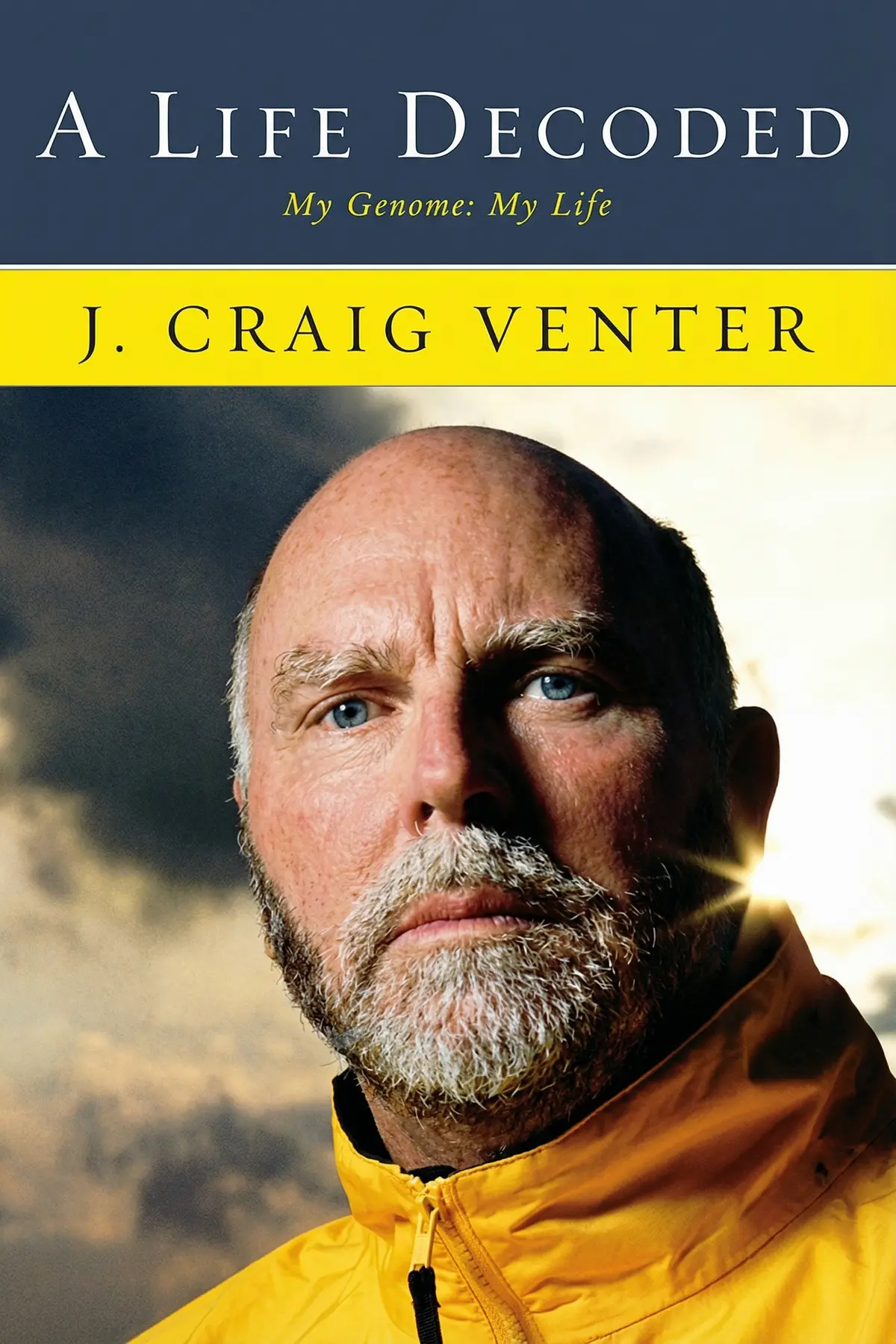
J. Craig Venter
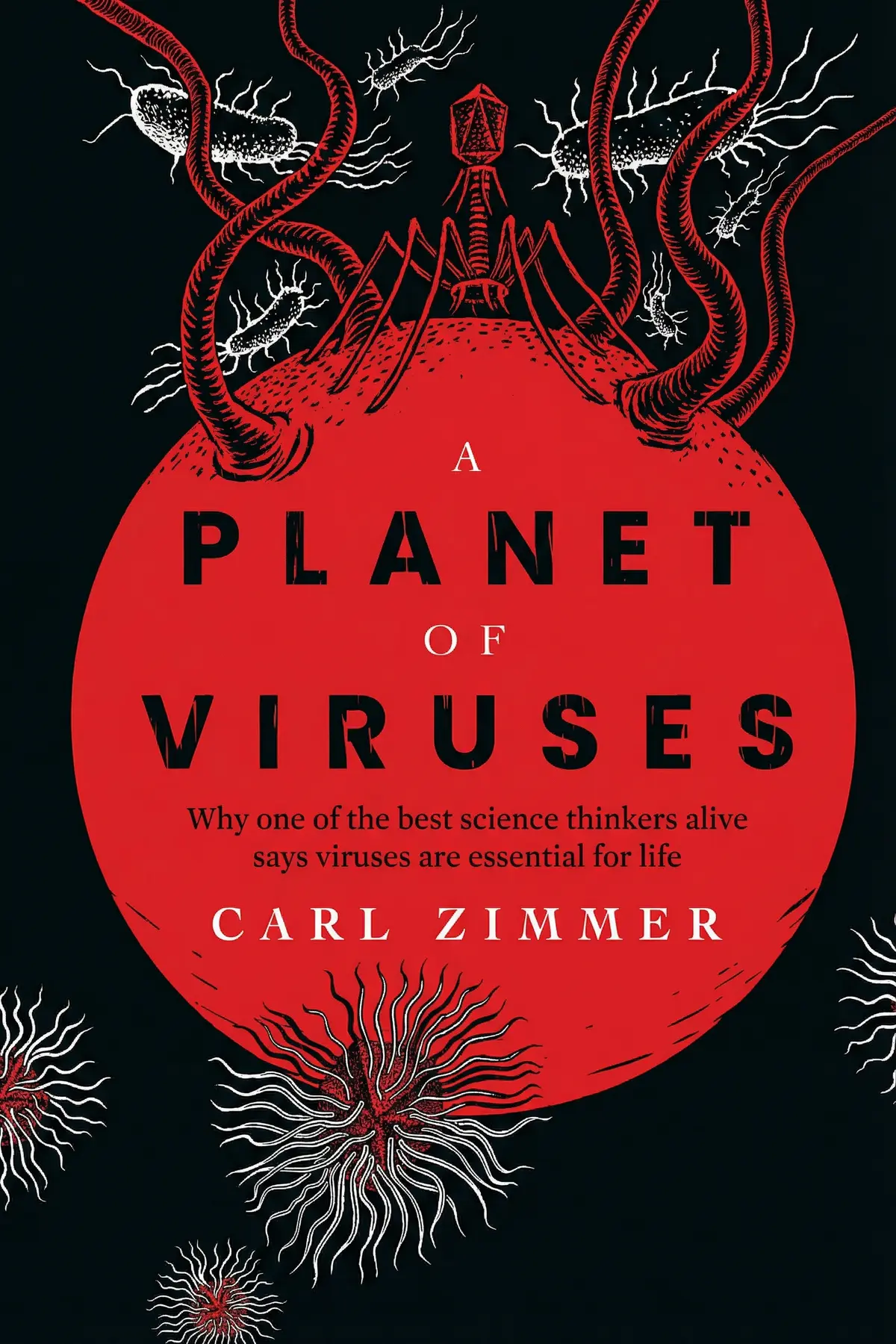
Carl Zimmer
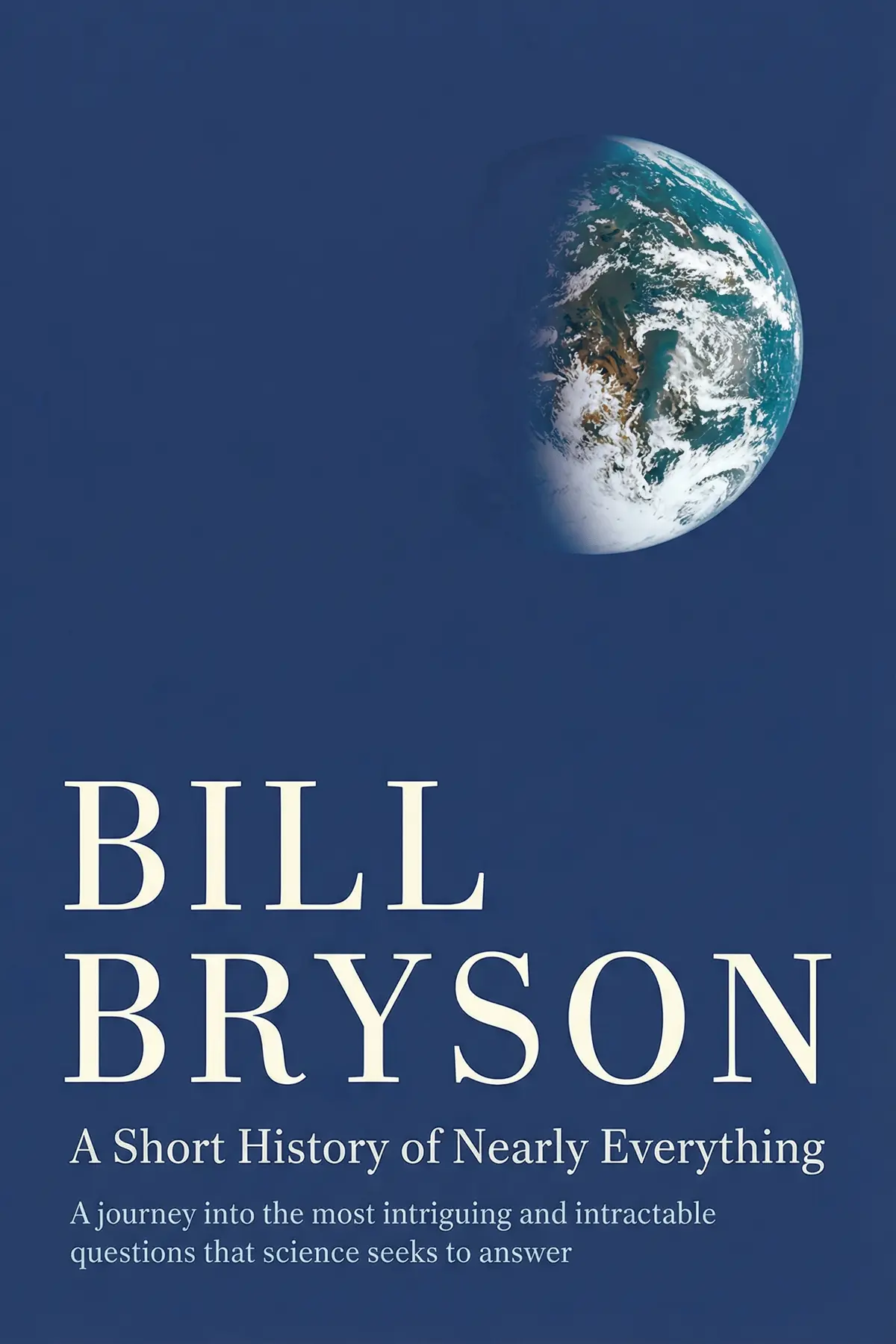
Bill Bryson
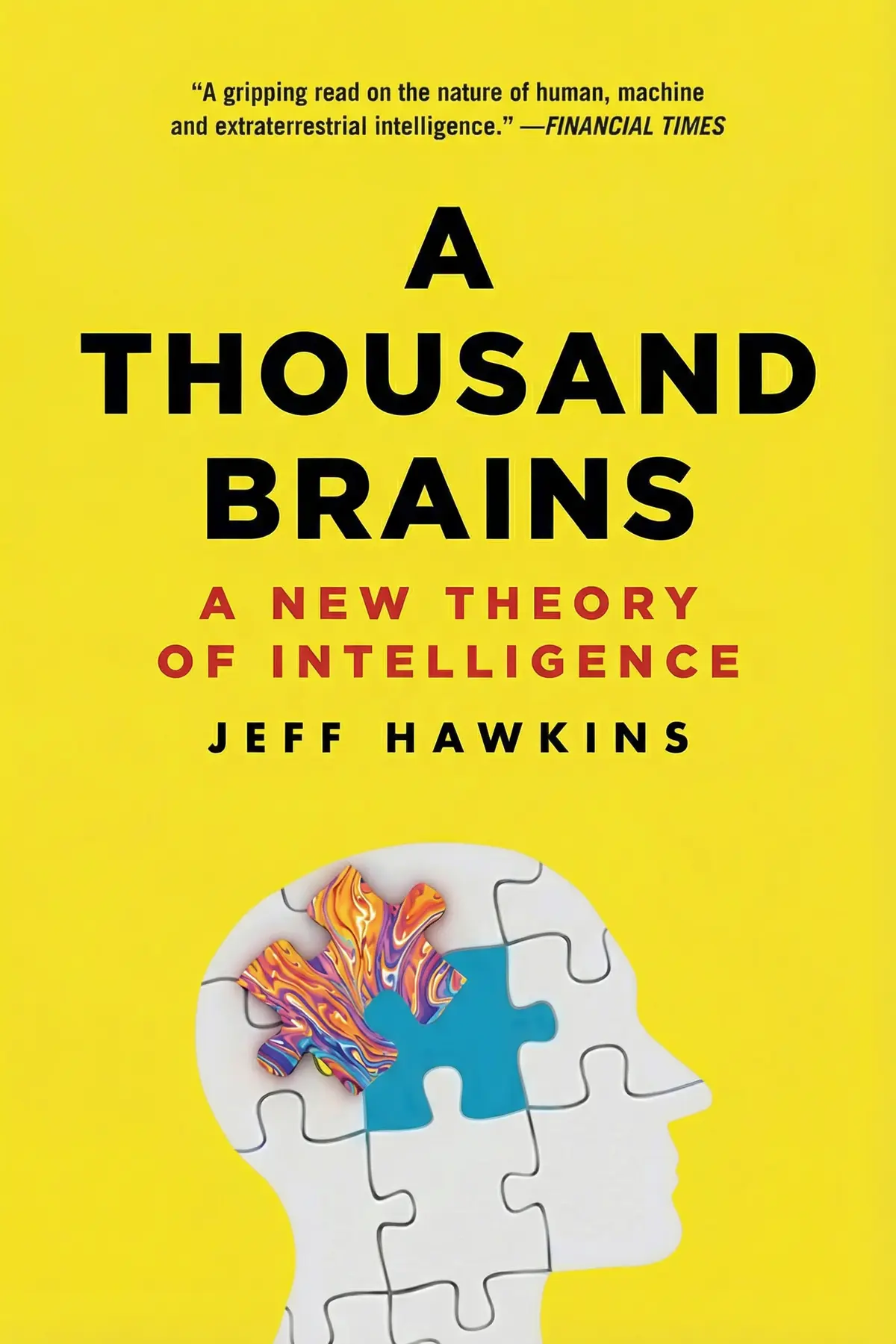
Jeff Hawkins

Lisa Kaltenegger
AUDIO SUMMARY AVAILABLE
Get the key ideas from Making the Modern World by Vaclav Smil, plus 5,000+ more titles in English and Thai.