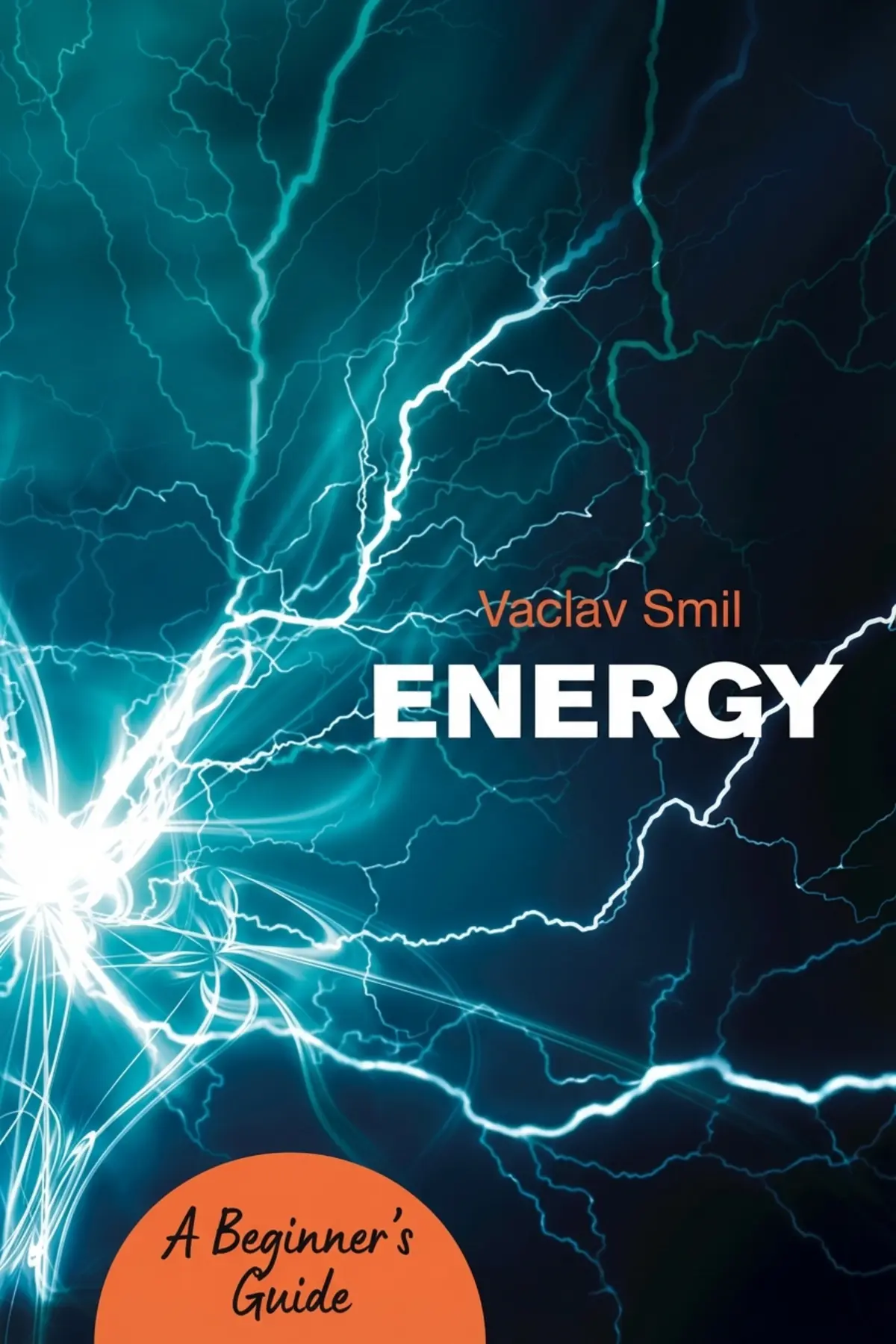
Energy: A Beginner's Guide
Vaclav Smil
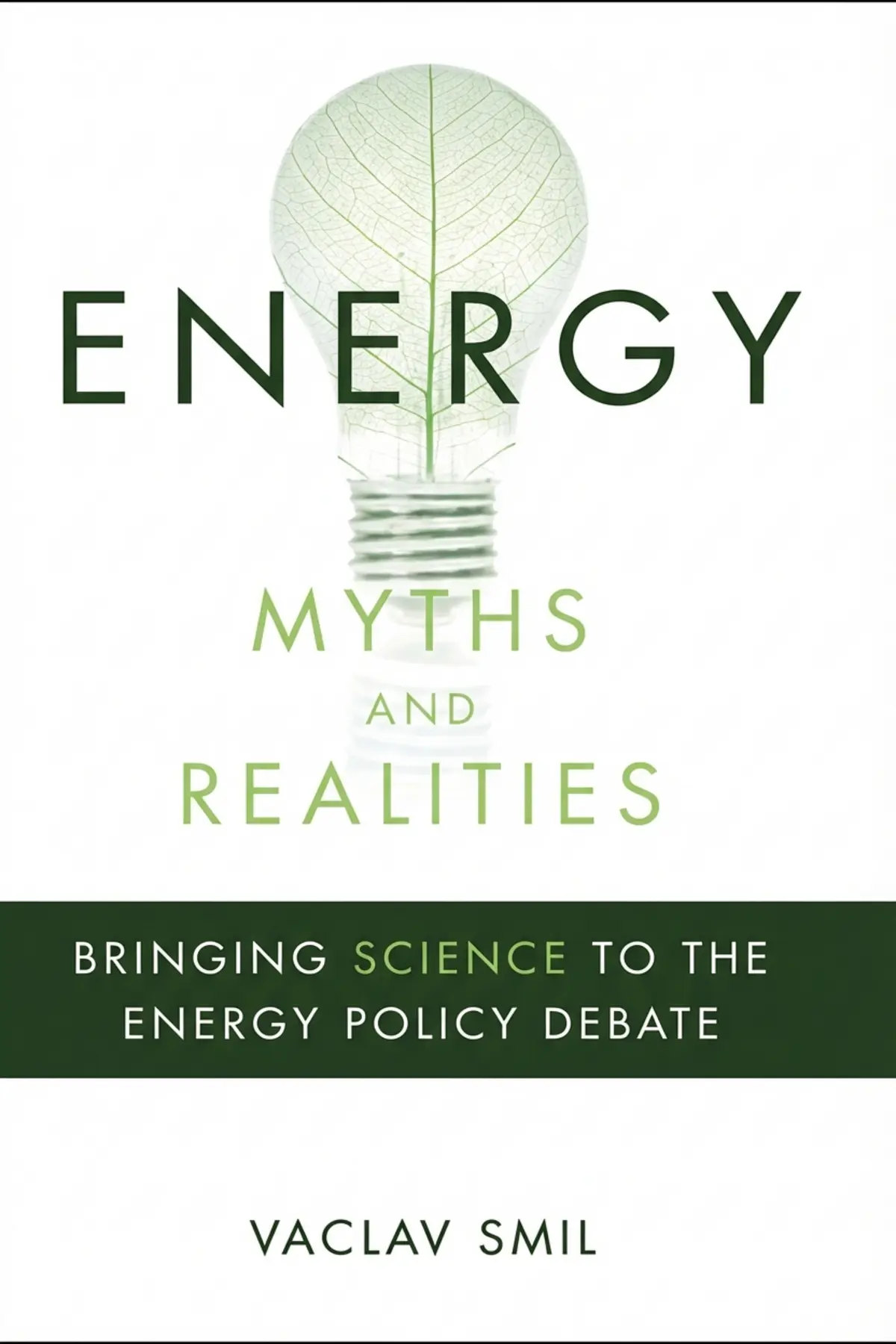
A scientific analysis that dismantles common misconceptions about global energy. Vaclav Smil challenges the hype surrounding biofuels, wind power, and carbon capture while providing a realistic timeline for our inevitable energy transitions.
1 min 53 sec
Every time you turn on the news or scroll through social media, you are likely to encounter a different vision of the future. In one version, the world is on the brink of collapse because our oil wells are moments away from running dry. In another, we are just a few years away from a utopia powered entirely by the wind and the sun. There are proponents of biofuels who claim we can grow our way out of the climate crisis, and corporate interests suggesting we can simply bury our carbon problems deep underground. These narratives are often presented as certainties, yet they frequently contradict one another, leaving the average person feeling confused about what is actually happening with our planet’s energy supply.
This confusion isn’t accidental. The global energy debate is often steered by groups with specific agendas, ranging from environmental organizations to massive corporations and political parties. When everyone is trying to sell a specific solution or capitalize on a specific fear, the scientific reality of the situation often gets pushed to the background. This summary aims to bring that reality back to the forefront. By looking at energy through the lens of physics, economics, and historical patterns, we can start to see why some of the most popular ideas in energy policy are more mythical than they are practical.
The throughline here is a call for sobriety and patience. Transitioning the entire world’s energy infrastructure is a monumental task that cannot be solved with a single technological silver bullet. As we walk through these ideas, we will uncover why the end of civilization isn’t imminent, why some green technologies might cause more harm than good, and why the shift to a new energy era will take much longer than most politicians are willing to admit. Let’s dive into the science that governs our world.
1 min 59 sec
Explore why the fear of an immediate collapse of industrial civilization due to oil shortages is based on incomplete data and a misunderstanding of market forces.
2 min 07 sec
Investigate why the promise of capturing and burying carbon dioxide may be an expensive and risky distraction from more effective energy strategies.
1 min 59 sec
Understand the hidden environmental and social costs of replacing gasoline with plant-based ethanol, including the conflict between fuel and food.
2 min 09 sec
Analyze why the inherent nature of wind makes it difficult for this energy source to become the dominant global power provider in the near future.
2 min 01 sec
Learn why the transition to new energy sources always takes decades and why quick technological revolutions are historically unprecedented.
1 min 50 sec
Discover how objective cost-benefit analysis and a focus on minimizing damage can lead to more effective energy decisions.
1 min 30 sec
As we have seen, the reality of the global energy situation is far more complex than the headlines often suggest. There is no single technology that will solve all our problems tomorrow. We are not on the brink of an oil-driven apocalypse, but neither are we on the verge of an effortless transition to a green utopia. The common thread across every energy myth—from peak oil to biofuels—is a failure to account for the physical, economic, and temporal realities of the world we live in.
The most important takeaway is the need for a sober, evidence-based approach to energy policy. We must be wary of ‘silver bullet’ solutions that promise too much too fast. Instead, we should prioritize efficiency, recognize the long timelines required for infrastructure changes, and focus on minimizing environmental impact through reduced consumption rather than risky technological fixes.
As you think about the energy debate moving forward, remember that true progress is often slow and incremental. By grounding your understanding in science rather than hype, you can better navigate the confusing landscape of energy politics. The most actionable step we can take is to champion policies that favor long-term stability and efficiency over short-term political wins. Our energy future depends on our ability to distinguish between what we wish were true and what the laws of physics and economics actually allow.
Energy Myths and Realities provides a necessary reality check for the global conversation on how we power our world. It moves past the emotional rhetoric of both environmental activists and corporate lobbyists to examine the hard data behind our current energy systems. The book explores why many touted solutions, from massive wind farms to plant-based fuels, face significant physical and economic hurdles that are often ignored in public debate. The promise of this work is a more grounded, scientifically literate understanding of energy policy. By debunking the myths of peak oil and the false hope of quick technological fixes, Smil prepares readers to think critically about the slow, complex process of shifting away from fossil fuels. It serves as a guide for anyone looking to distinguish between political theater and the physical realities of global energy infrastructure.
Vaclav Smil is one of the world’s leading experts on global energy issues. In 2010, he was named one of the Top 100 Global Thinkers by Foreign Policy magazine.
Listeners find the work to be thoroughly documented, detailed, and grounded in science. They value the way it offers clear perspective on the chaotic energy conversation, and one listener highlights that it contains hundreds of insights.
Finally, a book that cuts through the noise of the modern energy debate with rigorous, data-driven analysis. Smil provides hundreds of insights into how we actually use materials and power, debunking the idea that 'peak oil' will cause an overnight collapse. He explains that even if we run low on traditional supplies, the economic and technological shifts required for a transition are incredibly complex. I picked this up because Bill Gates recommended the author, and it lived up to the high expectations. The way he analyzes the inefficiency of corn-based ethanol was particularly eye-opening for me. Even though the prose is quite academic and scientific, the level of detail provides a level of documentation that is rarely seen in mainstream publishing. This is essential reading for anyone who wants to speak intelligently about our global future.
Show moreAfter hearing Bill Gates rave about this author, I decided to dive into the deep end of energy physics. This book is an absolute masterclass in documentation, providing a clear analysis of why we can't just 'switch off' fossil fuels tomorrow. Smil explores the nuances of hydroelectric power and the public relations disaster that has hobbled the nuclear industry for years. I particularly liked how he challenged the idea that 'energy intensity' improvements in the US are purely a result of efficiency rather than off-shoring. He demands that readers look at the material reality of our world rather than just the abstract numbers on a screen. Some might call him a pessimist, but I think he’s just one of the few people being honest about the scale of our challenges. It’s a dense read but undeniably rewarding.
Show moreLook, if you want a feel-good story about saving the planet, go elsewhere; this is a book for people who want the truth. Smil uses hundreds of data points to dismantle the 'soft-energy' path that many evangelists have been pushing since the seventies. He explains why wind and solar struggle to supply a national grid with the same reliability as coal or oil. I found his critique of corn-based biofuels to be particularly devastating and well-supported by economic facts. Although his tone can be a bit condescending toward those he disagrees with, the underlying science is hard to argue against. This book helped me understand that the energy transition is a marathon, not a sprint. It’s easily the most detailed and clear-headed analysis of our current energy position that I’ve ever encountered.
Show moreSmil delivers a cold shower to those intoxicated by the hype of a quick green transition. He uses dense data and historical precedents to show why shifting away from fossil fuels is a generational project rather than a weekend DIY task. I appreciated the deep dive into why electric vehicles aren't a simple fix, especially given the massive infrastructure requirements and battery production hurdles. His writing style is undeniably dry, often reading like an engineering manual rather than a popular science book. However, the clarity he brings to the chaotic energy debate is worth the effort it takes to parse his sentences. While he can be a bit dismissive of 'environmentalists,' his insistence on physical reality over political slogans is a necessary corrective. This is not a book for people seeking easy answers or immediate hope.
Show moreThe chapter on biofuels alone makes this entire book worth the purchase price. Smil takes apart the notion of corn ethanol with surgical precision, showing how it disrupts food markets without providing a significant energy gain. I found his discussion of 'energy intensity' fascinating, even if he doesn't fully account for how off-shoring production to China skews Western GDP numbers. To be fair, he can come across as a bit of a technophile, assuming human ingenuity will eventually solve our problems without acknowledging the failure of recent innovations. His critique of the Chevrolet Volt and the limitations of battery technology feels especially relevant today. It is a dense, science-heavy read that requires focus, but it offers a reality check that is sorely needed. You might not like his conclusions, but you have to respect his math.
Show moreEver wonder why we aren't all driving electric cars yet despite the massive media push? Vaclav Smil uses hard data to explain the massive power generation and infrastructure demands that an all-electric fleet would actually require. He avoids the typical hysteria found in these debates, focusing instead on the physical realities of material throughput and grid reliability. I appreciated how he addressed the 'too cheap to meter' myth of nuclear power while still remaining hopeful about its role in a balanced energy mix. My only real complaint is that the book, published years ago, feels slightly dated regarding the recent price drops in solar PV cells. Still, his core message about the slow pace of energy transitions remains an essential lesson for policymakers. It is a thoughtful, if occasionally snotty, look at the hurdles we face.
Show moreVaclav Smil doesn't care about your feelings or your green dreams, and that’s exactly why you should read him. He brings a much-needed sense of clarity to a debate that is usually dominated by marketing hype and wishful thinking. By analyzing the maturity durations of oil and natural gas, he proves that new energy sources take at least half a century to dominate. Personally, I found his breakdown of carbon sequestration methods to be the most enlightening part of the book. He correctly points out that relying on a single 'panacea' like nuclear or solar is a recipe for failure. While I wish he addressed the energy needs of the developing world more thoroughly, the scope of what he does cover is impressive. It’s a science-based reality check that every voter should probably skim.
Show moreAs a policy wonk, I expected more actionable solutions from a writer of Smil’s stature. The book provides a masterful deconstruction of energy myths, particularly regarding the limitations of wind and solar on a national grid. He argues effectively that humanity’s transition to new energy sources always takes decades, yet he offers very little guidance on how to accelerate that process. Frankly, the tone feels overly pessimistic at times, bordering on a 'status quo' defense that ignores the urgency of the climate crisis. While the documentation is stellar and the science-based approach is refreshing, I found the lack of a constructive path forward frustrating. It is easy to shoot down the flawed ideas of others, but it is much harder to propose a viable alternative. Read this to understand the problems, but look elsewhere for the solutions.
Show moreI picked this up hoping for a roadmap to a carbon-free future, but I found a dense diatribe against optimism instead. Smil is clearly a brilliant mind, and his historical analysis of energy transitions is deeply documented and scientifically sound. However, his tendency to mock anyone he labels an 'environmentalist' or a 'catastrophist' gets old very quickly. He spends so much time shooting down viral hopes for solar and wind that he almost ignores the existential threat of climate change. The truth is, the book feels more like an exercise in engineering than a guide to the real world where politics and poverty matter. It’s a good balance to the extreme optimism of other writers, but the dry style makes it a slog. I learned a lot, but I didn't enjoy the experience of reading it.
Show moreTo be fair, Smil is clearly a genius, but this was a chore to get through. The writing is incredibly dry and scientific, lacking the narrative flow that makes complex topics accessible to a general audience. He focuses heavily on technical constraints while ignoring the social and political will that often drives technological leaps. I found his dismissal of peak oil to be based more on his dislike of 'doomers' than on his own data, which was confusing. Furthermore, his optimism regarding human ingenuity seems unsupported by the stagnation we’ve seen in certain sectors over the last few decades. It feels like he’s writing for a room of fellow engineers rather than people concerned about the actual environment. If you love spreadsheets and historical timelines of coal production, you might enjoy this. For everyone else, it’s a very tough read.
Show more


Barack Obama

Masaji Ishikawa
John Rawls



Miles Taylor

AUDIO SUMMARY AVAILABLE
Get the key ideas from Energy Myths and Realities by Vaclav Smil, plus 5,000+ more titles in English and Thai.