
18 min 55 sec
Extra Life: A Short History of Living Longer
Extra Life investigates the extraordinary doubling of human life expectancy over the last century. Steven Johnson reveals the combination of medical breakthroughs, public health shifts, and regulatory changes that reshaped our world.
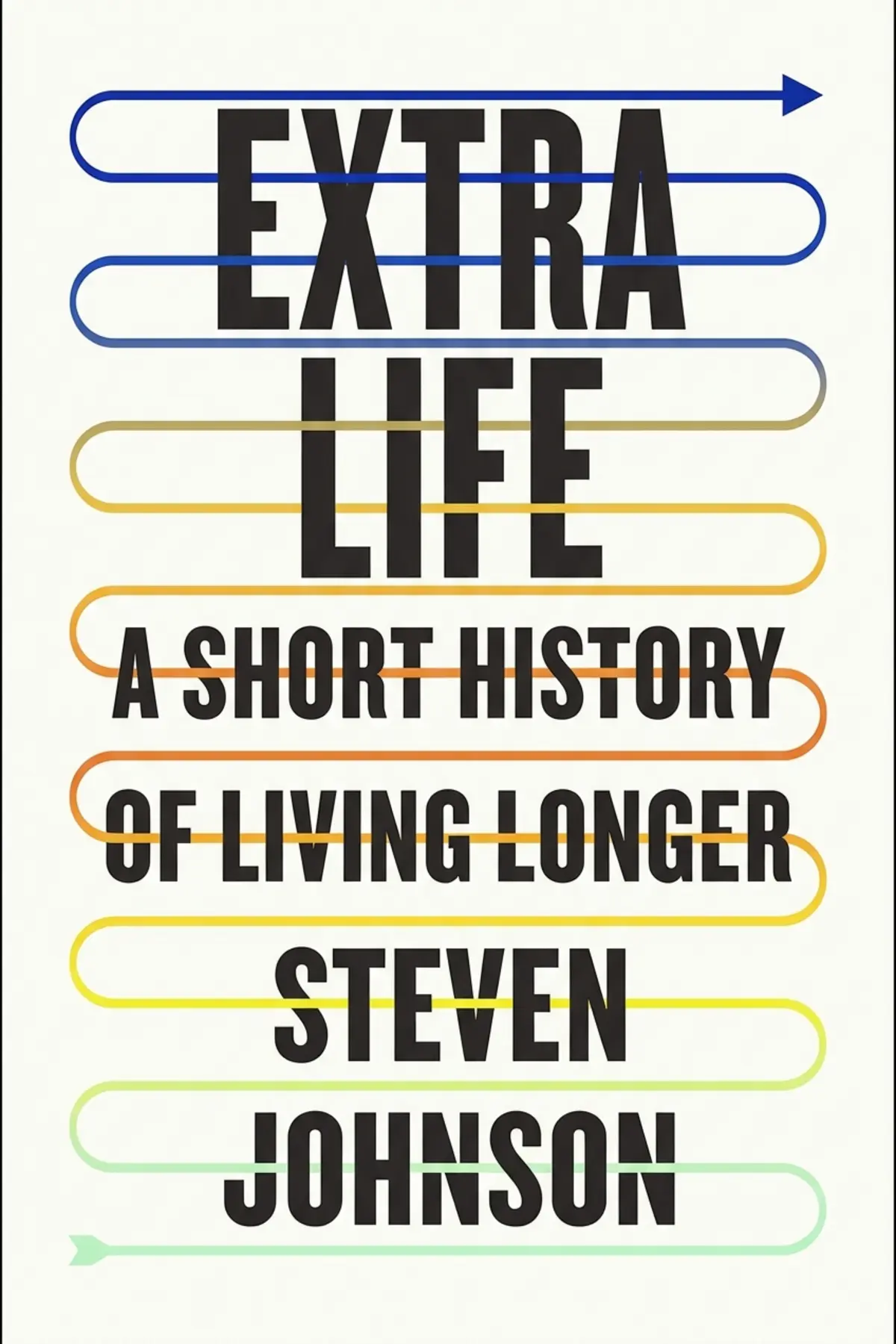
Table of Content
1. Introduction
1 min 28 sec
When future chroniclers look back at the twentieth century, they will certainly see a period defined by massive upheaval, global conflict, and intense political shifts. But beneath those headlines of struggle lies perhaps the most significant achievement in the history of our species: the doubling of human life expectancy. For most of human history, life was brief and precarious. Then, in a relatively short window of time, we fundamentally changed the rules of survival. This wasn’t the result of a single discovery or a lone hero. It was a messy, collaborative, and often slow-moving revolution that required us to rethink everything from the milk we drink to the cars we drive.
In this exploration of Steven Johnson’s work, we are going to trace the throughline of this longevity revolution. We will move past the simplified stories of ‘eureka’ moments to see the true complexity of progress. You’ll see how social activists, cautious bureaucrats, and even ancient traditions from across the globe paved the way for modern medicine. We’re going to look at why breakthroughs often take decades to reach the public and why the most important inventions aren’t always high-tech gadgets, but rather new ways of organizing society and regulating industry. By looking at the obstacles our ancestors overcame, we can better appreciate the ‘extra life’ we all enjoy today and understand what it takes to keep that progress moving forward.
2. The Global Roots of Immunity
2 min 40 sec
Uncover how the origins of vaccination extend far beyond a single British doctor, drawing on ancient practices and the bold advocacy of an aristocratic traveler.
3. The Deadly Reality of Common Dairy
2 min 46 sec
Discover how a household staple like milk was once a primary source of disease, and why it took decades of activism to make it safe.
4. The Birth of Evidence-Based Medicine
2 min 28 sec
Explore the shift from a ‘buyer beware’ pharmaceutical market to a regulated system that prioritizes both safety and efficacy.
5. Penicillin and the Power of Scaling
2 min 48 sec
Learn how the ‘miracle drug’ of the twentieth century required more than just an accidental discovery to save millions of lives.
6. Safety as a Design Priority
2 min 28 sec
See how the automobile went from being a ‘death trap’ to a survivable machine through a combination of engineering brilliance and corporate generosity.
7. Feeding the Billions
2 min 37 sec
Examine the chemical and agricultural revolutions that helped nearly eliminate the threat of mass starvation for the global population.
8. Conclusion
1 min 40 sec
The doubling of the human lifespan is not the result of one single miracle, but a vast tapestry of incremental gains. As we have seen, the extra years we now enjoy are the product of centuries of shared knowledge, from ancient inoculation techniques to modern pharmaceutical regulations. It is the result of journalists exposing bad milk, engineers redesigning seat belts, and scientists finding life-saving mold on a piece of fruit. Each of these stories reinforces a single truth: progress is a collective endeavor that requires both scientific brilliance and social willpower.
We live in an age where the ‘eureka’ moment is celebrated, but the real work often happens in the years of follow-up—the lobbying for safety laws, the scaling of industrial processes, and the global cooperation required to eradicate a disease. This journey toward longevity is far from over. We still face challenges in how we distribute these gains across the globe and how we address the new health crises of the twenty-first century.
If there is one lesson to take away from this history, it is that we have the power to reshape the conditions of our existence. We are not merely victims of biology or chance; through organized effort and rigorous science, we can continue to push the boundaries of what it means to live a long, healthy life. As you go about your day, take a moment to notice the unseen systems—the pasteurized milk, the regulated medicine, the three-point seat belt—that are quietly working to keep you alive. These are the artifacts of a century-long revolution, and they are the foundation upon which we will build the next era of human progress.
About this book
What is this book about?
Have you ever paused to consider that just a century ago, the average person could only expect to live about half as long as we do today? This monumental shift didn't happen by accident. In Extra Life, the narrative dives deep into the complex web of innovations and social movements that allowed humanity to break free from the traditional constraints of mortality. The book moves beyond the simple 'genius' myths often found in history books. Instead, it examines how a variety of forces—ranging from the meticulous work of drug regulators to the advocacy of journalists and the accidental discovery of mold—came together to protect us from disease, hunger, and accidents. It’s a story of how we learned to sanitize our food, regulate our medicine, and re-engineer our daily lives for safety. By the end, you will understand the profound collaboration required to add decades to the human experience and the challenges we still face in maintaining these hard-won gains.
Book Information
About the Author
Steven Johnson
Steven Johnson is a distinguished science writer and the host of popular podcasts. He contributes regularly to major publications including the New York Times, the Financial Times, and the Wall Street Journal. Johnson is the prolific author of 13 books, with notable titles such as Emergence and Farsighted to his credit, focusing on the intersection of science, technology, and the human experience.
Ratings & Reviews
Ratings at a glance
What people think
Listeners find the work highly readable and well-crafted, with one listener observing that it feels more like a novel than a traditional textbook. The quality of the information is also praised, with one listener emphasizing how it offers tremendous insight into the history of mankind's growing longevity.
Top reviews
On
Finally got around to reading Extra Life and I'm genuinely blown away by how much ground Johnson covers. We often attribute our longer lives to some vague idea of "medicine," but the author skillfully highlights the overlooked heroes like statisticians and civil engineers. It is fascinating to realize that simple innovations like sewers and artificial fertilizer have saved billions more than some of the most advanced surgeries. The prose is lean and moves quickly, avoiding the dry, academic tone you might expect from a history of public health. While some might find his optimism a bit much, it’s refreshing to see a book celebrate human cooperation and progress so effectively. If you want to understand how we actually doubled our time on this planet, this is essential reading.
Show moreCee
This reads more like a fast-paced novel than a science textbook, which is a testament to how well Johnson handles his research. I was captivated by the chapters on pasteurization and the "great filth" of the Victorian era, as they put our modern comforts into such a stark perspective. It’s wild to think that things we take for granted, like clean milk and seatbelts, were once radical and controversial ideas. The author does a fantastic job of illustrating that progress is a choice we make as a society, not just an inevitability of time. This book gave me a tremendous amount of insight into the sheer scale of human achievement over the last century. I've already recommended it to several friends who usually find history books too dense or boring.
Show moreBird
Ever wonder why we aren't all dying of cholera or smallpox before the age of thirty like our ancestors did? Johnson provides a comprehensive answer that goes way beyond "modern medicine" to include things like toilets, refrigeration, and data sets. The way he organizes the impact of these inventions—measuring them in billions of lives—really shifts your perspective on what "progress" actually means. It's not just about the latest iPhone; it's about the fact that we can drink a glass of water without fearing for our lives. I found the section on the AIDS cocktail and oral rehydration therapy particularly moving because it showed how quickly things can change when the world focuses on a problem. This is a brilliant, optimistic book that reminds us of what humanity is capable of when we work together.
Show moreRatree
A timely and powerful reminder of how far we’ve come as a species in just a hundred years. After the chaos of the last few years, it was actually quite healing to read about the systematic ways we’ve conquered ancient threats like famine and infection. Johnson’s writing is exceptionally clear, making complex topics like gene sequencing and statistical modeling easy to grasp for a layperson. The chapter on artificial fertilizer was a total eye-opener for me; I had no idea how close we were to global starvation before that breakthrough. It’s rare to find a book that is both intellectually stimulating and genuinely hopeful about the future of humanity. We have gained an "extra life," and this book is a beautiful tribute to the people who made that possible.
Show moreScarlett
Johnson’s writing is punchy, direct, and filled with the kind of "did you know?" facts that make for great dinner party conversation. I loved how he compared the identification of HIV to the speed of the SARS-CoV-2 sequencing to show just how much our technology has accelerated. It’s a very accessible read that doesn't get bogged down in technical jargon, focusing instead on the human impact of these scientific milestones. Personally, I think every high school student should read the section on vaccines and public health to understand the foundation of our modern world. It’s a short book, but it packs a massive punch in terms of perspective. If you’re looking for a well-written history that explains why we live the way we do, pick this up immediately.
Show moreElise
Steven Johnson has a knack for taking complex scientific histories and turning them into narratives that feel as urgent as a thriller. In this book, he deconstructs the "genius narrative" of history, showing that breakthroughs like penicillin weren't just the work of one man in a lab. Instead, he focuses on the "network narrative," where activists, bureaucrats, and global organizations collaborated to push life-saving changes into the mainstream. I particularly enjoyed the breakdown of innovations into categories of millions, hundreds of millions, and billions of lives saved. My only gripe is that the book occasionally feels a bit too uncritical of government intervention, ignoring some of the bureaucratic failures we’ve seen recently. Still, the historical insights are top-notch and definitely worth your time.
Show moreJom
As a history buff, I really appreciated how Johnson highlights the lesser-known figures who changed the world. Everyone knows Fleming, but how many people know the story of the bifurcated needle or the activists who fought for car safety standards? The book is structured into sections that make it easy to digest, which is perfect for someone who wants to read in short bursts. Frankly, some of the chapters sent me down a deep Wikipedia rabbit hole because the stories were just that intriguing. I did feel that the concluding chapter on radical life extension felt a bit rushed compared to the historical sections. It speculated a lot on gene editing without the same rigorous historical grounding found earlier in the text. Overall, it's an eye-opening look at our collective survival.
Show moreBam
Truth be told, I expected this to be a bit dry, but Johnson’s storytelling is remarkably vibrant. He manages to weave together science, politics, and sociology into a cohesive narrative that explains the doubling of the human lifespan. I liked his distinction between the "genius" and "network" models of innovation because it makes the history feel more human and attainable. It’s a group project, not just a series of lightning strikes. My only real complaint is that the book focuses almost exclusively on the "First World" and rich nations, sometimes neglecting the struggles and contributions of the Global South. Even with that limitation, the quality of the information is excellent and provides a great framework for understanding public health. A solid 4-star read that I would definitely recommend to casual science fans.
Show moreTak
I have some mixed feelings about this one despite the interesting subject matter. To be fair, Johnson is a talented writer who knows how to keep a reader engaged through anecdotes and sharp pacing. However, I found his central terminology around "living longer" and "extra life" to be somewhat misleading for the average reader. Most of our gains in life expectancy come from the massive reduction in infant mortality rather than actual extensions of the human lifespan for adults. He acknowledges this in the intro but then continues to use language that suggests we've all gained a second life. Additionally, the book leans heavily into a pro-regulation bias that glosses over the inefficiencies of the very agencies he praises. It's a decent history, but read it with a critical eye.
Show moreMoo
The premise is interesting, but the execution left me feeling like I was reading a long-form defense of government bureaucracy. Look, there is no denying that vaccines and sewers are important, but Johnson fawns over organizations like the FDA and WHO without acknowledging their many missteps. He wrote this during the height of the COVID-19 pandemic, yet he fails to address the foot-dragging and regulatory hurdles that actually hindered progress during that time. Furthermore, his argument that few innovations originate in the private sector is a bit of a stretch when you consider the economic systems required to fund this research. The writing style is punchy and accessible, sure, but the underlying policy arguments felt one-sided and underdeveloped for a book of this ambition.
Show moreReaders also enjoyed
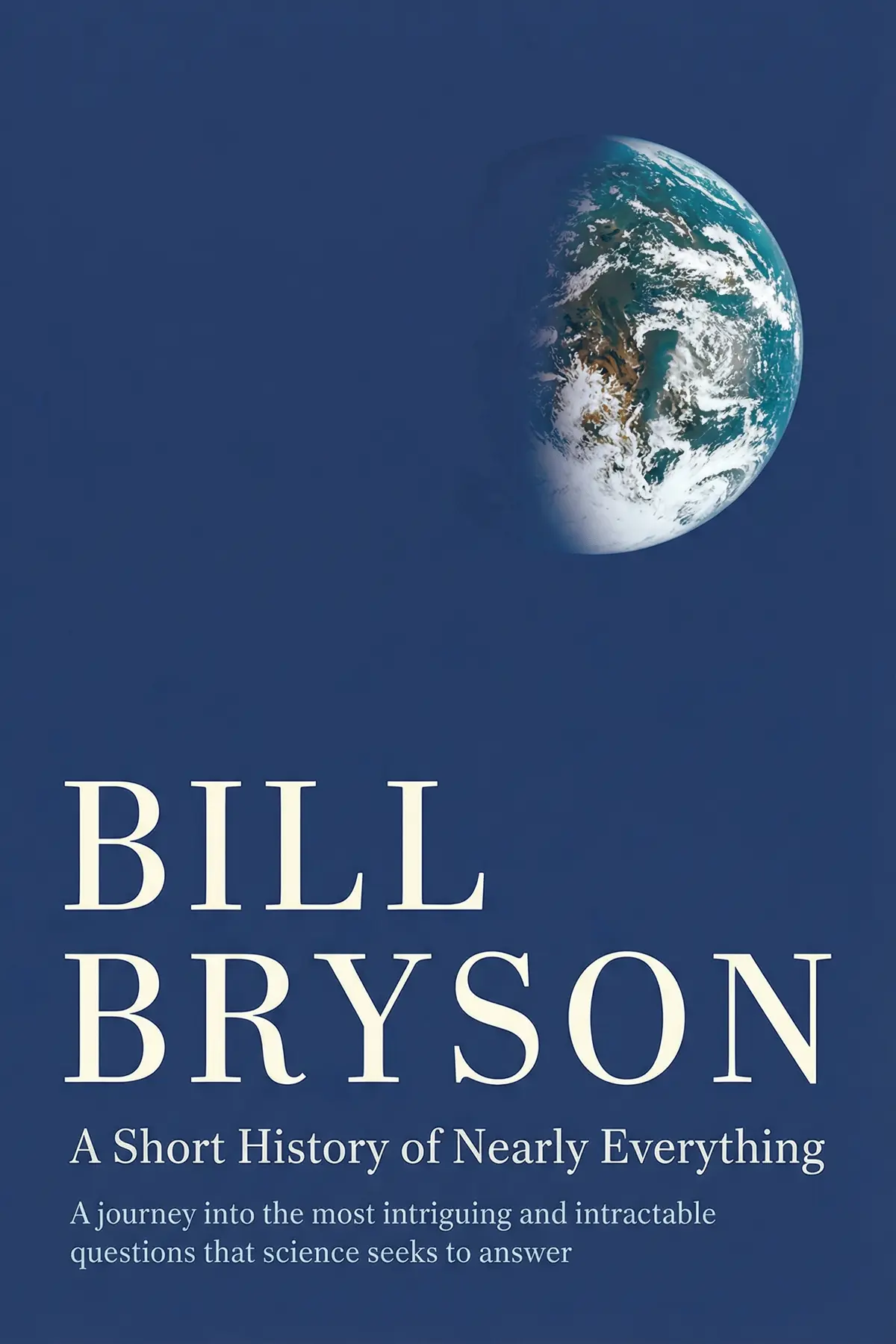
A Short History of Nearly Everything
Bill Bryson
Alexander the Great
Philip Freeman
A Thousand Brains: A New Theory of Intelligence
Jeff Hawkins
A History of Iran: Empire of the Mind
Michael Axworthy
A History of the World in 6 Glasses
Tom Standage
AUDIO SUMMARY AVAILABLE
Listen to Extra Life in 15 minutes
Get the key ideas from Extra Life by Steven Johnson, plus 5,000+ more titles in English and Thai.
- 5,000+ titles
- Listen as much as you want
- 7-day free trial
- Cancel anytime







