
18 min 15 sec
How Proust Can Change Your Life
An engaging exploration of how the life and writings of Marcel Proust offer surprisingly practical wisdom for overcoming modern anxiety, finding beauty in the everyday, and understanding the complexities of love.
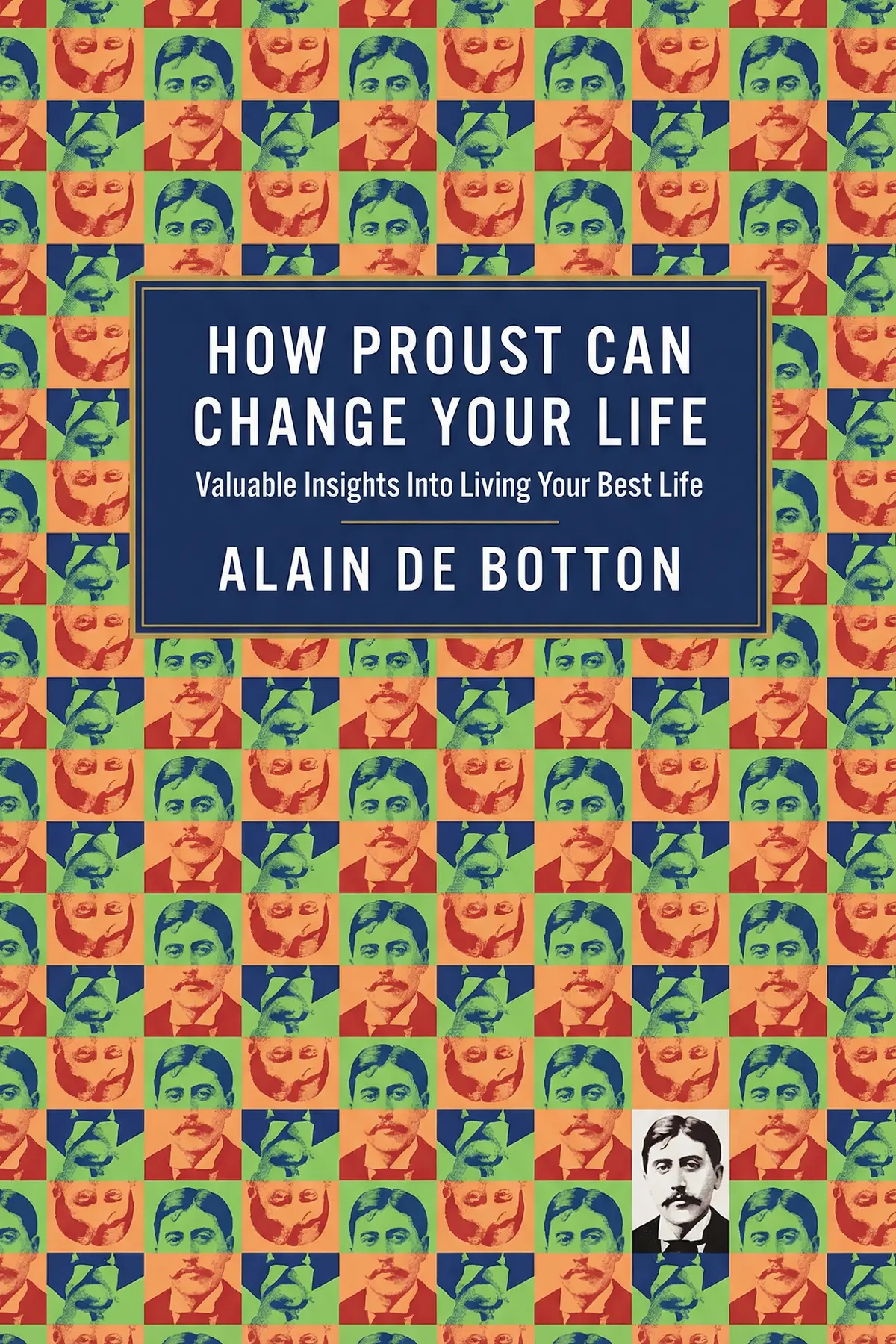
Table of Content
1. Introduction
1 min 59 sec
Have you ever looked at a massive stack of books and felt a mix of awe and pure dread? For many, the name Marcel Proust evokes exactly that feeling. His monumental work, In Search of Lost Time, is legendary for its length, its density, and its seemingly endless sentences. It is the kind of book people claim to have read at dinner parties but rarely finish on their nightstands. However, what if that intimidating mountain of literature was actually a goldmine of practical life advice? What if a man who lived a century ago, often confined to a cork-lined bedroom, held the secrets to fixing your modern anxieties, your failing relationships, and your sense of boredom?
That is the fascinating premise we are exploring today. We are looking at a unique blend of biography and self-help that bridges the gap between high-brow literature and the messy reality of being human. Our guide through this journey is the philosopher Alain de Botton, who argues that Proust isn’t just for scholars or enthusiasts of French history. Instead, he is a mentor for anyone trying to figure out how to live a more meaningful and observant life.
The throughline of our discussion is the idea that the way we pay attention to the world determines the quality of our lives. Proust believed that most of us sleepwalk through our existence, dulled by habit and cliché. By learning to see the world through his eyes, we can wake up to the richness that is already right in front of us. Whether you ever intend to open those seven volumes or not, the lessons tucked inside them have the power to shift your perspective on everything from how you drink your morning coffee to how you handle a difficult partner. Over the next several chapters, we will dive into why reading can be a form of therapy, why slowing down is a revolutionary act, and how to find magic in the most ordinary moments of your day. Let’s see how a long-dead novelist can help you live your best life right now.
2. The Healing Power of Fiction
2 min 54 sec
Discover why getting lost in a story is more than just a distraction and how it can actually help you understand your own mind.
3. The Revolutionary Act of Slowing Down
2 min 49 sec
Explore why the sheer length of a novel might be its most valuable feature in a world obsessed with speed and efficiency.
4. Why Familiarity Kills Love and How to Fix It
2 min 51 sec
Uncover the psychological reasons why our passions fade and how a simple shift in perspective can reignite them.
5. Seeing the Extraordinary in the Ordinary
2 min 47 sec
Learn how to turn a dull, repetitive life into a masterpiece by changing the way you observe your surroundings.
6. A Practical Guide to Social and Personal Wisdom
2 min 54 sec
Explore a collection of witty and useful tips from Proust on everything from making friends to dealing with doctors.
7. Conclusion
2 min 01 sec
We have traveled a long way through the world of Marcel Proust, guided by the thoughtful lens of Alain de Botton. What we have found is that Proust’s work is not a dusty relic of the past, but a living, breathing guide for the present. The throughline of everything we’ve discussed is the transformative power of attention. By learning to look at our lives with the same depth and nuance that Proust brought to his seven volumes, we can escape the crushing weight of boredom and the numbing effect of habit.
We’ve learned that reading can be a profound form of therapy, helping us map the hidden terrain of our own hearts. We’ve seen that slowing down isn’t just a luxury, but a necessity if we want to experience the world with any sense of truth or empathy. We’ve explored the difficult reality of how familiarity can dull our love for others, and we’ve discovered the Proustian remedy: using distance and imagination to see our loved ones anew. Most importantly, we’ve learned that beauty isn’t something reserved for museums or high-end vacations; it is tucked into the folds of a simple cake, the light in a kitchen, and the ordinary conversations of our daily lives.
The actionable closing thought for you today is this: follow Proust’s lead and become a better ‘reader’ of your own life. But also, be willing to put the book down. Proust himself believed that the ultimate goal of reading was to incite us to live. If a sentence or an idea sparks a memory, a creative urge, or a new way of looking at your partner, don’t feel like you have to finish the chapter before you act on it. Use his wisdom as a starting point, not a destination. Whether it’s asking a coworker a deeper question, taking ten minutes to truly look at the sky, or finding the ‘grandeur’ in your simple lunch, you have the tools to change your life, one observant moment at a time. The search for lost time is, in the end, a search for the life that is already happening all around you.
About this book
What is this book about?
Many people view Marcel Proust’s massive literary masterpiece as an intimidating mountain of text, but this book reclaims it as an essential manual for living. It suggests that the seven volumes of In Search of Lost Time are not just high art but are packed with insights into human nature that can help us cope with our own frustrations, heartbreaks, and boredom. By examining Proust’s personal life and his literary observations, the book promises to change how you view your daily existence. It covers why we should embrace slow living, how to revive the spark in failing relationships, and the way art can act as a lens to reveal the hidden majesty in a simple afternoon tea. It is a guide to becoming more observant, more empathetic, and more appreciative of the world around us.
Book Information
About the Author
Alain de Botton
Alain de Botton is a philosopher and author. His best-selling books span topics such as atheism, sex, love, work, and architecture. He is the founder of the alternative educational institute, The School of Life.
How to Think More About Sex
Alain de Botton

Status Anxiety
Alain de Botton
The Architecture of Happiness
Alain de Botton
The Art of Travel
Alain de Botton
The Consolations of Philosophy
Alain de Botton
The News: A User's Manual
Alain de Botton
The School of Life: An Emotional Education
Alain de Botton
Ratings & Reviews
Ratings at a glance
What people think
Listeners find the work deeply insightful, valuing how it synthesizes knowledge from diverse fields into a functional manual for better living. Additionally, the narrative is infused with wit, and listeners consider it both absorbing and easy to follow, with one person mentioning its particular accessibility for those who read casually. They also highlight the author’s ingenious prose and appreciate the significant perspective on art included within the book.
Top reviews
Viroj
Picked this up on a whim after realizing my copy of 'In Search of Lost Time' was mostly serving as a very expensive paperweight. Alain de Botton has done something remarkable here by making a notoriously difficult author feel like a close friend. The way he weaves in the Monty Python 'All-England Summarise Proust Competition' sketch had me laughing out loud, yet the underlying message about slowing down is profound. I loved the trivia about the prototype for Odette living on rue Lapérouse; it adds a layer of humanity to the fiction. This isn't just a literary companion; it’s a practical guide to noticing the small details of our own lives. Even if you never finish the actual novels, de Botton’s wit makes the philosophy of 'proustotherapy' entirely accessible and life-affirming. It’s a clever look at how art should actually function in our day-to-day existence.
Show moreAey
What a delightful, witty exploration of how we actually perceive the world through the lens of a genius. De Botton manages to make Proust—a man who lived in a cork-lined room and died of exhaustion—seem like the ultimate life coach. The practical advice on how to suffer successfully and how to be a better conversationalist is delivered with such a light touch. I was fascinated by the story of Proust and Joyce's dinner at the Ritz; it’s a perfect illustration of how even great writers can be terribly petty. The book encourages us to 'n’allez pas trop vite' and really look at the colors of the sky or the behavior of our friends. It’s an accessible, humorous, and deeply insightful look at how art can actually heal us. This is de Botton at his best, turning high-brow literature into something we can all use to live better.
Show moreClaire
Frankly, I didn't think a book about a 19th-century asthmatic would make me rethink my morning commute. De Botton has a gift for making the obscure feel essential. The way he explores Proust’s obsession with language and his distaste for clichés is truly eye-opening. I find myself trying to describe things more accurately now, rather than just saying something is 'nice' or 'fine.' The trivia about Proust’s phone number and his habit of giving massive tips to waiters makes him feel so much more real. This book is a wonderful bridge between the academic world and real life. It’s accessible, funny, and genuinely helpful. If you’ve ever felt intimidated by the classics, start here. It’s a celebration of taking one's time and finding beauty in the mundane. A total gem of a book that I will likely return to often.
Show moreFatou
Finally got around to this little volume and found myself surprisingly charmed by the 'proustotherapy' concept. De Botton argues that we don't become properly observant until we experience suffering, and using Proust’s own chronic illness as a backdrop for this is brilliant. The chapter on how to be a good friend was particularly insightful, highlighting Proust's own social anxieties and his generous, if sometimes insincere, nature. I was struck by the anecdote of the friend who could only describe a Beethoven symphony as 'poum, poum, poum.' It’s a stinging but necessary reminder that we often lack the vocabulary for our own experiences. While some might find de Botton a bit too precious, his ability to bridge the gap between high art and the mundane is impressive. It’s a worthwhile look at how we can stop wasting time and start appreciating life through a different lens.
Show moreSook
As someone who has struggled with the sheer density of French literature, this felt like a lifeline. De Botton has a knack for taking complex ideas and making them feel relevant to a Tuesday afternoon. I loved the exploration of how books articulate things we feel but cannot put into words. His discussion on clichés was a highlight for me; they aren't just lazy writing, they are a failure to truly experience the world. The book is light on its feet and full of wit, especially when discussing Proust's snobbery and his interactions with James Joyce. It’s a rare book that makes you want to be more observant and patient with your own flaws. I still haven't tackled the seven volumes of the 'Search,' but I feel much better equipped to appreciate the spirit of the work now. A very engaging and accessible read.
Show moreWan
Ever wonder why we bother with thousand-page novels when we could just read the summary? De Botton answers that question by showing us that the 'wasting of time' is actually the point of living. His style is incredibly readable, mixing high-level philosophy with very human anecdotes. I particularly liked the discussion on how relationships are enlivened by jealousy and how we should appreciate the spirit of an author rather than practicing 'artistic idolatry.' The humor is sharp, especially when referencing the Monty Python sketch. It’s a practical guide that doesn't feel like a chore to read. My only gripe is that it occasionally feels a bit too tidily packaged, as if Proust’s sprawling masterpiece could really be reduced to ten easy steps. Still, it’s an insightful and clever book that makes a strong case for the value of art in the modern world.
Show moreGor
Is it a self-help book or a literary biography? Honestly, it feels like a bit of both, though it occasionally misses the mark on both fronts. De Botton’s writing is undeniably sparkly and humorous, but I found his obsession with 'efficiency of inquiry' to be a bit of a stretch when applied to a man who wrote a million and a half words. The author suggests we should 'n’allez pas trop vite'—don’t go too fast—which is a lovely sentiment, but the book itself moves at a breakneck pace. I appreciated the specific details about Proust's asthma and his habit of ordering ice cream by phone (number 29205, for those interested). However, I can't help but feel that the Scott Moncrieff translation provides more depth than these witty summaries ever could. It’s a fun read, but a bit superficial for such a dense subject.
Show moreLeah
The truth is that de Botton writes beautifully, but his central thesis on efficiency feels a bit contradictory. He spends a lot of time praising Proust’s 'inefficient' memoir while trying to give us an efficient way to digest it. It’s a bit of a paradox. I did enjoy the section on how we see ourselves in fictional characters, which de Botton explains with great clarity. The details about the rue Lapérouse and the 'All-England Summarise Proust Competition' add a nice touch of humor. However, the book sometimes feels like it’s trying too hard to be 'useful.' Not everything in art needs to be a life lesson. It’s a pleasant enough way to spend an afternoon, and the writing is certainly clever, but I’m not sure it has changed my life as much as the title promised. It’s a solid 3-star read for the trivia alone.
Show moreCarter
Not what I expected from a book about Proust, as it focuses more on the man’s eccentricities than the prose itself. While the trivia is fun—like the fact that he used to read train timetables as if they were novels—I wanted a bit more literary analysis. De Botton is a clever writer, no doubt, but the 'proustotherapy' angle feels a bit gimmicky at times. The book is very short, which is a mercy for some, but I felt it glossed over the more difficult aspects of Proust's philosophy. The bit about 'poum, poum, poum' was a great takeaway, though. It’s a good entry point for casual readers, but seasoned Proust fans might find it a bit too light. It’s readable and engaging, but I think the Scott Moncrieff translation remains the gold standard for a reason. Worth a look if you want a quick hit of inspiration.
Show moreRania
To be fair, I think I might be the only person who found de Botton's cleverness a bit exhausting. The book is filled with excellent Proust trivia, but it feels like the 'CliffNotes' version of a much more important conversation. I was particularly annoyed by the suggestion that we can use this book instead of reading the actual 'Search.' There is a certain irony in a book about not rushing things being so incredibly condensed. The humor is there, but it often feels like a distraction from the actual philosophy. I did find the bit about Proust’s fear of mice and his preference for tight undergarments amusing, but is that really going to change my life? It feels more like a collection of anecdotes for a dinner party than a practical guide to living. It’s readable, but it lacks the soul of the source material.
Show moreReaders also enjoyed
A Guide to the Good Life: The Ancient Art of Stoic Joy
William B. Irvine
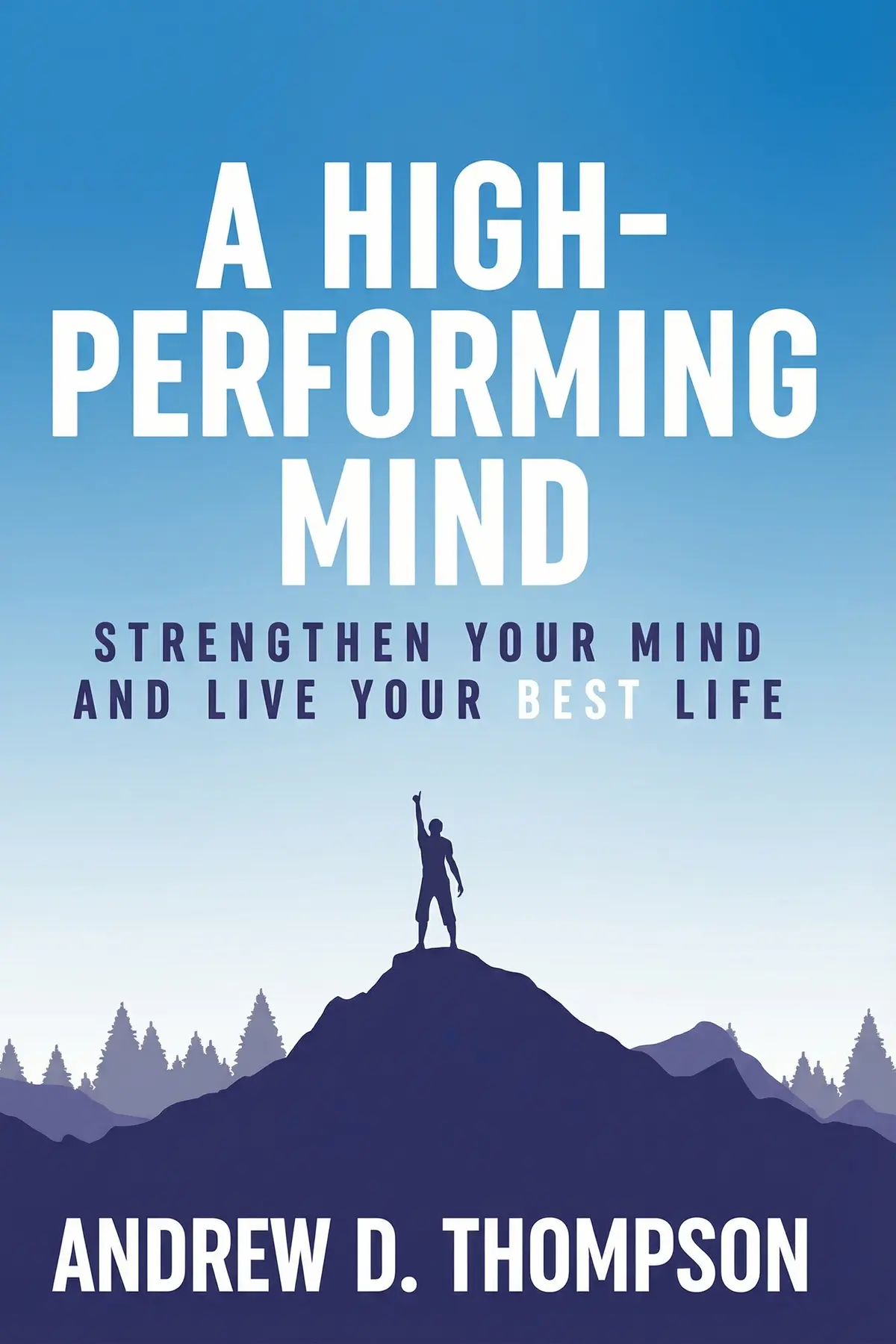
A High-Performing Mind: Strengthen Your Mind and Live Your Best Life
Andrew D. Thompson
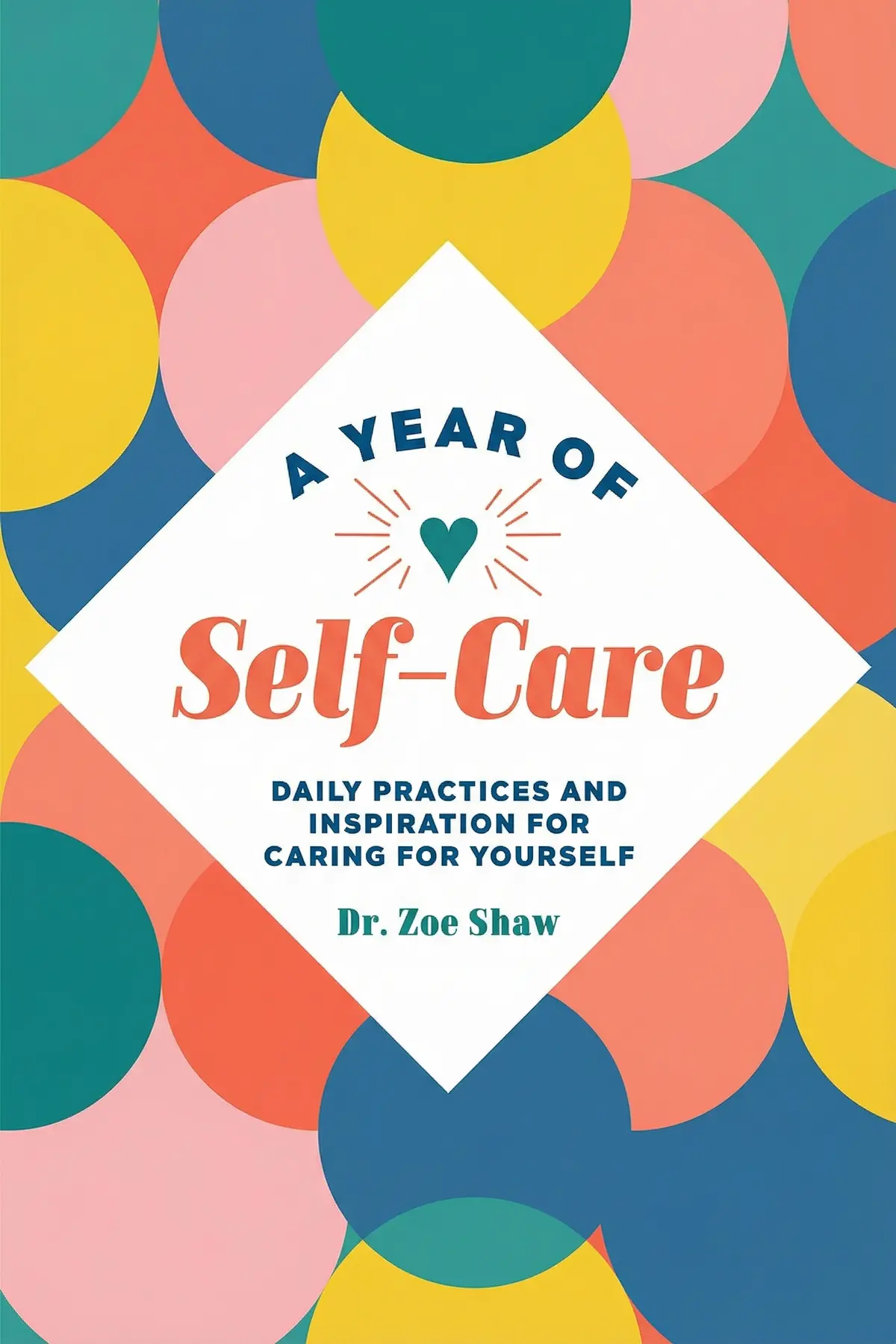
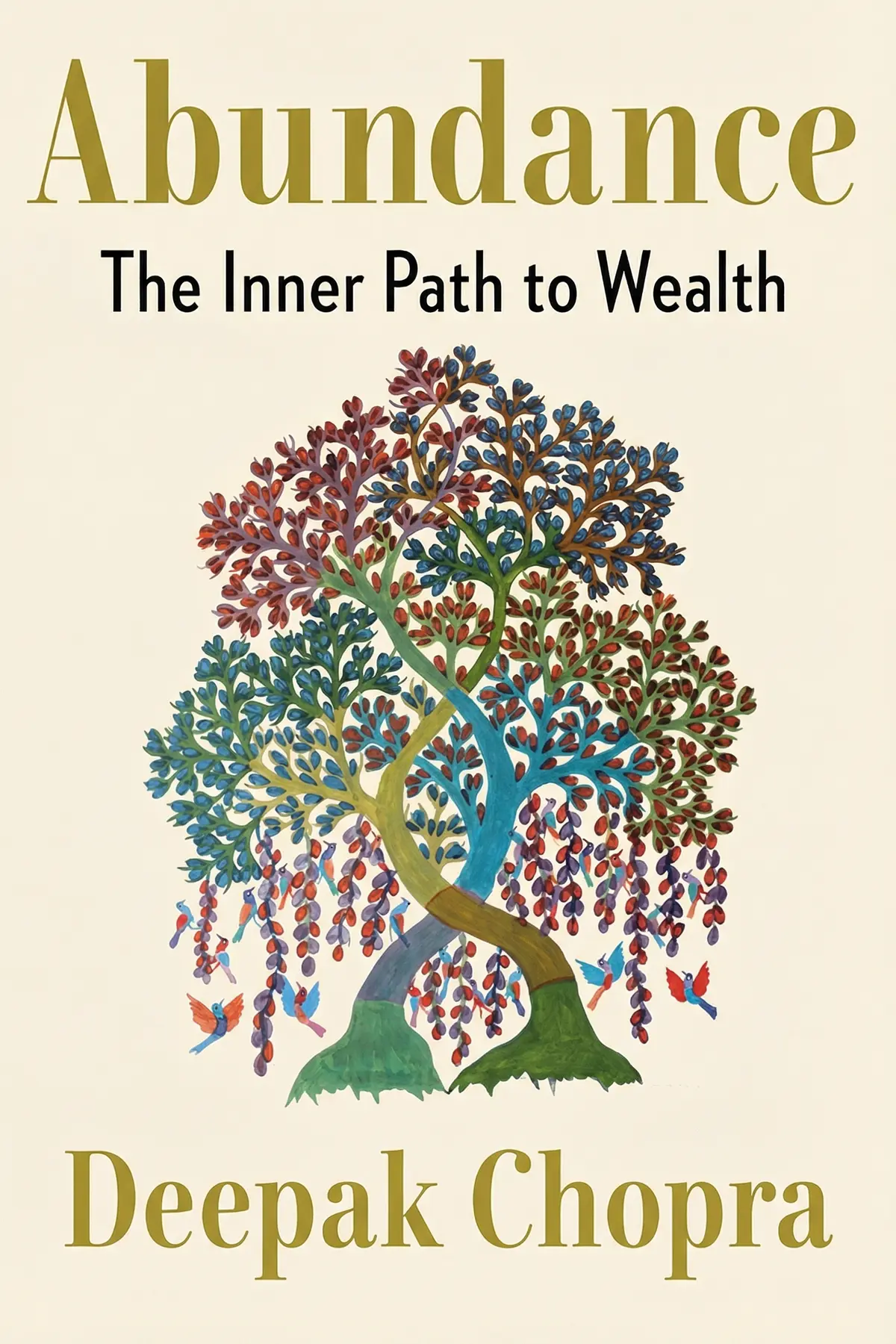
Abundance: The Inner Path to Wealth
Deepak Chopra
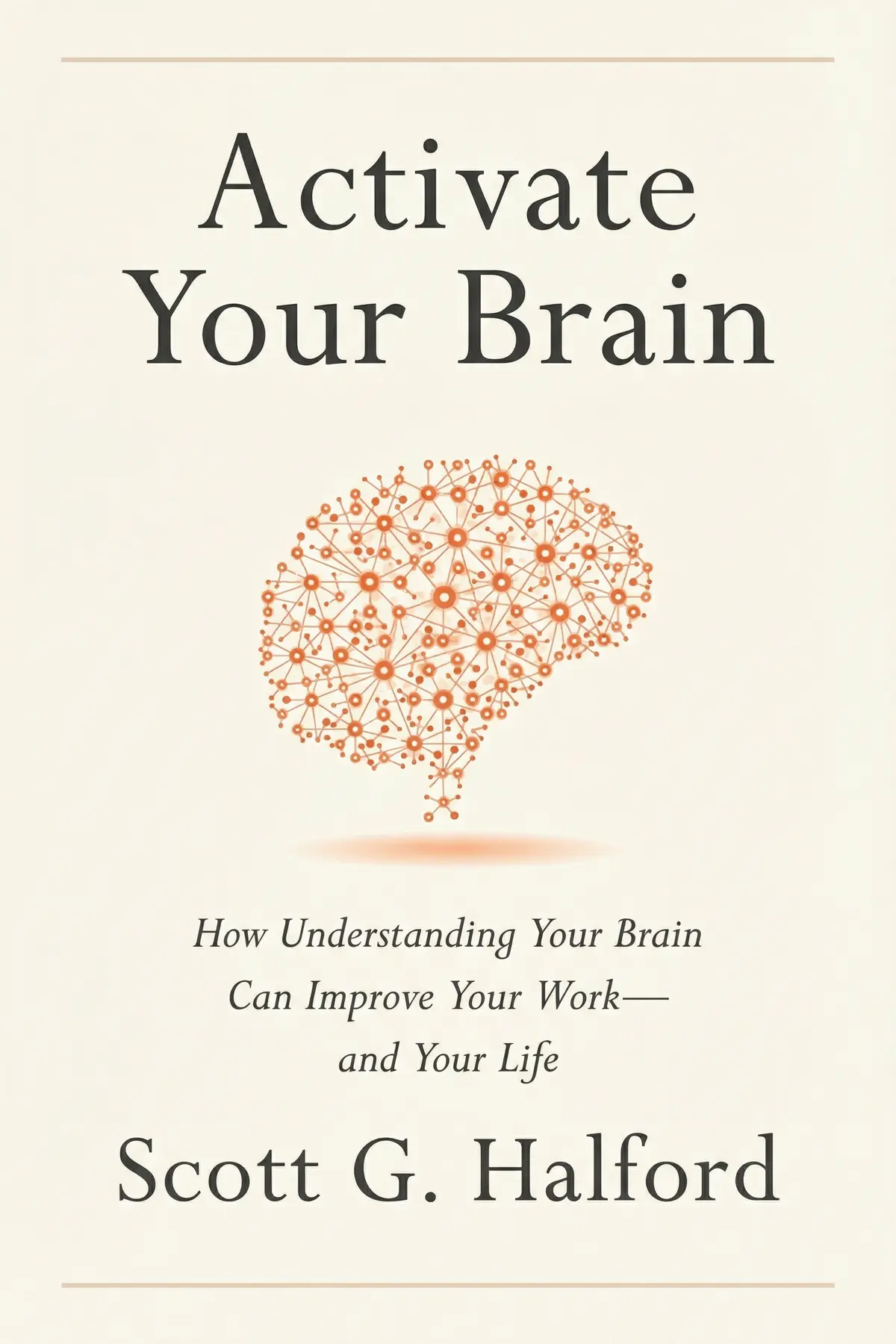
A Little History of Philosophy
Nigel Warburton
A Theory of Justice
John Rawls
AUDIO SUMMARY AVAILABLE
Listen to How Proust Can Change Your Life in 15 minutes
Get the key ideas from How Proust Can Change Your Life by Alain de Botton, plus 5,000+ more titles in English and Thai.
- 5,000+ titles
- Listen as much as you want
- 7-day free trial
- Cancel anytime







