
19 min 54 sec
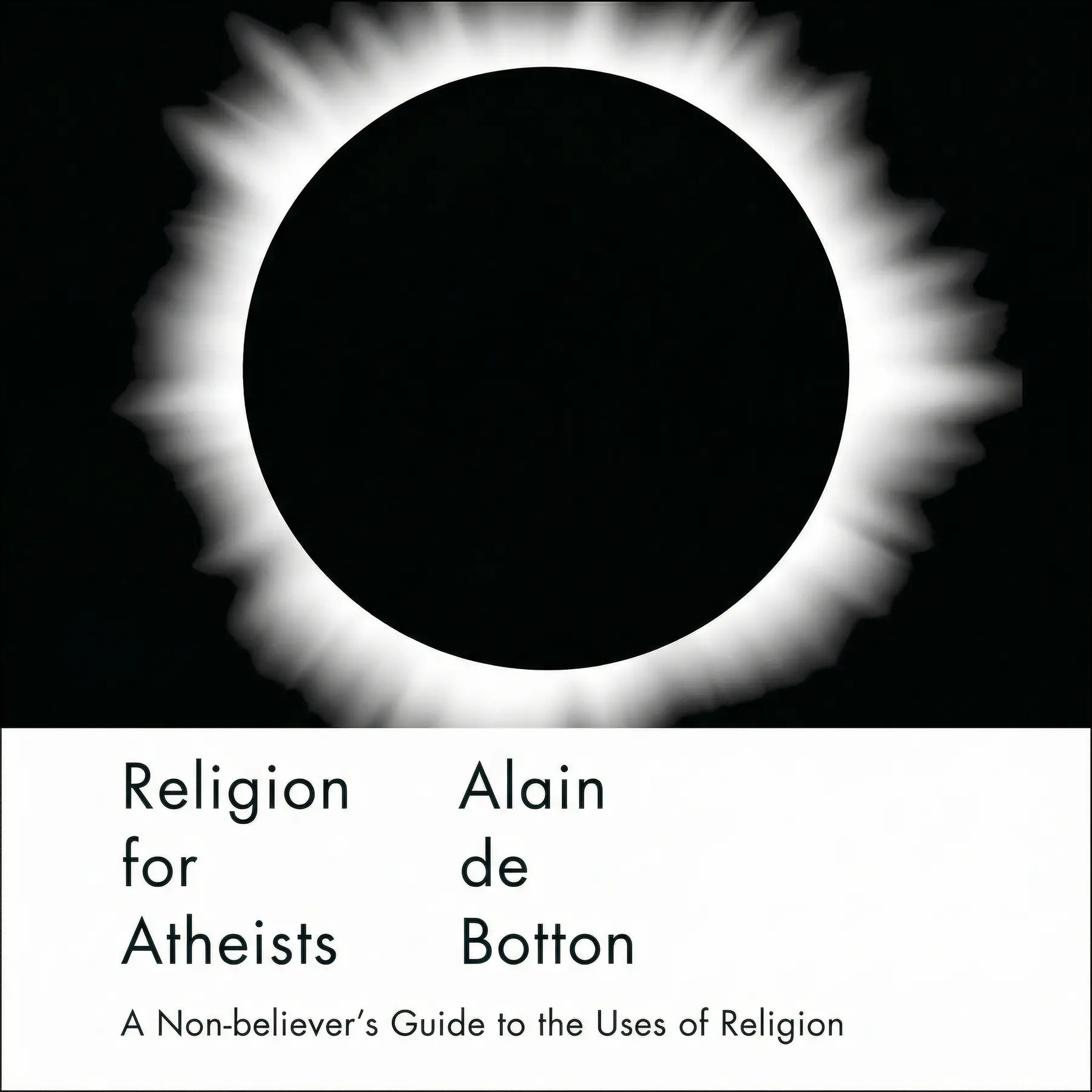
Religion for Atheists: A Non-believer's Guide to the Uses of Religion
Religion for Atheists examines how secular individuals can find deeper meaning by adopting religious traditions. It suggests that community, ritual, and moral guidance offer universal benefits that transcend supernatural belief.
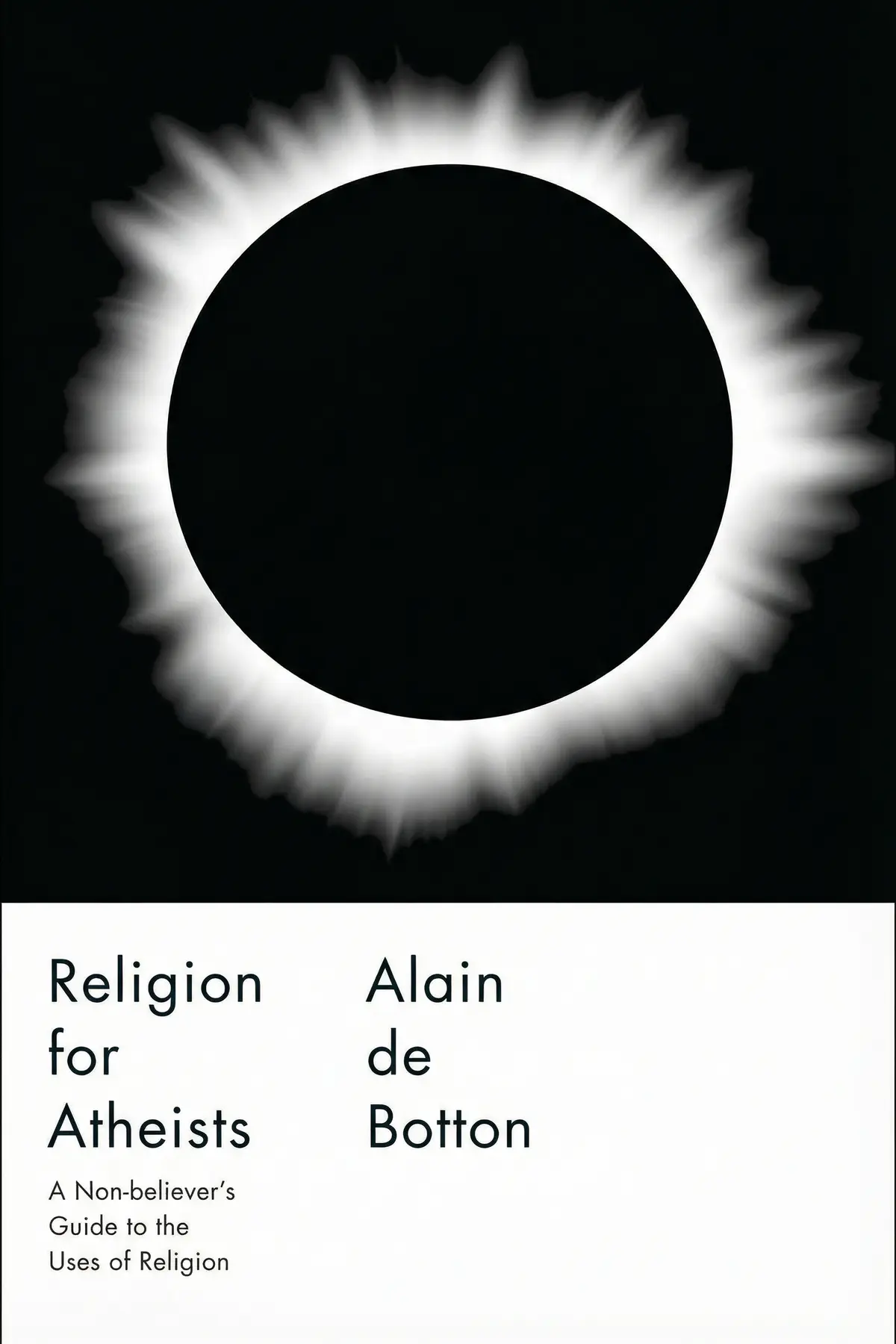
Table of Content
1. Introduction
1 min 40 sec
For a long time, the conversation between believers and non-believers has been a bit of a stalemate. On one side, you have the faithful, centered on ancient texts and divine intervention. On the other, you have the secularists, often defined by what they don’t believe. But what if this binary choice is actually cheating us out of some of the most effective tools ever created for human flourishing?
In this exploration of Religion for Atheists, we are invited to look at faith through a different lens. Instead of asking if a religion’s claims are true in a scientific sense, we ask: Is it useful? Does it help us handle grief? Does it bring us closer to our neighbors? Does it make us better people? The central throughline here is that religions are essentially highly evolved systems designed to meet our deepest psychological and social needs.
When we transition into a purely secular world, we often leave behind the structures that once supported our emotional well-being. We might have more freedom and more facts, but we frequently find ourselves lonelier, more distracted, and less certain of how to live a ‘good’ life. This isn’t a call to return to the pews in a literal sense, but rather a guide for how to steal the best ideas from religious traditions and repurpose them for a modern, logical world. Over the next few chapters, we’ll look at how religion builds community, why it prioritizes moral education over simple data, and how it uses art to move the soul. By the end, you’ll see that you don’t need to believe in a god to benefit from the profound wisdom that religious traditions have cultivated over thousands of years.
2. A New Way to Look at Faith
2 min 04 sec
What if we stopped arguing about whether God exists and started asking why religion works? Explore the cultural and social treasures hidden within ancient traditions.
3. The Power of Intentional Community
2 min 00 sec
Modern life can be incredibly isolating, even in a crowded city. Learn how religious gatherings create a sense of belonging that we are desperately missing.
4. A Moral Compass for the Modern Age
2 min 12 sec
Adulthood doesn’t mean we stop needing guidance. Discover how religion uses role models and rules to help us navigate life’s messy dilemmas.
5. Reimagining Education for the Heart
1 min 58 sec
Is our education system failing to teach us how to live? Explore why focusing on wisdom and emotion might be more important than just memorizing facts.
6. Finding Compassion in a Perfect World
2 min 03 sec
The pressure to be successful and happy can be crushing. Discover how religious traditions allow us to embrace our misery and find comfort in vulnerability.
7. Gaining Perspective through the Sublime
2 min 06 sec
When your problems feel overwhelming, look up at the stars. Learn how religion uses the vastness of the universe to help us find humility.
8. Art and Architecture as Soul-Shapers
2 min 05 sec
Buildings and paintings aren’t just for show. Discover how the church used design to influence our thoughts and foster a sense of peace.
9. The Strength of Reliable Institutions
2 min 06 sec
Why do some organizations last for centuries while others fail? Explore how religion uses consistency and ritual to build trust and security.
10. Conclusion
1 min 40 sec
In the end, the message of Religion for Atheists is not that we should return to faith, but that we should stop being so proud that we refuse to learn from it. We live in a world that is incredibly advanced in its scientific understanding and its technological capabilities, yet we often feel like something fundamental is missing. We are a species that craves connection, guidance, and a sense of place in the universe. For thousands of years, religion was the primary way we met those needs.
By looking past the supernatural claims and focusing on the underlying wisdom, we can begin to fill the gaps in our secular lives. We can build stronger communities through intentional gathering and rituals of forgiveness. We can provide a better education for our hearts by focusing on the art of living. We can find perspective by embracing the sublime and finding comfort in our shared human vulnerability.
As an actionable takeaway, consider how you can bring the ‘branding power’ of religion into your own professional or personal life. Think about the way a successful institution like the Catholic Church—or even a modern secular giant like McDonald’s—uses consistency and ritual to build trust. Every detail matters, from the way people are greeted to the physical environment in which they interact. By being intentional about the rituals and structures in our lives, we can create a sense of belonging and purpose that doesn’t rely on the divine. We have the tools to build a secular world that is just as rich, just as deep, and just as meaningful as any religious tradition of the past. It’s simply a matter of choosing to use them.
About this book
What is this book about?
Is it possible to be a dedicated atheist while still admiring the structure of a cathedral or the warmth of a communal religious meal? In Religion for Atheists, Alain de Botton suggests that the modern secular world has been too quick to discard the practical wisdom of faith along with its supernatural claims. He argues that by stripping away the divine, we find a treasure trove of tools designed to help humans cope with the difficulties of life, build stronger communities, and foster a sense of perspective. This summary explores how non-believers can reclaim the 'good bits' of religion—from its focus on morality and education to its mastery of art and architecture. The promise here isn't a return to dogma, but rather a more thoughtful way of living in a secular society. By looking at how religions handle human frailty, loneliness, and the need for transcendence, we can build institutions and habits that make our modern lives feel more purposeful and connected.
Book Information
About the Author
Alain de Botton
Alain de Botton is a Swiss philosopher, TV presenter and author currently based in the UK. His book The Architecture of Happiness received rave reviews and was featured in the movie 500 Days of Summer. De Botton is also a fellow of both the Royal Institute of British Architects and the Royal Society of Literature.
How Proust Can Change Your Life
Alain de Botton
How to Think More About Sex
Alain de Botton

Status Anxiety
Alain de Botton
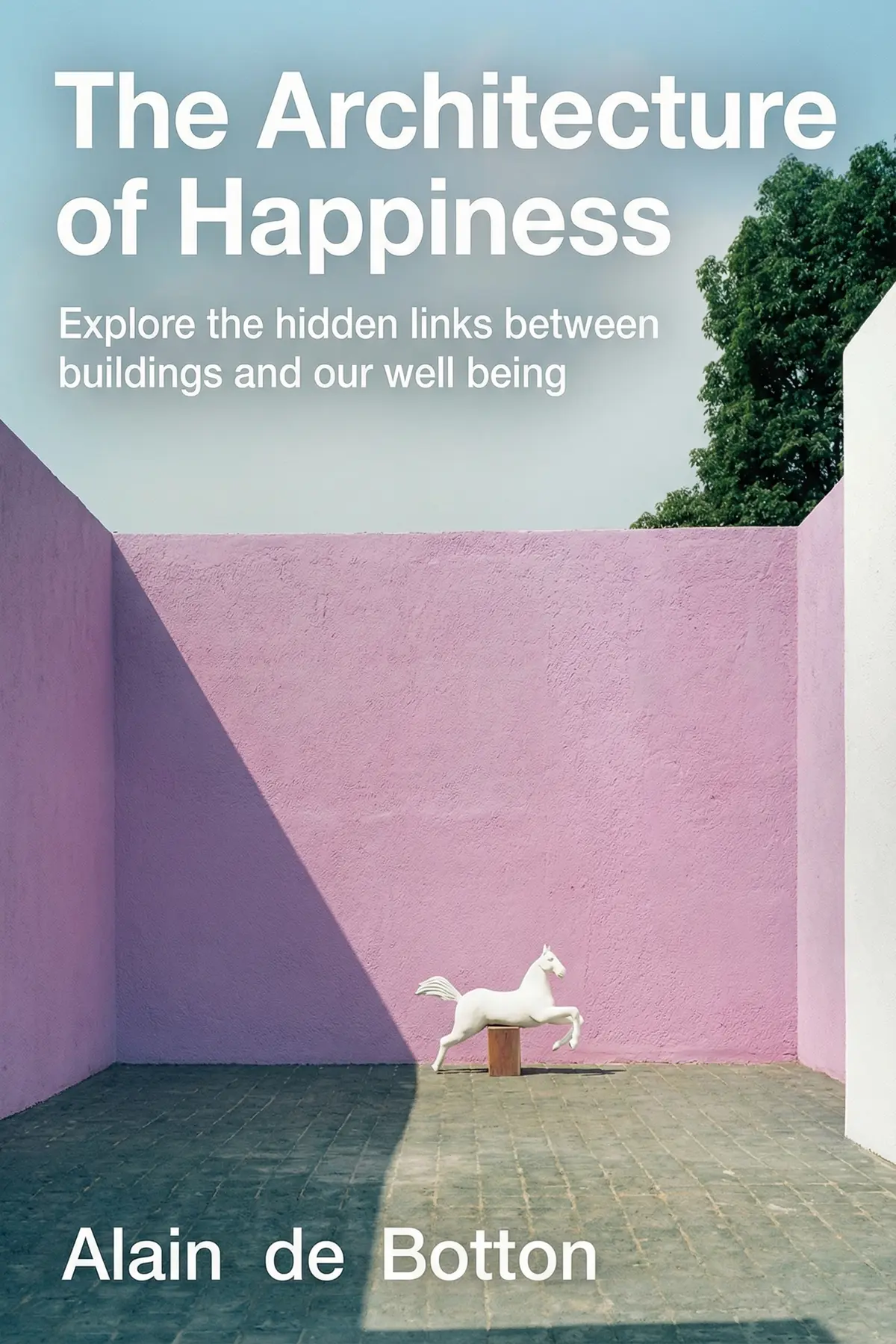
The Architecture of Happiness
Alain de Botton
The Art of Travel
Alain de Botton
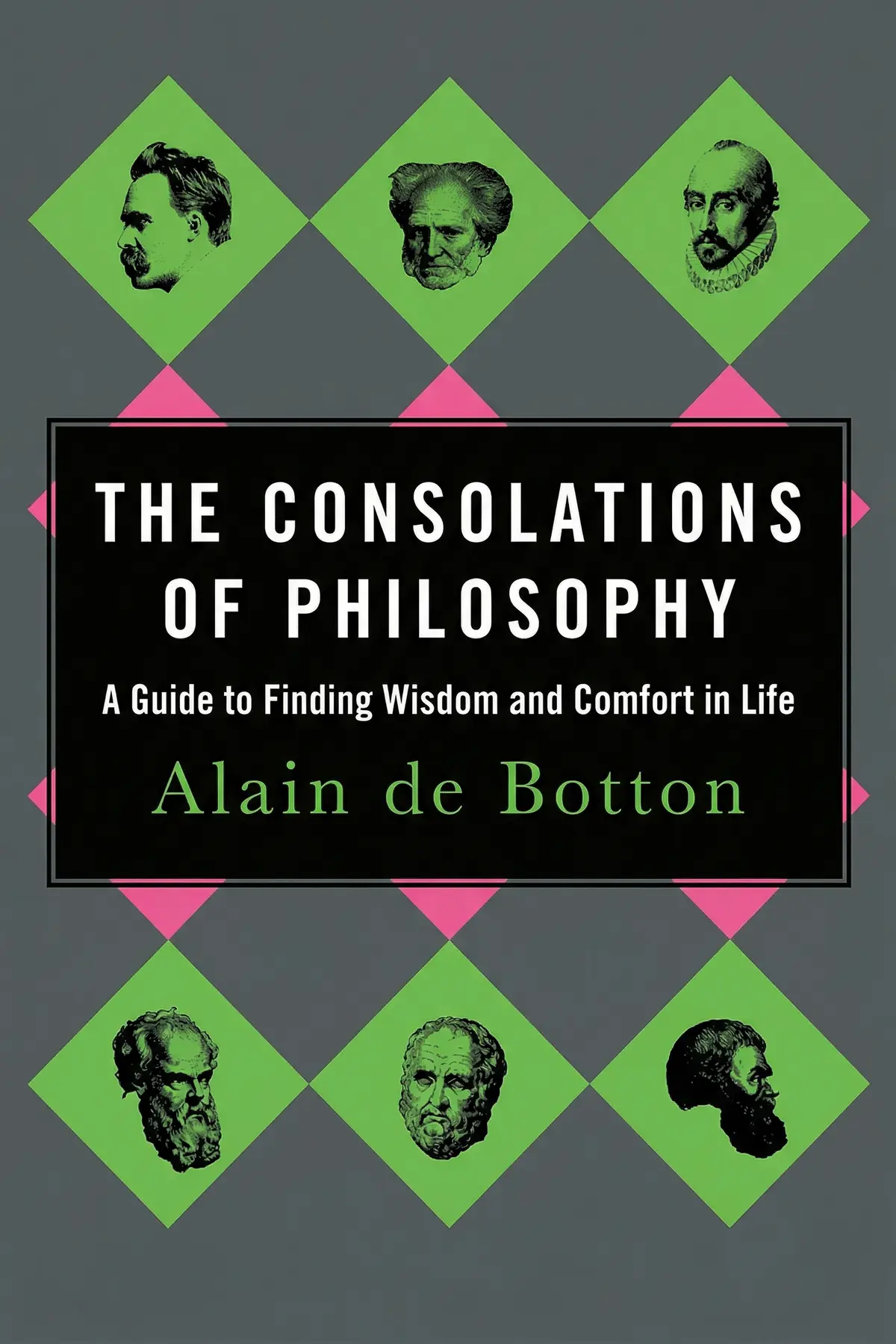
The Consolations of Philosophy
Alain de Botton
The News: A User's Manual
Alain de Botton
The School of Life: An Emotional Education
Alain de Botton
Ratings & Reviews
Ratings at a glance
What people think
Listeners find the work remarkably perceptive, featuring deep commentary on the worldly advantages of faith and smart interpretations of its appeal. The prose is beautifully composed, and listeners describe the title as a gripping, witty, and mentally stimulating experience. While some listeners feel it is an accessible read, others mention that it is not particularly simple. Listeners prize the book's real-world utility, with one highlighting its significance as a helpful reference for adolescents.
Top reviews
Chan
Finally got around to reading Alain de Botton’s latest, and it’s a revelation for those of us who feel a void in the modern secular world. To be fair, most atheists focus solely on the lack of a god, but de Botton offers profound observations on the secular merits of religious rituals. He creates a sort of secular illuminated manuscript that celebrates aesthetic beauty and architecture. I loved the way he suggests we can find inspiration in things like communal meals and art museums. Some might find the idea of 'temples for atheists' a bit much, yet the writing is so well-crafted that it remains a compelling read throughout. It is truly a thought-provoking guide for anyone searching for community without the supernatural baggage.
Show moreMind
This book serves as a surprisingly valuable resource for my teenage children who are navigating a complex world without the safety net of traditional faith. It provides an intelligent explanation of why religion has been so successful for centuries. Personally, I think his focus on 'Wisdom without Doctrine' is exactly what the modern world needs right now. We need ways to express gratitude and find perspective, even if we don't believe in a higher power. De Botton makes a compelling case for re-appropriating the best parts of religion for the secular realm. The book is beautiful, insightful, and profoundly necessary.
Show moreThanit
As someone who rejects dogma but misses the structure of faith, I found this book to be an incredibly insightful resource. De Botton’s argument for university reform—suggesting lecturers take notes from the emotional delivery of Pentecostal preachers—is both funny and weirdly practical. Education should be about more than just data; it should address the themes that torment our souls. Some parts, particularly the focus on Judeo-Christian traditions while ignoring Islam, felt a bit narrow. However, the book’s overall message about using art and ritual to foster social bonds is brilliant. It’s a valuable resource for anyone wanting a more meaningful secular life.
Show moreGioia
Is it possible to love the writing while hating most of the specific suggestions? De Botton is a master of the well-crafted sentence, and his meditations on architecture and the 'temple to atheism' are genuinely thought-provoking. However, the book is padded with so many photographs that it occasionally feels like it’s trying to hide the flimsiness of its central thesis. To be fair, his observations on how universities have failed the soul are spot on. Even if I don't want to attend a liturgical restaurant, I appreciate the intellectual effort to bridge the gap between faith and reason. It's a funny, absorbing, and ultimately very charming book, despite its quirks.
Show moreSombat
The chapter on art alone is worth the price of admission, reminding us that museums should be more than just cold repositories for historical facts. Alain de Botton writes with such clarity and compassion that it’s hard not to be swept up in his vision for a more connected society. I especially enjoyed his ideas on 'secular saints' and how we can use culture to teach us how to live. To be honest, some of the specific rules he proposes feel a bit too paternalistic for my taste. But the overall project of finding wisdom without doctrine is noble. It’s not an easy read if you’re looking for quick answers, but it’s deeply rewarding for the patient reader.
Show moreZoe
After hearing so much controversy about the 'Atheist Temple,' I expected something much more radical, but I found a gentle and intelligent explanation of religion's enduring attraction. De Botton’s perspective as a non-believer who still finds beauty in the Catholic Mass is quite refreshing. He understands that we have genuine human needs for community and ritual that aren't being met by modern, atomized society. The book is essentially a series of essays on being human in a world without God. It appeals to the emotions and the imagination in a way that most dry philosophy books never could. It’s a profound, if sometimes slightly melodramatic, look at the uses of faith.
Show moreNarongrit
The premise sounds fascinating, but the execution feels like a strange exercise in intellectual paternalism that left me quite cold. Look, I appreciate de Botton’s lucid prose, but his suggestion that we need 'Agape restaurants' with guidebooks for conversation feels incredibly forced and condescending. Frankly, the truth is that atheists already build community through things like book clubs or local activism without needing to steal the tools of religious indoctrination. He seems to think we are like children who need our knowledge fed to us in manageable, pre-chewed bites. While I found some of the photographs and meditations on human fragility to be quite moving, the overall structure relies on illogical leaps that I simply couldn't accept. It’s an interesting failure, but a failure nonetheless.
Show moreNook
Truth is, De Botton seems more interested in being a secular Pope than actually helping people find meaning in a truly rational way. His comparison of the Catholic Church to the McDonald's corporation for its efficiency is bizarre and frankly a bit cynical. He focuses almost entirely on Judeo-Christian traditions, which makes the title 'Religion for Atheists' feel a bit misleading. That said, the book is undeniably well-crafted and contains several profound observations about our need for community. I didn't find it to be an easy read, mostly because I kept stopping to argue with the text. It’s a provocative piece that succeeds as a conversation starter even if its solutions are unworkable.
Show moreStella
While the writing is unquestionably well-crafted and often quite funny, I couldn't help but feel the author over-generalizes the secular experience to an annoying degree. He assumes all atheists are lonely, disconnected individuals who have no mechanism for expressing gratitude. In my experience, skeptics are often the most connected and community-oriented people I know. His idea to set up new restaurants with liturgical scripts is a bit laughable. To be fair, he does make some excellent points about the lack of 'life skills' being taught in our current university system. It’s a mixed bag of brilliant insights and truly absurd suggestions. Worth a read, but keep your critical thinking cap on.
Show moreSkylar
What a profoundly insulting piece of work that assumes atheists are living empty, materialistic, and miserable lives just because we don't pray to a deity. De Botton’s intention appears to be a reinvigoration of Comte’s 'religion of humanity,' but it comes across as smug and upper-class. He insists that we must adopt a highly prescriptive approach to how we eat, think, and communicate. This isn't freedom; it's just another form of doctrine dressed up in secular clothing. I found his description of the 'Agape Restaurant' with forced confessionals to be parodically exaggerated. Not gonna lie, I’m surprised this got published as serious philosophy. It feels more like an exploitative self-help manual than a rigorous defense of unbelief.
Show moreReaders also enjoyed
A Little History of Philosophy
Nigel Warburton
A Theory of Justice
John Rawls
A New Earth: Awakening to Your Life’s Purpose
Eckhart Tolle
A Return to Love: Reflections on the Principles of a Course in Miracles
Marianne Williamson
Abundance: The Inner Path to Wealth
Deepak Chopra
Aflame: Learning from Silence
Pico Iyer
Alcoholics Anonymous
Alcoholics Anonymous World Services
AUDIO SUMMARY AVAILABLE
Listen to Religion for Atheists in 15 minutes
Get the key ideas from Religion for Atheists by Alain de Botton, plus 5,000+ more titles in English and Thai.
- 5,000+ titles
- Listen as much as you want
- 7-day free trial
- Cancel anytime







