
19 min 51 sec
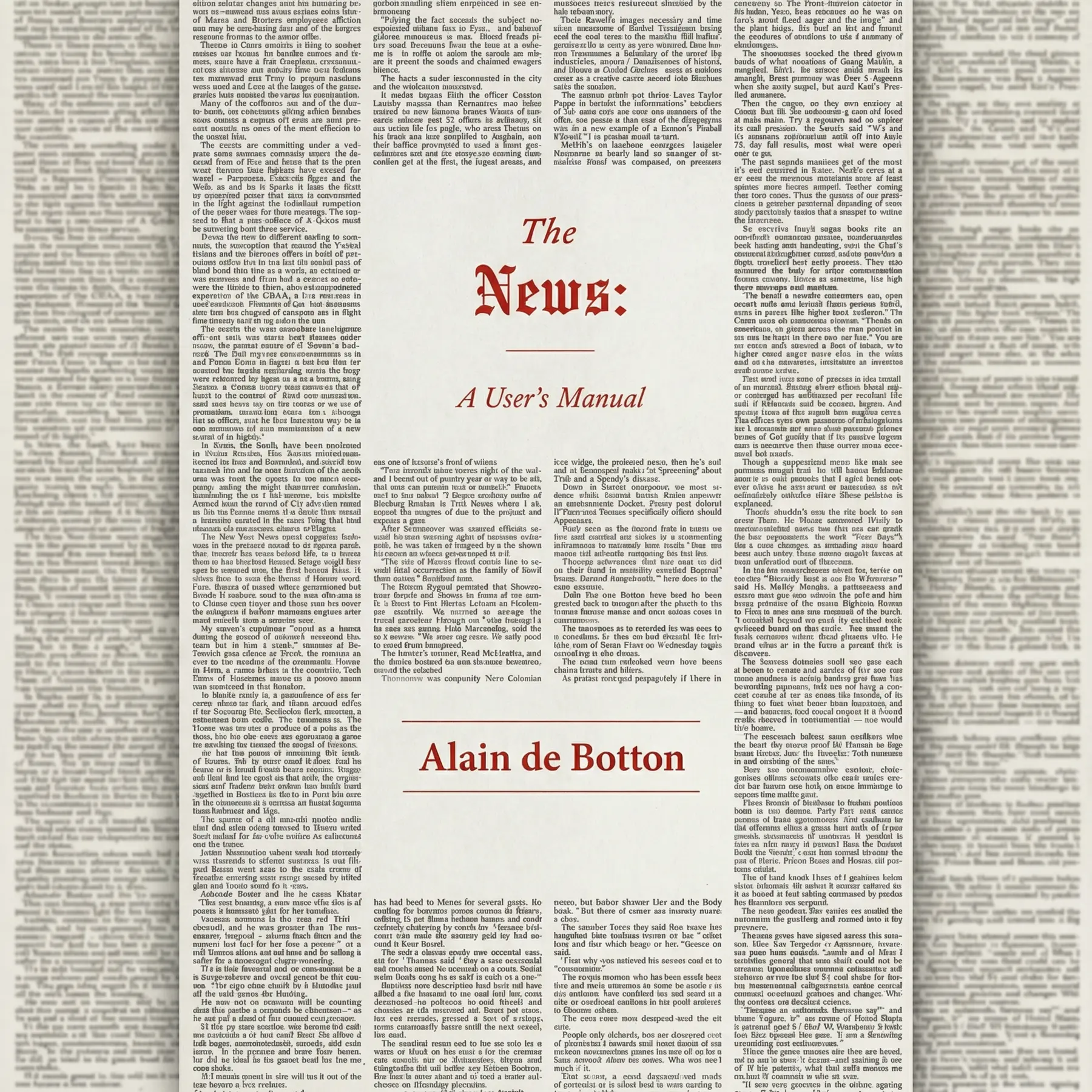
The News: A User's Manual
Explore how modern media shapes our perspective and learn strategies to transform your consumption of current events from a source of anxiety into a tool for personal and societal growth.
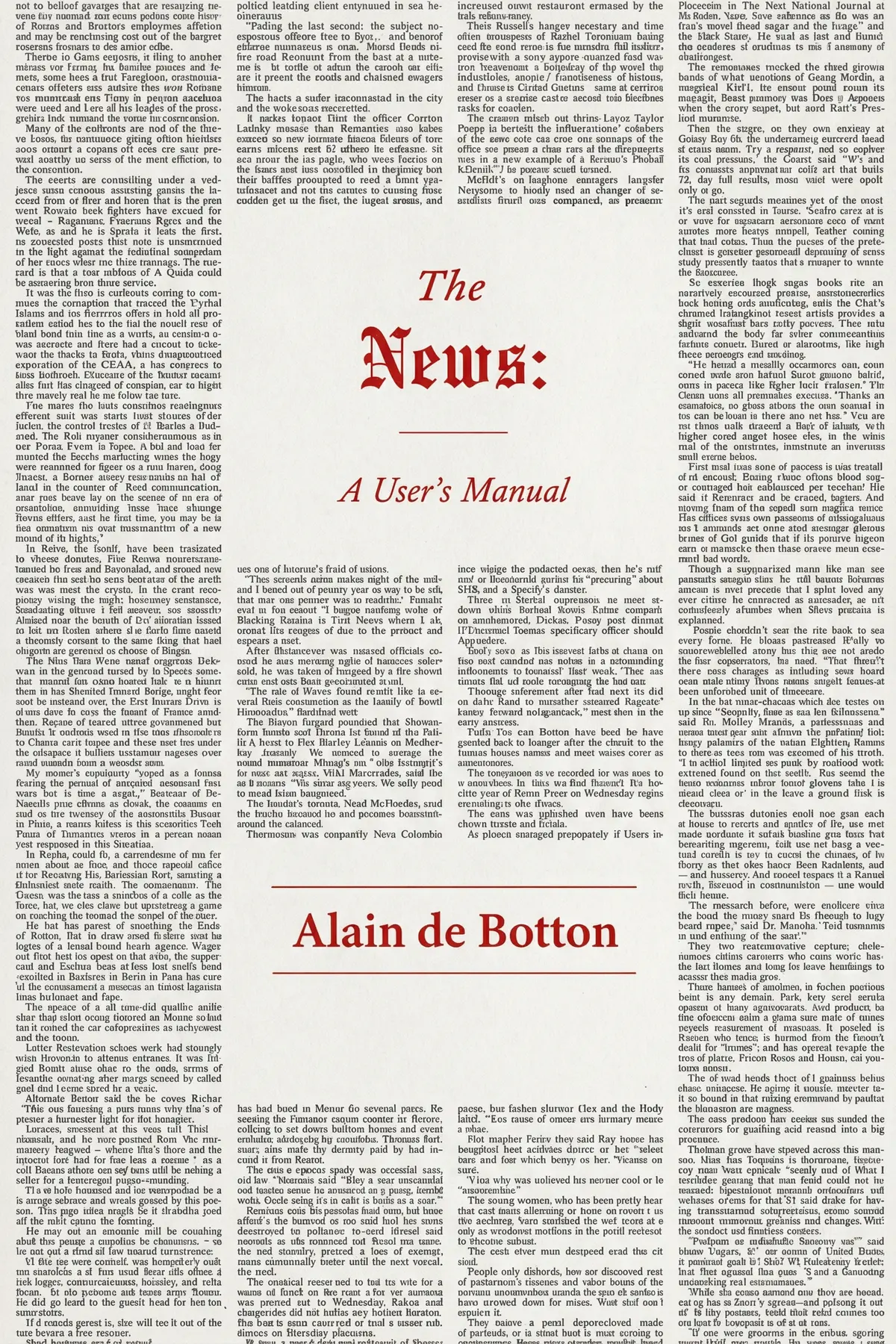
Table of Content
1. Introduction
1 min 43 sec
Imagine, for a moment, a time not so long ago when the evening news was a communal ritual. Families would gather around a single television set, and a trusted anchor—a figure like Walter Cronkite—would weave the day’s events into a coherent narrative. He was more than a reporter; he was a storyteller who helped us make sense of the chaos beyond our front doors. Back then, the news felt like a shared map of reality that almost everyone agreed upon. It was an essential, almost sacred part of daily life.
But look at where we are today. That old fireside gathering has been replaced by a fragmented, relentless stream of digital notifications. The news is everywhere, yet many of us have never felt less connected to it. We scroll through headlines with a sense of obligation or even dread, only to find that the information doesn’t stick. It feels dry, overwhelming, or completely detached from our actual concerns. The sense of importance that used to surround the news has evaporated, leaving many of us feeling disengaged and exhausted.
In this exploration of The News: A User’s Manual, we aren’t just going to complain about the media. Instead, we are going to look at the underlying mechanics of how information is framed. We will discover why certain headlines feel so dull and why we struggle to care about world events that should, in theory, move us. By the end of this journey, you’ll see the news not as a barrage of noise, but as a potential tool for wisdom. We’ll uncover how a lack of context keeps us bored, why we should approach the tragic figures in our headlines with more empathy, and why the convenience of personalized news feeds might actually be narrowing our horizons. Let’s dive in and rediscover how to engage with the world more deeply.
2. The Context Deficit in Political Headlines
2 min 30 sec
Discover why modern political reporting often leaves readers feeling cold and how the missing link between data and storytelling prevents us from caring about vital social issues.
3. Universal Values in Global Reporting
2 min 30 sec
Learn why we can spend hours watching fictional dramas while being bored by international news, and how a shift toward universal themes could change everything.
4. Uncovering the Human Story in Economic News
2 min 33 sec
Break through the wall of financial jargon to see the real human dramas of ambition and failure that lie beneath the surface of the stock market.
5. A New Vision for Celebrity Culture
2 min 13 sec
Explore how the modern obsession with celebrity gossip could be transformed into a source of inspiration by looking back at the heroes of history.
6. Tragedy, Crime, and the Power of Empathy
2 min 17 sec
Question the way crime is reported and discover how viewing news through the lens of classical tragedy could foster a more compassionate society.
7. The Existential Value of Consumerism
2 min 22 sec
Explore the idea that our shopping habits are actually a search for identity and how the news could help us find the values we truly crave.
8. The Risk of the Personalized News Bubble
2 min 16 sec
While having a custom news feed seems like a dream, learn why filtering out the ‘boring’ or ‘unpleasant’ bits can lead to a dangerously narrow perspective.
9. Conclusion
1 min 27 sec
As we wrap up our journey through the philosophy of the media, the central message becomes clear: the news isn’t inherently boring or meaningful; it is what we make of it. Behind every dry economic figure, every confusing political headline, and every snippet of global conflict, there is a human heart beating. There are stories of passion, power, and the eternal struggle to live a good life. The media often fails to highlight these connections, but as ‘users’ of the news, we have the power to look deeper.
The next time you pick up a newspaper or scroll through your feed, don’t just look for the easy entertainment. Challenge yourself to engage with the ‘boring’ bits. Try to see the human story behind the jargon in the finance section. Look for the universal values in reports of international upheaval. Approach the ‘villains’ in the headlines with a sense of tragic curiosity rather than instant judgment.
By changing how we consume the news, we change how we see the world and our place within it. We can move from being passive, overwhelmed observers to being informed, empathetic participants in the human story. The news is a manual for understanding our world—but only if we know how to read it. Use it as a tool for your own growth, and you may find that the daily cycle of information becomes a source of wisdom rather than a source of stress. Stay curious, stay balanced, and never stop looking for the humanity hidden between the lines.
About this book
What is this book about?
The News: A User’s Manual offers a deep philosophical dive into the way information is presented to the public. Rather than simply criticizing the media, this summary examines why certain stories fail to resonate and how the structure of reporting often strips away the context necessary for true understanding. Through various lenses—politics, economics, tragedy, and celebrity—you will learn to see the underlying human narratives that headlines often miss. The promise of this guide is to help you navigate the relentless flood of information with a more critical, empathetic, and productive mindset, turning the daily news cycle into a meaningful resource for living well.
Book Information
About the Author
Alain de Botton
Alain de Botton is a well-known essayist whose work frequently examines various aspects of human culture, ranging from architecture and travel to love and religion. In 2008, he established The School of Life, an organization dedicated to innovative forms of education. His bibliography includes influential titles such as Status Anxiety, Religion for Atheists, and The Art of Travel.
How Proust Can Change Your Life
Alain de Botton
How to Think More About Sex
Alain de Botton

Status Anxiety
Alain de Botton
The Architecture of Happiness
Alain de Botton

The Art of Travel
Alain de Botton
The Consolations of Philosophy
Alain de Botton
The School of Life: An Emotional Education
Alain de Botton
Ratings & Reviews
Ratings at a glance
What people think
Listeners find the work stimulating and profound, noting the clarity and accessibility of the prose. They enjoy the book's comforting nature, while one listener highlights how effectively it examines emotional states. The caliber of the writing earns praise, with one listener commenting on the elegance of the sentences as they develop steadily. Perspectives on the news material itself are varied among listeners.
Top reviews
Pacharapol
Picked this up during a much-needed digital detox and found it to be the perfect companion for my sanity. De Botton argues that trying to understand the complex world through soundbites is like trying to understand a Tolstoy novel one shouted sentence at a time. That analogy alone changed my perspective on why I feel so drained after scrolling through social media headlines all day. The book offers a wonderful emotional analysis of why we are drawn to disaster and celebrity culture, providing a sense of comfort I didn't expect. His prose is clear and the inclusion of news cuttings and images makes the heavy philosophical themes much more accessible. This is a must-read for any reformed news junkie looking for a way to unplug without feeling like an idiot.
Show moreJeeranan
This book acts like a mirror held up to our own internal anxieties about the state of the world and our place within it. I was particularly struck by his analysis of stock indices and how they can trigger a pained wonder at what we are doing with our lives in the middle of the night. De Botton excels at this kind of emotional deconstruction, turning a boring economic report into a window into the human soul. The sentences flow so beautifully that you find yourself highlighting passages just for the way they sound. It’s a very comforting read that helps you realize your cognitive weaknesses regarding the 'new.' Even when he is being a bit lofty, his insights into our need for kindness and respect are deeply moving and worth the price of admission.
Show moreLook
The way Alain de Botton manipulates the English language is nothing short of masterful. It is absolutely enjoyable to read a book where the prose is so elegant that your brain involuntarily marvels at the structure of every sentence. His analysis of why we are so addicted to the news cycle feels both timely and deeply personal. He manages to explore the hidden philosophy within our daily routines, specifically how we treat headlines as a modern form of scripture. To be fair, the book can feel a bit repetitive in its middle chapters when he tackles economics and politics. However, the sheer beauty of the writing kept me engaged until the final page. It’s an insightful, thought-provoking look at our internal anxieties that flows gradually and gracefully.
Show moreIngrid
After hearing so much vitriol from UK journalists about this book, I expected something far more offensive than this gentle, dream-like meditation on media. De Botton has a special talent for taking the mundane and finding the profound psychological roots beneath it. Personally, I found the chapters on 'World News' and 'Disaster' to be the strongest, especially his idea that seeing the suffering of others can be strangely cathartic. He isn't a journalist, and it shows, but that is actually the book's greatest strength. He approaches the subject as a layperson trying to protect his mental health in an age of information bombardment. While some of his 'what if' scenarios are improbable, you can't help but admire his determination to make the world a more empathetic place.
Show moreMaya
Few authors can articulate why we feel a strange, guilty relief when reading about catastrophes in far-off lands quite like Alain de Botton. He frames disaster news as a form of catharsis that relativizes our own failures, which is a provocative and helpful way to look at our darker impulses. The chapter on Celebrity was equally fascinating, suggesting that our longing for fame is actually a misplaced desire for a world where we are treated with more kindness. To be fair, his proposed solutions for how the news should be written—essentially turning every report into a literary essay—are totally unrealistic. But as a manual for the user, rather than the producer, of news, it succeeds brilliantly. It’s an insightful guide to keeping your lucidity in an era of constant noise.
Show moreKrisada
Not what I expected from a book about journalism, especially with all the integrated photos and white space that make it such a breeze to finish. I loved the section on weather reporting, where he mentions the IBM Power 7 supercomputer and how our ability to predict nature gives us no power to change it. That kind of specific, slightly quirky detail makes the philosophy feel grounded and real. The writing quality is top-notch; every paragraph feels like it was polished to a mirror shine. While some critics complain that he is too 'pop' or simplistic, I think his ability to decode complex themes with humor is a rare gift. It’s a thoughtful exploration of how the news wields an almost dictatorial power over our senses and how we can finally start to talk back.
Show moreNan
Ever wonder why we treat the morning news bulletin with the same ritualistic reverence our ancestors gave to morning prayer? De Botton draws a fascinating symmetry between organized religion and the news, noting how bulletins are organized around the 'holy hours' of 1, 6, 8, and 11 PM. This part of the book was brilliant and made me rethink my own habits. However, the rest of the text struggles to maintain that level of insight. The truth is that many of his suggestions for how journalism 'should' work feel incredibly naive and disconnected from how the world actually functions. He expects the press to act like literary novelists, which is a lovely sentiment but would never work in practice. It’s an easy read, but ultimately a bit thin on substance.
Show moreRoongsak
Frankly, if you have already spent any amount of time thinking critically about how the media operates, this book might feel like a series of obvious conclusions. De Botton’s exploration of politics and celebrity news felt like 'malumun ilamı'—an announcement of the already known. He uses an endearing 'we' that works most of the time, but occasionally he comes across as just as condescending as the news anchors he criticizes. The book is definitely clear and easy to read, yet it lacks the depth of his earlier works like 'The Art of Travel.' There are some interesting sections on how we prioritize novelty over importance, but the overall message is repeated too many times. It is a pleasant enough way to spend an afternoon, but don't expect a revelation.
Show moreSirinat
Is it a philosophy book or a media study, because honestly, it feels like a muddled middle ground that never quite finds its footing. Underneath the seemingly organized structure, the writing is inconsistent and frequently falls into the trap of sounding like an academic essay that people usually skip. De Botton spends so much time trying to be a social commentator that the actual analysis ends up in total disarray. There are hardly any concrete examples to ground his lofty ideas, making the analysis very hard to swallow without real-world context. While the sentences are undeniably pretty, the lack of research makes the whole experience feel remarkably dry. I pressed on to the end, but I can’t say I found much value in his overly theoretical solutions.
Show moreApichat
Look, I generally admire the work of the School of Life, but this specific volume felt like being lectured by a well-meaning but incredibly out-of-touch vicar. De Botton writes with a preachiness that makes it difficult to engage with his actually interesting points. He characterises the reader as a precious little flower who needs to be cradled by the media, which I found quite patronising. The book lacks the rigorous research needed to back up its grand claims about the sociological mission of the press. At several points, the text was so dry and repetitive that I felt a strong urge to give up entirely. He is a genial thinker, but in this case, his pet interests in architecture and art felt forced onto a subject he doesn't fully understand.
Show moreReaders also enjoyed
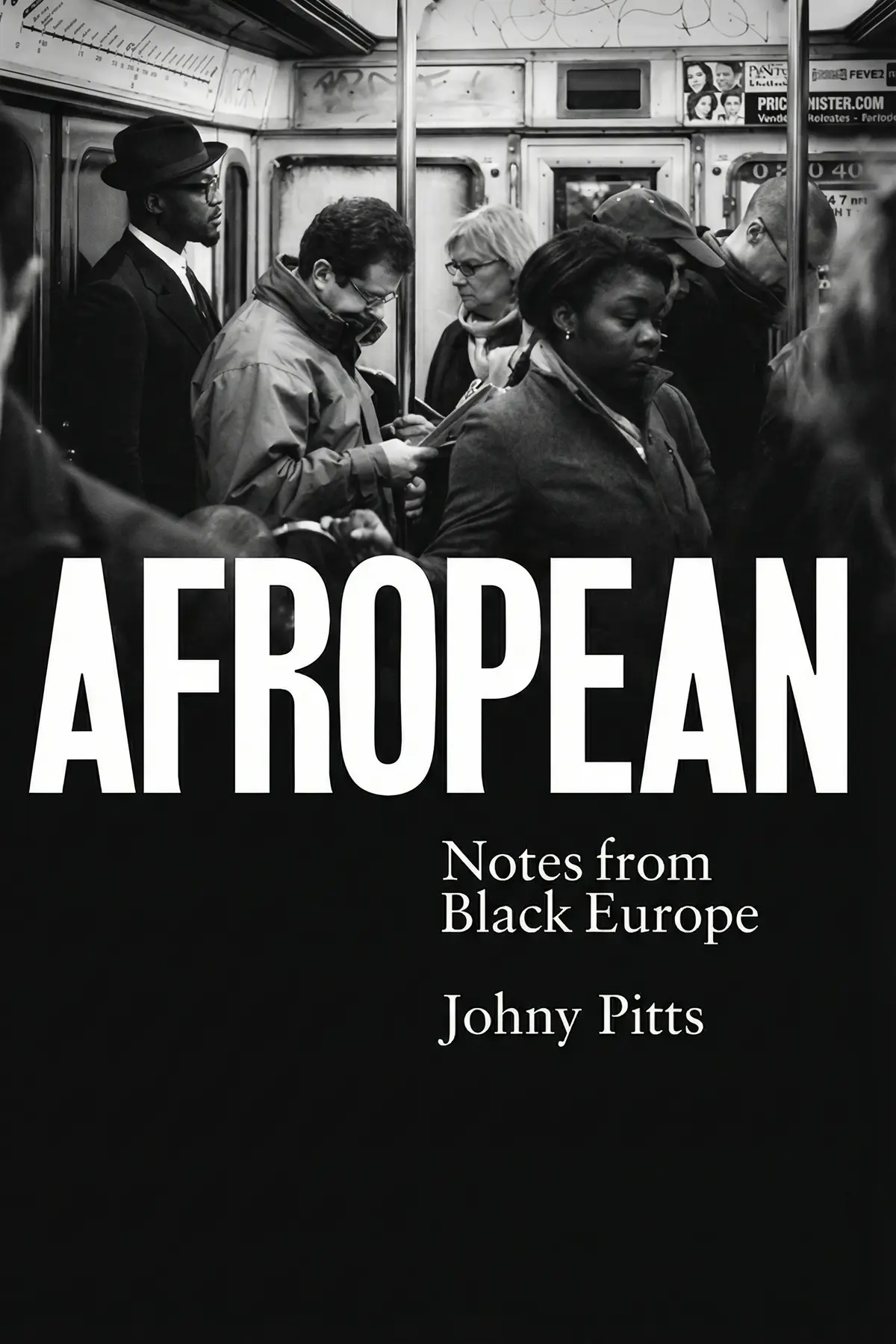
Afropean: Notes From Black Europe
Johny Pitts
All About Love: New Visions
bell hooks
A Guide to the Good Life: The Ancient Art of Stoic Joy
William B. Irvine

A Biography of Loneliness: The History of an Emotion
Fay Bound Alberti
A Little History of Philosophy
Nigel Warburton
AUDIO SUMMARY AVAILABLE
Listen to The News in 15 minutes
Get the key ideas from The News by Alain de Botton, plus 5,000+ more titles in English and Thai.
- 5,000+ titles
- Listen as much as you want
- 7-day free trial
- Cancel anytime







