
18 min 53 sec
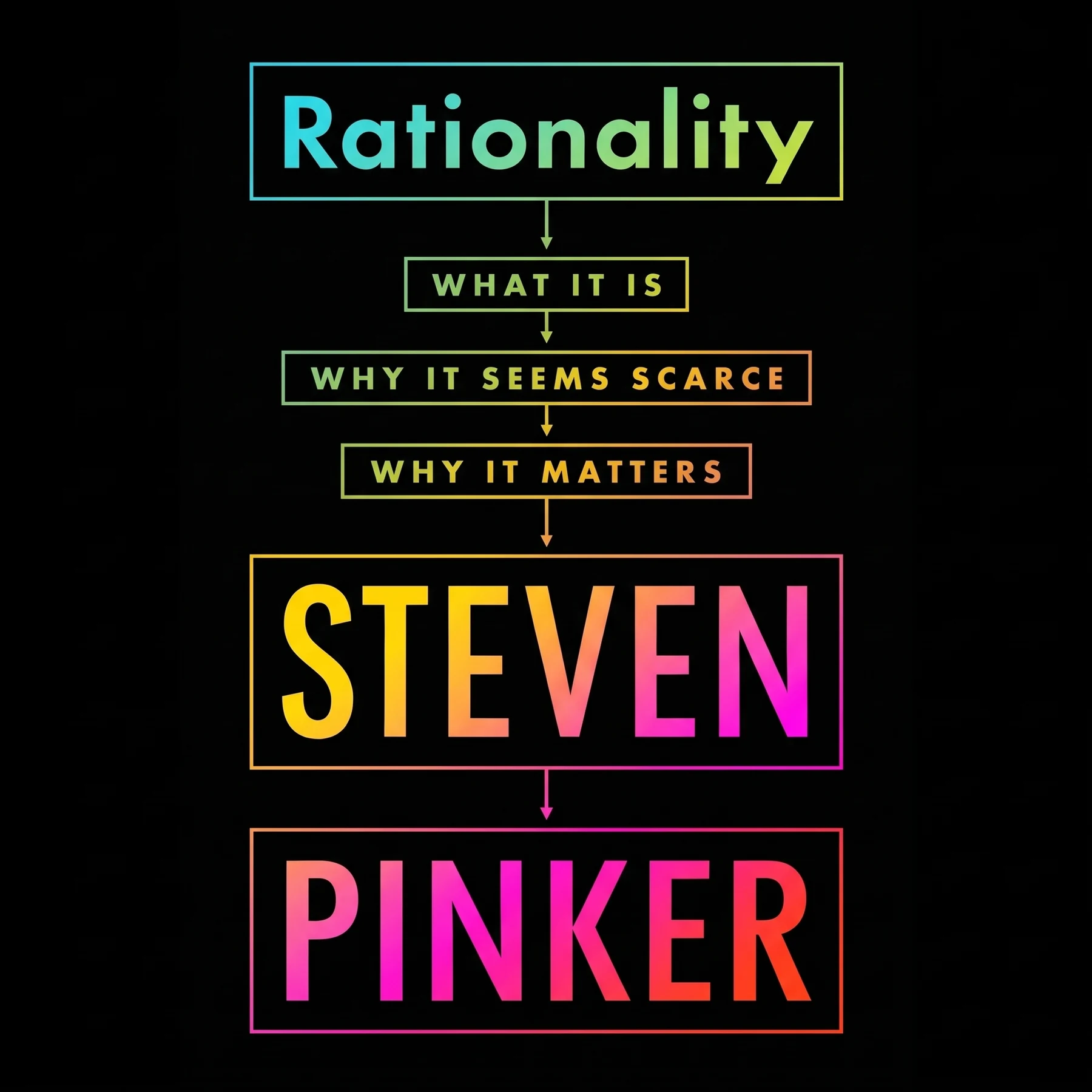
Rationality: What It Is, Why It Seems Scarce, Why It Matters
Steven Pinker examines the mechanics of logic, probability, and critical thinking, arguing that rationality is not just a cognitive skill but a vital tool for personal success and global progress.
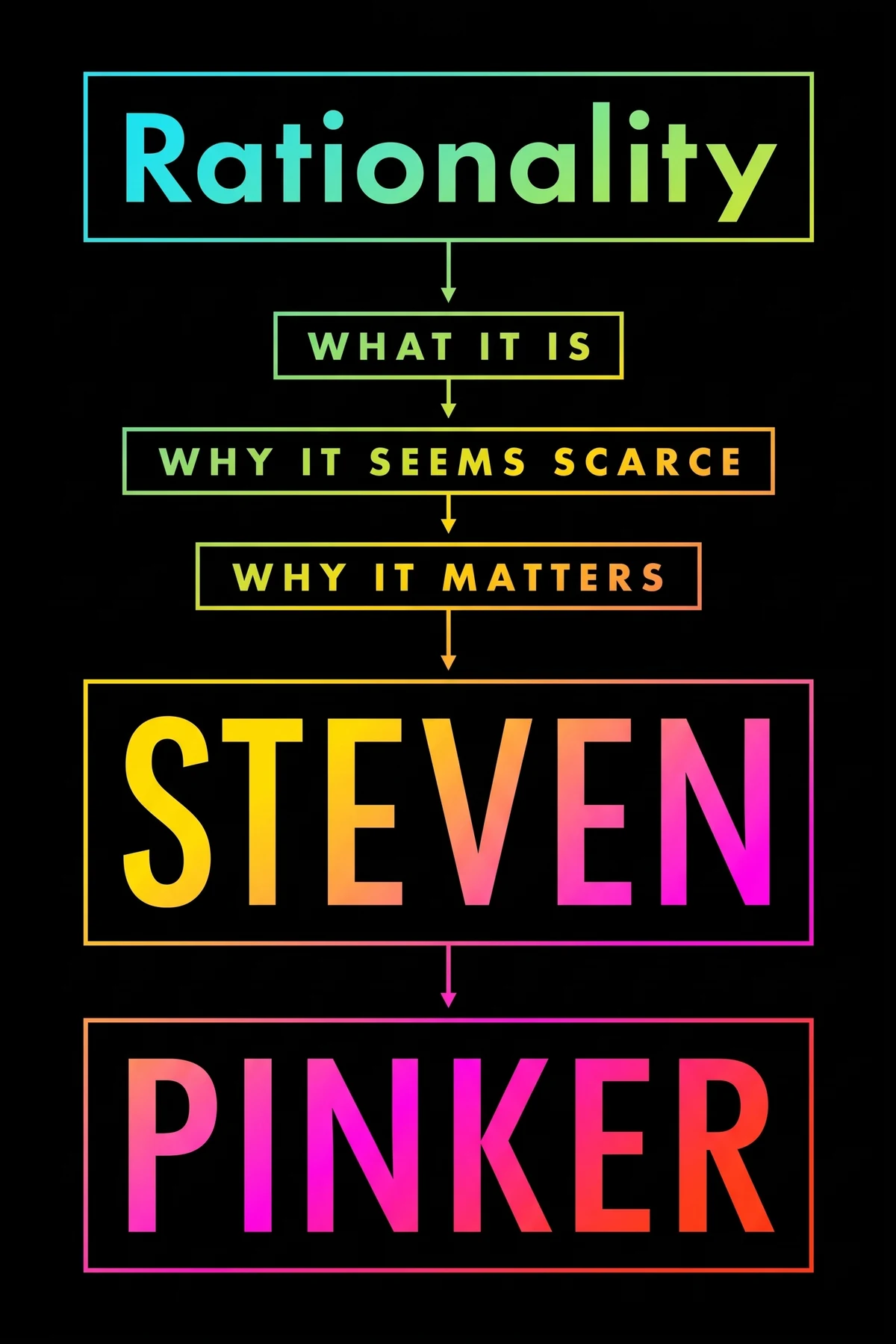
Table of Content
1. Introduction
1 min 32 sec
In an era where information is abundant but clarity is often elusive, the ability to think straight is perhaps our most valuable asset. We often take for granted the spectacular triumphs of the human mind—the fact that we have mapped the genome, built global communication networks, and developed life-saving vaccines in record-breaking time. Yet, at the very same time, we see the persistence of illogical beliefs, polarized gridlock, and self-destructive choices. This brings us to a central question: What is rationality, and how can we use it to improve our lives and our society?
In this exploration of Steven Pinker’s work, we are going to dive deep into the mechanics of reason. We aren’t just looking at dry logic or math problems; we are looking at the essential toolkit that allows us to distinguish truth from fiction and effective strategy from wasted effort. Rationality is not an innate gift that some have and others lack; rather, it is a set of tools—including logic, probability, and critical thinking—that we can all learn to use more effectively.
Throughout this journey, we’ll see how reason acts as a bridge between where we are and where we want to be. We will examine why it’s sometimes smarter to stay in the dark than to know everything, how our collective rules prevent us from falling into traps of self-interest, and why the most profound moral ideas are actually grounded in cold, hard consistency. By the end of this summary, you’ll have a clearer understanding of how to navigate the complexities of modern life using the most powerful engine at your disposal: your own mind.
2. Reason as a Tool for Navigation
2 min 17 sec
Discover why the hallmark of a rational being isn’t just following a straight path, but the ability to change course when obstacles appear in the way.
3. The Relationship Between Logic and Desire
2 min 09 sec
Explore how reason acts as the mediator between our conflicting urges, helping us choose the path that leads to long-term fulfillment.
4. The Strategic Use of Ignorance
2 min 24 sec
Learn why sometimes the most rational thing you can do is limit your own choices or purposefully stay in the dark.
5. Evidence over Intuition
2 min 07 sec
Discover how the shift from armchair philosophy to active observation transformed the way we understand the world.
6. The Power of Institutional Checks
2 min 15 sec
See how society uses structured disagreement and collective rules to make up for the flaws in our individual thinking.
7. Solving the Tragedy of the Commons
2 min 15 sec
Explore why ‘rational’ individual choices can lead to collective disasters, and how we can rewrite the rules to benefit everyone.
8. The Logical Foundation of Morality
2 min 19 sec
Discover how the simple requirement of consistency leads us to the most powerful moral principle in human history.
9. Conclusion
1 min 35 sec
As we have seen, rationality is far more than a simple academic exercise or a way to solve puzzles. It is the foundational architecture of everything that makes human life worth living. From the way we manage our conflicting personal desires to the complex institutions like science and law that protect us from our own biases, reason is the guiding light that allows us to progress.
We’ve explored how being rational sometimes means acknowledging our own limitations—knowing when to tie ourselves to the mast or when to remain strategically ignorant. We’ve seen that true rationality requires the courage to look at evidence, even when it contradicts what we want to believe. Most importantly, we have seen that reason provides the ultimate foundation for how we treat one another. The Golden Rule isn’t just a spiritual teaching; it is a logical imperative that allows for a fair and stable society.
So, what is the takeaway for our daily lives? The throughline here is that rationality is a skill that can be cultivated. It requires us to be humble enough to admit we don’t have all the answers and disciplined enough to use the tools of logic and evidence to find them. By building better thinking habits and supporting the institutions that keep us honest, we don’t just improve our own decision-making; we contribute to a more sane, prosperous, and moral world. The next time you face a difficult choice or a confusing debate, remember the lessons of the iron filings and the horse’s teeth. Don’t just follow a fixed path, and don’t rely on armchair theories. Open the horse’s mouth, check the evidence, and let reason be your guide.
About this book
What is this book about?
Rationality explores the tools of human reason and why they are often ignored in favor of bias and superstition. It addresses a fundamental paradox: how a species capable of eradicating diseases and landing on the moon can simultaneously fall prey to illogical conspiracy theories and self-defeating behaviors. By breaking down the concepts of logic, probability, and game theory, the book provides a roadmap for thinking more clearly and making better choices. The promise of this work is a more effective way of navigating the world. It teaches readers how to distinguish between intuitive but flawed thinking and the rigorous demands of objective truth. From understanding the strategic benefits of ignorance to exploring how institutions like science and law protect us from our own cognitive shortcomings, this summary offers a comprehensive guide to sharpening the mind and improving the quality of both individual and collective decision-making.
Book Information
About the Author
Steven Pinker
Steven Pinker is the Johnstone Professor of Psychology at Harvard University and an award-winning author. A member of the National Academy of Sciences, he’s been named one of Time’s 100 Most Influential People and one of Foreign Policy’s 100 Leading Global Thinkers. His previous books include Enlightenment Now and The Better Angels of Our Nature.
The Blank Slate: The Modern Denial of Human Nature
Steven Pinker
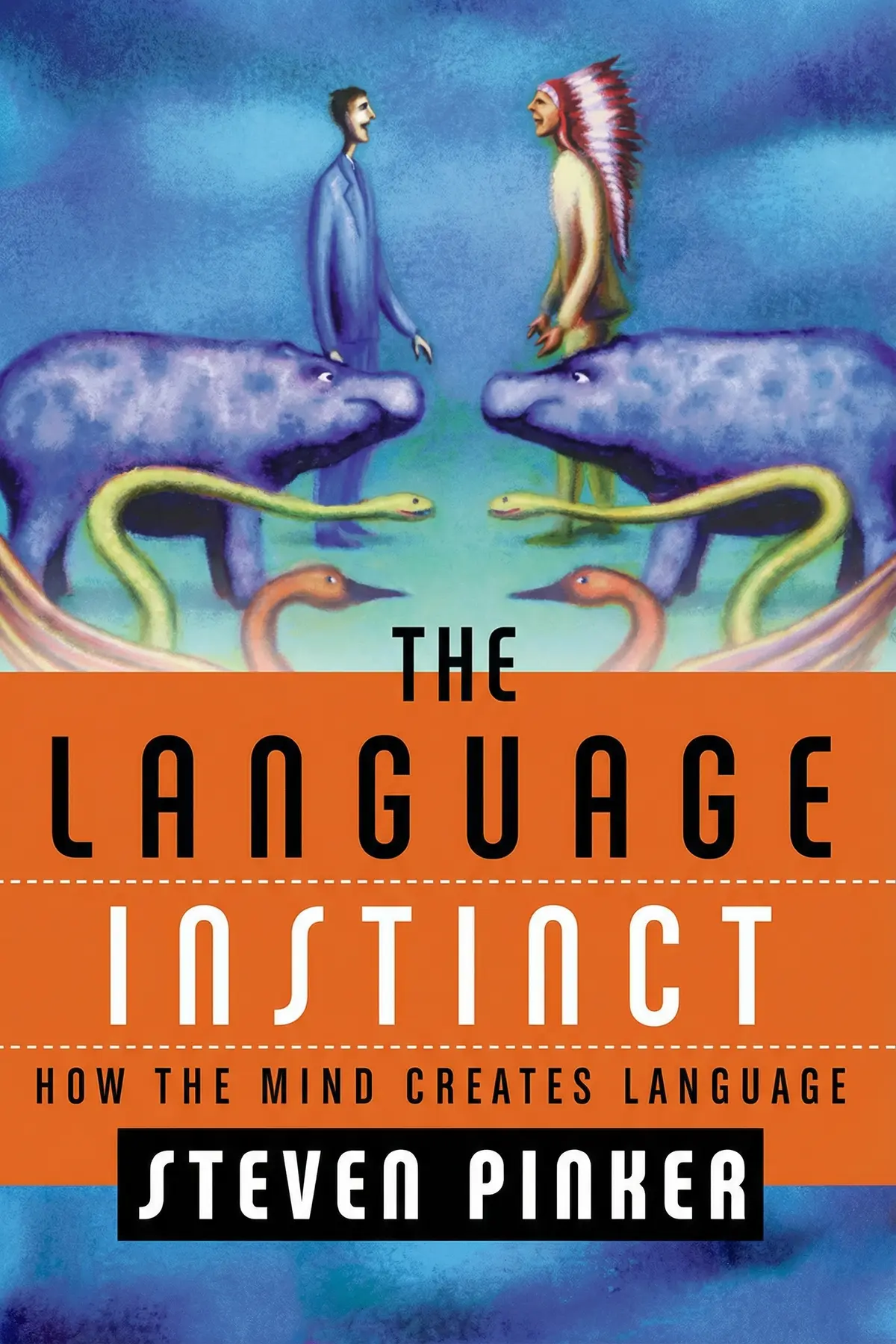
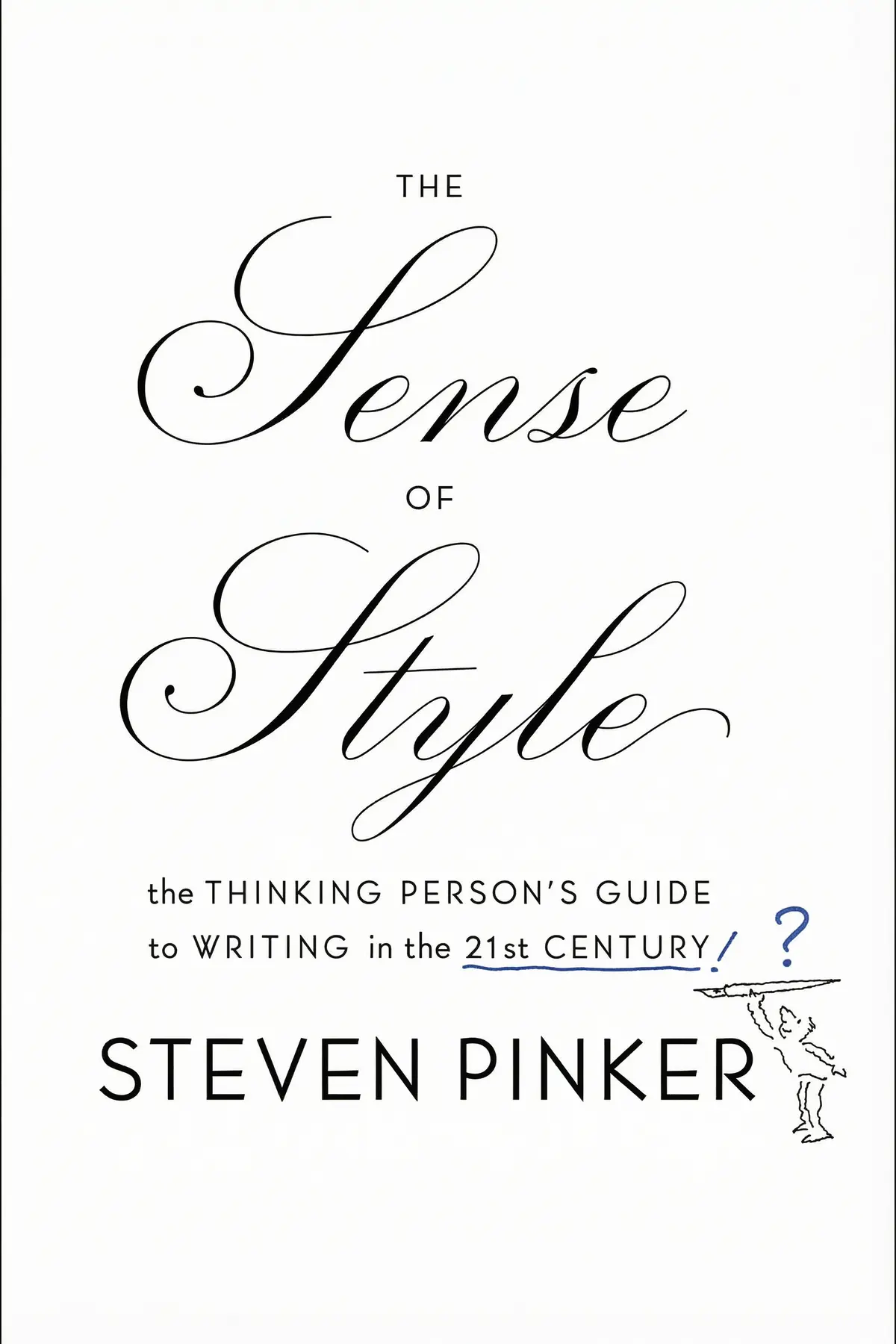
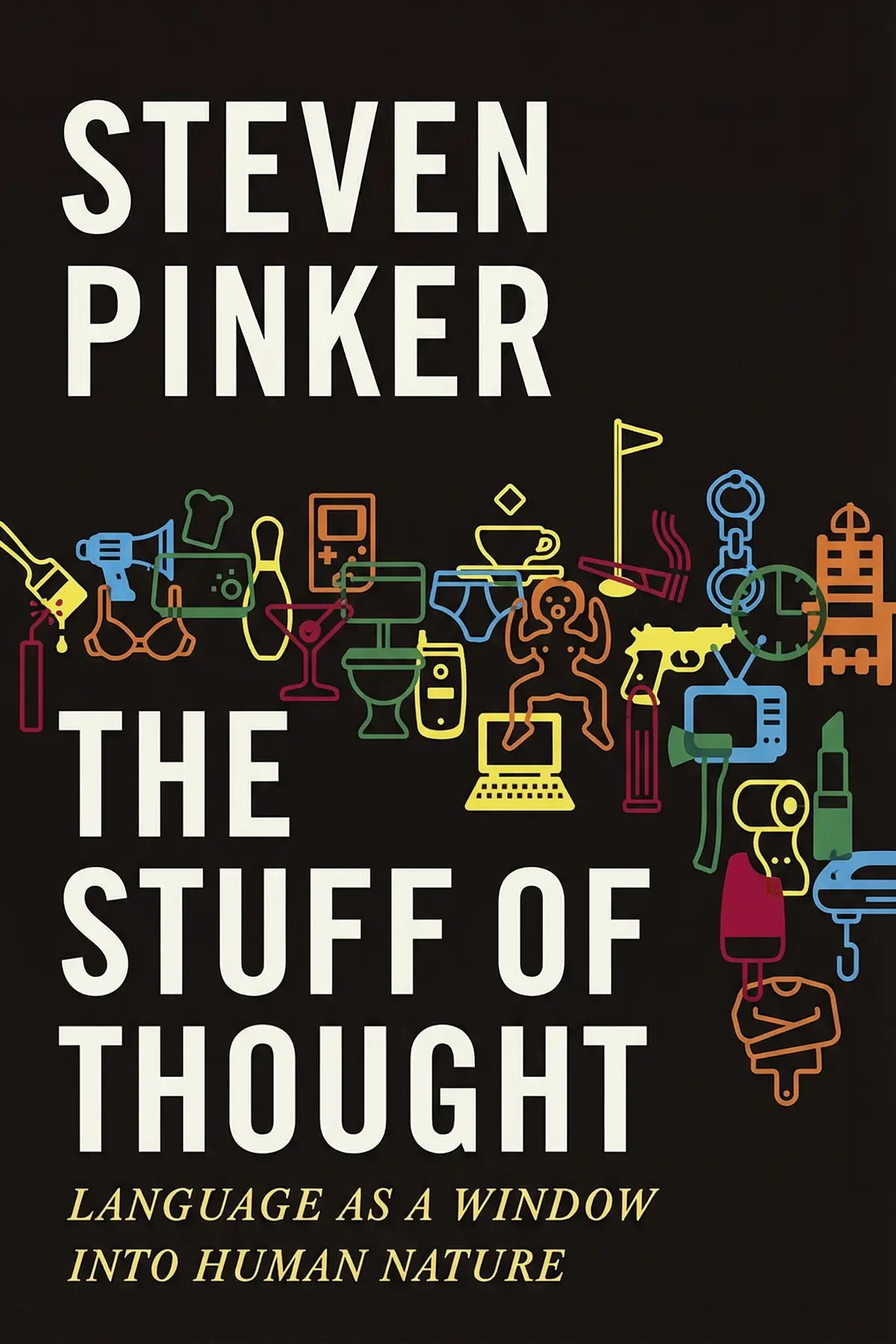
The Language Instinct: How the Mind Creates Language
Steven Pinker
Ratings & Reviews
Ratings at a glance
What people think
Listeners find the book offers a deep dive into the nature of logical thought and effectively motivates them to practice critical thinking. It also earns acclaim for its captivating examples and broad spectrum of theories, with one listener remarking that it successfully clarifies complicated subjects. On the other hand, listeners express conflicting opinions on the ease of reading, as some find the material challenging to comprehend. The treatment of rationality itself draws a split response; while some value the way the topic is dismantled, others think it is insufficient. Finally, the political themes are labeled as overly partisan, and listeners remain divided on the author's overall authority.
Top reviews
Ning
Finally got around to reading Pinker's latest, and it is a powerhouse of cognitive tools. I was particularly impressed by how he demystifies the Monty Hall problem, which has always made my brain hurt in the past. To be fair, it's a bit heavy on the statistics in the middle sections, but the payoff for your critical thinking skills is immense. He collects everything from game theory to Bayesian reasoning into one cohesive framework. It’s an essential manual for anyone trying to navigate our "myside" society without losing their sanity. Some might find the tone slightly pedantic, but the depth of insight makes it worth the effort. Truly a profound exploration of how we can do better.
Show moreTantipat
Ever wonder why the world seems to have lost its collective mind lately? Pinker provides a brilliant, comprehensive answer by breaking down the specific tools we need to stay grounded. From risk literacy to the nuances of game theory, he covers an impressive range of ideas that are immediately applicable to everyday life. I particularly liked the example of how doctors often flub breast cancer probabilities—it really drives home the point that we need these cognitive upgrades. The book is challenging, yes, but it makes complex concepts accessible to anyone willing to put in the work. It’s a masterful defense of logic that should be required reading.
Show morePing
Pinker is a firebrand, and while his tone can be polarizing, the core arguments here are solid and necessary. He argues that rationality isn't just about being smart; it's a kit of tools we use to achieve goals in a complex world. I loved the section on the "hot hand" fallacy and how he challenges some common assumptions in behavioral economics. The book is definitely academic, and he doesn't shy away from technicality, which I actually appreciated. Got to say, his "dad jokes" scattered throughout kept me from feeling completely overwhelmed by the math. It's an affirmation of reason in an era that desperately needs it.
Show moreRin
The chapter on Bayes's rule was actually the most intuitive explanation I've ever read, and that's saying something. Pinker has a knack for taking something as intimidating as statistical probability and turning it into a relatable problem-solving exercise. However, I’ll admit the book is quite dense. At times, it feels like he’s trying to fit three different university courses into a single volume. Sentence lengths vary from short, punchy observations to long, philosophical musings that require a second pass. It’s a great resource for improving your "map" of reality, even if the terrain is a bit rocky to navigate. Be prepared for a mental workout.
Show moreWittaya
Truth is a direction, not a destination, and this book provides a very sturdy compass for the journey. Pinker deftly reviews the diverse cognitive tools humanity has developed over millennia to circumvent our natural biases. He acknowledges that we aren't perfectly rational beings, but argues convincingly that we can approach truth collectively. The section on "myside bias" was particularly illuminating, explaining how even intelligent people get trapped in ideological bubbles. While the technicality might be a hurdle for some, the payoff in terms of intellectual humility and clarity is substantial. It's a dense, rewarding read for the patient mind who wants to understand the world better.
Show moreRapee
Look, this isn't light beach reading, so don't go in expecting a quick self-help guide. It’s a serious deep dive into the mechanics of thought. I found the sections on exponential growth and the scarcity of rationality to be incredibly timely. There’s a lot of math, but Pinker’s wit shines through and keeps things from getting too grim. He’s definitely got his critics, but I find his optimism about human progress to be a breath of fresh air in a cynical age. It’s a solid 4-star read that will definitely change how you look at the evening news. Just take your time with the formulas.
Show moreWei
"What a man is, if his chief good is but to sleep and feed," is a question Pinker tackles with his signature blend of science and philosophy. Using Shakespeare as a springboard, he explores why our "godlike reason" so often goes unused. I found his discussion on the Kalahari bushmen particularly intriguing, illustrating that rationality is often context-dependent and survival-based. The book does stumble occasionally into being overly technical, and some of the game theory charts could have been simplified for the general reader. Still, the overall message is powerful. It’s a call to arms for the intellect, reminding us that being rational is a choice we have to make every day.
Show moreDarawan
As someone who appreciates a good psychological deep dive, I found this book to be a bit of a bait-and-switch. The title suggests a study of the human mind, but the reality is much more like a university-level statistics textbook. Frankly, it’s dense and occasionally dry, filled with formulas that might alienate a casual reader. While the first and last chapters are riveting—especially the discussion on the mythological mindset versus the reality mindset—the middle feels like a slog through probability theory. If you already have a background in data science, you might find yourself skimming a lot of familiar territory. It’s informative, but definitely not the breezy read I anticipated.
Show moreSomsri
To be fair, I went in with high expectations because of his previous work like "Enlightenment Now." This one felt a bit more like a retread of basic logic and stats. If you've never heard of base-rate neglect or the Monty Hall problem, you’ll find this fascinating and perhaps even life-changing. But for anyone with a passing interest in skepticism or science, a lot of this is old news. The writing is polished, yet the "textbook" feel of the middle chapters made it hard to stay motivated. Personally, I would have preferred more focus on the sociological reasons why people reject rationality rather than the math behind it. It's good, just not groundbreaking.
Show moreChamnong
Not what I expected given the title and the hype surrounding it. I found the author’s dichotomy between the "reality mindset" and the "mythology mindset" to be incredibly reductive and, frankly, quite arrogant. It felt less like a book on how to think and more like a political manifesto disguised as a science text. The writing style is often heavily pedantic, making it difficult to stay engaged for more than a few pages at a time. Unless you are already a member of the Pinker fan club, you might find the constant virtue signaling and the dismissive tone toward dissenting views hard to stomach. It lacks the balance I was hoping for.
Show moreFeatured in
Readers also enjoyed
A Guide to the Good Life: The Ancient Art of Stoic Joy
William B. Irvine
59 Seconds: Change Your Life in Under a Minute
Richard Wiseman

A Little History of Philosophy
Nigel Warburton
A Theory of Justice
John Rawls
AUDIO SUMMARY AVAILABLE
Listen to Rationality in 15 minutes
Get the key ideas from Rationality by Steven Pinker, plus 5,000+ more titles in English and Thai.
- 5,000+ titles
- Listen as much as you want
- 7-day free trial
- Cancel anytime







