
David Hume
Scottish philosopher and historian
David Hume was a Scottish philosopher, historian, economist and essayist, known for his empiricism and scepticism. Readers come to him for A Treatise of Human Nature and his Enquiries.
3 summaries 1h 04 min of listening
British Born 1711 in Edinburgh Died 1776
Influenced by René Descartes, Thomas Hobbes, Jean-Jacques Rousseau, Adam Smith, Niccolò Machiavelli
About David Hume
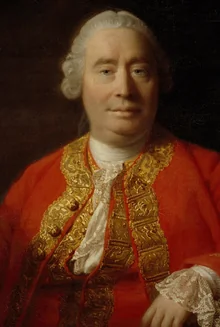
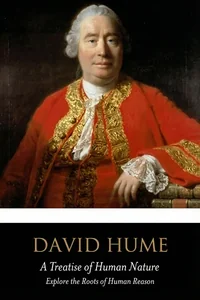
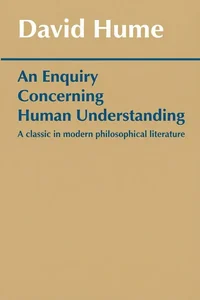
David Hume (1711-1776) was born in Edinburgh, Scotland. He worked as a philosopher, historian, economist and essayist, and is known for empiricism, philosophical scepticism and a naturalistic approach to the study of people. In A Treatise of Human Nature, he set out to build a science of man grounded in the psychology of human nature. He later wrote An Enquiry Concerning Human Understanding. The Treatise got little notice at first, and in his own lifetime he was best known as a historian and essayist, since his History of England became a bestseller. Hume argued that passions rather than reason govern human behavior, and that ethics rest on feeling rather than abstract principle. Immanuel Kant credited Hume with ending Kant's own "dogmatic slumbers".