Opens in a new tab

Best Leadership Books

Fifteen leadership books sorted by the problem in front of you, from finding purpose to leading across cultures.

Most lists of the best leadership books rank titles by fame. This one starts from the problem in front of you: a team that has lost sight of why its work matters, feedback you keep putting off, trust that has worn thin or a change nobody wants. It is written for new team leads, experienced managers and anyone who leads without the title.

The fifteen books follow those problems in order, two for each: purpose, ownership and courage, feedback and coaching, growing your people, trust, change, and culture. The Culture Map sits in the culture pair for anyone who leads colleagues from several countries, which is everyday work for many teams in Southeast Asia. Leadership and Self-Deception closes the list on its own, as a reminder that leading others starts with how you see them.

How we chose: every book comes from the BookBits catalog. We read the pages that rank for this search, mostly forums and social posts plus a few personal favorites and bibliographies, and none of them matched books to the problem a leader is facing. So we grouped the picks by problem, two books per problem, ordered so the second book in each pair builds on the first. The order moves from your own purpose and conduct outward to your team, your organization and its culture.

Pick the problem you most need to solve this quarter and start with that pair. Every title links to its 15-minute audio summary on BookBits, with a free preview you can play without an account. All fifteen also belong to the goal to become a better leader, if you want to keep going.
15 books, 4h 38m
Explore the first book →
Best Leadership Books cover

The books

15 books
  1. 1

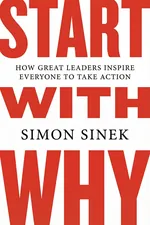
    Start With Why

    Simon Sinek

    Simon Sinek argues that people follow leaders who are clear about why they do something, not only what they do or how. His Golden Circle puts purpose at the center and explains why some organizations earn lasting loyalty while others rely on discounts, pressure and short-term tactics. It suits leaders whose team knows its targets but not the reason behind them. It opens the list because purpose is the frame every later book works inside, and it pairs with Good to Great, which turns that purpose into results.

  2. 2

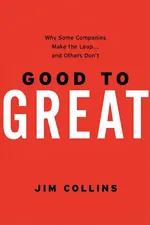
    Good to Great

    Jim Collins

    Jim Collins asks why some companies make a lasting leap from good results to great ones while similar companies stall. He traces the difference to a humble but determined style of leadership, to getting the right people in place before setting direction, and to the discipline of focusing on what the company can do best. It suits leaders who want steady, long-term results rather than quick wins. It follows Start With Why because it shows what purpose looks like once it becomes daily discipline.

  3. 3

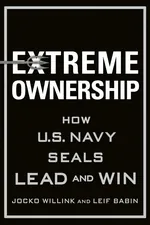
    Extreme Ownership

    Jocko Willink

    Jocko Willink brings Navy SEAL combat leadership down to one rule: the leader owns everything that happens on the team, mistakes included. Blaming others, the plan or bad luck is off the table, and that clarity tends to change how the whole team behaves. It suits leaders who work under pressure and anyone tempted to explain away a missed result. It opens the ownership and courage pair because, once you know where you are going, the next question is who answers for getting there.

  4. 4

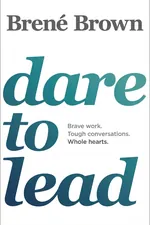
    Dare to Lead

    Brené Brown

    Brené Brown makes the case that courage, not certainty, is the heart of leadership. She argues that leaders who can stay open, admit what they do not know and live by clear values build braver teams, and she gives you language for difficult conversations. It suits leaders who feel they must always appear in control. It follows Extreme Ownership as its human counterpart: ownership tells you to take responsibility, and this book shows how to do it without armor, which prepares you for the feedback books next.

  5. 5

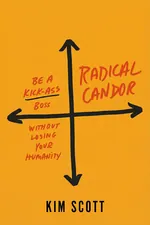
    Kim Scott shows how to care about people personally and challenge them directly at the same time. Without care, feedback turns harsh; without challenge, it fades into polite silence that helps nobody. Her framework helps you give praise and criticism that people can act on, and ask for it in return. It suits leaders who put off difficult conversations or soften them until the message is lost. It opens the feedback and coaching pair because honest feedback is the first thing a team needs from its leader.

  6. 6

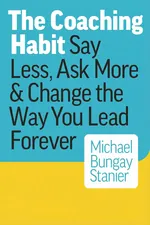
    The Coaching Habit

    Michael Bungay Stanier

    Michael Bungay Stanier gives you a short set of questions that help you coach instead of jumping in with answers. The habit is to stay curious a little longer, so people solve more of their own problems and you stop being the bottleneck for every decision. It suits busy leaders whose team waits for them before acting. It follows Radical Candor because feedback tells people where they stand, while coaching helps them work out what to do next, and it leads into the books on growing your people.

  7. 7

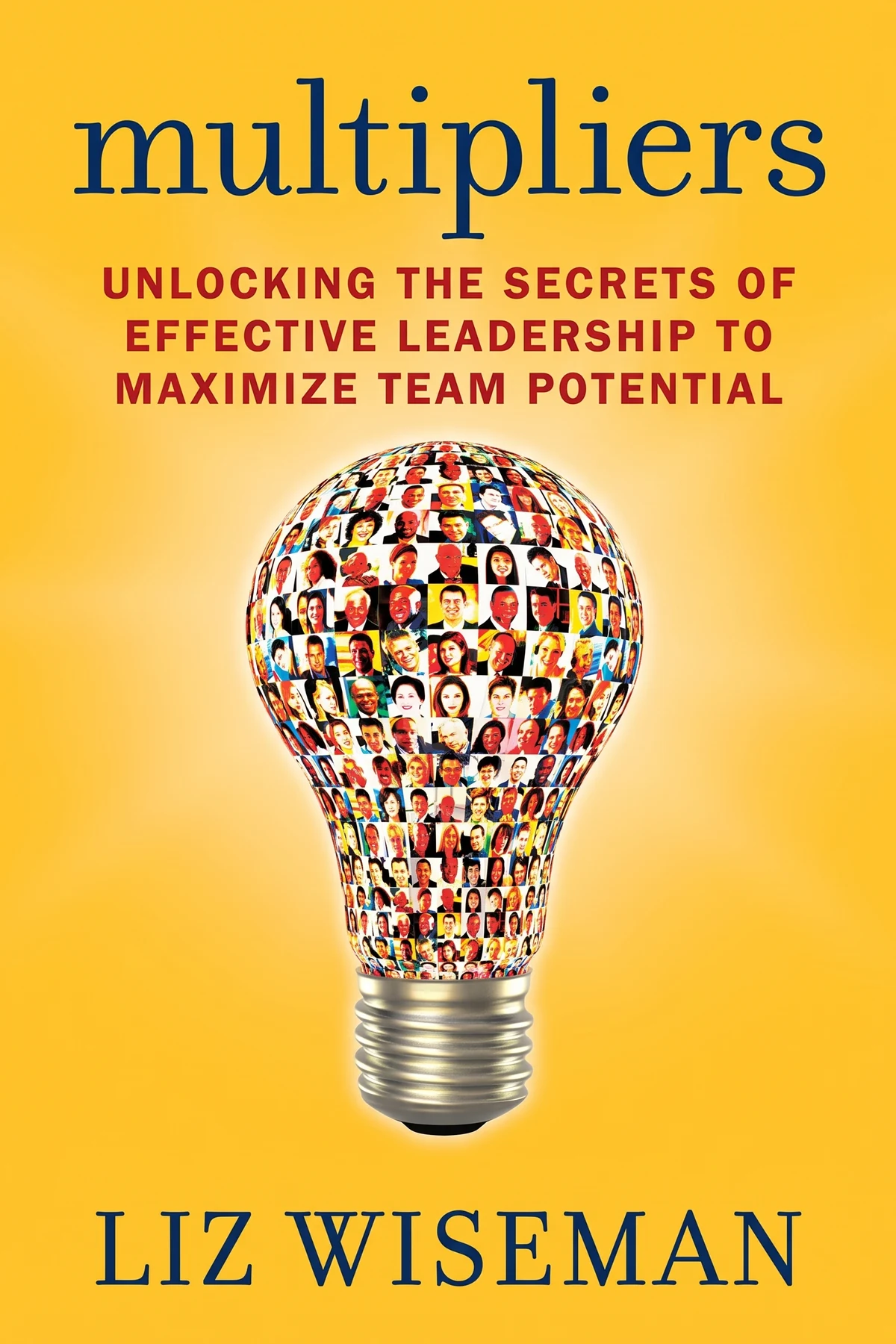
    Multipliers

    Liz Wiseman

    Liz Wiseman describes two kinds of leaders. Diminishers, often without meaning to, shut down the thinking of the people around them by deciding everything and holding the best ideas for themselves. Multipliers draw out more intelligence and effort than people knew they had. She shows the habits that move you toward the second kind. It suits capable leaders who suspect their team holds back. It opens the pair on growing people because it shows how your own behavior can enlarge or shrink a team.

  8. 8

    Turn the Ship Around

    L. David Marquet

    L. David Marquet tells how, as a Navy commander, he took over a struggling nuclear submarine and stopped giving orders the usual way. Instead, officers stated what they intended to do, and decisions moved to the people closest to the information. The result was a crew of leaders rather than followers. It suits leaders who want to stop micromanaging but fear losing control. It follows Multipliers because it puts that idea into a working model you can adapt to an ordinary team.

  9. 9

    Patrick Lencioni uses a business story about a struggling leadership team to show how groups fall apart. The five patterns build on each other, starting with missing trust, which leads to avoided conflict, weak commitment, little accountability and inattention to results. It suits leaders whose team seems polite but does not deliver. It opens the trust pair because it names the foundation every other team habit rests on, and it sets up The Fearless Organization, which explains how to build that foundation.

  10. 10

    Amy C. Edmondson explains psychological safety, the shared sense that it is fine to raise a question, a worry or a mistake without being punished or embarrassed. She argues that teams need it to learn, catch problems early and come up with new ideas, and that leaders are the ones who build it. It suits leaders of teams where people stay quiet in meetings. It follows Lencioni because it turns the trust he describes into specific leadership behaviors you can practice.

  11. 11

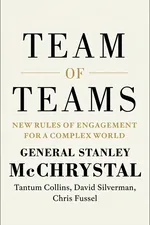
    Team of Teams

    Stanley McChrystal

    General Stanley McChrystal describes how a rigid military command structure had to change to keep up with a faster, more connected opponent. The answer was to share information widely and let small teams decide quickly, while staying linked to each other. It suits leaders in large organizations that feel too slow for the problems they face. It opens the change pair because it shows change at the level of structure, before Switch looks at the people who have to live through it.

  12. 12

    Switch

    Chip Heath

    Chip Heath explains why change is so hard and offers a three-part way to lead it. People need a clear direction for the rational mind, a reason to care for the emotional side and an environment that makes the new behavior easier. Most change efforts address only one of the three. It suits leaders introducing new ways of working that people resist. It follows Team of Teams because structure alone rarely changes behavior, and this book covers the human side.

  13. 13

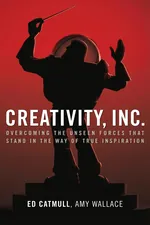
    Ed Catmull shows how Pixar built a culture where early ideas are allowed to start out rough, and where candid feedback from trusted colleagues makes them better. He writes about protecting new ideas, facing failure openly and spotting the hidden problems that slowly harm a creative organization. It suits leaders of teams whose work depends on new ideas. It opens the culture pair because it shows what a healthy culture looks like from inside, before The Culture Map shows how culture differs across countries.

  14. 14

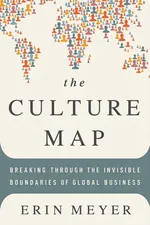
    The Culture Map

    Erin Meyer

    Erin Meyer maps how national cultures differ in giving feedback, making decisions, building trust and disagreeing. What counts as polite and clear in one country can feel rude or vague in another, and a leader who misses this can misread a whole team. It suits anyone who leads or works with colleagues from several countries, which is daily work for many teams in Southeast Asia. It follows Creativity, Inc. because it widens culture from one company to the many backgrounds inside a team.

  15. 15

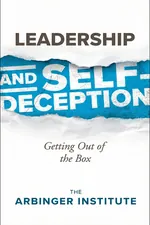
    Leadership and Self-Deception

    The Arbinger Institute

    The Arbinger Institute uses a business fable to show how we stop seeing colleagues as people and start treating them as obstacles or tools, a state the book calls being in the box. Once inside, we justify ourselves and blame others, and conflict grows. It suits any leader stuck in a tense working relationship. It closes the list on its own because every earlier book depends on it: technique works only when you see the people you lead clearly.

Questions

What are the top 10 leadership books?

From this list, a ten-book core would be Start With Why, Good to Great, Extreme Ownership, Dare to Lead, Radical Candor, The Coaching Habit, Multipliers, The Five Dysfunctions of a Team, Team of Teams and The Culture Map. That covers purpose, ownership, courage, feedback, coaching, developing people, trust, organizational change and leading across cultures. Add the other five when you meet the problem they address.

What is the best book on leadership?

There is no single best book, because leaders face different problems. If you are new to leading people, Extreme Ownership is the most direct place to start. If your team lacks direction, read Start With Why. If the problem is honest feedback, read Radical Candor. If you only have time for one idea, Leadership and Self-Deception is short and changes how you see everyone you lead.

What are the best books to read as a leadership team?

Read The Five Dysfunctions of a Team together first, because its five patterns give a team a shared language for what is going wrong. Follow it with The Fearless Organization, so people feel safe enough to discuss those patterns openly. Team of Teams works well for leadership groups in larger organizations, and The Culture Map helps teams whose members come from several countries.

Are these books useful if you are not a manager?

Yes. Much of leadership happens without a title: leading a project, guiding a peer or shaping how a team works. Start With Why, Dare to Lead and Extreme Ownership apply to anyone who wants others to follow their lead. Leadership and Self-Deception is useful in any working relationship, and The Culture Map helps anyone who works across countries.

Home

Search

Discover

Log in