Opens in a new tab

Best Mental Health Books

Fourteen books on anxiety, low mood, stress, self-talk and trauma, mostly written by psychiatrists, psychologists and therapists.

This list of the best mental health books is for anyone who wants to understand their own mind a little better: when anxiety keeps you up at night, your mood has been low for a while, stress has turned into burnout, or someone you love is struggling.

How we chose: we started with the author. Twelve of the fourteen are trained in psychiatry, psychology, psychotherapy or brain and health science, and each note says who they are, so you know whose advice you are getting. We favored books that explain what is going on and give you something to practice, left out novels and poetry, and preferred trained experts over personal memoirs by non-specialists. Two reflective books are included on purpose and marked as non-clinical. Every pick has a BookBits audio summary.

The books are grouped by what you are dealing with. The list opens with one practical starting point, then moves through anxiety, low mood, stress and burnout, a harsh inner voice, trauma, and what therapy is actually like. The last three are about meaning and perspective, and the final two, The Courage to Be Disliked and The Things You Can See Only When You Slow Down, are reflective rather than clinical, for days when you want comfort more than technique.

Start with the group closest to how you feel right now; there is no need to read in order. Every title links to its 15-minute audio summary on BookBits, with a free preview you can play without an account.

These books can help you understand what you are feeling, but they are not a substitute for professional help. If you are struggling, please talk to a doctor or a mental health professional. In Thailand, the Department of Mental Health hotline 1323 offers free, confidential support 24 hours a day. If you are in immediate danger, call your local emergency number.
14 books, 4h 10m
Explore the first book →
Best Mental Health Books cover

The books

14 books
  1. 1

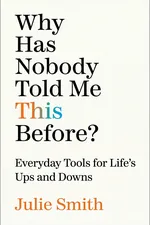
    Clinical psychologist Julie Smith gathers practical tools for everyday emotional health into short, standalone chapters: how to handle a low mood, what to do when anxiety rises, and why connection with other people matters so much. Nothing has to be read in order, so you can open it at the chapter that fits your day. It sits first because it touches most of the problems the rest of the list explores in depth, which makes it a useful map before you choose a more focused book such as Unwinding Anxiety or Feeling Good.

  2. 2

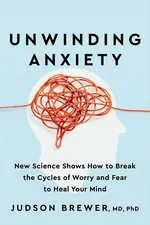
    Unwinding Anxiety

    Judson Brewer

    Psychiatrist and neuroscientist Judson Brewer treats worry as a habit: a trigger, a behavior and a reward that the brain learns to repeat. His approach is not to fight the loop but to get curious about it, paying close, mindful attention to what worrying actually gives you until its pull weakens. It suits readers whose anxiety shows up as constant overthinking. It opens the anxiety pair because it starts from habits you can notice every day; Rewire Your Anxious Brain, next, goes deeper into the brain biology.

  3. 3

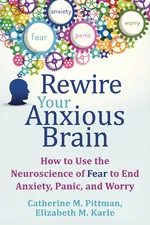
    Rewire Your Anxious Brain

    Catherine M. Pittman

    Clinical psychologist Catherine Pittman explains that anxiety can start in two different parts of the brain. The amygdala reacts fast, often before you are aware of any danger, while the cortex produces anxious thoughts, worries and images. Because the two work differently, each calls for different practices, and the book pairs them with practical ways to calm each one. It suits readers who find change easier once they understand how something works. Read it after Unwinding Anxiety if you want the science behind fear, panic and worry laid out clearly.

  4. 4

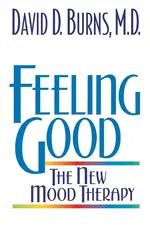
    Feeling Good

    David D. Burns

    Stanford psychiatrist David Burns brings cognitive behavioral therapy (CBT) to everyday readers. Its core idea is that low mood is often fed by distorted thinking, such as all-or-nothing judgments or jumping to conclusions, and that you can learn to notice those thoughts, question them and answer them with more balanced ones. It is one of the most structured books on the list and suits readers who like clear exercises. It opens the low-mood pair because it gives you a method; The Upward Spiral, next, explains the brain side of the same problem.

  5. 5

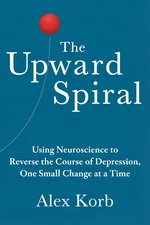
    Neuroscientist Alex Korb describes depression as a pattern in the brain's circuits, where small changes in activity feed each other and pull mood further down. His point is that the same feedback can run the other way: small, everyday changes in sleep, movement, decisions, gratitude and time with other people can start to shift those circuits in a better direction, one step at a time. It suits readers who want to understand what is happening inside the brain. It follows Feeling Good as the biology to that book's method.

  6. 6

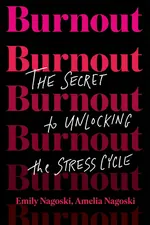
    Burnout

    Emily Nagoski

    Emily Nagoski, who holds a doctorate in health behavior, and her twin sister Amelia separate stress, the reaction in your body, from the stressors that cause it. Dealing with the stressor does not end the stress itself, they argue, so the body needs a way to complete the cycle through movement, rest, connection and other simple acts. Written for women and the expectations placed on them, it is useful for anyone running on empty. It opens the stress and burnout section because it explains why rest is a need, not a reward.

  7. 7

    Dopamine Nation

    Anna Lembke

    Stanford psychiatrist Anna Lembke, who specializes in addiction, explains that the brain keeps pleasure and pain in balance. Every easy hit of pleasure, from a phone, a snack or a shopping cart, is followed by a pull toward discomfort as the brain restores that balance, so a constant supply can leave us feeling flat or worse. She describes how stepping away for a while can help reset it. It follows Burnout because many tired people reach for quick rewards to cope, and this book explains why those rarely leave you rested.

  8. 8

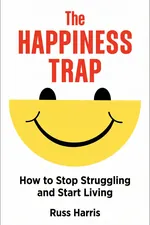
    Doctor and psychotherapist Russ Harris introduces Acceptance and Commitment Therapy (ACT). The trap of the title is the belief that we should feel happy all the time, and the effort of chasing that feeling, or fighting painful thoughts, often makes things worse. ACT teaches you to notice thoughts without obeying them, make room for difficult feelings and act on what matters to you. It opens the section on a harsh inner voice because it changes your relationship with thoughts instead of arguing with them, a useful contrast to Feeling Good.

  9. 9

    Self-Compassion

    Kristin Neff

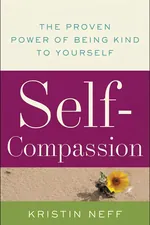
    Kristin Neff, a psychology researcher at the University of Texas at Austin, explains why treating yourself as kindly as you would treat a friend makes setbacks easier to face. Her version of self-compassion has three parts: kindness instead of harsh judgment, remembering that everyone struggles, and mindful awareness of pain without blowing it up. It is especially helpful for perfectionists and anyone who fears that being gentle with themselves will make them lazy. It pairs with The Happiness Trap as the warmer of the two books on self-talk.

  10. 10

    The Body Keeps the Score

    Bessel van der Kolk

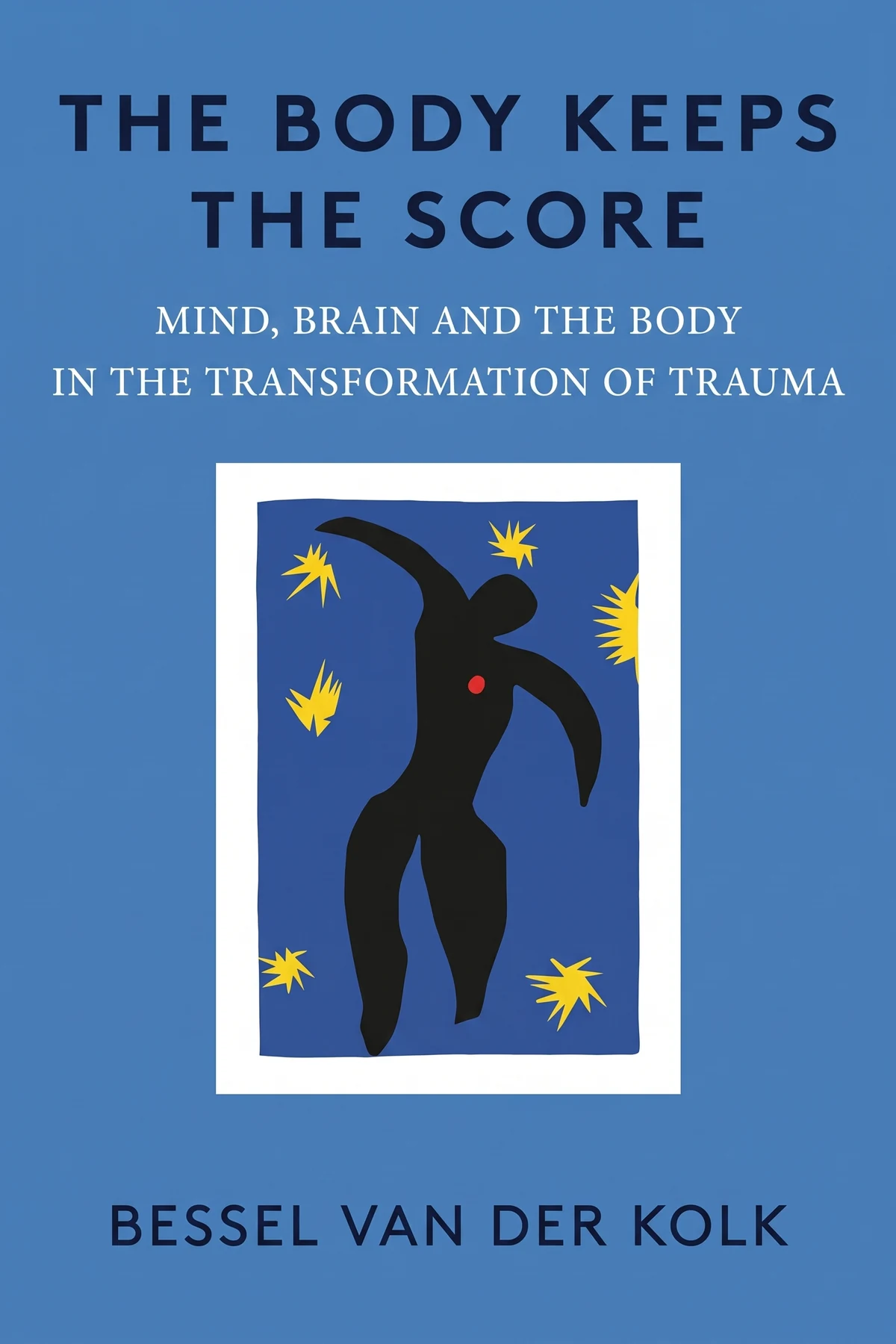
    Psychiatrist and trauma researcher Bessel van der Kolk explains how traumatic experiences are carried in the body as well as the mind, which is why trauma can persist as tension, alarm or numbness long after the events themselves. He surveys several paths to recovery, from talking therapies to approaches that work through the body, such as yoga. It stands alone in the trauma section and suits readers trying to understand their own past or support someone else. Some passages describe trauma in detail, so go at your own pace and pause whenever you need to.

  11. 11

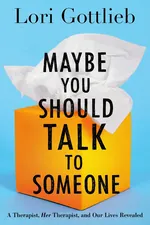
    Psychotherapist Lori Gottlieb tells the stories of four of her clients alongside her own time in therapy, which she begins after a sudden breakup. Seeing both chairs in the room shows what therapy actually involves: slow, honest conversations, setbacks and gradual change rather than quick fixes. It suits anyone who has wondered whether talking to someone might help, or who feels nervous about a first appointment. It sits here, after the clinical books, as a warm and very human bridge from reading about problems to getting support.

  12. 12

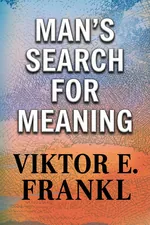
    Psychiatrist Viktor Frankl recounts his time as a prisoner in Nazi concentration camps and the lesson he drew from it: people can endure great suffering when they find meaning in it, and the freedom to choose our attitude remains even when everything else is taken away. The second part of the book introduces logotherapy, his approach built on that search for meaning. It opens the closing section on meaning and perspective because it shows, more plainly than any other book here, how purpose can carry a person through the worst of times.

  13. 13

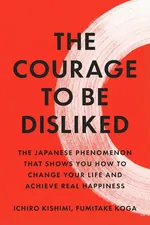
    Written by Ichiro Kishimi and Fumitake Koga as a dialogue between a philosopher and a young man, it introduces the ideas of psychologist Alfred Adler. Its central claims are that your past does not decide your future, that most of our problems are about relationships, and that you do not need everyone's approval to live freely. It is reflective rather than clinical. Try it if worrying about what others think holds you back; it follows Man's Search for Meaning as a lighter, more conversational look at how to live.

  14. 14

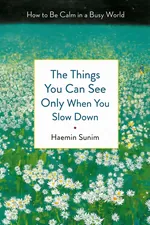
    Korean Buddhist teacher Haemin Sunim offers short, gentle reflections on rest, relationships, love and accepting yourself, written so you can read a page or two and stop. There are no techniques to practice and no science to follow, just calm observations about slowing down in a busy world. It is not a clinical book, and it closes the list on purpose: for days when you want comfort more than a method, it pairs well with The Courage to Be Disliked as the quietest book here.

Questions

What are the top 5 books for mental health?

There is no single top five, because the right book depends on what you are dealing with. A balanced set from this list would be Why Has Nobody Told Me This Before? as a general toolkit, Unwinding Anxiety for worry, Feeling Good for low mood, Self-Compassion for a harsh inner voice and Man’s Search for Meaning for perspective. Each covers a different need, and all five are written by psychiatrists, psychologists or psychology researchers.

What are the best books for mental health and anxiety?

For anxiety, start with Unwinding Anxiety if your worry feels like a habit you cannot stop, and Rewire Your Anxious Brain if you want to understand where fear and panic come from in the brain. The Happiness Trap helps when the struggle against anxious thoughts has become part of the problem. Why Has Nobody Told Me This Before? also has practical chapters on anxiety. If it is affecting your sleep, work or relationships, talk to a doctor or a mental health professional.

What is the most life-changing book to read?

That depends on the reader, but three books on this list set out to change how you see your life, not just how you feel today. Man’s Search for Meaning shows how a sense of purpose can carry a person through extreme suffering. The Courage to Be Disliked challenges the idea that your past and other people’s opinions decide your future. Maybe You Should Talk To Someone makes therapy look like what it often is: something ordinary, human and worth trying.

Can a book replace therapy?

No. These books can help you understand what you are feeling and give you ideas to try, but they are not a substitute for professional help. They can make the first step easier: Maybe You Should Talk To Someone shows what therapy is like from both chairs, while Feeling Good and The Happiness Trap explain the ideas behind CBT and ACT, two widely used approaches. If you are struggling, please talk to a doctor or a mental health professional; in Thailand, you can call the 1323 hotline.

Home

Search

Discover

Log in