Opens in a new tab

Best Personal Finance Books

Thirteen money books in the order to read them, from your first salary to investing and financial freedom.

There are more money books than anyone could read, and they often disagree. This list of the best personal finance books is for young earners and anyone starting over with money, and it puts thirteen of them in an order that builds from your first salary toward investing.

Get the mindset right first (books 1 to 3), then spend and budget on purpose (4 and 5), clear debt (6), automate your accounts (7) and invest simply with low-cost index funds (8 to 10). The last three (11 to 13) ask what financial freedom and “enough” mean for you. Read in order, they cover the core of financial literacy.

How we chose: we wanted one clear path rather than a pile of bestsellers, so each book had to earn a specific step on it: a mindset, a method or a decision. We favored books that teach habits over books that sell products, mixed long-standing classics with newer data-driven titles, and kept the investing stage to low-cost index funds, the approach the investing books here share. Stock picking and trading books are left out on purpose. Every pick has a BookBits audio summary.

Several of these books use American accounts and data, such as the 401(k) retirement plan in I Will Teach You To Be Rich, but the habits they share travel well: spend less than you earn, automate your saving and keep investing costs low. These are summaries of books, not financial advice, so check the rules and products where you live before you act.

Start with The Psychology of Money. Every title links to its audio summary on BookBits, with a free preview.
13 books, 3h 41m
Explore the first book →
Best Personal Finance Books cover

The books

13 books
  1. 1

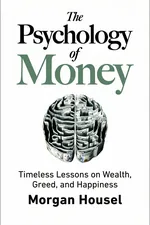
    Start here. Morgan Housel argues that doing well with money depends more on behavior than on knowledge: your patience, your attitude to risk and the habits you absorbed growing up shape your results more than any formula. Through short, story-driven chapters he shows why time does most of the work in investing, why saving pays off even without a specific goal, and why deciding what counts as enough protects you from endless chasing. It suits first-time earners and experienced savers alike, and it sits first because it frames everything the twelve books after it teach.

  2. 2

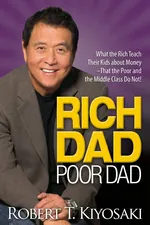
    Rich Dad, Poor Dad

    Robert T. Kiyosaki

    Robert Kiyosaki contrasts the money lessons of two father figures, his own father and his best friend's, to make one point that stays useful: know the difference between assets, which put money in your pocket, and liabilities, which take it out, before you spend a raise. The book also touches on taxes and financial literacy in broad strokes. Treat it as a mindset book rather than a manual, since its advice is general. It sits second because the core lesson is simple to grasp, and the books that follow supply the method.

  3. 3

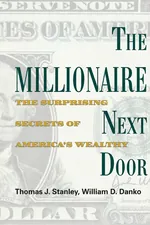
    The Millionaire Next Door

    Thomas J. Stanley

    Thomas J. Stanley reports what surveys of wealthy American households found about how they actually live. Many drive ordinary cars, live in ordinary neighborhoods and spend well below what their income allows, while many people who look rich are spending their way out of wealth. The habits behind the difference are high savings, careful budgets and deliberate choices about raising children around money. It sits third to close the mindset stage with evidence: real wealth is usually quiet, which makes the spending books that follow easier to accept.

  4. 4

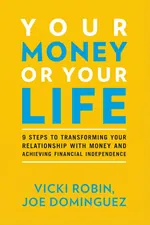
    Vicki Robin's program starts with one calculation: work out what you really earn per hour once commuting, work clothes and other job costs are counted, then price every purchase in hours of your life. Seeing a new phone as weeks of work quietly changes what feels worth buying, and tracking your spending against your values does the rest. It suits anyone who earns well but never seems to have money left at the end of the month. It opens the spending stage because it changes why you spend; You Need a Budget, next, changes how.

  5. 5

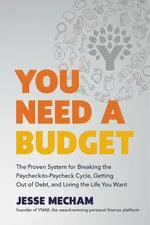
    You Need a Budget

    Jesse Mecham

    Jesse Mecham's method rests on four rules, and the first does most of the work: give every baht or dollar a job before you spend it. The others help you plan for large, irregular costs, adjust without guilt when life changes, and gradually live on money you earned last month instead of this month. It is aimed at people stuck in the paycheck-to-paycheck cycle and works whether you earn a little or a lot. It follows Your Money or Your Life as the practical system for the values that book helps you find.

  6. 6

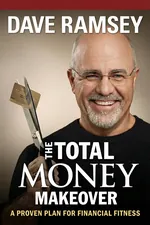
    Dave Ramsey's plan for getting out of debt and staying out is strict and step by step: a small emergency fund first, then paying off debts from the smallest balance upward so each win builds momentum, then a fuller emergency fund before investing. His rules are firm on purpose, and he favors avoiding debt altogether. It suits people who need structure and motivation more than theory. It is the only debt book on the list, and it sits sixth because clearing expensive debt comes before automating your accounts and investing.

  7. 7

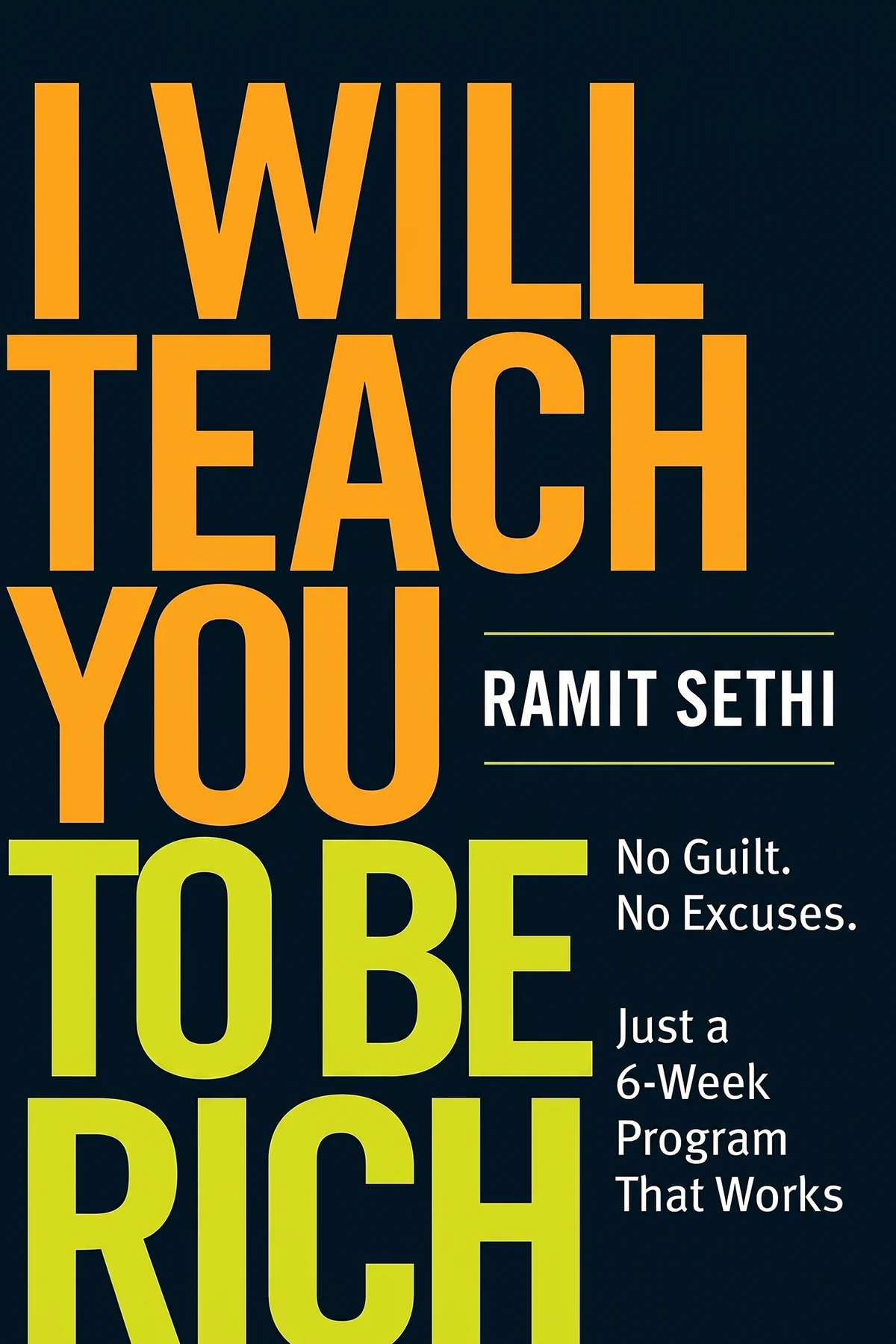
    Ramit Sethi's plan is to set up your accounts once and then automate them, so money moves to savings and investments on payday without a monthly decision. That frees you to spend without guilt on the things you love and to cut hard on the things you do not care about. It suits first-job earners who want a system more than a philosophy. Expect American account names such as the 401(k) retirement plan; the automation idea travels anywhere. It sits seventh as the bridge from budgeting to investing.

  8. 8

    John C. Bogle, who founded Vanguard, makes a short case for owning the whole market through low-cost index funds instead of trying to beat it. His argument is simple arithmetic: investors as a group earn the market's return before costs, so the less you pay in fees and trading, the more of that return you keep. It suits anyone about to choose their first investment. It opens the investing stage because it explains why the method works; The Simple Path to Wealth, next, shows how to live with it.

  9. 9

    J L Collins sets out a plain-language plan for building wealth with low-cost index funds. He explains how to save a large share of your income, avoid debt, keep your investments simple and, above all, hold on when markets fall, which he treats as normal rather than as a reason to sell. It suits readers who find investing intimidating or feel tempted to tinker. It follows Bogle's book as its calm, practical companion: Bogle gives the reasons, Collins the steady habits that keep you invested through bad years.

  10. 10

    Just Keep Buying

    Nick Maggiulli

    Nick Maggiulli uses data to answer common money questions. He argues that raising your income does more for savers than extreme frugality, that investing steadily beats waiting for the right moment, and that spending on what you enjoy is fine once your saving is on track. The title is the strategy: keep buying income-producing assets regularly, whatever the market is doing. It suits readers who want evidence rather than rules of thumb, and it closes the investing stage by answering doubts the two books before it may raise.

  11. 11

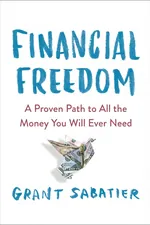
    Financial Freedom

    Grant Sabatier

    Grant Sabatier lays out a roadmap to financial independence built on three levers: grow your income through side work and career moves, cut your biggest living costs, and invest the difference so compound growth starts buying back your time. He frames money as a way to own more of your hours rather than as a goal on its own. It suits ambitious earners who want to move faster than a standard retirement plan allows. It opens the final stage, on what financial freedom means for you, with the most energetic plan of the three.

  12. 12

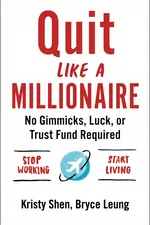
    Kristy Shen offers a numbers-first route to financial independence that questions two common defaults: buying a home and following the standard career script. She shows how a high savings rate and index investing can let you leave full-time work much earlier than usual, and why it pays to plan for market downturns once you do. It suits readers who like spreadsheets and are willing to make unusual choices. It follows Financial Freedom as a more math-driven version of the same goal, with fewer assumptions taken for granted.

  13. 13

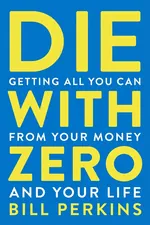
    Die with Zero

    Bill Perkins

    Bill Perkins makes the case against hoarding money you will never use. Saving matters, he argues, but the goal is a full life, so plan to spend on experiences while you still have the health and time to enjoy them, and give to family or causes while you are alive to see the effect. Some experiences only fit certain ages, and waiting too long means losing them. It closes the list as the counterweight to everything before it: after twelve books on building wealth, it asks what that wealth is for.

Questions

What is the best personal finance book ever written?

No single book wins for everyone, but if you read only one, make it The Psychology of Money. It explains why behavior matters more than knowledge and suits almost any reader. Among the older classics, The Millionaire Next Door and Your Money or Your Life have shaped how people think about saving and spending for decades. For investing, The Little Book of Common Sense Investing is the shortest strong case for low-cost index funds.

What are the top 5 finance books?

Take one book from each stage of this list. The Psychology of Money sets the mindset. You Need a Budget gives you a working budget. The Total Money Makeover deals with debt. I Will Teach You To Be Rich automates your accounts. The Little Book of Common Sense Investing explains how to invest simply. When those habits are in place, Die with Zero is a good sixth book for deciding what the money is for.

What is the best personal finance book for beginners?

Start with The Psychology of Money. It needs no financial background and changes how you think about money before you change anything you do. Then read I Will Teach You To Be Rich for the practical setup: which accounts to open, how to automate saving and investing, and how to spend without guilt. If debt is your first problem, put The Total Money Makeover between the two.

Are American personal finance books useful outside the United States?

Yes, if you separate the habits from the products. Account names, tax rules and retirement plans in books such as I Will Teach You To Be Rich and The Millionaire Next Door are American, and they will not match what is available in Thailand or elsewhere. The habits travel well: spend less than you earn, automate your saving and keep investing costs low. The Psychology of Money and Your Money or Your Life barely depend on any one country. Always check local rules before you act.

Home

Search

Discover

Log in