Opens in a new tab

Books Like Atomic Habits

Thirteen books for after Atomic Habits, each labeled with the kind of similarity it offers.

You finished Atomic Habits and want your next book. Most lists of books like Atomic Habits mix true habit books with general self-help and never say how each one is similar. This list starts from what you liked about it: the science of how habits work, the idea of starting tiny, the way small choices compound, or the mindset and self-control underneath.

The thirteen picks follow that order, and each note opens with the kind of similarity it offers: the same science, the same method, the same message, or the next layer down, from mindset and willpower to attention. Choose the label that matches what stayed with you.

How we chose: every book here shares at least one core idea with Atomic Habits (how habits form, starting small, small gains that compound, or the self-control and focus that habits depend on), and every one is practical enough to act on soon after you finish it. We left out general productivity classics such as Deep Work and Getting Things Done, which are about managing work more than building habits. The order runs from the closest match to the furthest step away, and every title has a full audio summary in the BookBits catalog.

If you have not read Atomic Habits yet, start with its summary at the link above. Every title here links to its 15-minute audio summary on BookBits, with a free preview you can play without an account. For more in the same vein, see the goal to master your habits.
13 books, 4h 7m
Explore the first book →
Books Like Atomic Habits cover

The books

13 books
  1. 1

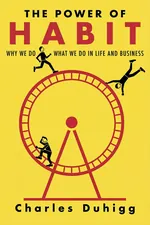
    The Power of Habit

    Charles Duhigg

    Same science. Charles Duhigg breaks every habit into a loop of cue, routine and reward, and argues that the surest way to change a habit is to keep the cue and the reward while swapping the routine in between. He follows that loop from personal lives into companies and teams, with a memorable section on keystone habits that set off wider change. If the part of Atomic Habits you liked best was understanding why habits work, start here: it covers similar ground with more stories and less step-by-step instruction, which is why it sits first.

  2. 2

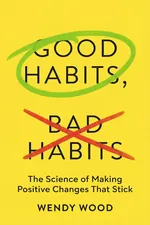
    Same science, more research. Wendy Wood shows how much of daily life runs on autopilot and why trying harder rarely changes it. Her answer is to shape your surroundings: add friction to the behavior you want less of, remove it from the behavior you want more of, and repeat until the action no longer needs a decision. It shares the Atomic Habits focus on environment over willpower but stays closer to the research behind the advice. Read it second if you want to know why the methods work, not only what they are.

  3. 3

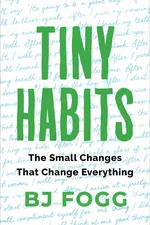
    Same method. BJ Fogg argues that a behavior happens when motivation, ability and a prompt come together, so the reliable lever is making the action easy instead of waiting to feel motivated. You attach a very small new habit to something you already do every day, then celebrate right away so the habit feels good and sticks. Readers who liked the two-minute rule in Atomic Habits will find a fuller system here. It leads the method group because it turns starting small into a complete, step-by-step approach.

  4. 4

    Mini Habits

    Stephen Guise

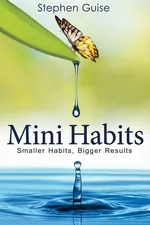
    Same method, even smaller. Stephen Guise suggests goals small enough to feel almost silly, such as a single push-up or a few lines of writing a day. Because the target is so low, your brain has little to resist, and once you start you often do more than the minimum. Like Atomic Habits, it trusts consistency over motivation, but it is narrower and more radical: one simple rule instead of a full framework. It suits readers who keep abandoning ambitious plans after the first week.

  5. 5

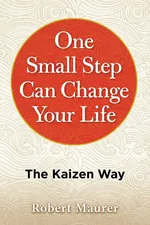
    Same method, with roots in Japan. Psychologist Robert Maurer applies kaizen, the practice of steady small improvement, to personal change. His point is that big goals can trigger the brain's fear of change, while small questions and small actions slip past it and build momentum quietly. That focus on fear sets it apart from Atomic Habits, which deals more with cues and systems than with anxiety. It closes the method group as the gentlest option, a good fit if change itself makes you nervous.

  6. 6

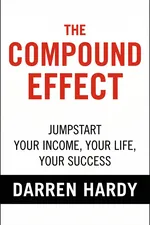
    Same message. Darren Hardy builds his book around the idea that small, steady choices multiply over time, for better or worse, which is close to the compounding argument at the heart of Atomic Habits. He adds simple ways to track what you actually do each day, so you notice the small choices that usually slip by unexamined. His tone is more motivational, and he leans toward income and career success. Pick it if compounding was the idea that stayed with you and you want a push to act on it.

  7. 7

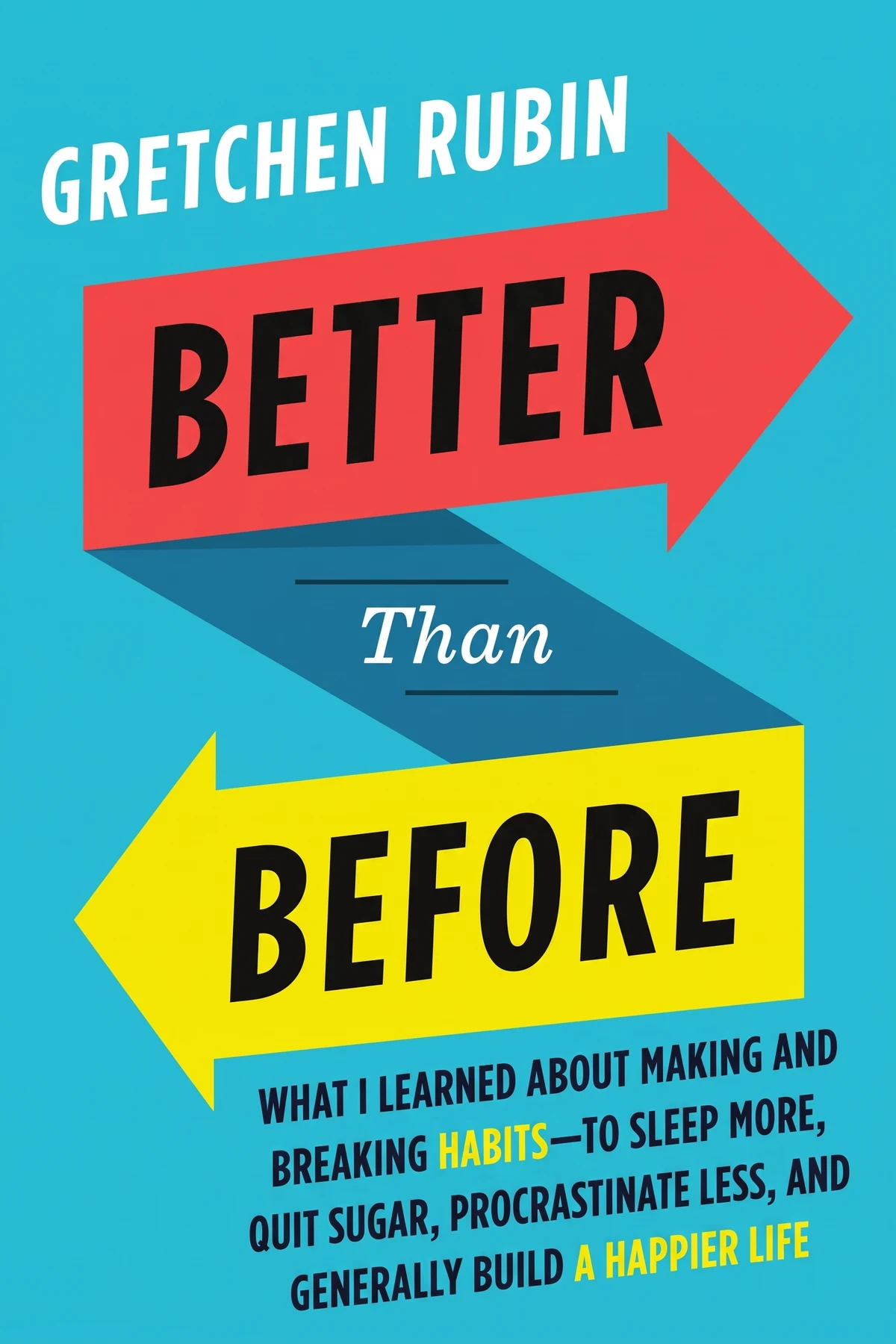
    Better Than Before

    Gretchen Rubin

    A personal angle. Gretchen Rubin argues that no single habit method works for everyone, because people respond to rules and expectations in very different ways. She helps you see which type you are and offers a menu of strategies to match, such as monitoring, scheduling and making the good choice more convenient. Atomic Habits gives one system for everybody; this book helps you work out which parts of any system suit you. It is the right next step if you tried a popular method and it did not stick.

  8. 8

    How to Change

    Katy Milkman

    Same science, matched to your obstacle. Katy Milkman starts from the barrier instead of the goal: procrastination, impulsiveness, forgetting or plain laziness. For each one she pairs fixes from behavioral science, such as tying a chore you avoid to something you enjoy, or using a fresh start like a new month to begin. It shares the evidence-based tone of Atomic Habits but works more like a diagnostic guide. It sits after Better Than Before because it also asks what is stopping you in particular.

  9. 9

    Mindset

    Carol Dweck

    The belief underneath. Carol Dweck contrasts a fixed mindset, which treats ability as something you either have or lack, with a growth mindset, which treats it as something you build through effort and learning. That belief shapes how you read a missed day or a failed attempt: as proof that you cannot change, or as practice. Atomic Habits links habits to identity; Mindset looks at the belief about yourself that decides whether you keep going at all. Read it when setbacks, not systems, are what stop you.

  10. 10

    The Willpower Instinct

    Kelly McGonigal

    The science of self-control. Kelly McGonigal explains willpower as something rooted in both body and mind, worn down by stress and fatigue, and shows practical ways to strengthen it and spend it wisely. That matters most in the early weeks, while a new habit still takes effort. Atomic Habits tries to design willpower out of the picture; this book is for the moments before that design has taken hold, when you have to resist a temptation right now. It suits anyone fighting procrastination or a stubborn craving.

  11. 11

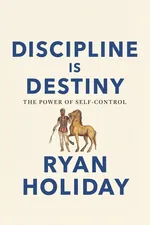
    The philosophy behind it. Ryan Holiday draws on temperance, the Stoic virtue of self-control, and illustrates it with stories of historical figures who mastered body, mind and spirit. Where Atomic Habits explains how to build steady habits, this book argues why they matter: self-mastery as the foundation for purpose and freedom. It is less practical and more reflective, which is why it comes after the science and method picks. Choose it if you want a reason to stay consistent, not another technique.

  12. 12

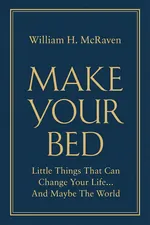
    Make Your Bed

    William H. McRaven

    Same small-start spirit, told as stories. Admiral William McRaven shares ten lessons from Navy SEAL training, starting with the simple habit of making your bed each morning. Each lesson is a short story about how a small daily discipline prepares you for hard days, setbacks and failure. It makes the same case as Atomic Habits, that small actions matter, but through example instead of method. It is one of the lightest reads on the list, a good choice if you want inspiration more than a system.

  13. 13

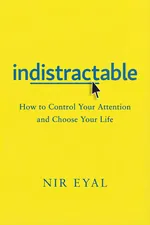
    Habits applied to attention. Nir Eyal argues that distraction usually starts with an uncomfortable feeling inside you, not with your phone, and shows how to deal with those inner triggers first. He then helps you plan your day around your values, block outside interruptions and make advance commitments that keep you on track. It applies habit thinking to a problem many Atomic Habits readers share: staying focused. It closes the list because it moves from building habits to protecting the time they need.

Questions

What books should I read if I liked Atomic Habits?

Start with the part you liked most. For the science of how habits form, read The Power of Habit and then Good Habits, Bad Habits. For the start-small method, read Tiny Habits, Mini Habits or One Small Step Can Change Your Life. If the compounding idea stayed with you, read The Compound Effect. If your habits keep breaking because of setbacks or temptation, Mindset and The Willpower Instinct deal with what sits underneath. If distraction is the real problem, go to Indistractable.

What book is better than Atomic Habits?

No single book replaces Atomic Habits for every reader, but several do one part of it better for certain people. Tiny Habits goes further into the start-small method. Good Habits, Bad Habits stays closer to the research. Better Than Before is the better choice if one-size-fits-all advice has failed you before, and How to Change is better if you already know which obstacle stops you. Choose by the gap you felt when you finished Atomic Habits.

Should I read The Power of Habit or Atomic Habits first?

Either order works. The Power of Habit explains why habits form, through the loop of cue, routine and reward and stories of people and companies that changed. Atomic Habits turns similar ideas into a practical system you can start this week. If you like to understand a problem before acting on it, begin with The Power of Habit; if you want to change something now, begin with Atomic Habits. Both have audio summaries on BookBits, so you can play each free preview and decide.

Which books like Atomic Habits help with procrastination?

Three picks deal with it directly. How to Change matches research-backed fixes to procrastination and other common obstacles. The Willpower Instinct explains the self-control behind putting things off and how to build more of it. Indistractable traces distraction back to the uncomfortable feelings that trigger it. Mini Habits helps too, because a goal small enough to feel silly is hard to put off. For more, see the goal to stop procrastinating.

Home

Search

Discover

Log in