Opens in a new tab

Books to Read in Your 20s

Fifteen nonfiction books for the decisions of your twenties, from work and people to money and meaning.

Your twenties are full of first decisions: the first real job, the first salary, the friendships and habits you carry forward. This is a short list of books to read in your 20s, nonfiction only, for students, recent graduates and young professionals who want help with those decisions rather than a stack of classics to get through.

The fifteen books are grouped by those decisions. Books 1 to 4 help you find a direction for your work, and 5 to 8 build the mindset to handle setbacks and other people’s opinions. Books 9 and 10 are about working well with people, 11 and 12 about money and clearer thinking, and 13 to 15 about meaning and perspective.

How we chose: every book had to help with a real decision of the decade, such as choosing work, handling a first salary or dealing with other people’s expectations, and offer something you can use soon after reading. We kept the list to fifteen so it is short enough to finish, and we grouped the books by decision instead of ranking them, so the numbers follow the groups, not a verdict on which book is best. Every title has a full audio summary in the BookBits catalog.

No single book is life changing for everyone, so start with what you are facing now. If you only read three, make them The Defining Decade, The Psychology of Money and Man’s Search for Meaning. Each title links to its audio summary on BookBits, with a free preview.
15 books, 4h 45m
Explore the first book →
Books to Read in Your 20s cover

The books

15 books
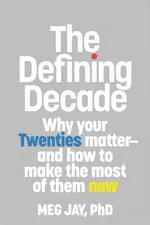
  1. 1

    Meg Jay argues that the twenties are not a warm-up for adult life but the decade when much of it takes shape, from career direction to relationships, while the brain is still developing. She urges readers to build identity capital, the skills and experiences that add up to who you are professionally, and to use weak ties, the acquaintances who often open doors that close friends cannot. It opens the list because it frames the whole decade and makes the case for acting now instead of waiting for thirty.

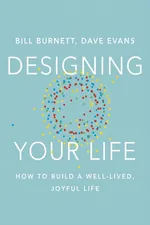
  2. 2

    This book brings design thinking to career and life choices. Instead of searching for one perfect answer, you sketch several possible versions of the next few years, then test them cheaply through conversations with people already doing the work and small hands-on trials. Failure becomes information rather than a verdict. It suits anyone who feels stuck between options or pressured to pick the right path straight out of school. It sits second because it turns the urgency of The Defining Decade into a practical, low-risk way to explore.

  3. 3

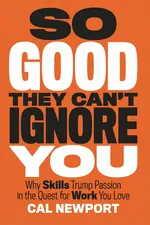
    Cal Newport questions the popular advice to follow your passion, arguing that most people do not start out with a clear passion to follow. Build rare and valuable skills first, he says, the career capital that gives you leverage, and work you love tends to grow from the control and respect those skills earn. He calls this the craftsman mindset: focus on what you can offer rather than on what the job offers you. It belongs early in the list because it changes how you judge your first jobs.

  4. 4

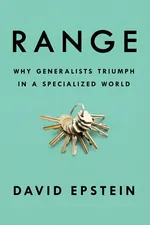
    Range

    David Epstein

    Reassuring if you have not picked a lane yet. David Epstein argues that in a complex, fast-changing world, people with broad experience often do better than early specialists, because they borrow ideas across fields and adapt when the rules change. He questions the belief that everyone must specialize early to succeed. It balances So Good They Can’t Ignore You: one says go deep, the other says go wide first, and reading both helps you decide what your stage calls for. It closes the direction group for anyone still sampling.

  5. 5

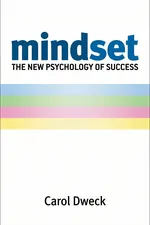
    Mindset

    Carol Dweck

    Carol Dweck contrasts a fixed mindset, which treats ability as something you either have or lack, with a growth mindset, which treats it as something you develop through effort, better strategies and help from others. The difference decides whether a setback feels like a verdict or like practice. In your twenties that shows up everywhere: a tough first performance review, a rejected application, a skill that does not come quickly. It opens the mindset group because the other three books in it build on this basic belief that you can change.

  6. 6

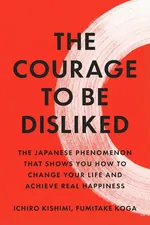
    Written as a conversation between a philosopher and a young man, this book draws on Adlerian psychology, the ideas of the psychologist Alfred Adler. It argues that your past does not have to decide your future, that much unhappiness comes from relationships and the need for approval, and that you should separate your own tasks from other people's, since how others judge you is their task, not yours. It suits anyone making choices to please parents, bosses or friends, a common pressure in your twenties.

  7. 7

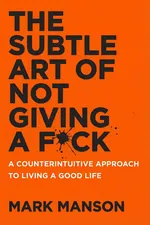
    Mark Manson offers blunt advice on choosing what deserves your energy. His argument is that every life comes with problems, so the real choice is which struggles you are willing to take on, and that chasing constant happiness only leaves you more anxious. Good values, he says, are ones you control and can act on. Behind the swearing is a serious point about taking responsibility. It sits in the mindset group as an antidote to the pressure to look happy and successful all the time.

  8. 8

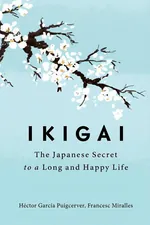
    Ikigai

    Hector Garcia Puigcerver

    This book explores the Japanese idea of ikigai, a reason for being, through the daily habits of long-lived people in Okinawa: staying active, eating moderately, keeping close friends and finding flow in work that absorbs you. It treats purpose as something lived day by day rather than a single grand answer you must find. In your twenties, when the question of what to build a life around feels urgent, that is a calmer way to approach it. It closes the mindset group by turning from attitude toward purpose.

  9. 9

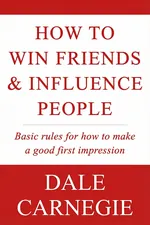
    Dale Carnegie's guide is still the starting point for getting along with people at work and beyond. Its advice is simple and easy to forget: listen more than you talk, show real interest in others, remember names, give honest appreciation and avoid needless criticism and arguments. Some examples are old, but the principles hold for a first job, a new team or a first networking event. It opens the people group because almost every career and relationship decision in your twenties involves earning someone's trust.

  10. 10

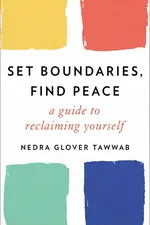
    Set Boundaries, Find Peace

    Nedra Glover Tawwab

    Therapist Nedra Glover Tawwab offers a practical guide to telling family, friends, partners and colleagues what you need, and holding to it without guilt or damage to the relationship. She explains what boundaries are, how to spot when yours are too loose or too rigid, and gives wording you can use in real conversations. In your twenties you renegotiate many relationships at once, from parents to first managers. It follows Carnegie because it covers the other side of getting along: protecting your own time and energy.

  11. 11

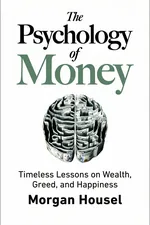
    Read it with your first salary. Morgan Housel argues that doing well with money depends less on technical knowledge than on behavior: patience, humility, avoiding comparisons and knowing when you have enough. In short chapters he shows how personal history and ego shape money choices, and why saving and staying invested for a long time matter more than clever moves. It is the money book on this list because the habits it describes are easiest to build early, before lifestyle and obligations grow.

  12. 12

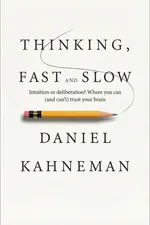
    Daniel Kahneman describes two ways of thinking: a fast, intuitive system that runs most of the time and a slow, deliberate one that we use less than we think. The fast system relies on shortcuts that lead to predictable errors, such as overconfidence and judging by how easily an example comes to mind. Knowing those patterns helps with job offers, money, relationships and every big choice ahead. It pairs with The Psychology of Money as the clear-thinking pick, and it has the longest summary on this list.

  13. 13

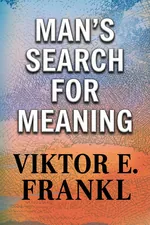
    Psychiatrist Viktor Frankl recounts surviving the Nazi concentration camps and what he saw there: people who held on to a sense of meaning, such as a person to return to or work to finish, were better able to endure. From this he developed logotherapy, an approach to therapy centered on finding meaning. His core point is that we cannot always choose what happens to us, but we can choose our attitude toward it. It opens the meaning group because it puts the everyday worries of the decade in perspective.

  14. 14

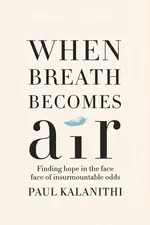
    Neurosurgeon Paul Kalanithi received a terminal diagnosis, and this memoir follows his move from doctor to patient. Drawing on literature, science and medicine, he asks what makes a life worth living when time is short, and how to decide what to do with the time you have. It is moving rather than instructional, but its questions about work, ambition and meaning land hardest early in a career. It sits here as a perspective worth meeting early rather than late, and pairs well with Man's Search for Meaning.

  15. 15

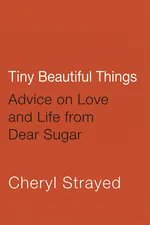
    Tiny Beautiful Things

    Cheryl Strayed

    Cheryl Strayed's collection of advice columns, written as Dear Sugar, answers letters about love, grief, self-doubt and self-acceptance with unusual warmth and honesty. Each answer is short and personal, often drawing on her own hard experiences, so it reads like advice from a wise friend rather than an expert. It closes the list because it is the gentlest book here, good company for the messy years when plans change and not everything works out the way you expected.

Questions

What books should you read in your 20s to be successful?

Success in your twenties rests on early decisions about work, skills, money and people. For work, start with The Defining Decade and So Good They Can’t Ignore You. For money, read The Psychology of Money with your first salary. For people, How to Win Friends and Influence People is still the classic. Mindset helps you through the setbacks along the way. If success to you also means a life that feels worth living, add Man’s Search for Meaning.

What should I read in my 20s if I don’t know what career I want?

Start with Designing Your Life, which shows you how to test several possible paths cheaply before committing to one. Then read Range, which argues that sampling widely can be an advantage, and So Good They Can’t Ignore You, which suggests that passion often follows skill rather than leading it. The Defining Decade adds urgency: not knowing yet is fine, but waiting is costly. Ikigai offers a gentler way to think about purpose.

What is the best money book to read in your 20s?

On this list, The Psychology of Money. It treats money as behavior more than math: saving, patience and knowing when you have enough. Those habits are easiest to build in your twenties, when time is on your side. Thinking, Fast and Slow makes a strong second read, because many money mistakes come from the thinking errors it describes. Both have audio summaries on BookBits with a free preview, so you can try each before choosing.

Should you read fiction or nonfiction in your 20s?

Both are worth your time, and most lists of books to read in your 20s are full of novels. This one is nonfiction only because it is built around decisions: each book offers ideas you can use on a career choice, a first budget or a difficult conversation. If you want stories as well, two picks here are memoirs, Man’s Search for Meaning and When Breath Becomes Air, and they read like stories while still giving you plenty to think about.

Home

Search

Discover

Log in